
Ask most people outside Japan what they know about shinrin-yoku, and you’ll likely get a response that lands somewhere between a knowing nod and a gentle eye-roll. “Oh, right, ‘forest bathing,’” they’ll say. “It’s that Japanese thing about taking a nice walk in the woods. Very zen.” And they’re not entirely wrong, but reducing shinrin-yoku to a mere stroll among the trees is like calling a multi-course kaiseki dinner a “snack.” It misses the entire point—the intention, the science, and the profound cultural framework that transforms a simple activity into a form of preventative medicine.
In the West, we tend to romanticize our connection with nature. We see it as an escape, a challenge, a beautiful backdrop for adventure. We hike to conquer a peak, we trail run to beat a personal best, we camp to prove our resilience. It’s an active, often goal-oriented relationship. Shinrin-yoku, however, proposes something radically different. The Japanese characters, 森林浴, translate literally to “forest” (shinrin) and “bath” (yoku). The metaphor is deliberate. You are not meant to march through the forest, but to immerse yourself in it, to let its atmosphere wash over you, to absorb its essence through all your senses. It is a slow, aimless, and deeply sensory practice.
More importantly, this isn’t a nebulous wellness trend that bubbled up from lifestyle blogs. It’s a government-endorsed public health practice born in the 1980s, backed by decades of rigorous scientific research. In Japan, doctors can literally prescribe a trip to a certified “Forest Therapy Base,” and corporations sometimes include it in their employee wellness programs. It’s taken as seriously as diet and exercise because its physiological benefits—from boosting cancer-fighting cells to reducing stress hormones—are measurable and well-documented.
So, how did a walk in the woods become a cornerstone of public health policy? And what, exactly, are you supposed to do when you’re bathing in a forest? This is about more than just appreciating pretty scenery. It’s an exploration of a uniquely Japanese mindset where nature is not a resource to be used or a landscape to be conquered, but a living, breathing entity with the power to heal. It’s time to look beyond the surface and understand why this practice is so much more than a walk in the park.
This unique mindset, where nature is seen as a living entity for healing, mirrors the intense focus found in other aspects of Japanese culture, such as the hyper-focused art that defines the nation’s creative spirit.
The Birth of a Prescription: More Science Than Serendipity
The story of modern shinrin-yoku does not begin in an ancient monastery or a forgotten folk wisdom scroll. Instead, it starts in an office—specifically, within Japan’s Ministry of Agriculture, Forestry and Fisheries in 1982. This context is essential. In the early 1980s, Japan was at the height of its post-war economic miracle, characterized by rapid urbanization and an intense work ethic. However, this prosperity came at a cost: a growing public health crisis. Stress levels were soaring. Cities were crowded, polluted, and often lacked access to green spaces. The phenomenon of karoshi, or “death from overwork,” was increasingly common. Although the nation was highly productive, it was also deeply unhealthy.
A Response to a Modern Crisis
Shinrin-yoku was introduced as a national health initiative—a deliberate, top-down response to the challenges of modern industrial life. The government identified a twofold problem: citizens were stressed and disconnected from nature, and its extensive, well-managed forests were underused. The solution was straightforward and elegant: what if these forests could be reframed not merely as timber sources but as public resources for healing and preventative care? This prevention strategy was founded on a plentiful resource unique to Japan. It wasn’t about nostalgically returning to the past but offering a practical solution for the future, using nature to offset the physiological and psychological burdens of urban living.
From Hypothesis to Hard Data
For shinrin-yoku to gain serious traction in data-focused Japan, it required more than a catchy name and good intentions—it needed evidence. Here, the narrative shifts from policy to physiology. Beginning in the 1990s and continuing to the present, Japanese researchers launched rigorous, systematic studies on the effects of spending time in forest environments. A leading figure in this research is Dr. Qing Li, an immunologist at Nippon Medical School in Tokyo. His work, alongside that of his colleagues, transformed shinrin-yoku from poetic concept to peer-reviewed science.
Researchers didn’t merely ask participants if they felt better after forest walks; they measured internal biological changes. The findings were consistently striking. Compared to a city control group, participants who spent time in forests experienced a series of positive physiological effects:
- A marked decrease in the stress hormone cortisol.
- Reduced pulse rate and blood pressure.
- A shift in autonomic nervous system activity, showing decreased “fight-or-flight” (sympathetic) nerve activity and increased “rest-and-digest” (parasympathetic) activity.
The most groundbreaking finding related to the immune system. Dr. Li’s studies revealed that after just a few hours of shinrin-yoku, participants exhibited a significant rise in both the number and activity of Natural Killer (NK) cells. These white blood cells are crucial in immune defense, targeting virus-infected cells and early-stage tumors. Moreover, this enhanced NK cell activity was not short-lived; it could persist for up to thirty days following a weekend forest trip. The forest, it seemed, did more than soothe—it actively bolstered the body’s disease-fighting capacity.
The Chemical Connection: Phytoncides
This led to a critical question: what was the underlying mechanism? Was it merely the tranquility, fresh air, or calming greenery? While these factors contributed, research uncovered a more direct chemical interaction. Forest air is not just ordinary air; it is infused with a complex mix of airborne chemicals released by trees and plants to defend against germs, insects, and fungi. These substances are known as phytoncides.
As we walk through forests, we breathe in these volatile organic compounds, such as α-pinene, which gives pine its characteristic scent, and limonene, found in citrus. Research indicated that inhaling these phytoncides stimulated the increase in NK cell activity. We weren’t just admiring the forest; we were inhaling its immune system. This discovery filled the missing gap. Shinrin-yoku was more than a psychological therapy; it was a physiological one. The forest functioned as a form of natural aromatherapy, delivering chemical agents that actively enhanced human health. This scientific validation distinguishes shinrin-yoku from typical wellness trends and establishes it as a credible therapeutic practice in Japan.
How to “Bathe”: The Method Behind the Metaphor
Understanding the science is one thing, but actually practicing shinrin-yoku is quite another. The biggest error people make is treating it like a hike. The moment you start timing your pace, counting your steps, or focusing on reaching a scenic viewpoint, you’ve lost the essence. The heart of shinrin-yoku lies in intentional aimlessness. It’s a practice of being, not doing.
It’s Not a Hike
A hike usually emphasizes exertion and destination—a linear journey from Point A to Point B. Shinrin-yoku, on the other hand, is a circular, immersive experience. The distance you cover doesn’t matter; you might spend two hours wandering a single hundred-meter stretch of trail. The objective isn’t to get through the forest but to let the forest get into you. This demands a radical slowing down and a conscious release of the urge to be productive or efficient. The pace is best described as a wander or a meander. You pause when something captures your attention, linger where the air smells especially fragrant, and sit when you need to rest. There’s no agenda other than to be fully present.
Engaging All Five Senses
This state of presence is nurtured by deliberately opening all your senses. The practice is a form of active mindfulness, using the forest as the focus of your attention. It’s not just about passively noticing your surroundings but actively engaging with them.
Sight (見る – miru)
Don’t merely glance at the trees—truly see them. Observe the intricate fractal patterns of a fern frond. Notice how sunlight filters through the canopy, a phenomenon the Japanese call komorebi. Study the texture of bark, the varying greens of moss, and the way a gentle breeze makes leaves dance. Your eyes are not just cameras capturing a scene; they are instruments for deep observation, absorbing the visual medicine of the forest.
Sound (聞く – kiku)
The forest has its own soundscape, and much of the practice involves attuning your ears to it. Begin by noticing the absence of urban noise—no traffic, sirens, or chatter. Then tune in to the subtle symphony that remains: the rustle of leaves underfoot, calls of various birds, hum of insects, and gurgle of a distant stream. Forest sounds aren’t noise; they are information and atmosphere. Deliberate listening connects you to the life thriving within it.
Smell (嗅ぐ – kagu)
This is perhaps the most direct pathway to the physiological benefits of shinrin-yoku. Breathing is usually unconscious, but here it becomes intentional. Take deep, slow breaths. What do you detect? The damp, earthy scent of soil after rain. The sharp, clean aroma of pine or cedar. The sweetness of blooms. You’re inhaling phytoncides, chemical compounds that strengthen your immune system. This sense links your internal body directly to the external forest environment.
Touch (触る – sawaru)
Modern life often offers a sterile, textureless experience mediated through smooth glass screens. Shinrin-yoku encourages reawakening your sense of touch. Run your hand over the rough, grooved bark of an ancient tree. Feel the coolness of a moss-covered stone. Pick up a fallen leaf and trace its delicate veins. If there’s a stream, dip your fingers or toes into the cold, clear water. This physical contact grounds you, shifting your awareness from your mind into your body, anchoring you in the present moment.
Taste (味わう – ajiwau)
Though you’re unlikely to forage, taste can still play a role. Savor the clean, fresh air itself. Notice its quality, coolness, and humidity. If you have water, pay attention to how it tastes in this environment. Some guided shinrin-yoku experiences in Japan conclude with a simple tea ceremony in a forest clearing, letting you mindfully taste something grown from the earth while surrounded by it.
The Digital Detox Mandate
At the core of all this is one non-negotiable rule: disconnect. Turn off your phone and put it away. Use your camera sparingly, if at all. The aim is to remove the digital filter that constantly shapes how we experience the world. You can’t fully immerse your senses in the forest while tethered to a stream of notifications, emails, and social media updates. Shinrin-yoku invites you to reconnect with the analog world, granting your brain a period of quiet reflection free from the constant stimulation and low-level anxiety of digital life. It’s within this calm space that true healing begins.
The Cultural Roots: Why This Resonates So Deeply in Japan
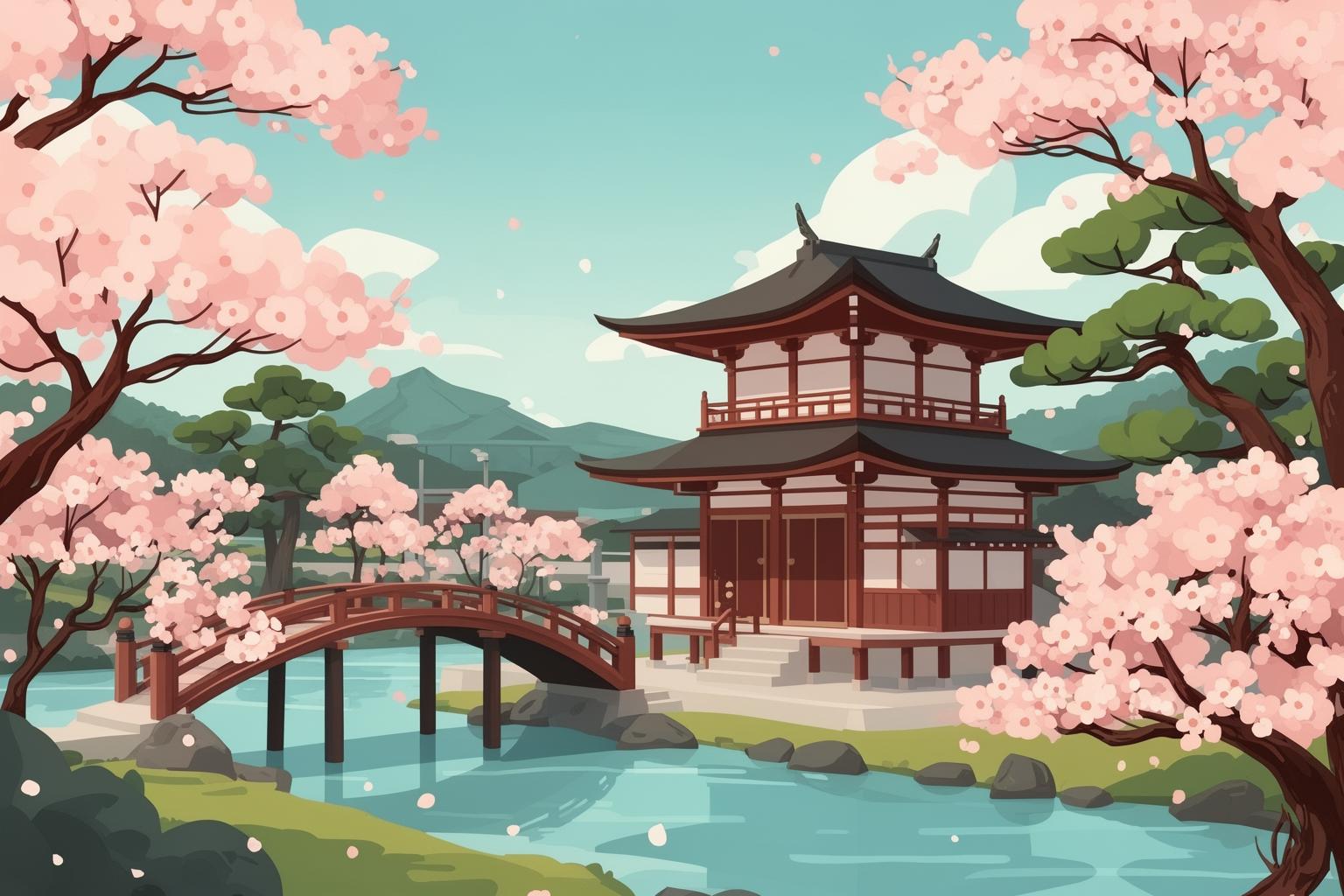
Although shinrin-yoku is a contemporary public health initiative, its deep resonance in Japan stems from its connection to ancient cultural and spiritual sensibilities. For many Japanese people, the practice feels intuitive and natural because it represents a modern expression of a long-standing reverence for nature that is intricately woven into the culture’s fabric. It is not merely a scientific concept but also a cultural one.
Shinto and the Sacredness of Nature
Long before Buddhism arrived, Japan’s indigenous spiritual tradition was Shinto, or the “Way of the Gods.” At its heart, Shinto is a form of animism that perceives divinity in the natural world. The gods, or kami, are not remote, transcendent beings in a distant heaven; rather, they inhabit natural objects and phenomena. An ancient, towering tree (shinboku), an unusually shaped rock, a majestic waterfall, or a mountain—all may serve as dwelling places for kami. As a result, forests are more than just ecosystems; they are sacred spaces, akin to natural cathedrals. This explains why Shinto shrines are often situated in serene natural settings, nestled within groves of ancient trees. The iconic torii gate at a shrine’s entrance signifies the transition from the ordinary world to the sacred realm where kami dwell. When walking into a forest in Japan, one is, in a sense, entering a place of worship. This deeply rooted cultural viewpoint endows shinrin-yoku with a spiritual dimension that transcends mere recreation.
Aesthetics of Imperfection and Transience
Japanese aesthetics also shape how nature is perceived. Concepts such as wabi-sabi and mono no aware influence the forest experience. Wabi-sabi embraces the beauty of imperfection, impermanence, and incompleteness. A forest epitomizes this ideal. It is not a perfectly manicured garden with symmetrical lines but a place of beautiful decay—a moss-covered, crumbling stone wall, a fallen log fostering new mushrooms, or a tree with a hollow trunk. Shinrin-yoku encourages finding beauty not despite these imperfections, but because of them, as they tell stories of time, resilience, and natural cycles. Similarly, mono no aware is a gentle, poignant awareness of the transience of all things. The fleeting beauty of cherry blossoms is the most renowned example, but this sensibility also applies to the forest—the brief life of a wildflower, the changing hues of autumn leaves, the silence after a snowfall. These aesthetic principles foster a contemplative, observant mindset perfectly suited to the slow, sensory immersion of forest bathing.
The Language of Nature
The Japanese language itself reveals a profound cultural focus on the subtleties of the natural world. There are words without simple English equivalents, yet fully understood by native speakers. Previously mentioned komorebi describes the interplay of light and leaves when sunlight filters through trees. Another concept, yūgen, from traditional aesthetics, refers to a profound, mysterious sense of the universe’s beauty and the poignant beauty of human suffering. It conveys a subtle, hard-to-express depth of experience, often evoked through observing nature. The presence of such specific and poetic vocabulary highlights a culture that has long cultivated attentive appreciation of the natural environment’s details. In this context, shinrin-yoku is simply a structured way of practicing what the culture has always cherished: paying deep, respectful attention to the world beyond oneself.
The Infrastructure of Wellness: Certified Forests and Forest Therapists
One of the most striking features of shinrin-yoku in Japan is how this combination of scientific evidence and cultural respect has been formalized into a national system. This is not just a casual, do-it-yourself activity left to individual interpretation. Japan has developed a dedicated infrastructure to ensure the practice is carried out in a safe, effective, and therapeutic way. This degree of institutionalization is what truly distinguishes it from nature appreciation in other parts of the world.
Not Just Any Forest Will Do
Acknowledging that not all forests have the same healing qualities, the government and independent organizations have created a certification system. There are now over sixty designated “Forest Therapy Bases” and “Forest Therapy Roads” nationwide. These are not merely attractive woodlands; they are locations that have been scientifically evaluated and proven to possess therapeutic effects for people. Researchers conduct field studies in these forests, measuring factors such as the concentration of phytoncides in the air, the quality of light and sound, and the physiological responses of participants. A forest only receives certification if it shows a statistically significant ability to reduce stress and enhance physiological function. The trails are designed to be accessible, featuring gentle slopes and well-maintained paths, so that individuals of all ages and fitness levels can benefit.
The Role of the Guide
To enrich the experience further, Japan has trained a group of certified Forest Therapy Guides and Forest Therapists. It’s important to note that these are not park rangers or botanists. Their expertise lies not in identifying plants and animals, but in facilitating connection. A guide’s role is to help participants slow down, release their anxieties, and open their senses to the forest environment. They serve as a bridge between the stressed urban individual and the restorative power of nature.
A guided session might start with gentle stretching and deep breathing exercises to cultivate body awareness. The guide then leads the group on a slow walk, occasionally pausing to offer “invitations.” These are simple, open-ended prompts designed to engage the senses. An invitation could be to find a comfortable spot to sit quietly for fifteen minutes and simply listen, to explore the textures of different tree barks, or to observe the movement of clouds through the canopy. The guide fosters a safe and supportive environment, free of judgment or pressure to perform. Sessions often conclude with tea prepared over a small stove, allowing the group to share their experiences in a peaceful clearing. This structured approach helps people not accustomed to slowing down to fully access the benefits of the practice.
Shinrin-yoku in the Doctor’s Office
The final component of this institutional framework is the integration of shinrin-yoku into healthcare and corporate wellness programs. Supported by solid scientific evidence, some doctors in Japan actually prescribe forest therapy. Patients dealing with high blood pressure, anxiety, or burnout may leave the clinic with a recommendation for a guided shinrin-yoku session at a nearby certified site. Moreover, progressive Japanese companies concerned with employee burnout have begun incorporating forest therapy into their wellness initiatives, organizing group outings as a means to reduce stress and boost team morale. This is the ultimate endorsement of the practice: it has evolved from a cultural tradition into a scientifically supported, professionally guided, and medically recognized form of therapy.
Bringing the Forest Home: A Mindset, Not a Location
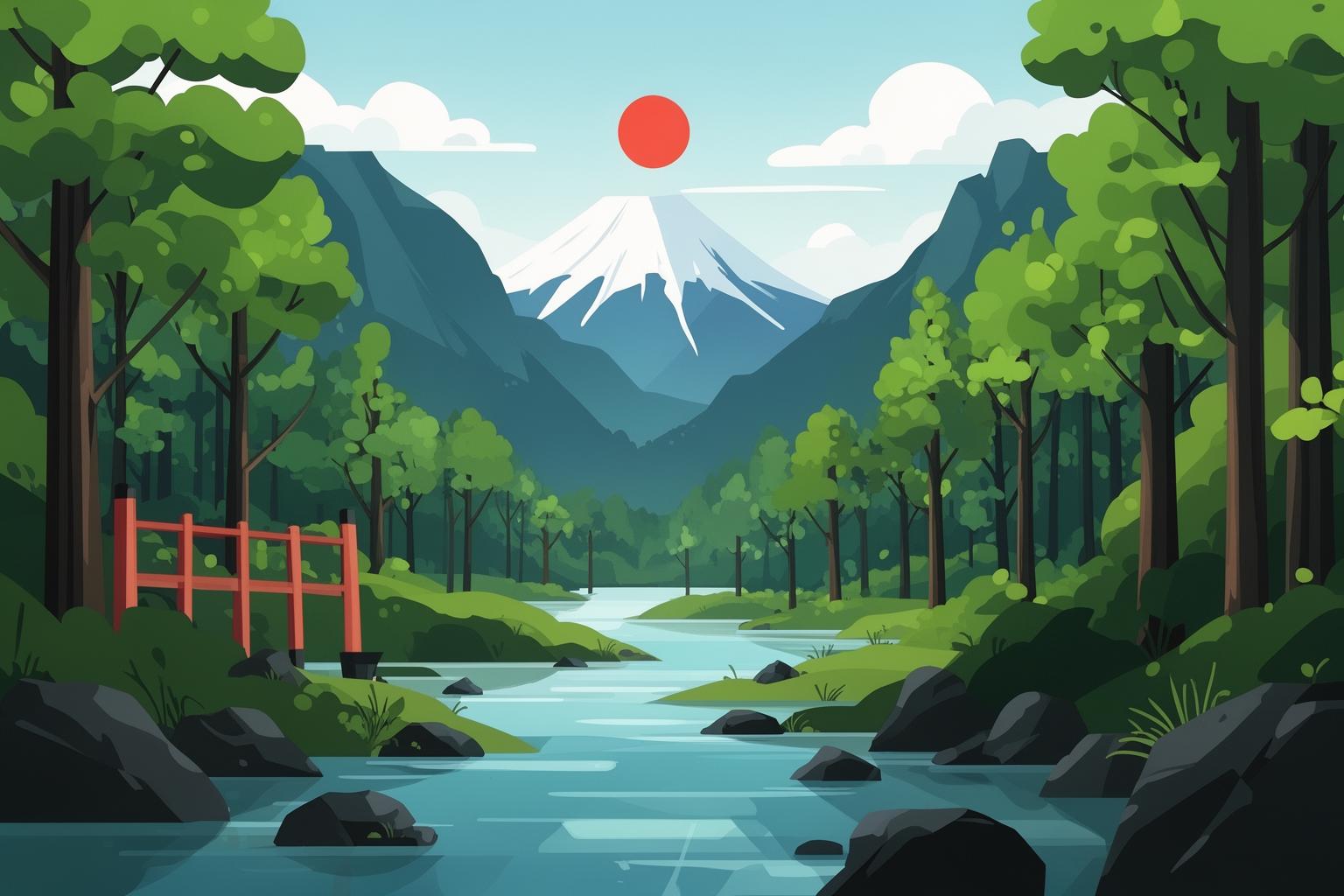
After learning about Japan’s certified forests and trained guides, it’s easy to think that an authentic shinrin-yoku experience is only possible if you can book a flight to Yakushima or the Akasawa Natural Recreational Forest. However, this overlooks the most important lesson. While the ideal experience may be in a pristine, phytoncide-rich Japanese forest, the core principles of shinrin-yoku apply universally. The true essence of the practice is portable; it’s a mindset you can develop anywhere.
The Essence is Portable
You don’t need an ancient cedar forest to practice forest bathing. You can do it in a city park, a botanical garden, a quiet neighborhood street with a few trees, or even your own backyard. The location matters less than the intention. The goal is to change how you interact with nature, shifting from passive observation or goal-driven activities to slow, mindful, sensory immersion. The benefits may vary in intensity, but they are similar in kind. Simply stepping away from a screen, slowing your pace, and paying focused attention to the natural world around you holds value, wherever you are.
Micro-dosing Nature
Incorporating this mindset into a busy urban life means finding chances for “micro-doses” of nature connection. You don’t need a full day. Start with fifteen minutes. Choose a single tree in a local park. Leave your phone in your pocket. Spend five minutes just observing it—the leaves, the bark, the branches. Spend the next five touching it, feeling its texture. Then spend the last five minutes sitting beneath it, listening to the sounds around you. This small practice can serve as a powerful reset during a stressful day. You can practice shinrin-yoku by simply opening a window and listening to the rain, or by noticing the scent of the air after a storm. You might even bring the forest inside by getting a few houseplants and taking daily time to care for and observe them—not as decorations, but as living beings.
A Counter-Narrative to the “Conquest” of Nature
Perhaps the most profound gift of shinrin-yoku is the alternative it offers to the prevailing Western narrative about our relationship with nature. Much of our language about nature involves effort, struggle, and achievement. We climb mountains, conquer trails, brave the elements. It’s an adversarial or transactional relationship, going to nature to do something, to attain a sense of accomplishment.
Shinrin-yoku completely reverses this narrative. It promotes a relationship based on reciprocity and receptivity. You go to the forest not to conquer it, but to be welcomed by it. You are there not to act, but simply to be. It is a humble practice, an act of surrender. You allow the forest environment to influence you, to regulate your nervous system, calm your mind, and strengthen your immunity. It’s a powerful reminder that we are not separate from nature, but part of it, and that healing often comes not through striving and exerting effort, but by slowing down, paying attention, and receiving the ongoing support that the living world offers. It’s a bath, not a battle. And all you have to do is step in.