
Ask anyone to picture Japan, and you’ll likely get a split-screen image. On one side, there’s the neon-drenched, hyper-modern cityscape: bullet trains slicing through the night, Shibuya Crossing’s human tide, robots serving drinks. It’s a world of relentless efficiency, technological marvel, and immense social pressure. On the other side is the serene, almost mystical landscape of ancient cedar groves, moss-covered temple grounds, and mist-shrouded mountains. It’s a vision of profound tranquility, a deep and enduring connection to the natural world. These two Japans aren’t contradictory; they are two sides of the same coin, locked in a constant, delicate dance. And perhaps nothing captures the essence of that dance better than the practice of shinrinyoku.
Translated literally as “forest bathing,” the term can sound a bit whimsical to the uninitiated, like something out of a fairy tale. But in Japan, shinrinyoku is anything but frivolous. It’s a recognized, researched, and even medically prescribed practice—a formal antidote to the burnout of urban existence. It isn’t about hiking, jogging, or conquering a peak. It’s a far quieter, more deliberate act: the art of simply being in a forest, of absorbing its atmosphere through all five senses. It’s a conscious immersion into the living world, a practice rooted in the understanding that the forest has something vital to offer our over-stimulated, concrete-bound minds. To truly grasp why this simple act holds such profound importance, you have to look beyond the surface-level wellness trend and into the cultural, spiritual, and historical soil from which it grew.
This deep-seated respect for nature, which can also be seen in practices like the silent greeting Japanese hikers give to mountains, forms the spiritual bedrock of shinrinyoku.
A Modern Cure for a Modern Sickness
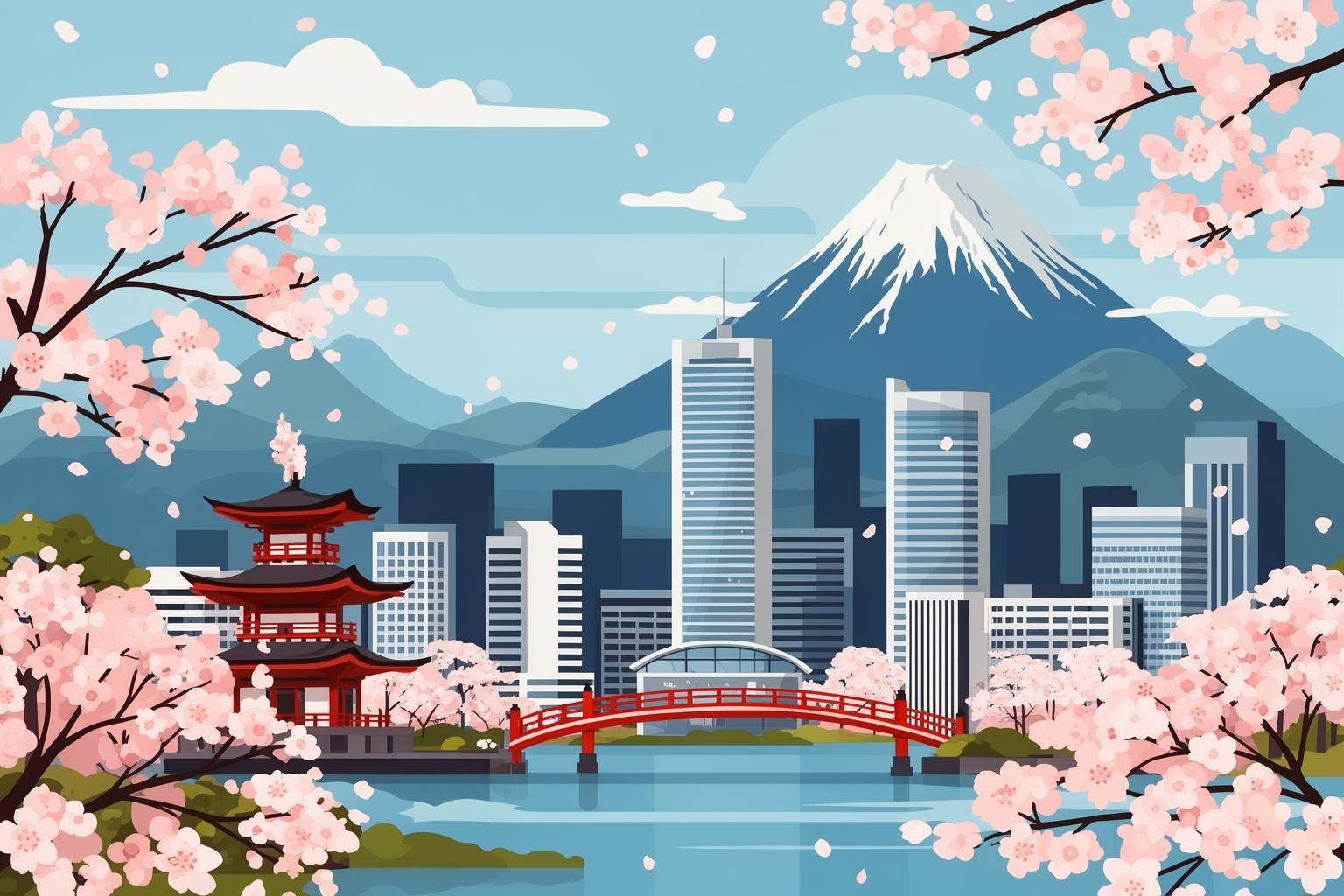
One of the most surprising aspects of shinrinyoku is that, as a formal term, it is relatively recent. It won’t be found in samurai scrolls or the diaries of Heian-era court ladies. The term was coined in 1982 by the Japanese Ministry of Agriculture, Forestry, and Fisheries. This wasn’t a poetic expression; it was a public health intervention.
In the 1980s, Japan was at the peak of its post-war economic miracle. The country was an industrial powerhouse, and its corporations demanded near-total dedication from their employees. The archetypal “salaryman” emerged: a figure characterized by grueling hours, intense loyalty, and soul-crushing commutes in overcrowded trains. This relentless push for productivity came at a tremendous human cost. Stress levels soared. Autoimmune diseases became increasingly common. A new, alarming term entered the national vocabulary: karoshi, or “death from overwork.” The nation was literally working itself to death.
Faced with a nationwide health crisis, the government sought a solution. They needed a method that was accessible, affordable, and, importantly, rooted in Japanese values. The answer was right there, covering more than two-thirds of the country’s land area: the forest. Shinrinyoku was introduced as a national health program aimed at encouraging people to reconnect with the abundant natural landscapes as a path to healing. It was a remarkably perceptive move—a top-down recognition that the relentless drive toward urban modernity was cutting off a connection vital for human well-being. They weren’t merely suggesting people take a walk; they were reminding a nation of a fundamental part of its own identity.
The Sacred Grove: Shinto and the Living Landscape
Although shinrinyoku is a modern term, the deep respect for forests underlying it is as old as Japan itself. To grasp why a forest is regarded as a place of healing, one must understand the spiritual worldview of Shinto, Japan’s indigenous religion.
Shinto is essentially animistic. It does not teach belief in a single, omnipotent god in a distant heaven. Rather, it sees the divine present here and now, embodied within the natural world. Deities, or kami, are not merely abstract ideas; they are vital energies dwelling within remarkable natural phenomena. An ancient, towering tree, a majestic waterfall, a uniquely shaped rock, or a soaring mountain—these are not just objects but homes of the kami. Thus, a forest is more than a collection of trees; it is a gathering of sacred presences. It is, quite literally, a living temple.
This belief takes physical form across the country. Every Shinto shrine, from the grandest national sanctuary to the humblest local altar, is almost always situated within or beside a chinju no mori, a sacred grove. These groves have traditionally been considered inviolable, protected from logging and development. They are the residences of the local kami, guardians of the community. Entering a shrine complex involves passing beneath a torii gate, a symbolic act of leaving the profane, everyday world and stepping into a sacred space. The path nearly always leads through trees. The air shifts. The city’s noises fade. You are entering the realm of the kami.
This cultural mindset runs deep. For centuries, the Japanese have viewed the forest as a place of purity, renewal, and spiritual power. It is where the clamor of human ego and social obligation falls away, allowing a more direct communion with life’s fundamental forces. When the government promoted shinrinyoku in the 1980s, they were not introducing a foreign idea. Instead, they were tapping into a deep, collective memory and giving a modern name to an ancient instinct: when feeling lost, broken, or exhausted, return to the sacred woods.
The Sensory Language of Immersion
Shinrinyoku is a practice of radical presence, a direct counterbalance to the multitasking and anxiety about the future that characterize daily life. It is a conscious process of unplugging the analytical mind and tuning into the sensory experience. This practice isn’t about achieving a goal or counting steps; it’s about receiving what the forest offers. Each sense becomes a channel for connection.
Seeing Anew: The Light and the Green
The visual experience of shinrinyoku is not passive observation but active immersion. A key concept is komorebi, a beautiful Japanese word without a direct English equivalent. It describes the dappled light filtering through tree leaves, the gentle, shifting patterns of sun and shadow on the forest floor. Watching komorebi brings a profound sense of peace; it visually expresses gentleness and impermanence. The overwhelming presence of green is also central. Various shades—from the deep, dark green of cedar needles to the bright, almost electric green of fresh moss—have been scientifically shown to have a calming effect, lowering heart rate and evoking feelings of safety and tranquility.
Hearing the Silence: The Sound of Stillness
The soundscape of the city is loud and chaotic: traffic, announcements, sirens, crowds. The forest offers a soothing alternative. Its sounds are organic, cyclical, and meaningful. The rustling of wind through the canopy, the chirp of a hidden bird, the babble of a small stream—these sounds require no response; they simply exist. Importantly, shinrinyoku also cultivates appreciation for what is not heard. The silence between sounds becomes as significant as the sounds themselves. This reflects the Japanese aesthetic of ma, the value of negative space or emptiness. In the forest, the ma between rustles and calls creates space for the mind to breathe and settle. It offers a profound acoustic detox.
Breathing the Forest: The Science of Scent
The air in a forest isn’t just fresher; it’s chemically distinct. Breathing deeply means inhaling more than oxygen. It means taking in phytoncides, airborne aromatic compounds that trees emit to protect themselves from insects and disease. Think of the crisp, clean scent of pine or cedar. For decades, Japanese researchers have explored the physiological effects of these compounds. Their findings are impressive. Phytoncides significantly boost the activity of Natural Killer (NK) cells, a type of white blood cell crucial for defending the immune system against viruses and tumors. They also lower the production of stress hormones like cortisol and adrenaline. The intuition that forest air is “good for you” is supported by solid science. Shinrinyoku, in essence, is a form of natural aromatherapy that offers measurable benefits to your physical health.
A Necessary Escape from the Concrete Grid
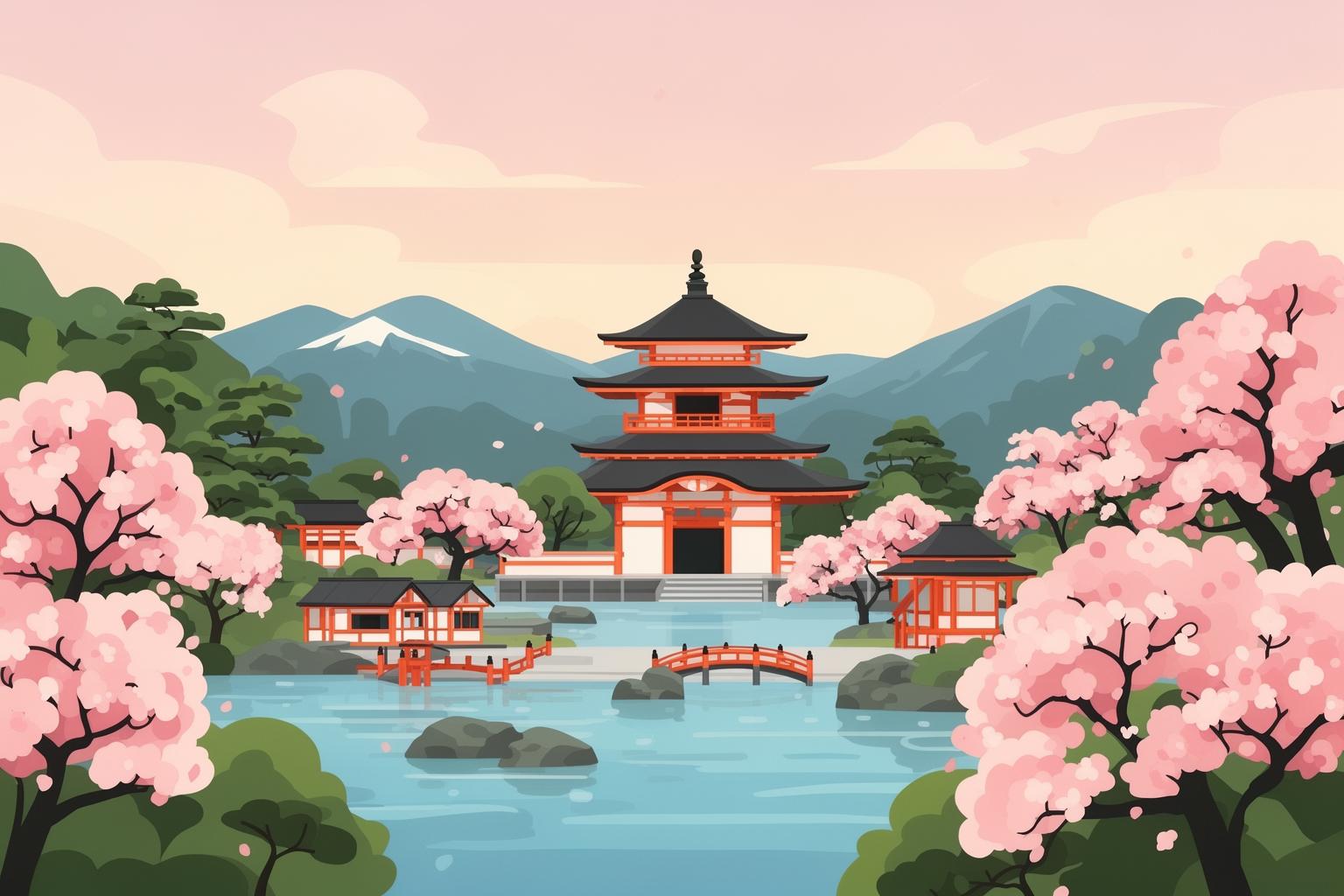
Japan’s geography is characterized by extremes. It is among the most densely populated countries in the world, with sprawling mega-cities like Tokyo accommodating tens of millions of people amid concrete, steel, and glass. Yet, more than 70% of its land is mountainous and covered in forests. This creates a profound cultural tension between the artificial and the natural, the man-made and the divine.
This tension has been a recurrent theme in Japanese culture for centuries. Traditional architecture, which employs natural wood, paper screens (shoji), and tatami mats, consistently strives to blur the line between indoors and outdoors, welcoming nature into the home. Arts such as ikebana (flower arranging) and bonsai go beyond mere decoration; they are disciplined practices aimed at capturing the essence of nature in miniature. These efforts seek to integrate a fragment of the wild into the highly organized realm of human society.
Shinrinyoku represents the reverse pilgrimage. It involves taking the urbanite, with their carefully constructed social identity, and returning them to the natural world. In Japanese society, there is intense pressure to conform, maintain harmony, and display the appropriate public persona, or tatemae. Social exchanges are often regulated by complex and unspoken rules of hierarchy and obligation. City life demands that individuals wear a form of social armor.
The forest is one of the rare places where this armor can be completely shed. A three-hundred-year-old cedar tree neither acknowledges your job title, social status, nor neighbors’ opinions. The forest acts as a great equalizer. It moves according to a timeline that renders human worries temporary and insignificant. In its presence, tatemae becomes unnecessary. Only the honne, the genuine, authentic self, remains. This psychological freedom is perhaps the most powerful healing element of shinrinyoku, offering a temporary escape from the immense pressure of being a cog in Japan’s meticulously engineered social machine.
The Forest Goes Global
What started as a domestic public health initiative has, in recent years, evolved into a global wellness movement. The term “forest bathing” now features in wellness magazines and spa menus from California to Copenhagen. Certified shinrinyoku guides are being trained worldwide, and scientific research on the benefits of nature immersion is rapidly expanding. This widespread adoption reflects a universal human need. The stresses of contemporary urban life—the digital overload, the sensory bombardment, the disconnection from the physical world—are not unique to Japan.
However, as shinrinyoku spreads, it’s worth considering what might be lost in translation. Outside Japan, the practice is often understood mainly through the perspective of science and secular mindfulness. The physiological benefits—reduced cortisol, enhanced immunity, lower blood pressure—are highlighted. These are all valid and important, but they capture only one dimension of the experience.
Without the cultural backdrop of Shinto animism, without the profound belief that the forest is a sacred place inhabited by kami, does the practice preserve its essence? Perhaps. The healing power of nature is universal. Yet in Japan, shinrinyoku is more than just a therapeutic method. It is a cultural expression, a spiritual homecoming. It is a conversation with an ancient, living landscape. When someone in Japan enters a forest, they step into a story told for millennia—a story of gods and spirits, purity and renewal, and the deep, unbreakable bond between people and the land.
Ultimately, shinrinyoku is a quiet yet powerful act of rebellion. It challenges the cult of speed and efficiency, the illusion of separation from our environment, and the noise that drowns out our inner needs. It reminds us that healing does not always come from pills or new technology, but sometimes simply from standing still, breathing deeply, and listening to the wisdom of the trees. It is Japan’s prescription for the modern world, offering a dose of sacred silence that we all, in our own way, urgently need.