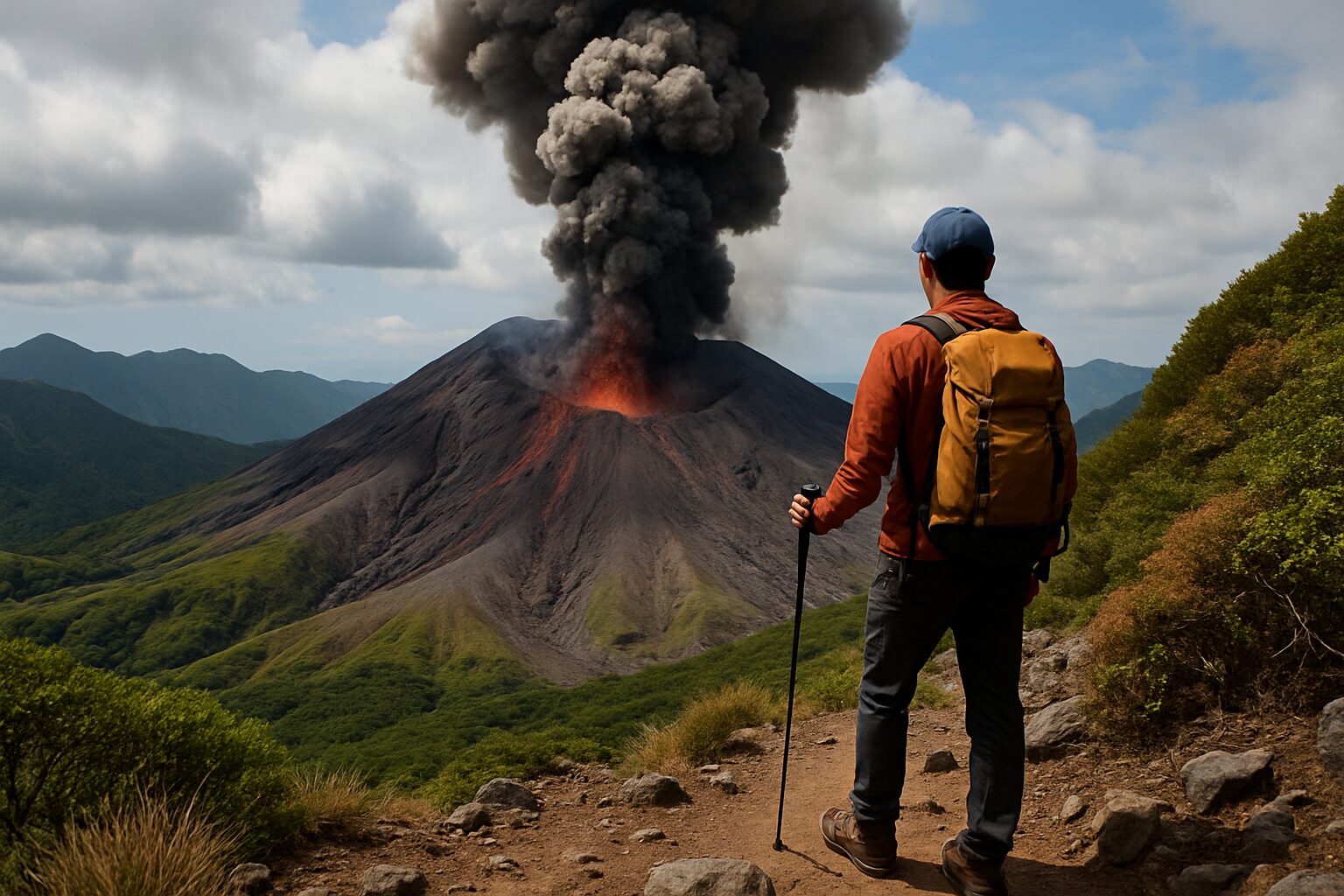
Yo, let’s get real for a second. When you picture Japan, what comes to mind? Neon-drenched Tokyo streets, serene temples in Kyoto, maybe a bullet train zipping past Mount Fuji? All legit, all iconic. But that’s just scratching the surface. I want to take you deeper, to the very core of this country, where the ground itself is alive, breathing steam and pulsing with a raw, untamed energy. We’re talking about a journey that’s less about sightseeing and more about a full-body, full-soul vibe shift. This is the world of volcano hiking and onsen trails—the ultimate Japan experience that most guidebooks miss. It’s where you’ll find the country’s wild heart, a place where intense physical challenge meets the most profound relaxation you can imagine. This isn’t just a vacation; it’s a quest. A pilgrimage. You’ll be trekking across landscapes that look like they’re straight off a different planet, then soaking your weary bones in mineral-rich, geothermally heated waters that have been healing travelers for centuries. It’s the cycle of fire and water, of exertion and release, that defines so much of the Japanese spirit. Forget just seeing Japan; it’s time to feel it, right down to your core. Ready to level up? Let’s go.
To truly connect with this raw energy, you might also be interested in Japan’s epic wildlife encounters.
The Earth’s Pulse: Why Japan is Basically a Giant Spa
First, you need to understand the geography to truly grasp the vibe. Japan sits right on the Pacific Ring of Fire, essentially a vast cosmic highway for tectonic plates. This means the country is alive with geothermal energy. It has over a hundred active volcanoes, which sounds pretty intense—and it is—but this fiery nature also brings Japan its greatest treasure: onsen, or natural hot springs. Think of it this way: the volcanoes are powerful, sometimes temperamental mountain gods, and the onsen are their apology notes, bubbling up from deep within the earth as a peace offering. No joke, thousands of onsen spots are scattered across the country, from luxurious resort towns to hidden, rustic pools tucked away in the mountains that only locals know. This balance between fierce and gentle is central to Japanese culture. For centuries, mountains have been revered as sacred, home to mighty deities or kami. Mountains like Fuji-san are not just beautiful peaks; they are living gods. Climbing them wasn’t merely a sport; it was a spiritual pilgrimage, a way to approach the divine. Shinto sees sacredness in nature—in rocks, trees, waterfalls, and especially in volcanoes. They are creators, shaping new land with their lava, and they are destroyers. This dual nature demands respect. The onsen that emerge from their foothills? They’re considered pure, life-giving waters, a direct blessing from the kami. So when you hike a volcano and then soak in a nearby onsen, you’re not just doing two separate things. You’re taking part in an ancient ritual. You engage with the earth’s raw power and then receive its healing embrace. It’s a cycle that connects you to the land in a way that simply visiting cities never could. You begin to understand the profound respect for nature woven into every part of Japanese life.
The Kirishima Chronicles: A Hike Through a Ghibli-Meets-Mars Landscape
If you want to fully immerse yourself in this world, there’s no better place than the Kirishima mountain range in southern Kyushu. This isn’t your typical green, rolling hills kind of hike—this is something next-level. Kirishima-Kinkowan National Park is a chain of active and dormant volcanoes that feel like a lost world. The area is steeped in mythology; it’s said to be where the god Ninigi-no-Mikoto, grandson of the sun goddess Amaterasu, descended from the heavens to establish the Japanese imperial line. When you’re there, you totally understand why. The place feels mythical, ancient, and powerful.
The Vibe: What’s the Buzz on Kirishima?
The atmosphere in Kirishima is electric. It’s a complete sensory experience from the moment you arrive. The first thing you notice is the smell—the subtle, sharp scent of sulfur lingering in the air, a constant reminder that you’re walking on top of a sleeping giant. The landscape is a wild palette of colors that seem almost surreal. You’ll see hillsides painted ochre yellow, rust red, and chalky white from the mineral deposits left by volcanic gases. The crater lakes steal the show, though. Lake Onami is a perfect caldera filled with the deepest, most mesmerizing cobalt blue water you’ve ever seen. Others, like those visible from the summit of Mt. Karakunidake, shift between emerald green and turquoise depending on the light and mineral content. The ground itself feels unique. In some spots, you’re walking on soft, mossy earth beneath ancient forests of twisted pines and firs. A few hundred meters higher, it’s all loose volcanic scree and gravel that crunches underfoot, making you feel like an astronaut exploring a new planet. Then there’s the sound—or rather, the silence. There’s a profound quiet broken only by the wind whipping across the ridges and the occasional hiss of steam escaping from a fumarole in the distance. It’s a place that humbles you in the best way, putting everyday worries into perspective against the immense scale of geological time.
The Main Quest: Climbing Mt. Karakunidake
For the ultimate Kirishima experience, the hike up Mt. Karakunidake is the main attraction. At 1,700 meters, it’s the highest peak in the range, and the views are absolutely breathtaking. The trail typically starts from Ebino Kogen (Ebino Plateau), an area already elevated and known for its stunning volcanic scenery and unique plant life. The hike begins gently, winding through a beautiful forest where the air is cool and scented with pine and damp earth. You might see deer darting between trees. But soon the trail climbs, and you break through the treeline into a completely different world. This is where the real challenge starts. The path steepens, becoming rugged with volcanic rock and gravel. You’ll be breathing hard, your legs burning, but every pause to look back rewards you with increasingly epic views. You’ll see the Ebino Plateau sprawling below, a patchwork of ponds and pampas grass. Higher up, the landscape grows more barren and alien. You’re walking on the rim of a massive crater, the wind howling in your ears. The final push to the summit tests your will, but the reward is legendary. On a clear day from the top, you can see the entire Kirishima range, a series of volcanic cones stretching across the horizon. You can peer into neighboring volcanic craters, see the jewel-like lakes below, and even spot Sakurajima, an extremely active volcano near Kagoshima, puffing smoke in the distance. Karakunidake means “the mountain from which you can see Korea,” and although that’s a bit of an exaggeration, the panoramic view makes you feel like you’re on top of the world. It’s a pure moment of awe.
Post-Hike Bliss: Soaking in Kirishima’s Magical Waters
After a challenging, soul-nourishing hike, the reward awaits. And in Kirishima, that reward is sublime. The volcanic slopes are dotted with some of Japan’s finest onsen towns, like Kirishima Onsen and Myoken Onsen. Descending from the otherworldly heights and checking into a traditional ryokan (inn) shifts you from raw to refined. You trade your dusty hiking boots for soft slippers, and your trail mix for a meticulously prepared multi-course kaiseki dinner. But the centerpiece is, of course, the onsen. Nothing in this world compares to sinking tired muscles into a volcanically heated hot spring after a long day on the trails. Kirishima’s waters are rich in minerals like sulfur and iron, reputed for their healing properties. The water feels silky, almost velvety, on your skin. Many ryokans offer multiple types of baths. Indoor baths, often crafted from fragrant cypress wood, fill with steam that fogs the windows creating a cozy, womb-like atmosphere. But the ultimate experience is the rotenburo, the outdoor bath. Soaking in a natural rock pool surrounded by forest or with a view of the mountains you just conquered is pure magic. As steam rises into the cool mountain air and you gaze at a star-filled sky, every bit of tension and fatigue melts away. It’s a moment of complete peace, a quiet communion with nature. A quick note on etiquette, which is essential for the experience: you must wash thoroughly at the shower stations before entering the bath. The onsen is for soaking, not cleaning. And yes, you go in with nothing but your birthday suit. It might feel strange at first, but you quickly realize no one cares—this space is about shared vulnerability and relaxation. Just bring a small towel for modesty while walking around, and you’re good to go.
The Grand Tour: Japan’s Volcanic Hit List
Kirishima is breathtaking, but the combination of volcano hiking and onsen soaking is a theme found all over Japan. Each area brings its own distinct character. Once you experience it, you’ll want to discover them all.
Hakone: The Original Gateway to Volcano Life
If you’re in Tokyo and pressed for time, Hakone is the ideal destination. It’s the pioneer of onsen resort towns, easily accessible and offering a perfect introduction to Japan’s volcanic spirit. The highlight is Owakudani, the “Great Boiling Valley.” A ropeway glides over a stark, steaming terrain where yellow sulfur crystals cover the rocks and volcanic gases hiss from the earth. It’s quite a sight. The specialty here is kuro-tamago, black eggs boiled in natural hot springs. The sulfur in the water turns their shells black, and legend says eating one adds seven years to your life. Whether or not that’s true, they’re a delicious and iconic treat. Hiking in Hakone is milder than in Kirishima, with well-kept trails that, on clear days, offer spectacular views of Mount Fuji. After hiking, you’re spoiled for choice when it comes to onsen. Hakone features everything from luxurious ryokans with private open-air baths to public bathhouses where you can soak alongside locals. While more developed and potentially crowded compared to other places, its convenience and timeless charm make it a must-visit for newcomers.
Tohoku’s Enchanting North: Land of Snow Monsters and Milky Onsen
For those willing to venture off the beaten path, Tohoku in northern Honshu is a treasure trove of volcanic wonders and rustic onsen. Here, experiences feel like something out of a folktale. Mount Zao, famous for its winter “Snow Monsters” (juhyo), is a prime example. Siberian winds coat the evergreen trees with ice, creating surreal, monster-like shapes. Skiing or snowshoeing through this frozen forest is unforgettable. Zao’s onsen is equally unique. Its water is among the most acidic in Japan, giving your skin a slight tingle and reputed health benefits. Then there’s Nyuto Onsen, a group of seven secluded inns nestled in Akita’s mountains. The atmosphere here exudes pure nostalgia. The best known is Tsurunoyu, a 300-year-old wooden inn that appears unchanged through the centuries. Its iconic outdoor mixed-gender bath (konyoku) is filled with ethereal, milky-blue water, somewhat opaque, making the shared experience less daunting for newcomers. Soaking here, surrounded by a silent, snow-covered forest, feels like stepping back in time. This is an iykyk (if you know, you know) destination that rewards the adventurous with profound authenticity.
Hokkaido’s Untamed Frontier: Daisetsuzan National Park
For those seeking the ultimate volcanic wilderness, head north to Hokkaido’s Daisetsuzan National Park. The indigenous Ainu people called this vast mountain range Kamui Mintara, meaning the “Playground of the Gods,” and they were right. This is Japan at its wildest and most unspoiled. The crown jewel is Asahidake, Hokkaido’s highest peak and an active volcano that constantly exhales plumes of steam. Hiking here is a serious challenge. There are no convenience stores or souvenir shops, just vast, untouched nature. You can take a ropeway partway, depositing you in a striking alpine landscape of smoking fumaroles, clear ponds, and carpets of rare alpine flowers in summer. Daisetsuzan’s autumn foliage is among the earliest and most spectacular in Japan, transforming the park into a dazzling sea of fiery reds, oranges, and yellows. The onsen at the base, in the small village of Asahidake Onsen, feel less like resort spas and more like vital refuges. After a day braving this wild playground, sinking into a hot, mineral-rich bath isn’t just a luxury — it’s a necessity, a way to warm up and rejuvenate for the next day’s adventure.
The Deeper Level: This Ain’t Just a Holiday, It’s a Vibe Shift
Engaging with Japan’s volcanoes and onsen goes beyond just appreciating beautiful scenery and enjoying relaxation. It offers a way to connect with the cultural and spiritual foundations of the country. When you immerse yourself in these experiences, you become part of a tradition that has endured for thousands of years.
Channel Your Inner Monk: The Path of Shugendo
Long before hiking became a recreational activity, Japan’s mountains served as training grounds for ascetic monks known as yamabushi, practitioners of a syncretic faith called Shugendo. This practice blends elements of Buddhism, Shintoism, and Taoism, centered on the belief that enlightenment is reached through a profound bond with nature and enduring physical challenges. These monks were the original volcano hikers, spending weeks or even months in the mountains—meditating beneath waterfalls, chanting sutras on lofty peaks, and pushing their bodies to the absolute limit. To them, the mountains were a sacred scripture, and climbing them was a way to read it. When you walk these same paths, you are literally following in their footsteps. If you’re open to it, you can sense that spiritual energy. The physical effort of the climb becomes a form of moving meditation. The concentration needed to navigate rocky terrain clears your mind of distractions. Reaching the summit becomes more than a physical feat; it is a moment of clarity and connection.
The Social Soak: What “Hadaka no Tsukiai” Really Means
In a similar way, the onsen is far more than just a bath. It is a deeply rooted social and cultural institution. The Japanese phrase hadaka no tsukiai, meaning “naked communion” or “naked friendship,” captures the essence of this experience. In the onsen, once clothes are removed, so too are social status, titles, and ego. A CEO and a farmer, a student and a grandparent—in the bath, they stand as equals, exposed and vulnerable. This setting breaks down barriers, allowing genuine communication to flow. In a society often formal and reserved, the onsen serves as a vital pressure-release valve—a place for relaxation, community, and connection. It’s a detox not only for the body, but for the social self, offering a rare opportunity to simply be present without pretense.
Volcanic Vittles: Eating the Earth’s Energy
This bond with geothermal energy extends into the culinary realm. In some onsen towns, especially Beppu in Kyushu, a cooking technique called jigoku mushi, or “hell steaming,” is popular. Baskets of fresh vegetables, seafood, and meat are steamed using natural hot spring steam. This gentle method preserves the pure, unadulterated flavors of the ingredients. Each bite reveals a tangible connection to the earth. Consider the black eggs in Hakone, or how pure mountain spring water, filtered through volcanic rock, is used to craft exceptional sake and soba noodles in towns at the mountain base. All of this belongs to the same interconnected ecosystem. The fire beneath the earth provides warmth and healing, and also nourishment. It is a holistic system where every element supports the others.
The Pro-Gamer Moves: A Guide for Your Quest

Alright, you’re convinced. You’re ready to set off on your own fire and steam adventure. Here’s the honest truth and practical tips from your local guide to ensure your trip is unforgettable and hassle-free.
Choosing Your Season: A Journey for Every Calendar
Timing is key, and each season offers a completely unique experience. Spring (late April to June) is wonderful, as the higher elevations are still thawing, creating stunning contrasts between snow-dusted peaks and blooming alpine flowers. The weather is usually mild and pleasant. Summer (July to August) is peak hiking season. The days are long and all trails are accessible, but it can get hot, humid, and crowded, and you need to be ready for sudden afternoon rain showers. Autumn (September to early November) is, for many, the ultimate time to visit. The air is crisp and clear, and the autumn foliage (koyo) is absolutely spectacular. The mountainsides burst with reds, oranges, and yellows. It’s truly breathtaking. Winter (December to March) is for the adventurous. Many higher trails are off-limits without serious mountaineering gear, but the payoff is a magical snow-and-steam landscape. Soaking in an outdoor onsen while snowflakes gently fall around you is an unforgettable experience.
Your Gear: Packing What Matters Most
This isn’t a casual walk, so pack wisely. Durable, waterproof hiking boots with good ankle support are essential. Volcanic terrain can be jagged and unstable. Dress in layers because mountain weather can change on a dime. A moisture-wicking base layer, a fleece or mid-layer, and a waterproof/windproof outer shell will help you adjust to any conditions. Reliable rain gear (jacket and pants) is a must-have. Even if the forecast looks clear, bring it along. A comfortable backpack, plenty of water, and high-energy snacks are obvious essentials. I also recommend hiking poles, especially for descending over loose gravel—they’ll protect your knees. For the onsen part of your trip, bring a tenugui, a thin, traditional Japanese cotton towel that’s lightweight, quick-drying, and versatile for modesty, washing, or even as a headband. Most importantly, carry cash. Many mountain huts, local shops, and some rural ryokans don’t accept credit cards. Cash rules the countryside in Japan.
Preparing for the Challenge: Staying Safe on an Active Volcano
Let’s be honest: you’re hiking on active volcanoes. This means some risk, but with proper preparation, it’s completely safe. The top priority is to check the volcanic alert level for the mountain you plan to climb. The Japan Meteorological Agency (JMA) offers a website (in English) with up-to-date info. If the alert level is 2 or higher, certain areas near the crater will be off-limits. Follow these restrictions—they’re there for your safety. Watch for signs about volcanic gases. If you smell strong sulfur and begin to feel dizzy or nauseous, move immediately to a more open, upwind area. Always inform someone at your lodging about your hiking plan and expected return time. Weather can turn fast, so even on a short hike, bring a headlamp and extra layers just in case. Respect the trails, stay on them, and pack out everything you bring in. Nature in Japan is deeply respected, so leave it cleaner than you found it. Safety first, selfies second—seriously.
This journey—a blend of a tough, soul-testing hike and a gentle, soothing soak—is an experience unique to Japan. It’s a rhythm that gets under your skin. It’s the raw energy of the earth, felt beneath your boots and on your skin. It’s a challenge that pushes you and a comfort that restores you. You climb high above the world to clear your mind, then sink deep into the warmth of the earth to heal your body. It’s a powerful reminder of your place in nature, a reset button for a cluttered mind and tired soul. This is the Japan beyond temples and skyscrapers. It waits for you in steam-shrouded mountains and quiet, hidden valleys. So find your trail, find your onsen, and connect with the fire and steam that shaped this incredible land. You won’t just return with amazing photos—you’ll come back transformed.