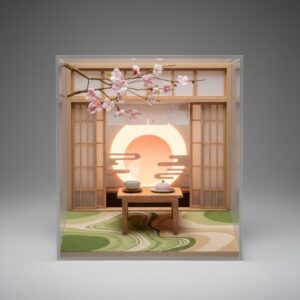
Ever get that feeling? The one that whispers you belong to a quieter time, a softer world. A world where your days are spent in a sun-drenched cabin, lost in the pages of a well-loved book, with a steaming cup of herbal tea warming your hands. If you’re nodding along, thinking, “That’s a whole mood,” then you’ve already tapped into the magic of the Mori Girl. Originating from Japan, the Mori Girl (森ガール) or “Forest Girl” aesthetic is more than just a fashion trend; it’s a lifestyle, a gentle rebellion against the non-stop hustle of modern life. It’s about embracing nature, finding beauty in the imperfect, and curating a life that feels authentic, cozy, and deeply personal. It’s about slowing down enough to notice the komorebi—the specific Japanese word for sunlight filtering through the leaves of trees. And what better place to soak in this serene vibe than in the very spaces designed to be sanctuaries from the city’s buzz? We’re talking about Japan’s hidden-gem cafes, the ones that are pure, uncut Mori Girl energy. These aren’t just places to grab a coffee; they are destinations. They’re cozy nooks filled with the scent of old wood, brewing tea, and baking cakes, decorated with dried flowers, vintage furniture, and the quiet hum of people lost in their own peaceful worlds. This guide is your treasure map to finding these enchanting spaces, your low-key pass to living out your ultimate forest fantasy, even in the heart of a bustling metropolis. So, grab your favorite oversized cardigan, and let’s get lost together.
If you’re looking for a nostalgic drink to complement this aesthetic, consider trying a classic cream soda at one of Tokyo’s retro kissaten.
What’s the Tea? Decoding the Mori Girl Aesthetic

Before we jump into cafe-hopping, let’s fully understand what it means to be “Mori.” The term emerged in a Japanese online community in the mid-2000s and quickly struck a chord. It named a feeling and style that had already been quietly blossoming in Tokyo’s more relaxed neighborhoods. At its core, it’s about aspiring to live a life that feels like dwelling in a forest, even if you actually reside in a tiny apartment amidst a concrete jungle. It’s a rich subculture with its own philosophy, fashion, and lifestyle hallmarks.
It’s a Whole Vibe: The Core Philosophy
The Mori Girl philosophy stands in direct contrast to a fast-paced, consumer-driven lifestyle. It embraces intentional living, finding profound joy in simplicity, handmade creations, and nature. Consider it the original cottagecore, predating the trend’s viral fame. The Mori Girl delights in the everyday. She’s the one who stops to photograph a particularly lovely patch of moss or spends an afternoon gathering interesting leaves in a park. Her appreciation for nature is not grand or adventurous, like mountain climbing, but gentle, attentive, and intimate. It’s about feeling connected to the earth, valuing sustainability, and treasuring items with stories—a secondhand book with handwritten notes, a vintage dress faintly scented with cedar, a handmade pottery mug that fits perfectly in your hands. This mindset embraces slow, creative hobbies: journaling, knitting, watercolor painting, baking bread from scratch, or reading for hours undisturbed. It’s about forming a personal sanctuary—a bubble of peace and whimsy that shields you from the world’s noise. It’s the ultimate main character energy, featuring a quiet, beautifully illustrated indie film rather than a loud blockbuster.
The Ultimate Cozy-Core Lookbook
Now onto fashion, because the style is iconic. Mori Girl fashion is instantly recognizable for its focus on comfort, layering, and natural fabrics. It’s dreamy, romantic, and slightly quirky, inspired by vintage European folk attire, especially from Scandinavia and Eastern Europe. The silhouette is essential: loose, flowing, and A-line, designed to create a soft, undefined shape that’s comfortable to move in. Layers are key. A typical outfit might be a simple cotton dress layered over a long-sleeve shirt with a chunky knit cardigan on top, paired with leggings or thick woolen tights and sturdy leather boots. The look is practical yet highly expressive.
The color scheme draws directly from the forest floor. Think earthy, muted shades: cream, beige, ivory, olive green, khaki, mustard yellow, dusty rose, and deep navy. Prints appear often but subtly, inspired by nature—tiny florals, delicate plaids, or whimsical animal motifs like deer, squirrels, or owls. Fabrics are always natural and textured, with cotton, linen, wool, and gauze as staples. The goal is to feel as good as you look, wrapped in soft, breathable materials that connect you to the natural world. Accessories add the final magical touch: a well-loved leather satchel, a handmade necklace with a pressed flower pendant, a knitted beret or scarf, and perhaps a vintage-style watch. Altogether, the effect is one of effortless, unstudied charm. It’s a look that says, “I just wandered out of an enchanted forest, and I might wander back in.”
More Than an Aesthetic: The Mori Lifestyle
Beyond the wardrobe, the Mori lifestyle shapes how time is spent and surroundings are chosen. It’s a deliberate decision to engage in soul-nourishing activities. The ideal Mori Girl afternoon isn’t at a crowded mall but rather at a quiet museum, a secondhand bookstore, or enjoying a picnic beneath a cherry blossom tree. She collects small, beautiful things—not for monetary worth but for the joy they bring. Think vintage postcards, unique stamps, smooth river stones, or a collection of mismatched teacups.
Her home reflects her personal style: a cozy nest filled with plants, handmade crafts, vintage furniture, and towering stacks of books. Technology is used thoughtfully. She may curate a soft-focus Instagram feed showcasing daily life but is equally likely to leave her phone behind and spend a day with just her film camera. It’s a life that prioritizes experiences over possessions, quiet over noise, and authenticity over perfection. It’s about finding a personal rhythm aligned with the changing seasons rather than the relentless ticking of a clock. This dedication to a slower, more mindful way of living is what makes the Mori Girl aesthetic so lasting and appealing, especially in a world that often feels too fast-moving.
The Hunt for Hidden Gems: Tokyo’s Top Mori Neighborhoods
While Mori charm can be found scattered throughout Japan, certain Tokyo neighborhoods have become true meccas for this aesthetic. These are places where the atmosphere is just right—independent shops, leafy parks, and cozy cafes come together to create the ideal environment for a Forest Girl to flourish. If you want to fully dive into the culture, these are the areas to keep on your radar.
Kichijoji: The Original Mori Hub
If the Mori Girl aesthetic had a capital, it would undoubtedly be Kichijoji. This neighborhood, consistently ranked among Tokyo’s most desirable places to live, strikes a magical balance between urban convenience and natural tranquility. The heart of Kichijoji is the magnificent Inokashira Park. This expansive oasis, with its peaceful central pond, swan boats, and lush canopy, embodies the literal “forest” within the city that the Mori lifestyle envisions. On any day, you’ll find people sketching, reading, or simply basking in the calm atmosphere. In spring, it’s a stunning sea of cherry blossoms; in autumn, the changing foliage offers a spectacular burst of color.
But the park is only the beginning. The streets radiating from Kichijoji Station are a treasure chest of Mori-approved spots. Here you’ll discover a rich concentration of zakka shops—curated lifestyle stores selling everything from artisanal stationery and handmade ceramics to linen aprons and delicate jewelry. There are numerous vintage clothing boutiques, intimate independent art galleries, and old-school bookshops. It’s a neighborhood designed for wandering. Lose yourself in the Sun Road and Daiyagai shopping arcades, or explore the narrow, atmospheric Harmonica Yokocho alleyway, which feels like stepping back in time. The nearby Ghibli Museum in Inokashira Park further cements Kichijoji’s place as the ultimate whimsical destination. The entire neighborhood operates at a slightly slower, more thoughtful pace, making it a perfect starting point for your cafe pilgrimage.
Shimokitazawa: Where Vintage Dreams Come Alive
If Kichijoji is the serene, classic Mori Girl, Shimokitazawa is her edgier, artsier younger sister. Affectionately known as “Shimokita,” this neighborhood is a bohemian wonderland. Its charmingly chaotic maze of narrow, winding, mostly pedestrian-friendly streets fosters a unique culture of small, independent businesses, turning it into a hotspot for vintage clothing, vinyl shops, and independent theaters.
For the Mori Girl, Shimokitazawa is a paradise for hunting one-of-a-kind wardrobe pieces. The vintage stores here are legendary, offering everything from delicate Victorian-era blouses to perfectly worn leather satchels. But the vibe goes beyond fashion. The area pulses with creativity. You’ll find tiny art galleries showcasing local talent, quirky zakka shops filled with handcrafted goods, and a strong sense of community. Shimokita’s cafes echo this eclectic spirit; often tucked on second floors or down hidden alleys, each has its own unique personality. The atmosphere is less about serene reflection and more about creative energy and shared love for the retro and authentic. It’s the ideal place to spend a day treasure hunting, fueling your exploration with stops at distinctive, character-filled cafes.
Koenji: The Low-Key Cool Kid
Koenji shares some DNA with Shimokitazawa—a passion for vintage and a vibrant music scene—but it offers a more grounded, residential, punk-rock-inflected vibe. It’s slightly grittier and more lived-in, fiercely independent. Though known for its punk and rock history, it also has a quieter side that’s pure Mori gold. Several long shotengai (covered shopping streets) crisscross the neighborhood, hosting a diverse mix of businesses: classic fruit stands, traditional tofu shops, and, naturally, a wealth of vintage stores and cozy cafes.
The Mori feel in Koenji is less about whimsical fantasy and more about rustic, retro-Japanese reality. The cafes here often evoke the Showa era (1926–1989), with dark wood interiors, velvet seats, and menus unchanged for decades. These are the quintessential kissaten—Japan’s traditional coffee houses. It’s the kind of spot where a Mori Girl who loves vinyl records, old films, and black coffee would feel right at home. Koenji invites you to slow down, appreciating the beauty of things that have weathered time. It’s a neighborhood with a strong sense of identity, unmoved by fleeting trends—an essential tenet of the Mori philosophy.
Your Mori Cafe Itinerary: Places to Get Lost In

Alright, let’s dive right in. The cafes are far more than just four walls and a menu; they offer immersive experiences, carefully designed worlds meant to transport you. I’ve put together a list of fictional yet deeply inspired venues that embody the essence of the Mori Girl aesthetic. Think of them as archetypes of the kind of enchantment you can find if you know where to seek.
Komorebi Kissaten (Kichijoji)
The Vibe Check
Picture yourself strolling down a tranquil side street, just a short walk from the lush greenery of Inokashira Park. You spot it: a small, modest storefront nearly engulfed in climbing ivy. A simple, hand-carved wooden sign above the door reads “こもれび喫茶店” (Komorebi Kissaten). This is the place. Pushing open the heavy wooden door, a tiny bell rings, announcing your arrival. Inside, a warm symphony of low light and hushed whispers greets you. The air is a delicious blend of freshly ground coffee, old books, baking spices, and a faint floral scent. The space is intimate, seating maybe fifteen people. The furniture is a lovingly gathered assortment of mismatched antique chairs and small dark wood tables, each adorned with a tiny vase holding a single delicate wildflower. Dried sprigs of lavender, eucalyptus, and baby’s breath hang from exposed wooden ceiling beams. Walls are lined with bookshelves sagging under vintage novels and art books. Soft instrumental jazz or gentle lofi plays quietly from a vintage speaker in the corner. It immediately feels like a sanctuary—designed for quiet moments and slow sipping. The patrons range from solo readers to hushed pairs sharing drinks, and occasional elderly locals enjoying their daily ritual. The atmosphere is so thick with calm, it feels tangible. It’s a warm embrace in physical form.
What’s on the Menu?
The menu is as thoughtful and unhurried as the decor, handwritten on a large chalkboard behind the small counter. No flashy espresso machines hiss here. Coffee is a sacred ritual. The owner, a quiet man with kind eyes, prepares each cup via pour-over method, carefully weighing locally roasted beans and slowly pouring hot water in concentric circles. You can select from a small range of single-origin beans, each detailed with tasting notes. If coffee isn’t your preference, the tea selection is extensive, featuring a broad array of herbal infusions—from classic chamomile and peppermint to a house blend of rosehip, hibiscus, and orange peel—served in charming mismatched pottery mugs that feel lovely in your hands. The food menu is limited but perfectly curated. The homemade scones, warm and served with generous clotted cream and seasonal house-made jams—perhaps strawberry-rhubarb in spring or rich fig conserve in autumn—are the stars. For something heartier, a daily vegetable curry fragrant with spices but gentle on the palate comes with a scoop of brown rice. The signature dessert is a “Forest Floor” matcha tiramisu, dusted with matcha powder and cocoa to mimic mossy earth, offering a flavor both rich and ethereal. Each dish seems made with care, just for you.
The Perfect Spot For…
This is the ultimate solo-date destination, a place to truly sink into your own thoughts. Bring your journal, poetry book, or sketchbook. Aim for the coveted single armchair by the large paned window overlooking the quiet street, and just be. It’s strictly no laptops and no loud conversations; this unspoken rule is respected by all. The space is designed to help you disconnect from the digital world and reconnect with yourself. You could easily spend hours here nursing a single cup of coffee, lost in a book, and leave feeling completely recharged and centered. It’s a haven for introverts and dreamers.
Pro-Tip & Access
Komorebi Kissaten is about a ten-minute walk from Kichijoji Station’s south (Park) exit. Head toward the park, then turn left onto one of the smaller residential streets. Part of the charm is feeling like you’re discovering a secret. Because it’s so small, expect possible waits, especially on weekends. Weekday afternoons are ideal to secure a spot. Remember to bring yen; it’s a classic cash-only establishment, adding to its old-world charm.
The Weaver’s Nook (Shimokitazawa)
The Vibe Check
Shimokitazawa is all about uncovering treasures in unexpected spots, and The Weaver’s Nook perfectly exemplifies that. It’s not at street level. First, find the right vintage clothing shop, then head to the back and climb a narrow, creaky wooden staircase upward. As you ascend, noises from the busy street fade, replaced by gentle, rhythmic clacking. You’ve arrived. The Weaver’s Nook sits in what feels like a spacious, sunlit attic. The air carries a clean, earthy scent of wool and linen. The decor celebrates all things textile: colorful tapestries hang on whitewashed walls, antique looms stand as decorative pieces in the corners, and shelves hold spools of colorful thread and cones of yarn. Large reclaimed wood tables and simple stools and benches draped with handwoven blankets offer comfortable seating. Sunlight pours through oversized skylights, illuminating floating dust motes in a magical way. A workshop and cafe combined, the space radiates creative, feminine energy.
What’s on the Menu?
The menu is as creative and comforting as its setting. They specialize in artisanal tea lattes that are both beautiful and delicious. Forget standard matcha lattes; try the fragrant Lavender Milk Tea made with steeped lavender buds, spicy Rose Chai, or a deeply roasted Hojicha Latte swirled with Okinawan black sugar syrup. Each drink arrives in a large handmade ceramic bowl, perfect for cupping your hands around. The signature food item is the “Patchwork Cake,” an eye-catching pound cake baked with different flavored batters—matcha, Earl Grey, raspberry, and lemon—in a colorful grid, paying tribute to the cafe’s textile theme. For something savory, a selection of open-faced sandwiches resembling Danish smørrebrød rests on thick slices of rustic rye, topped with smoked salmon and dill cream cheese or roasted vegetables with hummus.
The Perfect Spot For…
This is the place for making and doing. Large communal tables are often occupied by patrons knitting, embroidering, sketching, or mending their clothes. The gentle ambient sounds provide ideal background noise for focused creativity. It’s also great for catching up with a friend—the atmosphere is collaborative and inspiring rather than strictly silent. The owners are passionate about crafts and often host informal weekend workshops, such as visible mending circles or beginner knitting lessons. It’s a community hub for local artists and makers with an incredibly welcoming vibe.
Pro-Tip & Access
Just a five-minute walk from Shimokitazawa Station’s East Exit, the trickiest part is locating the correct vintage store beneath which the cafe sits. Look for a small sandwich-board sign on the street with a spool of thread logo. Don’t hesitate to enter the shop and ask for directions to the upstairs cafe. Follow their Instagram (@weaversnook_shimokita, hypothetically) for announcements on workshops and special menus. It’s popular but turnover is quicker than at quieter cafes.
Hattifattener’s Pantry (Koenji)
The Vibe Check
On a quiet residential street, about a fifteen-minute stroll from the vibrant Koenji Station, you might stumble upon something straight out of a fairy tale. Hattifattener’s Pantry is a tiny standalone cottage reminiscent of a Swedish forest cabin transplanted into Tokyo. It has a steeply pitched roof, whitewashed walls, and a whimsical, perfectly round pastel blue door. A small front garden bursts with wildflowers and quirky gnome statues. The name nods to the mysterious silent creatures from the Moomin books, and that gentle Nordic storybook vibe permeates the entire space. Inside is bright, airy, and utterly charming. Simple décor with light wood, pastel accents, and plenty of green plants in terracotta pots creates a cheerful atmosphere. Whimsical illustrations reminiscent of Tove Jansson’s work adorn the walls. It’s an optimistic, joyful space—a perfect balm on a gloomy day.
What’s on the Menu?
The menu offers a delightful taste of Nordic-inspired comfort food. Cinnamon and cardamom aromas fill the air, mostly from their incredible, freshly baked cinnamon buns (kanelbullar), which are sticky, gooey, and delightfully large. They serve robust Swedish-style coffee, often spiced with cardamom, which pairs perfectly with sweet treats. Other offerings include lingonberry juice, warm glogg (mulled wine) in winter, and charmingly decorated shortbread cookies shaped like hedgehogs, foxes, and mushrooms. For a savory option, their hearty creamy mushroom soup served in a hollowed-out bread bowl is legendary during colder months. Everything is presented on bright, colorful Marimekko-style plates and mugs, enhancing the joyful, storybook feel.
The Perfect Spot For…
This cafe invites you when you need a dose of pure, unfiltered happiness. It’s ideal for a whimsical date, a sweet stop after a long walk, or catching up with a friend in a bright, cheerful setting. While not a silent, studious spot, the relaxed and gentle vibe remains. On weekday afternoons, it’s popular among young mothers and their children, drawn by the friendly atmosphere and delicious cookies. The feeling is like visiting the cozy kitchen of a kind, storybook grandmother.
Pro-Tip & Access
The walk from Koenji Station is part of the charm, taking you through quiet, picturesque backstreets. This deliberate detour from the commercial center ensures the cafe remains a genuine hidden gem. Because of its small size, it fills quickly, but patrons are generally considerate about not lingering. They sometimes close early if baked goods sell out, so it’s best to visit before late afternoon. This spot rewards those who seek it out.
Living the Mori Life: Tips for Your Cafe Pilgrimage
Embarking on a Mori cafe tour is an experience in itself. To truly enjoy it, it helps to adopt the right mindset and come prepared. This isn’t about rushing from one spot to the next just to check them off a list; it’s about savoring the moment and fully immersing yourself in the unique atmosphere of each place.
Dress the Part (But Keep It Comfortable)
You don’t need to be dressed fully in Mori Girl style, but embracing the essence of the look can enhance your experience. Above all, prioritize comfort. You’ll be walking quite a bit as you explore these neighborhoods, so comfortable flat shoes—such as sturdy boots or soft loafers—are essential. Layering is also wise. A cozy cardigan or light shawl works great to ward off the chill in air-conditioned cafes or to stay warm as the day cools down. The aim is to wear something that makes you feel relaxed and at ease, so you can blend naturally into the tranquil surroundings.
Come Prepared: The Mori Girl Essentials
To fully embrace the slow pace of these cafes, it’s a good idea to bring something to keep you occupied. This is your chance to step away from your phone and enjoy a more analog form of relaxation.
- A Book or Journal: Many of these cafes promote quiet reflection. Bringing a book to dive into or a journal to jot down your thoughts is an ideal way to spend an hour or two.
- A Sketchbook: If you enjoy drawing, the charming interiors and calm atmosphere offer endless inspiration.
- Cash: This is crucial. Many of Japan’s best small, independent cafes still operate on a cash-only basis. To avoid any awkwardness, be sure to carry enough yen.
- A Tenugui: This small, versatile Japanese cotton towel can serve as a handkerchief, napkin, or for wrapping a small purchase. It’s a practical and authentically Japanese item to have on hand.
Cafe Etiquette 101
Japanese cafes have their own unspoken rules, and being mindful of them will help ensure a pleasant experience for everyone.
- Respect the Quiet: The top rule in most Mori-style cafes is to maintain a peaceful atmosphere. Keep your voice low, avoid loud phone conversations (best taken outside), and set your devices to silent.
- One Order Per Person: It’s customary that each person in your group orders at least one item from the menu.
- Don’t Overstay: While these cafes encourage relaxation, be considerate of your time, especially if the space is small and others are waiting. On busy days, popular spots may enforce a time limit—usually around 90 minutes to 2 hours.
- Photography: Taking pictures of your food and drinks is generally allowed but do so discreetly. Avoid flash photography, and never take photos that prominently include other guests without their permission. The goal is to capture your memories without disrupting others’ experience.
A Gentle Goodbye from the Forest

Our journey through the realm of Mori Girl cafes concludes, yet your adventure is only beginning. These cozy havens in Japan offer more than just a cup of tea; they serve as a reminder to slow down, discover magic in the ordinary, and carve out a peaceful refuge amidst a busy world. The Mori Girl aesthetic doesn’t mean escaping reality but enhancing it. It encourages seeing the world with softer eyes, appreciating the texture of a linen dress, savoring the taste of seasonal jam, and admiring the quiet beauty of a rainy afternoon from a cafe window.
Whether you find yourself in Tokyo, Kyoto, or your own hometown, the spirit of Mori is something you can carry with you. It’s in choosing to take a walk in the park, read a book instead of scrolling, support small independent shops, or simply pause to take a deep breath and notice the world around you. So go forth, seek out these hidden treasures, and let them inspire you. Find your personal forest, your own quiet sanctuary, and allow its gentle magic to weave into your everyday life.