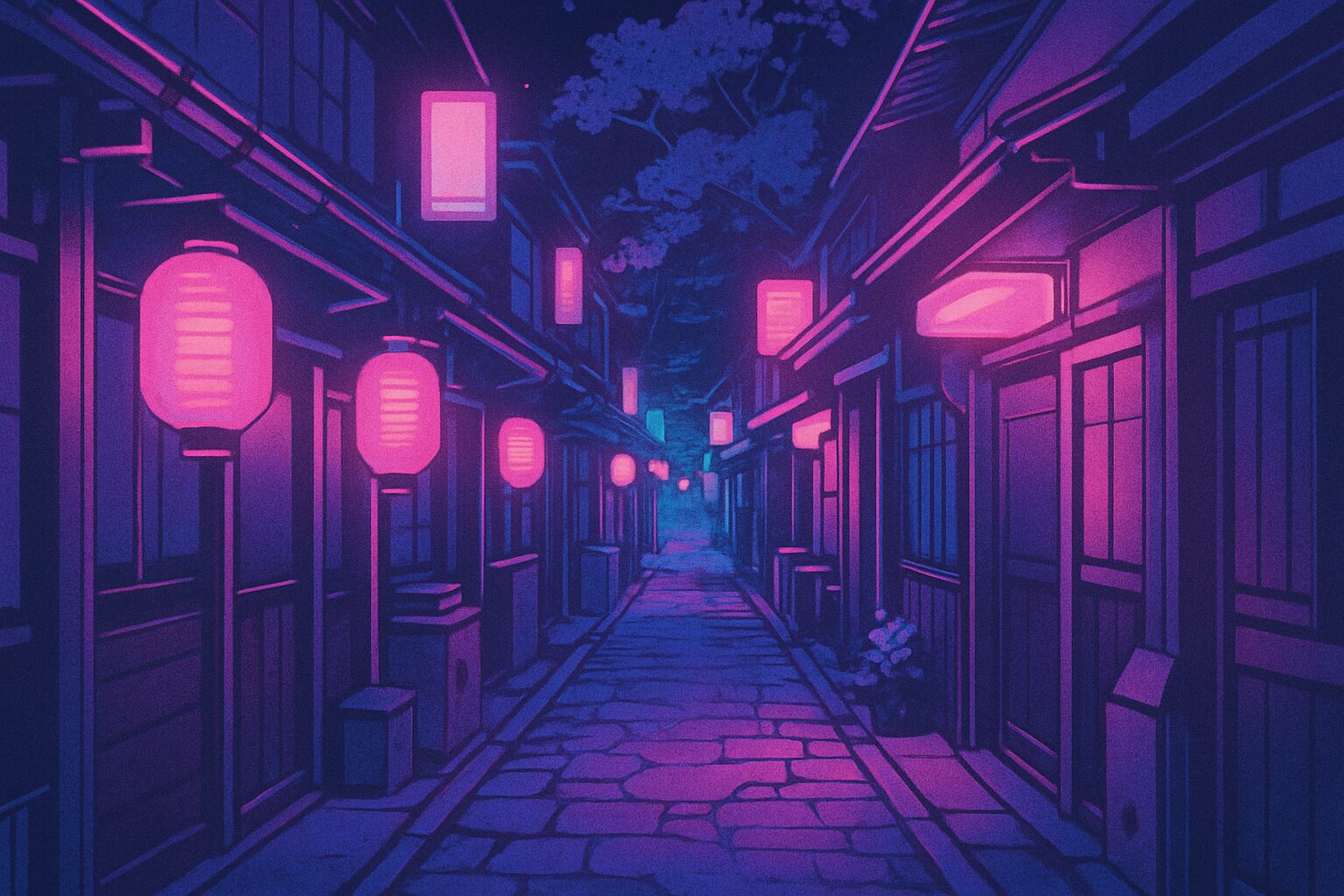
There’s a version of Japan you see on postcards—gleaming skyscrapers, serene temples, and bullet trains slicing through the landscape with futuristic grace. It’s a vision of precision and polish, and it’s absolutely breathtaking. But there’s another Japan, a place tucked away just off the main boulevards, hiding in plain sight. It lives in the narrow laneways, the smoke-filled alleys buzzing with the ghosts of a bygone era. These are the yokocho, the side alleys that are the raw, beating heart of Japan’s urban nightlife. Forget the polished glamour for a moment; this is where you’ll find the real story, served up on a tiny plate next to a frosty beer.
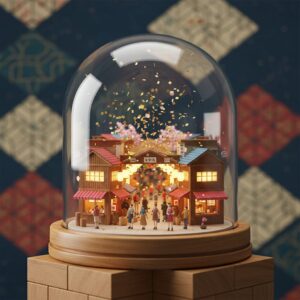
To step into a yokocho is to travel back in time. The air grows thick with the irresistible aroma of grilled meats, the warm, savoury scent of simmering broth, and the faint, sweet smell of spilled sake. Lanterns, painted with kanji you might not understand, cast a soft, red glow on the faces of patrons squeezed shoulder-to-shoulder on tiny stools. The chatter is a symphony of laughter, clinking glasses, and the sizzle of food hitting a hot griddle. This is a world away from the silent efficiency of the metro or the hushed reverence of a shrine. It’s loud, it’s cramped, it’s a little gritty, and it’s utterly, intoxicatingly alive. These alleys are living museums dedicated to the Showa Period, that post-war era of explosive economic growth and cultural change that shaped modern Japan. For anyone wanting to understand the soul of Japanese cities, a night spent hopping between the tiny establishments of a yokocho is not just a good time—it’s essential.
The Birth of the Back Alley: A Slice of Showa History
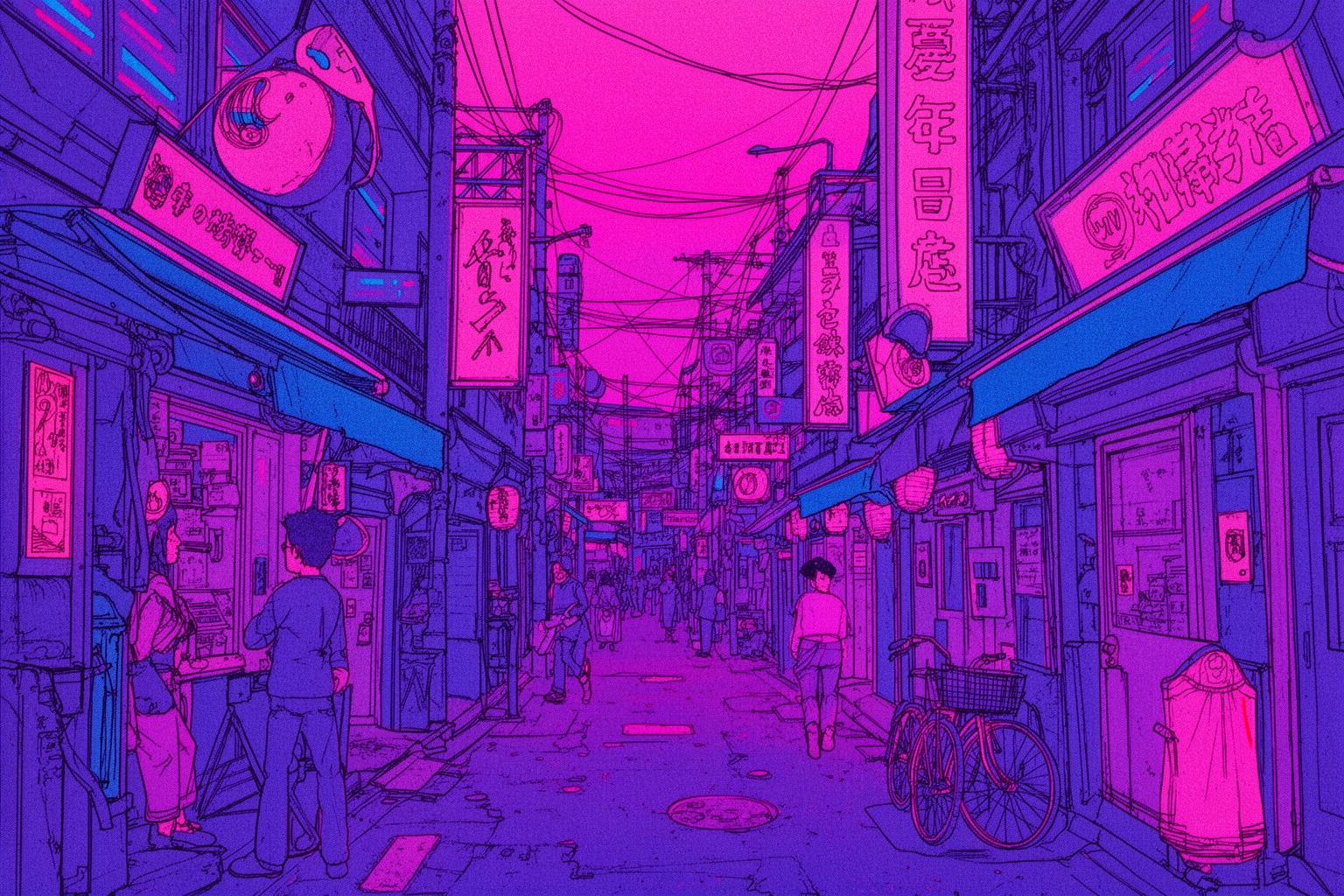
To truly appreciate the magic of a yokocho, you need to understand its origins. These lively laneways didn’t arise from a master plan or city beautification effort; quite the opposite. Their origins lie buried in the rubble and resilience of post-World War II Japan. In the immediate postwar period, with official supply chains broken, illegal black markets, or ‘yami-ichi’, emerged nationwide. These chaotic, desperate spots allowed people to buy everything from food to clothing outside the official rationing system and were vital for the survival of many Japanese.
As Japan embarked on its remarkable economic recovery, these black markets began to evolve. They grew more organized, shifting from temporary stalls to semi-permanent structures. Their focus tightened to food and drink, becoming affordable refuges for the rising class of ‘salarymen’—white-collar workers driving Japan’s economic boom. These alleys served as unofficial living rooms, where workers could relax, vent about their bosses, and bond with colleagues over inexpensive drinks and hearty meals before catching the last train home.
This represents the soul of the Showa Period (1926-1989) you experience in the yokocho. It’s an atmosphere of sincere hard work and shared ambition, balanced by a craving for simple, human connection. The tiny bars and eateries, many still run by the same families for generations, embody this spirit. They’ve resisted the relentless modernization transforming the surrounding cities, preserving a cherished piece of cultural history. Today, these spots draw not only nostalgic older generations but also young people and international visitors, all attracted by the genuine, unpretentious vibe that feels worlds apart from the polished experiences of modern life.
Tokyo’s Titans: Shinjuku’s Legendary Yokocho
When you think of yokocho in Tokyo, two names instantly come to mind, both nestled within the vast, electric jungle of Shinjuku. They are neighbors, yet each offers a distinctly different flavor of the back-alley experience. Getting acquainted with them is the perfect way to step into this intoxicating world.
Shinjuku Golden Gai: The Artistic Maze
First, there is Shinjuku Golden Gai. This is arguably the most famous yokocho in all of Japan, and for good reason. It’s not simply one alley but a compact network of six narrow, interconnected lanes packed with over 200 tiny bars. Entering Golden Gai feels like walking onto a movie set. The buildings are ramshackle, two-story wooden constructions that somehow survived wartime firebombing and the redevelopment waves of the 1980s. They lean on each other as if for support, their facades covered with faded posters and glowing neon signs.
Golden Gai’s history is deeply linked with Tokyo’s post-war artistic and intellectual community. In the 1960s and 70s, it became a favorite spot for writers, filmmakers, actors, and musicians. Each small bar developed its own character, often mirroring the tastes of its ‘mama-san’ or ‘master’ and the clientele they drew. Some bars celebrate punk rock, others classic cinema, and some offer quiet, contemplative spaces for conversation. This creative, bohemian spirit remains today—you might find yourself seated next to a local novelist or an emerging film director.
Navigating Golden Gai for the first time can be a bit daunting. Many bars are extremely small, seating only five or six people. One important point is that many places have a cover charge, or ‘otoshi,’ which usually includes a small appetizer. This helps ensure patrons are committed to staying for a drink and supports these tiny businesses. Look for signs in English welcoming tourists or indicating no cover charge if you feel unsure. My best advice is simply to explore. Peek inside doorways, listen to the music spilling out, and find a spot that resonates with you. The experience is about discovery. Don’t hesitate to try a bar that looks intriguing, even if it’s empty—you might just become the first customer of a memorable night.
Omoide Yokocho: The Symphony of Smoke and Skewers
A short walk from Golden Gai, right by the train tracks at Shinjuku Station’s west exit, lies Omoide Yokocho. Its name means ‘Memory Lane,’ a fitting title for such a nostalgic post-war site. However, it’s better known by its colorful nickname: ‘Piss Alley.’ Don’t let that deter you! The name is a holdover from a time when restroom facilities were scarce and reflects the alley’s rough-and-tumble origins. Today, it’s far cleaner though no less atmospheric.
If Golden Gai centers on intimate conversations and carefully curated themes, Omoide Yokocho is a full-on assault on the senses, in the best way. As soon as you walk in, you’re wrapped in a thick, fragrant cloud of smoke. This is yakitori’s heartland—grilled chicken skewers. Dozens of tiny eateries line the narrow path, each with a charcoal grill at the front, where chefs expertly turn and season glistening skewers made from every imaginable part of the chicken. The sound is a constant sizzle, the air is warm, and the energy is loud, lively, and communal.
The seating is simple: low stools crowded along basic counters. You’ll be rubbing elbows with your neighbors, which is all part of the enjoyment. Menus tend to be straightforward, focusing on yakitori and motsu-ni, a hearty stew of beef or pork offal. Be adventurous—try chicken hearts (hatsu) or cartilage (nankotsu). They’re surprisingly delicious and classic yokocho dishes. Pair your skewers with a large glass of draft beer (nama biru) or a ‘highball’ (whisky and soda), and you get the quintessential Omoide Yokocho experience. It’s smoky, noisy, a bit chaotic, and one of the most authentic and delicious experiences Tokyo offers.
Beyond the Capital: Exploring Yokocho Across Japan
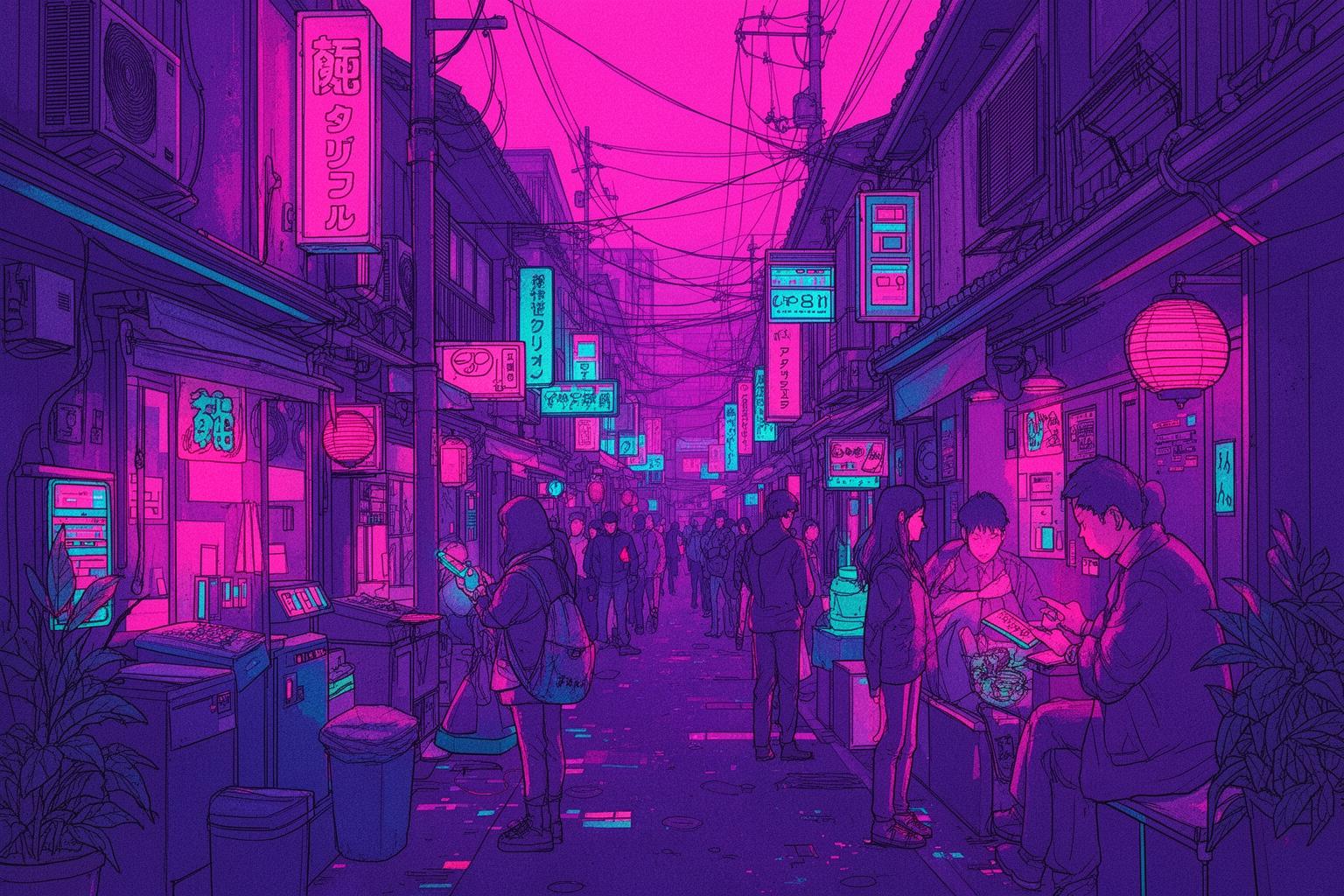
While Tokyo may boast the most renowned examples, the yokocho spirit thrives in cities throughout Japan. Each area imbues these alleys with its distinctive local flavor, culinary delights, and history, making them an excellent way to experience the rich diversity of Japanese urban culture.
Osaka’s Hozenji Yokocho: Elegance on Cobblestones
In the lively, food-obsessed city of Osaka, you’ll discover Hozenji Yokocho. This alley presents a completely different ambiance compared to the rough lanes of Shinjuku. Situated near the vibrant Dotonbori entertainment district, Hozenji Yokocho offers a peaceful retreat. The narrow lane is paved with stone, creating a charming traditional atmosphere bathed in the warm glow of paper lanterns. It feels less like a post-war market and more like a scene from old Edo.
The alley is named after the nearby Hozenji Temple, famed for its moss-covered statue of the deity Fudo Myoo. According to local legend, pouring water over the statue while wishing will make the wish come true. The steady flow of worshippers has covered the statue in a thick, velvety layer of moss, creating a beautiful and tranquil centerpiece. The eateries in Hozenji Yokocho match this somewhat refined mood. Here, you’ll find higher-end restaurants serving traditional ‘kappo’ cuisine, exquisite teppanyaki, and some of Osaka’s finest okonomiyaki and kushikatsu (deep-fried skewers). It’s an ideal spot for a romantic dinner or a leisurely evening of culinary discovery, showing that a yokocho can also be elegant.
Shibuya’s Nonbei Yokocho: A Retro Oasis
Back in Tokyo, just steps from the world’s busiest pedestrian crossing, lies Shibuya’s own tiny remnant of the Showa era, Nonbei Yokocho, or ‘Drunkard’s Alley’. Finding this narrow lane amid Shibuya’s neon frenzy is a discovery in itself. It consists of about 40 tiny bars, each a little world unto itself. Like Golden Gai, it’s a place for intimate drinks and conversation, but it feels even more secluded—a real local secret. The bars are exceptionally small, making it ideal for solo visitors or pairs. It serves as a vivid reminder that even in Japan’s most futuristic districts, history is never far away.
Kichijoji’s Harmonica Yokocho: Market by Day, Maze by Night
For a different vibe, head to the trendy neighborhood of Kichijoji in west Tokyo. Harmonica Yokocho, located right by the station’s north exit, is a captivating hybrid. By day, it’s a bustling market (ichi) with fishmongers, butchers, and florists. But as night falls, the market stalls close, and a multitude of tiny restaurants and standing bars (tachinomi) open their doors. The area is a labyrinth of five narrow alleys, said to resemble the reeds of a harmonica, which gave it its name. Here, you can find everything from gyoza specialists and yakitori spots to small Italian and Spanish tapas bars. The atmosphere is vibrant and youthful, reflecting Kichijoji’s character. It’s a brilliant example of how the yokocho concept continues to evolve.
A Beginner’s Guide to Yokocho Delights: What to Eat and Drink
One of the greatest pleasures of exploring a yokocho is the food. It’s simple, flavorful, and crafted to perfectly complement a good drink. Since the menus are sometimes entirely in Japanese, knowing a few key dishes will make your experience smoother and more enjoyable.
The Food: Ippin Ryori (A La Carte Dishes)
Most yokocho establishments focus on ‘ippin ryori’, or small a la carte plates. You order a few at a time to share with your group, allowing you to sample a variety of flavors throughout the night.
Yakitori: The King of Skewers
Yakitori, grilled chicken skewers, reign supreme in yokocho cuisine. But this isn’t just ordinary grilled chicken. Every part of the bird is used, reflecting the post-war philosophy of ‘mottainai’ (no waste). Common types include ‘momo’ (thigh), ‘negima’ (thigh and leek), ‘kawa’ (crispy skin), ‘tsukune’ (minced chicken meatballs), ‘hatsu’ (hearts), and ‘sunagimo’ (gizzards). They’re typically seasoned with either ‘shio’ (salt) or ‘tare’ (a sweet and savory soy-based sauce). Don’t hesitate to try the less common parts; they often have the richest flavor.
Motsu-ni and Oden: The Soul-Warming Stews
On a chilly evening, nothing beats a bowl of ‘motsu-ni’ or ‘oden’. Motsu-ni is a hearty, slow-simmered stew made from pork or beef offal, vegetables like daikon radish and carrots, and konnyaku jelly, usually flavored with miso. It’s deeply comforting and savory. Oden is a lighter yet equally satisfying dish with various ingredients simmered for hours in a delicate dashi broth. Popular items include ‘daikon’ (radish), ‘tamago’ (hard-boiled egg), ‘chikuwa’ (fish cake tube), and ‘atsuage’ (deep-fried tofu). Simply point to what you want, and the chef will pick it from the bubbling pot for you.
Kushikatsu: The Golden Crunch
Especially popular in Osaka, ‘kushikatsu’ are deep-fried skewers. Almost anything can be skewered, coated in light panko breadcrumbs, and fried to a golden crisp: meat, seafood, vegetables, even cheese. They’re served with a communal pot of tangy dipping sauce. The golden rule here is no double-dipping—dip your skewer once, and only once, into the sauce.
The Drinks: More Than Just Sake
The drink selection in a yokocho is usually straightforward, focusing on classics that pair well with the food.
Beer and Highballs
The typical first order is ‘nama biru’, or draft beer. A chilled Japanese lager cuts through the richness of grilled and fried dishes perfectly. Another favorite is the highball, a simple mix of Japanese whisky and sparkling water served in a tall, frosty glass. It’s light, refreshing, and incredibly easy to drink.
Sake and Shochu
Of course, there’s ‘sake’, Japanese rice wine, served hot (‘atsukan’) or cold (‘reishu’). Don’t hesitate to ask the staff for a recommendation (‘osusume’). ‘Shochu’ is another traditional spirit, usually distilled from barley, sweet potatoes, or rice. It has a stronger, earthier flavor than sake and is often served on the rocks (‘rokku’) or mixed with water (‘mizuwari’) or oolong tea.
Hoppy: A Taste of the Past
For an authentic Showa-era experience, try ‘Hoppy’. Introduced in the late 1940s when beer was costly, Hoppy is a non-alcoholic beer-flavored drink meant to be mixed with inexpensive shochu to create a beer-like cocktail. It remains a beloved nostalgic beverage in many old-school yokocho. You’ll usually receive a glass of shochu and a bottle of Hoppy to mix to your preferred strength.
Yokocho Etiquette: Navigating the Narrow Aisles Like a Pro
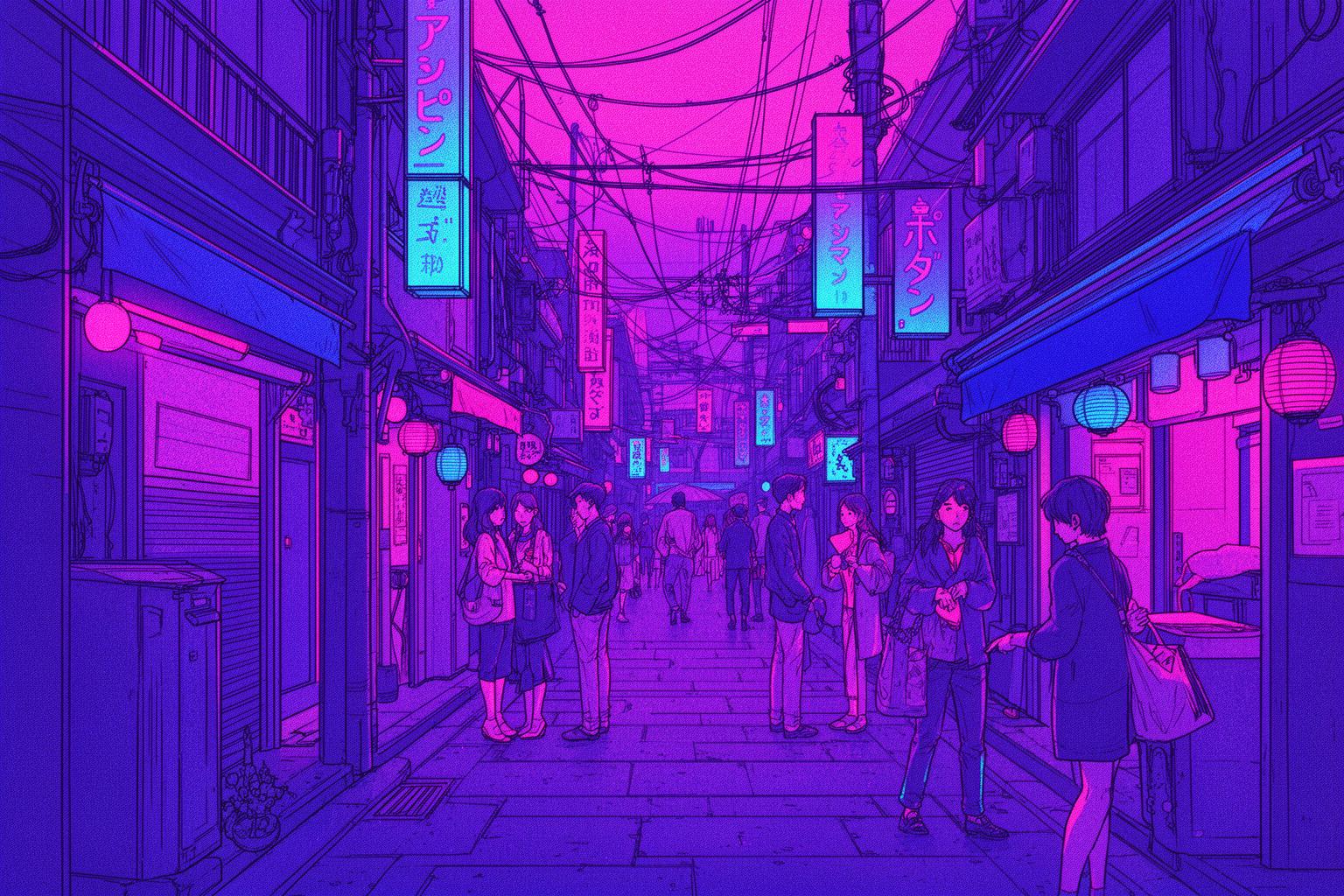
To fully enjoy your yokocho experience, it’s useful to understand a few unwritten rules. These customs contribute to the distinctive culture of these alleys.
Understanding the Cover Charge (‘Otoshi’)
As noted, many tiny bars, particularly in areas like Golden Gai, charge a cover fee. This will appear on your bill as ‘otoshi’ or ‘tsukidashi’. It’s not a rip-off; it’s standard practice. This cover functions as a table charge and almost always includes a small complimentary appetizer. Consider it your ticket to occupying one of the very limited seats.
Embrace the Close Quarters
Yokocho venues are, by nature, very small. You will be seated close to your neighbors. This isn’t a place for loud, boisterous groups. It’s an intimate environment. Be mindful of your space, keep your bags tucked away, and don’t be surprised if you strike up a conversation with someone next to you. This sense of shared space and spontaneous community is a major part of yokocho’s charm.
Ordering and Paying
In most establishments, you order directly from the chef behind the counter or a staff member. It’s perfectly acceptable to point at items on the menu or even what your neighbor is eating. A simple ‘kore o kudasai’ (‘this one, please’) goes a long way. For payment, it’s almost always cash only, so make sure you have enough yen on hand. You typically pay at the end of your visit. You can request your bill by saying ‘o-kaikei onegaishimasu’.
The Art of Bar-Hopping
The true spirit of yokocho lies in bar-hopping, or ‘hashigo-zake’. The idea is not to stay in one spot all night but to have a drink and a small dish or two at one place before moving on to the next. This way, you can enjoy the unique atmosphere and specialties of several venues in a single evening. It keeps the energy lively and turns the night into an adventure of discovery. A good guideline is to stay about an hour before moving on.
A Final Thought Before You Wander
In a country often defined by its future, the yokocho offer a powerful, tangible link to its past. They are not relics kept under glass but living, breathing places where history is shared not through textbooks, but in the laughter of strangers, the smoke rising from a grill, and the warm glow of a paper lantern on a narrow, cobblestone street. They celebrate the simple things: good food, good drink, and the joy of sharing a small space with others. So, on your next trip to Japan, I encourage you to take a small detour. Turn away from the brightly lit main street, follow the scent of charcoal and grilled meat, and immerse yourself in the wonderful, chaotic, and deeply human world of the yokocho. You won’t just discover a great meal; you’ll uncover a piece of Japan’s heart.