So you’ve asked me about depachika. It’s a good question, because on the surface, the answer seems simple. It’s the basement floor of a Japanese department store, and it’s filled with food. But that explanation is like saying a symphony is just a collection of noises. It completely misses the point. To understand the depachika is to understand a core part of modern Japanese life—its relationship with food, ritual, gifting, and the quiet pursuit of everyday luxury. Forget the hushed reverence of the Chanel counter upstairs. The real action, the real theater, is happening below ground.
Step off the escalator into a major depachika, like the one at Isetan in Shinjuku or Takashimaya in Nihonbashi, and your senses are immediately overwhelmed. It’s a controlled, beautiful, delicious chaos. The air is thick with a dozen competing aromas: the sweet, buttery scent of baking croissants from a stall claiming Parisian authenticity, the savory, soy-glazed perfume of grilled eel, the earthy fragrance of freshly brewed green tea. The sounds are a constant, polite hum—the melodic calls of vendors announcing their wares, the crisp rustle of waxed paper as a delicate cake is boxed, the soft chime that signals the store’s opening or closing. Visually, it’s a wonderland. Meticulously arranged bento boxes look like edible mosaics. Cakes are glazed to a mirror shine, adorned with perfectly placed fruit. Even the pickles are arranged in beautiful, geometric patterns. This isn’t a grocery store. It’s a gallery where everything is for sale.
The word itself, depachika (デパ地下), is a straightforward portmanteau of depāto (department store) and chika (basement). But the experience is anything but simple. It is a highly curated world designed to solve a dozen social and domestic needs at once. It’s where you buy a meticulously wrapped gift to thank a colleague, a special bento to eat on the Shinkansen, a high-end cake for a birthday, or an exquisite side dish to supplement dinner when you’re too tired to cook but refuse to compromise on quality. It’s a universe of culinary ceremony, and learning to navigate it reveals the unspoken rules of Japanese society.
More Than a Food Hall: The Unspoken Rules of the Game
Your first mistake would be to treat a depachika like a Western food court or a supermarket deli. It operates on an entirely different system. While you can purchase a meal for yourself, the space is primarily focused on two things: exceptional quality and the act of giving. It’s not a place for a cheap, quick snack. It is a destination.
The ritual begins even before you arrive. People don’t simply wander into a depachika without purpose. They come with a mission, often connected to a social obligation or a personal celebration. The most significant of these is the culture of gift-giving. In Japan, gift-giving is a complex and vital social custom, and the depachika serves as the main resource.
There are two key concepts to know: omiyage and temiyage. Omiyage (お土産) is a souvenir you bring back from a trip for friends, family, and coworkers. It’s a way of saying, “I was thinking of you while I was away.” Temiyage (手土産) is a gift you bring when visiting someone’s home or office. It expresses gratitude for their hospitality or time. In both cases, the gift must be beautifully presented, come from a reputable maker, and often be edible. The depachika is the one-stop shop for this, offering a vast selection of elegantly boxed cookies, crackers, sweets, and teas from renowned brands that convey good taste and respect for the recipient.
This explains why so many people in a depachika, dressed in business attire, carefully examine boxes of sweets. They are not simply buying cookies; they are engaging in a social ritual. The choice of brand, the quality of the wrapping paper, and the crispness of the branded paper bag all contribute to the message being sent. It is a non-verbal communication of respect, appreciation, and social awareness.
Navigating the Labyrinth: A Tour of the Zones
The depachika is not a random collection of stalls. It is a thoughtfully designed ecosystem, typically divided into distinct zones that address every imaginable culinary need. Understanding the layout is essential to grasping its purpose.
The Savory Side: Yōsai & Wasai
This area forms the core of the depachika’s solution for the busy modern household. It is where prepared foods, called sōzai (惣菜), are found—but referring to them as merely “deli food” would be a disservice. The counters are categorized mainly into two sections: yōsai (Western-style foods) and wasai (Japanese-style foods).
The yōsai section reflects Japan’s admiration for Western cuisine, perfected and presented with Japanese meticulousness. Here you’ll find glossy salads with intricate dressings, savory quiches, perfectly fried korokke (croquettes), and Hamburg steaks glazed with rich demi-glace sauce. Everything is sold by weight, usually per 100 grams, and the staff carefully pack your choices into clean, sturdy containers.
The wasai area offers a journey through traditional Japanese flavors. You can purchase simmered vegetables (nimono), grilled fish, handmade tofu, and an array of pickles (tsukemono). These dishes form the foundation of a classic Japanese meal. The typical customer is often a busy professional or homemaker who wants to serve a wholesome multi-course dinner but only has time to cook the rice and miso soup. Buying a few high-quality sōzai from the depachika is not viewed as a lazy shortcut, but rather as a smart and respectable way to ensure a delicious and varied meal. It is the ritual of caring for your family without compromising quality for convenience.
Then there are the bento boxes—the depachika bento represents the pinnacle of the form. These are far from the simple lunchboxes of childhood. They are miniature culinary masterpieces showcasing seasonal ingredients and regional specialties. You can find bento from renowned restaurants across Japan, allowing you to sample the cuisine of a Kyoto ryokan or a Kanazawa sushi bar without leaving Tokyo. Purchasing a special bento before a long-distance Shinkansen journey is a cherished tradition, turning travel into a gastronomic experience.
The Kingdom of Sweets: Wagashi & Yōgashi
If the savory section is the practical heart of the depachika, the sweets section is its soul. It is where art, tradition, and passion intersect. Like the savory foods, it is divided into two realms: wagashi (traditional Japanese sweets) and yōgashi (Western-style sweets).
Wagashi: The Art of Seasonality
Wagashi counters offer a glimpse into an ancient, poetic culinary culture. These sweets are closely tied to the seasons and the natural world. In spring, you’ll find treats in pale pink hues, infused with cherry blossom flavor. In autumn, they take forms like maple leaves or chestnuts. Wagashi are not merely about sweetness; they emphasize texture, subtlety, and visual elegance. They are crafted to be enjoyed with green tea, providing a gentle balance to its bitterness.
Here you’ll encounter famous historic shops like Toraya, which has been producing yōkan (sweet bean jelly) for centuries and is synonymous with impeccable quality and tradition. A gift from Toraya is a profound expression of respect, often presented on very formal occasions. Other counters sell freshly made mochi (pounded rice cakes), delicate nerikiri (intricately shaped sweets from sweet bean paste), and translucent warabimochi dusted with roasted soybean powder. Buying wagashi is participating in a ritual of seasonal appreciation and a subtle acknowledgement of the passage of time.
Yōgashi: Parisian Dreams in a Tokyo Basement
Just steps away from the bastion of Japanese tradition lies the dazzling world of yōgashi, where Japanese perfectionism is applied to French pâtisserie. Glass cases showcase cakes, pastries, and chocolates with a precision worthy of a surgeon. Every strawberry is perfectly ripe, every swirl of cream flawless, and every chocolate glaze mirrors a polished sheen.
Renowned French pâtissiers such as Pierre Hermé and Jean-Paul Hévin have stores here, alongside beloved Japanese brands like Henri Charpentier and Shiseido Parlour. These are not the heavy, overly sweet cakes found in some places. The flavors are balanced and often incorporate Japanese ingredients like matcha, yuzu, or black sesame. A single slice might be costly but is regarded as an affordable luxury, a personal indulgence, or a celebration centerpiece. Purchasing a whole Christmas or birthday cake from a celebrated depachika brand is a cornerstone of contemporary family life in Japan.
The Gift-Giving Epicenter
Returning to gifts, this is the depachika’s true specialty. Every well-known confectioner, from traditional senbei (rice cracker) makers to Belgian chocolatiers, offers a range of pre-boxed assortments crafted specifically for gifting. The cultural significance of this cannot be overstated. The packaging is as important as the contents. Boxes are sturdy and beautifully designed, wrapped with meticulous care in the store’s signature paper—each fold sharp, every corner precise. The wrapped box is placed in a high-quality paper bag, sometimes with a rain cover added if the weather demands it. This entire process is a ritual of omotenashi—wholehearted hospitality and care—ensuring the gift arrives in perfect condition and conveys the high esteem held for the recipient.
During Japan’s two major gift-giving seasons—Ochūgen in mid-summer and Oseibo at year’s end—the depachika transforms into a bustling hub of social exchange. Companies and individuals place large orders for everything from boxes of premium fruit to artisanal soy sauce, sending them to clients, colleagues, and family to express gratitude for their support throughout the year.
The Treasure Hunt: Limited Editions and Regional Fairs
Depachika excel at creating desire, with their most potent tool being gentei (限定), or limited editions. Nearly every stall offers items available only for a specific season, holiday, or even just that particular week. This fosters a constant sense of novelty and urgency. You must buy that sakura-flavored pastry now, as it will disappear in a few weeks. This culture of ephemerality directly taps into the Japanese aesthetic appreciation for fleeting beauty.
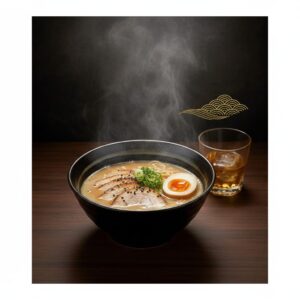
Moreover, most depachika host rotating pop-ups and regional food fairs called bussanten (物産展). For one week, a space might highlight Hokkaido’s culinary specialties, featuring renowned ramen, fresh seafood, and melon-flavored sweets. The next week, it might celebrate Kyushu’s best products. These events draw large crowds eager to sample regional Japan without leaving the city. They represent a ritual of culinary tourism—a treasure hunt for rare and delectable discoveries.
The Psychology of Perfection: Why Depachika Works
What makes the depachika model so enduring? It’s the perfect blend of deeply rooted cultural values and expert retail psychology working seamlessly together.
The Power of Presentation
In Japan, the visual appeal of food is inseparable from its flavor. Food must be beautiful. This principle is clearly demonstrated in the depachika. The precise arrangement of bento ingredients, the glossy glaze on teriyaki chicken, the delicate dusting of cocoa on tiramisu—these all contribute to the promise of quality. This visual perfection creates an ambiance of luxury and reliability. You instinctively believe that food looking this exquisite must also taste fantastic and be made from the finest ingredients.
The Theater of the Artisan
Many depachika stalls are more than just counters; they serve as small kitchens. You can watch chefs carefully assembling salads, frying tempura, or decorating cakes. This is the stage of the shokunin (artisan). Observing the craftsmen at work fosters a direct connection and builds trust. You’re not buying a mass-produced product from an anonymous factory; you’re purchasing something crafted with skill and care right before your eyes. This transparency is a strong sales advantage and turns a simple purchase into a memorable event—a ritual of appreciating craftsmanship.
The Free Sample Gauntlet (Shishoku)
One of the most enjoyable—and risky—depachika rituals is shishoku (試食), the offering of free samples. Vendors stand at the front of their stalls, presenting small bites of their products on toothpicks or in tiny paper cups. There’s a certain etiquette: you don’t simply take and leave. You accept the sample with a slight bow or nod of thanks, taste it thoughtfully, and perhaps offer some feedback. There is a subtle, unspoken expectation to buy if you like it, but it’s perfectly polite to decline and move on. For vendors, it’s a confident way to showcase their product’s quality. For customers, it’s an opportunity to discover new favorites and deepen their connection to what they purchase.
The Depachika’s Place in Modern Japan
In an era dominated by online shopping and specialty boutiques, one might assume the depachika would be a dying breed. Yet it continues to flourish. Why? Because it provides something that cannot be duplicated online: a tangible, sensory experience deeply connected to an intimate understanding of its customers’ lives.
Naturally, it has evolved. Some have introduced stylish eat-in counters or wine bars to draw a younger audience. Others have pushed further into extreme luxury, sourcing rare ingredients and partnering with Michelin-starred chefs. However, its core purpose remains unchanged. It serves as the ultimate trusted source for quality, tradition, and the performance of social rituals.
For tourists, the depachika can be an overwhelming and costly spectacle. But for locals, it is an indispensable part of the urban landscape. It is a place of comfort, convenience, and subtle celebration. Here, the lofty ideals of Japanese cuisine—seasonality, beauty, quality—are grounded and woven into everyday life. The next time you visit a Japanese department store, don’t just glance at the designer bags. Head down the escalator to the basement. There, you’ll discover a far richer and more flavorful story about the heart of modern Japan.