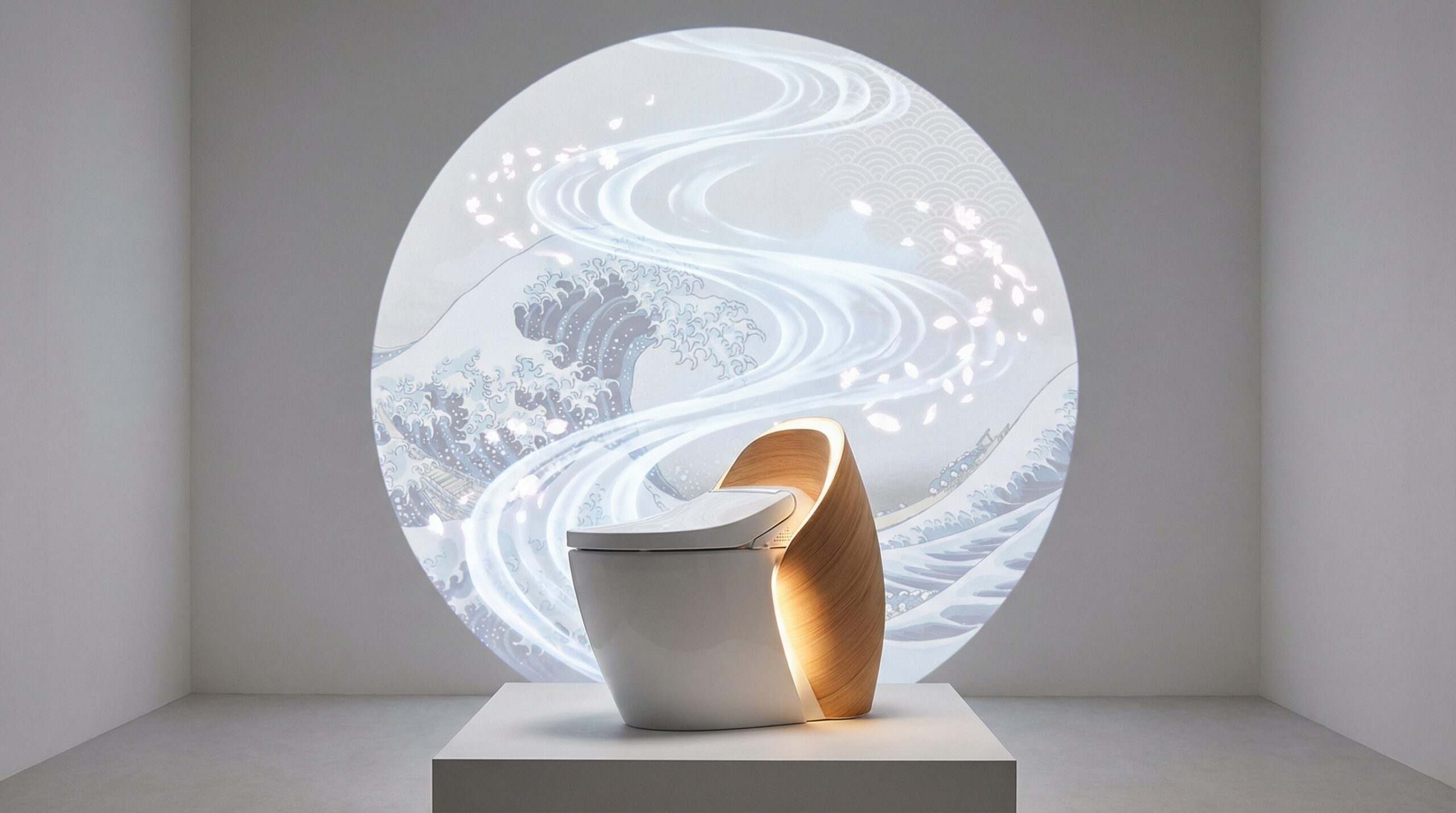
Yo, let’s get real for a sec. When you’re traveling, bouncing from one amazing ramen spot to the next, exploring ancient temples, and getting lost in a sea of neon, there’s one universal truth: eventually, you gotta go. And let’s be honest, the thought of a public restroom can be, well, a vibe killer. We’ve all been there—holding our breath, doing that awkward hover, just trying to get in and out. For the longest time, Japan, for all its futuristic sheen and deep-rooted traditions, had this same issue. Public toilets, especially in parks, often had a reputation for being dark, a little bit sketchy, and generally places you’d rather avoid. But hold up, because Japan did what Japan does best: it took a problem, looked it dead in the eye, and decided to make the solution an absolute work of art. The glow-up is real, and it’s happening in the most unexpected of places.
Forget everything you thought you knew about public facilities. We’re not talking about a quick paint job and a new air freshener. We’re talking about a full-blown revolution, a radical reimagining of what a public toilet can be. This isn’t just about function anymore; it’s about form, dignity, hospitality, and, believe it or not, beauty. In cities like Tokyo, what were once forgettable concrete boxes are being reborn as stunning architectural installations, designed by Pritzker Prize-winning legends and visionary artists. These aren’t just toilets; they’re destinations. They’re concrete sculptures, urban oases, and quiet statements about a culture that believes everyone deserves a clean, safe, and beautiful space. It’s a whole movement, and The Tokyo Toilet Project in Shibuya is leading the charge. So next time you’re exploring the electric streets of Tokyo, keep your eyes peeled. The most mind-blowing piece of modern art you see might just be the place you pop into for a pit stop. Bet.
This architectural revolution echoes Japan’s long-standing fascination with innovative concrete design, as seen in its dystopian Metabolist megastructures.
The Vibe Shift: From ‘Kowai’ to ‘Kakkoii’
To truly understand why these new toilets are such a big deal, you need to know the backstory. For decades, public toilets in Japan struggled with the “3Ks”: Kurai (dark), Kusai (smelly), and Kowai (scary). This reputation stuck with them. Hidden away in park corners, often dimly lit and outdated, they were places of necessity rather than comfort. As a traveler, you would likely choose the spotless facilities found in department stores or train stations instead. It was an unspoken rule, a situation well known to locals and experienced visitors alike. The contrast was striking—in a country obsessed with cleanliness and advanced technology, where even a simple convenience store bathroom is frequently immaculate, the public park toilet remained the overlooked outlier.
Then came a major shift. It wasn’t a slow evolution; it was a purposeful, intentional effort to completely change the narrative. The visionaries behind initiatives like The Tokyo Toilet Project, led by The Nippon Foundation, recognized that altering a physical space could transform public perception and behavior. The aim wasn’t merely to build cleaner toilets. The aim was to create better toilets—ones that are inclusive, accessible, and so impressively designed that they would earn respect. The mission was to turn these spaces from sources of anxiety into symbols of civic pride. It was a bold statement, a declaration that design and dignity should be available to all, not just those in upscale hotels or corporate towers. They enlisted architectural stars, the kind of names associated with museums and iconic buildings, and gave them a modest yet meaningful canvas: the public restroom. With that, the atmosphere shifted from kowai to kakkoii (cool). These new facilities are not merely practical; they are thoughtful, artistic, and deeply human.
Shibuya’s Architectural Showcase: The Tokyo Toilet Project
Shibuya is the vibrant core of Tokyo’s youth culture—a bustling, dynamic blend of fashion, music, and countless pedestrians weaving through the streets. It’s the last place you’d expect a quiet revolution in public infrastructure, yet that’s precisely where The Tokyo Toilet Project unveiled its grand vision, installing seventeen unique, architect-designed restrooms throughout the ward. This open-air museum features fully functional exhibits, each one sparking conversation and boldly reimagining a facility we often overlook. Exploring them is like a treasure hunt for design enthusiasts, offering a fresh perspective on the city. Let’s explore some of the most iconic concrete masterpieces that are redefining the norm.
Tadao Ando’s ‘Amayadori’ in Jingu-Dori Park
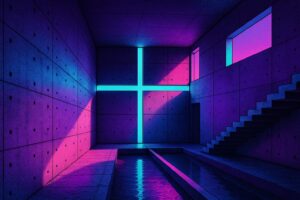
First, let’s focus on a living legend: Tadao Ando. If Japanese architecture had a rockstar, it would be him—the undisputed master of concrete, renowned for his seamless, monolithic creations that play with light and shadow, evoking a spiritual feel. So, when he designed a public restroom, it was clear it wouldn’t be just an ordinary box. Situated in Jingu-Dori Park, his work is called Amayadori, meaning “rain shelter.” And that’s precisely the atmosphere it conveys. The building is a striking concrete cylinder, low and wide, with a roof that extends well beyond the walls, providing shelter from sudden Tokyo rainfalls.
The charm lies in the details. Rather than solid walls, vertical concrete louvers—a signature Ando feature—create a sense of security and privacy while allowing air and glimpses of light to seep through. It feels safe, yet not confined. Inside, the outside world doesn’t disappear; the muffled sounds of the park and shifting daylight patterns gently touch the space, transforming a mundane moment into a calm, almost meditative experience. The concrete is impeccably smooth, a testament to Japanese craftsmanship. It contrasts sharply with the lush park greenery yet feels perfectly at home. Ando aimed for this structure to “transcend the boundaries of a public toilet to become a ‘place’ within the urban landscape.” Mission accomplished. It stands as a powerful, minimalist statement unmistakably Ando’s, and discovering it is truly a ‘wow’ moment.
Fumihiko Maki’s ‘Squid Toilet’ in Ebisu East Park
A short stroll from Ebisu Station, in a cheerful park fondly called “Octopus Park” due to its octopus-shaped slide, stands another architectural treasure. This one, by Pritzker Prize winner Fumihiko Maki, contrasts sharply with Ando’s austere minimalism. It’s playful, lighthearted, and full of whimsy. Known locally as the “Squid Toilet,” it serves not only as a restroom but also as a park pavilion and resting spot. The design features four white cabins with distinct layouts, grouped beneath a single, gracefully arching roof made of thin white reinforced concrete. The roof dips and rises, almost appearing to float, providing shade and creating an inviting public area underneath.
Maki’s genius lies in decentralizing the structure. Instead of a large, imposing block, the scattered cabins form pathways and sightlines, making the space feel open and safe. A frosted glass oculus in the roof’s center allows natural light to cascade into a small courtyard, enhancing the airy, breezy atmosphere. The pristine white concrete feels clean and optimistic—a design that smiles. It acknowledges its primary users: children and their parents at play. It’s not a solemn hygiene facility but a friendly, welcoming part of the playground. Using it feels more like entering a futuristic treehouse. It perfectly illustrates how thoughtful design can harmonize with its surroundings, enriching the community space. It exudes high-concept playground vibes and is absolutely brilliant.
Nao Tamura’s Crimson Triangles in Higashi Sanchome
Sometimes, the greatest design challenges arise from the smallest spaces. Nestled on a narrow, triangular plot near Ebisu Station is a toilet that doubles as sharp urban sculpture and public amenity. Designed by New York-based Nao Tamura, it’s a masterclass in making a statement while addressing practical needs. The challenge was to create a safe, private, accessible space on a tiny, awkward parcel of land. The result is a bold, sculptural form of three interlocking triangular volumes, all clad in vivid vermilion-red concrete. The intense color commands attention, immediately setting the structure apart from the city’s muted tones.
Inspired by Origata, the traditional Japanese art of decorative paper folding, the sharp lines and folded planes of the concrete walls mimic crisp paper folds. This is more than aesthetic—it’s functional. The staggered walls provide separate, private entrances for three stalls: a standard toilet, a wheelchair-accessible unit, and a gender-neutral multi-purpose stall. The layout ensures privacy and personal space, often missing in public restrooms. Tamura’s vision was to create a welcoming space that embraces the LGBTQ+ community and people of all ages and needs, where everyone feels safe and comfortable. The vibrant red concrete isn’t just decorative; it’s a symbol of inclusivity. This small structure packs a huge heart, proving that even the most utilitarian buildings can convey powerful social messages.
Beyond the Hype: The Philosophy of Concrete Comfort
So, why choose concrete? In an era of smart glass and advanced composites, this humble, ancient material might appear to be a simple option. Yet, in the hands of these architects, concrete is far from dull. It represents a deliberate, philosophical choice that resonates deeply with the core of Japanese aesthetics and modernism. For architects like Tadao Ando, concrete is more than just a building material; it serves as a medium to sculpt space and light. It embodies purity, strength, and permanence. Using concrete for a public toilet elevates the structure, bestowing upon it a sense of gravitas and dignity that a flimsy plastic building could never achieve. It conveys the message: “This space matters. Your comfort matters. This is a lasting part of our city.”
There is also a connection to the Japanese aesthetic of wabi-sabi, the appreciation of beauty found in imperfection and impermanence. Although the concrete is often poured to be perfectly smooth, over time it weathers. It develops a patina of age, bears the marks of rain and sun, and blends more naturally with its environment. This process isn’t seen as decay but as a form of evolution and character. The solid, unadorned surfaces of concrete also serve as a canvas for nature—the shadow of a swaying branch, the reflection of a passing cloud, the shifting light of dawn and dusk—all become integral to the architectural experience. Concrete doesn’t demand attention; it offers a quiet, sturdy backdrop against which the subtle beauty of everyday life can be appreciated. It provides a moment of calm and stability amid the city’s hectic pace. So when you enter one of these concrete sanctuaries, you’re not simply using a facility; you’re engaging in a dialogue between modern architecture, nature, and a centuries-old aesthetic philosophy. It’s profound, and it’s what makes these places truly special.
The Tech is Everything: More Than Just a Pretty Face
Alright, so the architecture is quite a statement. But since this is Japan, you can bet the interior is just as remarkable. The exterior may resemble a minimalist concrete sculpture, but it’s inside where Japan’s passion for technology, comfort, and hygiene truly stands out. These toilets are far from mere shells; they are loaded with features that make you question how you ever managed without them. The highlight, naturally, is the Washlet. If you’ve never tried a Japanese smart toilet, you’re in for a real treat. Think heated seats (a true comfort on chilly days), a control panel offering a bidet spray with adjustable pressure and temperature, and even a warm air dryer. This represents a level of personal comfort and cleanliness that’s simply next-level.
But the technology doesn’t end there. Many of these toilets include the Otohime, or “Sound Princess.” This small device, activated by the press of a button, plays the sound of flushing water to mask any other more personal noises. It’s an ingenious way to address a common source of public restroom anxiety, reflecting a culture that values discretion and respect for others. You’ll also find automatic lids that open as you approach and close when you leave, touch-free flushing systems, and deodorizing functions that activate automatically. For parents, there are often fold-down baby seats inside the stalls, allowing you to safely place your child while using the facilities. Emergency call buttons are standard, directly linked to security. Every detail has been thoughtfully designed and engineered to ensure maximum comfort, safety, and hygiene. The seamless blend of high-concept art on the outside with high-tech comfort inside is what makes these toilets a uniquely Japanese experience. It’s the ultimate expression of omotenashi—wholehearted hospitality extended to everyone, in every circumstance.
Finding Your Throne: A Traveler’s Guide
So, you’re convinced—you want to take a toilet tour of Tokyo. Quietly, it’s actually one of the best ways to explore the city and admire its dedication to public design. The easiest way to locate The Tokyo Toilet Project sites is by visiting their official website, which features a map of all seventeen spots scattered around Shibuya. You can create a walking tour, uncovering different neighborhoods as you go. Start in Harajuku to see Kengo Kuma’s wooden village, stroll over to Jingu-Dori Park for Ando’s concrete cylinder, then make your way down to Ebisu for Maki’s squid pavilion. It’s genuinely a fun and free way to spend an afternoon.
When using these facilities, a bit of etiquette really matters. The golden rule is simple: leave the space as clean as you found it—or even cleaner. These toilets are gifts to the public, maintained by a dedicated cleaning team working tirelessly. Do your part by ensuring everything is tidy before you depart. Avoid lingering too long, especially if there’s a queue. While beautiful, they remain essential public amenities. Most importantly, take a moment to appreciate them. Observe the design, the materials, and the feelings they evoke. It’s a rare chance to engage with world-class architecture on such an intimate level. Though The Tokyo Toilet Project is the most well-known example, keep an eye out in other cities as well. From art islands in the Seto Inland Sea to rural towns, Japan is increasingly investing in beautiful, functional public spaces. This dedication to quality of life is everywhere, and the humble public toilet is one of its most surprising and delightful expressions.
The Ripple Effect: How a Toilet Can Change a City
It may seem like an exaggeration, but these projects do more than simply provide a place to visit. They are actively transforming the urban environment and the way people engage with public spaces. By replacing dark, unwelcoming structures with bright, open, and artistic designs, they make parks and public areas feel safer and more inviting, particularly for women, children, and the elderly. These sites become landmarks in their own right, attracting people to areas they might otherwise have ignored. Visitors come to take photos and admire the architecture. Suddenly, a public restroom becomes a destination, a noteworthy spot on a tourist map.
This creates a strong ripple effect. It nurtures a sense of civic pride and ownership. When a space is attractive and well-maintained, people are more likely to respect it. It conveys the message that the city values its residents and visitors, along with their dignity and well-being. It’s a small yet meaningful investment in the social fabric. In a world that often seems to be moving too quickly, these small havens of concrete and comfort offer a pause, a reminder that beauty and care can exist in the most unexpected places. It stands as proof that good design isn’t a luxury; it’s an essential part of building a better, more humane world for everyone. And that legacy lasts far longer than even the strongest concrete.