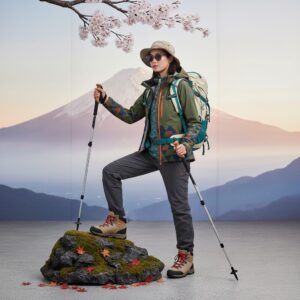
Yo, let’s get real for a sec. Forget the neon-drenched streets of Tokyo, just for a moment. We’re about to dial it back, way back. Picture this: the grainy, saturated look of a 1970s mountaineering film. The heroes are rugged, kitted out in wool and leather, their faces etched with the kind of focus you only get when it’s just you against the mountain. The soundtrack is just the wind, the crunch of boots on scree, and the thumping of your own heart. This isn’t some CGI blockbuster. This is real. This is raw. And this, my friend, is the vibe of the Japanese Alps.
They call them the Nihon Arupusu, a sprawling crown of jagged peaks that carve through the center of Japan’s main island, Honshu. This isn’t just a mountain range; it’s a feeling, a time capsule waiting to be opened. It’s a place where you can properly unplug, where the signal dies and the real connection begins. Divided into the Northern, Central, and Southern Alps, this massive wilderness offers up some of the most legit, soul-stirring hiking on the planet. For anyone who feels that pull of the wild, that itch to see what’s over the next ridge, the Japanese Alps are a pilgrimage. It’s about trading the curated perfection of modern life for something elemental and profoundly, epicly beautiful. So grab your sturdiest boots and a sense of adventure, because we’re about to step into the frame of our own mountain classic.
For a deeper dive into the retro-future aesthetic of hiking in Japan, check out our guide to Gorpcore and Heisei-era peaks.
The Soul of the Alps: Tuning into the Mountain Frequency

Before you even set foot on the trail, you need to tune into the frequency of this place. It’s a low hum, a primal vibration that you feel more than hear. The air itself is different—thin, crisp, and carrying the scent of damp earth, pine, and distant snow. It’s a quiet that isn’t empty but full of life. You’ll hear the sharp whistle of a marmot, the rush of a glacial river shimmering jade, and the rustle of bamboo grass, or sasa, as you push through it along the narrow path. This is the soundtrack, the raw audio of your adventure.
To truly experience the Alps, you have to embrace this analog reality. Put your phone on airplane mode. Better yet, turn it off. Your navigation tools should be a well-worn map and a compass you actually know how to use. There’s profound satisfaction in plotting your route, in reading the topography with your own eyes and hands. It connects you to the landscape in a way a glowing screen never can. It’s a throwback to a time when exploration meant a genuine conversation between you and the wild.
And out here, you might have a truly special encounter. Keep your eyes open for the kamoshika, the Japanese serow. This creature is a living fossil, a goat-antelope that seems as if it walked straight out of a prehistoric documentary. They are solitary, stoic, and completely unfazed by your presence. Spotting one standing silently on a rocky ledge, staring back with ancient eyes, is a moment you won’t forget. It’s a reminder that you are a visitor in a world both ancient and unyielding. It’s a profound vibe check from Mother Nature, humbling in the best way.
This isn’t just a solo battle against the elements, though. The Japanese Alps have a unique and deeply rooted mountain culture. You’ll share the trail with Japanese hikers of all ages, from seasoned veterans with decades of experience to university mountaineering clubs. A simple “Konnichiwa!” as you pass serves as the universal currency of goodwill. There’s a quiet, shared respect on the trail—an unspoken understanding that everyone is there for the same reason: to be humbled and inspired by the sheer scale of it all. This sense of community, even in the vast wilderness, is what makes the experience so special. It’s camaraderie forged not over pints, but over steep climbs and shared views from a windswept ridge.
Gearing Up: The Analog Essentials for an Alpine Epic
Let’s discuss gear. But this won’t be one of those ultralight, ultra-tech deep dives. We’re embracing that ‘70s spirit of self-sufficiency and rugged dependability. Your kit is your lifeline, your trusted companion on the climb. It’s about selecting gear that’s sturdy, reliable, and prepared for whatever the mountains throw your way. Quality over quantity, function over fashion.
First, your boots. No exaggeration—this is the most crucial choice you’ll make. Forget those flimsy trail runners. You need proper, high-ankle hiking boots with a stiff sole, ideally crafted from solid leather you’ve broken in yourself. Think of them as your foundation. They’ll shield you from sharp rocks, support you on tricky terrain, and keep your feet dry when an afternoon thunderstorm inevitably hits. Caring for your boots—cleaning and waterproofing them after each trek—is part of the ritual, a mark of respect for the tool that carries you through the wilderness.
Next, layers. The weather in the Japanese Alps is famously unpredictable. You can start the day under bright sunshine and find yourself fighting gale-force winds and rain by lunchtime. The secret is a reliable layering system. Begin with a moisture-wicking base layer, add a warm mid-layer like classic wool fleece, and top it with a fully waterproof and windproof shell jacket and pants. Wool is your best ally here—it insulates even when wet, just like the old-timers knew. Pack a warm hat and gloves—they’re essential, even in midsummer. When you’re standing atop a 3,000-meter peak and the wind kicks in, you’ll thank yourself.
Your pack should be a simple, tough rucksack, large enough to hold everything without unnecessary complexity. An external frame pack would be a true ‘70s homage, but a modern internal frame pack is likely more practical. Inside, carry the essentials: a headlamp with extra batteries (vital in mountain huts), a basic first-aid kit, a water filter or purification tablets, high-energy snacks, and of course, your map and compass. A thermos filled with hot tea or coffee is a small luxury that feels like pure gold when you rest on a cold, misty ridge.
One key piece of local wisdom: bring cash. And plenty of it. Mountain huts, or yamagoya, operate almost entirely on cash. You’ll need it for your stay, meals, and any extra drinks or snacks. There are no ATMs at 2,500 meters. Also, physical preparation is essential. These peaks are serious. The trails are steep, long, and often exposed. You should be comfortable hiking 6-8 hours a day, with significant elevation gain. Get in shape before you go. Your body is your most critical piece of gear; ensure it’s primed and ready for the challenge.
The Northern Alps: The Grand Stage
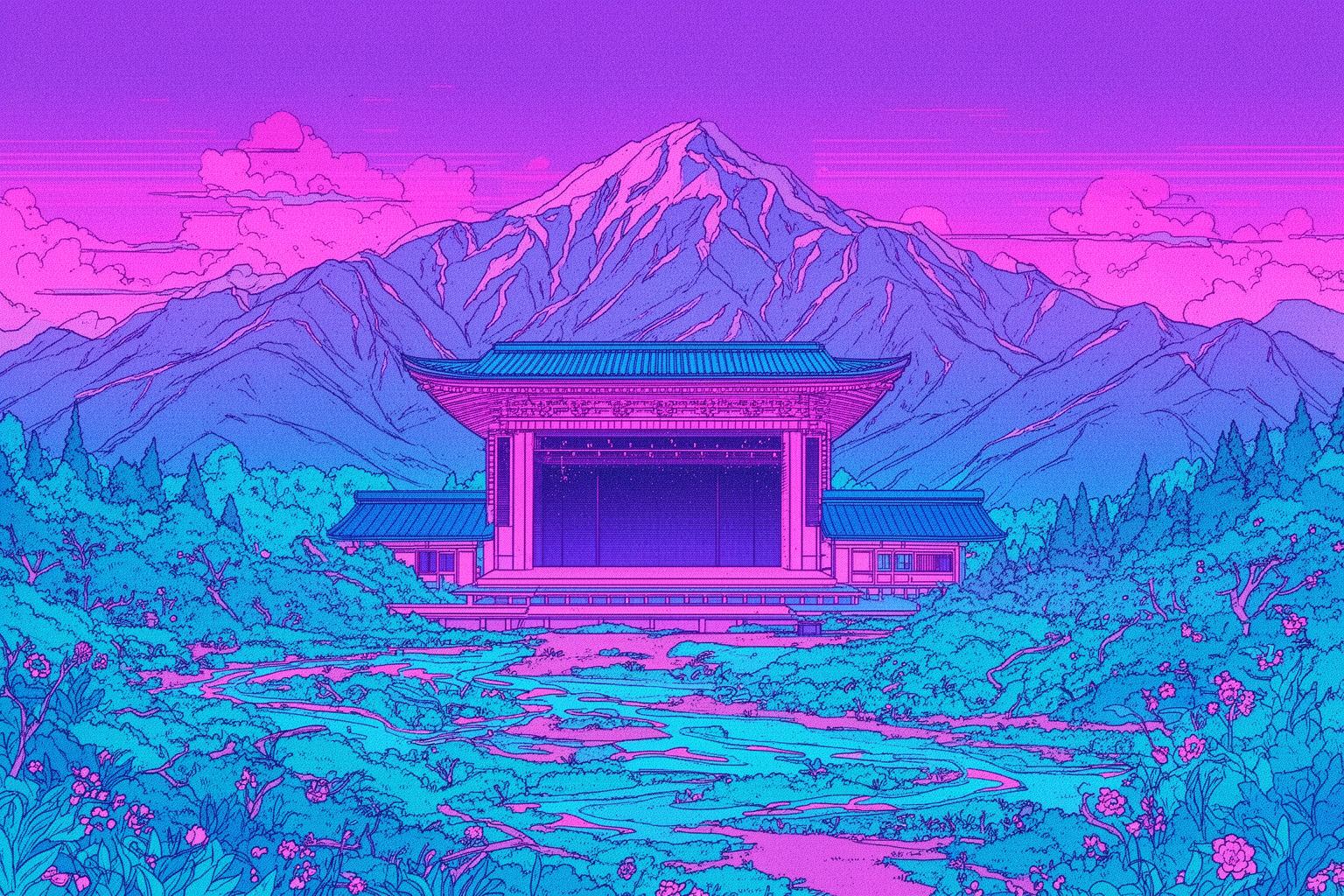
The Northern Alps, also known as the Hida Mountains, take center stage. This region is the heart of Japanese mountaineering, boasting the most iconic peaks, the most dramatic ridges, and the most legendary trails. If the Japanese Alps were a film, this would be the epic opening scene. It’s a landscape of immense scale and breathtaking beauty, a place that will challenge your limits and reward you with views etched into your memory forever.
Kamikochi: The Gateway to the Gods
Your adventure into this alpine paradise almost always starts in Kamikochi. This is more than just a trailhead; it’s a destination in its own right, a pristine river valley resembling a real-life Shangri-La. To protect its sacred atmosphere, private vehicles are prohibited. The only access is by bus or taxi, and as your vehicle winds through a series of narrow tunnels, anticipation builds. When you finally arrive in the valley, the sight is an overwhelming display of beauty. Before you stretches the Azusa River, its water an astonishing, crystal-clear turquoise flowing over a bed of polished white stones. Framing this scene are the towering, jagged peaks of the Hotaka Range, rising skyward like the stony teeth of a slumbering giant.
At the heart of Kamikochi lies Kappa-bashi, a simple wooden suspension bridge that has become an icon of the Japanese Alps. From here, you get one of Japan’s most famous views. Though often bustling with visitors, the grandeur of the landscape absorbs the crowds. Kamikochi makes the perfect basecamp for your adventure. Spend a day acclimating, taking leisurely strolls along the river to Myojin Pond, a serene spot with a small Shinto shrine that highlights the spiritual significance of these mountains. The air is filled with the sounds of the river and birdsong, a perfect prelude before the main journey begins. This is where you take one last deep breath of the lower world before ascending into the realm of the gods.
The Yarigatake-Hotaka Circuit: The Ultimate Challenge
Now comes the major undertaking. The traverse from Yarigatake to the Hotaka peaks is the crown jewel of Japanese hiking, a multi-day epic that belongs on any serious mountaineer’s bucket list. This trek defines adventure: challenging, thrilling, and profoundly rewarding, traversing the rooftop of Japan. This is the main storyline of your mountain film.
Your first target is Yarigatake, meaning “Spear Peak.” You’ll understand why as you near the summit. The peak is a dramatic, sharp rock pinnacle thrusting into the sky. The final ascent isn’t for the faint-hearted, as it involves climbing iron ladders and chains anchored directly into the rock face. As you climb, the world disappears beneath you. It’s a pure vertical thrill, a dance with exposure demanding your full attention. Reaching the tiny rocky summit is a moment of pure triumph. The 360-degree panorama is stunning—a sea of peaks stretching to the horizon, including the distant majestic cone of Mount Fuji on a clear day.
From Yarigatake, the real challenge begins: the Daikiretto, or “Great Cutting.” This is one of Japan’s most famous and treacherous ridge traverses. It’s a narrow, knife-edge arete of fractured rock linking the northern and southern Hotaka peaks. Here the 70s mountaineering spirit intensifies. You’ll navigate exposed ledges, scramble over huge boulders, and use chains and ladders to overcome vertical sections. Progress is slow, careful, and intense. Every handhold and foothold counts. The sense of exposure is immense, with sheer drops on both sides. But moving along this airy spine of the earth is indescribable—a state of pure flow where your focus narrows to the rock ahead and the endless sky above.
Along this route, you’ll stay in famed yamagoya mountain huts. These huts offer a unique experience—not luxury lodges, but simple, functional refuges providing warmth, food, and shelter. Reaching a hut near Yarigatake’s summit after a long day on the trail brings deep contentment. You kick off your muddy boots, sip hot tea, and watch the sunset paint the peaks in orange and purple hues. Dinner is a communal affair, often a hearty meal of Japanese curry, rice, and miso soup shared with fellow hikers at long wooden tables. Sleeping arrangements are usually communal in large tatami rooms with futons side by side. Lights go out early, and you fall asleep to the sound of the wind howling outside, part of a temporary community of mountain lovers resting for the next day’s journey.
Tsurugidake: The Legendary Sword Peak
If the Yarigatake-Hotaka circuit is the main feature, then Tsurugidake is the expert-level post-credits scene. Known as “The Sword Peak,” it’s long been one of Japan’s most dangerous and difficult mountains. For centuries, it was considered unclimbable—sacred and forbidding. It wasn’t until the early 20th century that it was finally summited, and even today, it commands immense respect.
Climbing Tsurugi is a serious endeavor—an intricate puzzle of rock and exposure. The route is famous for its technical sections, named ominously by the climbers who first mastered them. The most notorious are kani-no-tatebai (“the crab’s vertical crawl”) and kani-no-yokobai (“the crab’s sideways crawl”). These near-vertical rock sections demand navigating a web of chains and iron rungs. You find yourself clinging to the rock face, moving slowly and carefully like the crab that inspired these names. This isn’t hiking; it’s genuine mountaineering, requiring a steady head and unwavering resolve. Reaching Tsurugi’s summit is not just about standing atop a peak—it’s a rite of passage, a connection to the raw and untamed history of Japanese alpinism.
The Central and Southern Alps: Whispers of Solitude
While the Northern Alps often steal the spotlight, the Central and Southern Alps provide a distinct, yet equally profound experience. These ranges cater to the connoisseur, the hiker seeking to avoid the main crowds and discover a deeper solitude. They represent the quieter, more reflective chapters in our story, showcasing a different kind of beauty.
The Kiso Mountains (Central Alps): A Ride to the Sky
The Central Alps, known as the Kiso Mountains, boast one of Japan’s most unique alpine experiences: the Komagatake Ropeway. This cable car carries you from the valley floor up to the Senjojiki Cirque at an elevation exceeding 2,600 meters. The journey is breathtaking, gliding effortlessly above the forest canopy, with peaks drawing ever closer. Stepping out of the ropeway station feels like entering another world—immediately immersed in the high alpine zone, a vast, bowl-shaped valley sculpted by ancient glaciers.
The Senjojiki Cirque is a place of ethereal beauty. During the brief summer season, it bursts into a vibrant display, with thousands of alpine flowers blanketing the slopes. It’s a delicate, stunningly beautiful rock garden on a monumental scale. From here, you can hike to the summit of Mount Kisokomagatake, the highest peak in the Central Alps. The trail is steep but relatively short, and the summit views are spectacular, offering a rare perspective of the Northern and Southern Alps, as well as Mount Fuji to the east. The Central Alps provide an accessible yet still inspiring taste of the high mountains. It’s an ideal choice if time is limited but you still want that exhilarating top-of-the-world sensation.
The Akaishi Mountains (Southern Alps): The Deep Wild
If the Northern Alps are the grand theater, the Southern Alps, or Akaishi Mountains, represent deep wilderness. This is the most remote and least developed of the three ranges. The approaches are longer, the trails less busy, and the sense of isolation far greater. This is the realm of the purist, the long-distance trekker seeking complete immersion in the wild. A journey through the Southern Alps is a serious undertaking, often demanding a week or more to finish a major traverse.
This range is home to Kita-dake, Japan’s second-highest peak after Mount Fuji. The hike to its summit is a long, demanding trek, taking you through ancient forests and onto windswept, rocky ridges. The landscape’s grandeur is immense, with days of hiking that reveal only a handful of other people. Mountain huts here are sparse, reinforcing the sense of self-reliance required. Hiking the Southern Alps is a nod to an earlier era of mountaineering—long days, heavy packs, and the profound peace found in being truly alone with your thoughts amid a vast, untamed wilderness. It’s the quiet, meditative final chapter of our mountain epic.
The Rhythm of the Trail: When to Go and How to Flow

Timing is crucial in the mountains. The Japanese Alps follow a very specific rhythm, shaped by the seasons. Grasping this rhythm is essential for planning a safe and successful trip. The main hiking season is surprisingly brief, so choosing your time window carefully is vital.
Decoding the Seasons
July and August mark the height of the peak season. This is when the weather is warmest, the snow has finally melted from the high passes, and all mountain huts are open and fully staffed. The mountains burst into vibrant, electric green, with alpine flowers in full bloom. It’s a stunning time to be in the Alps, but it comes with two significant caveats: crowds and weather. The most popular trails, particularly around Kamikochi, can become quite busy. More importantly, this period also brings typhoons and sudden, intense afternoon thunderstorms. Being prepared for heavy rain and closely monitoring the weather forecast is essential.
September and October are, in my view, the golden hour. This is when the magic truly unfolds. Summer crowds dwindle, and a crispness fills the air. Skies are often clearer, providing the best opportunity for breathtaking, long-distance views. The real spectacle, however, is the autumn colors, or koyo. Mountain slopes ignite in fiery reds, brilliant oranges, and dazzling yellows. The nanakamado, or Japanese Rowan trees, turn a spectacular shade of crimson. Hiking through this landscape feels utterly surreal. Nights grow colder, and by October, the highest peaks may receive their first dustings of snow, adding to the dramatic scenery. The mountains feel more serious, more elemental, during autumn. It’s the perfect season to embrace a nostalgic, contemplative 70s vibe.
Winter (November to May) is a completely different challenge. The Alps lie buried beneath meters of snow, with harsh and unforgiving conditions. This season is strictly for experienced, fully equipped winter mountaineers. The silence and beauty of the snow-covered peaks are otherworldly, but the hazards are severe.
Spring (late May to June) is a season of transition. Snow begins to melt, and the mountains slowly wake up. However, many high-altitude trails remain impassable due to lingering snowfields. This can be a dangerous period, as unstable snow may conceal crevasses. It’s a time of beautiful rebirth but requires careful route planning and often specialized gear such as crampons and an ice axe.
Access and Logistics: The Journey to the Trailhead
Reaching the Alps is an adventure in itself, but Japan’s renowned public transport system makes it surprisingly accessible. Your primary gateway cities will likely be Matsumoto for the eastern Northern Alps, or Takayama and Toyama for the western side. These cities are easy to reach by express train from major hubs like Tokyo, Nagoya, or Osaka.
From these bases, a network of buses will transport you to various trailheads, such as Kamikochi or the start of the trail to Tsurugidake. It’s absolutely essential to check bus timetables beforehand, as services can be infrequent, especially outside the July-August peak season. Booking your bus tickets in advance is highly recommended, as they often sell out. The journey itself is often stunning, winding through deep valleys and alongside rushing rivers, gradually leaving the civilized world behind.
Matsumoto stands out as an excellent basecamp. It’s a charming city home to one of Japan’s most beautiful original castles, the striking black-and-white Matsumoto-jo. It offers a cool, relaxed atmosphere with plenty of great cafés, restaurants, and gear shops for last-minute supplies. Spending a night or two here before and after your trek is the perfect way to frame your mountain adventure.
Beyond the Summit: The Mountain’s Culture
A trek in the Japanese Alps involves more than just the physical challenge and the breathtaking scenery. It offers a deep immersion into a unique mountain culture that has been evolving for centuries. To fully appreciate the experience, one must embrace its rituals and traditions.
The Way of the Yamagoya
While we’ve mentioned the yamagoya, or mountain huts, they merit a closer examination. These huts form the foundation of the Japanese hiking experience and are usually family-run, passed down through generations. Following proper etiquette is crucial. You need to reserve your place well in advance, especially during the busy season. Upon arrival, you leave your muddy boots at the entrance and switch to slippers provided by the hut. One key rule is to carry out everything you bring in. Since there are no trash facilities in the high mountains, you’re responsible for packing out all your rubbish.
Communal meals are a highlight. The food is simple but deeply satisfying after a long day of trekking. Breakfast is served very early, often before sunrise, so hikers can start on the trail at first light. Lights out is usually around 8 or 9 PM; late-night partying is unheard of here. The hut’s rhythm follows the natural pace of the sun and mountains. Embracing this simplicity and the communal, respectful way of life is a significant part of the journey, fostering a unique sense of shared purpose and connection among fellow hikers.
Onsen: The Hiker’s Reward
There is no finer reward after days of strenuous hiking than immersing your tired body in the healing, mineral-rich waters of an onsen, or natural hot spring. The regions around the Japanese Alps are sprinkled with excellent onsen towns. Visiting an onsen after a hike is a revered ritual. It’s not merely about cleansing; it’s a therapeutic experience that soothes your aching muscles and offers a moment to reflect on your journey. Places like Hirayu Onsen and Shirahone Onsen host a variety of traditional inns, or ryokan, where you can fully experience onsen culture.
The etiquette is straightforward but vital. You wash thoroughly at the washing stations before entering the baths. The baths are for soaking, not swimming, and the atmosphere is one of tranquil relaxation. Soaking in an outdoor bath, or rotenburo, with a view of the very mountains you have just conquered is pure bliss. This perfect conclusion to your alpine adventure is a gentle immersion into Japan’s natural and cultural beauty.
The Spirit of the Peaks
Lastly, it’s important to remember that mountains have always held profound spiritual significance in Japan. In the native Shinto religion, natural landmarks like mountains, waterfalls, and ancient trees are considered the abodes of the gods, or kami. This belief, called Sangaku Shinko, or mountain worship, infuses the landscape with a sacred aura. Hiking in the Japanese Alps means walking on holy ground. You’ll notice small shrines, or hokora, on summits and along trails. This spiritual aspect adds a deeper layer of meaning to your journey. You are not merely conquering a peak—you are a guest in a powerful, living cathedral. Approaching your hike with respect and reverence will undoubtedly enrich your experience.
Final Words from the Trailhead
The Japanese Alps offer more than just hiking; they provide a chance to connect with something raw, timeless, and genuine. They test you, humble you, and ultimately transform you. The spirit of 1970s mountaineering still resonates here—in the steadfastness of the peaks, the simplicity of the mountain huts, and the quiet camaraderie along the trail.
This journey cannot be hurried. It’s about finding your own pace, moving to the rhythm of your own footsteps, and being fully present in a world of granite, sky, and silence. It’s about the satisfaction of a well-studied map, the comfort of a warm thermos of tea on a chilly ridge, and the shared smile of a fellow traveler just as awestruck as you. The Alps await. The story is unwritten. It’s time to start filming your own mountain adventure.