You asked me why on earth someone would go camping by themselves. It’s a fair question, especially from a Western perspective where camping is almost synonymous with a car full of friends, a cooler packed for a dozen people, and someone inevitably trying to play an acoustic guitar. It’s a social event, a party in the woods. But in Japan, a different kind of camping has taken root and blossomed into a national pastime. It’s called solo camp, and it’s quiet, meticulous, and profoundly individual. It’s less about a boisterous weekend away and more about a personal pilgrimage into the wilderness, even if that wilderness is a meticulously managed campsite just a two-hour drive from Tokyo.
To understand solo camping in Japan is to understand a quiet but powerful undercurrent in modern Japanese society: the search for personal space in a world that often seems to leave little room for it. It’s about more than just a tent and a fire. It’s a reaction to the pressures of urban life, a celebration of self-reliance, and a modern, accessible form of meditation. It’s a practice in finding stillness amidst the noise, not by shutting the world out, but by deliberately stepping into a different part of it, alone. Forget the group singalongs; this is about listening to the sound of a single log crackling in the fire, the whisper of wind in the pines, and the quiet rhythm of your own thoughts. It’s a phenomenon that speaks volumes about what people are seeking today: not just an escape, but a connection—to nature, and more importantly, to themselves.
Amid the retreat into peaceful isolation, one can also appreciate how the vibrancy of urban night-life is showcased in Yakei culture, offering a captivating counterpoint to the introspection of solo camping.
From Group Outing to Solitary Pursuit
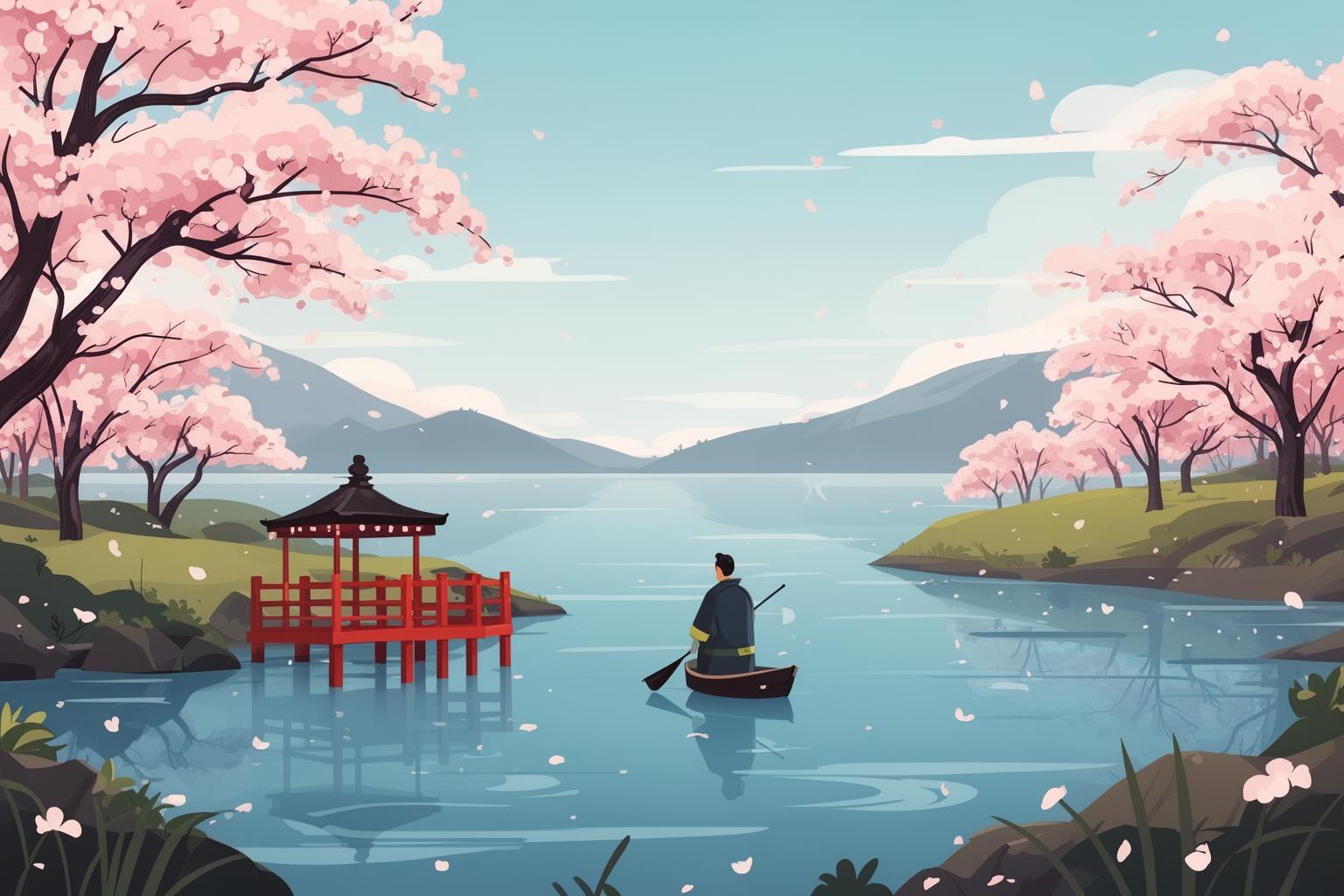
Camping in Japan wasn’t always a solitary activity. For many years, it followed a well-known pattern. It was seen as a wholesome pastime for families on summer vacation, a team-building event for companies, or a lively outing for university students. The focus was on togetherness, shared experiences, and the slightly chaotic energy of cooking and sleeping outdoors as a group. Campsites were designed with this in mind, featuring large plots, communal cooking areas, and a general buzz of social interaction. The idea of pitching a small tent alone, miles away from anyone familiar, would have seemed odd, maybe even a little lonely.
Then, things began to change. The catalyst wasn’t a famous outdoors expert or a government tourism push, but a gentle, unpretentious manga and anime series called Yuru Camp△, or Laid-Back Camp. First released in 2015, the series follows a group of high school girls exploring campgrounds around Mount Fuji. While it highlights many charming group moments, its main character, Rin Shima, is a devoted solo camper. She delights in the silence, freedom, and personal fulfillment of a trip taken entirely on her own terms.
Yuru Camp△ resonated deeply. It didn’t portray solo camping as an extreme adventure or a test of rugged survival skills. Instead, it celebrated the quiet moments: Rin sipping hot tea wrapped in a blanket, reading by lantern light, or simply watching the scenery change as the sun sets. It made solitude not just acceptable but something to aspire to. The experience was cozy, approachable, and profoundly peaceful. The series became a huge hit, and suddenly, many young Japanese people who never considered camping before were researching tents and buying portable gas stoves. Importantly, it attracted many young women, breaking down barriers and presenting solo camping as a safe and empowering hobby.
At nearly the same time, another unexpected figure emerged as a symbol of the trend: a middle-aged comedian named Hiroshi. He started a YouTube channel devoted solely to his solo camping adventures. There was no slick editing or dramatic soundtrack, just long, leisurely clips of him setting up his tent, awkwardly starting a fire, grilling a steak, and enjoying a beer. His videos were mundane in the most engaging way—they felt genuine. He wasn’t a fitness guru; he was just an ordinary man relishing his own company in the wilderness. His quiet contentment was palpable, and millions tuned in to watch. Hiroshi demonstrated that you didn’t need a crowd or a special event to appreciate nature. All you needed was some basic gear and the desire to be alone. The combination of Yuru Camp△’s gentle charm and Hiroshi’s relatable authenticity created a perfect storm, firmly establishing solo camping—solo camp—as a recognized and appealing cultural phenomenon.
The Philosophy of Ohitorisama
To truly understand why solo camping has surged in popularity, one must look beyond the campsite and consider the broader dynamics of Japanese society. This trend is closely linked to the rise of ohitorisama, a term roughly meaning “party of one.” It refers to someone who enjoys doing things alone and signifies a significant cultural shift.
Historically, Japan has prioritized group-oriented values. Social harmony, or wa, is crucial, and individuals often define themselves by their affiliations—family, school, or company. There is strong pressure to conform, participate, and prioritize the group’s needs over personal desires. This social framework is maintained by a complex network of duties and expectations. While it fosters a powerful sense of belonging, it can also be tiring.
The ohitorisama culture quietly resists this pressure. It isn’t about being antisocial or lonely; rather, it’s a deliberate choice of solitude as a form of freedom and self-care. It’s the liberty to eat what you want, when you want, without needing group approval. It’s freedom from obligatory small talk. It’s the ability to move at your own pace and pursue your interests without compromise.
This attitude has spawned an entire service industry tailored to individuals. There are hitokara (solo karaoke) booths designed for one person, restaurants with single-person yakiniku grills, and ramen shops featuring private booths where you never have to encounter another diner. Solo travel, once considered unusual, has become routine. Ohitorisama redefines being alone as a positive and empowering choice rather than a social failure.
Solo camping represents the ultimate embodiment of the ohitorisama ethos. It channels this craving for autonomy into the natural world. In a society where personal space is often confined to a small apartment, a busy train car, or an open-plan office, a campsite becomes a temporary realm you control. For a night or two, you call the shots—you choose the menu, the schedule, and the level of activity. There’s no need to please anyone, maintain conversation, or perform socially. It offers a profound release from the ongoing, subtle stress of managing social expectations. In the peaceful woods, you can finally drop your public facade (tatemae) and simply be your true self (honne).
The Gear is Half the Journey
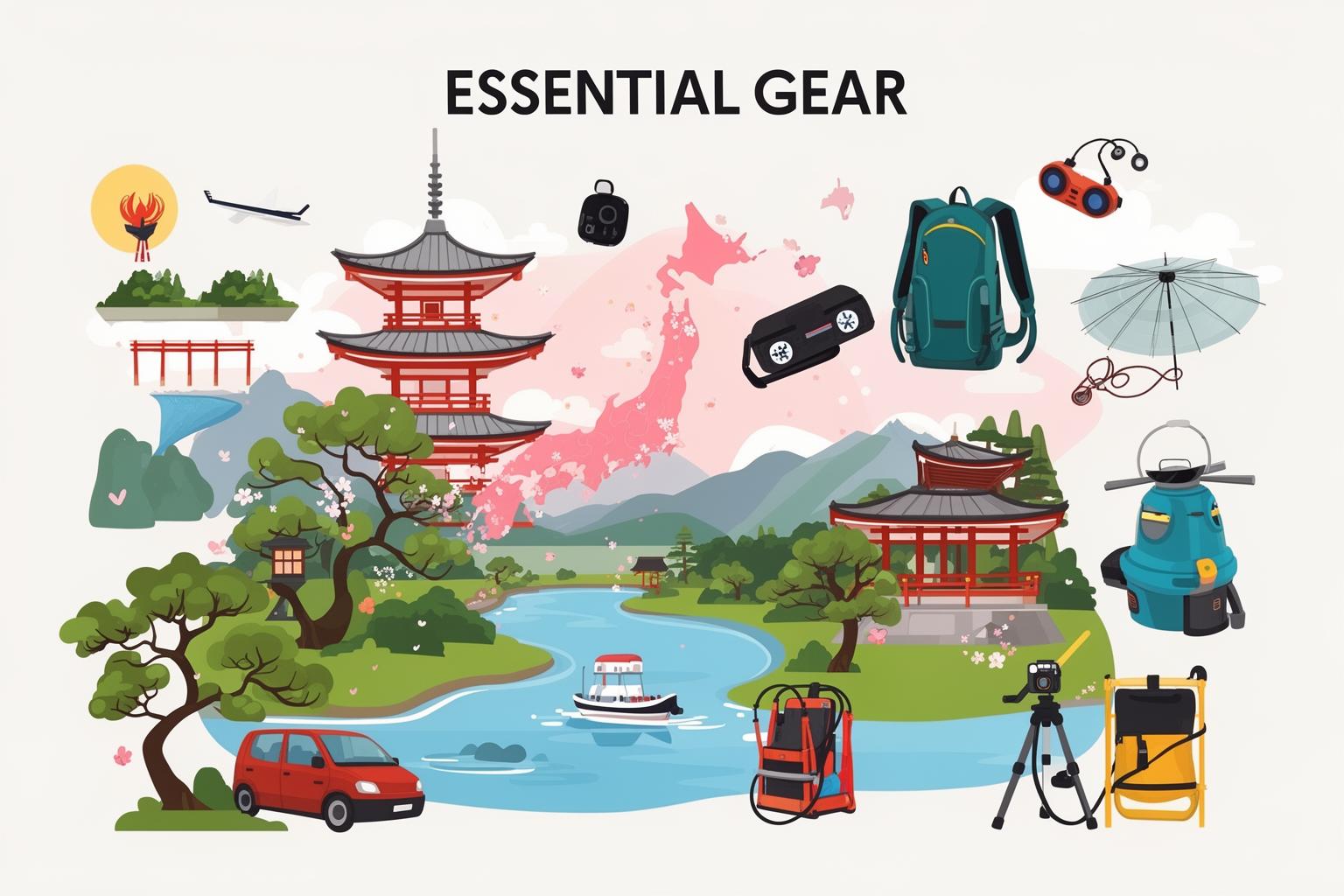
Step into any major outdoor store in a Japanese city, and you’ll instantly realize that solo camping is more than just an activity; it’s an aesthetic. The gear—the dougu—is not simply functional. It is a core part of the experience, an object of fascination, and a form of self-expression.
In Japan, there is a profound cultural appreciation for craftsmanship, thoughtful design, and compact efficiency. This ethos is directly reflected in camping equipment. Brands such as Snow Peak, Montbell, and DOD have become household names, admired for their minimalist design, clever engineering, and premium materials. A solo camper’s kit exemplifies curated minimalism, with each item chosen carefully—from the feather-light titanium mug to the ingeniously folding chair to the compact, elegantly crafted fire pit.
This focus on gear goes beyond consumerism. It’s about the process. The ritual of solo camping begins long before reaching the forest. It starts with researching and selecting each piece of equipment thoughtfully. It continues with packing—the satisfying puzzle of fitting everything perfectly into a single backpack or the trunk of a small car. This preparation becomes a form of mindfulness itself: a deliberate and focused activity that clears the mind and builds anticipation. Every piece of gear serves a specific purpose, and arranging them is an act of creating order in your small, mobile world.
Upon arriving at the campsite, the solo camper’s first task is to create their space. The unrolling of the tent, the careful placement of pegs, the methodical setup of the cooking station and chair—all executed with unhurried, almost ceremonial grace. This is not a chore to be rushed; it is the first stage of meditation. By crafting a neat, orderly, self-sufficient environment, the camper carves out a sanctuary away from the chaos of the outside world. The campsite becomes a temporary home, reflecting the camper’s ideal state of being: calm, organized, and independent.
This meticulous approach contrasts sharply with the often haphazard nature of group camping elsewhere, where gear might be borrowed, forgotten, or tossed into a pile. For the Japanese solo camper, the tools are inseparable from the experience—they are fundamental to it. They enable the quiet comfort that makes solitude so enjoyable. The well-designed stove that lights on the first try, the sturdy tent that holds back the rain, the comfortable chair inviting you to sit and watch the flames—these form the foundation of the peace that defines the experience.
Finding Stillness in the Flames
So, what exactly does a solo camper do all day? For the most part, very little. And that is precisely the point. The experience isn’t about conquering mountains or covering miles; it’s about slipping into a slower rhythm, guided by the sun and the needs of the moment.
The central ritual of most trips is the campfire, the takibi. This isn’t the roaring bonfire of a group outing. It’s a small, personal fire contained within a portable fire pit to protect the ground beneath. Building it is a slow, deliberate art: splitting wood, arranging kindling, and coaxing the flame to life. Once burning, the main activity is simply tending to it and watching the fire. Gazing into the flames, a practice the Japanese call takibi wo suru, is a form of hypnosis. The flickering light and crackling sound engulf the senses, pushing out the endless loop of worries and to-do lists that fill the mind in daily life. It’s a primal, simple focus that anchors you firmly in the present.
Cooking is another important ritual. The meals are usually simple but satisfying. It might be grilling a single, perfect sausage, simmering instant ramen with a few fresh ingredients, or brewing a cup of coffee using a pour-over set. The emphasis is on the preparation itself. Every step—the chopping of vegetables, boiling water, careful plating in a camping bowl—is done with mindful attention. Eating alone, free from the distraction of conversation, allows you to truly savor your food. It becomes a sensory experience, a moment of straightforward pleasure.
Between these core activities, there is ample empty space. This is where the magic occurs. It’s time for reading uninterrupted, listening to the sounds of the forest, sketching in a notebook, or simply doing nothing. In a life often scheduled to the minute, this unstructured time is a rare gift. It lets the mind wander, to unwind. It’s an active embrace of ma, the Japanese concept of negative space, which views the emptiness between things as equally important as the things themselves. The silence and stillness aren’t a void to be filled; they’re the essence of the experience.
This deliberate slowing down is the heart of the “zen” connection. It’s not about formal meditation, but about reaching a meditative state through simple, repetitive actions and a deep bond with your immediate surroundings. It’s a practice of being present. You’re not thinking about the email you must send Monday or the meeting on Tuesday. You’re focused on whether the firewood is dry enough, if the coffee is brewed, and how the stars look without city lights’ glare. It’s a radical act of simplification in a complex world.
A Sanctuary From Modern Life
The solo camping boom happening now is no coincidence. It directly responds to the unique pressures of 21st-century life in Japan, a country known for its densely populated, hyper-efficient, and demanding urban environments. For many, life consists of long working hours, crowded commutes, and nonstop digital stimulation, which fosters a deep desire for the opposite: quiet, nature, and disconnection.
Solo camping serves as the perfect remedy. It provides a temporary yet complete escape from the concrete jungle and the constant pressures of corporate life. It acts as a powerful digital detox. In the mountains, cell service is often weak or nonexistent, making this forced disconnection a relief from the relentless notification pings and endless social media scrolling. For 48 hours, the only “feed” you attend to is the one you nourish by your campfire.
Beyond work-related stress, solo camping also grants a profound sense of autonomy and control. In a highly structured society, many parts of life feel predetermined. A solo camp becomes a small world where you alone are the architect. This feeling of self-reliance—providing your own shelter, warmth, and food—is deeply empowering. It serves as a reminder of your personal capability, independent of any company or social group.
This is largely possible due to Japan’s unique infrastructure and social environment. The country’s remarkable safety reduces barriers to entry, especially for women who might hesitate to camp alone elsewhere. Fear of personal harm is nearly nonexistent. Additionally, the extensive network of campgrounds is exceptionally well-maintained, with many offering pristine facilities like clean toilets and wash stations, and easy access by car or public transit. This combination of safety and convenience makes solo camping less of a rugged challenge and more of a comfortable, accessible retreat where you can enjoy nature without fully roughing it—striking the ideal balance that defines the Japanese approach.
Not Loneliness, But Intentional Solitude
Ultimately, the Western mindset might struggle with the concept, interpreting a lone tent in the woods as loneliness. But this misses the point. Japanese solo camping is not about lacking connection; it is about a different form of connection. It is the deliberate, temporary shedding of social ties to foster a deeper connection with oneself and the natural world.
It is intentional solitude—a recognition that to function well within a group, you first need to be centered as an individual. The quiet hours by the fire serve as mental and spiritual maintenance, a time to process thoughts, find clarity, and recharge before reengaging with society’s high-energy demands.
So when you see a photo of a single illuminated tent against a backdrop of dark trees in Japan, don’t view it as isolation. See it as a sanctuary. See it as someone who has mastered their own company, finding peace not in the crowd’s noise but in the quiet crackle of a campfire. It is a modern ritual for balance, a quiet act of rebellion, and a testament to the enduring human desire to occasionally, purposefully be alone.