Yo, what’s the deal with Japan? One minute you’re scrolling through feeds of Blade Runner-esque cityscapes, neon-drenched streets, and bullet trains slicing through the future. The next, you see these super serene, steamy villages tucked away in the mountains, places that look like they haven’t changed in centuries. It’s a total vibe shift, right? And the latest plot twist in this whole narrative is the idea of a “workation” in one of these ancient hot spring towns, or onsen towns as they’re known. For real? You’re telling me people are swapping their slick, ergonomic office chairs for a tatami mat and a view of a moss garden to… smash out deadlines? It feels like a massive contradiction. How can a place designed for ultimate, soul-deep relaxation—a place where the main activity is literally just sitting in hot water—be a hub for productivity? It sounds like an influencer’s fever dream, a hashtag-driven fantasy that falls apart the minute you actually try to connect to a Zoom call.
But here’s the tea: this isn’t just about getting a sick background for your video calls. The rise of the onsen town workation is a legit response to a very modern, very global problem: epic, soul-crushing burnout. The hustle culture grind, the always-on notifications, the blurring lines between your living room and your office—it’s left a generation of workers feeling completely fried. We’re all looking for an escape, but a one-week vacation just slaps a bandage on a bullet wound. We need a fundamental system reboot. And that’s where the onsen town comes in. It’s not about working despite the relaxing environment; it’s about how that environment completely rewires your approach to work, creativity, and what it even means to be “productive.” This isn’t your typical WeWork with a better view. It’s a deep dive into a cultural philosophy that sees rest not as the enemy of work, but as its essential fuel. It’s a whole different operating system for your brain. So, let’s unpack why these sleepy, sulfur-scented towns might just be the most advanced, future-proof work environments on the planet. Forget productivity hacks; this is a productivity pilgrimage.
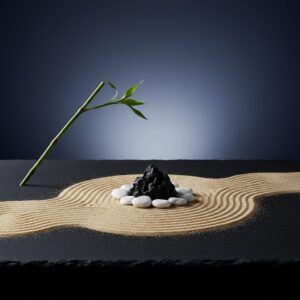
This deep dive into a cultural philosophy that sees rest as essential fuel is perfectly complemented by the minimalist principles of a traditional Japanese rock garden, where simplicity fosters profound focus.
The Vibe Check: Unpacking the “Zen” in a Japanese Workation
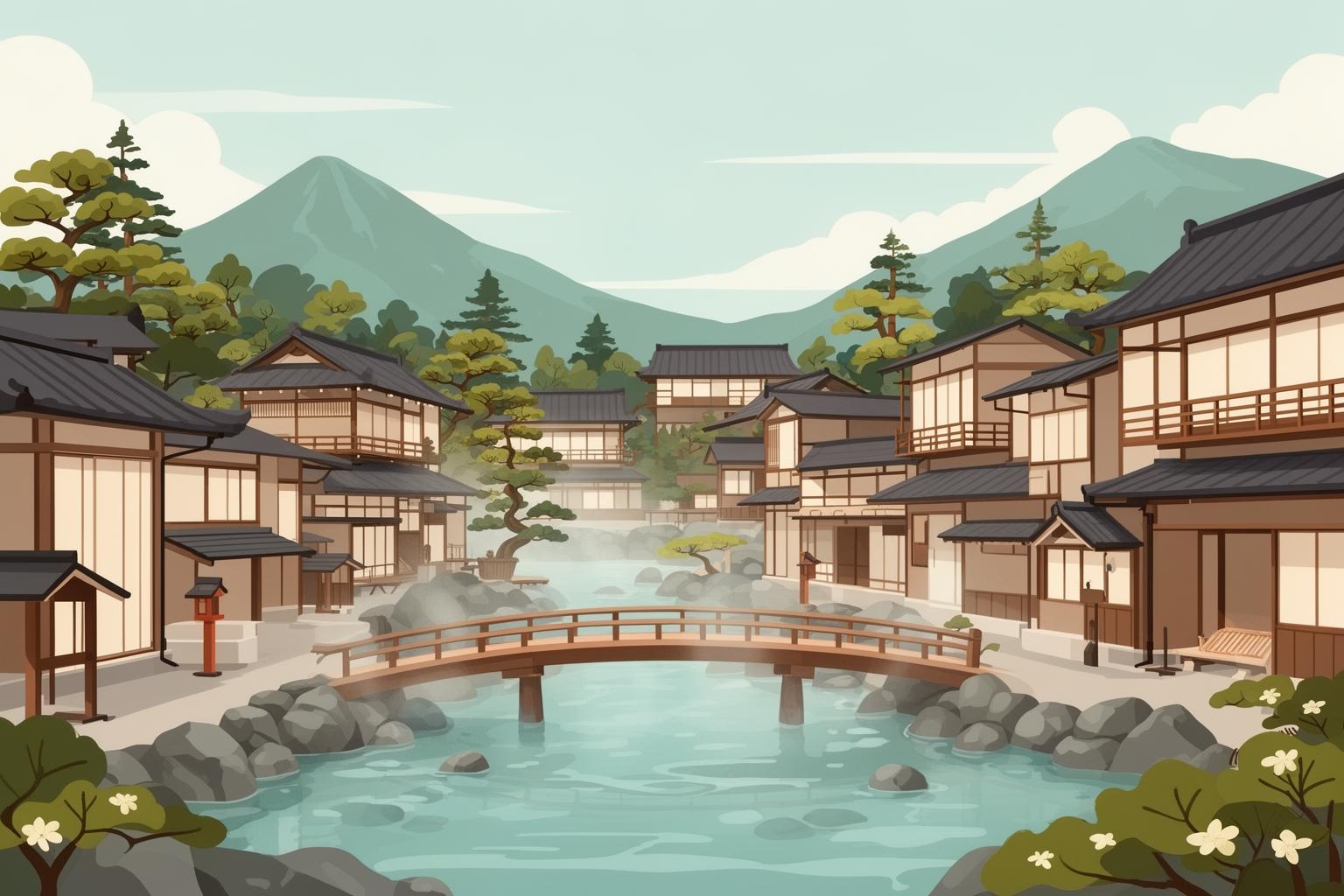
The word “zen” is often used casually—zen gardens, zen playlists, zen interior design—typically meaning “minimalist and calming.” But in the context of an onsen workation, zen goes far beyond aesthetics. It’s an active principle, a fundamentally different way of approaching time, space, and focus. To truly grasp it, you must look beyond surface-level tranquility and understand the cultural ideas driving it behind the scenes. It’s not magic; it’s a carefully crafted system for achieving clarity, built on principles that directly challenge the Western emphasis on productivity.
It’s Not Hustle Culture—It’s About “Ma” (間)
First, we need to explore Ma (間). This is crucial. While there’s no perfect one-word English equivalent, it essentially means negative space, an interval, a pause, or the space between things. In Western work culture, we tend to erase this space. We fill every minute of our calendars, multitask, and listen to podcasts at double speed. Empty space is viewed as wasted time to be filled with more activity. Our digital environment is designed to eliminate Ma, with infinite scrolls, autoplay videos, and constant notifications keeping us perpetually engaged.
Japanese culture, however, elevates Ma into an art form. It’s the silence between notes in music that gives the melody its power. It’s the unpainted areas in an ink wash painting that create balance and meaning. It’s the pause in conversation that invites reflection. Ma isn’t emptiness; it’s a space full of potential. It’s the loading screen for your consciousness.
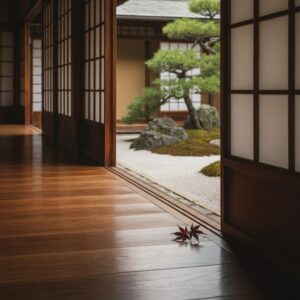
An onsen town is architecturally and culturally designed to prompt you to experience and welcome Ma. Consider the typical flow: you arrive at your ryokan (traditional inn) and follow a ritual. You remove your shoes at the genkan, are served tea in your room, and take a moment to sit, breathe, and gaze out at the meticulously tended garden. This is more than hospitality—it’s a ritual that creates a deliberate pause, a break between the chaos of travel and the calm of your stay. This is your first encounter with Ma.
The entire experience is framed by these intentional gaps: the walk from your room to the onsen, the time spent in the changing room carefully washing before bathing, the moments seated at the edge of the stone tub as steam envelops you before you enter. The slow, meditative stroll through town in your yukata (cotton robe) and geta (wooden sandals), where the clip-clop of your sandals is the loudest sound, isn’t a distraction from your work—they are the work. These moments serve as mental palate cleansers that create space for genuine insight. The best ideas rarely surface after staring at a spreadsheet all day—they emerge in the shower, on a walk, or in quiet moments before sleep. An onsen town takes those moments and makes them central, turning background noise into foreground. By structuring your day around these rituals of rest and reflection, productivity ceases to be a grind and becomes a natural outcome of a clear, uncluttered mind.
“Toji” (湯治) Culture: Hacking Your Body’s Operating System
The other foundational concept is Toji (湯治), which means “hot water cure.” This centuries-old practice involves staying at an onsen for extended periods—weeks or even months—for therapeutic healing. It wasn’t a vacation but a prescribed medical treatment. Farmers sought relief after tough harvests, samurai healed wounds, and city dwellers came to treat various ailments, from skin problems to digestive issues. Each onsen’s unique mineral waters were believed to address different health concerns. Kusatsu Onsen’s acidic water was prized for antibacterial properties; Arima Onsen’s iron-rich “golden waters” were thought to improve circulation.
In essence, Toji was the original wellness retreat, a form of bio-hacking rooted in deep cultural understanding that physical and mental health are interconnected, and that sustained, intentional immersion in nature can profoundly enhance well-being. This contrasts sharply with the modern spa day—a brief, superficial indulgence. Toji is a commitment, a slow, patient process of healing and rebalancing your body’s system.
The contemporary onsen workation evolves directly from Toji. You’re not just renting a workspace with a pleasant view—you’re engaging in a therapeutic routine. Work is done during the hours of peak mental clarity unlocked by this rhythm. Imagine starting your day not by doomscrolling emails, but with a 20-minute soak. The heat boosts blood flow, relaxes muscles, and soothes your nervous system. You enjoy a traditional Japanese breakfast—fish, rice, miso soup, pickles—that’s balanced and provides sustained energy, avoiding the crash caused by pastries and coffee. Sitting down to work, your body is calm and your mind alert, unburdened by caffeine-driven anxiety. When mental fatigue strikes after a few hours, you don’t push through blindly—you close your laptop, slip on your yukata, and head to another bath. You allow the minerals and heat to work their magic. This isn’t procrastination but a strategic reset. It acknowledges that the quality of your output depends on your physiological state. You are effectively hacking your body’s operating system to optimize for deep work and creativity, employing a system refined over a millennium.
The Architecture of Bliss: How Onsen Towns Are Hardwired for Deep Work
Discussing abstract notions like Ma and Toji is one thing, but the real enchantment lies in how these concepts are embedded within the physical setting of an onsen town. The architecture, layout, and materials are deliberate choices, forming a carefully crafted user experience that guides you toward a state of focused tranquility. From your ryokan room to the meandering streets of the town, the entire environment is an ecosystem designed to reduce friction and enhance well-being.
The Ryokan Renaissance: From Tatami to Tech
Let’s tackle the primary skepticism: can you truly be productive in a traditional Japanese inn? The typical image involves paper-thin shoji screens, sitting on floor cushions, and a lack of modern conveniences. It sounds charming, but maybe not ideal for a ten-person video conference. This is where the “renaissance” comes into play. The modern ryokan skillfully blends tradition with technology, catering to a new generation of guests. While preserving classic elements, they’ve adapted for the needs of 21st-century workers.
Most reputable ryokans now provide robust, high-speed Wi-Fi as standard. Many have redesigned their room layouts to include a dedicated workspace—a proper desk and comfortable chair, often set by a window with views of tranquil gardens or rolling mountains. It’s the ultimate corner office. Importantly, what defines a ryokan also makes it an exceptional work environment. The sensory experience differs vastly from a sterile hotel room: the faint grassy scent of tatami mats, soft diffused light filtering through shoji paper, and natural wood textures under your fingertips. This embodies biophilia—the innate human desire to connect with nature. Being surrounded by natural materials has been shown to reduce stress, lower blood pressure, and boost cognitive function. Your ryokan room isn’t just a place to sleep and work; it’s a passive wellness tool.
Moreover, a ryokan’s structure enforces a healthy separation of concerns often missing in modern remote work. You work in your designated space, sleep on the futon laid out in the evening, eat in a separate dining hall, and relax in communal baths. This clear division prevents the context collapse that occurs when your bedroom doubles as office, kitchen, and gym. Each activity has its own dedicated, sanctified space, helping your mind shift modes more effectively. When you’re in the workspace, you focus on work; in the dining hall, you savor the food; in the onsen, you simply exist. This architectural discipline offers a powerful antidote to the chaotic, boundary-less reality of city apartment remote work.
The Town as Your Office: Beyond the Four Walls
The brilliance of the onsen workation is that your “office” expands beyond your room. The whole town becomes your campus—a distributed network of unique workspaces suited for various tasks and moods. Urban co-working spaces try to mimic this with phone booths, common areas, and quiet zones, but an onsen town does it naturally and on a larger scale. Moving between these spaces becomes part of the restorative experience.
Need to answer emails or handle light admin tasks? Visit an ashiyu (foot bath) cafe—cafes with communal foot baths running through them. You can sit with your laptop, sip coffee, and let the warm, mineral-rich water soothe you. It’s multitasking in the Japanese way—combining low-focus work with relaxation. It’s incredibly pleasant and surprisingly effective.
Facing a complex problem that requires deep, uninterrupted thought? Seek out the local Shinto shrine or Buddhist temple. These sacred spaces are nearly always quiet, beautiful, and open to the public. Sitting on a bench amid serene temple grounds, surrounded by the scent of incense and sound of wind chimes, fosters a level of focus unmatched by noise-canceling headphones. It’s an environment that nurtures contemplation rather than mere calculation.
Feeling restless and wanting to brainstorm or hold a “walking meeting”? The town is built for it. Most onsen towns nestle in valleys or by rivers, featuring well-maintained walking paths. A walk along the river, listening to bubbling water and breathing fresh mountain air, is a proven creativity booster. Gentle physical activity increases blood flow to the brain, while changing scenery offers fresh stimuli that help break mental blocks.
For marathon deep work sessions, there’s always the local kissaten. These old-fashioned, Showa-era coffee shops, often run by an elderly couple, are typically dimly lit with dark wood interiors, classical music playing softly, and a focused, library-like atmosphere. You can savor a single, expertly brewed siphon coffee for hours and just grind. The social expectation of quiet and the retro, tech-free vibe create an ideal cocoon for concentration. By curating your day and moving among these varied zones, you build a work routine that is dynamic, inspiring, and deeply connected to your environment. You’re not merely staring at a screen; you’re inhabiting a vibrant, living workspace.
The System Shock: Ditching the 9-to-5 Mindset for “Ichigo Ichie” (一期一会)
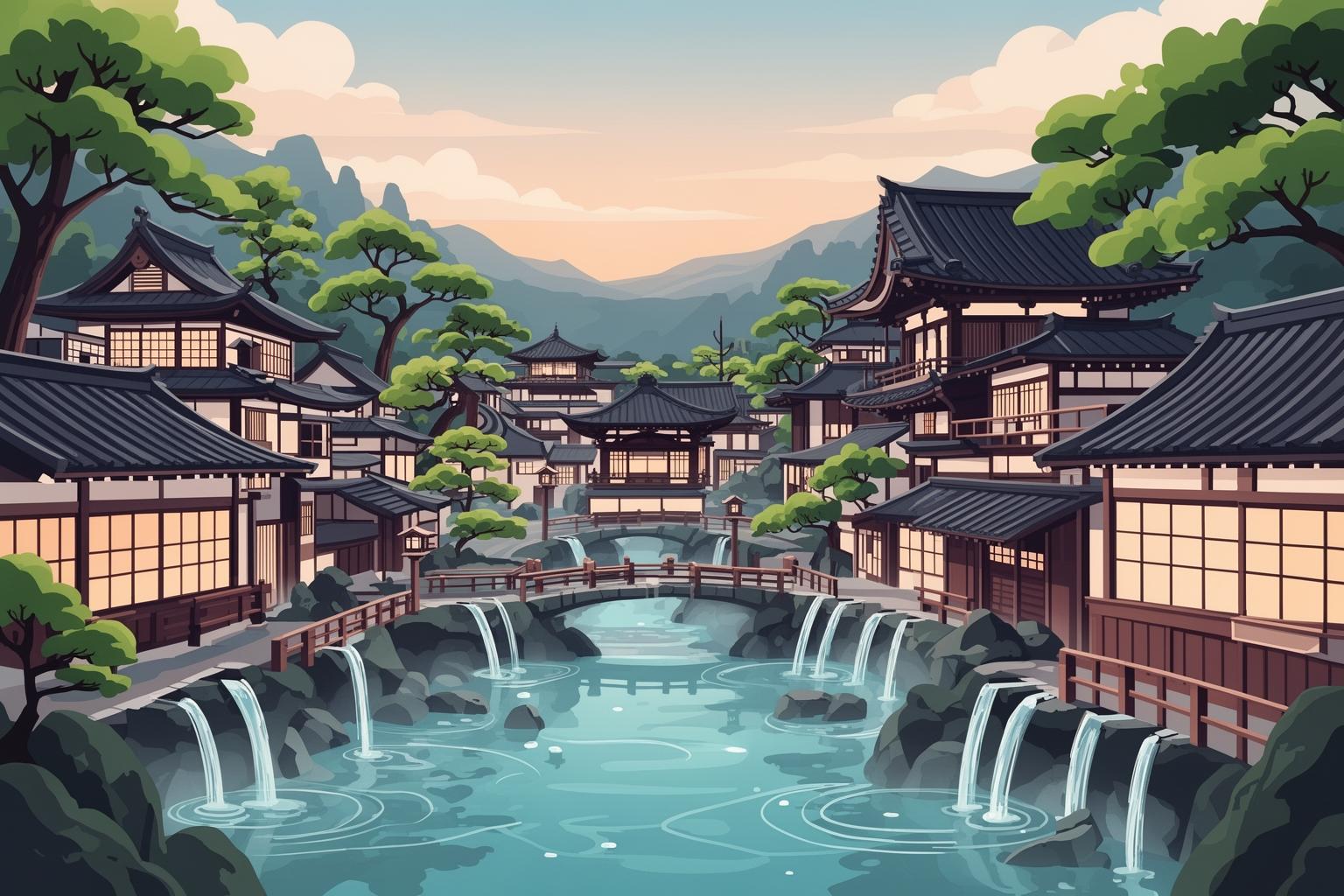
Perhaps the greatest challenge—and the most rewarding aspect—of an onsen workation lies in the necessary mental shift. You cannot simply arrive with your city-dweller’s hyper-optimized, 9-to-5 mindset and expect it to work. The entire pace of life in an onsen town is different: slower, more deliberate, and governed by natural cycles and ancient rituals rather than the relentless ticking of a clock. To truly flourish, you must abandon your usual routines and flow with the local rhythm. This is a culture shock, but one that can permanently transform your perspective on work and life.
Rituals over Routines: The Onsen Schedule
In a typical corporate job, your day is controlled by a strict schedule: log on at 9, lunch at 12, log off at 5. It’s a framework imposed externally, often disconnected from your own natural energy patterns. In an onsen town, your day is shaped by a series of rituals meant to align you with a more natural rhythm. It’s a gentle pull, not a forceful push.
A typical day might unfold like this: you wake naturally, without an alarm, as soft morning light filters through the shoji screen. Before even thinking of checking your phone, you head down for asayu, a morning bath. The onsen is quiet—you might have it all to yourself. The hot water awakens your body and clears your mind of sleep. You emerge feeling refreshed and centered. Then comes breakfast, a beautiful multi-course meal that delights both eyes and palate. It’s a slow, mindful experience. By the time you sit at your desk around 9 AM, you’re fully present and mentally primed for focus. You dive into your most demanding tasks, completing two or three hours of deep, high-quality work. No distractions, no meetings—just pure flow.
As your energy begins to dip, you don’t push through. Instead, you take a break. Perhaps it’s a walk to the local tofu maker for fresh soy milk or a visit to a small shop selling onsen manju (steamed buns). Lunch is a light serving of soba noodles at a family-run restaurant. The afternoon is reserved for lighter work or possibly none at all. It’s time for a longer soak in another bath, a hike along a nearby trail, or even a nap. This is your designated Ma, a strategic pause. Then, in the late afternoon as the air cools, you may experience another burst of creative energy for an hour or two. You finish work not because a clock demands it, but because it’s time to prepare for the evening ritual: dinner. This is often an elaborate kaiseki meal—an artistic, multi-course celebration of local and seasonal ingredients. It’s a slow, social affair. Afterwards, a final, relaxing soak under the stars before bed. This schedule isn’t about idleness; it’s about sustainability. It honors the cyclical nature of human energy rather than a linear model, alternating intense focus with mindful restoration—creating a rhythm sustainable for weeks without burnout.
Embracing “Ichigo Ichie”: Every Moment is a Vibe
At the heart of this philosophy is Ichigo Ichie (一期一会), a concept famously linked with the Japanese tea ceremony. It means “one time, one meeting” and expresses the profound understanding that every moment in life is unique and unrepeatable. The specific people, season, light, and feeling will never recur precisely the same way. Thus, each moment deserves to be cherished and fully attended to.
This idea serves as the ultimate remedy to the productivity guilt so many remote workers face—the anxiety that if you’re not actively typing, you’re not working; the pressure to constantly do, optimize, and achieve more. Ichigo Ichie invites you to find value in everything. The aim shifts from “getting things done” to “being fully present.”
Applied to an onsen workation, this outlook is transformative. The friendly, rambling chat with the elderly woman selling vegetables by the river? That’s not time wasted. That’s Ichigo Ichie. It’s a unique human connection that enriches your day. The ten minutes spent watching steam rise from a thermal vent? That’s not procrastination. That’s Ichigo Ichie—a moment connecting you with nature’s awe-inspiring power. The intense, almost magical taste of a perfectly ripe local tomato in your kaiseki dinner? That’s not just food. That’s Ichigo Ichie—the expression of a specific season, a particular place, and a chef’s skillful art.
When you begin to see the world through this lens, the narrow corporate pressure to be constantly “productive” fades away. You recognize that these small, present moments fuel your creativity. They become the data points, inspirations, and mental recharges that enable you to create work that is more thoughtful, creative, and human. Work becomes an expression of a rich, fully lived experience—not something separate from it. In an onsen town, you learn that simply being there, with your senses open, is the most productive thing you can do.
Real Talk: Is This Actually Realistic or Just an Influencer Fantasy?
Alright, let’s bring this back to reality. A multi-week stay in a charming hot spring town, alternating between healing baths and bursts of creativity, sounds amazing. But is it truly feasible? Or is it just a romantic ideal that only suits trust fund kids and digital nomads with six-figure passive incomes? As usual, the truth lies somewhere in between. The onsen workation isn’t a turnkey solution; it comes with its own challenges and demands a particular mindset to navigate successfully. It’s not a fantasy, but you need to approach it with your eyes wide open.
The Catch: Navigating the Onsen Town Atmosphere
First, logistics. The biggest challenge is connectivity. While Japan’s major cities boast some of the fastest internet speeds worldwide, these mountain towns can be quite different. The Wi-Fi at your ryokan might be reliable, or it might be slow and spotty, especially during busy hours. Cell service can be unreliable in the more remote valleys. This can be a deal-breaker if your work depends on constant, high-bandwidth video calls. However, you can also see this as a feature rather than a flaw—it compels you to be more deliberate with your online time. You might batch uploads and downloads, schedule calls during known strong signal times, and spend the rest of your time fully immersed in deep, uninterrupted work. A portable Wi-Fi device or a local SIM card can be invaluable.
Then there’s the language barrier. In major tourist areas, English is widely available. But in smaller, more traditional onsen towns, you might be the only foreigner. Menus will be in Japanese, ryokan staff may speak very little English, and casual chats will be rare unless you have some Japanese skills. For some, this might feel isolating; for others, it’s an exciting chance for immersion. It pushes you to be resourceful, use translation apps, learn a few key phrases, and communicate with gestures and smiles. This often leads to more genuine and memorable interactions than the typical English-speaking tourist experience.
Cost is another important consideration. Staying in a traditional ryokan, especially one that includes breakfast and a multi-course kaiseki dinner, isn’t cheap. It can easily cost several hundred dollars per night, which makes a long stay unsustainable. However, the market is evolving. Many ryokans now offer long-stay “workation” plans that are more affordable, often excluding pricey meals. Additionally, there’s a growing number of guesthouses (minshuku) and modern, self-catering apartments that provide a more budget-friendly base. You get the town’s atmosphere and public baths without the premium ryokan price tag.
Finally, consider the pace of life. It’s slow. Really slow. Shops may close by 5 PM, and nightlife might consist of just one small bar. For someone used to constant city stimulation, the first few days can be unsettling. You might feel bored, restless, or a little anxious. This is the detox phase. You need to push through the initial discomfort and allow your nervous system to sync with the local rhythm. It takes patience, but on the other side lies a profound calm that’s hard to find anywhere else.
Finding Your Flow: Choosing the Right Onsen Town
Not all onsen towns are the same. The term covers everything from sprawling resort cities to tiny hamlets with a single ryokan. Finding the right one depends on your personality, work requirements, and what you want from the experience. Thinking in archetypes can help narrow down your perfect match.
The Classic Hub (e.g., Hakone, Kusatsu): These are the well-known spots, easy to reach from cities like Tokyo with well-developed tourist infrastructure. You’ll find a range of accommodations, from luxury ryokans to budget hostels, plus plenty of restaurants, shops, museums, and activities. The vibe is lively, especially on weekends. This is a great choice for first-timers—offering onsen town benefits with modern conveniences and less language barrier. The downside? It can feel crowded and commercial, somewhat less “authentic” than more remote places.
The Artsy Retreat (e.g., Kinosaki, Shuzenji): These towns have rich histories intertwined with literature and the arts. Kinosaki Onsen, with its willow-lined river and yukata-clad residents, was beloved by many famous Japanese authors. Shuzenji Onsen offers a similar feel, with bamboo forests and ancient temples. These places are beautifully curated, featuring charming architecture, galleries, and craft shops. They’re perfect for writers, designers, artists, or anyone seeking inspiration in a serene, cultured setting. The pace is slower than in hubs but still rich in culture and sophistication.
The Deep-Dive Toji Town (e.g., Beppu, Tamagawa): These towns center around the water’s power. Beppu is an onsen giant, producing more hot spring water than anywhere else in Japan. It’s known for its visually spectacular “Hells” springs, which are for viewing rather than bathing, as well as unique hot sand and mud baths. Tamagawa Onsen in Akita is even more intense: its water is Japan’s most acidic, with a pH of 1.2, famous for its healing effects and drawing visitors seeking serious therapy. These towns are less about postcard beauty and more about raw geothermal energy, sometimes industrial in appearance. They’re for those deeply burnt out, seeking a hard reset and a true Toji wellness experience.
The Hidden Gem (e.g., Nyuto Onsen, Ginzan Onsen): These require real effort to reach—often multiple trains plus a long bus trip into the mountains. But the payoff is unmatched beauty and solitude. Nyuto Onsen offers rustic, traditional ryokans nestled in Akita’s forests, famed for its milky, blue-tinted waters. Ginzan Onsen in Yamagata is a pristinely preserved Taisho-era town, with wooden ryokans lining a river, glowing by gaslight at night—it feels like stepping into an anime scene. These towns provide ultimate disconnection. If you want deep, uninterrupted focus, this is the place. Wi-Fi may be poor, and activities limited to soaking, walking, and working. It’s not for everyone, but perfect if you want to escape and finish a major project or write a novel.
Ultimately, the onsen workation is less about a destination and more about a mindset. It’s a deliberate choice to step away from the relentless pace of modern work life and enter a gentler, more sustainable flow. It rejects the false divide between productivity and well-being, embracing an older philosophy that sees them as two sides of the same coin. The real benefit you bring back from an onsen town isn’t just a completed project or manuscript—it’s a new operating system for your life, infused with the principles of Ma, Toji, and Ichigo Ichie. It reminds you that the best work comes not from grinding harder, but from living more deeply.