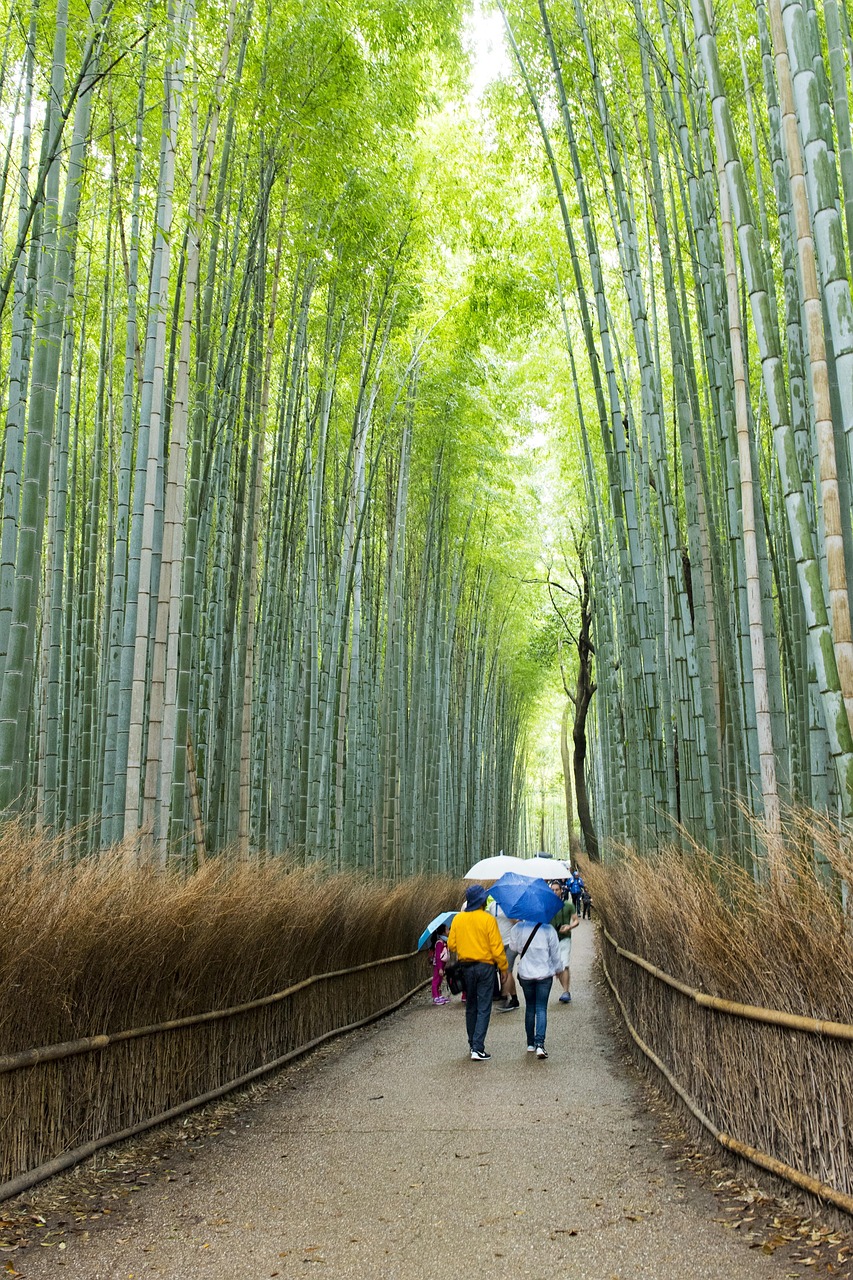
Yo, let’s talk about a place that’s straight up legendary. A place that’s probably flooded your feed and lives rent-free in your travel dreams. I’m talking about the Arashiyama Bamboo Grove in Kyoto. But hold up, this isn’t just another pretty picture for the ‘gram. This is a full-body experience, a vibe shift, a place where the world goes quiet and all you can hear is the whisper of a thousand giant bamboo stalks swaying in the breeze. It’s a real-life fantasy world, and I’m here to give you the lowdown on how to do it right. Forget the filtered versions; we’re diving deep into the raw, unfiltered magic of Arashiyama. We’ll talk about how to dodge the crowds, what secrets lie just beyond the main path, and how to turn a quick visit into an all-day adventure that’ll completely redefine your definition of ‘zen’. This is more than a tourist spot; it’s a sacred space where nature puts on its most epic show. So, get ready to step out of the noisy reality of city life and into a towering green cathedral that’s been centuries in the making. It’s time to explore the soul of Kyoto, one bamboo-lined step at a time.
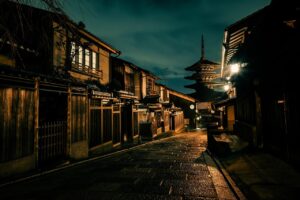
After soaking in the serene atmosphere of the bamboo forest, you might want to continue your cultural journey by exploring the enchanting evenings at Japan’s historic chaya districts.
The Vibe Check: What It Really Feels Like

Alright, let’s be honest for a moment. Photos can show you something, but they can’t convey the true feeling of being inside the Arashiyama Bamboo Grove. The instant you step onto the trail, the whole world shifts. It’s an immediate sensory transformation. The air cools by a few degrees, sheltered in the shade of the towering bamboo stalks. Light filters down in ethereal, dappled patterns, casting stripes along the path ahead. It’s like walking through a natural stained-glass window. But the most incredible part? The sound. Or rather, its unique character. The noise of the outside world fades away, replaced by a stunning symphony of nature. You hear the soft creak of the bamboo trunks as they gently lean on one another, a sound reminiscent of an old wooden ship gliding through calm waters. Then there’s the rustling. The wind plays the leaves like countless tiny instruments, creating a melody that the Japanese Ministry of the Environment honored as one of the “100 Soundscapes of Japan.” It’s a sound both soothing and vibrant, a deep, whispering breath that seems to carry the forest’s secrets. You look up, and the bamboo stalks, some soaring over 30 meters tall, stretch endlessly, their green tops dissolving into the sky. It makes you feel incredibly small, but in the most beautiful way. It’s humbling. You aren’t just observing a forest; you’re standing within a living, breathing being. The air itself feels different—cleaner, fresher, charged with a peaceful energy. This multi-sensory experience is what makes the grove so powerful. It’s a place that demands your presence, slows your breath, and invites you simply to be. It’s a meditative journey disguised as a tourist spot, and that’s where its true magic lies.
More Than Just a Pretty Path: The History & The Tea
This is not merely a random assembly of beautiful plants. The Arashiyama Bamboo Grove holds deep significance, both literally and figuratively. Legend has it that this grove has been nurtured for centuries, tracing its origins back to the Heian Period (794-1185), when Kyoto’s aristocracy would retreat to this picturesque area to find inspiration and escape the city’s bustle. Its location is intentional, forming a natural and spiritual corridor connecting some truly important sites. The path stretches from the edge of the renowned Tenryu-ji Temple to the tranquil Okochi Sanso Villa. In essence, the grove serves as a purifier, a transitional zone bridging the sacred temple grounds and the refined elegance of the villa. Bamboo itself holds great significance in Japanese culture, symbolizing strength and prosperity, celebrated for its capacity to bend without breaking—a metaphor for resilience deeply ingrained in the national consciousness. It also embodies purity and innocence. Bamboo is ubiquitous throughout Japan, used in construction, crafts, and cuisine. The shoots, or takenoko, are a springtime delicacy, while the wood is crafted into everything from fences and tea whisks (chasen) to intricate baskets. As you wander the grove and explore nearby shops, keep an eye out for these exquisite bamboo crafts—purchasing a small item feels like carrying a piece of the forest’s spirit home. The grove’s existence is closely tied to Tenryu-ji, a premier Zen temple and UNESCO World Heritage Site founded in 1339. Its magnificent Sogenchi Teien garden, designed by the legendary Muso Soseki, is celebrated as one of the oldest of its kind. Walking through the grove after visiting the temple feels like a natural continuation of its reflective ambiance. You’re not just following a tourist path; you’re walking a trail that monks and nobles have journeyed along for centuries, seeking enlightenment and tranquility amid the whispering bamboo.
Timing is Everything: How to Hack the Crowds
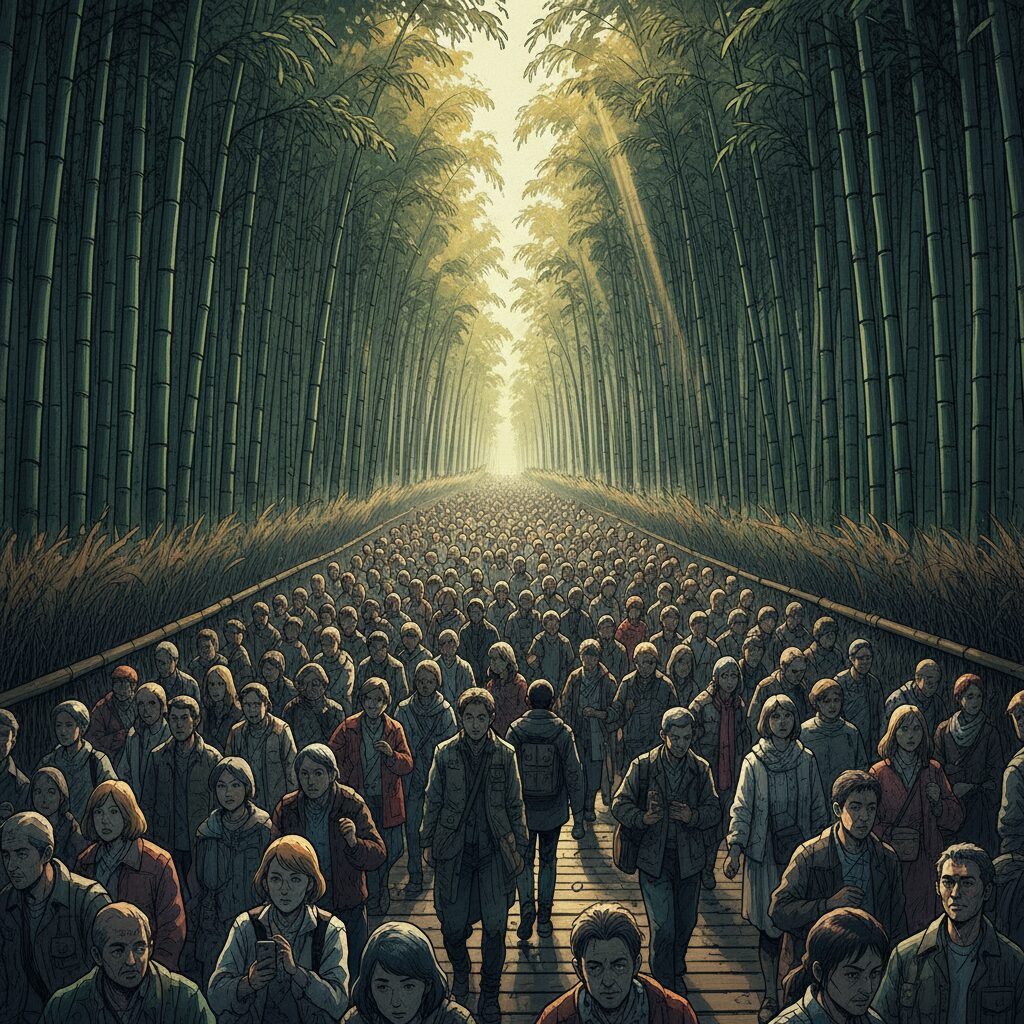
Let’s be brutally honest: Arashiyama is incredibly popular. Think Times-Square-on-New-Year’s-Eve popular during peak hours. If you arrive at 11 AM on a sunny Saturday, you won’t find a zen experience; you’ll be navigating a slow-moving crowd. Your epic photos will be photobombed by hundreds of strangers. But don’t lose hope. You can still enjoy a magical, nearly private moment if you approach it wisely. The trick is to outsmart the masses.
Golden Hour 1: The Early Bird Gets the Zen
This is the ultimate hack—the essential rule for truly feeling the grove’s spirit. You have to get there early. Not 9 AM early, but sunrise early. Set your alarm, grab a coffee from a 24-hour convenience store, and catch the first train out. Aim to reach the grove’s entrance just as the first light hits the sky. During this golden hour, the place transforms. The air is crisp and often carries a gentle morning mist that drifts among the bamboo stalks, creating an almost mystical atmosphere—as if you’ve stepped into a Studio Ghibli film. The light is soft and golden, filtering through the leaves and casting long, dramatic shadows. And best of all? The silence. You may encounter a few dedicated photographers or locals on their morning walk, but mostly, it’s yours alone. You can hear every creak of bamboo and every rustle of leaves. This is when the grove truly feels sacred. You can take your time, perfectly frame your shots without anyone in the background, and fully soak in the profound peace. It’s an experience totally worth the early wake-up call. Trust me on this.
Golden Hour 2: The Late-Night Mystic
If morning isn’t your thing, there’s another chance: go late. The tour buses and day-trippers generally clear out by 4 or 5 PM. As dusk falls, the crowds thin greatly. The atmosphere shifts, becoming more mysterious and intimate. Lanterns light the path, casting a warm, gentle glow on the bamboo and creating a completely different yet equally enchanting vibe. It’s romantic and a little haunting—in the best way. In early December, the area hosts the Arashiyama Hanatouro, an illumination festival where thousands of lanterns light up the grove, Togetsukyo Bridge, and nearby temples. This is next-level magical. While it can get crowded, the crowd is different—calmer and more appreciative of nighttime beauty. Visiting after dark offers a fresh perspective and is a perfect way to end a day exploring Arashiyama.
Beyond the Grove: The Arashiyama Glow-Up
Mistakenly thinking the bamboo grove is the only attraction here is a rookie error. While the grove is undoubtedly the main draw, the entire Arashiyama district is a vibrant celebration of culture and nature. It’s packed with temples, gardens, breathtaking views, and quirky spots, making it easy to spend a full, joyful day exploring. So don’t just snap photos of the bamboo and rush off.
Tenryu-ji Temple: The Spiritual Core
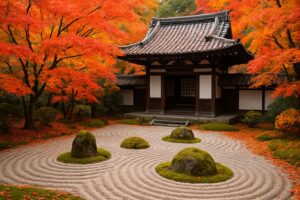
Located right next to the bamboo grove’s entrance, Tenryu-ji Temple is an absolute must-visit. As a UNESCO World Heritage site, it ranks among Kyoto’s most significant Zen temples. Though the buildings have been rebuilt over time due to fires, the garden, Sogenchi Teien, remains the original masterpiece from the 14th century. It’s a beautiful example of shakkei, the Japanese art of “borrowed scenery,” seamlessly incorporating the surrounding Arashiyama mountains into its design. The spacious central pond mirrors the sky, carefully arranged rocks, and pine trees, creating a perfect harmony. Take a seat on the veranda of the main hall and let the view calm your mind—it’s a profound lesson in mindfulness. Tip: The temple’s north gate exit leads directly into the heart of the bamboo grove, offering the smoothest and most scenic route between the two.
Togetsukyo Bridge: The Symbolic Entrance
The Togetsukyo Bridge, or “Moon Crossing Bridge,” stands as Arashiyama’s iconic landmark. This 155-meter wooden bridge spans the Katsura River and is often the first sight for visitors, presenting a picture-perfect view. The backdrop of forested mountains shifts dramatically with the seasons—delicate cherry blossoms in spring, vibrant greens in summer, fiery reds and oranges in autumn, and a stark, snow-covered landscape in winter. Crossing the bridge gives you a true sense of the area’s scale and natural beauty. It’s an excellent place for people-watching and soaking in panoramic scenes. Along the river, you can rent a small rowboat for a relaxing, romantic paddle or simply sit and enjoy the view.
Okochi Sanso Villa: The Celebrity Hideaway
At the far end of the bamboo grove lies a hidden treasure that many visitors overlook. The Okochi Sanso Villa, once the residence of renowned Japanese actor Denjiro Okochi, is more than just a home—it’s a vast, meticulously kept complex featuring gardens, tea houses, and scenic lookout points. The entrance fee is a bit higher than other attractions, but it’s well worth it, including a cup of hot matcha tea and a traditional Japanese sweet served in a peaceful teahouse overlooking the gardens. The villa offers some of the clearest and most spectacular views of Kyoto city and the Hozugawa River below. The gardens are arranged as a walking path, each corner revealing a perfectly framed vista. It’s a serene, upscale retreat from the crowds and a glimpse into refined Japanese aesthetics.
Arashiyama Monkey Park Iwatayama: An Adventurous Change of Pace
For those willing to hike a bit and seek a unique experience, cross the Togetsukyo Bridge and head up the hill to the Iwatayama Monkey Park. After a moderately steep 20-minute climb, you’ll be rewarded with two highlights: a breathtaking panorama of Kyoto and over 120 Japanese macaques (snow monkeys) freely roaming the area. It’s a wild and captivating encounter. You can watch their intricate social behavior up close and even feed them apples or peanuts from inside a protected enclosure. This fun, slightly adventurous detour offers a completely different perspective on Arashiyama.
Kyoto Street Style & Eats: Fuel Your Adventure
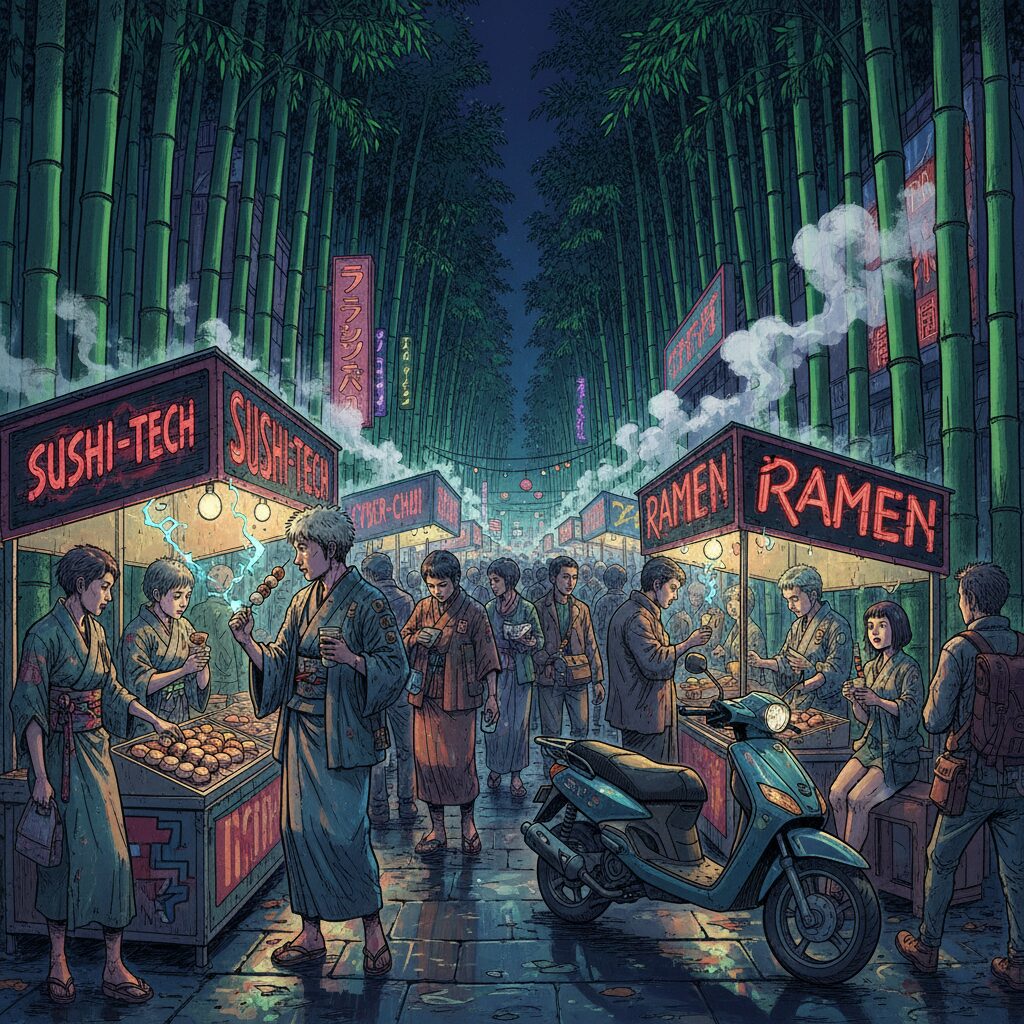
Exploring Arashiyama is quite a workout, so you need to fuel up. Fortunately, the main street leading to Togetsukyo Bridge is filled with fantastic food stalls, cafes, and restaurants. This is your opportunity to immerse yourself in Kyoto’s culinary delights.
Local Flavors
Kyoto is renowned for its tofu, and in Arashiyama, you’ll find many eateries specializing in yudofu—simple yet delicious silken tofu simmered in a savory broth. It’s a light, healthy, and quintessentially Kyoto dish. Another local favorite is yuba, or tofu skin, available in various forms, from fresh, creamy sheets to crispy fried snacks. Don’t miss the street food! Grab a skewer of mitarashi dango (grilled mochi balls glazed with sweet soy sauce), try a yu-dofu bun, or cool off with soft-serve ice cream. The flavors here are inventive, with popular choices like rich matcha, black sesame, and even tofu skin soft-serve.
Cafe Culture
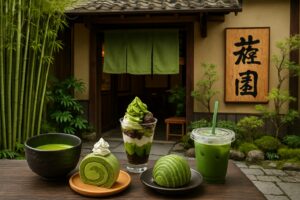
For style-conscious travelers, Arashiyama excels in the aesthetic cafe scene. The most famous spot is undoubtedly % Arabica, known for its minimalist design and unbeatable riverside location. Expect a line, but the premium coffee and stunning view make the wait worthwhile. It’s an ideal place to recharge and capture chic photos. Additionally, many traditional teahouses offer an authentic matcha ceremony or a peaceful cup of green tea accompanied by wagashi (Japanese sweets).
What to Wear
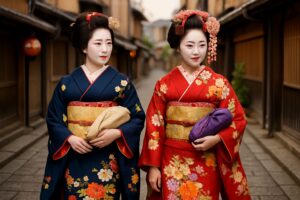
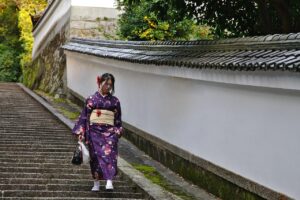
From a fashion standpoint, Arashiyama is all about stylish comfort. You’ll be walking a lot, sometimes on uneven paths or stairs, so comfortable sneakers or trendy flats are essential. Dress in layers, as the weather can change, and it’s often cooler in the grove’s shade and near the mountains. A fashionable trench coat, lightweight down vest, or a cool denim jacket will come in handy. For the full Arashiyama experience, consider renting a kimono or a casual yukata for the day. There are plenty of rental shops nearby, and strolling through the historic scenery in traditional attire is unforgettable and perfect for stunning photos. It offers a deeply tangible connection to the area’s history.
The Practical Deets: Getting There & Getting Around
Reaching Arashiyama is straightforward. From Kyoto Station, the quickest route is to take the JR Sagano Line (also known as the JR San-in Line) to Saga-Arashiyama Station. The journey takes about 15 minutes, followed by a pleasant 10-minute walk to the central Arashiyama area. Another choice is the Hankyu Line from central Kyoto (Kawaramachi or Karasuma) to Hankyu Arashiyama Station, which lands you on the opposite side of the river, providing a scenic approach via the Togetsukyo Bridge. For a more picturesque, old-fashioned experience, hop on the Keifuku Randen Tram Line, a charming single-car tram that clatters through residential neighborhoods before arriving at Arashiyama’s core. Once there, the best way to explore is on foot, as the main attractions are all within a comfortable walking distance. If you want to venture further, renting a bicycle is an excellent option, allowing you to discover quieter side streets and temples away from the main tourist routes.
A Quick Note on Safety
As a solo female traveler, I’ve found Japan to be one of the safest countries I’ve visited. That said, common sense is always important. When visiting the grove very early in the morning or late at night, the path can be quiet and sparsely populated. While it remains generally safe, just stay aware of your surroundings as you would anywhere. In busy areas during the day, keep your bag zipped and valuables close. Though pickpocketing is extremely rare in Japan, it’s wise to take precautions in any tourist-heavy spot. The biggest hazard in Arashiyama is likely twisting an ankle on the old stone steps, so watch your step and wear comfortable shoes!
Seasonal Flex: When to Go for Max Vibes
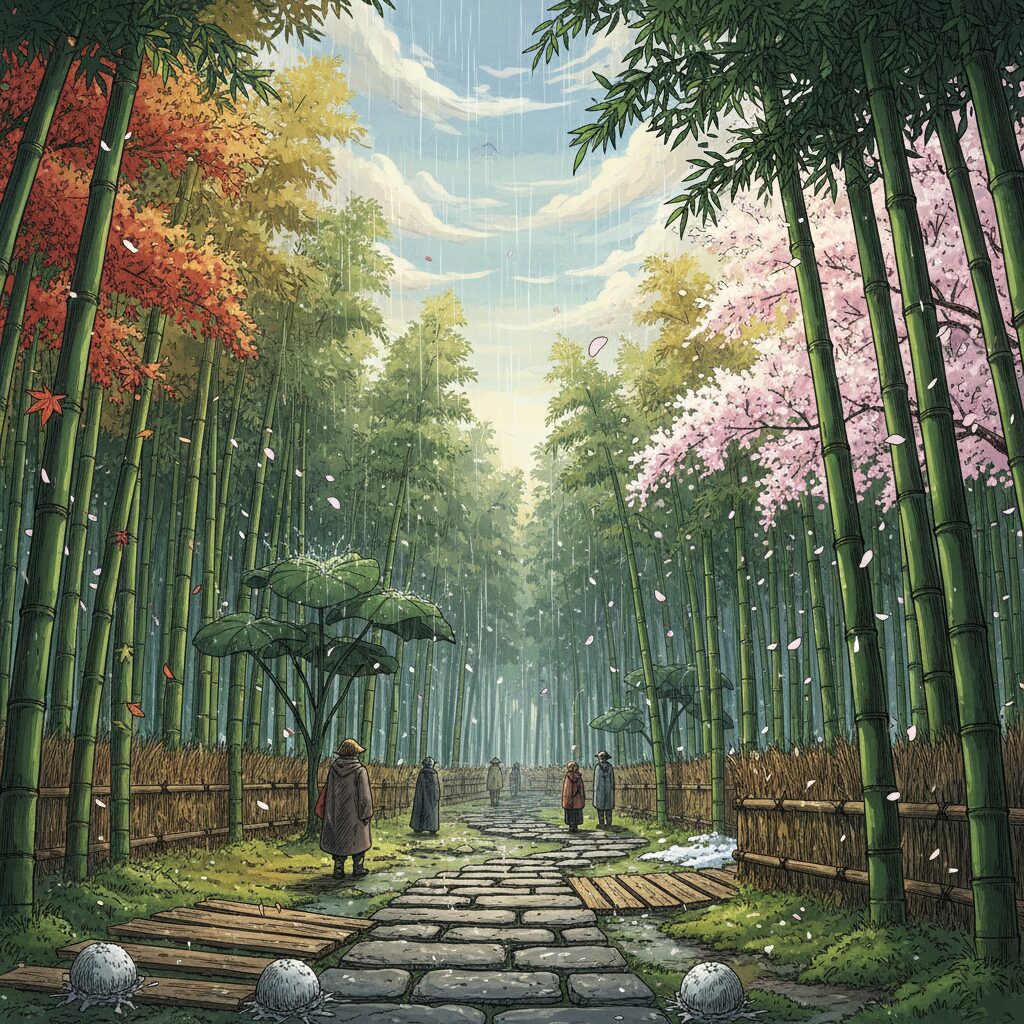
Arashiyama is stunning throughout the year, but each season brings its own distinct charm.
- Spring (March-April): This is sakura season, and it feels utterly magical. The cherry blossom trees around Togetsukyo Bridge and along the river form clouds of soft pink. The downside? It’s one of the busiest times of the year.
- Summer (June-August): The bamboo becomes lush and vibrantly green. The area buzzes with life. Though it can be hot and humid, the shade within the grove offers a refreshing retreat. A unique summer event is ukai (cormorant fishing) on the Hozugawa River at night.
- Autumn (November-Early December): Arguably the most breathtaking season. The mountainsides blaze with vivid red, orange, and yellow maple leaves. The striking contrast between the evergreen bamboo and the fiery maples is mesmerizing. As this is peak season, expect huge crowds.
- Winter (December-February): The crowds vanish, and a peaceful calm settles over Arashiyama. The bare trees create a stark, minimalist scenery. Snow is rare, but when it dusts the bamboo grove and temples, it transforms the area into a tranquil winter paradise. Don’t miss the Hanatouro illumination in December, a major winter highlight.
A Final Thought
Arashiyama Bamboo Grove is one of those rare spots that truly lives up to the hype and then some. It’s a place that awakens all your senses and leaves a lasting mark on your soul. The real key to appreciating Arashiyama is to view the grove not as the final destination, but as the gateway. It serves as the breathtaking opening act to a much larger, more varied experience. So arrive early, explore widely, lose yourself in the side streets, climb the mountain, sit by the river, and savor the tea. Allow the entire district to share its stories with you. Don’t just snap a photo of the path; walk it, and then keep walking to uncover the magic beyond. This isn’t merely a checkbox on your Kyoto itinerary; it’s an immersive vibe, a deep journey into the natural and spiritual beauty that makes this city one of the most extraordinary places on Earth. Go find your zen.