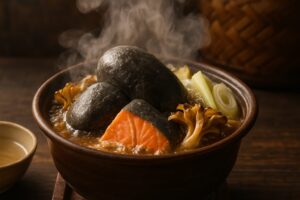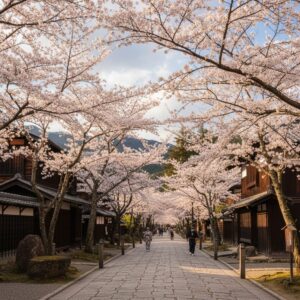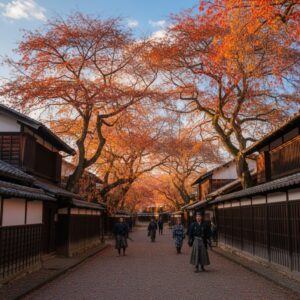
Yo, let’s talk about soul food. Not just food that tastes good, but food that hits different. The kind that warms you from the inside out, tells a story, and connects you to a place. If you’re chasing that feeling, you need to head north to Akita Prefecture, a land of deep snow, ancient forests, and even deeper flavors. Because up here, they’ve perfected the art of comfort in a bubbling pot of pure magic: Kiritanpo Nabe. Forget everything you think you know about hot pot. This ain’t your average weeknight dinner. This is a whole entire vibe, a culinary ritual passed down through generations, and honestly, one of the best things you’ll ever eat in Japan. It’s a taste of the real Tohoku, the rugged, beautiful heart of northern Japan. This is the dish that locals crave when the first snowflakes start to fall, the centerpiece of family gatherings, and your official invitation to experience Akita’s legendary hospitality. So grab a seat, get cozy, and let’s dive into the world of Kiritanpo. We’re going on a journey to find the most authentic, soul-satisfying hot pot of your life.
After enjoying this authentic taste of Akita, you might also want to explore the region’s rich history by visiting the historic samurai district in Kakunodate.
So, What’s the Deal with Kiritanpo?
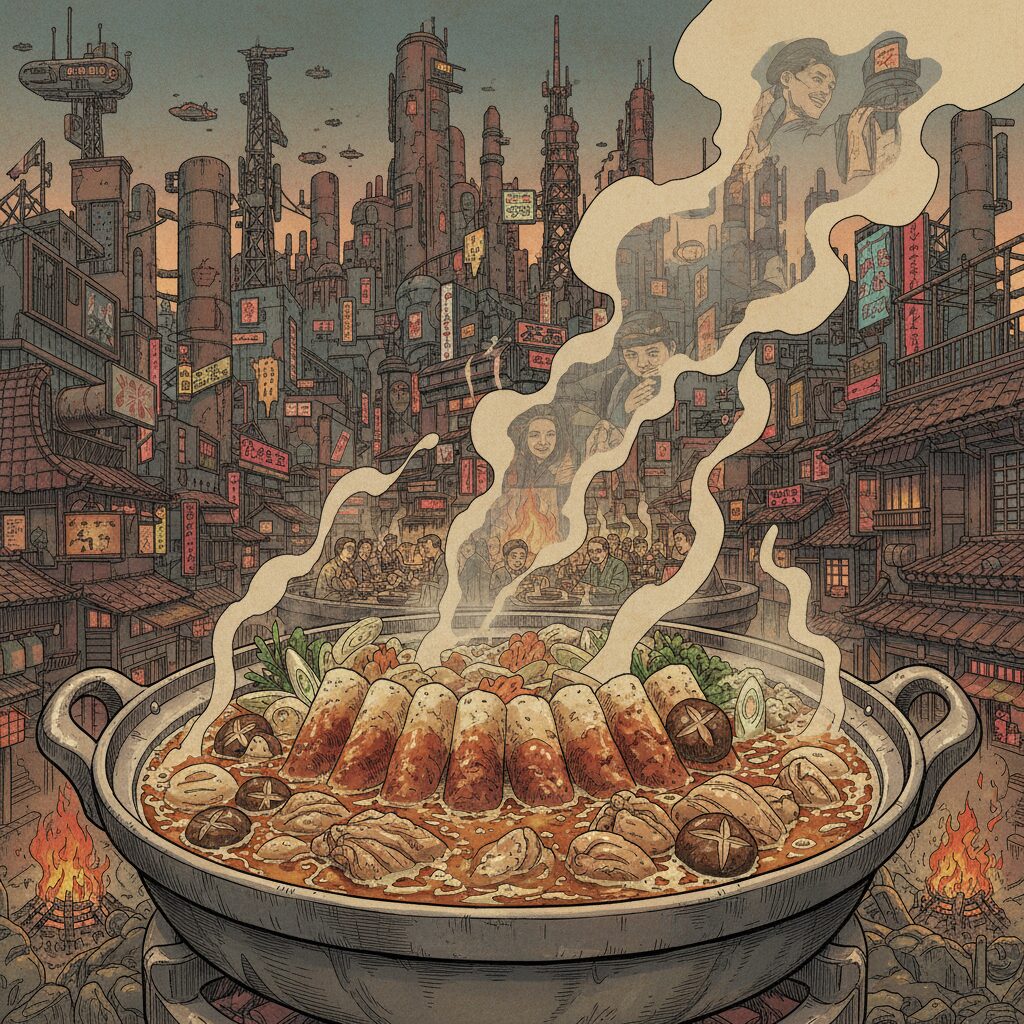
Before diving into the main event—the nabe itself—we have to highlight the star of the show: the kiritanpo. These aren’t just ordinary rice cakes floating in broth. No, they’re much more than that. Imagine freshly cooked, steaming Akita-komachi rice, one of Japan’s most prized rice varieties, being pounded into a soft, chewy dough. It’s a rhythmic, almost hypnotic process. The rice is mashed until about half broken down, leaving just enough texture to remind you that you’re eating something special. This isn’t a smooth, uniform mochi; it’s rustic and authentic.
Next comes the fascinating part. This rice paste is skillfully molded onto thick skewers made from Japanese cedar. The cedar adds a subtle, woodsy aroma that’s absolutely essential. The skewers are then toasted over an open charcoal flame, a technique known as ‘tanpo’. As they grill, the outside develops an incredible crispy, golden-brown crust, while the inside remains soft and chewy. The aroma is incredible—a mix of toasted rice and fragrant woodsmoke that perfectly captures the feeling of winter in the countryside.
This whole creation has deep roots. Legend has it that it was invented by the matagi, the legendary winter hunters of the Tohoku region. Spending days in the snow-covered mountains, they needed a way to carry and preserve their rice. They’d pack the pounded rice on sticks, toast them over campfires, and eat them with a bit of miso or as a hearty addition to whatever game they caught for their stew. It was survival food, born from the rugged landscape and the ingenuity of the people who lived closely with it. So when you eat kiritanpo, you’re not just eating rice—you’re tasting a piece of Akita’s history, a story of resilience and resourcefulness echoing through the mountains.
The Anatomy of a Legendary Hot Pot
A genuine Kiritanpo Nabe is a harmonious blend of local flavors, where every ingredient plays a vital role. It’s a showcase of simplicity and quality. Perfecting it is a matter of local pride, and altering the recipe is considered an absolute taboo. Let’s explore the key players that elevate this hot pot to greatness.
The Broth: Liquid Gold
The cornerstone of any exceptional nabe is the broth, and for Kiritanpo Nabe, it’s truly liquid gold. The authentic broth is a rich, savory chicken stock made from the bones of Hinai-jidori, Akita’s renowned chicken breed. This is not a flimsy bouillon cube substitute; it’s a broth simmered for hours, extracting every ounce of collagen and umami. Seasoned with soy sauce, sake, and mirin, it offers a deeply savory, slightly sweet, and incredibly complex flavor. It coats your tongue and warms your soul. A good Kiritanpo broth is so delicious, you could easily drink it by itself.
The A-Team: Core Ingredients
Once the broth is gently boiling, it’s time for the star ingredients to join the pot. The balance between them is what turns this dish into a masterpiece.
- Hinai-jidori Chicken: This is essential. Hinai-jidori ranks among Japan’s top three chicken breeds and is celebrated for its firm texture and rich, gamey flavor. It’s a far cry from ordinary broiler chicken. When simmered in the nabe, the meat stays tender and juicy, infusing the broth with its remarkable taste. It forms the protein foundation of the dish.
- Maitake Mushrooms: Known as ‘dancing mushrooms,’ these forest gems grow in intricate clusters at the base of oak trees. They have a robust, earthy aroma and a firm, meaty texture that holds up well in the broth. They absorb the chicken stock thoroughly, becoming little flavor-packed treasures.
- Seri (Japanese Parsley): If Hinai-jidori is the lead, seri is the indispensable supporting cast. This vivid green herb is added at the very end, bringing a fresh, sharp, and slightly peppery note that perfectly contrasts the rich broth and chicken. It cuts through the richness and brightens the entire dish. The true Akita tradition uses the whole plant, including the roots, which add a distinct earthy crunch. A nabe without seri is missing its essence.
- Gobo (Burdock Root): Thinly sliced, gobo imparts a wonderful earthy flavor and a satisfying crunch that contrasts with the softer ingredients. It’s a root vegetable that tastes like the heart of Akita’s soil.
- Negi (Japanese Leek): Thick slices of leek become sweet and silky as they cook in the pot, adding another comforting layer of flavor.
Finally, the toasted kiritanpo skewers, cut into bite-sized pieces, are added to the pot. They serve as perfect little dumplings, soaking up the rich broth until plump and flavorful. Their slightly crispy exterior softens while the inside stays delectably chewy. This contrast of texture and flavor is sheer delight.
One crucial tip from the locals: never, under any circumstances, add shirataki noodles. The calcium coagulant used in making them can toughen the prized Hinai-jidori meat. It’s a rookie mistake that any Akita purist will immediately notice.
Where the Real Ones Go: Finding Authentic Kiritanpo Nabe
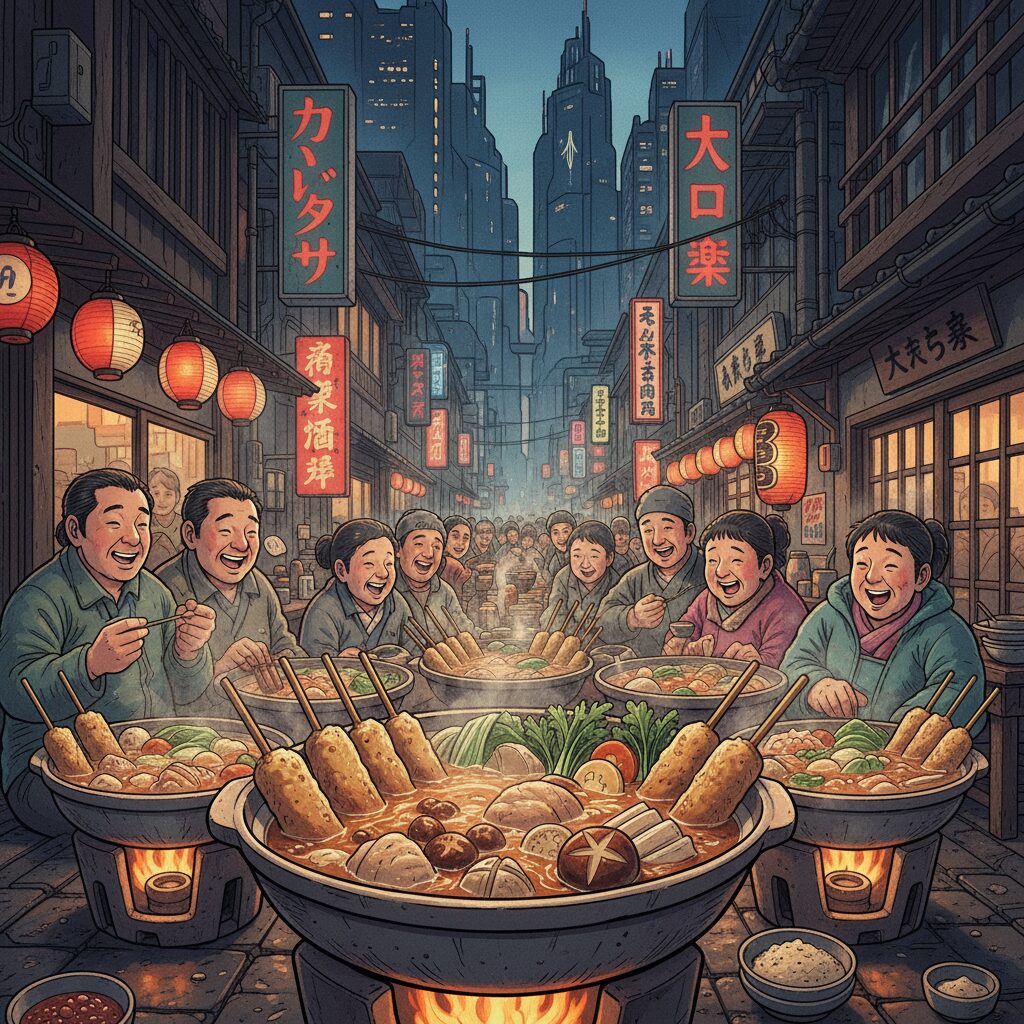
So, your mouth is watering and you’re ready to book a flight to Akita. But where exactly should you go to enjoy the best Kiritanpo Nabe? While this dish can be found throughout the prefecture, some places have earned legendary status. The experience varies greatly depending on your setting—whether it’s a lively city izakaya or a peaceful mountain inn.
Odate City: The Birthplace Experience
To taste the original, head to Odate. Located in northern Akita, this city is renowned as the undisputed home of Kiritanpo. The pride residents have for this dish is palpable, with an annual Kiritanpo festival celebrating it. The restaurants here are true specialists. Stepping into iconic spots like Akita Hinai-ya or a traditional ryotei is an experience in itself. As you slide open the door, escaping the crisp winter air, the rich aroma of simmering chicken broth and woodsmoke immediately embraces you. The atmosphere blends lively local chatter with the focused attention of chefs preparing the nabe with great reverence. In Odate, dining is more than a meal; it’s a deep cultural ritual. Ingredients are sourced locally, recipes refined over decades, and the quality is exceptional. This is the pilgrimage destination for any serious kiritanpo enthusiast.
Akita City: Urban Vibe and Izakaya Discoveries
If your travels center on the prefectural capital, Akita City presents plenty of excellent choices. The Kawabata and Sanno districts are brimming with restaurants and izakayas where Kiritanpo Nabe features prominently on winter menus. The atmosphere here is often more modern and lively. You might find yourself in a cozy, dimly lit izakaya, sharing a generous pot of nabe with friends while enjoying an assortment of superb local sake. It’s the ideal way to recharge after a day at the Akita Museum of Art or Senshu Park. Despite the urban setting, the dedication to tradition and flavor remains strong. Many establishments source their Hinai-jidori chicken and vegetables directly from regional farms, delivering an authentic Akita taste right in the city’s heart.
Kakunodate: Samurai Town’s Soul Food
Picture spending a day strolling through the stunning, impeccably preserved samurai district of Kakunodate, with its black-walled mansions and ancient weeping cherry trees possibly dusted with fresh snow. As night falls, you retreat to your traditional inn, or ryokan, where a steaming, fragrant pot of Kiritanpo Nabe awaits. This embodies a quintessential Japanese experience. Enjoying this rustic, hearty dish in Kakunodate’s elegant and historic surroundings creates a striking contrast. Many local inns and restaurants offer exceptional versions of the nabe, allowing you to immerse yourself in both Akita’s samurai legacy and its culinary tradition during one unforgettable evening. The tranquil ambiance transforms the meal from simple comfort food to a truly sublime cultural experience.
Level Up Your Kiritanpo Game: Pro Tips
Ready to dive in? Here are some tips to make your Kiritanpo Nabe experience even more authentic and unforgettable.
Timing Is Everything
Kiritanpo Nabe is primarily a winter dish. While some places may serve it year-round for tourists, it truly shines from late autumn (around October) through early spring (until March). This period coincides with the peak season for key ingredients, especially seri and mushrooms, when their flavors are at their fullest. Most importantly, there’s nothing quite like coming in from the biting cold of an Akita winter to warm up around a steaming hot pot. This seasonal ritual elevates the dish’s taste exponentially.
The Perfect Pairing: Akita Sake
Visiting Akita without trying the sake is unthinkable. The region is renowned for its clean, crisp, and meticulously crafted rice wine, nurtured by pure mountain water and premium rice. A flask of locally brewed sake, whether gently warmed or chilled, pairs perfectly with Kiritanpo Nabe. Its clean flavor cuts through the richness of the broth without overwhelming it, refreshing your palate between bites. Ask for a local favorite, or jizake, and you’ll experience something truly exceptional. It’s a match made in heaven.
Get Your Hands Dirty: The DIY Experience
For an immersive experience, seek out places offering hands-on Kiritanpo-making workshops. Several tourist sites and farm-stays, especially near Odate and Lake Tazawa, allow you to try it yourself. You’ll pound the warm rice, carefully shape it around cedar skewers, and grill it over charcoal. This process deepens your appreciation for the skill and care behind this seemingly simple dish. Plus, it’s a lot of fun. Trust me, Kiritanpo Nabe made with rice you grilled yourself tastes entirely different.
Don’t Rush the Vibe
A hot pot meal, or nabemono, is inherently social. It’s not fast food. The pot is set at the center of the table for everyone to share. This meal is meant to be savored slowly. Take your time. Enjoy the evolving flavors of the broth as the ingredients impart their essence. Chat with your friends. Order another flask of sake. The aim is to leave feeling not just satisfied, but warm, connected, and happy. Embrace the slow, communal spirit of nabe.
Getting to Akita: The Journey to Flavor Town

Reaching the heart of Kiritanpo country is part of the adventure. Although Akita may seem remote, it is well-connected, and the journey itself is stunning.
The best way from Tokyo is the Akita Shinkansen (the Komachi train). It’s a direct trip that takes just under four hours. The highlight of the ride is watching the landscape outside your window change from Tokyo’s dense urban environment to the rolling hills and charming countryside of the Tohoku region. In winter, the trip becomes a breathtaking passage through a snow-covered wonderland.
Alternatively, you can fly. Akita Airport offers regular flights from Tokyo, Osaka, and other major Japanese cities, providing a quick and convenient option. From the airport, you can take a bus to Akita City or rent a car for more freedom to explore.
For the greatest flexibility, especially if you plan to visit Odate or venture to more rural areas and scenic onsen, renting a car is highly recommended. Just make sure you’re comfortable driving in winter conditions if you visit during the snowy season, as the roads can be icy.
More Than a Meal
Traveling all the way to Akita just for a bowl of soup might seem a bit excessive, but Kiritanpo Nabe is far more than that. It serves as a direct connection to the land and the rich history of this remarkable region. This dish tells the story of mountain hunters, community spirit, and enduring long, harsh winters with warmth and hearty food.
Enjoying Kiritanpo Nabe in Akita engages all your senses: the aroma of the charcoal grill, the sound of the pot bubbling, the sight of steam rising against the snowy backdrop, the rich, layered flavor of the broth, and the profound sense of comfort that envelops you. It’s like receiving a warm culinary embrace in a bowl. So, when you plan your next trip to Japan, venture beyond the usual tourist spots. Head north. A steaming pot of Akita’s finest awaits you—a taste you won’t soon forget.