Yo, let’s talk about a place that’s basically the final boss of pop culture, a neon-drenched sanctuary where the digital and the real world just vibe together in perfect, chaotic harmony. I’m talking about Akihabara, or Akiba, as the real ones call it. This district in Tokyo isn’t just a place; it’s a whole mood, a living, breathing testament to Japan’s obsession with anime, manga, video games, and all things otaku. For the uninitiated, stepping into Akihabara is like plugging directly into the mainframe of Japanese subculture. The air practically buzzes with a high-frequency energy, a symphony of J-pop blasting from storefronts, the clatter of gachapon machines, and the animated chatter of enthusiasts who have found their tribe. But beyond the towering arcades and shops overflowing with rare figures and retro games, there’s a deeper, more immersive layer to this world, a phenomenon that truly captures the spirit of Akiba: the themed cafe. This isn’t your standard coffee-and-croissant situation. Nah, we’re diving way deeper. We’re talking about spaces that are part restaurant, part theater, and part fan shrine, meticulously crafted worlds designed to transport you straight into your favorite fantasy. From the iconic maid cafes, where hospitality gets a kawaii makeover, to the ever-shifting landscape of anime collaboration cafes that are here today and gone tomorrow, Akihabara offers a journey into interactive entertainment that you just can’t find anywhere else on the planet. This is where you don’t just consume your favorite media; you literally eat, drink, and live it. So buckle up, because we’re about to explore this wild, wonderful, and uniquely Japanese culture. It’s a scene that’s low-key profound and high-key unforgettable, a must-do for anyone looking to understand what makes modern Tokyo tick.
For a completely different but equally immersive Tokyo experience, consider exploring the city’s fascinating underground history.
The Birth of a Culture: How Akihabara Became “Electric Town” and Beyond
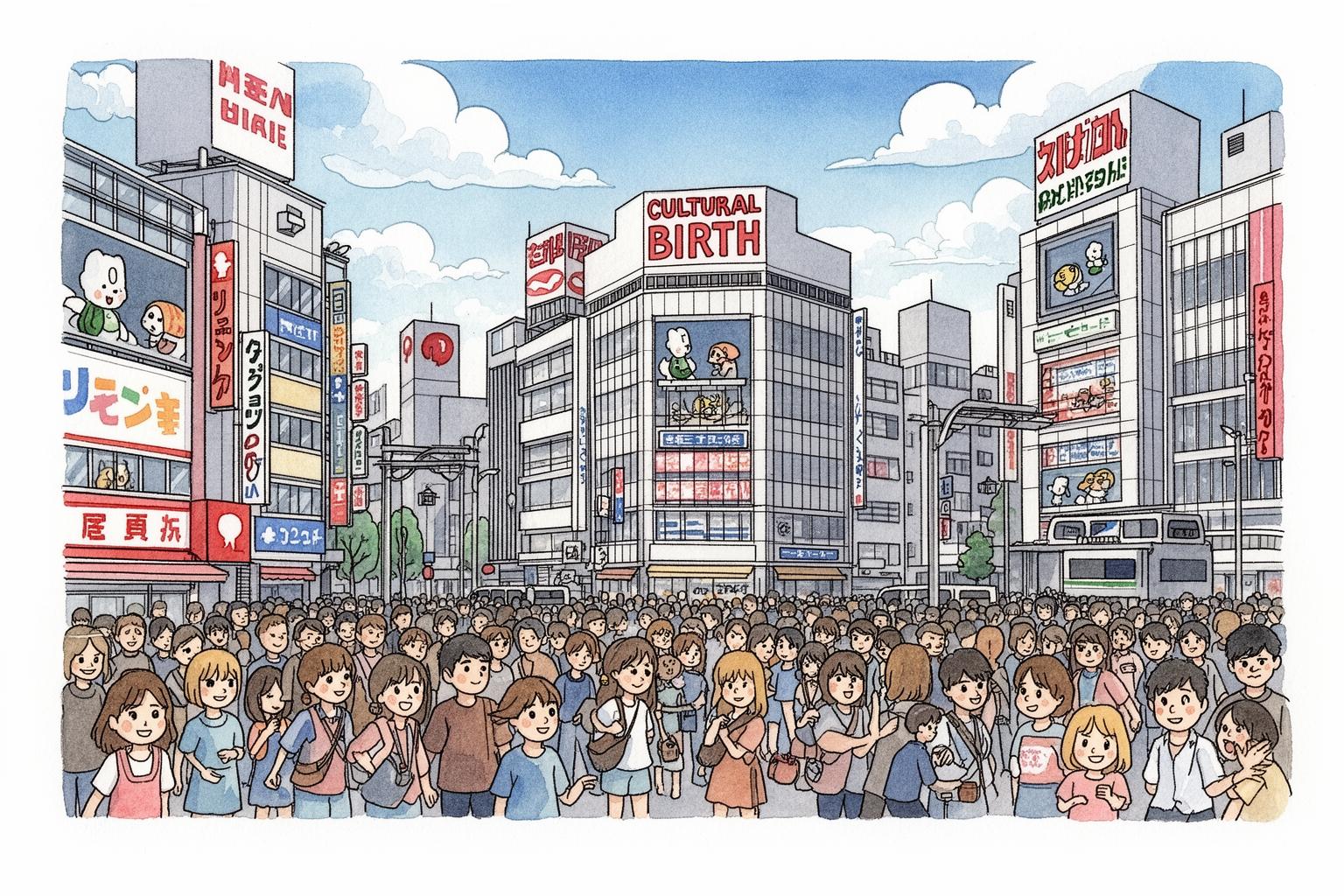
To truly grasp the whole themed cafe scene, you need to understand Akihabara’s origin story. This place didn’t simply appear out of nowhere as a pop culture haven. Its foundations lie deep in the grit and hustle of post-war Japan. In the late 1940s, this area was a vast black market, the go-to spot for radio parts and vacuum tubes when such items were as precious as gold. It was a place born out of necessity, filled with scrappy engineers and amateur radio enthusiasts piecing together the future from literal scraps. This reputation for electronics grew stronger, and by the 1960s and 70s, as Japan’s economy surged, Akihabara evolved into “Akihabara Denki Gai”—Electric Town. It became the ultimate destination for every household appliance imaginable, from refrigerators to the newest color TVs. The streets were a chaotic maze of shops, each blaring ads and promising the best deals. It was the physical embodiment of Japan’s technological ambition.
The true turning point came in the 80s and 90s with the rise of personal computers and video games. The generation that grew up with home consoles like the Famicom (known as the NES internationally) was coming of age. Their playground wasn’t outdoors; it was on a screen. Akihabara naturally shifted its focus from washing machines to word processors, then to PCs, gaming consoles, and software. This is when the otaku—a term for those with obsessive interests, particularly in anime, manga, and games—began to claim Akihabara as their capital. It turned into a sanctuary where niche hobbies were not only accepted but celebrated. You could find the rarest game cartridge, the most obscure anime VHS, or parts to build a custom PC all within a few blocks. This intense concentration of passionate, like-minded individuals created a unique ecosystem. The audience sought more than just products; they craved experiences that validated and celebrated their passions. The ground was fertile, awaiting a new kind of seed. The idea of a service-based experience tapping directly into the otaku mindset was a stroke of genius on the horizon, setting the stage for the first themed cafes to appear and completely redefine what a cafe could be.
The Main Event: Welcome to the World of Maid Cafes
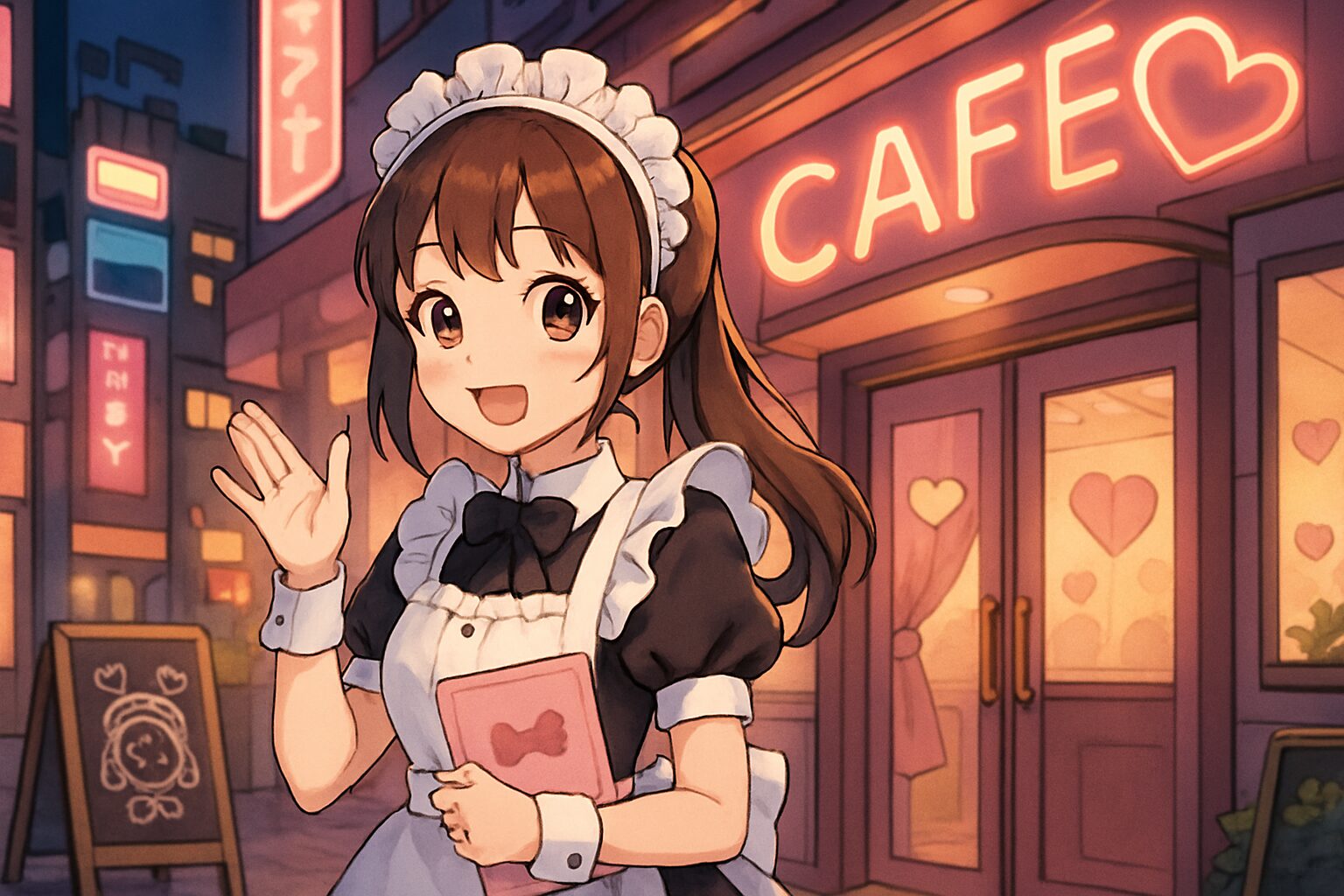
If Akihabara is known for a signature dish, it’s the maid cafe experience. This genre-defining concept put themed cafes on the global map and serves as a cultural export that is equally fascinating, surreal, and incredibly enjoyable. Forget everything you know about traditional cafes. A maid cafe is an immersive theatrical performance where the main product isn’t just the food but the feeling of being cared for in a highly stylized, fantasy setting. It’s a deep dive into the idea of “moe,” a Japanese slang term describing the heartwarming, protective feeling one has toward an adorable fictional character. Maid cafes bring those characters to life, letting you interact with them. It’s a brilliant, if somewhat unusual, business model that has captivated visitors worldwide. The moment you step inside, you’re no longer just a customer—you become the protagonist of a story, the master or mistress of a grand mansion returning home after a long day.
More Than Just a Cafe: Unpacking the Maid Cafe Experience
The entire visit is carefully choreographed to sustain this fantasy. You’ll likely be greeted at the entrance by a maid dressed in a frilly, often elaborate Victorian-inspired uniform, who will bow deeply and cheerfully say, “Okaerinasaimase, Goshujin-sama!” (Welcome home, Master!) or “Ojou-sama!” (Princess!). This instantly sets the scene. You’re no longer in a public place; you’ve entered their world. Once seated, your maid will introduce herself and explain the house rules, which usually include a seating charge, a time limit (typically 60-90 minutes), and a strict no unauthorized photography policy for maids and the interior. These rules aren’t meant to be restrictive but to preserve the fantasy and protect the performers’ privacy.
The menu itself is a work of art, featuring aggressively cute dishes. The highlight is often the “omurice” (omelette over rice), which your maid will decorate at your table with ketchup, drawing adorable animals like bunnies or cats, or writing a personalized message. Before eating, you must join in a ritual: your maid will lead you in a magical chant, something along the lines of “Oishikunare, moe moe kyun!” (Become delicious, moe moe kyun!), accompanied by cute hand gestures. It may feel a bit silly at first, but embracing the absurdity is the point. Drinks are equally vibrant, coming in a rainbow of colors with fantasy-themed names, and desserts are towering parfaits adorned with cookies, fruits, and Pocky sticks. Flavor takes a backseat to presentation—you’re paying for the experience, the performance, and the Instagram-worthy spectacle.
But the experience goes beyond food. Throughout your visit, there are chances for more interaction. The highlight for many is the live show. At scheduled times, the lights dim, a J-pop track blasts through the speakers, and one or more maids take to a small stage to sing and dance. Regular visitors often bring glow sticks and participate in synchronized cheers and dance moves called “wotagei,” a fascinating subculture itself. For a lasting memento, you can order a “cheki,” an instant photo with your favorite maid. You’ll pose together, and then she’ll decorate the photo with colorful markers—drawing hearts, stars, and writing a thank-you note. It’s a personalized keepsake from your brief journey into the fantasy world. From beginning to end, the maid cafe experience is a masterclass in interactive entertainment and curated cuteness.
The Vibe Check: What It Really Feels Like Inside
Entering a maid cafe is a sensory delight in the best possible way. The decor is usually an explosion of pastel colors—pink, baby blue, and lavender dominate. Picture frilly curtains, heart-shaped chairs, and walls covered in cute illustrations and photos of the maids. The air hums with upbeat J-pop or anime theme songs, punctuated by the maids’ high-pitched, energetic calls to their masters and princesses. It’s a lively, high-energy space filled with relentless positivity and cheerfulness, designed as a complete escape from the everyday world outside. The environment follows its own logic—ruled by the values of kawaii. The mood is overwhelmingly playful and innocent. The maids embody various character archetypes, or “moe” traits, familiar to anime fans. You might encounter the cheerful, slightly clumsy “dojikko,” the cool, aloof “tsundere” who eventually warms up to you, or the prim and proper “imouto” (little sister) type. These personas deepen the performance, making interactions feel more like scenes from a story rather than mere customer service.
The audience is surprisingly diverse. Although male otaku are often stereotyped as the typical patrons, you’ll see groups of female friends enjoying a fun outing, curious tourists, couples on quirky dates, and dedicated regulars loyal to their favorite maid, known as their “oshi.” It’s a welcoming space for anyone willing to suspend disbelief and embrace the flow. The key is to leave cynicism at the door and dive into the performance. It’s a shared experience—a collective agreement to take part in a live-action fantasy—and when you do, the atmosphere is genuinely joyful and electric.
Navigating the System: Tips for Your First Maid Cafe Visit
For newcomers, the concept might seem daunting, but it’s actually quite straightforward once you understand the basics. Most maid cafes, especially the big chains in Akihabara like @home cafe or Maidreamin’, are foreigner-friendly, offering English menus and staff who can communicate key information. The first thing to know is the pricing structure. There’s almost always a table charge per person, per hour, separate from your food and drink orders. Often, there’s a one-drink or one-item minimum. The easiest choice is usually a set menu, which includes the table charge, a food item, a drink, and a souvenir such as a cheki photo or small merchandise for a fixed price. This is the best value and the simplest way to enjoy the full experience.
When it comes to interaction, just be respectful and play along. The maids are performers in character. Engage with them, enthusiastically participate in the food chants, and enjoy the performance. They’ll try to make light conversation, asking where you’re from or what you’ve seen in Akihabara. A little participation goes a long way in making the visit more enjoyable for everyone. Keep in mind the cardinal rules: no touching the maids and absolutely no unauthorized photos or videos. The official cheki is the only accepted way to get a picture. This policy is non-negotiable and is about respecting the privacy and work of the maids. When your time is up, a maid will politely inform you. You then settle your bill at the front counter. The experience is crafted as a brief but memorable escape—think of it less as a restaurant and more like a ticketed show. By understanding these simple guidelines and etiquette, you can relax and fully immerse yourself in one of Akihabara’s most iconic cultural experiences.
Beyond the Frills: Exploring the Anime and Game Themed Cafes
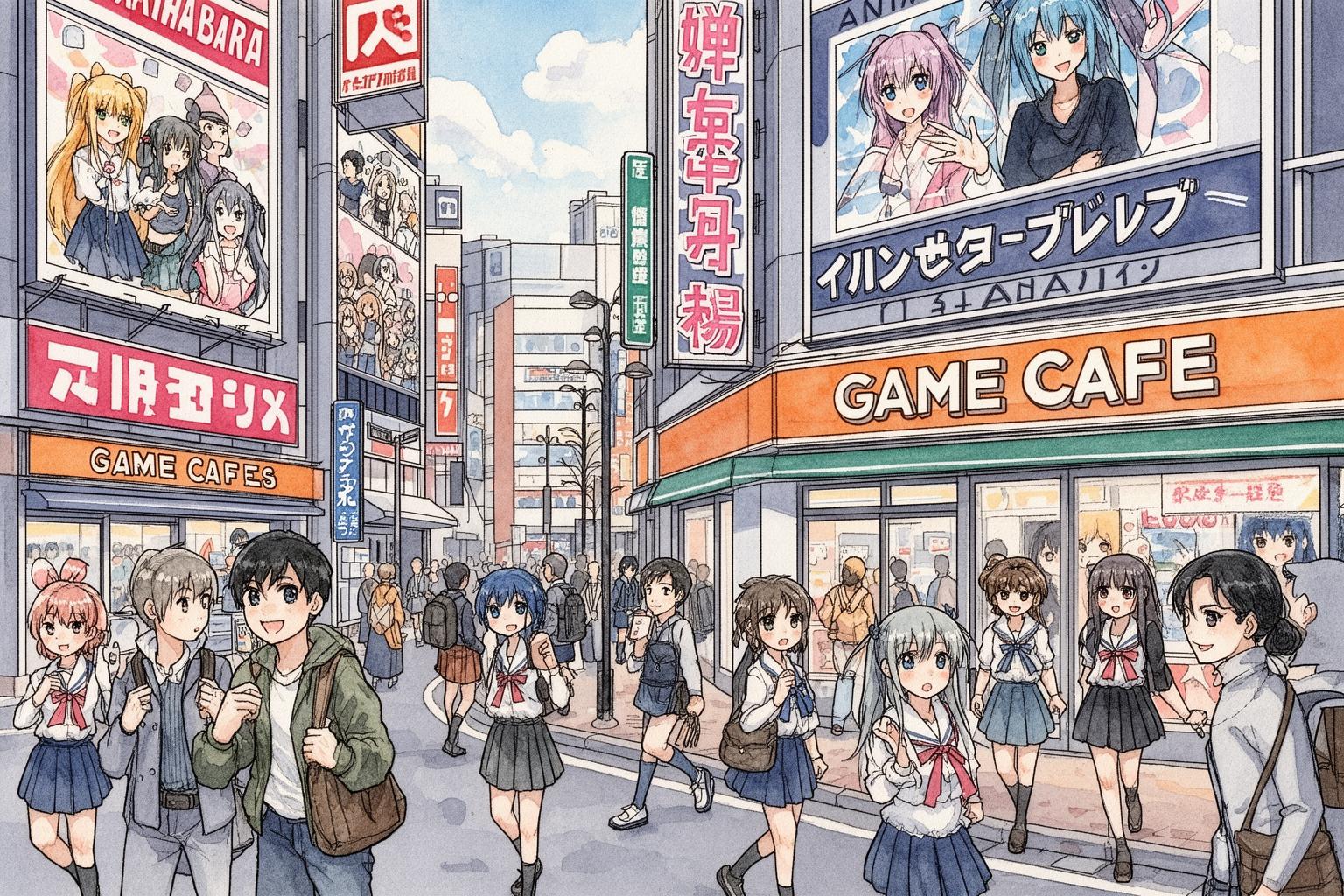
While maid cafes may be the original themed experience in Akihabara, the culture has grown and diversified in some truly impressive ways. Another major player in the scene is the collaboration cafe, or “collab cafe.” These pop-up or semi-permanent spots team up with a particular anime, manga, or video game series for a limited run. For fans, these cafes are nothing less than pilgrimage destinations. They provide a chance to step into the world of a beloved franchise and engage with the story and characters on a tangible—and edible—level. The attention to detail and dedication that goes into these collaborations is extraordinary, transforming a simple cafe into a temporary museum, clubhouse, and restaurant all in one.
Living Your Best Isekai Life: The World of Collaboration Cafes
Picture your favorite anime series. Now imagine a cafe where the walls are adorned with concept art and life-sized character cutouts. The background music is the show’s official soundtrack. The menu features dishes and drinks inspired by the characters’ abilities, personalities, or memorable story moments. This is the magic of a collab cafe. The experience is fully immersive. You might order a fiery curry inspired by a hot-headed protagonist or a sparkling blue soda that mimics a character’s magical spell. The creativity is through the roof. A simple plate of pasta could be arranged to resemble a specific symbol from the series, or a dessert might be a perfect, edible replica of an iconic item from the game. These culinary creations are pure fan service, filled with in-jokes and references that only true fans will appreciate, which is exactly what makes them so special.
But the food tells only part of the story. The other big attraction is the exclusive merchandise. Collab cafes are famous for releasing limited-edition items unavailable anywhere else. We’re talking acrylic stands, keychains, clear files, and pin badges featuring special illustrations of the characters, often dressed in cafe-themed outfits like aprons or waiter uniforms. Many of these items, especially the smaller ones like coasters (often complimentary with a drink) and keychains, come in blind packaging. This “gacha” system—where you don’t know which character you’ll get—is a strong incentive for fans to order more or return multiple times, trading with other visitors to complete their collection. It turns a simple cafe visit into a treasure hunt, fostering a sense of community and shared excitement among the fans who gather there.
The Hunt is Part of the Fun: How to Find and Book These Cafes
Unlike maid cafes, where you can often just walk in, securing a spot at a popular collaboration cafe requires careful planning. These places are highly sought-after, and seating is limited. The first step is research. Identify which series are hosting collaborations during your planned visit to Tokyo. Official websites and social media accounts (especially on X, formerly Twitter) are invaluable resources. They announce collaboration dates, locations, and, most importantly, the reservation process. For the most hyped series, entry is often decided by lottery. You apply online for a specific date and time slot, then hope for the best. For others, it’s a first-come, first-served online booking system that fills up within seconds. It can be quite competitive.
Several major venues in Akihabara regularly host these events. Animate Cafe is one of the most well-known, with multiple locations cycling through various series. Others include the Good Smile x Animate Cafe, the Square Enix Cafe (a must for fans of Final Fantasy or Dragon Quest), and various pop-up spaces in department stores like PARCO or Marui. For first-timers, it’s essential to check all this information well ahead of your trip. If you’re unable to secure a reservation, don’t lose hope completely. Some cafes offer same-day tickets for less popular time slots or have merchandise corners accessible without a cafe reservation. But if there’s a particular collaboration you’re eager to experience, advance planning is absolutely essential. It’s part of the ritual—the digital quest you must conquer before your real-life adventure can begin.
Permanent Fixtures: Cafes Dedicated to a Single Franchise
While the temporary nature of pop-up collaborations is thrilling, Akihabara and nearby areas also feature several permanent themed cafes that have become landmarks. These cafes focus on a single, hugely popular franchise, allowing for deeper and more elaborate immersion. A legendary example—although now closed—was the Gundam Cafe. For years, it was a sacred space for fans of the iconic mecha anime, serving beam-saber-shaped churros and drinks named after famous pilots. Its spirit lives on through other permanent establishments.
The Pokémon Cafe in nearby Nihonbashi exemplifies this concept perfected. It’s a bright, cheerful venue where you can enjoy Pikachu-faced curry and Eevee-themed burgers, and even catch a visit from a giant dancing Chef Pikachu. Reservations need to be made weeks or sometimes months in advance, a testament to its lasting popularity. Similarly, Square Enix’s ARTNIA in Shinjuku is a sleek, futuristic cafe and store, featuring a stunning figure display and a menu paying tribute to its extensive gaming universe. These permanent cafes offer a more consistent and refined experience than pop-ups. The decor is more elaborate, the menus more sophisticated, and they serve as ongoing hubs for their fan communities. They prove that a themed cafe can be more than just a marketing gimmick—it can be a lasting cultural institution.
The Niche and the Novel: Akihabara’s Other Themed Havens
Akihabara’s creativity extends far beyond maids and anime. The initial success of these concepts unlocked a wide range of niche and novel themed cafes, catering to virtually every interest imaginable. The essence of otaku culture—a deep immersion into a passionate hobby—has been applied to countless subjects, resulting in truly unique and sometimes strikingly specific cafe experiences. This reflects a culture of innovation where any passion, no matter how obscure, can transform into an immersive world. It stands as proof that if you can imagine it, there’s likely a cafe for it somewhere in Tokyo.
Animal Cafes: Beyond Just Cats
The animal cafe trend began with cats, offering a bit of fluffy companionship to city residents living in small, pet-free apartments. But Akihabara, true to its nature, has taken the concept to the next level. While cat cafes remain popular, the area is also renowned for more exotic animal interactions. You can enjoy coffee while an owl quietly perches on your gloved hand at an owl cafe. These places are typically calm, peaceful settings, with strict guidelines to protect the birds’ well-being. Then there are hedgehog cafes, where you can gently hold these spiky yet surprisingly charming little creatures within specially designed enclosures. For the adventurers, reptile cafes provide the chance to get close to snakes and lizards. To enjoy these experiences responsibly, it’s important to choose reputable cafes that emphasize animal welfare, maintain clean environments, keep healthy-looking animals, and enforce clear, strict interaction rules. It’s a unique opportunity to connect with nature right in the heart of one of the world’s most futuristic cities.
Immersive Themes: Concept Cafes with a Unique Twist
Beyond existing media and cute animals, concept cafes build entirely original fantasy worlds. You might encounter a cafe themed around Japan’s Sengoku period, where staff dress as samurai warriors and address guests with feudal honorifics. Ninja-themed cafes blend dining with magic shows, where meals appear through secret panels and staff perform ninja tricks. While butler cafes are more famously linked to Ikebukuro, they operate on a similar idea to maid cafes, swapping gender roles to offer a refined, princely experience primarily for a female clientele. There are even cafes dedicated to hyper-niche interests, such as railroad enthusiasts, with spaces filled with model train sets and drinks delivered by miniature locomotives. These cafes celebrate imagination and highlight the incredible diversity of subcultures thriving in Tokyo, offering a unique form of escapism where visitors play a role in entirely original stories.
A Curator’s Guide to Akihabara Cafe Culture
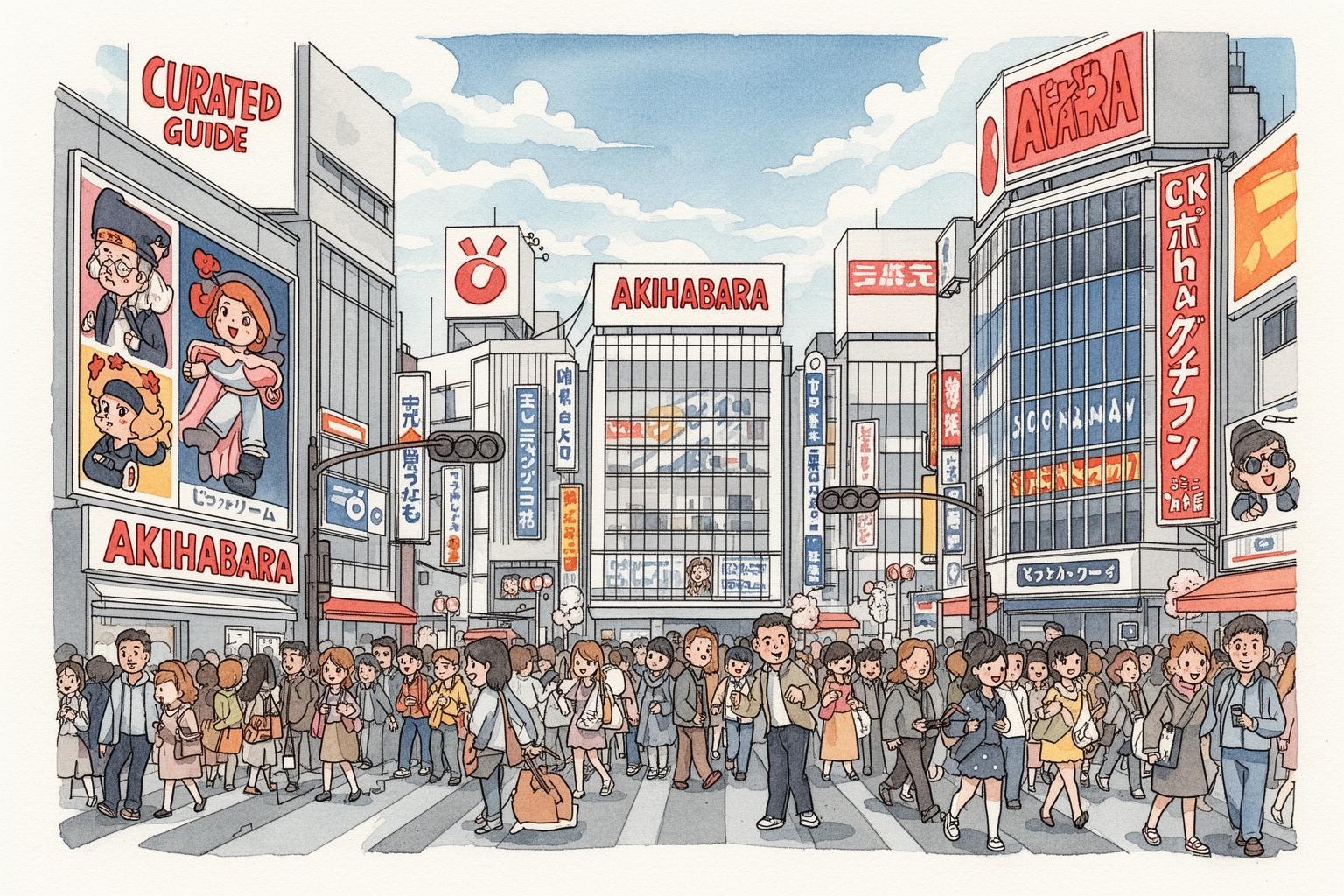
Alright, so you’re ready to jump in. As someone who spends considerable time observing the intersection of art, culture, and commerce in this city, I view Akihabara’s cafe scene as a dynamic showcase of modern Japanese creativity. It’s interactive performance art served alongside a cup of coffee. But like any gallery, there’s a specific etiquette—a proper way to engage with the experience to truly appreciate it. It’s not just about showing up; it’s about understanding the context and your role within it. Consider this your insider guide to navigating the scene like a seasoned pro, not just a visitor.
Etiquette and Expectations: How to Be a Vibe-Enhancing Guest
The golden rule at all themed cafes is respect. Respect the staff, who are not simply servers but performers. Respect the concept and the world they’re crafting. And respect the other guests, who are there to enjoy the fantasy just as much as you. This means adhering strictly to the rules. When they say no unauthorized photos, they mean it. The staff’s image is protected, and part of the magic lies in the ephemeral nature of the experience, preserved only in your memory and official cheki. Understand the pricing setup before sitting down. Table charges and time limits are standard industry practices, not a rip-off. They sustain these highly specialized, staff-intensive operations. Most importantly, embrace your role. You’re not a passive observer; you’re part of the show. When a maid asks you to cast a spell on your parfait, do it with enthusiasm. When a butler pulls out your chair, accept the gesture graciously. You are part of the performance. Your energy shapes the overall atmosphere. By fully immersing yourself in the premise, you’re not just enhancing your own enjoyment; you’re enriching the experience for everyone present. In other words, read the room and match its vibe. Be the kind of master or princess the maids are delighted to welcome home.
Timing Is Everything: When to Visit Akiba
Akihabara’s energy ebbs and flows dramatically based on when you visit, and your timing can shape your entire experience. Weekdays are typically quieter, with fewer crowds, which often means shorter waits for popular cafes and a more relaxed atmosphere for wandering the endless shops. It’s an ideal time for a more focused, less intense exploration. Weekends, however, are when Akiba truly comes alive. The streets fill up, the energy buzzes with excitement, and there’s a palpable sense of festivity in the air. The absolute peak is Sunday afternoon, when Chuo Dori, the main street, is closed to vehicle traffic and transformed into a sprawling pedestrian paradise known as “Hokousha Tengoku.” It’s an unforgettable scene, with thousands of people—cosplayers, shoppers, tourists, and locals alike—strolling down a wide avenue framed by the glowing towers of Sega, Taito, and Yodobashi Camera. This is quintessential Akihabara. If you’re aiming to visit a popular collaboration cafe, the day of the week matters less than securing a reservation. But for experiencing the general vibe and dropping into walk-in spots like maid cafes, choosing between a mellow weekday or a bustling, carnival-like Sunday is key to crafting your perfect Akiba adventure.
The Bigger Picture: Connecting with Akihabara Beyond the Cafes
Themed cafes lie at the heart of Akihabara’s interactive culture, but they’re just one part of a much larger ecosystem. To genuinely appreciate them, you have to see them as nested within the district’s entire otaku culture landscape. Before or after your cafe visit, spend hours exploring the surrounding area. Dive into a multi-story arcade like GiGO or Taito Station, where the sheer scale is staggering—floors filled with rhythm games, fighting games, and UFO catchers stocked with exclusive prizes. Hunt for treasures in a retro game store like Super Potato, a cozy, dusty haven packed with cartridges and consoles from your childhood. Discover towering hobby shops like AmiAmi or Kotobukiya, where each floor is a museum-quality display of the newest anime figures, model kits, and art books. Even the massive electronics giants like Yodobashi Camera are worth exploring, with entire floors devoted to toys, games, and hobbies. By immersing yourself in these shops and arcades, you begin to grasp the source material and passion that fuel the themed cafe craze. The cafes are not isolated novelties; they’re social hubs, clubhouses where fans who shop and play come together to celebrate their shared passion in immersive ways. Spending a full day in Akiba provides the context that transforms a quirky meal into a rich cultural experience.
Akihabara’s themed cafes are far more than just places to eat. They’re vibrant, living art forms—a window into the soul of Japanese subculture, where hospitality, performance, and passion intersect to create something truly unique. They invite you to step through the looking glass, leave the everyday world behind, and inhabit a fantasy—if only for the duration of a cup of coffee and a decorated omelette. It’s about playfulness, creativity, and the strong sense of community built around shared stories. Whether you’re being welcomed home by a maid, battling a boss in the form of a giant parfait, or collecting coasters from your favorite anime, you’re engaging with a culture unapologetically itself. It’s a little strange, a lot of fun, and absolutely, memorably Tokyo. Arrive with an open mind, a playful heart, and a willingness to chant for your food. You won’t regret it.