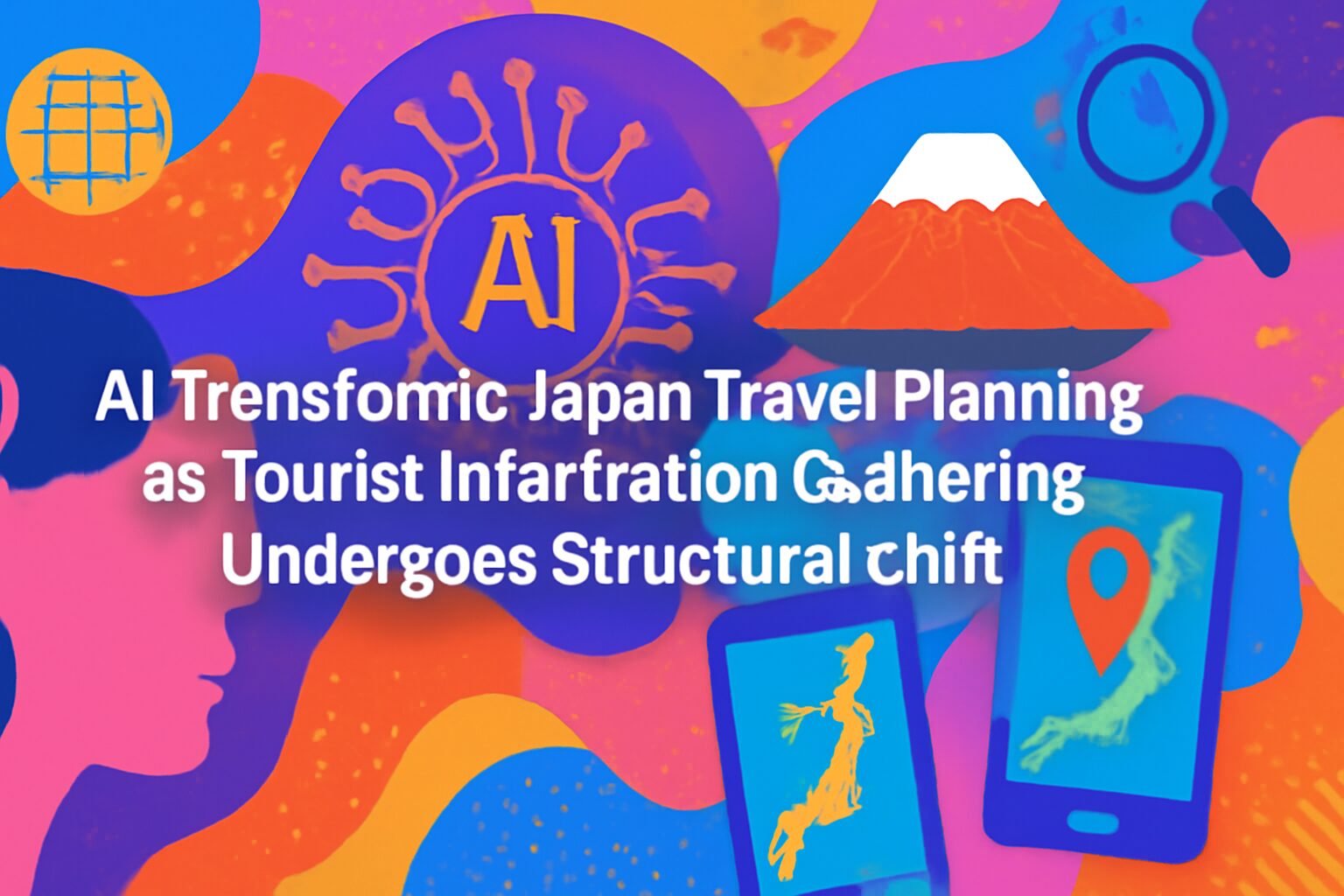
The classic image of a traveler poring over a guidebook or scrolling through countless blog posts to plan a trip to Japan is rapidly becoming a thing of the past. A new era of travel planning has dawned, powered by artificial intelligence. Recent data reveals a significant structural shift in how tourists gather information, with the use of AI-powered tools for Japan travel planning experiencing a threefold increase. This surge signifies a move away from static, traditional resources towards dynamic, personalized, and technologically integrated travel experiences.
The Driving Forces Behind the AI Revolution
This transformation is not happening in a vacuum. Several key factors are converging to accelerate the adoption of AI in travel planning for Japan.
First, the global proliferation of sophisticated generative AI like ChatGPT has made powerful planning tools accessible to everyone. Travelers can now ask complex, nuanced questions and receive tailor-made itineraries in seconds—a task that previously required hours of manual research.
Second, the post-pandemic traveler is digitally savvy and seeks highly personalized experiences. The one-size-fits-all approach of guidebooks is no longer sufficient. Tourists want to craft journeys that reflect their unique interests, whether it’s a deep dive into Tokyo’s anime culture, a culinary tour of Fukuoka’s yatai stalls, or a serene, accessible-friendly temple tour in Kyoto.
Finally, Japan’s unique characteristics—its complex public transportation system and a significant language barrier—make it fertile ground for AI solutions. Tools that can navigate intricate train schedules or provide instant translation are not just convenient; they are transformative for foreign visitors.
How AI is Reshaping the Modern Japan Trip
The impact of AI is being felt across предотвратитьvery stage of the travel process, from initial inspiration to on-the-ground navigation.
Hyper-Personalized Itinerary Crafting
Instead of generic “Top 10” lists, travelers are using AI to generate itineraries based on specific prompts like, “Create a 5-day itinerary for a solo traveler in Japan who loves hiking, onsen, and quiet cafes, with a budget of $150 per day.” The AI can instantly weave together transportation, accommodation suggestions, and activities that align perfectly with these niche interests.
Real-Time Translation and Communication
The language barrier, long one of the biggest hurdles for visitors, is crumbling. AI-powered translation apps can now translate spoken conversations, written text on menus via a phone’s camera, and public announcements in real time. This technology empowers tourists to venture off the beaten path, confidently interact with locals, and immerse themselves more deeply in the culture.
Discovering Authentic, Local Experiences
AI algorithms analyze vast amounts of data from social media, review sites, and blogs to identify hidden gems and emerging trends. A traveler can ask, “What is a popular, non-touristy ramen shop near Shinjuku Station right now?” and receive up-to-the-minute recommendations that a printed guidebook could never offer. This allows for a more authentic and dynamic travel experience.
The Future of Japan’s Digital Tourism Landscape
This trend is poised to reshape Japan’s entire tourism ecosystem. The implications for both the industry and the traveler are profound.
Predicted Impact on the Travel Industry
Traditional travel agencies and tour operators will need to adapt or risk becoming obsolete. The future lies in leveraging AI to offer value-added services, such as expert-curated AI prompts or hybrid services that combine AI’s efficiency with human expertise for complex travel arrangements. Hotels, restaurants, and attractions will also face pressure to integrate AI, perhaps through multilingual AI chatbots for customer service or personalized digital concierge services. This shift will undoubtedly spur innovation and create new business opportunities for tech-savvy companies in the tourism sector.
The Evolving Traveler Experience
For tourists, travel to Japan will become more seamless, accessible, and deeply personalized than ever before. However, this reliance on AI also presents new considerations. Over-optimization could potentially diminish the joy of spontaneous discovery, and the accuracy and potential biases of AI-generated information will remain a critical issue.
Nevertheless, the trajectory is clear. Artificial intelligence is no longer a futuristic concept in travel; it is a fundamental tool that is actively redefining how we explore Japan. As this technology continues to evolve, it will unlock even more possibilities for creating unforgettable journeys in the Land of the Rising Sun.