
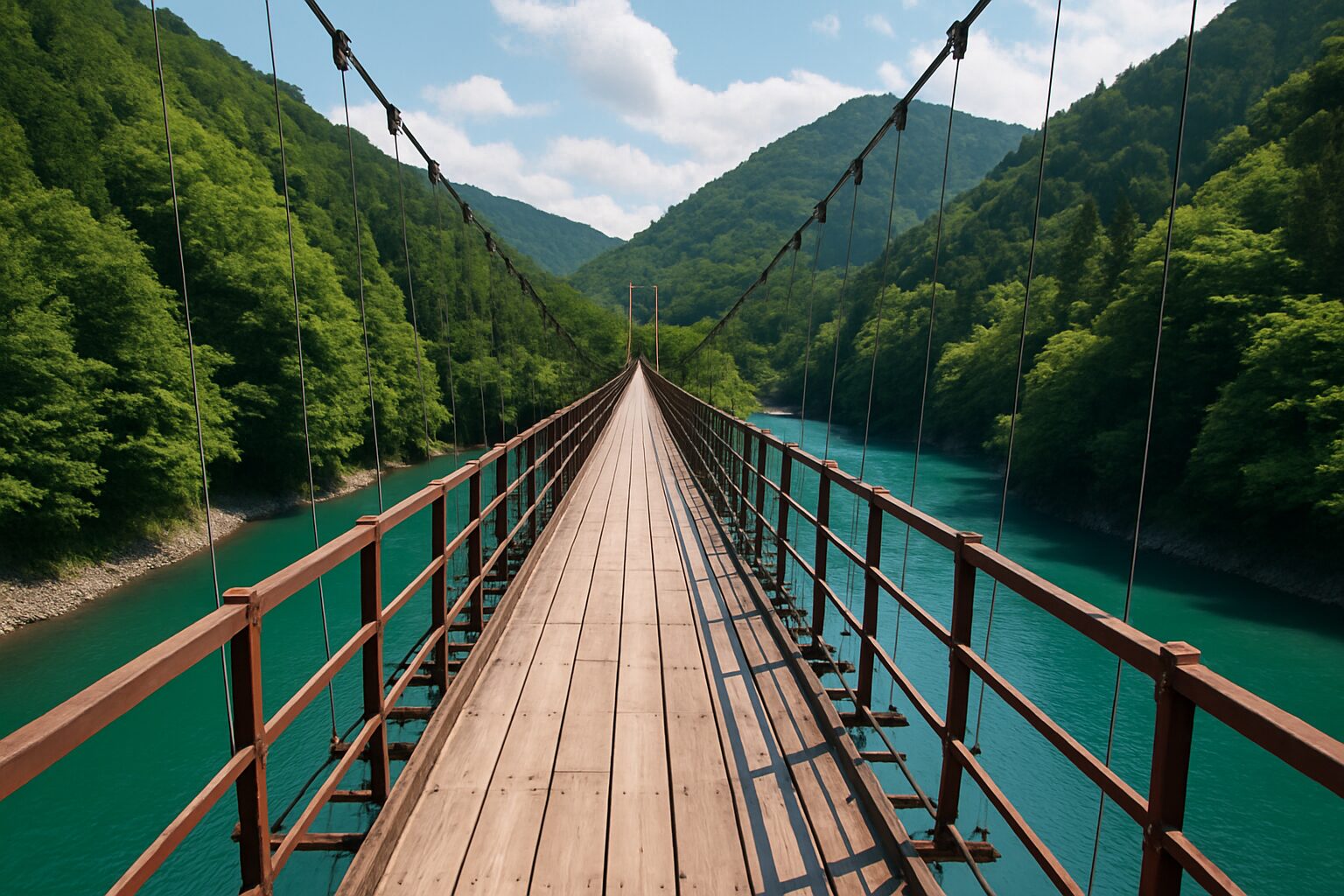
Hey everyone, Sofia here! Okay, so picture this: you’re deep in the heart of Japan, surrounded by mountains that look like they’ve been painted with a thousand shades of green. The air is so fresh it feels like you’re drinking it, and the only sounds are the rustle of leaves and a distant river. Then, you see it. Stretched across a massive valley like a spider’s silk thread is a bridge. Not just any bridge, though. This is the Tanize Suspension Bridge, or as the locals say, Tanize no Tsuribashi, and let me tell you, it is an absolute vibe. This isn’t just a tourist trap; it’s a legit piece of living history hanging 54 meters above the ridiculously beautiful Totsukawa River. It’s one of Japan’s longest steel-wire suspension bridges still used for daily life, and crossing it is a full-on main character moment. It’s a challenge, a photo-op, and a straight-up portal into the wild, untamed soul of Nara Prefecture. Forget the deer in Nara Park for a second; this is where the real adventure is. It’s the kind of place that makes your heart beat a little faster and your Instagram feed look a whole lot cooler. You ready to take the leap with me?
The Vibe Check: What’s It Actually Like to Cross?
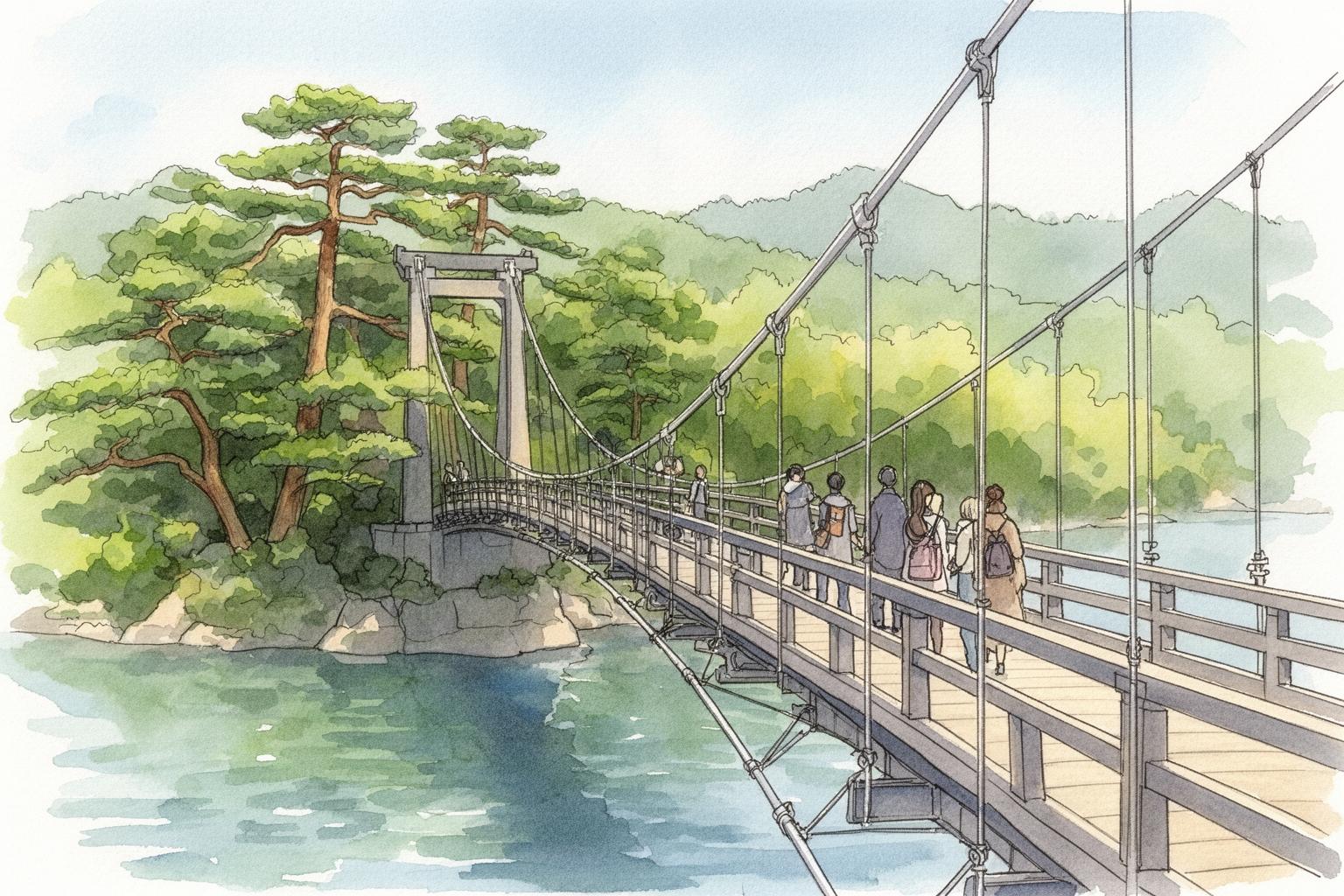
Let’s be honest. Gazing at the Tanize Suspension Bridge from the entrance is one thing, but actually setting foot on it is an entirely different emotional experience. It stretches nearly 300 meters, which might not sound impressive until you realize the planks beneath your feet are only about 80 centimeters wide. There’s a moment of pure hesitation. My mind was yelling, “Are we really sure about this?” while my influencer heart quietly urged, “Think of the content.” The very first step is the oddest. The wooden plank gives a soft creak, like a gentle greeting, and then you feel it—the sway. It’s not a harsh or scary shake, but more like a slow, rhythmic dance with the wind. It feels alive. I remember gripping the wire mesh sides, my knuckles going a bit white. The mesh only reaches about waist height, adding a thrilling touch of terror to the experience. You’re entirely exposed to the elements and the breathtaking space surrounding you.
After taking a few more steps, I began to find the rhythm. It’s like learning to walk again. You have to trust the bridge. You sense the vibrations from other walkers, a gentle tremor traveling up through the soles of your shoes. I saw a local grandma crossing from the opposite side with a bag of groceries, not even holding on, walking at a steady pace that felt truly iconic. She gave me a small nod, as if saying, “You’ll be fine, kid.” That’s when my fear turned to pure, joyful excitement. I released my grip on the wires and embraced the gentle bounce. And the view—OMG, the view. It’s an overwhelming sensory delight in the best possible way. The Totsukawa River below shines in an incredible emerald green, almost looking photoshopped. From 54 meters up, it resembles a shimmering ribbon. The mountains of the Kii Peninsula stretch out endlessly in every direction, a vast sea of green sprinkled with cedar and cypress trees. The enormity makes you feel tiny, wonderfully insignificant.
The sounds are something else, too. When the wind picks up, it whistles through the steel cables, creating a low, humming melody—the bridge’s own theme song. You hear the wood’s creak, faint echoes of voices from either end, and the rush of the river beneath. It’s a soundtrack of pure nature blended with human ingenuity. The best part is the middle. Right at the center, the sway is strongest, and the view is a perfect 360-degree panorama. This is the moment—you stop, take a deep breath, and absorb it all. I did a slow spin, trying to etch the image forever in my memory. Sunlight glimmering on the water, deep shadows stretching through the valleys, the sheer audacity of this man-made marvel amid wild beauty. It feels like floating. A moment of pure, unfiltered presence. The walk back feels different. You’re more assured, experienced. You begin to notice the small details, like how the wooden planks have been weathered by time and elements, or the sturdy bolts holding everything together. Reaching the other side and stepping onto solid ground is a strange sensation. The land feels oddly still after the bridge’s gentle motion. There’s a massive rush of accomplishment, like conquering a small personal Everest. And you immediately want to turn around and do it all over again.
Not Just a Bridge: The Backstory is Low-key Epic
To truly appreciate the Tanize bridge, you need to understand that it wasn’t built for tourists like me to snap cute photos. This bridge was a vital lifeline. Its significance goes far beyond its size; it stands as a testament to the spirit of a community. Before 1954, the villages of Tanize and Uenoji were divided by the deep gorge of the Totsukawa River. Life was incredibly difficult. Picture being a child forced to cross the river on a fragile, rickety log-and-vine bridge just to get to school. Imagine trying to reach a doctor, the market, or simply visit neighbors. Every trip was perilous, especially when the river swelled after a typhoon. The community was isolated, worlds apart from the rapid modernization occurring elsewhere in post-war Japan. They were literally cut off.
So, the villagers took matters into their own hands. This wasn’t a government initiative imposed from above. It was a grassroots effort driven by pure determination. The villagers pooled their own money, an extraordinary sacrifice during those lean post-war years. They raised around 8 million yen, an enormous sum at the time. Each family contributed between 200,000 and 300,000 yen—consider that. It was likely their life savings. They invested everything they had into this dream of connection. Construction began, a massive community effort. They used their own labor and knowledge of the land to build this enormous structure. When it was finally completed in 1954, it was the longest bridge of its kind in Japan. It transformed their lives overnight.
Suddenly, children could get to school safely. People could easily access services and supplies. The bridge brought the community together, strengthening the social fabric of the valley like never before. For decades, this was its sole purpose: a humble, functional piece of infrastructure for everyday life. It’s surreal to think about that history as you walk across it today. The bridge carries a powerful, hidden story embedded in its steel cables and wooden planks. It wasn’t built to be a tourist attraction; it became one because of its authenticity. When you see a local crossing it without a second thought, you’re witnessing the bridge fulfilling its original purpose. It’s a striking contrast: tourists like me, hearts pounding with a mix of fear and excitement, walking alongside residents for whom this bridge is as ordinary as a sidewalk. This perspective changes everything. It’s not just an exhilarating walk; it’s a walk through history. It’s a tribute to the resilience and vision of a small mountain community that refused to remain isolated. And that, to me, is what makes it truly remarkable.
Getting Your Gram Game On: The Ultimate Photo Guide
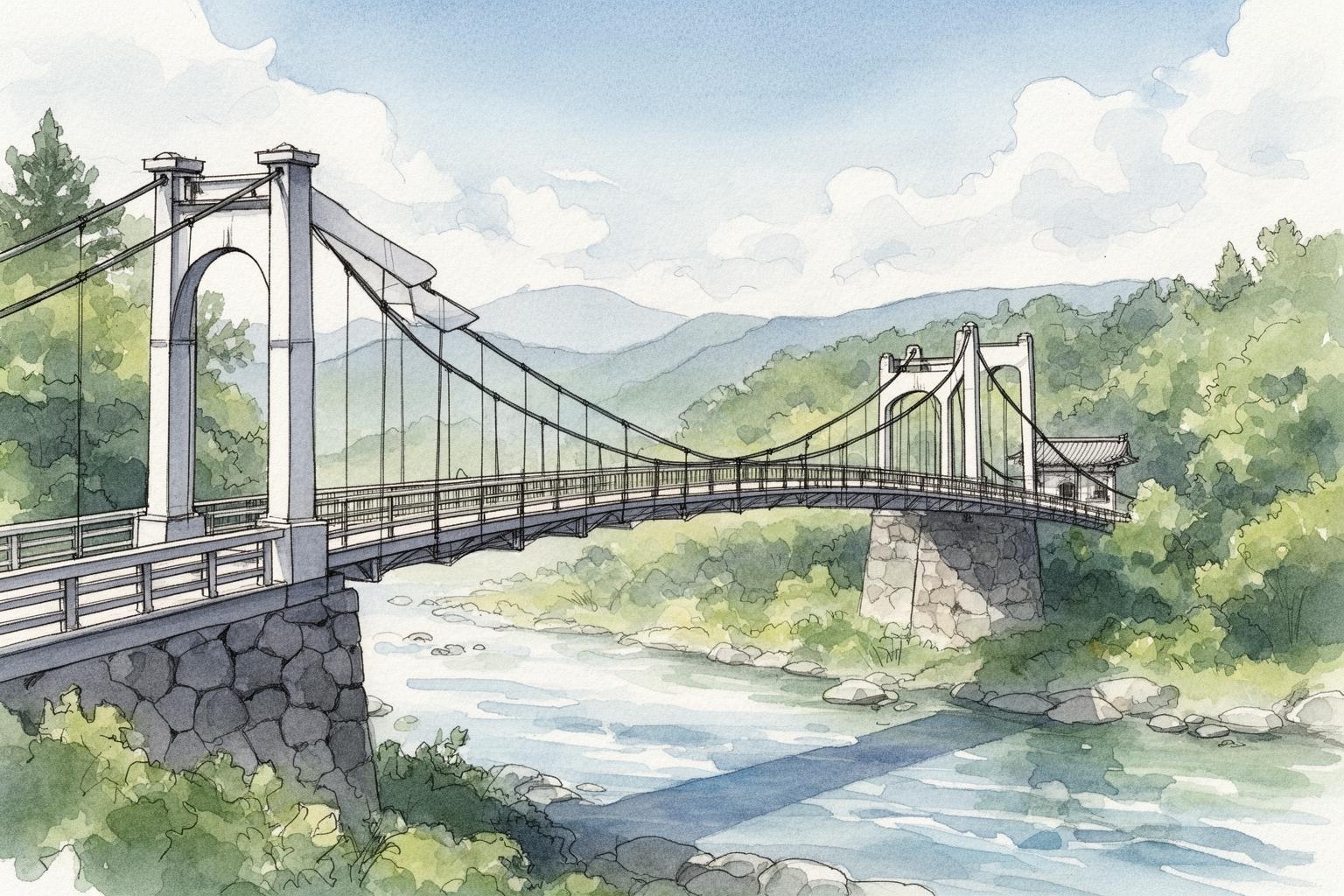
Alright, let’s be honest, a trip to a place this breathtaking isn’t complete without photos to prove it. As your go-to guide for all things visually stunning, I’ve pinpointed the best angles for you. The Tanize Suspension Bridge is a photographic star and deserves a proper photoshoot. So charge your phone, grab your camera, and get ready to capture some magic.
The Classic Perspective Shot
This is your establishing shot—the one that proudly declares, “I’m here!” Stand right at the entrance of the bridge before you take your first step. Get low and angle your camera upwards to capture the full, imposing length of the bridge stretching into the distance, with the wooden planks creating striking leading lines that draw the eye inward. The wire mesh on the sides forms a cool geometric pattern. If you have a friend along, ask them to walk ahead. A shot of a tiny figure far down this massive bridge is powerful and really emphasizes scale. Early morning light is ideal here, casting long, dramatic shadows and bathing everything in a soft, golden glow. Avoid the harsh midday sun, which tends to wash out colors.
The Vertigo-Inducing “Look Down!”
This classic shot is guaranteed to make your followers’ palms sweat. Once you’re a little way onto the bridge, carefully point your camera straight down. Frame it with your feet at the top, standing on the wooden planks. The trick is to capture the gaps between the planks, revealing the emerald river an astonishing 54 meters below. It’s a simple shot that powerfully conveys the height and thrill. Make sure you’re sporting cool shoes—they’re the star here. The contrast between your solid footing and the dizzying drop creates a compelling image.
The Mid-Bridge Hero Shot
This is your main event. Walk to the very center of the bridge, where the views are most panoramic. Here you’ll get that iconic shot of yourself suspended between sky and earth. Have a friend step back to capture you and the sweeping landscape. Turn sideways and gaze out over the valley for an adventurous, contemplative pose. Or, for a more joyful vibe, face the camera with arms wide open, embracing the incredible space. The backdrop is unreal—the winding river below, layers of mountains fading into the distance. This shot shines best on a clear day, though a bit of mist or low clouds can add a super moody, mystical atmosphere.
The View From Below
Don’t just stay on the bridge! After crossing and returning, follow the path down to the riverbank. This perspective is totally underrated. Looking up at the bridge from the water’s edge gives a whole different sense of its height and engineering. It appears like a delicate tightrope strung across the sky. You can capture the entire arc of the bridge, framed by lush green forest. If you’re lucky, someone crossing will appear as a tiny silhouette against the heavens. It’s a powerful, humbling angle that tells a different side of the story.
Seasonal Aesthetics
This place is a chameleon, dramatically transforming with the seasons. Plan your visit and shots accordingly. In spring, the mountains are sprinkled with pale pink cherry blossoms and fresh green leaves, creating a soft, romantic palette. Summer highlights deep, saturated greens and the river’s brilliant emerald—a pure, wild nature vibe. But autumn steals the show. The Kii mountains burst into fiery reds, electric oranges, and golden yellows. A photo of the bridge framed by this fall foliage is absolutely stunning. Even winter holds a stark beauty, with bare branches weaving intricate patterns against the sky and, if you’re lucky, a light dusting of snow that turns the landscape into a monochrome wonderland.
The Journey is the Destination: How to Get to This Hidden Gem
Totsukawa Village isn’t exactly a place you stumble upon by accident. It’s truly remote, nestled deep in the mountains of Nara, and simply getting there is an adventure in itself. But trust me, the journey through the heart of the Kii Peninsula is part of what makes it so magical. You really feel like you’re leaving the modern world behind and stepping into an older, more timeless Japan. There are essentially two ways to get there: by car, which is the most practical option, or by public transport, which is the ultimate challenge for adventurous travelers.
By Car: The Ultimate Road Trip
This is undoubtedly the easiest and most flexible way to reach the Tanize Suspension Bridge. Renting a car in a larger city like Osaka, Kyoto, or Nara City is your best option. From there, it’s about a 2 to 3-hour drive, but you’ll want to allow extra time because you’ll definitely want to stop along the way. The roads leading into Totsukawa, especially Routes 168 and 425, are legendary. Winding, two-lane mountain roads snake through stunning scenery—think tunnels carved through solid rock, roads clinging to cliffs with sheer drops to the river below, and endless views of cedar forests. Put on your favorite driving playlist, roll down the windows, and soak it all in. This isn’t highway cruising; it’s an immersive experience. Be ready for some narrow stretches and comfortable with driving on the left side of the road. Google Maps works well out here, but downloading an offline map is wise since cell service can be unreliable in the deeper valleys. When you reach the bridge, you’ll find a designated parking area. It’s small, so during busy weekends or the autumn foliage season, arriving early to secure a spot is recommended. Having a car also means you can explore more of what Totsukawa offers—from hidden onsen to ancient shrines—at your own pace.
By Public Transport: For the True Adventurer
If you don’t have a car, getting here is more challenging but definitely doable—and it’ll earn you serious travel cred. The journey depends on Japan’s amazing, though sometimes infrequent, rural bus network. Your adventure likely starts with a train ride from a major city like Osaka or Kyoto to Gojo Station in Nara Prefecture. This is where paved roads end and the real adventure begins. From Gojo Station, you’ll catch a Nara Kotsu bus—specifically the Yagi-Shingu line, which is one of the longest local bus routes in Japan. This bus ride is a journey in itself, lasting several hours. It’s not a tourist coach but a local bus serving tiny mountain communities. You’ll travel alongside schoolchildren and elderly locals going about their daily routines. The bus winds deeper into the mountains, following the river and stopping at places you won’t find in any guidebook. Get off at the “Uenoji” bus stop, right by the bridge. The most important advice: check the bus timetable beforehand—and check it again. These buses run only a few times a day. Missing the last bus back would leave you stranded for sure. Plan your day around the bus schedule. It takes more preparation and is less flexible, but experiencing this remote part of Japan from the window of a local bus is incredibly rewarding and authentic.
Level Up Your Trip: What Else is Poppin’ in Totsukawa?
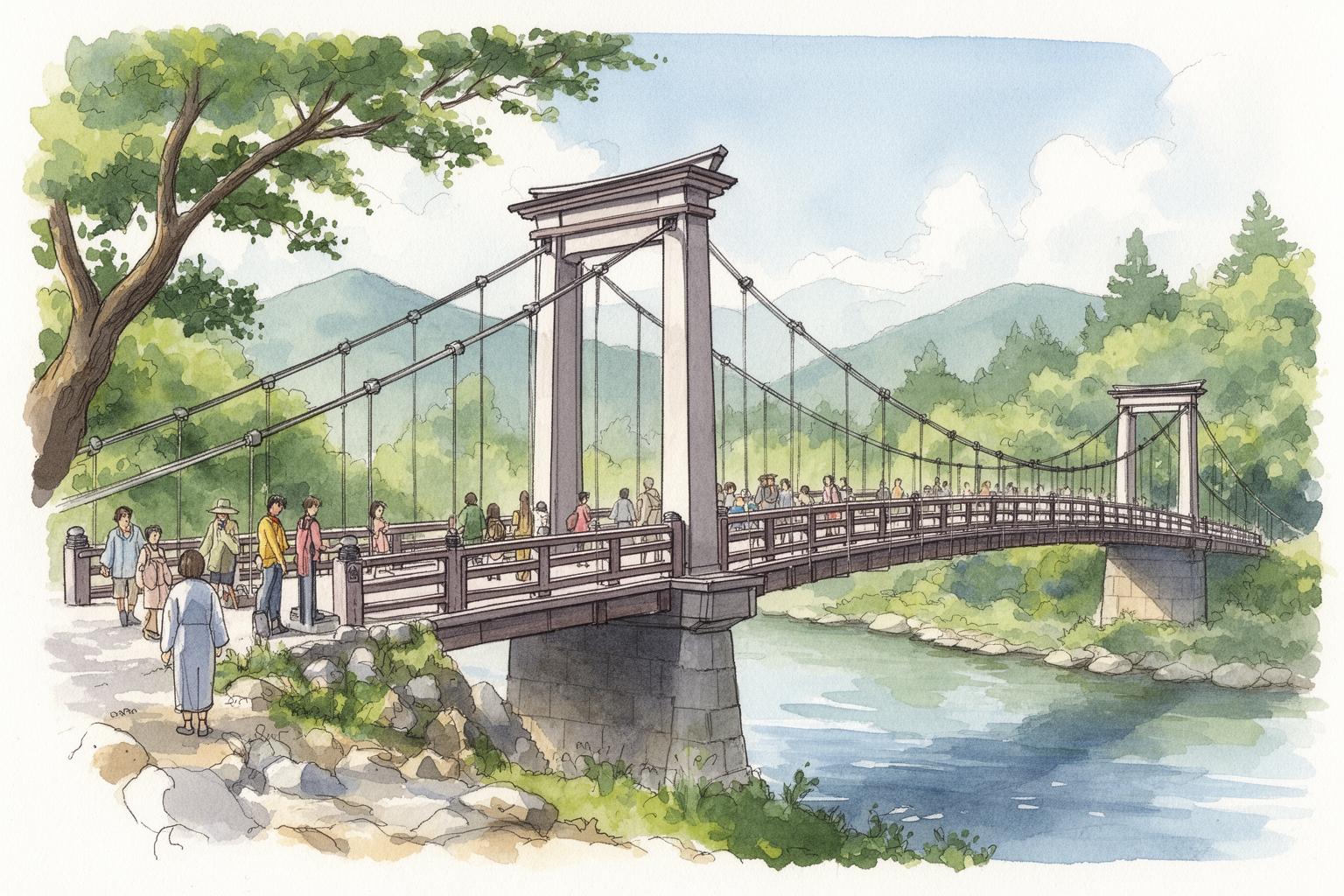
Traveling all the way to Totsukawa just to see the bridge would be like attending a concert and leaving after the opening act. The entire village is a treasure chest of natural beauty, ancient culture, and some of the most unique onsen experiences you’ll find in Japan. You definitely need to dedicate a full day to it, or even better, stay overnight. This area lies at the heart of the sacred Kii Mountains, a UNESCO World Heritage site, where the atmosphere is simply magical.
The Legendary Totsukawa Onsen Trio
You can’t visit Totsukawa without soaking in some hot springs. The village boasts three distinctive and remarkable onsen areas, all drawing water straight from the earth, with no heating or additives necessary. It’s the real thing.
Kawayu Onsen: Create Your Own Hot Tub
This is, without a doubt, one of the coolest experiences I’ve ever had. At Kawayu Onsen, hot spring water literally bubbles up through the bed of the Oto River. You head down to the riverbank, rent a small shovel from a local shop, and start digging into the gravel. Within minutes, hot water begins to seep in, letting you craft your own custom-sized onsen bath right in the middle of the flowing river. You can adjust the temperature by letting in more of the cool river water. In winter, they dam off a section of the river to form a huge public bath called Sennin-buro, meaning “bath for a thousand people.” Sitting in your hand-dug hot spring, surrounded by the sounds of the river and forest, is a truly unforgettable moment.
Yunomine Onsen: A Soak in History
Yunomine Onsen is one of Japan’s oldest hot springs, with a history spanning over 1,800 years. The tiny village is incredibly atmospheric, with steam rising from the river running through its center. The highlight here is Tsuboyu, a tiny, rock-lined cabin built over the hot spring source. It’s the only UNESCO World Heritage hot spring where you can actually bathe. You purchase a ticket at the public bathhouse, and your group gets exclusive use of the bath for a 30-minute private session. The water is very hot and is said to change color seven times a day. Bathing in the same spot where emperors and shoguns once soaked is a surreal and spiritual experience.
Totsukawa Onsen: The Serene Center
This is the village’s main onsen area—a tranquil and relaxing place featuring several public baths and ryokans. The water is famed for its skin-beautifying qualities and is the ideal spot to unwind after a day of hiking and crossing bridges. The public baths are simple, inviting, and provide a genuine local experience.
Walk the Pilgrim’s Way: Kumano Kodo
The ancient Kumano Kodo pilgrimage trails weave across the Kii Peninsula, with a major portion of the Kohechi Route passing right through Totsukawa. This trail links the sacred sites of Koyasan and Kumano Sanzan, and is one of the most demanding and remote parts of the pilgrimage. But you don’t have to be an experienced hiker to enjoy it. You can easily take a short walk along a nearby section of the trail at Hatenashi Pass, renowned for its breathtaking views and a collection of 33 Kannon statues that watch over travelers. Walking on these moss-covered stones beneath a canopy of ancient cedar trees, you can feel the weight of a thousand years of history. You’re literally treading in the footsteps of pilgrims, monks, and emperors. The forest’s silence is profound, creating a deeply spiritual atmosphere.
Explore Tamakijinja Shrine
If you have a car and a spirit for adventure, a visit to Tamakijinja Shrine is a must. Nestled deep in the mountains, reaching this shrine is a journey, but well worth the effort. It is one of the most powerful spiritual sites in the region, believed to have been founded over 2,000 years ago, exuding a timeless aura. Surrounded by a forest of massive, ancient cedar trees—some rumored to be over 3,000 years old—standing there is a humbling and awe-inspiring experience. The main hall is elegant and understated, harmonizing perfectly with the natural surroundings. The air here feels different: charged, pure, and profoundly peaceful. This is a place that commands reverence and leaves a lasting impression.
The Nitty-Gritty: Pro Tips for a Flawless Visit
A bit of planning can make a big difference, especially when you’re heading to a remote location like Totsukawa. Here are some insider tips to ensure your adventure is smooth, safe, and truly unforgettable.
Best Time for Your Adventure
The atmosphere around Tanize Bridge shifts dramatically with the seasons, allowing you to choose the time that best fits your preference.
- Spring (April – May): Enjoy mild, pleasant weather as the mountains awaken with fresh greenery and scattered wild cherry blossoms. It’s stunning, but keep in mind Golden Week (late April to early May) is a major national holiday, so it can get surprisingly crowded.
- Summer (June – August): The landscape is lush and vibrant, accompanied by the constant buzz of cicadas. It’s ideal for river activities, but be prepared for hot, humid conditions. This season also coincides with typhoons, so always check the weather forecast since heavy rain could result in road closures and make crossing the bridge unsafe.
- Autumn (October – November): In my view, this is the best time to visit. The mountains burst into a breathtaking display of red, orange, and yellow leaves. Crisp, cool air makes hiking perfect. The stunning combination of autumn colors and the emerald river is truly breathtaking. Expect more visitors during this peak season, especially on weekends.
- Winter (December – February): The quietest season, when crowds disappear and you might have the bridge to yourself. The scenery has a stark, serene beauty. Temperatures can plunge, and snow on mountain passes is possible, so check road conditions if you’re driving. Some smaller shops and restaurants might reduce their hours.
What to Wear
Comfort is essential since you’re in the mountains, not the city. Sturdy, comfortable walking shoes are a must—the bridge’s planks can be uneven, and good grip is important. Even in summer, a light jacket or sweater is advisable because mountain weather can change quickly, and shaded valleys tend to be cooler than expected. Dress in layers that can be easily added or removed.
Know the Rules of the Bridge
Tanize Suspension Bridge remains a vital route for locals, so please be respectful. During busy periods, the bridge limits about 20 people at a time to control sway and ensure safety. Staff may be present at the entrance managing the flow. The key rule is to be considerate of others: no running or jumping (seriously, don’t be that person). If someone behind you is moving faster, find a wider spot to let them pass. Give ample space to locals carrying groceries or pushing bikes. Remember, you’re a guest in their community.
Conquering a Fear of Heights
If you feel uneasy about heights, you’re not alone—this bridge can push your boundaries. My tip: don’t look down initially. Focus on the opposite end of the bridge and take slow, steady steps while holding the handrails. Breathe deeply. The sway is gentle, not harsh. This bridge has stood strong for over 60 years and is carefully maintained—it’s sturdier than it feels. Challenge yourself to walk just a few meters out. Often, initial fear fades and turns into excitement. And if you decide it’s not for you, that’s perfectly fine—the view from the entrance is still amazing.
So, Should You Take the Leap?
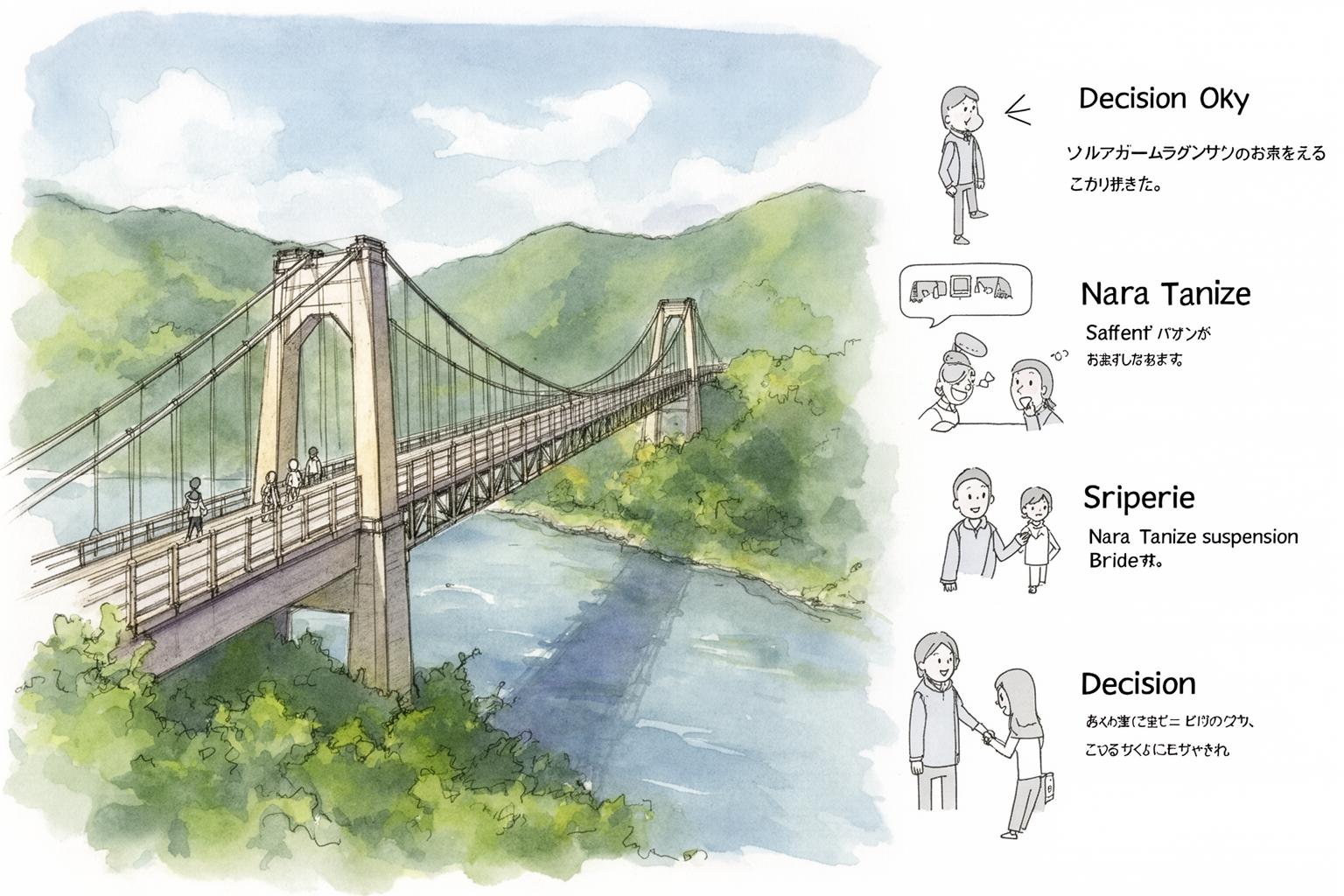
Absolutely. A thousand times yes. Visiting the Tanize Suspension Bridge and the village of Totsukawa is far more than just a day trip. It’s an escape—a journey back in time and deep into the heart of Japan’s wild, spiritual landscape. It’s about feeling the thrill of stepping out into open air, suspended between mountains, with only a few wooden planks between you and a breathtaking drop. But it’s also about understanding the story behind the bridge—the story of a community that forged its own connection to the outside world. It’s about soaking in a riverside onsen you dug with your own hands and walking along a path that pilgrims have traveled for centuries. It’s the kind of travel that stays with you, the kind that shifts your perspective just a little. It’s not the easiest place to reach, but its remoteness is exactly what makes it so special. It’s an authentic piece of Japan, untouched by over-commercialization. It’s raw, it’s real, and it’s stunningly beautiful. So pack your bag, be brave, and take that first wobbly step. The view from the middle is waiting for you.
