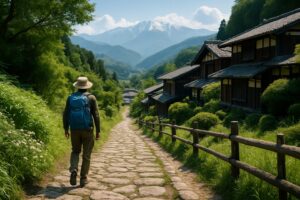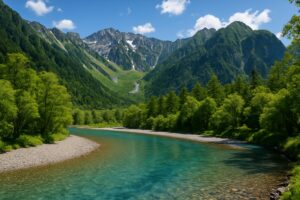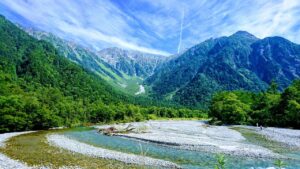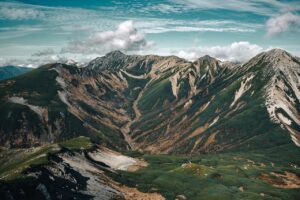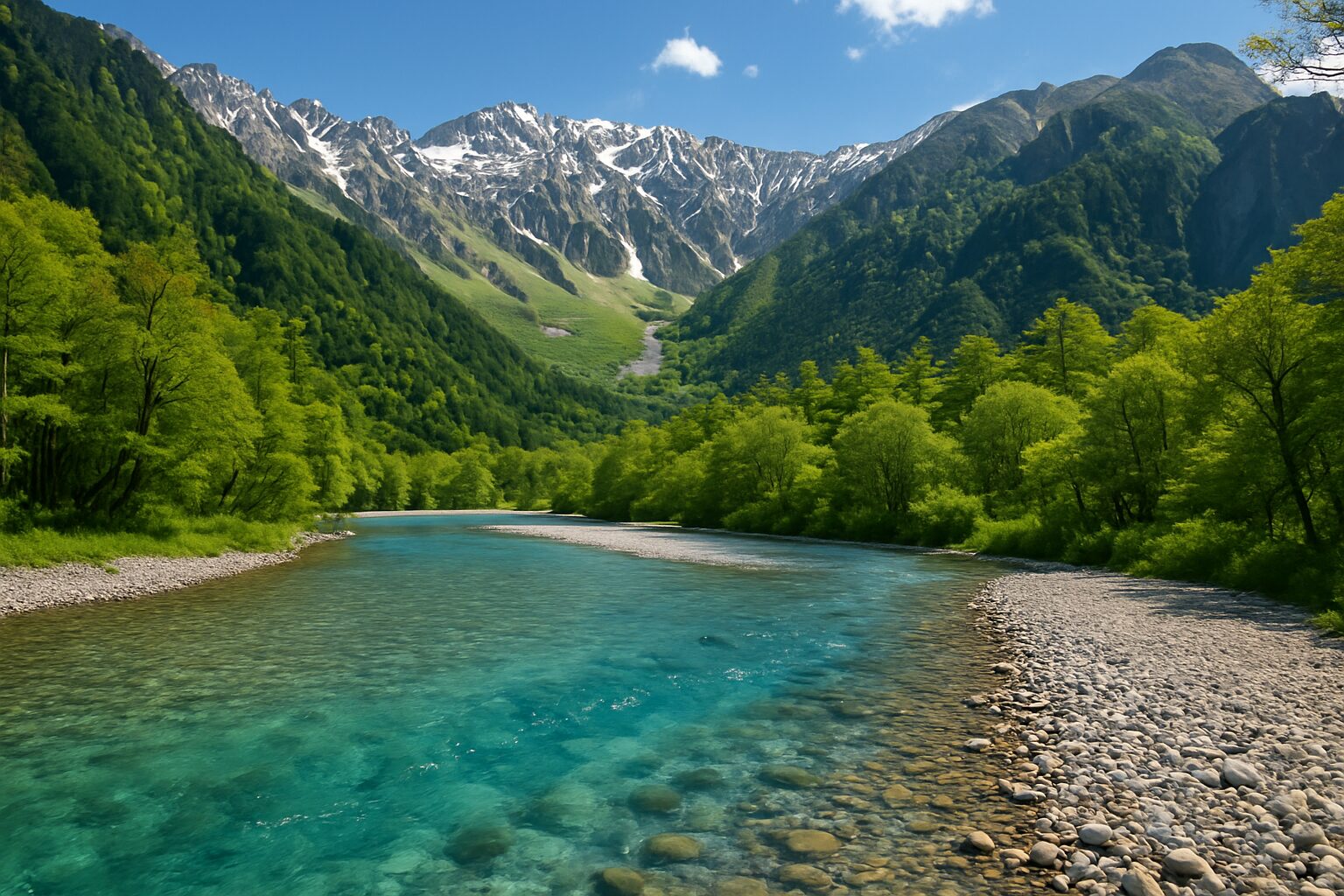
There are places on this planet that feel less like a destination and more like a secret whispered between mountains. Kamikochi is one of them. Tucked away deep within the Northern Japan Alps, within the embrace of the Chubu Sangaku National Park, this is where the world goes quiet, and the only sounds are the rush of impossibly turquoise water and the rustle of leaves in the alpine air. This isn’t just a hiking spot; it’s a pilgrimage to the heart of Japan’s natural grandeur. The centerpiece of this whole masterpiece is the Azusa River, a crystalline artery flowing from the snow-capped peaks, its journey carving a path through a valley so pristine it’s often called ‘the place where gods descend.’ As a photographer, I’ve chased light across continents, but the light in Kamikochi, reflecting off the Azusa and painting the granite faces of the Hotaka mountains, is something else entirely. It’s pure, unfiltered, and deeply spiritual. It’s a place that recharges the soul, frame by frame, step by step. Forget what you think you know about Japan’s bustling cities; this is the other side of the coin, a world of raw, protected beauty that demands to be experienced slowly, with intention and a sense of absolute wonder. This is your invitation to walk the sacred ground along the Azusa River, where every view is a masterpiece and every step feels like coming home to a wilderness you never knew you were missing.
To truly understand the scale and beauty of this pristine alpine valley, I recommend reading our detailed guide to hiking in Kamikochi.
The Gateway to the Gods: Kappa Bridge and the Heartbeat of the Valley
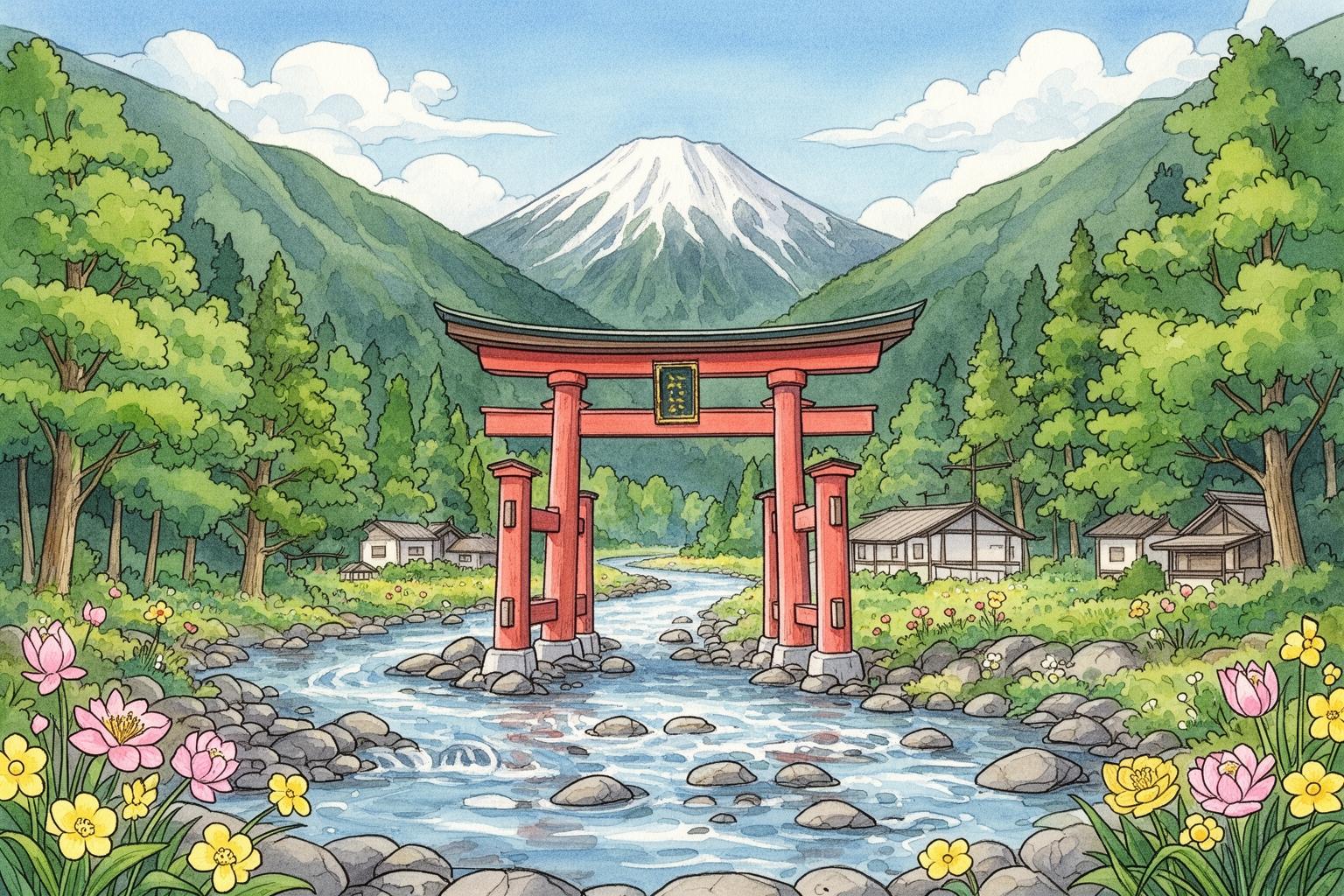
Your first genuine encounter with the soul of Kamikochi will likely occur at Kappa Bridge. After stepping off the bus and inhaling the initial burst of crisp, pine-scented air, you’ll find yourself naturally drawn to this simple yet elegant suspension bridge. It is more than just a crossing; it serves as the central stage of the entire valley. Standing on its wooden planks, you are immediately humbled. In one direction, the Azusa River flows toward you, a shimmering ribbon of jade and sapphire with a bed of polished white stones forming a mosaic. In the other direction, it winds away toward the smoldering, active volcano of Mt. Yakedake. However, the main attraction, the view that stops everyone in their tracks, is the commanding presence of the Hotaka Mountain Range. Mt. Okuhotakadake, Japan’s third-highest peak, pierces the sky, its jagged granite ridges often veiled in wisps of cloud or capped with lingering snow. The scale is immense, breathtaking, and utterly consuming.
The bridge itself hums with a gentle, joyful energy. Fellow travelers—from serious mountaineers bearing towering backpacks to families on a day trip—all pause here, cameras clicking, faces uplifted in awe. The atmosphere is one of shared reverence. It feels less like a tourist spot and more like a communal viewing platform for one of nature’s grandest spectacles. The name, Kappa Bridge, alludes to Japan’s rich folklore. Kappa are mythical water sprites, mischievous amphibious creatures said to inhabit Japan’s rivers and streams. While you’re unlikely to spot one, the name adds a touch of enchantment to the place, a reminder that this valley is steeped in stories and legends as deep as the river itself.
This central area around the bridge is the valley’s hub. Here you’ll find a handful of hotels, including the historic Kamikochi Imperial Hotel, restaurants serving hearty bowls of ramen or local soba noodles, and shops selling everything from bear bells to delicious soft-serve ice cream. The aromas of fresh coffee and grilled river fish often mingle with the natural scent of the forest. This is your basecamp, your launching point for adventures both grand and modest. Before setting off on a long-distance trail, take time to explore the immediate surroundings. A short, gentle path leads from the bridge to the Weston Relief, a plaque honoring Reverend Walter Weston, the English missionary who popularized recreational mountaineering in Japan and introduced the term “Japan Alps” to the world. It’s a quiet spot that pays tribute to the man who helped share this incredible landscape with the rest of the globe. The Kamikochi Visitor Center is also nearby, offering invaluable information about the trails, recent wildlife sightings, and the unique geology and ecology of the park. It’s a must-visit to immerse yourself in the natural history of the land you are about to explore.
The Path of Stillness: The Sacred Hike to Myojin Pond
To truly grasp the essence of Kamikochi, you need to explore it on foot. Hiking from Kappa Bridge to Myojin Pond is perhaps the most vital pilgrimage within the valley. It’s a fairly flat, three-hour round trip, yet it feels like stepping into another realm. You have two options: the trail along the left bank of the Azusa River or the one on the right. My recommendation? Take one route uphill and return via the other to fully experience the valley’s diverse character.
The right bank trail often feels more open, following the broad, gravelly floodplain of the river. The mountain views are wide-ranging and constantly in sight. You’ll pass through sunlit larch forests, the ground cushioned with fallen needles. This well-kept path provides a gentle introduction to the alpine environment. You might catch the chatter of birds or the rustling of movement in the underbrush—often a troop of Japanese macaques. Observing these snow monkeys, with their striking red faces and thick fur, as they forage or groom each other in their natural surroundings is unforgettable. Be sure to maintain a respectful distance; they are wild creatures, and a fundamental principle in Kamikochi is peaceful coexistence with its native wildlife.
In contrast, the left bank trail feels more intimate and ancient. It immerses you deeper into the forest, surrounded by towering firs, birches, and moss-covered stones. The air here is cooler, damper, and rich with the scent of earth and decaying leaves. The narrower path includes wooden boardwalks that carry you over delicate marshes and bubbling side streams. The river remains your constant companion, its gentle murmur on your right, but the views are more fragmented, visible only in fleeting glimpses through the trees. This path invites closer observation—notice the tiny wildflowers emerging through the moss, the intricate bark patterns on ancient trees, and the way light filters through the dense canopy above.
No matter which trail you pick, your destination is Myojin Pond, a place nothing short of magical. You’ll first reach Myojin Bridge, a suspension bridge that sways softly as you cross. Nearby, a small group of mountain huts and a restaurant provide a welcome rest stop. Yet the true treasure lies just beyond, within the grounds of Hotaka Shrine Okumiya. A modest entrance fee grants access to a spot that feels profoundly sacred. Myojin Pond comprises two connected ponds, Ichi-no-ike and Ni-no-ike (first and second pond). The water is so incredibly clear and calm that it forms a perfect mirror reflecting the surrounding forest and the towering peak of Mt. Myojindake. Wooden boats are moored along the shore, lending the scene a timeless, poetic atmosphere. This is the inner sanctum of the valley gods. The silence is deep, broken only by birdsong or the gentle splash of a fish. It’s a place for quiet reflection. Sitting on the wooden viewing platforms, you simply breathe. The air feels different here, charged with a tangible sense of peace and reverence. The shrine hosts an annual October festival where boats are floated on the pond in a ceremony to thank the mountain gods for their protection—a tradition that highlights the profound spiritual bond the Japanese people share with this landscape.
A Landscape Reborn: The Haunting Beauty of Taisho Pond
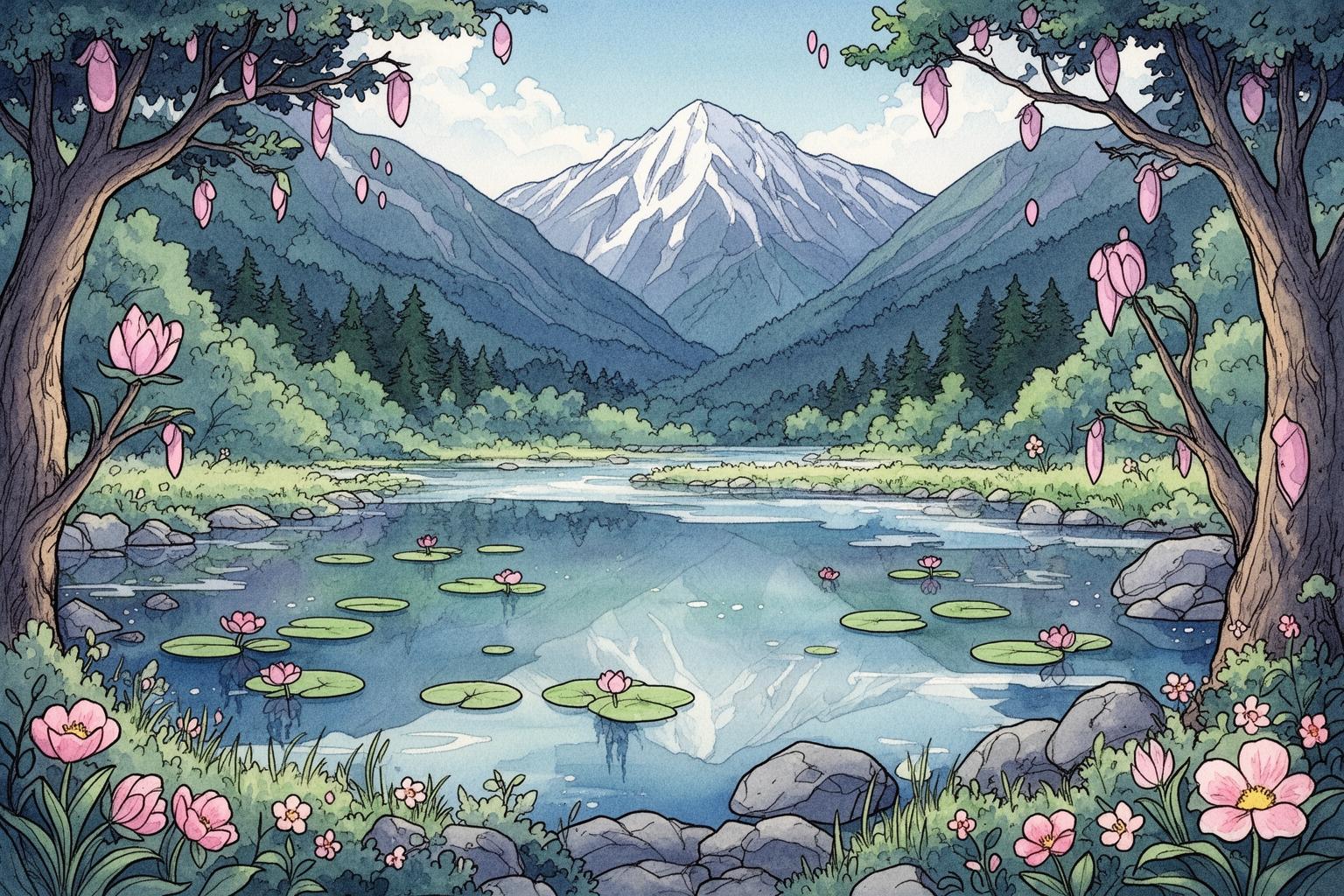
If the walk to Myojin Pond feels like stepping into a timeless sanctuary, then the path downstream from the bus terminal to Taisho Pond offers a vivid lesson in nature’s dramatic and creative power. It’s best enjoyed early in the morning, before the influx of day-trippers, when mist clings to the water’s surface and the world is calm and expectant. Taisho Pond didn’t exist just over a century ago. In 1915, a massive eruption of the nearby Mt. Yakedake unleashed a torrent of mud and rock down the mountain, damming the Azusa River and creating a new lake, submerging the forest that once stood there.
Today, the withered, skeletal remains of those trees still rise from the water, their ghostly white trunks stretching skyward. The scene is surreal, haunting, and breathtakingly beautiful—a photographer’s dream. In the tranquil morning, the Hotaka mountains are perfectly mirrored on the pond’s glassy surface, forming a stunning symmetrical image with the stark, dead trees in the foreground. As the sun climbs, it illuminates the steam rising from Mt. Yakedake, a gentle reminder of the volcanic forces resting just beneath the surface. This landscape speaks of destruction and rebirth, poignantly reflecting nature’s ever-changing state.
The trail to Taisho Pond from the bus terminal winds through Tashiro Marsh, an ecological marvel. Wooden boardwalks protect this delicate wetland, allowing you to stroll among alpine flowers and grasses. Early summer brings cotton grass with its white fluff, while autumn transforms the marsh into a sea of gold and red hues. The marsh is fed by crystal-clear water bubbling from underground springs. Nearby Tashiro Pond is a smaller, more intimate lake, famous for its remarkable clarity and the way its islands appear to float, especially bathed in late afternoon’s golden light.
Walking this segment of the Azusa River Trail reveals a different side of the river—it feels broader and more placid here. The forests blend coniferous trees with vibrant broadleaf greenery. You’ll cross the graceful, arching Tashiro Bridge, an excellent viewpoint to capture the grandeur of the Hotaka mountains. For first-time visitors, a wonderful way to explore this area is to get off the bus at the Taisho Pond stop—one stop before the main terminal—and walk the hour-long trail into the central Kappa Bridge area. This route provides a perfect introduction to Kamikochi’s grand symphony, gently unfolding the key themes of water, forest, and mountain.
Beyond the Valley Floor: Trails to the Alpine Realm
While the gentle, flat trails along the Azusa River provide an unforgettable experience for all, Kamikochi also stands as the unquestioned gateway to some of Japan’s most demanding and rewarding alpine adventures. The valley floor is only the starting point. For those equipped with the right experience, gear, and ambition, the trails leading out of the valley beckon toward the high peaks.
The path continues beyond Myojin, following the river further into the mountains. The next stop on this northward trek is Tokusawa, about an hour’s walk from Myojin. Although the trail remains fairly flat, the sense of isolation increases with every step. Tokusawa is a breathtakingly beautiful open meadow—a former pasture now serving as a favored campsite and base for mountaineers. Its vast fields of green grass set against the dramatic backdrop of towering rock faces evoke the feeling of a slice of the European Alps transplanted into Japan. Two lodges here provide accommodation and meals, making it an ideal spot to spend a night and soak in the deep tranquility of the park once the day hikers have left.
Continuing for another hour brings you to Yokoo, the true endpoint for casual hikers. This is where the valley divides, and the serious climbing begins. The iconic red Yokoo Ohashi bridge marks this junction. To the left, a challenging trail ascends to the Karasawa Cirque and the Hotaka mountain range. To the right, the path climbs toward Mt. Yarigatake, the ‘Spear Peak,’ one of Japan’s most famous and recognizable mountains. From Yokoo onward, the trails grow steep and rocky, requiring proper mountain gear and experience. Here, you’ll see seasoned Japanese hikers, equipped with helmets, harnesses, and vibrant determination, setting out on their multi-day expeditions.
Even if you don’t plan to tackle these high-altitude routes, walking to Tokusawa or Yokoo remains a deeply fulfilling experience. It allows you to witness the shift from lush valley forest to the sub-alpine zone and to feel the tangible energy of the high mountains. The Karasawa Cirque, in particular, is legendary among Japanese hikers, especially in autumn. In early October, the entire bowl-shaped valley bursts into a blaze of color, with the reds and oranges of nanakamado bushes carpeting the area beneath the gray granite peaks. The sight of hundreds of colorful tents pitched at the Karasawa Hutte during this busy season is an iconic image of Japanese mountaineering culture, reflecting a profound, shared passion for the mountains that is both inspiring and contagious. Observing this world, even from the relative comfort of the Yokoo trail, deepens one’s appreciation for Kamikochi’s role as a center for both gentle nature lovers and dedicated alpinists.
The Sacred Rules: Access, Seasons, and Respect
One reason Kamikochi remains so pristine is the strict regulation of access. Private cars have been prohibited from entering the valley for decades—a forward-thinking environmental policy that has preserved its character and tranquility. This rule is non-negotiable and represents the most crucial practical information to know before visiting. Access is allowed only via designated buses or taxis.
If you’re arriving from the Nagano side (for example, from Matsumoto), you’ll need to park at the Sawando Parking Area and transfer to a shuttle bus for the 30-minute ride into the park. From the Gifu side (such as from Takayama), the same process applies at the Akandana Parking Area. The journey itself adds to the adventure, especially the final stretch through a series of narrow tunnels, including the Kama Tunnel. Emerging from the darkness into the bright, spectacular beauty of the valley feels like a true arrival—a passage into another world. The park is completely closed to all traffic during winter, from mid-November to mid-April, due to heavy snowfall. The official opening ceremony in late April is a significant event, celebrating the valley’s awakening from its long winter rest.
Choosing when to visit is important, as each season offers a distinctly different Kamikochi experience. Spring (late April to June) marks a time of renewal. Snow patches still cling to the valley floor and high peaks, while the trees burst into vibrant, almost electric green. The air is crisp, and the river, swollen by snowmelt, flows fast and high. Summer (July and August) brings lushness and life. The valley turns a deep verdant green, wildflowers bloom abundantly, and the days are long and warm. This is also the peak season, so expect more visitors on the trails. Be ready for afternoon rain showers, which are common in the Japanese mountains during this time.
Autumn (late September to October) follows and is considered by many, myself included, to be Kamikochi’s crowning glory. This is when the valley displays its most spectacular colors. Maple and rowan leaves turn brilliant reds and oranges, but the true highlight is the Japanese Larch. Unlike other conifers, the larch is deciduous, and its needles turn a stunning, incandescent gold before falling. Entire mountainsides ablaze in gold against a crisp blue sky and steely gray mountains create a visual feast that’s unforgettable. The air is clear and cool, ideal for hiking, and the warm, golden light makes everything glow. Lastly, late autumn (early to mid-November) is a period of quiet beauty. The crowds lessen, colors fade, and a sense of peaceful austerity settles over the valley. The first dustings of snow appear on the peaks, signaling the approach of winter. The air is sharply cold, but the stark, serene landscape is deeply moving.
Respect is the currency of Kamikochi. As a national park and protected sanctuary, this means staying on designated trails, carrying out every piece of trash, and never feeding the wildlife. The monkeys and other animals are wild, and feeding them encourages dependence and aggression. Signs everywhere remind visitors of these rules. Following them is not only about being a responsible tourist but also about contributing to the collective effort to preserve this natural treasure for future generations. Even for the easiest walks, proper footwear is essential. The gravel paths can be uneven, and weather can change suddenly. Dressing in layers is always advisable in the mountains. A bear bell—a small bell that jingles as you walk—is a common accessory for hikers in Japan. While bear encounters in the main valley are rare, the bell helps alert any nearby wildlife to your presence.
The Lingering Light
Leaving Kamikochi is always the most difficult moment. As your bus descends through the Kama Tunnel, plunging you into darkness, it feels as if you’re departing from a dream. The valley’s beauty engrains itself in your memory, not merely as a collection of images, but as an emotion. It’s the sensation of cold, pure water on your hands as you cup some from a mountain stream. It’s the sound of the wind murmuring through the golden larch needles. It’s the deep silence of Myojin Pond at dawn. Kamikochi imparts a different pace, a slower, more intentional way of seeing and being. It reminds you that there are still places in the world fiercely protected, where nature, in its grandest and most delicate forms, remains in control.
As a photographer, I came here to capture the light, but I left with something far more precious. I departed with a sense of connection, a deeper insight into the Japanese concept of ‘shinrin-yoku’ or ‘forest bathing.’ This is not just about hiking; it is about immersing yourself in the forest’s atmosphere, allowing its restorative power to envelop you. The trails along the Azusa River are more than simple routes from one point to another; they offer an invitation to connect with the land, with the gods believed to dwell on the peaks, and with the quietest parts of your own soul. Whether you spend a few hours or several days, a walk along this sacred river will transform you. It will leave you with a lasting light, a memory of turquoise waters and granite peaks to carry with you long after returning to the noise of everyday life.