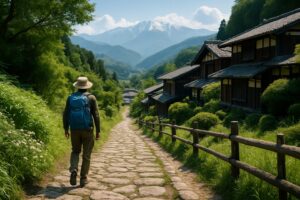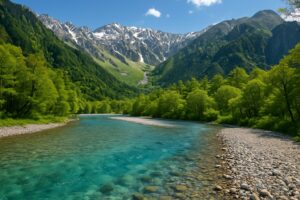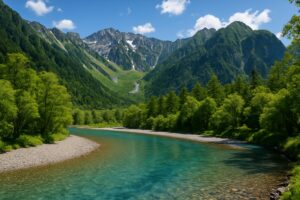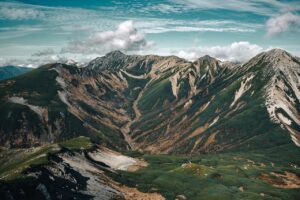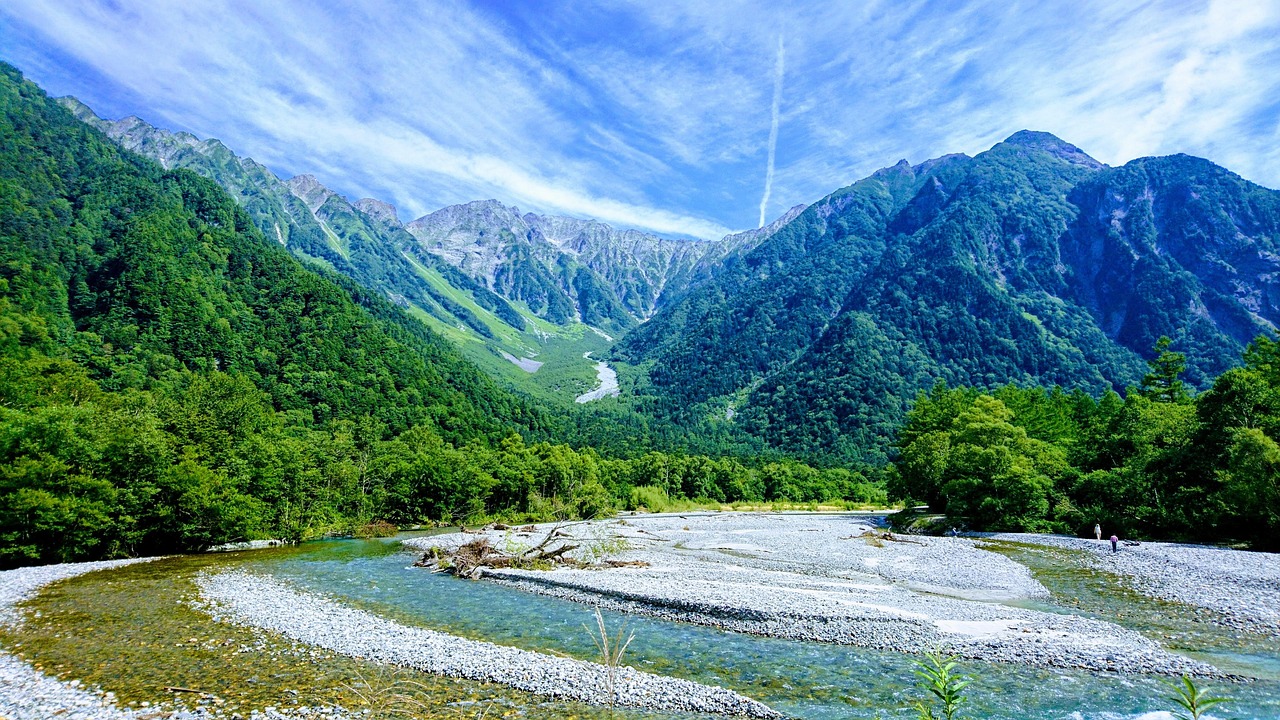
Yo, let’s get real for a sec. You’ve seen the pics on the ‘gram—insanely sharp mountains, rivers the color of Gatorade, and forests that look like they were ripped straight out of a Studio Ghibli movie. You’re probably thinking, “Nah, that’s gotta be filtered to another dimension.” Well, buckle up, buttercup, because I’m here to tell you that place is 100% real, and it’s called Kamikochi. Dropped into the heart of the Northern Japan Alps, this isn’t just a park; it’s a whole entire mood. Kamikochi, which translates to “Where the Gods Descended,” lives up to its name with a vibe so pure and powerful it feels like you’ve stepped onto a higher plane of existence. This is the big leagues of Japanese nature, a protected sanctuary where the air is crisper, the water is clearer, and the views hit different. It’s a place that commands respect, demanding you slow down, breathe deep, and just soak in the sheer, overwhelming majesty of it all. Whether you’re a seasoned trekker looking to conquer peaks or a casual stroller who just wants an epic backdrop for your next profile pic, Kamikochi is the ultimate glow-up for your travel itinerary. This isn’t just a walk in the park; it’s a full-blown spiritual reset button, a pilgrimage to the heart of Japan’s wild soul. So, if you’re ready for scenery that will straight-up change your life, let’s dive into the trails that make Kamikochi the undisputed G.O.A.T. of mountain vistas.
To fully appreciate this alpine paradise, you should also explore the breathtaking beauty of the Northern Japan Alps in summer.
The Vibe Check: What’s Kamikochi Even Like?
Before we even discuss the trails, you need to grasp the energy of this place. The moment you step off the bus—and yes, you must take a bus or taxi since private cars are prohibited to keep it pristine—the world shifts. The air thins and carries a wild, fresh scent of pine needles, damp earth, and melting snow. It’s so quiet you can actually hear the silence between the chirping birds and the distant, constant rush of the Azusa River. This isn’t your typical national park with noisy kids and overflowing trash bins. Kamikochi is immaculate. It runs on a principle of deep respect for nature, a value deeply rooted in Japanese culture. You’ll see signs asking you to carry out all your trash, stick to the paths, and avoid feeding the wildlife, especially the Japanese macaques, or “snow monkeys,” who live here. The entire valley is designated as a “Special Place of Scenic Beauty” and “Special Natural Monument,” official government titles meaning “this place is outrageously beautiful, don’t ruin it.” The atmosphere is serene yet profoundly humbling. You stand on the valley floor, about 1,500 meters (around 5,000 feet) above sea level, craning your neck to see the jagged, 3,000-meter peaks of the Hotaka Mountain Range scraping the sky. It makes you feel small in the best way, like you’re a tiny part of something vast and ancient. It’s a complete sensory experience that photos can barely convey. You have to feel that cold breeze on your face and hear the gravel crunch beneath your boots to truly understand it.
Getting Your Footing: The Kappa Bridge to Myojin Pond Loop
Alright, let’s begin with the undisputed classic: the trail that offers the most reward for the least effort. This is an ideal introduction to Kamikochi, featuring a mostly flat, incredibly scenic loop that feels more like a spiritual stroll than a strenuous hike. The round trip takes about three hours, but trust me, you’ll want to allow plenty more time for photos, snacks, and simply soaking in the awe-inspiring views.
Kappa Bridge: The Heart of Kamikochi
Almost everyone’s visit to Kamikochi starts and ends here. Kappa Bridge serves as the central hub, the vibrant core of the valley. It’s a simple wooden suspension bridge, but the view from it is absolutely iconic. You’re looking straight down the Azusa River as it flows from a stunning amphitheater of peaks, including the formidable Mt. Oku-Hotakadake, Japan’s third-highest mountain. This is the quintessential photo spot. The water below shines in a surreal aquamarine hue, so clear you’d think you could reach in and pick up one of the polished stones resting on the riverbed. The area around the bridge is the most developed section of Kamikochi, featuring a handful of hotels, restaurants, and a visitor center. It has a lively yet relaxed atmosphere. The bridge’s name comes from the Kappa, a mythical water spirit from Japanese folklore. Legend says these mischievous yet sometimes dangerous creatures inhabit Japan’s rivers, and gazing at the mystical beauty of the Azusa, it’s easy to believe. Before you begin your hike, do yourself a favor and grab a slice of the local apple pie from one of the nearby cafes. The apples from Nagano are renowned, and enjoying a warm slice while admiring the Hotaka range will become a treasured memory.
The Riverside Stroll: Left Bank Trail Along the Azusa River
Starting at Kappa Bridge, you’ll follow the trail along the left bank of the river, heading upstream towards Myojin Pond. This path provides a gentle introduction to the wilderness. It’s a well-maintained gravel trail winding through a breathtaking forest of larch, birch, and elm trees. Sunlight filters through the canopy, casting dappled, almost magical light on the forest floor. To your right, the Azusa River flows alongside you, its murmuring offering a natural soundtrack for your walk. The water’s color is stunning, shifting with the light from pale turquoise to a deep, vibrant cobalt. This striking hue results from fine rock particles suspended in the snowmelt from the high peaks. The path is mostly flat, making it accessible for all fitness levels. Keep an eye out—you’re almost certain to spot a troop of Japanese macaques. You might see them foraging on the ground, lounging in the trees, or grooming one another by the river. They are unbothered by human presence, but remember the golden rule: keep your distance and never feed them. This is their home; we are merely visitors.
Finding Calm: Myojin Pond and Hotaka Shrine
After about an hour, the forest opens up slightly as you arrive in the Myojin area. The atmosphere here is distinctly different from the bustling Kappa Bridge — quieter, more reflective, and deeply spiritual. The highlight is Hotaka Shrine Okumiya, located beside the sacred Myojin Pond. A small entrance fee grants access, and it’s well worth it. Passing through the gate feels like stepping into another realm. Myojin Pond consists of two connected ponds. The first, Ichi-no-ike, is a perfect mirror, reflecting the towering outline of Mt. Myojindake with breathtaking clarity. Often, a small red-lacquered boat is moored at the shore, adding a vivid splash of color to the tranquil scene. It’s so still and silent you feel compelled to whisper. The second pond, Ni-no-ike, is more open, with small islands of rocks and trees that make it resemble a natural Japanese garden. This place is deeply rooted in Shinto tradition. The shrine is dedicated to Hotakami-no-Mikoto, a deity originally associated with the sea, who is believed to have journeyed to the Japanese Alps to protect the mountains. Every October 8th, the shrine hosts the annual Ofune Matsuri (Boat Festival), in which two boats adorned with mythical figures are floated on the pond to give thanks for mountain safety. It’s a powerful reminder that this breathtaking landscape is also a sacred one.
Completing the Loop: The Right Bank Trail
To finish the loop back to Kappa Bridge, you’ll cross Myojin Bridge and take the trail along the opposite (right) bank of the river. This path offers a different perspective and a slightly wilder atmosphere. It winds through wetlands and marshy areas, revealing another facet of Kamikochi’s diverse ecosystem. The highlight of this return leg is Dakesawa Marsh, famous for its hauntingly beautiful scenery. Submerged, dead trees stand like sculptures in the clear spring-fed waters, creating a striking yet serene landscape. Wooden boardwalks cross the marsh, offering spectacular, wide-open views of the Hotaka range and the impressive ridgeline of Mt. Roppyaku-san. On calm days, the reflections in the marsh’s still water are simply sublime. It’s a fantastic spot for photos and a place to appreciate the delicate balance of this high-altitude wetland. From Dakesawa, it’s a straightforward and beautiful final stretch back to the familiar sight of Kappa Bridge, where you can reward yourself with a well-earned ice cream.
Leveling Up: The Taisho Pond to Kappa Bridge Hike
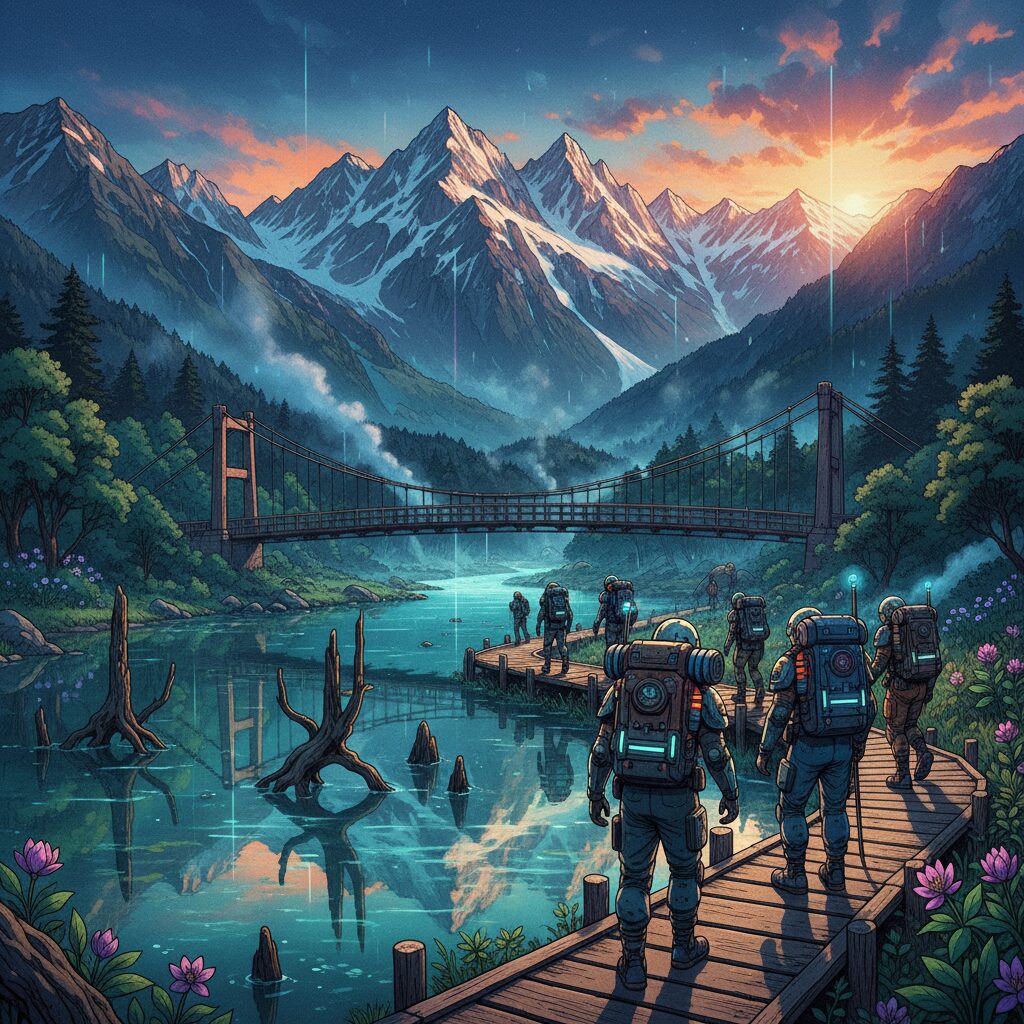
If the Myojin loop serves as the appetizer, this route is the main course for day-trippers. Instead of starting at the main bus terminal, you disembark one stop earlier at Taisho Pond. This one-way hike takes you through some of the most varied scenery Kamikochi has to offer, concluding at Kappa Bridge. It’s an excellent way to experience the full story of the valley, from its dramatic volcanic beginnings to its lively center.
Starting at the Scene of the Crime: Taisho Pond
Taisho Pond wasn’t always here; it emerged from chaos. In 1915, the nearby active volcano, Mt. Yakedake, erupted, triggering a massive landslide of mud and rock that dammed the Azusa River. This event created Taisho Pond, a body of water with a dramatic history and equally striking appearance. The most notable feature of the pond is the collection of withered, skeletal trees submerged in the water—the remnants of the forest flooded over a century ago. They form a surreal, slightly eerie, and extremely photogenic landscape. The best time to visit Taisho Pond is early morning. On cool days, a thick mist often lingers low over the water, swirling around the dead trees and lending the scene a mystical, otherworldly atmosphere. As the sun rises and dissipates the mist, the pond becomes a perfect mirror, reflecting the rugged, often smoking peak of Mt. Yakedake and the majestic Hotaka mountains. It’s a powerful and humbling sight, a reminder of nature’s raw, creative forces.
The Nature Research Trail: A Sensory Overload
The trail from Taisho Pond to Kappa Bridge, officially called the Nature Research Trail, is a feast for the senses. The path follows the river but also detours through enchanting forests and pristine wetlands. This section is less crowded than the area around Kappa Bridge, giving you the chance to fully immerse yourself in the surroundings. You’ll walk on a mix of gravel paths and elevated wooden boardwalks that protect the fragile marshland ecosystems. The forest here feels ancient and alive. Listen for the calls of the Japanese bush warbler or the drumming of woodpeckers. Breathe in the rich, earthy scent of the forest floor blended with the sweet fragrance of pine. Along the way, you’ll encounter Tashiro Pond, a small, shallow pond fed by crystal-clear spring water. Because the water is so pure and shallow, the pond never freezes, even in the coldest winter months. The surrounding Tashiro Marsh offers a palette of changing colors, from the fresh greens of spring and summer to the golden yellows and rustic oranges of autumn. It’s yet another spot that invites you to pause, put your phone away, and simply be present.
For the Trailblazers: Climbing to Karasawa Cirque
Alright, let’s dive into the big one. If you possess a good fitness level, crave adventure, and want to witness what many consider the most spectacular mountain scenery in all of Japan, Karasawa Cirque should be your destination. This isn’t a day hike; it’s a serious overnight trek taking you deep into the heart of the Hotaka mountains. And the reward? A view etched into your memory forever. This is a bucket-list journey for every mountain enthusiast in Japan.
The Grind Begins: From Myojin to Tokusawa
The trek to Karasawa starts on the familiar path toward Myojin Pond. Instead of turning back there, you press onward. The trail beyond Myojin stays relatively flat for a while, but the atmosphere shifts. You leave behind day-trippers and enter the realm of serious mountaineers. The next key landmark is Tokusawa, about an hour’s walk from Myojin. Tokusawa is a stunning, wide-open meadow that was once a horse pasture. Today, it’s a peaceful oasis with a couple of mountain lodges, including the historic Tokusawa-en, and a campground. The contrast between the dark forest and this bright, expansive meadow is striking. It’s an ideal spot to rest, refill your water bottles, and grab a snack. Their soft-serve ice cream is famous among hikers and tastes heavenly after a few hours on the trail. From the meadow, you get your first real, intimidatingly close views of the massive rock walls of the Hotaka range—a preview of what lies ahead.
The Forest Deep Dive: Tokusawa to Yokoo
Leaving Tokusawa behind, the path continues for another hour toward Yokoo. This section takes you deeper into ancient forest. The trail becomes rougher, with rocks and roots to navigate. You’ll cross a relatively new suspension bridge called Shinmura Bridge—perfect for photos. The final approach to Yokoo is a serene walk through a quiet forest. Yokoo is a crucial junction in Kamikochi, where the valley splits, leading to some of Japan’s most famous peaks. The iconic red Yokoo Ohashi bridge crosses the Azusa River and marks the start of the challenging ascent to Mt. Yarigatake, known as the “Japanese Matterhorn.” For those heading to Karasawa, however, you stay on the river’s left side. Yokoo Sanso lodge here is the last outpost of relative civilization and the point of no return for most casual hikers. Beyond this, it’s all uphill.
The Real Climb: Yokoo to Karasawa
Here the real challenge begins. The trail from Yokoo to Karasawa is a three-hour non-stop climb, ascending about 800 meters (2,600 feet). The path shifts dramatically from forest trail to steep, rocky mountain track. You’ll cross several small streams on wooden bridges and climb rocky steps. The most famous part is a series of switchbacks zig-zagging up a steep slope, offering incredible views back down the valley you just traversed. To your left, the colossal Byobu-iwa, or “Folding Screen Rock,” towers—a sheer granite wall both intimidating and awe-inspiring. As you gain elevation, the trees thin out, and the landscape opens into a true alpine environment. Surrounded by rock, sky, and hardy alpine plants, the air grows thin and cool, and your legs burn, but every break reveals a more breathtaking view than the last. You are now truly in the high mountains.
The Payoff: Arriving at Karasawa Cirque
After what feels like endless climbing, you round a final bend and there it is—Karasawa Cirque. Words and photos can’t prepare you for the reality. You stand in a vast glacial bowl, an amphitheater of the gods, entirely surrounded by the 3,000-meter peaks of the Hotaka range. The sheer scale is dizzying. The jagged ridgelines of Oku-Hotakadake, Karasawadake, and Kita-Hotakadake form a crown of rock and snow around you. Within this incredible basin sit two mountain lodges, Karasawa Goya and Karasawa Hutte. Reaching them is an overwhelming moment of triumph. You drop your heavy pack, grab a cold drink, and find a spot on the terrace to sit and stare. The atmosphere buzzes with exhausted but exhilarated hikers from around the world, sharing stories, pointing out routes, and soaking in one of the planet’s greatest views. Staying overnight here is essential. Watching the sunset paint the peaks in fiery oranges and pinks, then seeing the Milky Way blaze across the night sky’s complete darkness, is an unforgettable experience.
The Autumn Glow-Up: Karasawa in Fall
Karasawa is stunning year-round, but it transforms in autumn. From late September to early October, the cirque bursts into a riot of color. The slopes are blanketed with nanakamado (Japanese Rowan trees), which turn brilliant shades of crimson, fiery orange, and bright yellow. This carpet of color, set against gray granite peaks and a blue sky, is considered by many to be Japan’s most beautiful autumn scenery. It’s so popular that trails and lodges become extremely crowded, and reservations for mountain huts must be made months or even a year in advance. But if you time it right, you’ll be rewarded with a vibrant spectacle of nature so breathtaking it feels unreal.
Practical Slay: Your Kamikochi Game Plan
Alright, you’re excited and ready to go. Here’s the essential info on the logistics to ensure your trip is smooth and stress-free.
How to Get There (No Cars Allowed!)
The most important thing to remember: you cannot drive your own car into Kamikochi. This rule helps keep the valley pristine. You must park in a designated area and take a shuttle bus or taxi. The main entry points are Sawando National Park Gateway in Nagano Prefecture (if arriving from the Matsumoto side) or the Akandana Parking Area in Gifu Prefecture (if coming from the Takayama side). From there, frequent buses run directly to the Kamikochi Bus Terminal. From major cities, you can take a train to Matsumoto followed by a train/bus combo, or catch highway buses from Tokyo, Osaka, or Nagoya directly to the Hirayu Onsen bus terminal, where you transfer to the Kamikochi shuttle.
When to Slide Through: Seasonal Highlights
Kamikochi offers a unique charm in every season it’s open. The park officially opens in late April and closes in mid-November.
- Spring (Late April – June): The park opening is celebrated with Kaizansai. Snow lingers on the high peaks and trails, creating stunning contrasts with the fresh, vibrant green of new leaves. It’s generally less crowded than summer or fall.
- Summer (July – August): Peak season. The valley is lush, green, and full of life. Alpine flowers bloom in abundance. However, it’s also the rainiest time (tsuyu in early summer) and can be very crowded, especially during August school holidays.
- Autumn (Late Sept – Oct): The undisputed best season. The koyo (autumn leaves) start at the highest elevations in late September and gradually descend to the valley floor by mid-October. The colors are breathtaking, but so are the crowds, so book well in advance.
- Winter (Nov – Mid-April): The park is officially closed. Roads are closed, and all hotels and facilities are shut down. Access is only for expert winter mountaineers with proper equipment and experience. It’s extremely dangerous and not suitable for tourists.
What to Pack: The Essentials
Even if you plan on easy walks, you’re in the high mountains where the weather can change rapidly.
- Layers: T-shirt, fleece, and a waterproof/windproof jacket. Temperatures can shift quickly from warm in the sun to chilly when clouds roll in.
- Proper Footwear: Sturdy walking shoes or hiking boots are essential. Gravel paths can be tough on regular sneakers.
- Rain Gear: Don’t skip this. Sudden downpours happen frequently.
- Bear Bell: You’re in bear country. While attacks are rare, it’s customary to attach a small bell (kuma-yoke suzu) to your pack to alert bears to your presence and avoid startling them. These can be purchased at the bus station or souvenir shops.
- Cash: Many smaller shops, cafes, and mountain lodges accept cash only.
- Sun Protection: Sunscreen, sunglasses, and a hat are important. The UV index is much higher at altitude, and sunburn can happen quickly.
- Reusable Water Bottle: Stay hydrated! You can refill at multiple spots with pure, delicious mountain spring water.
A Final Word Before You Go
Kamikochi is more than just a beautiful destination. It embodies Japan’s profound bond with nature, serving as a sanctuary carefully preserved with purpose and care. It’s a place that revitalizes your spirit and shifts your perspective. Standing beside the Azusa River, gazing up at those towering peaks, you encounter a rare sense of peace and wonder in today’s fast-paced world. It invites you to be fully present, to hear the wind whispering through the birch trees, and to cherish the simple yet profound beauty of the wilderness. So pack your bags, lace up your boots, and prepare to be amazed. The gods descended here for a reason, and now it’s your turn to discover why. This is more than a trip; it’s an experience that will linger long after you’ve left this sacred valley.