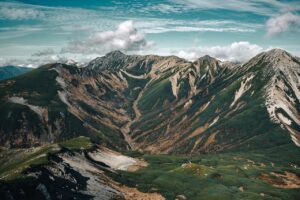
Yo, let’s talk about getting truly, deeply, off-the-grid in Japan. Forget the neon glow of Tokyo for a sec, and picture this: valleys so deep they carve shadows at noon, mountains draped in a blanket of snow so thick it silences the world, and a culture that’s been vibing with nature since way before it was cool. This isn’t some filtered travel fantasy; this is Akiyamago, a collection of tiny hamlets tucked away on the border of Nagano and Niigata prefectures. It’s one of Japan’s heaviest snowfall areas, a place so isolated it was literally called a hikyo, or “unexplored region,” for centuries. And hidden within this snow-drenched sanctuary is one of Japan’s most profound and misunderstood traditions: the culture of the Matagi, the ancient winter hunters of the Japanese mountains. This isn’t just a trip; it’s a time warp. It’s about connecting with a way of life that’s pure, raw, and totally in sync with the rhythm of the seasons. It’s a vibe check for the soul, for real. Akiyamago isn’t just a place you visit; it’s a world you enter, a story you become a part of. It’s the ultimate deep cut for anyone craving a Japan experience that goes way beyond the surface. So, if you’re ready to explore a world where ancient spirits and hardy traditions still reign supreme, let’s get into it.
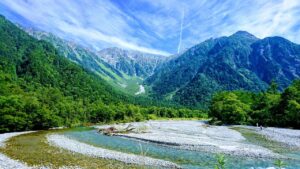
For a different perspective on Japan’s majestic alpine landscapes, consider exploring the breathtaking hiking trails of Kamikochi.
The Aura of Akiyamago: Snow Country Realness
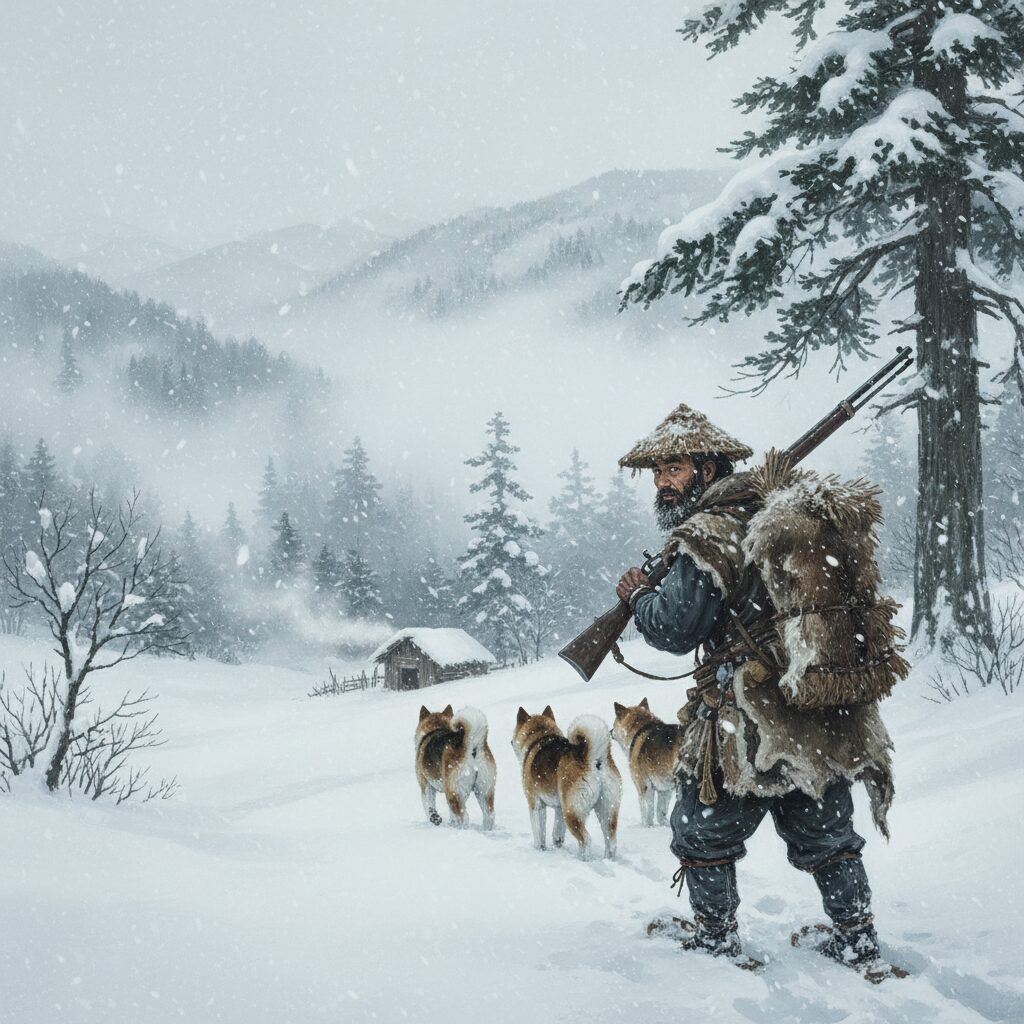
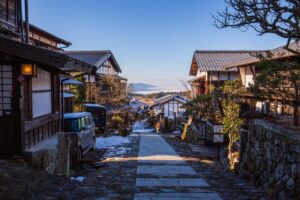
The first thing that strikes you when you arrive in Akiyamago, especially during winter, is the silence. It’s not an empty silence; it’s a dense, weighted quiet, pressed down by meters of untouched snow. Here, the snow isn’t merely part of the scenery; it’s the central figure. It reshapes the landscape, silencing sounds, burying roads, and isolating the dozen or so hamlets that make up the area. This isolation is the essence of Akiyamago. Historically, villagers were snowed in for nearly half the year, fostering a unique, self-sufficient culture and even its own dialect. The air is so crisp it feels like it might shatter, and the stars at night? Absolutely breathtaking. They shine brilliantly against the black sky with a clarity you just can’t find in the city. The atmosphere blends profound tranquility with a deep respect for nature’s power. You feel small here, but in a comforting way. It’s humbling. The houses, with their distinctive steep roofs designed to shed heavy snow, cluster together as if seeking warmth and companionship. Smoke curls from chimneys, signaling life and hearth against the vast white backdrop. This isn’t a staged tourist spot; it’s a living, breathing community that has adapted to one of Japan’s harshest environments. Walking through a hamlet like Koakazawa, you sense this history. The wooden houses, weathered by countless winters, seem to hold stories within their very grain. You don’t just see Akiyamago; you feel its resilience, quiet strength, and deep, unbreakable connection to the mountains that both shelter and challenge it.
The Matagi Code: Keepers of the Mountain
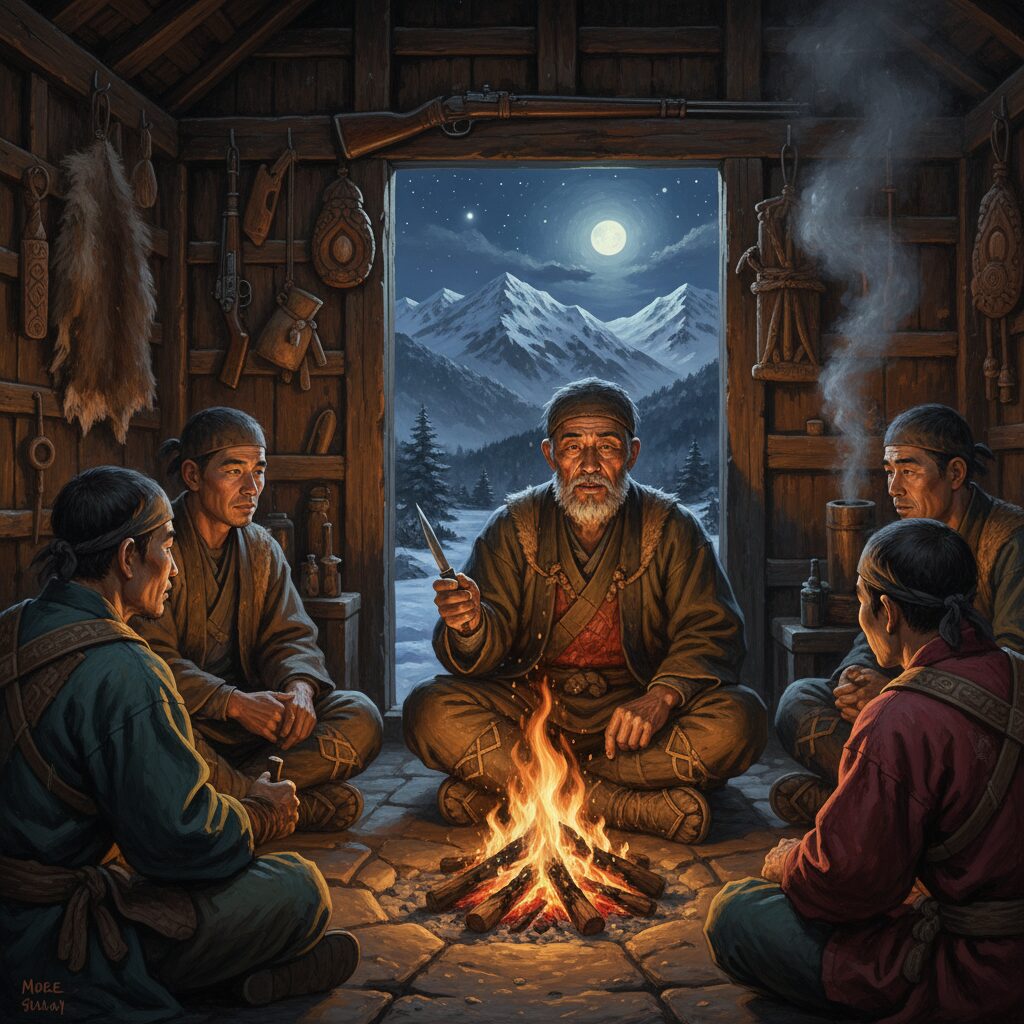
Now, let’s dive into what really matters: the Matagi. Calling them merely “hunters” does a huge disservice. It’s like labeling a Michelin-starred chef simply as a “cook.” The Matagi are spiritual guardians of the mountain, a brotherhood of hunters whose customs and beliefs date back centuries, possibly over a thousand years. Their culture weaves together Shintoism, ancient animism, and a distinctive mountain creed. They view the forest not as a resource to be exploited, but as a sacred domain ruled by a powerful deity, the Yama-no-Kami (Mountain God). To enter the mountain is to enter a temple, and the hunt is a sacred ritual rather than a sport. It’s a philosophy of coexistence—a conversation between humans and nature passed down through generations.
The Mountain as a Deity: Respect Above All
For the Matagi, the mountain is alive, and the Yama-no-Kami is its soul. This deity is usually portrayed as a female spirit who is both a giver of life and a figure to be revered. The Matagi believe that everything they take from the mountain—whether animal, plant, or even firewood—is a gift from the Yama-no-Kami. This belief permeates every facet of their lives. Before hunting, they perform rituals to seek permission to enter her domain and to ensure a safe, successful expedition. They speak a special language called Yama-kotoba or “mountain words” in the forest, out of respect and to avoid offending the deity with ordinary language. For instance, a bear isn’t called kuma but rather itazu, and a rabbit might be known as mimi-naga (long ears). This linguistic code underscores the mountain as a sacred space governed by distinct rules. Such profound reverence means waste is unthinkable; every part of a hunted animal—from meat and fur to bones and organs—is utilized. This is the ultimate expression of gratitude for the gift received. It’s not just about modern sustainability; it’s a spiritual mandate. Truly, their bond with the land operates on an entirely different level.
The Matagi Toolkit: Timeless Techwear
High-tech gear has no place here. The Matagi’s traditional tools represent a masterful blend of function and nature-derived design, honed through centuries in some of the harshest conditions. Their signature item is the fukuro-nagasa, a unique knife featuring a small pouch-like sheath integral to the blade’s handle, enabling it to be mounted on a wooden shaft as a spear. This multipurpose tool handles skinning, woodcutting, and serves as both defense and the instrument for the final respectful strike on hunted animals. Often treasured as family heirlooms passed from father to son, each fukuro-nagasa carries the spirit and wisdom of generations. Their clothing reflected remarkable resourcefulness too. Jackets made from hemp or linden bark were surprisingly durable and water-resistant. In winter, kanjiki—traditional snowshoes woven from wood and rope—allowed silent, efficient movement over deep snow. These tools are more than mere objects; they embody the Matagi themselves, physical extensions of their deep knowledge and intimate bond with nature.
The Sacred Hunt: A Ritual of Life and Death
The Matagi hunt differs drastically from modern sport hunting. It’s a highly ritualized, cooperative practice steeped in tradition. Led by a master hunter called the shikari, who holds deep knowledge of the terrain, animal behavior, and spiritual customs, the hunt tests endurance, skill, and patience. Tracking a single bear may take days across challenging mountain terrain. The moment of the kill is the most sacred ritual. The Matagi believe that when they take a life, they absorb the animal’s spirit into their community—a transfer of life force rather than domination. After a successful hunt, rituals are performed to thank the animal and appease the Yama-no-Kami. The kill is met with quiet solemnity, not loud celebration. This mindset transforms hunting into a cyclical relationship of reciprocity: the mountain provides sustenance, and the Matagi serve as its caretakers, ensuring ecological balance. This profound philosophy offers lessons the modern world could greatly benefit from.
The “Wake-mae” Principle: Community Above All
One of the most inspiring aspects of Matagi culture is Wake-mae, meaning “the portion to be shared.” After a hunt, the meat and other animal parts are carefully and fairly distributed among the hunting party and the wider village community. A complex system determines who receives which portion, ensuring all contributors, from lead hunter to support roles, get their fair share. No individual “owns” the kill; it belongs to the community. This practice strengthens social bonds and secures survival during long, harsh winters. The Wake-mae principle exemplifies the Matagi’s collectivist spirit. It’s a potent reminder that in places like Akiyamago, survival hinges not on individual strength but on mutual cooperation. This communal ethos is still palpable today, evident in the way people interact and their shared understanding that they face the snow and mountains together.
Exploring Akiyamago: Your IRL Quest Map

Akiyamago isn’t just a single town but a collective name for a series of hamlets scattered along the Nakatsu River. Each one has its own unique character and charm, making exploration truly rewarding. It’s a place best savored slowly, allowing yourself to immerse in its relaxed pace. Forget about a packed itinerary; the real magic lies in the unplanned moments—a chat with a local, spotting a Japanese serow on a distant cliff, or simply enjoying the gentle fall of snowflakes from a heavy gray sky.
The Hamlets: A Chain of Hidden Treasures
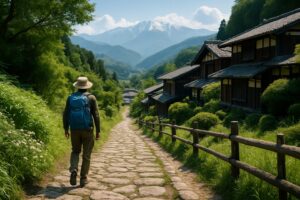
Traveling through Akiyamago is like stepping back in time. As you wind your way up the valley road, you’ll pass several small settlements. Kiriake is among the most famous, known for its wild riverside onsen. Oosakai features traditional houses that seem to grow naturally from the mountainside. One of the most captivating hamlets is Koakazawa, home to the “Thatched Roof Houses of Akiyamago.” These aren’t merely historic buildings; they are living museums, with some families having lived in the same homes for generations. The distinctive kabuto-zukuri roof style, shaped like a samurai helmet, is specially designed to withstand heavy snowfall. Visiting these hamlets feels like stepping into an old woodblock print. Life moves with the seasons, and the modern world feels far, far away. Take your time to simply wander. Though locals tend to be shy, they are incredibly warm if you greet them with a friendly “Konnichiwa.” Always respect their privacy, but don’t hesitate to absorb the atmosphere of these resilient and beautiful communities.
Seasonal Glow-Up: The Four Faces of Akiyamago
Akiyamago’s character shifts dramatically with the seasons, each offering a distinct and equally breathtaking experience.
- Winter (December to April): This is Akiyamago at its most iconic. Snow accumulates up to five or six meters, creating a surreal, monochromatic landscape. The silence is profound. This season invites snowshoeing, quiet appreciation of snow-covered forests, and soaking in outdoor onsens while snowflakes gently melt on your skin. It’s also the time of the Matagi hunt. Although visitors can’t participate, their culture feels most vivid and essential during these months. Some roads may close, so planning ahead is crucial. This season is made for true adventurers.
- Spring (May to June): Spring arrives late but bursts forth with vitality. As the immense snowpack melts, mountainsides awaken with the vibrant green of fresh beech leaves and the blooming katakuri (dogtooth violet) flowers. The swollen Nakatsu River roars through the valley. It’s the season of sansai, or wild mountain vegetables, which play a big role in local cuisine served at inns. This is a time of renewal and powerful natural energy.
- Summer (July to August): The valley transforms into a lush, green paradise. Warm days are filled with the hum of insects and the songs of birds. It’s ideal for hiking and exploring the many trails weaving through the mountains. The contrast between cool, shaded forests and bright, sunny riverbanks is captivating. This season is more accessible to those who aren’t dedicated snow enthusiasts and offers a chance to see the landscape in vibrant greenery.
- Autumn (September to November): If you think Akiyamago can’t get any more beautiful, wait until autumn. Mountainsides erupt in fiery reds, oranges, and yellows. Beech forests turn brilliant gold, and Japanese maples splash intense crimson across the scenery. The crisp, clear air is perfect for photography and hiking. It’s also harvest season, with local cuisine at its most flavorful. The sight of colorful leaves against dark cliffs and the emerald river is truly one of Japan’s most spectacular autumn views.
Soaking It In: The Onsen Life
After a day of exploring, nothing beats sinking into a natural hot spring, and Akiyamago offers some of the best. The most famous is Kiriake Onsen, where hot water bubbles up from gravel in the riverbed. Locals have built several simple stone-ringed pools right in the river, allowing you to adjust the temperature by shifting rocks to let in more or less cold river water. Soaking in these wild, natural pools surrounded by breathtaking valley scenery is a quintessential Akiyamago experience. It’s rustic, co-ed, and unforgettable. For those preferring a more structured setting, many local minshuku (family-run inns) offer excellent onsen baths often boasting stunning views. The mineral-rich water is said to benefit the skin and soothe tired muscles—perfect after a long hike or snowshoe trek.
Fueling Your Adventure: The Taste of Snow Country
The food in Akiyamago is a true reflection of its surroundings: simple, hearty, and deeply rooted in the land. This is not the spot for fancy sushi or ramen; it is the heart of mountain cuisine. The highlight is sansai, wild mountain vegetables gathered in spring. Varieties like fukinoto (butterbur scape), kogomi (ostrich fern), and zenmai (royal fern) are prepared in numerous ways—tempura, boiled with soy sauce, or pickled. They offer a wonderfully fresh, slightly bitter flavor that evokes the wild earth. River fish such as iwana (char) are often simply grilled with salt over an open flame until the skin crisps and the flesh remains tender. Naturally, there is also the cuisine of the Matagi. Bear meat (kuma-nabe) is a local specialty traditionally enjoyed in a hot pot during winter. It has a rich, gamey taste and is thought to provide strength and warmth—vital for enduring the cold. Sampling it offers a direct connection to Matagi culture. This meal tells a story of survival, respect, and the incredible abundance of the mountains. To dine in Akiyamago is to experience the seasons and the spirit of the land itself.
The Practical Stuff: Your Akiyamago Cheat Sheet

Reaching and navigating a remote location like Akiyamago requires some planning, but the rewards are immense. Here’s a guide to help make your trip hassle-free.
The Journey In: How to Get Off the Beaten Path
Akiyamago isn’t a destination you simply find by chance. The most common approach is from the Nagano side. From Tokyo, take the Hokuriku Shinkansen to Iiyama Station (approximately 2 hours). From Iiyama, you’ll need to catch a bus or drive. The drive itself is stunning, meandering along Route 405 through the mountains. Keep in mind that this road can be narrow and challenging, and during winter, it may be completely closed from the Niigata side. Renting a car offers the greatest flexibility for exploring the various hamlets, but ensure it’s suited for mountain driving (snow tires are essential in winter). Buses run from Iiyama Station, though service is infrequent, so be sure to check the timetable carefully. The journey is part of the experience; as you leave the cities and towns behind and venture deeper into the mountains, you’ll feel the environment shift around you.
Where to Stay: Finding Your Home Base
The best way to experience Akiyamago is by staying in a local minshuku or a small ryokan (traditional inn). These family-run accommodations provide an authentic and personal experience. You’ll sleep on tatami mats, relax in private onsens, and enjoy delicious home-cooked meals prepared with local ingredients. This is a great opportunity to connect with the people who call this region home. Reservations are essential, especially during busy times like autumn foliage season. Don’t expect luxury resorts or chain hotels here. While amenities may be basic, the hospitality is always warm and heartfelt. Staying in a minshuku is more than just lodging; it’s a central part of the cultural experience.
Tips for First-Time Visitors
Akiyamago is a unique place, and visiting it requires the right attitude. Keep these points in mind:
- Respect the Culture: You are a guest in a community rich with tradition. Honor local customs, particularly those of the Matagi hunters. This isn’t a tourist attraction but a way of life. Be quiet, observant, and humble.
- Cash is King: Don’t rely on credit cards everywhere. Many inns, shops, and restaurants accept only cash. Carry more money than you think you’ll need.
- Pack Smart: Mountain weather can change rapidly. Bring layers, waterproof clothing, and sturdy walking shoes year-round. In winter, thermal underwear, a warm hat, gloves, and waterproof boots are absolutely necessary.
- Limited Connectivity: Some inns have Wi-Fi, but don’t expect a strong signal throughout the valley. Use this opportunity for a digital detox and reconnect with the natural surroundings.
- Learn Basic Japanese: Even simple phrases like “Konnichiwa” (Hello), “Arigatou gozaimasu” (Thank you very much), and “Sumimasen” (Excuse me) will be appreciated and can open the door to friendly exchanges.
The Future of Tradition: A Culture on the Edge
It’s crucial to recognize that the Matagi culture, like Akiyamago itself, stands at a pivotal crossroads. The modern world is steadily encroaching. Japan’s rural depopulation crisis is severely impacting places like this. Many younger people are drawn to the opportunities and conveniences of city life, leaving an aging population to uphold ancient traditions. The number of active Matagi is declining, and there is a genuine risk that their vast knowledge—about the forest, survival, and the spiritual harmony of the world—could disappear within a generation. Efforts are underway to preserve this heritage. Some younger Matagi are striving to share their culture with visitors through guided tours and storytelling, hoping that by fostering understanding, they can create new value for their traditions. Yet, the challenges remain great. Visiting Akiyamago as a thoughtful, respectful traveler can contribute to this effort. By showing interest and supporting the local economy, visitors can help affirm that this unique culture remains relevant in the 21st century. It is a delicate balance between preserving authenticity and embracing a sustainable future.
The Takeaway: More Than Just a Trip
A journey to Akiyamago isn’t meant for everyone. It demands effort, an open mind, and a readiness to step beyond your comfort zone. Yet, for those who embark on the trip, the rewards are invaluable. You leave with more than just images of stunning landscapes. You depart with a deep sense of connection to a world that moves to a different rhythm—a realm shaped by the changing seasons, the wisdom of elders, and the spirit of the mountains. You witness how a community has not only endured but flourished in one of the most demanding environments on Earth, not by conquering nature, but by living in harmony with it. The traces of the Matagi’s footsteps in the snow, their profound respect for life, and their steadfast community spirit will linger with you long after returning to the busyness of modern life. Akiyamago reminds you there is another way to live—a quieter, deeper, and perhaps more meaningful existence. It’s a story etched in snow and stone, a lesson carried on the mountain wind, waiting for you to come and listen.