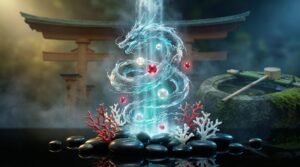
You’ve seen it, right? Scrolling through your feed, you see these epic shots of Japan. Torii gates standing in the middle of the ocean, serene forests that feel straight-up enchanted, or maybe you’ve even been here and noticed the tiny, almost hidden shrines tucked between skyscrapers in Tokyo. It’s a whole vibe. But after the initial awe, the question hits: why are there so many? Like, an almost absurd number of them. It feels like every mountain, every waterfall, and maybe even every cool-looking rock has its own dedicated sacred space. And when you watch an anime like Princess Mononoke, with its walking forest gods and talking wolves, you start to wonder if that’s just fantasy, or if it’s tapping into something, like, for real deep in the culture. The short answer? It totally is. This isn’t just about religion in the way you might think of it. It’s about a foundational worldview, a piece of cultural software that’s been running in the background for thousands of years. We’re talking about Yaoyorozu no Kami (八百万の神), the belief in the “eight million gods.” And real talk, that number is low-balling it. It’s a poetic way of saying “countless” or “infinite.” It’s the idea that divinity, a spiritual essence, isn’t locked away in some far-off heaven but is right here, buzzing in the world around us—in the ancient cedar tree at the end of the street, in the steam rising from a bowl of rice, in the quiet focus of a master craftsman, and yeah, even in your toilet. It’s a concept that’s wild, a little chaotic, and absolutely essential to understanding the “why” behind so much of Japan. It shapes aesthetics, social etiquette, and the profound, almost instinctual respect for nature you see everywhere. So, let’s get into it. Let’s unpack this spiritual ecosystem that makes Japan feel so alive, so ancient, and sometimes, so beautifully confusing.
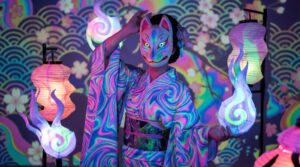
This worldview, where spirits inhabit everything, also deeply influenced the era’s pop culture, as seen in the psychedelic yokai films of 1960s Japan.
So, What Exactly Are These “Eight Million Gods”?
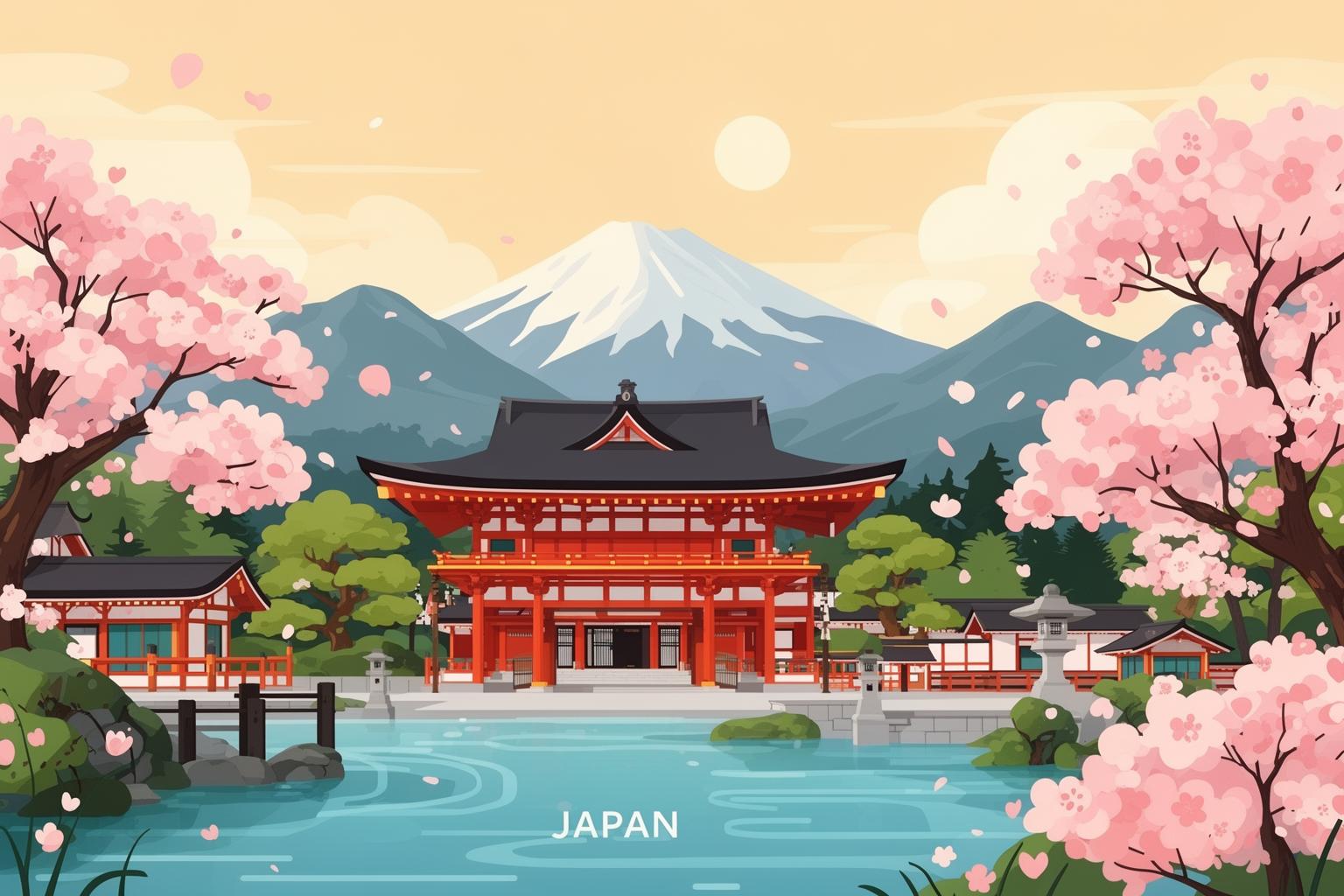
First, we need to shed some preconceptions. If your idea of “god” comes from Western, monotheistic traditions, you need to set that aside for a moment. The Japanese notion of kami (神) is a completely different concept. It doesn’t refer to a single, all-powerful creator who issues absolute commandments. Shinto, the native religion of Japan from which this idea arises, has no single founder, no sacred texts like the Bible or Quran, and no centralized, dogmatic authority. It is far more fluid, intuitive, and deeply connected with nature. Think of it not as a strict hierarchy with a king at the top, but as a vast, interconnected, and occasionally chaotic ecosystem of spiritual forces. The word kami itself is notoriously difficult to translate. It can mean “god” or “deity,” yes, but it also includes spirit, essence, sacredness, or divine power. It’s a quality possessed by an entity rather than just a title. It’s the overwhelming feeling you experience standing beneath a massive waterfall or next to a thousand-year-old tree. That sense of awe, that feeling of being humbled by something powerful and timeless—that’s the heart of kami.
It’s Not Like Monotheism, At All.
The key difference lies in the relationship between the divine and the world. In many religions, God is transcendent, existing outside and above the physical world He created. In Shinto, the kami are immanent; they exist within the world. The world is not merely a creation; it is a living, breathing entity alive with countless spirits. This is why nature is not just a backdrop in Japan; it’s an active participant—a stage full of characters. There’s no clear boundary between spiritual and physical. A particularly impressive mountain is a kami. A bountiful harvest is the action of a kami. This viewpoint rejects the good-versus-evil dichotomy common in many other religions. Kami aren’t always wholly good or evil. Like nature, they can be benevolent and life-giving—bringing rain to crops, for example—but they also can be destructive and terrifying, manifesting as typhoons or earthquakes (aramitama, the rough or violent spirit of a kami). The aim isn’t to worship a perfect being but to live harmoniously with these powerful, unpredictable forces, showing respect and gratitude to encourage their gentle side (nigimitama).
Who or What Can Be a Kami?
Here’s where it gets fascinating and beautiful. The range of what can be considered a kami is astonishingly broad—almost anything that inspires awe or reverence.
Forces of Nature
This is the original and foundational category of Shinto. Anything in nature that feels powerful, majestic, or uniquely special can be a kami. This includes:
- Geographical Features: Mountains are monumental. Mount Fuji is likely the most famous kami in Japan, but countless other mountains are sacred. The same applies to rivers, waterfalls (Nachi Falls is stunning and a powerful kami), oceans, and even uniquely shaped rocks. The famous “Wedded Rocks” (Meoto Iwa) at Futami Okitama Shrine are tied with a sacred rope (shimenawa) symbolizing their divine status and marriage.
- Atmospheric Phenomena: Thunder and lightning? That’s Raijin, the thunder kami. The wind? That’s Fūjin. These aren’t just symbolic personifications; they are the phenomena themselves, imbued with divine spirit.
- Plants and Animals: Ancient, massive trees (shinboku, or sacred trees) are highly revered and often marked with a shimenawa. You’ll find them throughout Japan, standing quietly in shrine grounds or even in fields. Animals can also be kami or, more commonly, messengers of the kami. The foxes at Fushimi Inari Shrine serve as messengers for the rice god Inari, while the deer in Nara are considered messengers for Kasuga Grand Shrine.
Ancestors and Human Spirits
This is another significant aspect. The spirits of the deceased, especially ancestors, are considered kami. This explains the importance of ancestor veneration in Japanese culture. But it extends beyond family. Emperors and powerful clan leaders across history have been deified and enshrined as kami. The most famous example is Emperor Meiji, enshrined at Meiji Jingu in Tokyo. Even outstanding scholars like Sugawara no Michizane were deified, becoming Tenjin, the kami of scholarship, whom students pray to for exam success. This shows that humans, through extraordinary deeds or influence, can become part of the divine pantheon.
Objects and Concepts
This is where the idea becomes truly detailed and permeates everyday life. Even inanimate objects—especially those that are well-used, cherished, or expertly crafted—can develop a spirit over time. This is the concept of tsukumogami (付喪神), where tools that have lasted a hundred years may become animated. This belief fosters deep respect for craftsmanship and objects. You don’t just use a tool; you partner with it. This belief explains the ceremonies for retiring old tools or dolls, which express gratitude for their service. Beyond objects, abstract concepts may also possess their own kami. There are kami of the kitchen, crossroads, commerce, and learning. This practice of recognizing the sacred in the mundane ensures no part of life is separated from the spiritual realm.
The Shinto Vibe: Purity, Not Sin
If you’re trying to grasp the moral code of Shinto, searching for notions like “sin” will lead you nowhere. The fundamental dynamic isn’t about good versus evil in a moralistic way. Rather, it centers on the dualism of kiyome (清め – purity) and kegare (穢れ – impurity, pollution, defilement). This is essential to understanding the atmosphere of a Shinto shrine and many Japanese rituals.
Kegare vs. Kiyome: The Core Dynamic
Kegare is not sin. It isn’t a moral blemish on your soul for having done something “wrong.” Instead, it is a natural, unavoidable condition that separates you from the kami and disrupts your inner balance and the harmony of the community. Kegare is linked to occurrences that break the natural flow of life—principally death, disease, childbirth, and bloodshed. Even the stress and dirt of everyday life can generate a kind of spiritual residue that dulls your connection to the sacred. Since the kami value purity and cleanliness, accumulating kegare is something to be avoided or, more realistically, regularly cleansed. This is where purification rites, or harai (祓), come in—they are central to almost all Shinto practices. The purpose is to wash away kegare and restore oneself to a state of purity, or kiyome, enabling clear and direct communion with the kami. It’s an inherently hopeful worldview. No matter how much kegare you gather, purification is always possible. There is no concept of eternal condemnation. It’s a continual cycle of pollution and purification, much like taking a shower to wash off the dirt of the day.
Why Shrines Feel the Way They Do
Think back to the last time you saw a photo of a shrine or visited one. That sense of peace, tranquility, and clean simplicity? It is no accident. The entire design and experience of a Shinto shrine is deliberately crafted to facilitate the transition from the mundane, kegare-tainted world to a sacred, pure space.
Crossing the Threshold
The torii gate is the most iconic symbol of Shinto. Its purpose is both simple and profoundly symbolic: it marks the boundary. When you pass through a torii, you leave the ordinary world behind and enter the sacred space of the kami. It serves as both a physical and psychological threshold. The pathway leading to the main hall, the sandō, is often lined with trees and covered in gravel, which crunches beneath your feet. This isn’t just for looks; it’s a meditative experience, encouraging you to slow your pace and become mindful of your presence in a sacred place.
The Ritual of Cleansing
Before approaching the main hall, you’ll always find a water pavilion called a temizuya (手水舎). Here, you perform a purification ritual. Using a bamboo ladle, you scoop fresh, flowing water and rinse your left hand, then your right. Next, you pour water into your cupped left hand to rinse your mouth (never spit back into the basin!). Finally, you rinse the ladle’s handle for the next person. This is not merely about physical cleanliness; it symbolizes washing away kegare from your body and spirit before presenting yourself to the kami. It’s a moment to center yourself and prepare for a spiritual encounter.
Cyclical Rebirth: The Ultimate Purification
For the ultimate expression of this purity focus, look no further than Ise Grand Shrine, Shinto’s holiest site. Here, in a tradition called Shikinen Sengu (式年遷宮), the main shrine buildings are completely dismantled and rebuilt from scratch on a nearby site every 20 years. This tradition has continued for over 1,300 years. The cost is enormous, and the labor immense. So why persist? It’s the ultimate act of purification, ensuring the shrine remains pristine and new for the kami, Amaterasu Omikami (the Sun Goddess and mythical ancestor of the Imperial family). But it also serves to pass down ancient Japanese carpentry techniques, which involve no nails, from generation to generation. Shikinen Sengu is a breathtaking physical embodiment of the Shinto worldview: that life is cyclical, that purity must be actively preserved, and that tradition is a living practice passed through action rather than mere words.
How Yaoyorozu no Kami Shows Up in Everyday Japanese Life (Even if People Aren’t “Religious”)
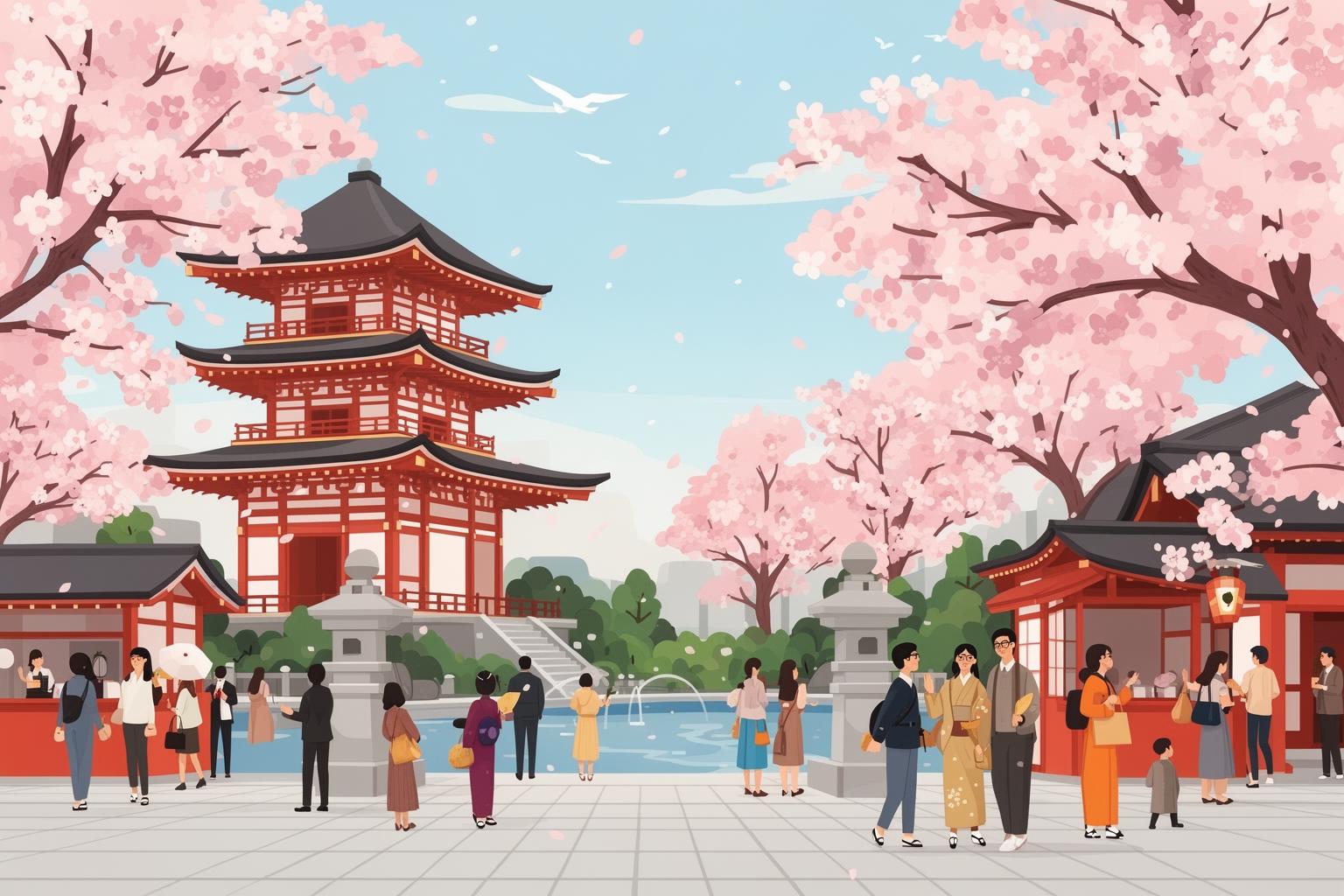
Here’s a paradox that confuses many visitors: polls consistently reveal that most Japanese people do not identify as “religious.” Yet, their lives are richly infused with rituals, beliefs, and behaviors deeply rooted in Shinto and Buddhist traditions. This is the crucial point. For many, Shinto isn’t a religion you consciously adopt; it’s the cultural atmosphere you live in. It’s a collection of practices and a worldview so woven into Japanese identity that it often blends indistinguishably with secular culture.
The Blurred Boundary Between Religion and Culture
In Japan, religion is often more about participation than declaration. People don’t feel compelled to pledge allegiance to a single faith. It’s completely normal to be taken to a Shinto shrine as a baby for your first blessing (omiyamairi), enjoy Christmas with cake and fried chicken (a purely commercial, fun occasion), have a Christian-style chapel wedding or a Shinto ceremony, and hold a Buddhist funeral. This isn’t regarded as contradictory. It’s a practical, eclectic approach where different traditions address different life events. Shinto mainly focuses on life, purity, and worldly blessings—such as good harvests, business success, passing exams, and healthy children. Buddhism traditionally concerns itself more with the afterlife and honoring ancestors. They coexist, fulfilling separate roles in a person’s spiritual and cultural experience. The Yaoyorozu no Kami belief system forms the foundational, almost subconscious, layer of much of this cultural expression.
Visible Examples
Once you know what to look for, you’ll notice the influence of the eight million gods everywhere. It’s subtly embedded in the simplest daily acts.
Itadakimasu and Gochisousama
Before meals, Japanese people put their hands together and say “itadakimasu.” Often translated as “bon appétit” or “thank you for the food,” its meaning runs much deeper. Literally, it means “I humbly receive.” It’s a moment of gratitude that acknowledges the entire chain of life behind the meal. You’re thanking the kami of the harvest, the spirits of the plants and animals who gave their lives, the farmers, fishermen, cooks, and everyone involved. Similarly, “gochisousama deshita” said after a meal expresses appreciation for the effort and the feast. These micro-rituals reinforce a connection to nature and a sense of gratitude, which are core Shinto values.
Mottainai and Respect for Objects
The Japanese idea of mottainai (もったいない) conveys a profound regret about waste. It goes beyond eco-friendliness to encompass an ethical and spiritual dimension. Wasting food is mottainai. Discarding something that could be repaired is mottainai. This concept stems from the belief that all things, from a grain of rice to a handcrafted tool, possess a spirit or essence deserving respect. You don’t simply throw things away thoughtlessly because doing so disregards the energy, labor, and spirit invested in them. This mindset nurtures exceptional craftsmanship and a culture of care and maintenance.
Festivals (Matsuri)
Local festivals, or matsuri, represent the most vibrant and dynamic expressions of this belief system. At their heart, they are communal celebrations honoring the local kami. Entire neighborhoods gather to thank their guardian deity for a bountiful harvest, pray for protection, or simply enjoy festivities. The highlight is often the parade of the mikoshi (神輿), a portable shrine believed to temporarily house the kami. A team of people carry it on their shoulders, chanting and shouting as they march through the streets. This is not just a parade; it’s the kami touring its realm, bestowing blessings upon the community and renewing spiritual energy. It’s loud, lively, and an epic event for community building.
The God in the Toilet
For a final, perfect example of how detailed this belief system can be: many older Japanese believe in the toire no kamisama (トイレの神様), the god of the toilet. Yes, seriously. Folklore says a beautiful female kami dwells in the toilet, and keeping the bathroom impeccably clean will bring good fortune, especially the blessing of beautiful children. While younger generations may not literally believe this, the cultural residue persists: Japanese bathrooms are famously clean and technologically advanced. This little folklore perfectly illustrates the Yaoyorozu no Kami concept—if even the toilet has its own deity demanding respect, then truly everything in the world carries the potential for sacredness.
The Modern Twist: From Ancient Forests to Anime
So, is this all merely ancient history and charming folklore? Far from it. The Yaoyorozu no Kami worldview remains vibrant and thriving, finding a compelling new outlet for expression in contemporary Japanese pop culture, particularly in anime. If you want a quick introduction to the essence of Shinto, you don’t need to consult a textbook—you just need to watch a Studio Ghibli film.
Studio Ghibli: Your Visual Introduction to Shinto
Hayao Miyazaki and his team at Studio Ghibli excel at conveying the animistic spirit of Shinto through stunning visual storytelling. Their movies are arguably the most accessible way to grasp this worldview.
Princess Mononoke: This film offers the most direct and grand portrayal. The central conflict revolves around the clash between human industry and the sacred realm of the kami. The Shishigami, or Forest Spirit, is neither good nor evil; it is a powerful natural force that grants life and takes it away. The boar gods, the wolf clan, and the small kodama (tree spirits) all embody nature kami. The movie advocates for harmony rather than domination, a theme straight from the Shinto tradition.
My Neighbor Totoro: This film provides a softer, more personal perspective on similar themes. Totoro is not a monster or fantasy creature in Western terms. He is the nushi, the master and spirit of the forest. The girls, Satsuki and Mei, see him because they are pure of heart and open to the magic of the natural world. The giant camphor tree where they meet him serves as his shrine. The movie perfectly captures the sense that the world just outside your door is alive with magic and spirit, if only you know how to notice.
Spirited Away: This is essentially Yaoyorozu no Kami: The Movie. Yubaba’s bathhouse is literally a retreat for the eight million gods. All the strange and wonderful creatures who come for cleansing are kami. The Stink Spirit is revealed to be a polluted River God, a poignant environmental metaphor. The entire film immerses you in a world animated by countless spirits, where respect, cleanliness, and hard work are vital for survival. It’s an outstanding lesson in visualizing the Shinto spiritual realm.
Does This Belief System Still Hold Relevance?
Absolutely. Even in ultra-modern, secular Japan, this foundational worldview continues to influence the culture deeply. It underpins the Japanese aesthetic of wabi-sabi, which appreciates beauty in imperfection, impermanence, and the natural cycle of growth and decay. It explains why the country collectively pauses to admire the cherry blossoms (hanami). While the blossoms are beautiful, their fleeting nature powerfully reminds us of life’s transient beauty, embodying a seasonal kami. It also accounts for why environmental protests in Japan often carry a deeply spiritual significance. Opposing the construction of a dam or highway through an ancient forest isn’t merely about conservation; it’s about protecting the home of a kami. It’s considered a violation of sacred space. This belief system nurtures a deep respect for nature and a sense of interconnectedness that feels especially pertinent amid today’s ecological challenges.
So, Next Time You See a Tiny Shrine…
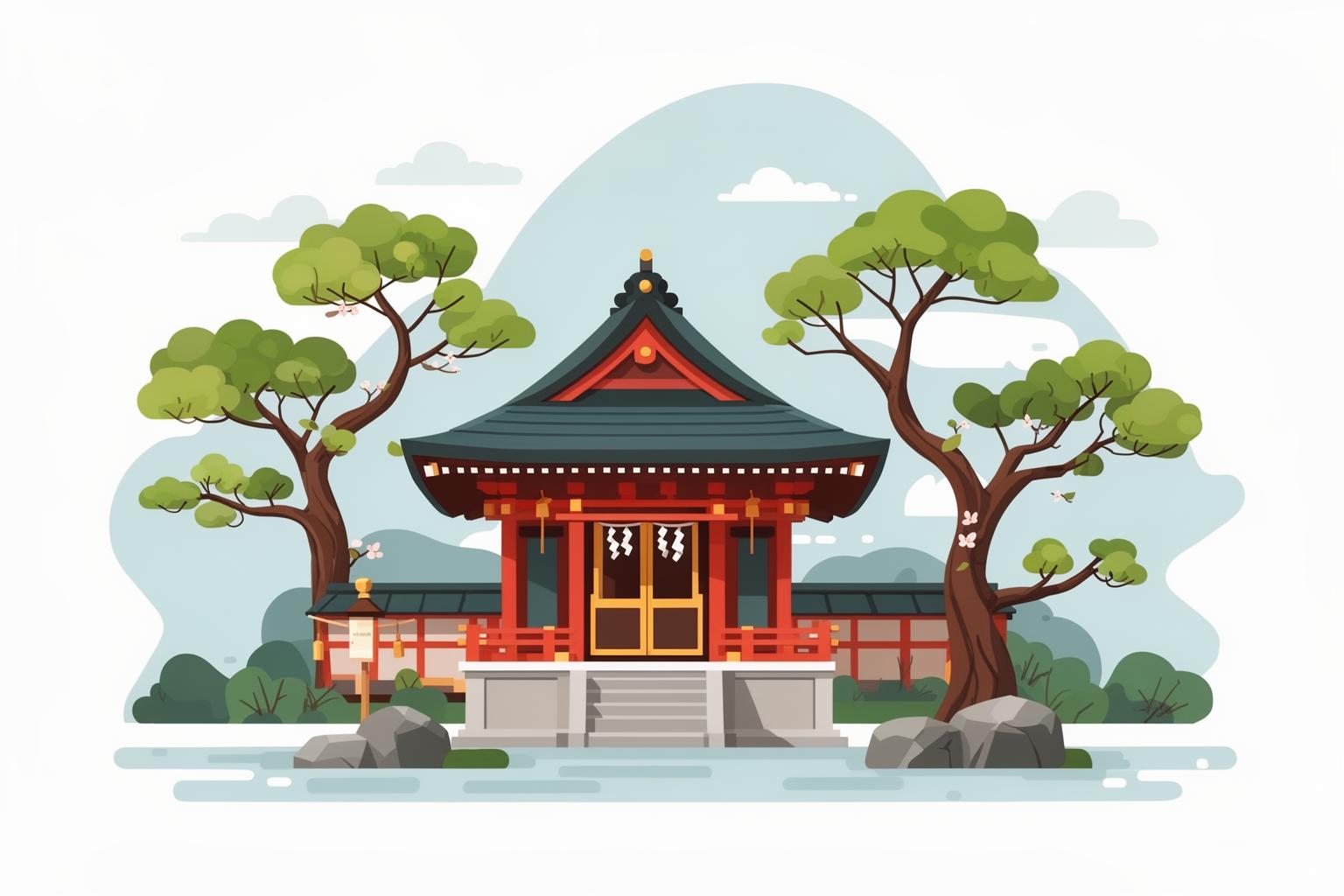
At its core, Yaoyorozu no Kami is not a formal religion with membership cards or weekly services. Instead, it serves as a lens through which to view the world—a worldview that brings the environment to life, transforming a simple forest into a cathedral, a bowl of rice into a sacrament, and an old rock into an ancestor. It acts as an unseen software operating in the background of Japanese culture, subtly shaping respect for nature, meticulous craftsmanship, and numerous daily rituals that may perplex outsiders. This system invites participation more than it demands belief. You don’t need to believe in the eight million gods to sense their presence; you only have to stand in a quiet shrine grove, listen to the wind through the bamboo, and experience a feeling of peace and connection to something greater than yourself. When you next visit Japan, watch for the signs: the shimenawa rope encircling an ancient tree, the small sake offering at a roadside statue, the profound silence that envelops you as you pass through a torii gate. These are not mere tourist sights or relics of the past—they are living, breathing gateways to the realm of the eight million gods, a world that exists alongside our own. Honestly, embracing the world as a vibrant, living community of spirits rather than a collection of lifeless resources? That’s a mindset that’s truly inspiring.