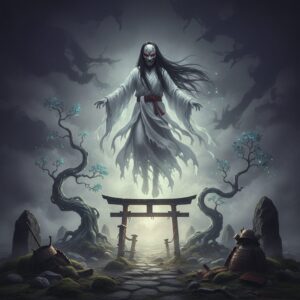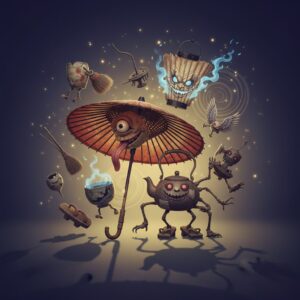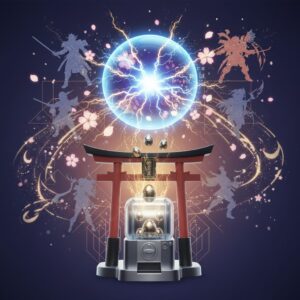
Yo, what’s up, fellow travelers and culture seekers? Ayaka here, dropping in to spill the tea on one of Japan’s most iconic and low-key addictive experiences: gashapon. Forget what you think you know about cheap toy machines. In Japan, this is an art form, a treasure hunt, and a direct portal into the country’s soul. We’re not just talking about your standard anime keychains, even though those are fire. Nah, we’re going deeper. We’re on a mission with a mythical vibe, a quest to hunt down the coolest, spookiest, and most blessed-up capsules this country has to offer: the Yokai and the Engimono, or lucky charms. This isn’t just about collecting plastic figures; it’s about collecting stories. It’s about twisting a crank and pulling out a tiny piece of ancient folklore or a pocket-sized dose of good fortune. It’s that feeling of main character energy when you score the rare one you’ve been searching for. It’s a whole mood, a tangible connection to the wild, wonderful, and sometimes straight-up weird spirit of Japan. So, grab your coin purse and get ready to dive headfirst into the clattering, colorful world of gashapon. We’re about to make some magic happen, one capsule at a time. Bet.
If you’re fascinated by the spooky side of Japanese folklore, you might also enjoy exploring Japan’s real-life haunted spots.
The Vibe: Decoding the Gashapon Sanctuary
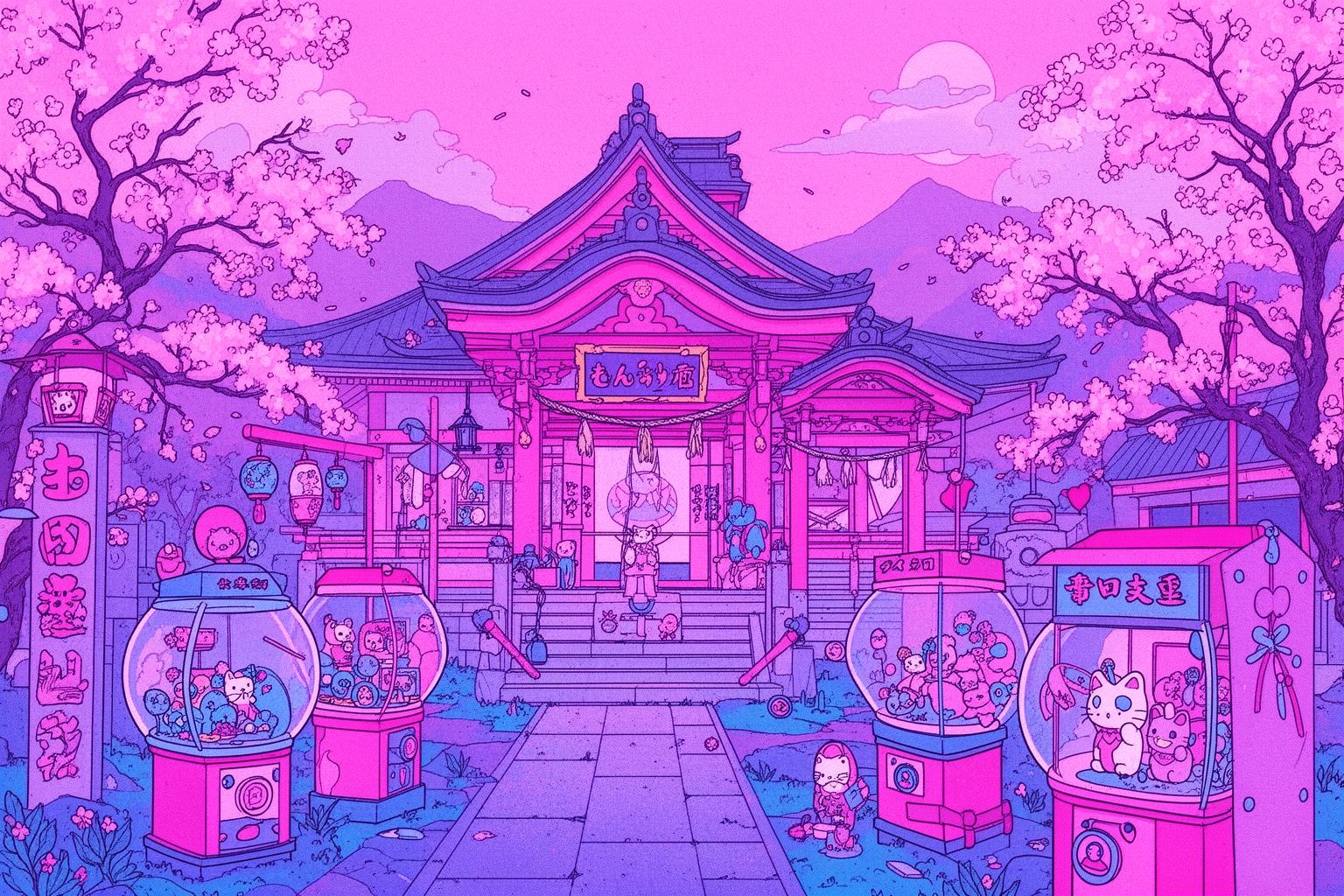
Before you even drop your first coin, you need to understand the scene. Stepping into a dedicated gashapon spot, like the iconic halls of Akihabara or Ikebukuro, is a complete sensory experience. It’s not quiet; it’s a symphony of chaos. The steady, rhythmic kuri-kuri-kuri sound of dozens of plastic cranks turning together, followed by the satisfying gachapon! as the capsule drops into the tray — that’s the sound that names the entire hobby. It’s the pure, unfiltered sound of anticipation. The air is thick with the faint, sweet scent of new plastic and the collective energy of everyone on their own personal quest.
Visually, it’s an overload in the best way possible. Walls, and sometimes entire floors, are lined with hundreds, even thousands, of machines stacked floor to ceiling. Each machine offers a small window into a different universe, its display card — the ‘POP’ — bursting with vibrant colors and dynamic poses, showcasing the full set of treasures hidden inside. You’ll see everything from hyper-detailed samurai armor models to photorealistic miniature ramen dishes, to cats wearing tiny hats, to the mythical creatures we’re hunting today. The sheer variety is mind-blowing. It’s a visual expression of Japan’s obsession with niche hobbies, hyper-specific aesthetics, and the art of miniaturization. You’re not just inside a store; you’re inside a library of pop culture, with every capsule a book waiting to be opened.
The feeling is a blend of a casino and a museum. There’s the thrill of the gamble — will you get the one you want, or a duplicate of one you already own? Will you score the ultra-rare secret character? But there’s also a sense of curation and appreciation. Each little figure is a masterpiece of design and manufacturing, often with incredible detail for something that costs just a few hundred yen. You’ll see people of all ages, from kids spending their allowance to serious adult collectors armed with binders of checklists, meticulously planning their next move. There’s a silent understanding among everyone there, a shared passion for the hunt. It’s a community, even if no words are spoken. You just catch someone’s eye as they open a capsule and see that flash of joy — or disappointment — and you understand. You’re all part of the same tribe.
Into the Spirit World: Hunting for Yokai
Alright, let’s dive into the truly spooky stuff. Hunting for Yokai gashapon is like being a cryptozoologist, but way more fun and with guaranteed results. Yokai are supernatural beings from Japanese folklore—neither ghosts, demons, nor gods, but a distinct category on their own. They range from mischievous tricksters to genuinely terrifying monsters, embodying the unexplainable, the strange mysteries of the world, and the forces of nature beyond human control. For centuries, they’ve starred in campfire tales, woodblock prints, and local legends. Now, they’re immortalized in pocket-sized plastic, and honestly, it’s awesome. Owning a Yokai gashapon means holding a tiny, tangible piece of a centuries-old story.
The All-Stars of the Yokai Gashapon World
As you scan the machines, you’ll notice some familiar faces. These are the A-listers of the Yokai realm, the ones who have transcended folklore to become pop culture icons. Here’s who to look out for.
Kappa: The River Imp with a Secret
First up is the Kappa. You can’t miss this one. Typically depicted as green, turtle-like humanoids with a beak and a shell on their back, their defining feature is the dish-like depression on their head—the sara—which must stay filled with water, the source of their power. If the water spills, they become helpless. Kappa are complex creatures: known for dragging people and animals underwater to drown them (yikes), but they also have a polite side. They love sumo wrestling and cucumbers, and if you defeat one or offer it a cucumber, it might become your lifelong friend. A Kappa gashapon is a classic, showing them in various poses—from fierce fighters to adorably nibbling on cucumbers—perfectly capturing that quintessential Japanese mix of cute and creepy.
Tengu: The Mountain Mystic
Next, watch for the Tengu. Mountain dwellers and protectors, they’re often depicted with red faces, long noses, and sometimes wings or bird-like features. That long nose isn’t for laughs; it symbolizes pride and power. Historically seen as disruptive demons, their image evolved into powerful, semi-divine guardians of mountains and forests. Masters of martial arts and swordsmanship, they were known to train legendary human warriors. A Tengu gashapon brings a serious, commanding presence to your collection, often equipped with accessories like feather fans that create hurricane-force winds or traditional monk’s staffs. It radiates ancient wisdom and a don’t-mess-with-me vibe.
Kitsune: The Sly Fox Spirit
Now, for the Kitsune, or fox spirits—some of the most popular Yokai, and for good reason. Intelligent and cunning, Kitsune possess powerful magic abilities including shapeshifting, possession, and illusions. Their power grows with age, and the most potent have up to nine tails. They can be benevolent messengers of the god Inari, bringing good harvests and prosperity, or malicious tricksters who mislead travelers or possess people. This duality makes them endlessly captivating. Kitsune gashapon figures are always striking—either a majestic nine-tailed fox in a dynamic pose or a subtle figure of a beautiful woman with a fox shadow, symbolizing the magic just beneath everyday reality.
Oni: The Big, Bad Ogre
If you spot a large, muscular figure, usually red or blue, with horns, wild hair, and wielding a massive iron club (kanabō), you’ve found an Oni. They’re Japan’s ogres or demons, the quintessential villains of folklore. Born from the souls of wicked humans, Oni inhabit Jigoku, the Buddhist hell, where they punish sinners. They sometimes escape to the human world to cause chaos, disease, and disaster. Despite their fearsome reputation, they’ve become beloved figures, especially during Setsubun, when people throw beans to drive them away and invite good fortune. An Oni gashapon makes a bold statement—loud, powerful, and a bit terrifying—with intricately detailed sculpts capturing the monster’s raw, chaotic energy.
Tanuki: The Master of Disguise
The Tanuki, or raccoon dog, is the ultimate prankster of the Yokai world. Cheerful, sake-loving, and slightly goofy shapeshifters, their most famous—and admittedly hilarious—magical trait is their enormous, versatile scrotum, which they can stretch and transform into anything from a fishing net to a boat to a shelter. No, this isn’t a joke. While this feature is usually downplayed in gashapon, which lean into a friendlier image of the Tanuki as symbols of generosity and good fortune, you’ll often find statues of them outside eateries holding sake bottles and promissory notes, welcoming guests. A Tanuki gashapon is all about fun—a reminder to not take life too seriously and to enjoy a good laugh and a drink.
Collecting these figures is more than just a hobby—it’s engaging with a belief system that has shaped Japanese culture for millennia. Each turn of the crank is a chance to connect with ancient tales and bring a little piece of Japan’s wild, untamed spirit world home with you.
Good Vibes Only: The Hunt for Lucky Charms (Engimono)
Alright, maybe terrifying ogres and river monsters aren’t your thing. That’s okay. Gashapon offers another, more wholesome mythical side: the world of Engimono, or lucky charms. These are items believed to bring good fortune and play a huge role in daily life in Japan. People carry them for everything from passing exams to finding love to ensuring a safe journey. Usually, you’d get these at a temple or shrine, but gashapon makers have embraced this tradition by creating miniature, stylized versions of these iconic charms. It’s a modern take on an ancient custom and a super accessible way to tap into positive vibes.
The Team of Good Fortune
Just like with Yokai, there’s a lineup of popular lucky charms you’ll encounter again and again. Each has its own specific purpose and story. Building a collection of these is like assembling your own personal squad of good luck.
Maneki-neko: The Beckoning Cat
You know this one. The Maneki-neko is probably Japan’s most famous cute export. It’s the cat, often a calico Japanese Bobtail, with one paw raised in a beckoning gesture. You’ll find them at the entrances of nearly every shop and restaurant in Japan. But there’s a code: if the left paw is raised, it’s beckoning customers and people; if the right paw is raised, it’s calling money and good fortune. Sometimes both paws are raised for maximum effect! They also come in different colors, each with its own meaning: white for general good luck, black to ward off evil, gold for wealth, and pink for love. Maneki-neko gashapon are a must-have—they’re adorable and basically a little wish for good things to come your way.
Daruma: The Doll of Perseverance
The Daruma doll is quite special. It’s a round, hollow doll, usually red, modeled after Bodhidharma, the founder of Zen Buddhism. It symbolizes perseverance and goal-setting. When you receive a Daruma, its eyes are blank white. You make a wish or set a goal and fill in one eye. Then place the doll somewhere you’ll see it daily. It serves as a constant, one-eyed reminder of what you’re striving for. When you achieve your goal, you fill in the other eye to show gratitude. Daruma gashapon are fantastic because they capture this spirit in a tiny form. They remind you to keep pushing, to never give up—it’s pure motivational energy in a capsule.
The Seven Lucky Gods (Shichifukujin)
Why settle for one god when you can have seven? The Shichifukujin are a group of deities from Japan, India, and China who travel together on their treasure ship, the Takarabune, bringing good fortune to those who deserve it. Collecting the full set in gashapon form is a serious goal for collectors. The lineup includes:
- Ebisu: The god of fishermen and merchants, often shown with a fishing rod and a large sea bream (a symbol of good luck).
- Daikokuten: The god of wealth, commerce, and trade, usually depicted as a cheerful man sitting on bales of rice, holding a magic mallet.
- Bishamonten: The god of warriors and treasure bearer, dressed in armor, carrying a spear and a small pagoda.
- Benzaiten: The sole goddess of the group, deity of knowledge, art, beauty, and music, often holding a biwa (a type of lute).
- Fukurokuju: The god of happiness, wealth, and longevity, recognized by his distinctively long, bald forehead.
- Jurojin: Another god of longevity, typically shown as an old man with a long white beard, accompanied by a deer or crane.
- Hotei: The joyful, rotund, bald god of abundance and good health, known in the West as the “laughing Buddha.”
Finding a gashapon series featuring the Shichifukujin feels like hitting the jackpot. Each charm is a little blessing for a different aspect of life.
Omamori: The Pocket-Sized Prayer
Omamori are traditional amulets or charms purchased at shrines and temples. They are usually small fabric pouches containing a prayer or sacred inscription, meant to offer luck or protection for specific reasons—safe travels, good health, academic success, and more. Gashapon creators have designed playful, non-consecrated versions of these. They might be shaped like tiny backpacks, animals, or food items, but still carry the same sense of being a small personal protector. They allow you to carry a bit of that serene, sacred shrine atmosphere with you, even if it came from a machine in a noisy arcade.
Collecting these lucky charms feels uplifting. It’s a positive, hopeful practice. Every time you open one, it’s like releasing a small burst of good energy into your day. It’s a fun, modern way to connect with traditions that center around wishing the best for yourself and others.
The Hunting Grounds: Where to Find the Mythical Beasts
So, you’re excited and ready, with a pocket full of 100-yen coins. But where should you go? The great thing about gashapon is that they’re everywhere—train stations, supermarkets, electronics shops, even outside ramen joints. Yet, for a truly legendary hunt, you need to visit the sacred sites where the gashapon gods truly dwell.
Akihabara: The Electric Mecca
Akihabara, or ‘Akiba,’ stands as the undisputed center of otaku culture and the ultimate ground zero for gashapon hunters. The whole district pulses with an electric energy that can’t be matched. Your prime destination here is the Akihabara Gachapon Hall. The name isn’t an exaggeration—this place is a temple devoted to the capsule toy. It’s not glamorous and a bit cramped, but it’s packed wall-to-wall with over 500 machines. The noise inside is gloriously deafening. You’ll find the newest anime and game releases, but if you look closely, hidden among the big names are entire sections for original creations, including some incredibly cool and artistic Yokai and Engimono series. Staff are constantly rotating machines and restocking, so every visit feels like a new adventure. The atmosphere is intense, focused, and deeply passionate. This is where serious collectors come to play.
Ikebukuro: The Gashapon Department Store
If Akihabara is the gritty, passionate core of the scene, Ikebukuro is the huge, polished, all-encompassing supercenter. Head to the Sunshine City shopping complex to find the Gashapon Department Store Main Store, which holds the Guinness World Record for the largest number of capsule toy machines in one place—over 3,000! It’s staggering. The space is bright, clean, and extremely well-organized, with machines grouped by genre, making it easier to navigate than the beautiful chaos of Akihabara. Ikebukuro has a slightly different vibe, catering strongly to anime fans and fujoshi (boys’ love enthusiasts), but its vast scale means it offers something for everyone. You’re almost guaranteed to find multiple series of Yokai and lucky charms here, ranging from mainstream to highly niche. It’s less of a hunt and more of an epic expedition.
Nakano Broadway: The Vintage Treasure Chest
For those who love the rare and retro, Nakano Broadway is an absolute must. This sprawling, multi-level shopping complex is like a time capsule of Japanese pop culture. It’s less flashy than Akihabara or Ikebukuro, with a labyrinthine, iykyk (if you know, you know) vibe. Gashapon machines are scattered through its narrow corridors, but the real gems are in the countless tiny collector shops such as Mandarake. Here, you’ll find not only new gashapon but also curated sets of older, discontinued series. This is where you might uncover that legendary Yokai set from five years ago that’s nowhere else to be found. Hunting in Nakano Broadway feels like an archaeological dig—you have to be patient and search everywhere, but the rewards can be immense. It’s a haven for true connoisseurs.
Beyond the Big Three: Gashapon in the Wild
Don’t restrict yourself to these major hubs. The real charm of gashapon lies in their ubiquity. Keep an eye out at major train stations like Tokyo Station, which boasts its own ‘Gashapon Street’ on the B1 level. Ueno is another fantastic spot, with machines scattered throughout the bustling Ameya Yokocho market, often featuring traditional Japanese themes that match the neighborhood’s old-school vibe. Here’s a pro tip: look near temples and shrines. Some larger ones have embraced the trend, offering custom gashapon machines dispensing unique charms or figures tied to the shrine’s history or resident deity. This blend of modern hobby and ancient tradition feels like unlocking a secret level in a video game.
The Gashapon Hunter’s Pro-Tips

Alright, you know what you want and where to find it. But before I send you off, here are a few insider tips to ensure your hunt goes smoothly. Think of this as your starter kit for gashapon mastery.
The Currency of the Realm: The Mighty 100-Yen Coin
Cash rules, but the 100-yen coin reigns supreme in the gashapon world. Most machines operate using 100-yen coins, with prices usually between 200 and 500 yen. Don’t show up with a 10,000-yen bill expecting to play. You need coins, and plenty of them. All major gashapon centers have change machines that break down 1,000-yen bills (and sometimes 5,000-yen bills) into a glorious flood of 100-yen coins. Make this your first stop. It’s a rookie error to find the perfect machine only to realize you don’t have the right change. Pro tip: some newer machines, especially in high-tech spots like the Gashapon Department Store, are cashless and accept IC cards such as Suica or Pasmo. It’s super convenient, but it can also be a danger to your wallet!
Master the Machine: How to Read the POP
The display card on the front of the machine, the POP, is your guide. It tells you everything you need to know. First, the price will be clearly listed. Second, it shows every item available in the series. Study it carefully. Decide which one is your “oshi” (your favorite). Be aware that many series include one or two “secret” or “rare” figures shown only as silhouettes. These are the ultimate prizes. The POP usually mentions the manufacturer as well—Bandai, Takara Tomy A.R.T.S., Kitan Club, and Epoch are some of the big names, each with their own style and quality. Getting to know them will help you spot quality from a distance.
The Duplicate Dilemma: What to Do With Doubles
It’s bound to happen. You’re three pulls in, hunting for that nine-tailed fox, and you get your third Kappa in a row. The pain is real. But don’t worry! A duplicate doesn’t have to be a loss. First, think of it as a gift. Your friend back home would probably love a tiny piece of Japanese folklore. Second, look around. In some larger gashapon halls, there are designated trading spots or tables where people leave duplicates for others to take or trade. It’s an unofficial, community-driven system that’s very wholesome. You can also bring duplicates to second-hand collector’s shops (like those in Nakano Broadway), where you might be able to sell them or trade for something you actually want.
Respect the Space and Your Fellow Hunters
This is important. Gashapon centers can get crowded. Be mindful of those around you. Don’t occupy a machine for too long if there’s a line. When you’re finished, take your empty capsules with you. Every gashapon area has a dedicated bin or tower for recycling the empty plastic shells. It’s called a ‘Gasha-ponko’ and is often shaped like a giant gashapon machine. Keeping the space tidy is part of the culture. Just be a considerate person, and the gashapon karma will come your way.
More Than a Toy: Building Your Narrative
As you stand there, your pockets filled with capsules, you’ll realize this is about far more than just the excitement of the hunt. You’re not simply gathering plastic; you’re creating a collection that tells a story—your story. The Yokai you discovered in that narrow alleyway in Yanaka, the complete set of Seven Lucky Gods you finally put together after a week of searching in Ikebukuro, the Maneki-neko you grabbed just before acing a presentation. Each piece becomes a keepsake, a tangible link to a memory.
Consider how you’ll showcase them. Don’t just toss them in a drawer. Give them a proper place. A small shelf on your desk can become a stage for an epic duel between an Oni and a Tengu. A clear acrylic case can transform your lucky charms into a museum-quality display of good energy. Get imaginative! Many enthusiasts create entire miniature dioramas for their gashapon figures, crafting tiny worlds on their bookshelves. The Japanese hobby of photographing these figures, called nui-dori, is hugely popular on social media. Take your favorite Kappa to a real river and snap a photo. It’s a way to continue interacting with your collection and keep the stories alive.
Your collection becomes a reflection of your journey and passions. It’s a personal, tangible record of your adventures in Japan. It’s proof that you didn’t just visit the country; you connected with its culture in a deep, playful, and wonderfully quirky way.
Your Mythical Quest Awaits
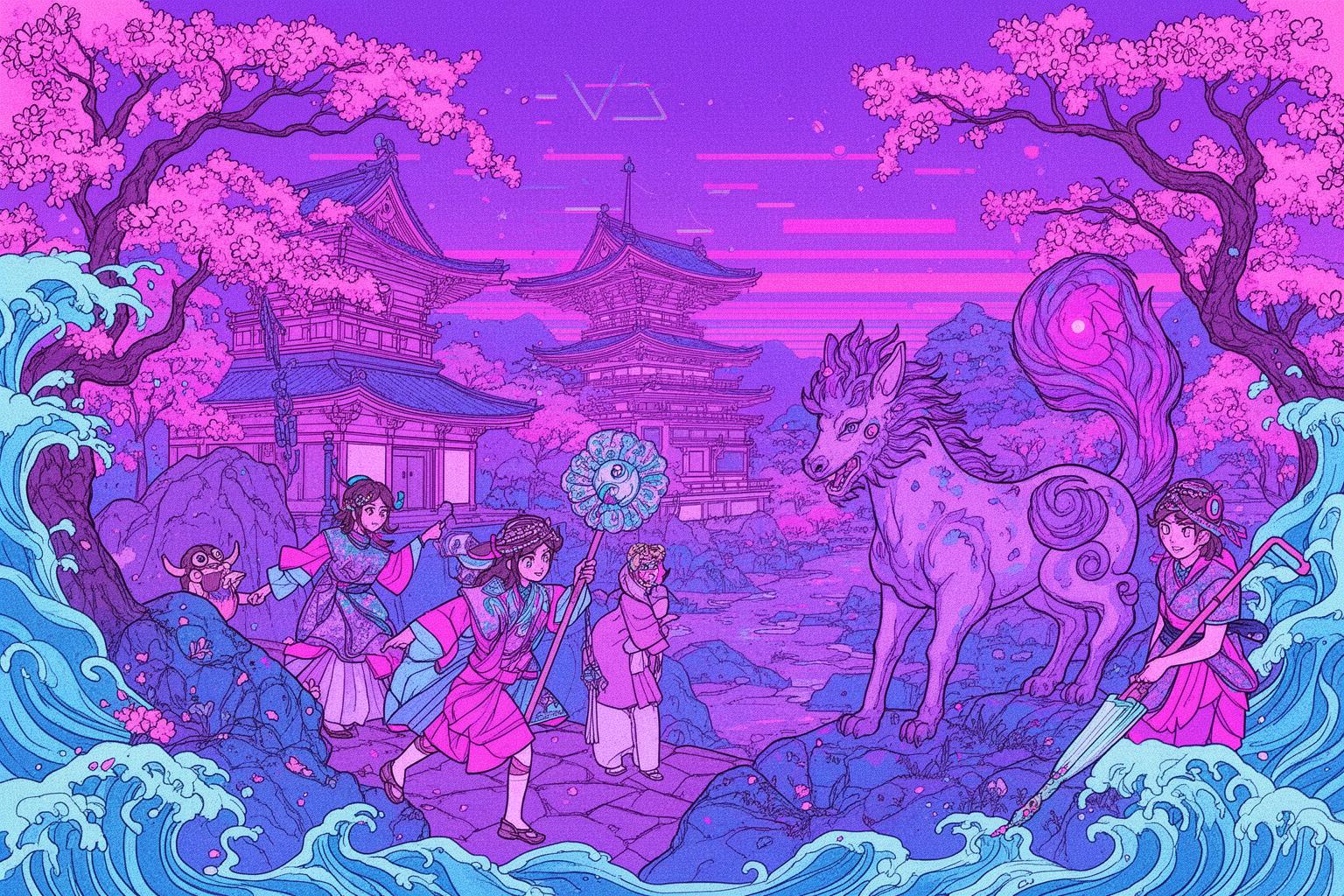
And so, the journey commences. Gashapon hunting encapsulates the essence of travel in Japan itself. It is a fusion of cutting-edge technology and age-old tradition, of careful planning and spontaneous, delightful surprises. It serves as a reminder that sometimes, the tiniest souvenirs carry the greatest stories. Whether you’re captivated by the eerie, enigmatic realm of the Yokai or the bright, hopeful charm of the Engimono, there’s a capsule out there awaiting you.
So go forth. Equip yourself with coins. Examine the POP displays. Welcome the sound of the crank and the clink of the capsule dropping. May your pulls be fortunate, your duplicates rare, and your collection a tribute to your incredible adventure. This is your quest to embark on, a chance to find your own small piece of Japanese magic, enclosed in a plastic sphere, just waiting to be uncovered. Happy hunting.