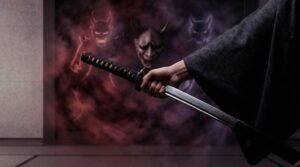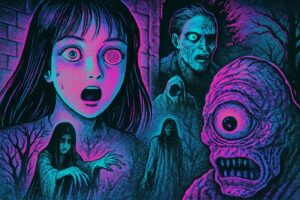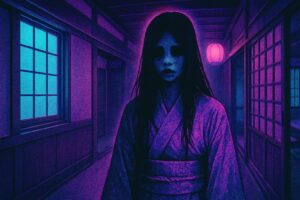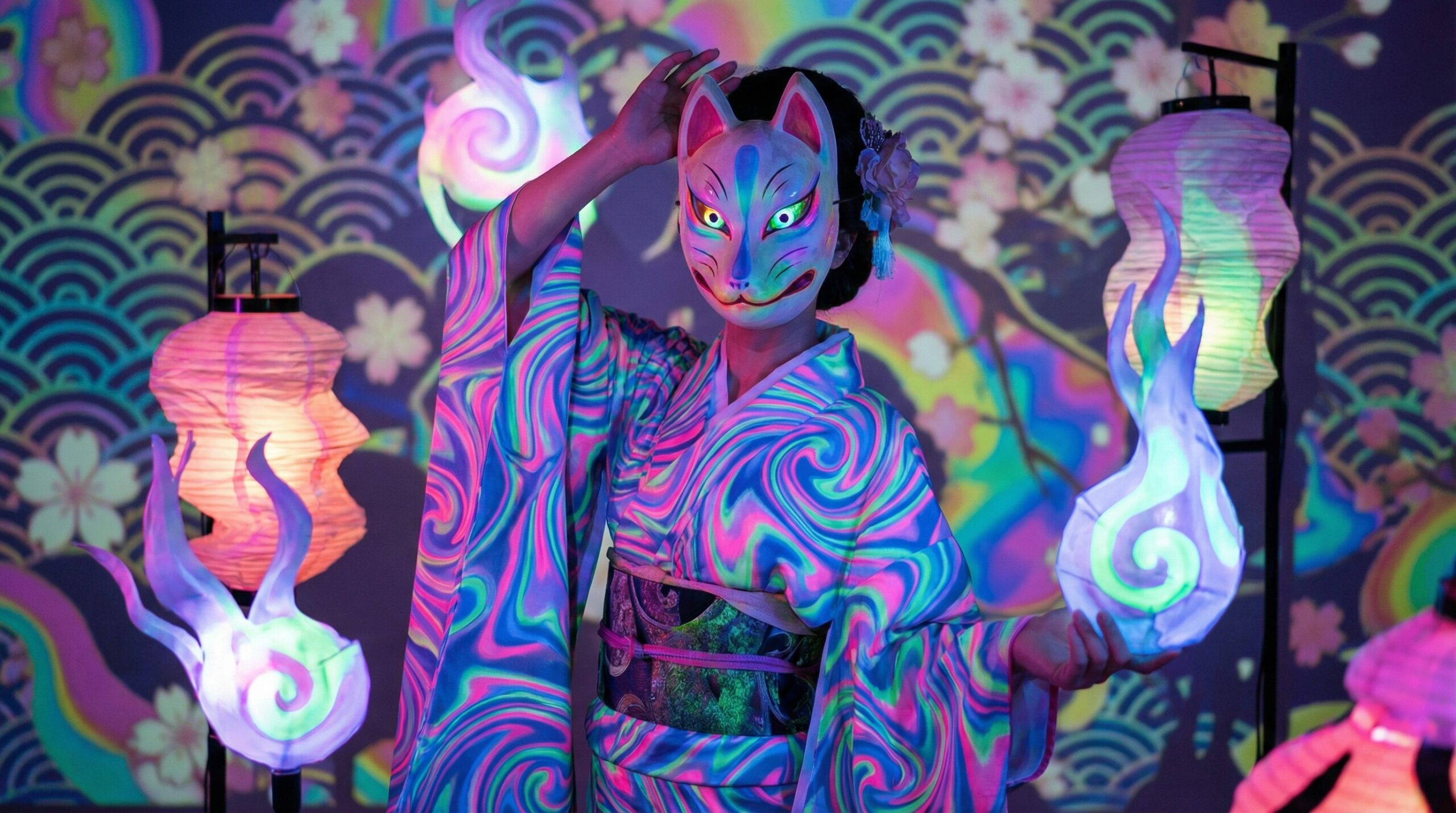
Yo, what’s the deal? Megumi here. So, you’ve probably scrolled past some wild stills from an old-school Japanese movie on your feed. You know the ones. A woman with a crazy long neck, a dude with an eyeball in his hand, or maybe just a forest scene drenched in colors that don’t actually exist in nature. And you’re thinking, “Okay, Japan is weird, I get it, but what am I even looking at?” That’s the vibe. It’s not just scary, it’s… trippy. It’s a full-on psychedelic nightmare that feels worlds away from the jump-scare fests we’re used to. This wasn’t just a phase; it was a whole mood, a cinematic revolution that went down in the 1960s. And trust me, it wasn’t weird for the sake of being weird. These films are a legit window into the soul of a country that was going through a massive identity crisis. We’re talking about a mashup of ancient folklore creatures, called yokai, with the mind-bending aesthetics of the global psychedelic wave. It’s a combo that hits different, even today. This deep dive isn’t just about what’s on the screen; it’s about decoding the why. Why did Japanese horror get so surreal? What cultural soup was brewing that cooked up these kaleidoscopic ghost stories? Let’s get into it, because understanding this cinematic trip is a major key to understanding the chaotic, beautiful, and sometimes unsettling energy of modern Japan itself. It’s a peek behind the curtain, into the anxieties and dreams of a nation in flux. Before we start our journey into this cinematic fever dream, let’s pinpoint where much of this magic was made. Many of these legendary films were brought to life at iconic studios in Tokyo, which were the epicenters of this creative explosion.
To truly feel the lingering spirit of these cinematic yokai, consider visiting some of Japan’s real-life yokai haunts that inspired such eerie tales.
Beyond the Ghost Story: Japan’s Vibe Shift in the 60s
To truly understand why Japanese horror films from the 1960s look the way they do, you need to grasp the intense pressure Japan was under during that time. The entire country was undergoing rapid, tumultuous change, and that tension seeped directly into its art. These films weren’t just about frightening tales; they were attempts to make sense of a world that had been completely upended—twice.
The Post-War Aftermath and the Economic Miracle
First, let’s take a step back. Although the 1960s feel distant, Japan was still profoundly affected by the lingering shadow of World War II. The generation leading the nation and film studios had experienced utter devastation—firebombings, nuclear destruction, unconditional surrender, and foreign occupation. Their worldview, grounded in empire and tradition, had been shattered. Then came the “Economic Miracle.” Within less than twenty years, Japan skyrocketed from a war-ravaged country to a major economic force. The 1964 Tokyo Olympics symbolized this transformation, a debutante ball of sorts announcing Japan’s return to the world—bright, modern, and reimagined. This created a deep psychological divide. On the surface, everything was about progress, bullet trains, cutting-edge technology, and looking ahead. Yet beneath that gleaming exterior lay unresolved trauma. There was a profound sense of loss for the vanished Japan and anxiety over the new society taking shape. Were traditional values disappearing? Was this newfound prosperity hollow? This tension between an optimistic, shiny future and a dark, traumatic past powered much of the country’s 60s cinema. Horror, in particular, became an ideal outlet to explore these silenced fears. In a culture that prizes harmony and avoiding conflict, it wasn’t possible to openly say, “Our relentless capitalism is corrupting our souls, and we’re haunted by war’s ghosts.” But filmmakers could create stories about haunted samurai armor driving its wearer mad or vengeful spirits punishing the greedy. It provided a safe space for unsafe ideas, visually expressing the decay many sensed lurking beneath modern Japan’s polished facade.
Enter Psychedelia: The Global Wave Reaches Japan
At the same moment, the global counterculture movement was surging. From San Francisco to London, psychedelic music, art, and film challenged established norms. This wasn’t solely a Western phenomenon; its influence hit Japan strongly, especially its youth and creative circles. Japanese filmmakers, particularly in the New Wave and genre scenes, embraced this new aesthetic language, recognizing its potential. Psychedelia was more than peace and love—it portrayed altered states, psychological breakdowns, and a reality that was unstable. This proved an ideal toolkit for a nation struggling with a fractured identity. They adopted the movement’s visual language—swirling colors, distorted lenses, jarring edits, and experimental, atonal music—to enhance themes they were already exploring. But this wasn’t mere imitation. Japanese artists merged the imported style with their own deep cultural traditions. The result was a unique hybrid—a visual approach both globally contemporary and deeply Japanese in theme and spirit. The mind-bending visuals were purposeful, making the supernatural feel truly alien and pulling audiences out of their comfort zones into the haunted filmic world. A ghost might appear amid a sudden shift to solarized colors, or a descent into madness take form through dizzying close-ups. This externalized internal psychological horror in a visceral way. This fusion gave rise to a cinematic language perfectly suited to stories about the clash of old versus new, rational versus mystical, and the living versus the dead.
What’s a Yokai and Why is it So Freaky?
Alright, so you have the historical context—a volatile mix of post-war anxiety and psychedelic energy. Now we need to introduce the key element: yokai. Simply translating ‘yokai’ as ‘monster’ or ‘ghost’ misses the full story. It’s far more complex and strange than that, and it’s the very essence that makes this era of horror truly distinctive.
More Than Just Ghosts or Monsters
Yokai are, simply put, manifestations of the inexplicable. They form a vast, chaotic category of supernatural beings from Japanese folklore, ranging from vengeful spirits (yurei) to playful animal spirits (like kitsune or tanuki), animated household objects (tsukumogami), and peculiar entities that defy classification. They symbolize the fears of pre-industrial Japan. A sudden illness? Probably a yokai. An odd noise in the woods? Definitely a yokai. Your old umbrella suddenly grows an eye and a leg and hops away? That’s a Kasa-obake, a classic example of yokai. They aren’t always malevolent like Western demons; some are tragic, some are tricksters, and others simply exist as strange phenomena. Their unsettling nature comes from operating by a logic different from ours—they represent a tear in reality, reminding us that the world is older, stranger, and more chaotic than orderly society would have us believe. They embody the rustling leaf in a silent forest, the fear of darkness, the eerie quiet of a lonely house. This deep cultural belief system gave filmmakers an endless source of surreal, terrifying, and sometimes humorously dark ideas to explore.
The Original Visual Language: From Ukiyo-e to Film
Filmmakers in the 1960s weren’t creating these creatures from thin air. They drew on a centuries-old visual tradition. During the Edo period (1603–1868), artists like Katsushika Hokusai, Utagawa Kuniyoshi, and Toriyama Sekien produced stunning ukiyo-e woodblock prints and illustrated encyclopedias cataloging hundreds of yokai. These images defined the visual identity of Japanese monsters. You see the long-necked Rokurokubi, the water-dwelling Kappa with its head-dish, and the grotesque Gashadokuro—giant skeletons made from the bones of the starving. These prints were not just illustrations; they were surreal, imaginative masterpieces. The creatures were often depicted with a fluid, organic style that made them both alive and unnerving. They embodied psychedelia before the term existed. So when 1960s filmmakers needed monsters, they had this rich visual archive to reference. They could literally bring these woodblock prints to life. Audiences would instantly recognize these beings culturally, but seeing them animate and interact on screen, enhanced by the psychedelic cinema style, made them feel fresh and terrifying anew. The inherent surrealism of yokai design perfectly complemented the distorted, colorful aesthetics of the sixties, creating a fusion of ancient nightmare imagery and modern cinematic innovation that was entirely original and powerful.
The Cinematic Trip: Key Films and Their Vibe
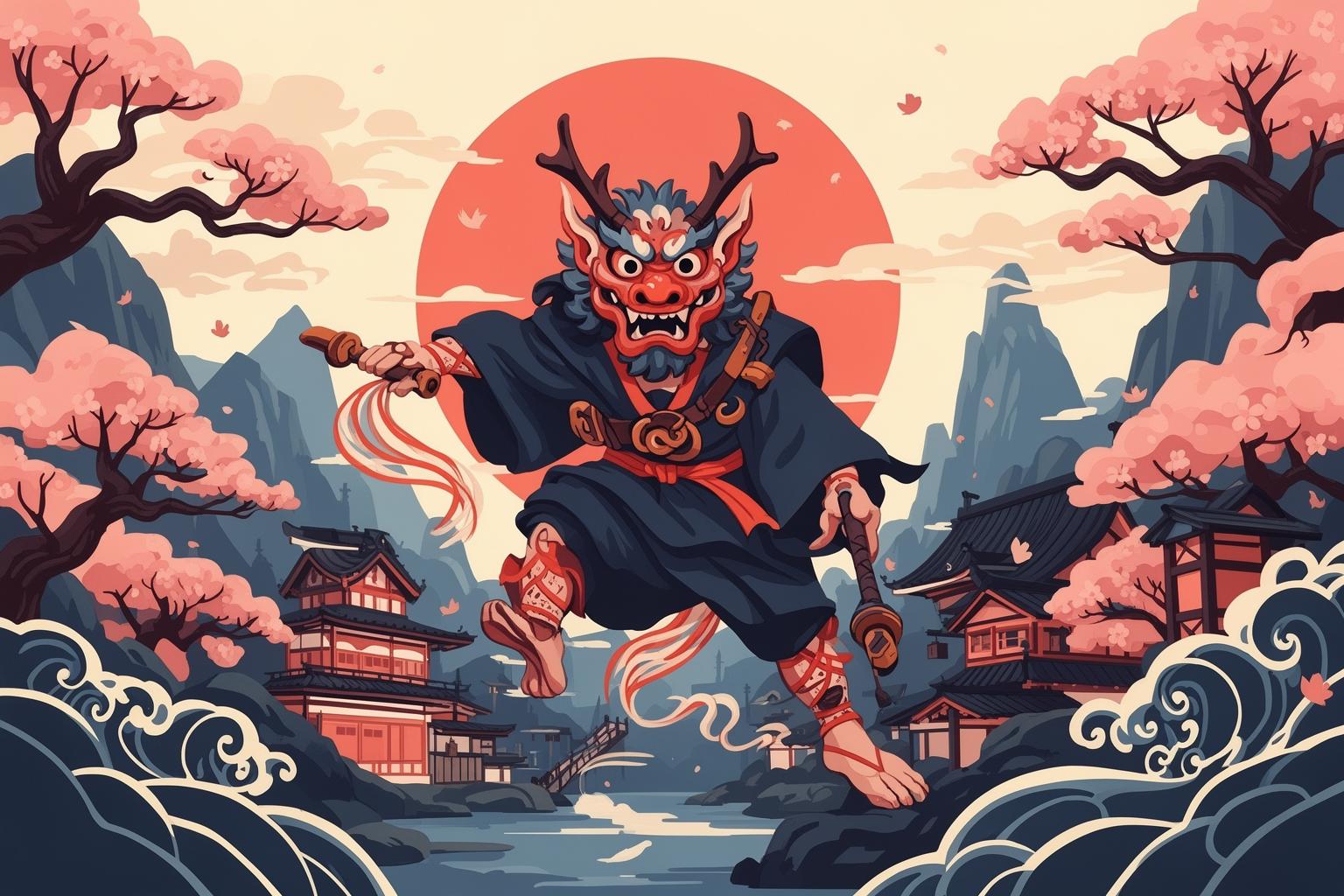
This is where everything converges: historical anxiety, psychedelic visuals, and ancient folklore collide on the silver screen to produce some of the most visually stunning and thematically rich horror films ever crafted. These aren’t merely movies; they are immersive experiences, feverish dreams captured on celluloid. Let’s explore a few key giants of the genre to understand how they achieved this.
Kwaidan (1964) – The Art House Nightmare
To grasp the sheer beauty of this genre, begin with Masaki Kobayashi’s Kwaidan. Rather than a traditional horror film, it feels more like a haunted art installation. It’s a four-part anthology based on traditional Japanese ghost stories collected by Lafcadio Hearn. What makes it a psychedelic masterpiece is its complete abandonment of realism. Kobayashi wasn’t aiming to depict a believable world but to create a psychological one. The sets steal the show: massive, minimalist, hand-painted with an artist’s precision. In “The Woman of the Snow,” the sky isn’t just a sky; it’s a swirling backdrop with giant painted eyes watching over the characters, symbolizing the relentless, watchful gaze of fate. The colors are surreal—deep crimsons, ethereal blues, and sickly yellows that mirror the story’s emotional tone. The sound design by legendary composer Toru Takemitsu is equally vital, blending traditional Japanese music with unsettling, experimental electronic sounds that keep you perpetually on edge. The film unfolds at a slow, dreamlike pace, with no cheap jump scares. The horror emerges from the oppressive atmosphere, breathtaking visuals, and a profound melancholy permeating every frame. Kwaidan stands as the ultimate aesthetic triumph, elevating folklore to high art through a modern, surrealist lens to explore timeless themes of love, betrayal, and the inexorable pull of the past. It demonstrated that a horror film can be as beautiful and profound as any painting or poem.
Onibaba (1964) & Kuroneko (1968) – The Primal Scream
While Kwaidan presents a painterly, aristocratic nightmare, director Kaneto Shindo delves into the raw and primal. His films Onibaba and Kuroneko are brutal, instinctual, and deeply political. They focus less on colorful psychedelia and more on psychological intensity, using stark, high-contrast black-and-white cinematography to depict a world of desperate, animalistic survival. Onibaba is set against the backdrop of a fierce civil war, following two women—a mother and her daughter-in-law—who survive by killing stray samurai and selling their armor. The film is drenched in sweat, mud, and desperation. Its “psychedelic” quality is hypnotic and rhythmic, with endless shots of the women running through vast fields of susuki grass, creating a mesmerizing, claustrophobic effect. The grass itself becomes a character—a place to hide, hunt, and die. The horror extends beyond the terrifying demon mask central to the plot; it lies in the brutal effects of war and poverty, stripping humans down to their most primal instincts. Kuroneko, made four years later, channels this primal energy but adds a supernatural twist. Two women, murdered by samurai, return as vengeful cat-like spirits seeking revenge. Shindo employs surreal wire-work to make the ghostly cats float, leap, and crawl in eerily unnatural, balletic, and predatory ways. The film’s masterful use of light and shadow conjures a ghostly world that feels both beautiful and deadly. These films serve as allegories, using ghost stories to voice the horrors of feudal oppression, the trauma of war, and the rampant violence of patriarchal power. The supernatural embodies female rage against a system that has destroyed them. They offer a psychedelic journey into the darkest depths of human nature.
The Daiei Yokai Trilogy (1968–1969) – The Full-Blown Monster Mash
If Kwaidan is the art gallery and Onibaba the primal scream, then the Daiei Film studio’s Yokai Trilogy is a wild, all-night block party. These films—Yokai Monsters: 100 Monsters, Yokai Monsters: Spook Warfare, and Yokai Monsters: Along with Ghosts—take a completely different approach. They prioritize unleashing as many bizarre, imaginative yokai on screen as possible, bringing ukiyo-e prints vividly to life. Featuring creatures like the long-necked Rokurokubi, the one-eyed Kasa-obake umbrella, the water-dwelling Kappa, and dozens more, they rely on charmingly lo-fi practical effects and actors in elaborate rubber suits. The aesthetic is pure 60s B-movie bliss, with lighting drenched in lurid, psychedelic gels—deep purples, ghostly greens, and blood reds. The plots are wild and unrestrained. The second film, Spook Warfare, epitomizes this chaos, pitting an ancient Babylonian vampire named Daimon against Japan’s native yokai in an all-out supernatural brawl. It’s as insane and thrilling as it sounds. On one level, these films are fun monster mash-ups for kids; on another, they’re a fascinating cultural statement. During a period of rapid Westernization, the Yokai Trilogy stands as a proud, almost defiant celebration of indigenous Japanese folklore. It’s a campy, colorful declaration that Japan’s own monsters are stranger, cooler, and more compelling than any foreign vampire. In this way, it’s a psychedelic reclamation of cultural identity, wrapped in a rubber monster suit.
Why It Still Hits Different Today
So why do we continue to discuss these films from over fifty years ago? Why do they feel more unsettling and visually inventive than many contemporary horror movies? It’s because they possess a kind of magic that’s difficult to reproduce. The atmosphere is timeless, even if the effects show their age.
The Analog Aesthetic in a Digital Era
These films have a tangible quality that CGI simply can’t replicate. The hand-painted skies in Kwaidan, the elaborate rubber suits in the Yokai Trilogy, the stark, grainy film stock of Onibaba—all feel authentic because they are authentic. You can sense the artists’ touch in every frame. This analog quality lends the films a dreamlike, or rather, nightmarish feel. The minor flaws, the visible wires, the seams on the monster costumes—they don’t ruin the illusion; they enhance it. It adds to the impression that you’re watching something handmade, a cursed relic from another era. The psychedelic effects weren’t produced with a click or a software filter; they were crafted in-camera using colored gels, distorted lenses, and inventive editing. Each surreal scene was a conscious, challenging artistic decision, and that purposeful approach gives the visuals a depth and power often missing in the polished perfection of modern digital effects. It feels less like a computer-generated image and more like a true hallucination.
A Glimpse into a Culture in Transition
Ultimately, these films endure because they are far more than mere horror stories. They serve as cultural time capsules. They capture the raw, chaotic, and highly creative spirit of a nation struggling to reconcile its ancient heritage with its hyper-modern present. The defining style of the genre—the blend of traditional Japanese folklore with avant-garde psychedelic visuals—is an ideal metaphor for 1960s Japan itself. It was a society simultaneously looking back to its history and traditions for guidance while eagerly assimilating and reinterpreting new influences from around the world. This is key to answering the big question: “Why is Japan like this?” The country has a long-standing tradition of this very process: absorbing foreign ideas (whether Buddhism from China, industrialization from the West, or psychedelic rock from America), deconstructing them, and reshaping them into something new and distinctively Japanese. These films exemplify that cultural alchemy in vibrant form. They reveal a nation unafraid to be strange, to confront its own specters, and to create art that is challenging, beautiful, and utterly unforgettable. They aren’t just a viewing experience; they are a journey into the very soul of a culture in motion.