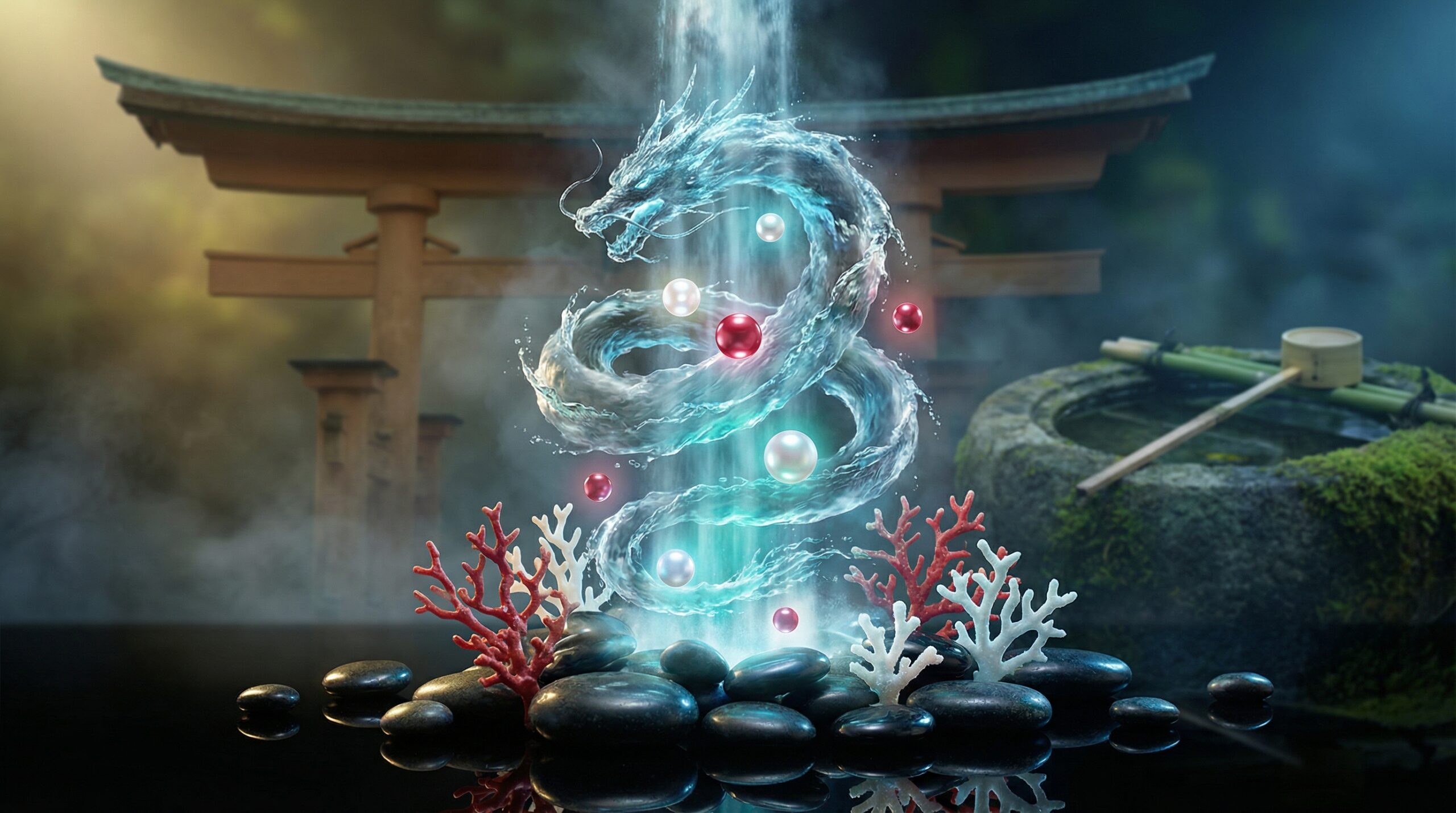
Yo, what’s up, global fam, Shun Ogawa here, dropping in to take you on a journey that’s, no cap, straight-up legendary. We’re going beyond the usual tourist traps, past the neon glow of Tokyo and the thousand torii gates of Kyoto, and diving deep into the spiritual mainframe of Japan. Today, we’re chasing dragons. I’m talking about Ryūjin, the dragon deities of Japan. These aren’t your fairy-tale, princess-guarding, treasure-hoarding dragons. Nah, these are the OGs, the primal forces of nature, the living, breathing essence of water itself. They’re the masters of the ocean, the guardians of the rain, the bringers of fortune, and sometimes, the embodiment of earth-shattering power. In a country that’s basically a string of volcanic islands whipped by typhoons and blessed by mountain springs, you better believe the dragon vibe is strong. They’re woven into the very fabric of this land.
So, what’s the mission? We’re hitting up some of Japan’s most potent “power spots” (パワースポット, pawāsupotto), places where the veil between our world and the spirit world is paper-thin, and the energy of these Ryūjin is off the charts. Think of it as a vibe check on a cosmic scale. These are spots where you can literally feel the pulse of ancient myths under your feet. It’s about more than just seeing a cool shrine; it’s about connecting with an energy that has shaped Japanese culture for millennia. It’s about feeling the dragon’s breath in the sea breeze, its heartbeat in the mountain streams, and its power in the silent, ancient forests. This is the deep cut, the real Japan that hits different. So, grab your spiritual G-Fuel, open your mind, and get ready to level up your soul. We’re about to explore the domains of the dragon gods, and trust me, the experience is immaculate.
For a different kind of spiritual journey that still taps into Japan’s deep cultural essence, consider chasing the ghosts of literary legends in a secret onsen ryokan.
Miyajima’s Ocean Royalty: Itsukushima Shrine’s Dragon Heartbeat
The Vibe Check
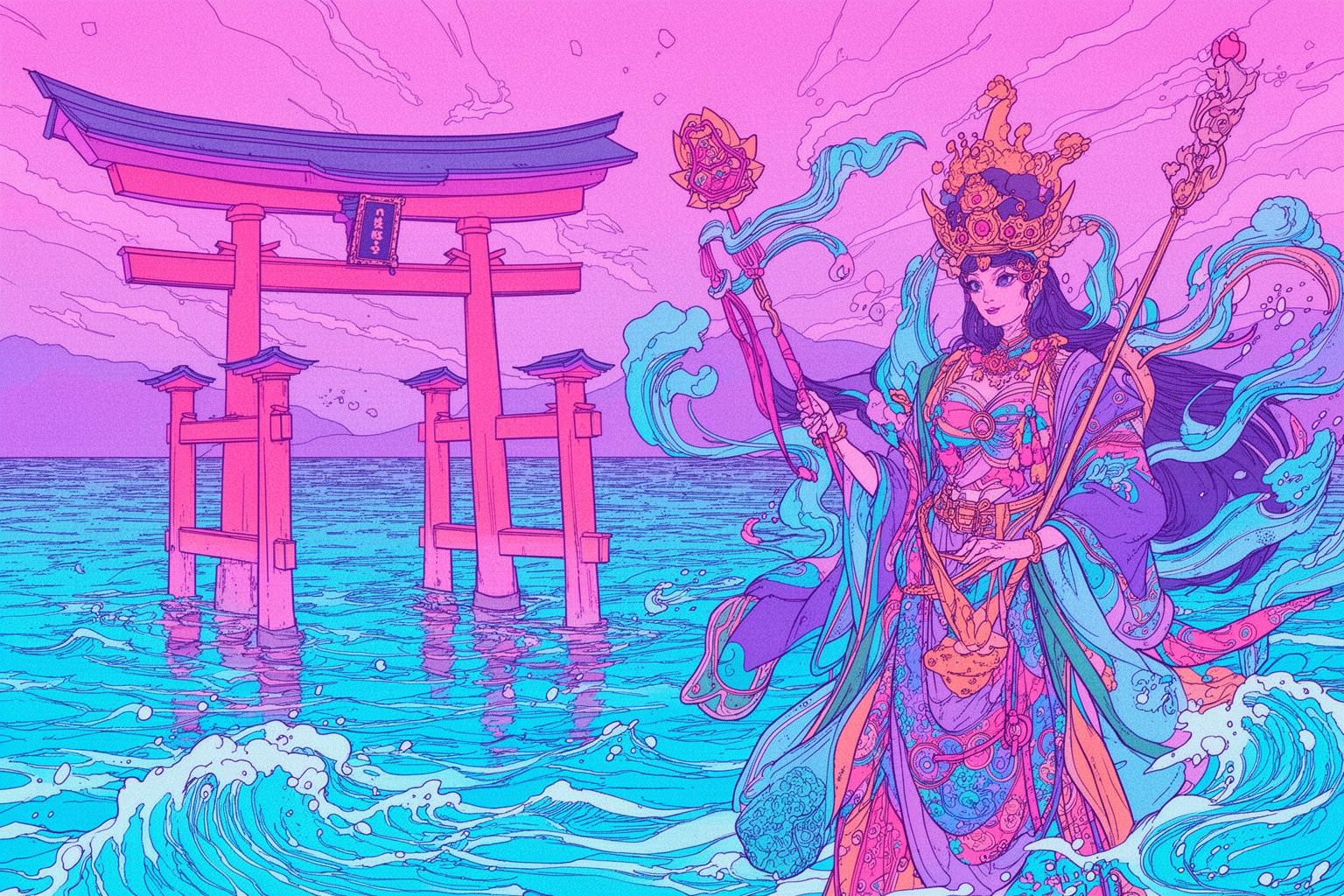
First, we’re off to the iconic island of Miyajima in Hiroshima. You know the shots: the giant vermilion torii gate that appears to float on the water at high tide. That’s Itsukushima Shrine, and trust me, the vibe is pure oceanic royalty. Majestic, serene, and undeniably powerful. The whole island is regarded as a deity, a sacred space where gods and humans coexist. When you step off the ferry, wild deer greet you, casually wandering as messengers of the gods. The air carries hints of salt and incense. But the real enchantment is the tide. Watching the water rise to the shrine’s wooden walkways, reflecting the sky and lanterns, feels like witnessing the slow, steady breaths of the dragon god. It’s not an aggressive force; it’s a profound, all-encompassing presence that makes you feel both small and deeply connected to something vast. It radiates main-character energy straight out of a Studio Ghibli movie, and I’m all here for it.
The Backstory/Lore
The history here runs deep. Itsukushima Shrine is dedicated to the three Munakata goddesses—Ichikishimahime-no-mikoto, Tagorihime-no-mikoto, and Tagitsuhime-no-mikoto—goddesses of the sea, navigation, and fortune. In the intricate web of Japanese syncretism, these powerful female deities are often associated with or considered manifestations of dragon deities, specifically the Sannō Ryūjin, the Three Female Dragon Deities who are daughters of the Dragon King of the Sea, Ryūjin. The shrine’s unique location, built on stilts above the water, reflects its role as a palace for these ocean gods. It’s a tangible expression of reverence for the sea’s power.
The shrine’s stunning current form owes much to Taira no Kiyomori, a prominent military leader of the late Heian period (12th century). Legend has it that Kiyomori dreamed of an old monk urging him to build a grander shrine on Miyajima, promising supreme power if he did. Believing the message came from the island’s dragon deity, Kiyomori invested heavily in rebuilding Itsukushima, turning it into the architectural masterpiece we admire today. What followed? The Taira clan rose to become Japan’s most powerful family. Coincidence? The ancients would say absolutely not—it was a clear pact with the dragon god, demonstrating the belief that honoring these deities brings immense fortune and power.
The Pilgrimage Path
Your journey begins the moment you board the ferry from the mainland. The approach to Miyajima is part of the experience. The floating torii grows larger and larger, building your anticipation. Once on the island, you stroll down Omotesando shopping street, filled with the mouthwatering aromas of grilled oysters and anago (sea eel). But the true pilgrimage starts when you enter the shrine grounds. You purify yourself at the chozuya (water basin), cleansing your hands and mouth in respect. Then, you step into the shrine corridors. Walking along these covered paths, with the sea flowing beneath your feet, is surreal. The structure is designed to resemble a boat—a sacred vessel gliding between the human world and the divine. You’ll pass the main hall (Honden), home to the enshrined goddesses, and the famous Noh theater stage, also built over the water. At low tide, the sea recedes, allowing you to walk across the sand and stand directly beneath the massive Great Torii. Seeing its enormous scale up close, with barnacles and seaweed clinging to its base, is a grounding experience that connects you to the raw physical reality of this spiritual symbol.
Beyond the Shrine
Miyajima is far more than just the floating shrine. For an elevated spiritual experience, hike or take the ropeway up Mount Misen, the island’s sacred peak. The ancient forests here hold their own power spots, including temples founded by the legendary monk Kobo Daishi. The view from the summit is breathtaking, offering a dragon’s-eye perspective of the Seto Inland Sea. At the mountain’s base lies Daisho-in Temple, a revered Buddhist temple filled with hundreds of statues and a deeply mystical atmosphere. And you can’t leave without indulging in the local cuisine. The grilled oysters here are legendary—plump, briny, and cooked right before your eyes. Anago-meshi, grilled sea eel over rice, is another must-try local delicacy. For dessert, grab momiji manju—small maple-leaf-shaped cakes filled with various sweet fillings. Exploring Miyajima is a full-day, multi-sensory adventure into the heart of Japan’s sea-dragon spirituality.
Hakone’s Nine-Headed Guardian: Taming the Beast at Lake Ashi
The Vibe Check
Next, we’re heading to Hakone, a mountainous hot spring haven near Tokyo. Our destination is Lake Ashi, a breathtaking caldera lake with an atmosphere that feels like pure dark fantasy. On a clear day, you’re treated to a jaw-dropping view of Mount Fuji, instantly cranking the power spot energy up to eleven. The lake itself is often cloaked in mist, creating a mysterious, almost mythical mood. The energy here contrasts with Miyajima’s serene majesty. It’s a blend of deep, tranquil waters and a wild, untamed power that once inspired fear but now serves as a protective force. You can sense the weight of legend hanging in the air. The iconic red “Torii of Peace” rising from the water is more than decoration; it’s a marker, a seal, a constant reminder of a pact between a holy man and a monstrous dragon. It has that epic, legendary vibe, like you’ve stepped into a realm of ancient gods and monsters.
The Backstory/Lore
The legend of Hakone is truly captivating. It revolves around Kuzuryu, the Nine-Headed Dragon. For centuries, this dragon terrorized Lake Ashi, a chaotic force causing storms and floods, demanding a human sacrifice—a young maiden—every year from local villages. The people lived in fear until a heroic priest named Mangan Shonin arrived during the Nara period (8th century). Mangan was no ordinary man; he was a powerful spiritual warrior. He descended to the lake’s depths, using his Buddhist powers to confront the beast. The tales tell of an epic battle of spiritual wills. Mangan chained the dragon to a sacred tree (the reversed cedar tree, or Sakasasugi, still standing on the shrine grounds) and preached Buddha’s teachings to it. Overwhelmed by the priest’s compassion and strength, the dragon repented. It transformed from a destructive monster into the protective deity of the lake, Kuzuryu Gongen, vowing to safeguard Hakone and bring prosperity, especially in matchmaking and fortune. This story perfectly illustrates how Shinto and Buddhism merged in Japan, taming wild nature kami and turning them into benevolent Buddhist protectors. The dragon was not slain; it was redeemed and given a new, noble purpose.
The Pilgrimage Path
To connect with Kuzuryu, you should visit two main sites. First is the main Hakone Shrine (Hakone Jinja), nestled in a dense forest along the lake’s shore. You approach it via a long path lined with towering cedar trees and moss-covered stone lanterns. The atmosphere is solemn and timeless. The main shrine buildings glow a vivid vermilion against the lush green forest. After paying your respects here, walk down toward the lake to see the famous Heiwa no Torii (Torii of Peace). This gate marks where the dragon’s spirit is honored. Visitors often line up for the perfect photo, but take a moment to stand quietly and absorb the energy of the water and mountains conveyed through this sacred gateway. For true devotees, the real journey leads to the Kuzuryu Shrine itself. There’s the Singu (New Shrine) beside Hakone Shrine, but the true power lies at the Hongu (Original Shrine), a small, secluded shrine hidden in the forest along a different lakeshore stretch. The energy here is far more intense. Every month on the 13th, a festival called Tsukinami-sai takes place, where boats carry worshippers out onto the lake to offer prayers directly to the dragon god. Timing your visit for this event is an unforgettable experience.
Beyond the Shrine
Hakone is a full-fledged resort area with plenty to offer. The “Hakone Loop” is a classic tourist route that lets you experience the entire region. You can take a scenic ropeway over the Owakudani valley, a volcanic crater constantly emitting sulfurous steam. It smells like rotten eggs, but it’s a powerful reminder you’re atop a living, breathing volcano. The dragon’s power is literally the earth’s geothermal energy. You can cruise Lake Ashi aboard massive, kitschy pirate ships, offering the best views of the torii and Mount Fuji. The Hakone Open-Air Museum is a must-see, featuring stunning sculptures set against the mountain backdrop. And of course, the onsen. Hakone is famous for its natural hot springs. Soaking in a mineral-rich onsen bath is the perfect way to conclude your pilgrimage. You’re literally immersing yourself in the heated, dragon-blessed waters of the mountain, absorbing its energy directly into your being. It’s a full spiritual and physical reset.
Enoshima’s Love Story: The Dragon and the Goddess

The Vibe Check
Alright, let’s completely change the vibe. We’re heading to the coast of Kanagawa to Enoshima, a small island linked to the mainland by a bridge. The vibe here is an intriguing blend of sacred pilgrimage and a lively beach town. It’s energetic, fun, somewhat crowded, but beneath the surface of souvenir shops and seafood restaurants lies a truly mystical core. This power spot’s energy isn’t about solemn grandeur or wild chaos; it’s about love, passion, and redemption. It tells the tale of a fearsome dragon who fell in love with a beautiful goddess. The entire island vibrates with this romantic, transformative energy. It feels like a spiritual summer getaway, where the sacred and the secular celebrate together. If Miyajima is an empress and Hakone is a warrior monk, Enoshima is a rockstar goddess who tamed a dragon through the power of love. The vibe is flawless, ideal for anyone seeking blessings in love and creativity.
The Backstory/Lore
The legend of Enoshima is truly an epic romance, recorded in a text called the Enoshima Engi, written by a Buddhist monk in the 11th century. The story tells of the area around present-day Kamakura being terrorized by a vicious, five-headed dragon named Gozuryu. This dragon wreaked havoc, causing floods, devouring children, and frightening everyone. The people were desperate. Then, in the year 552, a massive earthquake shook the land, and from the heavens descended the beautiful goddess Benzaiten (also known as Benten), as the island of Enoshima rose from the sea to become her home. Gozuryu saw her and was immediately smitten. He fell deeply in love and promptly proposed. Benzaiten, compassionate yet powerful, confronted him about his destructive ways. She refused, saying she could never marry someone who caused so much suffering to others. Heartbroken, the dragon vowed to change. He promised to protect the people and the region if she would accept him. Benzaiten agreed, and Gozuryu transformed into a guardian deity, his power now used for good. He is said to have become the mountain range that shields the land, his body forever watching over the island where his beloved dwells. It’s a moving story about how love can transform even the most monstrous creature, and why Enoshima is revered as a major power spot for matchmaking and happiness in relationships.
The Pilgrimage Path
Your journey begins by crossing the long Enoshima Benten Bridge, with the sea breeze and the cries of black kites overhead. Upon arrival, you’ll be welcomed by a bronze torii gate. From there, it’s an uphill climb. The Enoshima Shrine is actually a collection of three separate shrines located at different points along the hill: Hetsunomiya at the base, Nakatsunomiya midway up, and Okutsunomiya at the summit. You can take the stairs and savor the walk, or use a series of outdoor escalators (the “Enoshima Escar”) for a fee. As you ascend, you’ll encounter the Ryuren no Kane, the “Dragon’s Love Bell,” perched on a cliff with breathtaking ocean views. Couples traditionally ring the bell together, then attach a padlock engraved with their names to the surrounding fence, symbolizing eternal love—a direct homage to the dragon-goddess romance. The pilgrimage culminates at the very back of the island, where the Iwaya Caves await. These two sea-eroded caves form the island’s mystical heart. One cave is linked to the island’s Buddhist faith, while the other is said to be the original lair of the Gozuryu dragon. Visitors carry a candle as they walk through the dark, damp tunnels. The atmosphere feels ancient and powerful, a direct gateway to the island’s mythical roots. You can sense the dragon’s lingering presence in the cool, salty air.
Beyond the Shrine
Enoshima is a paradise for food lovers, especially seafood enthusiasts. The must-try local specialty is shirasu-don, a bowl of rice topped with heaps of tiny, translucent whitebait. You can enjoy it boiled (kamaage) or raw (nama), offering a genuine taste of the Shonan coast. For the best views, visit the Enoshima Sea Candle, a lighthouse and observation tower located in the Samuel Cocking Garden, a lovely botanical garden at the island’s peak. The 360-degree panoramas of the ocean, coastline, and Mount Fuji are unbeatable. The area around Enoshima is also central to Japan’s beach culture. Nearby beaches fill with surfers, swimmers, and sunbathers in the summer. For anime fans, Kamakurakokomae Station nearby is a pilgrimage spot itself, famous for its appearance in the opening of the classic anime Slam Dunk. Enoshima offers a unique blend of profound spiritual history, romantic legend, and laid-back modern beach culture, making it unlike any other power spot in Japan.
Nagano’s Mountain Mystic: The Primal Dragon of Togakushi
The Vibe Check
Alright, it’s time to leave the coast behind and get serious as we ascend into the sacred mountains of Nagano Prefecture, heading to Togakushi Shrine. This place feels different. It’s profound, ancient, and the energy is raw and primal. If the coastal dragons embody the vast ocean’s power, the dragon of Togakushi represents the life-giving flow of water from the heart of the mountains. The atmosphere here isn’t about grand spectacle but a deep, grounding connection to the earth. The air is crisp and thin, filled with the scent of pine and damp soil. It’s quiet, intense, and feels like stepping into a realm where the gods of nature still reign. This is a power spot for serious spiritual seekers, for those wanting to experience the ancient pulse of Japan far from the crowds. It’s less a tourist destination and more a genuine pilgrimage. The vibe is pure, unfiltered sacred nature.
The Backstory/Lore
Togakushi’s mythology is woven into one of the most significant tales in Japanese folklore: the story of the sun goddess Amaterasu. According to legend, after her brother Susanoo went on a rampage, a frightened Amaterasu hid in a rock cave called Ama-no-Iwato, plunging the world into darkness. The other gods gathered to bring her out, succeeding with a clever plan involving a lively party and a mirror. When Amaterasu peeked out, the strongman god Tajikarao seized the massive stone door of the cave and hurled it away so she could never hide again. The legend says that stone door flew all the way from Kyushu and landed here, forming Mount Togakushi, which literally means “Hiding Door Mountain.” Thus, the whole mountain is a divine artifact. The shrine complex includes five shrines, with the oldest being Kuzuryu-sha, the Shrine of the Nine-Headed Dragon. Long before the Amaterasu legend became linked to this mountain, Kuzuryu was worshipped here as the original land god, a powerful Jiboshin (ground-master deity). This dragon is a primal water god, master of rain and streams, crucial for local farmers relying on his blessings for their rice crops. He’s also known for matchmaking powers and protection against cavities (a delightfully specific blessing!). The Kuzuryu-sha’s importance remained even when the other shrines were built to honor gods from Amaterasu’s myth, a testament to the dragon’s ancient and lasting significance. This mountain is also famed as the legendary home of the Togakure school of ninjutsu, adding another layer of mystique and power.
The Pilgrimage Path
The pilgrimage at Togakushi is a genuine journey, a hike linking the five shrines: Hōkō-sha (Lower Shrine), Hino-miko-sha, Chū-sha (Middle Shrine), and the final pair, Oku-sha (Upper Shrine) and Kuzuryu-sha. You can drive or take a bus between the lower and middle shrines, but the last stretch to Oku-sha requires a mandatory two-kilometer walk. This walk is the main event. The path winds through a stunning avenue of enormous, 400-year-old cedar trees. Walking here is a humbling and awe-inspiring experience. The towering trees, their trunks thick and moss-covered, form a sacred corridor that softens light and sound, like a natural cathedral. The energy is tangible; it quiets your mind and heightens your senses. At the path’s end stands the Oku-sha, dedicated to the strongman god who flung the stone door, nestled beneath the sheer cliffs of Mount Togakushi. Right beside it is the small, unassuming wooden Kuzuryu-sha. Don’t be deceived by its size—this is the core of the mountain’s power. You can sense the ancient, primal energy of the dragon god concentrated here. It’s a place for prayers not only for personal wishes but to connect with the fundamental life force of the earth.
Beyond the Shrine
After your spiritual journey, it’s time to refuel, and in Togakushi, that means one thing: soba noodles. The area is renowned for its soba, crafted with pure mountain water and locally grown buckwheat. Enjoying a plate of cold zaru soba with fresh wasabi and savory dipping sauce after the hike is part of the ritual—literally consuming the mountain’s water blessings. The soba restaurants near Chū-sha are all excellent. For those interested in the mountain’s warrior heritage, the Togakure Ninpo Museum is a fun stop, showcasing ninja tools and techniques, including trick houses and shuriken-throwing ranges. In winter, the area transforms into a ski resort, offering a different way to appreciate the sacred mountain’s natural beauty. A trip to Togakushi is a deep dive into Japan’s mystical side, where mythology, nature worship, ascetic practices, and ninja lore all converge around the powerful presence of the ancient mountain dragon.
The Dragon’s Blade: Kurikara Fudo-ji’s Fiery Protector
The Vibe Check
For our final destination, we head to the border of Ishikawa and Toyama prefectures, where a temple exudes a truly different kind of dragon energy. This is Kurikara Fudo-ji Temple. The atmosphere here is intense, fiery, and overwhelmingly powerful. This isn’t the gentle, life-giving water dragon or the romantic, redeemed dragon. Instead, it represents the dragon as an unstoppable spiritual force, wielded as the weapon of a wrathful deity. The energy here focuses on cutting through illusions, breaking down obstacles, and vanquishing negativity. As a Buddhist power spot linked specifically to the esoteric Shingon sect, its ambiance differs from that of Shinto shrines. Here, it’s less about harmony with nature and more about focused, determined spiritual warfare. You sense a sharp, concentrated power, like the edge of a blade. It’s the kind of place to visit when facing a major challenge in your life. The vibe is pure, concentrated strength.
The Backstory/Lore
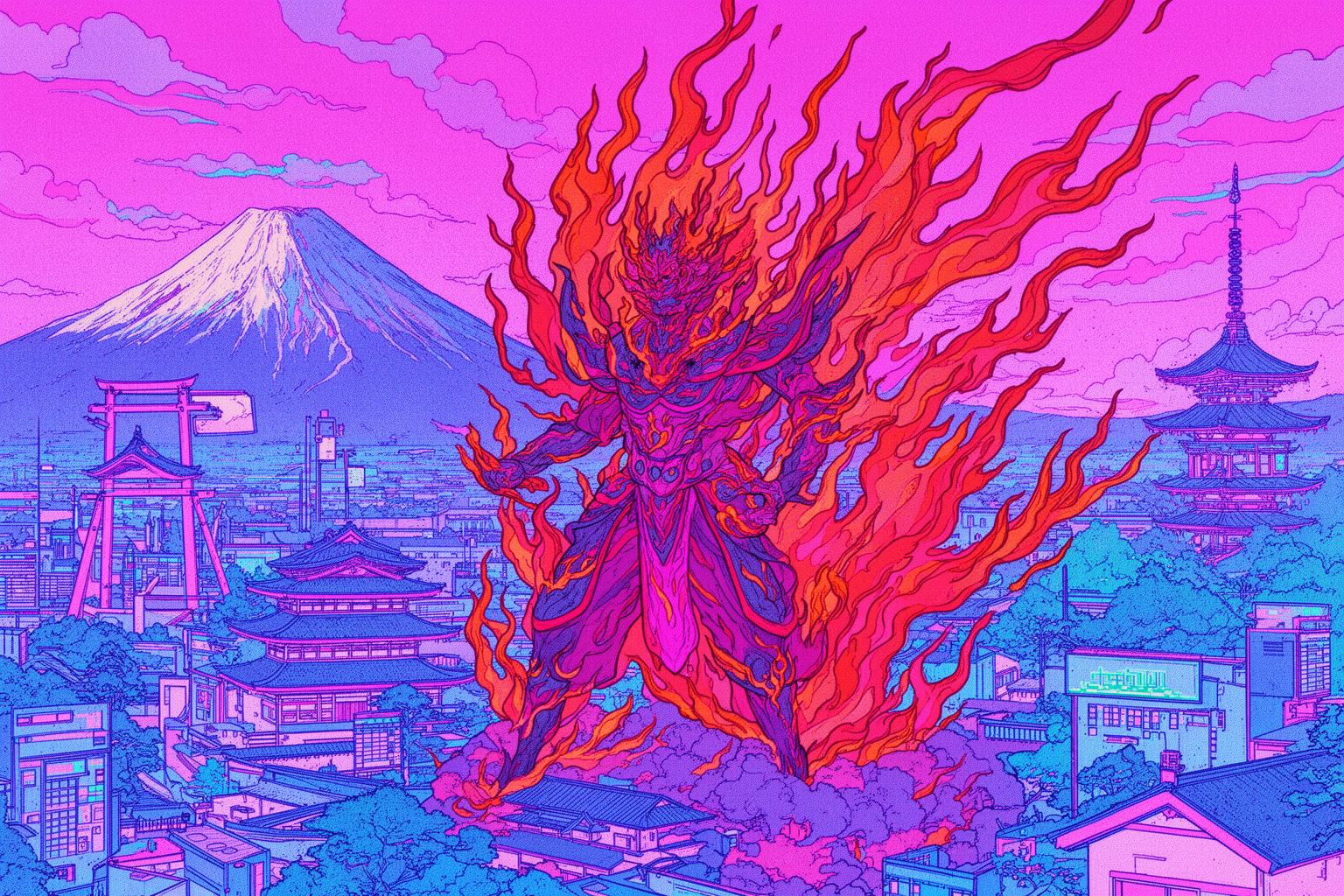
The legend behind this temple reads like an epic anime battle. It centers on Fudo Myo-o (Acala Vidyaraja in Sanskrit), one of the key deities in Japanese Esoteric Buddhism. Fudo Myo-o is a Wisdom King — a wrathful manifestation of the cosmic Buddha who uses his fierce visage to guide people onto the right path and eradicate evil. The story tells of a magical duel between Fudo Myo-o and a demon misleading people. The demon transformed into a massive, powerful sword. In response, Fudo Myo-o became an enormous, fire-breathing black dragon. This dragon coiled itself around the demon-sword and began devouring it from the hilt, completely consuming and obliterating the evil. This striking image—a dragon wrapped around a straight sword—is called the “Kurikara Kenshin” or “Kurikara Dragon Sword,” symbolizing Fudo Myo-o’s absolute power over evil. The dragon is not a separate deity but a direct embodiment of Fudo Myo-o himself — his ultimate weapon and true form of righteous fury. Kurikara Fudo-ji Temple is dedicated to this specific, powerful aspect of the deity.
The Pilgrimage Path
Kurikara Fudo-ji is dramatically situated on the historic Kurikara Pass. The temple complex is divided into two main areas—one in Ishikawa and one in Toyama—connected by a path. The main hall, or Honden, is on the Ishikawa side. Upon approach, you’ll notice numerous statues of Fudo Myo-o and his attendants, all with fierce expressions. The air is thick with the scent of incense from the ever-burning fires used in goma fire rituals, a central Shingon Buddhist practice symbolically burning away desires and obstacles. The temple’s intricate carvings often depict the Kurikara dragon. The main object of worship, the Kurikara Fudo statue, is typically hidden as a hibutsu (secret Buddha), but its immense power is said to permeate the grounds. Walking the path, surrounded by banners and stone lanterns, builds a sense of intense focus. This is not a site for casual sightseeing; it’s a place for serious prayer, where you ask Fudo Myo-o to grant you his dragon’s power to cut through whatever is holding you back. The views from the pass are spectacular too, offering sweeping panoramas that enhance the feeling of being in a lofty, powerful place.
Beyond the Shrine
Kurikara Fudo-ji is a bit off the beaten track, making it a rewarding stop for those looking to explore beyond the main tourist routes. Its location makes it perfect for a road trip through the Hokuriku region. A visit here pairs well with a trip to the magnificent city of Kanazawa in Ishikawa. Kanazawa is a cultural treasure, known for Kenrokuen, one of Japan’s three most beautiful landscape gardens. The city also features beautifully preserved samurai and geisha districts (Nagamachi and Higashi Chaya Districts), where you can experience the elegance of the Edo period. After absorbing the raw, fiery power of the Kurikara dragon, immersing yourself in Kanazawa’s refined artistic culture offers a wonderful contrast. It’s the perfect blend of warrior spirit and aesthetic grace, highlighting Japan’s incredible variety of experiences. Chasing this dragon brings you closer to the fierce, protective side of Japanese spirituality.
So there you have it — a journey across Japan, from sea to mountains, tracing the epic, multifaceted energy of the Ryūjin. Each location tells a unique story and channels a distinct power. Whether it’s the majestic ocean royalty of Miyajima, the redeemed warrior of Hakone, the passionate lover of Enoshima, the primal earth god of Togakushi, or the fiery weapon of Kurikara, the dragon’s presence powerfully reflects the spiritual forces that animate this extraordinary country. This journey is more than just ticking sites off a list; it’s an invitation to open yourself to the energy of the land and its ancient guardians. So go ahead, set out. Find your power spot. The dragons await.