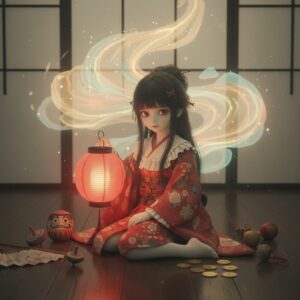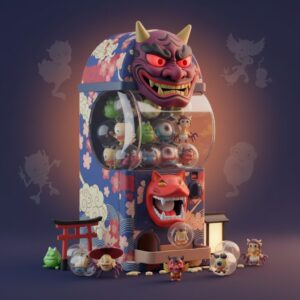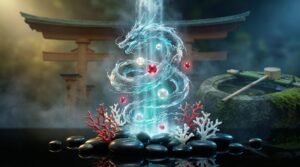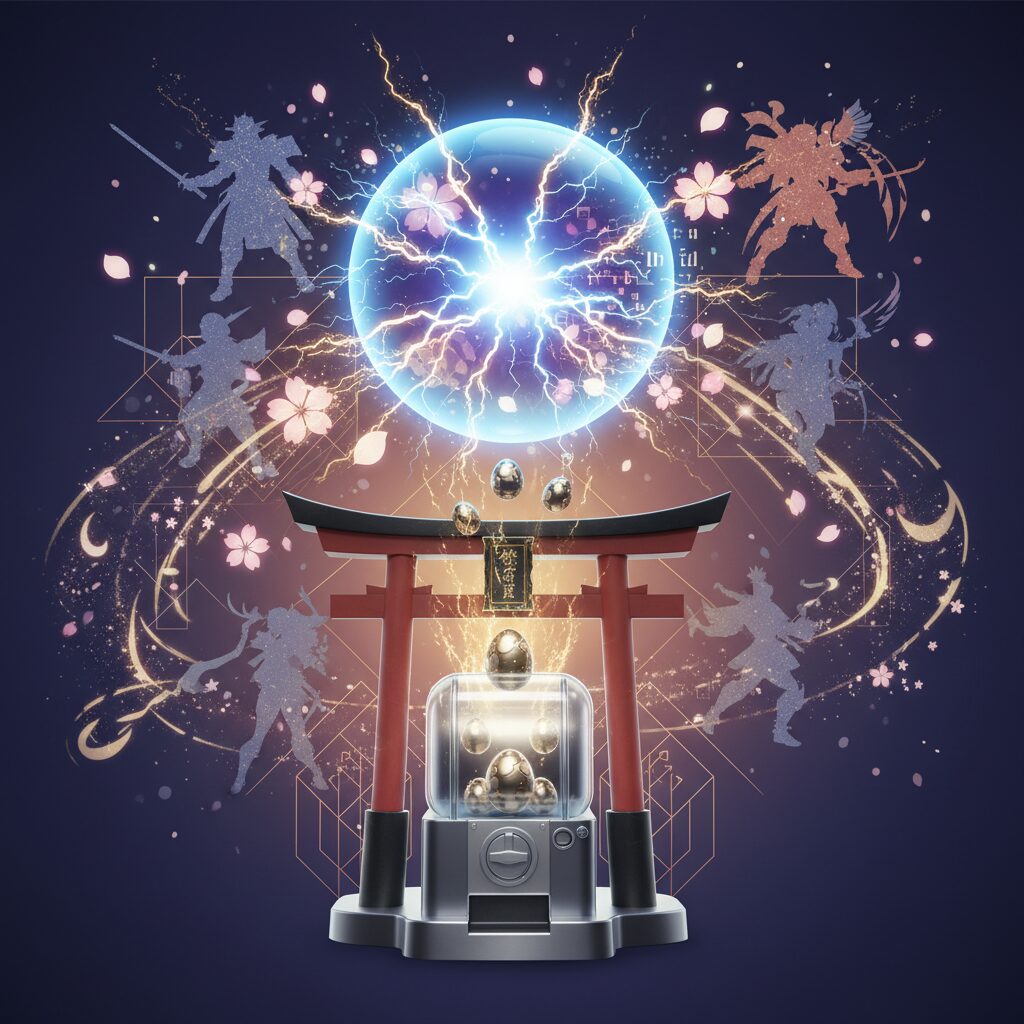
Yo, what’s the deal with gacha games? For real. If you’ve ever touched a Japanese mobile game, you know the vibe. You grind for hours, save up your primo currency, and then dump it all on a limited-time banner, praying to the digital heavens for that one super-rare, meta-defining character. You see the flash of rainbow light, your heart stops, and… it’s your tenth copy of a useless 3-star character. The pain is real. The salt is legendary. You swear you’ll quit, but an hour later you’re back at it, trying to scrounge enough gems for just one more pull. It feels wild, kinda irrational, and low-key addictive. And you’ve probably asked yourself, “Why is this system so massive in Japan? What is it about the culture that makes this loop of random chance and collection so dang compelling?” It’s a legit question. Because on the surface, it’s just a game. But if you dig a little deeper, like, way deeper, you’ll see that the pulse-pounding, wallet-draining ritual of the gacha pull isn’t new. Not even close. It’s an echo of something ancient, something deeply woven into the spiritual fabric of Japan. What you’re doing on your phone is, no cap, a modern-day version of the rituals our ancestors used to summon gods and appease demons. It’s the same spiritual DNA, just repackaged with slick anime art and a banging soundtrack. We’re basically trying to pull a 5-star Kami from the great, chaotic banner of the universe. And just like in ancient times, you never know if you’re gonna get a blessing or a curse. So buckle up, we’re about to spill the tea on how your favorite gacha game is a direct descendant of thousand-year-old magic. This ain’t your standard travel guide; this is the deep-cut cultural lore you’ve been looking for to finally make sense of it all. It’s time to connect the dots from ancient shrines to your smartphone screen.
This modern spiritual loop even extends to the silent devotion of Japan’s “oshi-katsu” culture, where fans channel a similar energy into supporting their favorite idols.
The OG Summoning Circle: Praying to the Kami
Before we even dive into digital stuff, we need to go way back—like, to the foundation of the culture. The whole idea of summoning in Japan originates with Shinto, the indigenous religion. At the core of Shinto are the Kami. Now, if you’re imagining “God” with a capital G, like an all-powerful, all-knowing bearded figure in the sky, you need to set that aside. This is a completely different ball game.
What Exactly Are Kami? (Hint: It’s Complicated)
First off, Kami are literally everywhere. The phrase often used is yaoyorozu no kami, meaning “eight million gods.” It’s a poetic way of saying they’re infinite and uncountable. There are Kami of mountains, rivers, and seas. There’s a Kami of the sun, Amaterasu Omikami, who’s essentially the top boss of the pantheon. But it gets much more specific. There are Kami of wind, of individual trees, specific waterfalls, rice, and even the kitchen stove. You probably didn’t realize there’s even a Kami for your toilet—Ususama Myo-o, connected with purification. It’s a worldview where divinity isn’t locked away in some distant heaven; rather, it’s alive all around you, within both the grand and the mundane. These forces aren’t inherently good or evil in the Western sense. They’re simply powerful. They embody the raw, untamable energy of nature itself. And here’s where it gets really interesting and starts to feel a bit like gacha RNG. Kami have two sides, two souls if you will: the nigimitama and the aramitama. The nigimitama is the peaceful, nurturing side. It’s the gentle rain helping crops grow, the warm sun, the calm sea—that’s the vibe you want. It’s your SSR pull, the blessing that brings good fortune, a bountiful harvest, or success in your endeavors. But each Kami also has an aramitama—a rough, violent, and destructive side. This is the typhoon that devastates a village, the earthquake that shakes the ground, the volcanic eruption that buries everything in ash. It’s the same entity, just in a different mood. So, when you prayed to the mountain Kami, you were hoping its nigimitama would grant you safe passage, not its aramitama causing a landslide. You’re never guaranteed the benevolent side. The outcome is fundamentally uncertain. You can do everything right, but ultimately, the Kami’s will is unpredictable. Sound familiar? That’s the essential tension of the gacha pull: hoping for the nigimitama and fearing the aramitama spook.
The Ritual Vibe Check: How to Get a Kami’s Attention
So, if you’re an ancient farmer whose survival depends on avoiding disasters like typhoons, what do you do? You don’t just cross your fingers. You perform a ritual—you create a summoning circle. Shinto rituals focus on creating the perfect vibe to attract the nigimitama of a Kami and convince it to bless you. It’s a highly structured process, a form of spiritual technology to improve your odds. First is purification, or harai. You can’t just approach a Kami burdened with bad vibes and impurities—your kegare. You must be spiritually and physically clean. This involves practices like misogi, purification by water, often standing under a freezing cold waterfall. A Shinto priest waves a special wand called an onusa or haraegushi—the fluffy white paper one you’ve probably seen—to cleanse people and objects. This is step one: clearing your cache, debugging your soul, so your connection to the divine is crystal clear. Next comes the offering, called shinsen. You can’t request a favor without giving something first. This is serious business. Offerings are typically the best of the best: perfect fruits, high-quality rice, and most importantly, sake (rice wine), often called omiki when given to the gods. The idea is the Kami consumes the spiritual essence of the food and drink, which pleases them. This is you spending your hard-earned premium currency. You’re not throwing random items at the banner; you’re offering valuable goods hoping for something valuable in return. Finally, there’s the prayer, the norito. This isn’t a casual “Hey, what’s up?” It’s a formal, poetic chant performed by a priest in an ancient form of Japanese. The norito praises the Kami, recounts their legendary deeds, states the ceremony’s purpose, then makes the request. It’s a carefully worded appeal, designed to be respectful and persuasive. All of this—the purification, the offering, and the prayer—is an attempt to influence an unpredictable, powerful force. It’s a system to try and rig the cosmic gacha in your favor. But even after all that, there’s no guarantee. The Kami might be in a good mood, or they might not. The ritual increases your chances; it’s a “rate-up” event, but it never promises a specific outcome. The tension at that moment, after the prayer finishes and everyone waits silently for a sign… that’s the moment just before your gacha pull resolves. It’s the ultimate vibe check.
Flipping the Coin: When You Summon an Oni Instead
Life isn’t solely about pursuing blessings; sometimes, it’s about evading curses. For every benevolent Kami you seek to attract, there’s a malevolent force you strive to avoid. In Japanese folklore, the most iconic of these forces are the Oni, and dealing with them calls for a completely different spiritual strategy. If appealing to Kami is like pulling a rate-up banner for a character you want, confronting Oni is like trying to cleanse your account of all the trash-tier units you never asked for.
The Deal with Oni: More Than Just Red Ogres Wielding Clubs
When people hear “Oni,” they typically imagine large, fearsome ogres, often red or blue, with horns, wild hair, and a massive iron club (kanabō). And yes, that’s a classic image. But the concept is much deeper and more terrifying than just a simple monster. Oni embody the aramitama taken to the extreme and given a horrifying physical form. They represent chaos, disaster, disease, and all the random, dreadful events that can befall people. Their origins vary: some were once malevolent Kami, others are the vengeful ghosts (onryō) of powerful individuals wronged in life who return to wreak havoc, and some are simply denizens of Jigoku (Buddhist hell) who occasionally appear in the human world to cause trouble. They all share one thing in common: they symbolize a fundamental disruption to the social and natural order. They are the ultimate bad draw. They bring famine, plague, and destruction. In tales, they abduct people, destroy temples, and terrorize the countryside. They personify misfortune—the living embodiment of drawing a 1-star result after spending all your savings. But here’s an important nuance: Oni aren’t always just mindless beasts. They can be cunning, intelligent, and sometimes even sympathetic figures. Their existence raises a difficult question: is misfortune merely random bad luck, or is it a deliberate force? Oni give that fear a face. Sometimes, they can be defeated or even pacified. A powerful hero or wise monk might fight an Oni and, by overcoming it, restore order. In some stories, a defeated Oni may even pledge loyalty and become a protector. This adds complexity: even the worst outcome can potentially be transformed into something beneficial.
Appeasement and Banishment: The Original Reroll
So, you’ve got Oni—or at least the threat of them—which is like having your account cursed with bad RNG. How do you fix it? You can’t really reason with them. Specific rituals are needed for damage control. The most famous is Setsubun, held annually at the start of spring. Setsubun is essentially a massive, nationwide spiritual house-cleaning. Its goal is to drive away all the bad vibes, misfortune, and Oni from the previous year to allow a fresh start. The ritual is well known: you throw roasted soybeans (fukumame, “fortune beans”) out your door or at someone wearing an Oni mask while shouting, “Oni wa soto! Fuku wa uchi!” meaning “Demons out! Fortune in!” This is literally an attempt to reroll your luck for the entire year. You actively banish bad pulls and summon good ones. The beans are believed to have purifying powers that drive Oni away. Though symbolic, the ritual is taken very seriously. It’s a way for everyone to participate collectively in resetting their spiritual state. Beyond grand festivals like Setsubun, there are everyday tools for keeping bad spiritual RNG at bay. These are your buffs and debuffs in life’s game. People carry omamori, small brocaded amulets from shrines and temples. There’s an omamori for everything: traffic safety, exam success, finding love, good health. These act as passive buffs that constantly protect you from negative influences. You also have ofuda, paper or wooden talismans inscribed with the name of a Kami or shrine. These are placed in home altars (kamidana) to serve as spiritual wards—a force field keeping Oni and misfortune away. Think of it like equipping your party with gear that grants resistance to certain debuffs. All these practices—the loud, public banishment rituals and the quiet, personal talismans—form a system to manage spiritual risk. It acknowledges that you can’t always be on the offensive, summoning only good things. A big part of life is defense: protecting yourself from inevitable bad pulls and making sure the Oni stay outside your door.
From Shrine to Smartphone: The Gacha Connection is Real
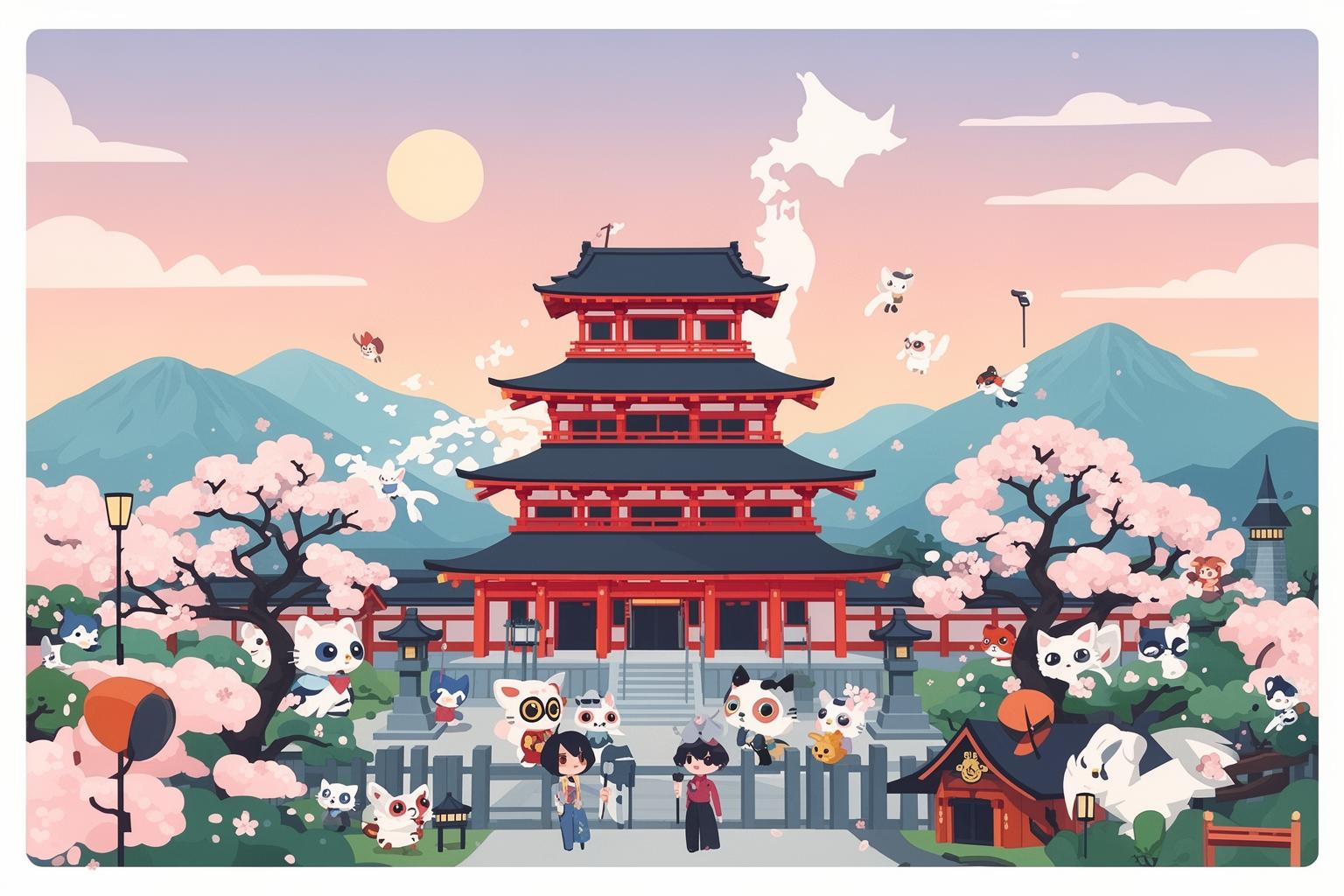
Alright, we’ve set the stage. We have Kami, the divine SSRs with their strengths and weaknesses. We have Oni, the R-rank nuisances you want to banish. We have rituals, offerings, and prayers as the mechanics for interacting with them. Now, let’s launch your favorite gacha game and observe how all these ancient concepts are unfolding on your screen. The parallels are so striking, it’s honestly astonishing.
The Digital Torii Gate: Entering the Gacha Realm
When you visit a Shinto shrine, the first step is passing through a torii gate. This gate signals the shift from the ordinary world to the sacred domain of the Kami. The atmosphere changes—it becomes quieter. You enter a special space where different rules apply and communion with the divine is possible. Starting a gacha game replicates this experience exactly. The loading screen, company logos, and title screen with epic music symbolize you crossing the digital torii gate. You leave behind your emails and texts, entering the game’s sacred realm. The home screen, greeted by your favorite character, serves as the shrine’s main hall (haiden). It’s your base where you prepare for what’s to come. Then, you spot it—the button labeled “Summon,” “Draw,” “Recruit,” or “Gacha.” This is the digital altar, the place where the magic unfolds. The in-game currency you’ve saved—gems, orbs, crystals, tickets—is your shinsen, your sacred offering. It’s no longer real money (even if purchased with such); it has transformed into a symbolic tribute in the game’s sacred economy. Pressing the summon button is the ritual’s climax. The game often compels you through a dramatic animation: a portal opens, a magical symbol glows, the screen flashes white, gold, rainbow. This is the modern counterpart to the priest chanting the norito. It’s a moment filled with pure tension. Game designers are masters of ritual, knowing anticipation is just as, if not more, important than the outcome. They prolong this instant, making your heart race. Will the Kami answer your call? Will the portal grant you a powerful new ally? Or will it yield something you’ve seen countless times before? The entire interface is crafted to feel like a sacred, high-stakes ceremony.
SSR Gods and R-Rank Oni: The Character Lineup as a Divine Pantheon
Here, the connection becomes unmistakably clear. The characters in a gacha game form a modern pantheon of Kami and Oni. Let’s break it down. The highest rarity characters—the SSRs, 5-stars, URs—are the great Kami. Their immense power defines them. They boast game-changing skills, impressive stats, and often, breathtaking artwork and animations. Pulling one feels like a true blessing. It can transform your gameplay, enabling you to conquer challenges that stalled you for weeks. They bring victory, the contemporary equivalent of a bountiful harvest. Their in-game lore often portrays them as legendary heroes, divine beings, or royalty. Essentially, they are gods within the game’s universe. Conversely, the low-rarity characters—the Rs, 3-stars, commons—are your digital Oni. They are weak, useless in the meta, and appear repeatedly. They symbolize misfortune, cluttering your inventory as a constant reminder of failed summons. A multi-pull filled entirely with R-rank characters is the ultimate curse, signaling the gacha gods’ disfavor. What do you do with them? You banish them—selling, feeding them for minimal experience, or converting them into dust. You enact a digital Setsubun, casting Oni out of your account to welcome good fortune. Then, there are special banners: limited-time characters, seasonal versions (summer or Christmas variants), and collaboration units. These are akin to seasonal deities or Kami celebrated only during specific festivals. Their arrival is a special event, sparking community excitement. The pressure to summon them is intense because the opportunity is limited. Missing out might mean waiting an entire year for another chance. This created scarcity heightens the ritual’s significance and potency. The character roster is a carefully crafted hierarchy of digital spirits, ranging from coveted gods to despised demons.
The Psychology of the Pull: Why It Feels So… Spiritual?
This is where it delves deeply into player psychology. Since the gacha system relies on cold, random RNG, players instinctively seek ways to influence it. They create personal rituals. This is a direct, albeit likely subconscious, echo of the ancient urge to control the uncontrollable. Online forums and communities teem with players sharing “summoning rituals.” They claim things like, “I only pull at 4:44 AM because it’s an unlucky number that loops back to lucky,” or “You have to tap the summon button in sync with the background music’s beat,” or “I always visit the in-game location tied to the character I want before pulling.” Some draw the character on paper and place their phone on it. Others chant the character’s name aloud. Logically, none of this matters. Everyone knows, on some level, it’s just RNG. But the feeling that you can improve odds is overwhelmingly powerful. It creates a sense of agency amid chaos. This reflects the same psychological principle behind ancient purification rituals. A farmer didn’t know washing in a waterfall would prevent floods, but it was an act they could take, a way to engage with their fate. In gacha, a streak of bad pulls feels like spiritual pollution, a kegare. Your account seems cursed. So, players invent purification rituals to cleanse their luck. They might do a “friend point summon,” using free currency to clear bad luck before attempting a premium pull. These superstitions aren’t mere quirks—they are a modern expression of a deeply rooted cultural mindset about luck, fate, and unseen forces. The game provides the framework—the digital shrine, the pantheon of characters—and players naturally infuse it with the ancient language of ritual and belief.
It’s Not Just a Game, It’s a Cultural Vibe
To truly understand why the gacha model resonates so strongly in Japan, you need to step back from the games themselves and examine the surrounding culture. The gacha mechanic isn’t an isolated concept; it represents the hyper-monetized, digital evolution of collecting and luck-based practices that have been part of Japanese life for centuries. It connects to a deeply rooted cultural framework, making it feel natural and almost intuitive.
The Power of the Unseen and the Joy of Collecting
Consider omikuji. If you’ve ever visited a major shrine or temple in Japan, you’ve encountered them. For a small donation (usually 100 or 200 yen), you participate in a luck-driven ritual that functions much like a physical gacha pull. You shake a long, hexagonal wooden box until a single numbered bamboo stick drops out through a small hole. You then take that stick to the shrine attendant, who gives you a corresponding slip of paper—your omikuji, or sacred fortune. This slip reveals your near-future luck, ranked on a scale. Rankings vary, but commonly range from Great Blessing (dai-kichi) at the top to Great Curse (dai-kyo) at the bottom. It’s literally a luck roll. Pulling a dai-kichi feels incredible—you read positive predictions for health, business, and love, experiencing genuine blessing. You fold it carefully and carry it in your wallet to keep the good fortune close. But what if you draw a Curse? A kyo or dai-kyo? That’s the worst outcome. The paper warns of misfortune and negative omens, and no one wants to bring that bad energy home. So what happens next? You perform a banishment ritual. At every shrine, there are designated spots—often wires strung between trees or poles—where you tie your bad fortunes. This act symbolizes leaving the misfortune behind for the Kami to handle. You cleanse yourself of negative luck. Sound familiar? It mirrors exactly the emotional and ritualistic cycle of gacha: pay a fee, receive a random outcome, keep the good ones, and discard the bad. This tradition has conditioned generations to find a certain thrill in the randomness of fate.
Another important cultural element is the practice of collecting, especially items linked to sacred or special places, such as goshuin. A goshuin is a unique stamp and calligraphy that visitors receive at shrines or temples. Using a special book called a goshuin-chō, a monk or priest applies a beautiful red stamp and writes the temple’s name, the date, and sometimes a special phrase in elegant black ink calligraphy directly into your book. Each one is a unique work of art and a tangible record of your pilgrimage. Collecting goshuin is a widespread hobby; people travel nationwide to fill their books. It’s not merely tourism—it’s an act of devotion, creating a personal collection that chronicles a spiritual journey. This fosters a compelling “gotta catch ‘em all” mindset, but one grounded in physical travel and sacred sites. Gacha games tap directly into this urge to collect. Your character roster is your digital goshuin-chō. Every rare character you obtain is like a new stamp in your book—a trophy symbolizing luck and perseverance. Completing your character index or collecting every unit from a specific faction mirrors the digital equivalent of finishing a pilgrimage and filling your stamp book. It fulfills the same deep desire to gather, categorize, and complete a set.
Why This System Resonates So Strongly in Japan
Why does this all fit together so perfectly in Japan? It’s because the worldview shaped by Shinto and folk Buddhism remains a significant part of the cultural fabric, even for those who aren’t religious. The belief that the world is inhabited by unseen forces—Kami, spirits, luck—that can be influenced or warded off is simply normal. People visit shrines at New Year (hatsumōde) to pray for good fortune. Students buy special omamori for exam success. Business owners might keep a small kamidana in their office. These acts aren’t regarded as deeply religious but rather as customary practices—it’s culture. Therefore, a game system built around luck and collecting powerful entities doesn’t feel strange or foreign; it feels like a gamified expression of something already embedded in society.
Moreover, Japanese society is described by anthropologists as a “high-context” culture, valuing unspoken rules, process, and complex systems. People relish mastering intricate hobbies, whether it’s the tea ceremony, flower arrangement, or, in this case, the strategic depth of a gacha game. Analyzing optimal team compositions, uncovering hidden character mechanics, and strategizing resource use appeals to a cultural love of deep system mastery. The ritualistic habit of logging in daily, completing tasks for rewards, and planning pulls for future banners fits naturally into a lifestyle that values routine and long-term planning.
And the social element shouldn’t be overlooked. In a culture emphasizing group harmony over individualism, gacha games offer a perfect venue for shared experiences and subtle competition. Sharing an impressive pull in group chats is a way to flex without boasting. Comiserating with friends over repeated bad luck fosters camaraderie. It becomes a shared language and communal experience. Your gacha account evolves into a part of your social identity, and showing off your collection of rare characters is akin to displaying your full goshuin-chō—proof of dedication and, of course, remarkable luck.
The Dark Side of the Summon: When the Gacha Becomes the Oni
Up until now, we’ve been delving into the deep cultural roots that make gacha games resonate. It’s a fascinating connection that explains much of their appeal. But let’s be honest: there’s a dark side to this—a very dark side. When the ritual of summoning ceases to be a fun echo of ancient tradition and turns into a destructive obsession, the game itself changes. It stops being a digital shrine where you seek blessings and becomes a ravenous Oni demanding endless sacrifice. It’s vital to confront this honestly, as it represents the other half of the story.
From Offering to Addiction: The Modern Kegare
In Shinto, kegare, or impurity, signifies a state that separates you from the divine and your community. It’s a spiritual stain brought on by death, disease, or sin, causing misfortune that must be cleansed through purification rituals. Gacha addiction can be seen as a modern, psychological form of kegare. It reflects a polluted relationship with the game, where the ritual’s joy is replaced by compulsive anxiety. The offering is no longer symbolic but a continual, draining flow of real money. The hope for a good pull becomes a desperate need to ease the anxiety of missing the newest character. This is where the system’s design, so cleverly mimicking spiritual rituals, turns highly predatory. The random rewards stimulate the same brain regions as slot machines. The feeling of a “near miss”—like seeing the rainbow flash but landing an off-banner character—doesn’t discourage you; it pushes you to pull again because you feel you were so close. This is the Gambler’s Fallacy in action. Social pressure to keep up with the meta and own the characters your friends have adds yet another layer of compulsion. This downward spiral is a form of possession—not by a literal folklore demon, but by the game’s psychological mechanics. In Japan, this is known as gacha-haisan, literally “gacha-bankrupt.” Many stories describe people spending life savings, falling into crippling debt, or even using company funds to support their gacha habit. The Oni here isn’t a monstrous figure wielding a club but a pixelated system that has taken control. The Japanese government has even intervened. A few years ago, the “kompu gacha,” or “complete gacha” mechanic, was banned for encouraging endless spending to collect a set of common items to unlock a super-rare prize. It was deemed too close to regulated gambling. This ban was a rare acknowledgment that the Oni had grown too powerful and needed to be legally restrained.
So, Is It a Vibe or a Vice?
After all this, what’s the verdict? Are gacha games merely harmless expressions of ancient cultural patterns, or are they predatory vices cloaked in stylish anime art? The truth is they are both. This duality would be perfectly understood by an ancient Shinto priest. The same Kami that brings bountiful harvests can also unleash devastating storms. The power itself is neutral; it’s the outcome that labels it a blessing or a curse. The gacha system is a sophisticated piece of cultural technology, digitizing and monetizing a ritual loop of hope, randomness, and fortune that’s thousands of years old. It taps into a cultural consciousness familiar with appeasing fickle forces, the thrill of collecting, and social bonds forged by shared rituals. For millions, it’s a genuinely enjoyable hobby, a way to engage with beautiful art, compelling stories, and a community of fellow fans. The ritual is fun, and the cost is reasonable. The offerings remain in moderation. But for a vulnerable few, the system becomes a snare. The digital Kami demands too much, and the player sacrifices real-world wellbeing on its altar. The line between a healthy ritual and a destructive obsession is thin—and gacha games are designed to make you walk as close to that line as possible. The next time you see someone focused on their phone, thumb poised over the summon button, remember what’s truly happening. They aren’t just playing a game—they are participating in a ritual rooted in the very dawn of Japanese culture. They are making an offering, whispering a silent prayer, and bracing to face the will of an unpredictable god. They hope for a blessing but know, deep down, they might summon an Oni. And that tension—the blend of hope and fear—is a feeling that is genuinely timeless.