
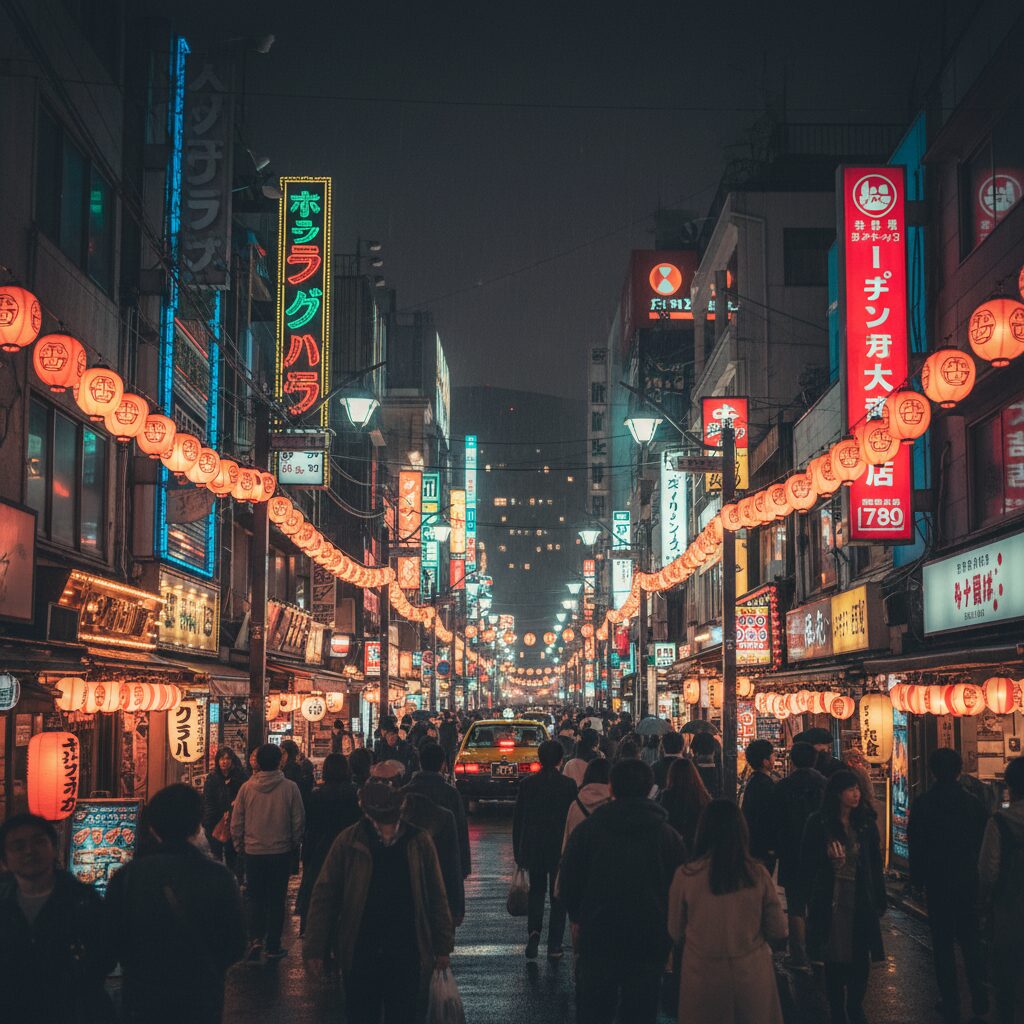
Alright, fam, let’s spill the tea on a place that’s seriously lit. Forget what you think you know about sleepy northern Japan, ‘cause we’re diving headfirst into the electric, neon-soaked heart of Sendai: Kokubuncho. No cap, this is Tohoku’s largest, wildest, and most legendary entertainment district. It’s where the 9-to-5 hustle melts away and the city’s true colors come out to play. Think of it as the ultimate playground for grown-ups, a sprawling labyrinth of over 3,000 bars, restaurants, and izakayas, all buzzing with an energy that’s absolutely contagious. This isn’t just a spot on a map; it’s a whole mood, a cultural icon, and the place where memories (and maybe a few hangovers) are made. Whether you’re a seasoned traveler or a first-timer looking for that authentic Japanese nightlife experience, Kokubuncho is the move. It’s where the stories are, where the best food is hiding down a random alley, and where the pulse of Sendai beats the loudest. So, buckle up, ‘cause we’re about to drop the pin on your next favorite night out. Bet.
The Vibe Check: What Kokubuncho Feels Like
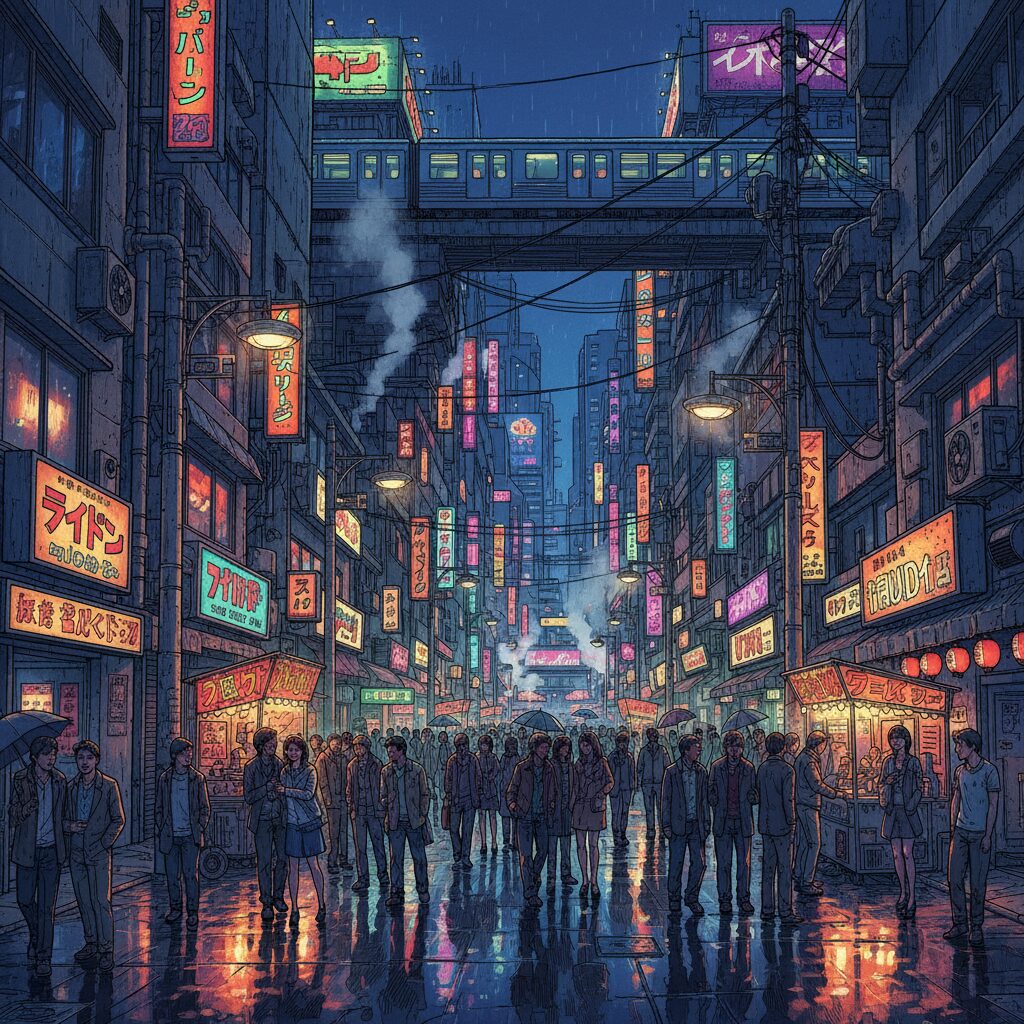
Stepping into Kokubuncho after sunset feels like entering a movie set. The main streets explode with sensory experiences. Towering signs in a kaleidoscope of colors—red, blue, green, pink—flash and flicker, their lights reflecting off the wet pavement on a rainy night. You’ll hear a symphony of city sounds: the distant clatter of a pachinko parlor, the sizzle of grills from countless kitchens, the muffled bass from a club, and most importantly, the steady, cheerful hum of people. It’s the sound of pure, unfiltered fun. Groups of salarymen with their ties loosened, university students debating where to go next, couples on dates, and curious travelers like you all weave through the streets together. The air is thick with the mouth-watering scent of yakitori smoke, savory ramen broth, and something uniquely electric. It carries a hint of the big-city chaos found in Shinjuku’s Kabukicho, but it feels different—more local, more welcoming. It’s high-energy without being overwhelming. You get the sense that while tourists are welcome, this place truly belongs to the people of Sendai. It’s their living room, their celebration space. The real magic, however, happens when you step off the main drag. Duck into one of the countless narrow alleyways, or yokocho, and the vibe shifts. The neon glare softens, replaced by the warm glow of paper lanterns. The roar of the street fades into an intimate murmur of conversation and clinking glasses. This is where you discover hidden gems, tiny family-run spots that have stood for decades. It’s this duality—the buzzing, modern thoroughfares and the quiet, nostalgic backstreets—that makes Kokubuncho’s atmosphere truly exceptional. It’s a place of endless discovery, where every turn reveals a new adventure.
Diving into the Izakaya Scene: The Heartbeat of the Night
Let’s be honest, the main attraction in Kokubuncho is the izakaya experience. This is the heart of Japanese nightlife culture, and this district is a true masterclass in it. If you’re visiting for the first time, you need to understand what an izakaya really is. It’s not just a bar, nor quite a restaurant. It’s the perfect blend—the Japanese version of a gastropub, but much cooler. The idea is simple: you go with friends, order drinks, and share a variety of small, delicious plates. It’s casual, social, and all about relaxing and enjoying the moment. The menu typically lists everything from grilled skewers to sashimi to fried chicken, meant for grazing over several hours and multiple rounds of drinks. It’s a marathon, not a sprint, and hands down the best way to experience local life and cuisine.
Old-School Classics You Can’t Miss
First, you have to pay homage to the originals. The traditional izakayas are the soul of Kokubuncho. These spots have been serving patrons for generations, often hidden in modest buildings or tucked down atmospheric yokocho alleyways. Entering one feels like stepping back in time. You might find yourself in a small room with dark wood paneling, sitting on a tatami mat or squeezed into a counter worn smooth by decades of use. The menu might be handwritten on strips of paper tacked to the wall, all in Japanese. Don’t let that intimidate you; that’s the mark of authenticity. This is where you point, smile, and trust the chef. These places focus on hyper-local ingredients and time-tested recipes. And in Sendai, that means a serious treat. The absolute must-try, the GOAT of Sendai cuisine, is gyutan yaki—grilled beef tongue. Forget any preconceptions about beef tongue; here, it’s sliced thin, perfectly seasoned, and charcoal-grilled until tender and flavorful. It’s a game-changer. Another local staple, especially in colder months, is seri nabe, a hot pot featuring seri (Japanese dropwort). The key is they use the entire plant—from crisp leaves to intensely flavored roots—combined with duck or chicken in a savory broth, creating the ultimate comfort food. Since Sendai is the capital of Miyagi Prefecture, home to the stunning Sanriku coastline, seafood here is exceptional. Look out for places serving fresh kaisen (seafood), especially hoya (sea squirt) in summer. It’s a unique flavor—said to taste like the ocean itself—and a true local delicacy. The experience in these traditional joints matters just as much as the food. You share the space with locals who have been coming for years, watching the taisho (master) work expertly behind the counter. It’s intimate, genuine, and the epitome of Japan. IYKYK.
Modern Twists and Themed Spots
While traditional izakayas form the foundation, Kokubuncho also thrives with a new wave of modern izakayas putting fresh spins on the classic formula. These places are ideal when you want a different vibe. You’ll find spots with sleek, minimalist decor, specializing in natural wine pairings or Japanese craft beer from Tohoku microbreweries. They keep the core izakaya concept of sharing plates but add contemporary, sometimes global, twists—think gyutan tacos or sashimi served with yuzu-infused olive oil. These inventive izakayas are where young chefs experiment and push boundaries, delivering seriously delicious results. Then there are themed bars: a Showa-era classroom, a ninja-themed hideout, you name it. Kokubuncho has it. These venues focus on the experience, offering immersive atmospheres perfect for a memorable night out with friends. They prove that izakaya culture is always evolving, adapting to new tastes while honoring its social roots. Whether you’re a purist or an explorer, there’s an izakaya in Kokubuncho waiting for you.
Pro Tips for Izakaya Hopping
Ready to dive in? Here’s a quick cheat sheet to navigate the izakaya scene like a pro. When you sit down, you’ll almost always get a small appetizer you didn’t order—the otoshi—which is essentially a table charge that comes with a snack. Don’t resist it; enjoy, as it’s part of the experience. Start by ordering drinks; it’s customary to get the drinks going before thinking about food. When ready to order, a simple “Sumimasen!” (Excuse me!) will get the staff’s attention. Most places, especially the smaller, older ones, prefer cash, so bring some yen. Don’t hesitate to order in rounds: get a few dishes, see how you feel, then order more. It’s all about taking your time. When you leave, you usually pay at the front register. Easy. The most important tip? Be open-minded. Try something new. Even if you can’t read the menu, pointing to what your neighbor is eating is a perfectly valid and often successful approach.
Beyond the Izakaya: Kokubuncho’s Nightlife Spectrum
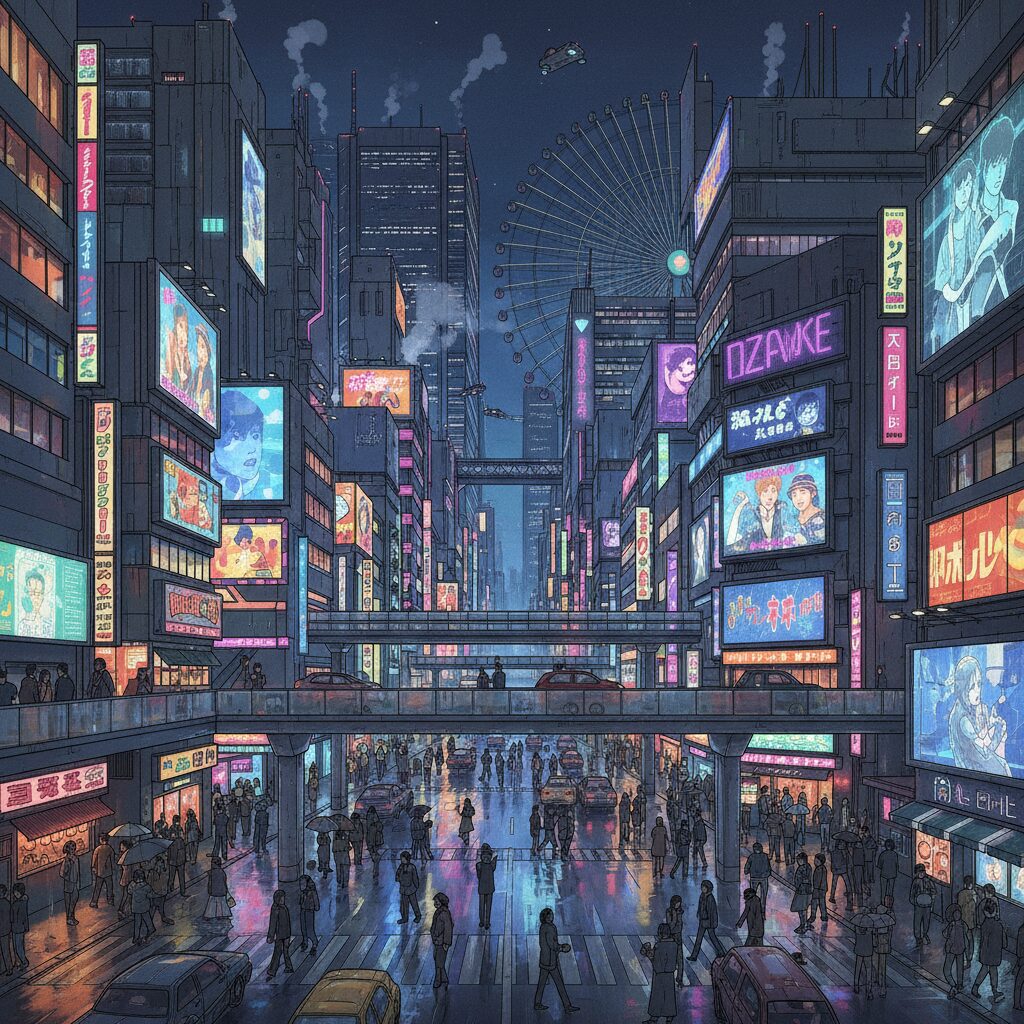
While we definitely love the izakayas, Kokubuncho’s offerings run much deeper. This district boasts a complete nightlife ecosystem, with options suited for every mood and hour of the night. Once you’ve enjoyed your fill of shared plates, an entirely different world of entertainment awaits.
Bars for Every Mood
If you’re in the mood for a expertly crafted drink, you’ve come to the right place. Kokubuncho features some seriously impressive bars. Hidden away on the second or third floors of unassuming buildings, you’ll discover quiet, speakeasy-style cocktail bars. These dimly lit havens treat bartending as an art, where impeccably dressed bartenders listen to your flavor preferences and create a custom drink just for you. It’s a refined, almost meditative experience. On the opposite end are tachinomi, or standing bars—fast, lively, and affordable. You squeeze in at a tall counter, order a quick beer or highball, maybe a few skewers, making them perfect for a pre-dinner drink or a quick stop during a night of bar hopping. The close quarters also make it easy to chat with locals. For sake lovers, Tohoku is a sake paradise, and Kokubuncho has bars showcasing this with hundreds of varieties from local breweries, often offering tasting flights that explore the region’s unique flavors. And let’s not forget Japanese whisky—there are cozy, library-like bars lined with rare and vintage bottles. If you want more noise, plenty of live houses and music bars scatter the area, featuring local bands playing everything from jazz to punk rock. The variety is incredible.
Karaoke and Late-Night Fun
No conversation about Japanese nightlife is complete without karaoke, the national pastime, and Kokubuncho is packed with karaoke spots. Forget the Western image of singing in front of strangers at a bar—in Japan, it’s all about the private room, or “karaoke box.” You and your friends get a soundproof room with a large screen, comfy couches, a tablet to select songs, and a phone to order drinks and snacks right to your door. It’s your own personal concert hall for a few hours. Singing your favorite songs with friends after a few drinks is a quintessential Japanese experience and an absolute blast. Beyond karaoke, the night is still young, with darts bars, pool halls, and arcades (game centers) open late, adding another layer of friendly competition to keep the energy high until the early morning hours.
Closing the Night with Shime Ramen
After a long night of drinking, hopping from izakayas to bars, and singing at karaoke, there’s one final, cherished ritual: shime. The word means “to close” or “to finish,” and when it comes to a night out, it almost always means one thing—ramen. The idea of shime ramen is a cultural institution, the act of ending the night with a hot, savory, soul-satisfying bowl of noodles. As the crowds begin to thin in Kokubuncho, ramen shops light up, ready to welcome everyone for that final, perfect meal. Around the district, you’ll find all kinds of ramen, from rich, porky tonkotsu broths to lighter, soy-based shoyu ramen, and some serving Sendai’s specialty: spicy miso ramen. Slurping a bowl of noodles in a brightly lit shop while the city outside quiets down is the perfect, comforting way to wrap up a wild night in Kokubuncho. It’s more than just food—it’s a tradition, a moment of reflection, and the delicious punctuation mark at the end of your adventure.
Navigating Kokubuncho Like a Pro
Ready to explore Kokubuncho? Don’t worry, it’s simpler than it seems. Here’s the essential info to make your night smooth and stress-free.
Getting There
Kokubuncho is very easy to reach, situated right in the center of Sendai. From Sendai Station, the main transport hub, it’s about a 15-20 minute walk. You’ll enjoy a pleasant stroll through the city’s covered shopping arcades, making it a comfortable walk even in bad weather. If you prefer the subway, the nearest station is Kotodai-Koen Station on the Namboku Line, which brings you to the northern edge of the area. Hirose-dori Station is another option, located at the southern end. Once there, exploring on foot is best. The neighborhood is laid out as a grid of streets and alleys, where getting slightly lost adds to the fun.
Best Time to Go
Kokubuncho really comes alive at night. During the day, it’s quiet and calm, but after 6 PM the vibe changes as office workers finish up and neon lights start glowing. The energy builds gradually, peaking between 8 PM and 11 PM. Unsurprisingly, Friday and Saturday nights are the busiest, filled with a lively, festive mood. However, don’t overlook weeknights. Tuesdays or Wednesdays offer a more relaxed, local atmosphere where it’s easier to find seating in popular venues, and you’ll be mingling with Sendai residents unwinding after work. The district stays lively well into the early hours, with many ramen shops and some bars open until the first trains begin running in the morning. No matter your schedule, Kokubuncho is ready to welcome you.
Local Etiquette and Tips
A few last tips to make your visit even better. While Japan is becoming more card-friendly, many small, family-run izakayas in Kokubuncho still accept cash only, so it’s wise to carry enough yen. Also, watch out for touts, called kyacchi, who may try to entice you into their bars with special offers. It’s usually best to politely decline and pick your own places. Kokubuncho is very safe, but as with any major nightlife district, stay aware of your surroundings and belongings. Look out for nomihodai (all-you-can-drink) deals, which can offer great value if you plan to stay in one spot for a while. Most importantly, be respectful—keep your voice down in quiet residential alleys, be patient if there’s a language barrier, and embrace the experience with a positive spirit. A smile goes a long way!
Seasonal Flair in Kokubuncho
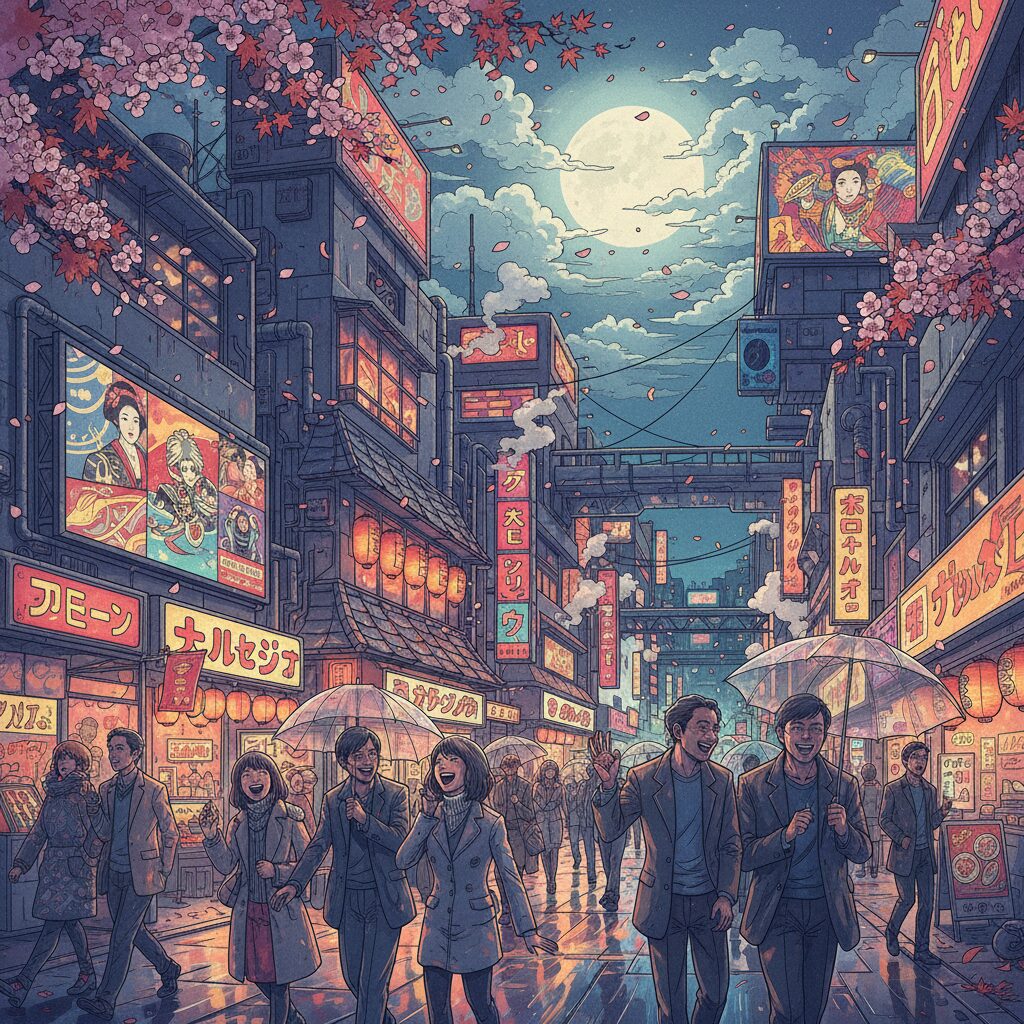
Kokubuncho’s atmosphere is never static; it harmonizes with Sendai’s seasons and its renowned festivals, making each visit a unique experience depending on the time of year.
If you come in early August, you’re in for a special treat. The legendary Sendai Tanabata Festival, one of Japan’s most famous celebrations, takes over the city. The shopping arcades leading to Kokubuncho are adorned with massive, exquisitely crafted paper streamers. The festive spirit spills into the district, and the energy reaches a fever pitch. The streets grow busier, the izakayas buzz louder than usual, and the entire area feels like one enormous, city-wide party. It’s an unforgettable moment to visit.
Then, in winter, from December through New Year’s, nearby Jozenji-dori Avenue transforms into a stunning tunnel of light for the Sendai Pageant of Starlight. Hundreds of thousands of golden lights decorate the zelkova trees, creating an incredibly romantic and magical ambiance. It’s the perfect warm-up for a cozy evening in Kokubuncho. Enjoying a hot bowl of seri nabe after wandering through the lights is a top-tier winter experience.
These seasonal events add depth to Kokubuncho’s character, linking the district’s nightly celebrations to the city’s vibrant cultural calendar. The food offerings also shift with the seasons, highlighting fresh, seasonal ingredients and connecting you even more closely to the rhythm of Tohoku.
The Unforgettable Heartbeat of Sendai
So, what’s the final verdict on Kokubuncho? It’s more than just a maze of streets filled with countless bars. It’s the vibrant, pulsating heart of Sendai’s social scene. It’s a place where tradition and modernity don’t merely coexist; they celebrate together. It’s where you can enjoy a quiet, reflective sake tasting one moment and be belting out karaoke the next. It’s a destination of amazing food, warm hospitality, and endless opportunities. The true charm of Kokubuncho lies in its invitation to create your own adventure: to explore without a plan, to follow the aroma of grilled skewers down a narrow alley, to step into a place that catches your eye, and to uncover your own hidden treasure. So when you visit Sendai, don’t just stay in your hotel room at night. Step outside. Immerse yourself in the neon glow. Let the energy of Kokubuncho sweep you up, and I assure you, you’ll leave with a satisfied appetite and a wealth of stories to share for years. It’s an experience absolutely worth the journey.
