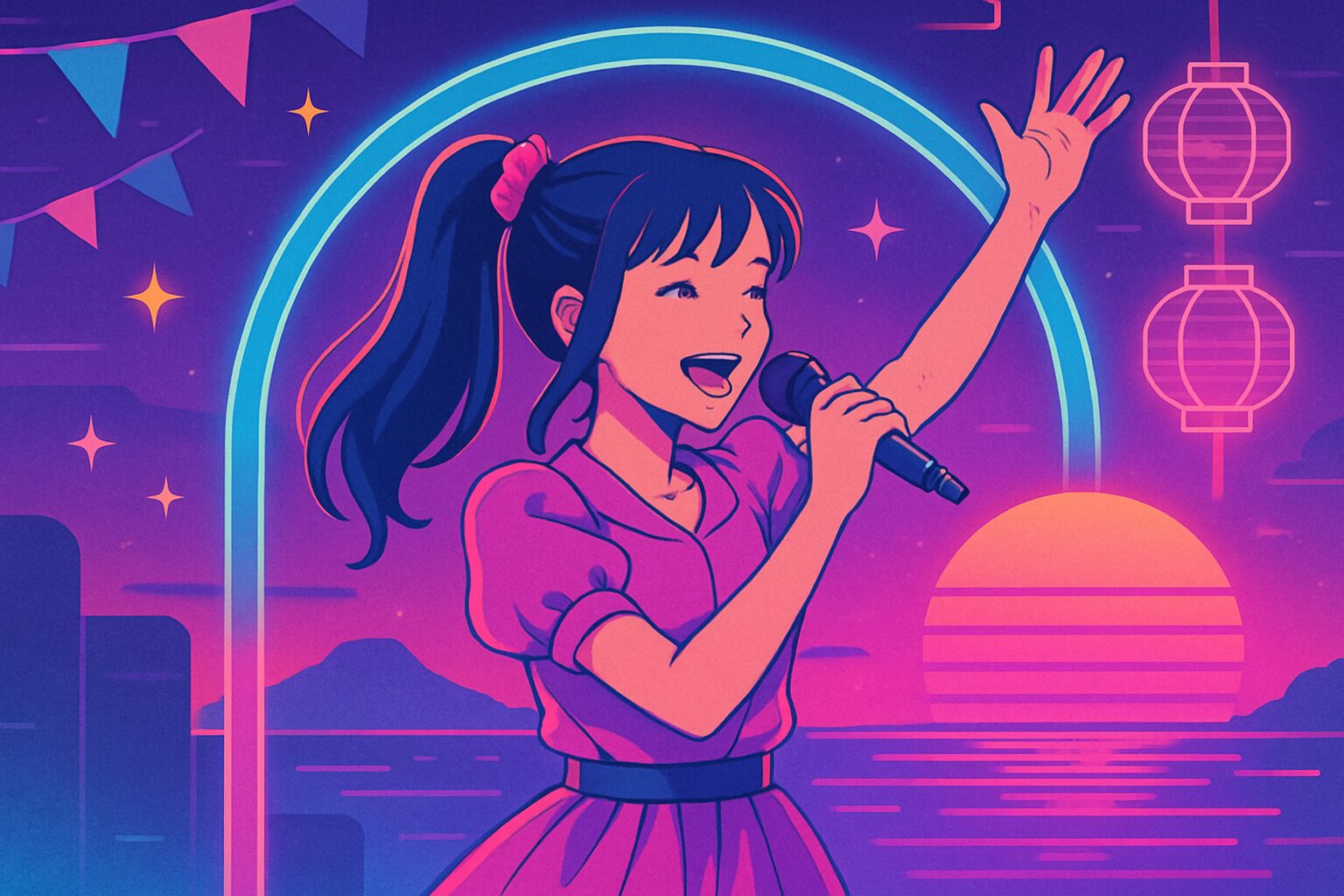
Hey everyone, Sofia here! OMG, can we just talk about a vibe? I’m not talking about the chill, minimalist aesthetic Japan is famous for. No, I’m talking about something way more extra, something loud, sweaty, and sparkling with glitter and raw energy. I’m talking about Heisei Retro, specifically that firecracker era of the early 2000s. Picture this: it’s a scorching August afternoon, the air is thick with the smell of yakisoba and sunscreen, and the ground is literally vibrating from the bass of a J-Rock band on a massive outdoor stage. Everyone’s in low-rise jeans or neon mini-skirts, rocking bandanas and wristbands, swinging towels over their heads, and screaming lyrics with a passion that could power the entire city. That, my friends, was the peak Summer Music Matsuri (festival) vibe of the Heisei era, and let me tell you, it was everything. This isn’t just about nostalgia for a bygone time; it’s about tapping into a legendary youth culturequake that defined a generation. It was an era of unapologetic self-expression, where fashion was wild, the music was anthemic, and summer felt infinite. Ready to time-travel with me? We’re about to dive headfirst into how you can experience that iconic, fiery 2000s summer spirit in Japan today. Let’s get this party started!
For a different kind of summer festival energy that still captures that communal spirit, you can explore the lakeside glamping and festival vibes found across Japan.
The Heisei Music Festival Vibe: What Was It All About?
To truly immerse yourself in the Heisei retro summer experience, you first need to grasp the vibrant energy of the early 2000s. This era was a cultural explosion— the economic bubble of the ’80s was a distant memory, and a new generation found its voice not in corporate offices, but in mosh pits and karaoke boxes. The internet was just beginning to connect everyone, yet it hadn’t created the polished, curated world of influencers we see today. Everything felt rawer, more immediate, and far more experimental. This was the backdrop for a legendary music festival scene, a perfect storm of sound, style, and unrelenting summer heat.
The Soundscape: Anthems of a Generation
The music scene in early 2000s Japan was an incredible blend. It was the golden age of J-Rock and pop-punk, where bands with guitars dominated the airwaves. Think Asian Kung-Fu Generation, Ellegarden, and Bump of Chicken. Their songs became anthems of youth—fast, melodic, filled with lyrics about teenage angst, fleeting summers, and the search for one’s place in the world. The sound was defined by driving guitar riffs, irresistibly catchy choruses, and heartfelt sincerity that made you want to pump your fist in the air. At a festival, when a song like Bump of Chicken’s “Tentai Kansoku” began, a wave of collective joy would ripple through the tens of thousands gathered. It was a shared experience, a feeling of being part of something massive and meaningful.
But it wasn’t just rock. The pop scene was ruled by absolute queens, the jotei of J-Pop. Ayumi Hamasaki wasn’t merely a singer; she was a cultural phenomenon and fashion icon, whose every look was mimicked by millions. Her dance-pop tracks, often introspective and sometimes dark, were the soundtrack to many a summer romance. Then there was Kumi Koda with her bold, sexy “ero-kakkoii” (erotic-cool) style, and the unstoppable girl group Morning Musume, whose synchronized dance moves and bubblegum pop hits were pure infectious fun. Not to be overlooked were influential artists from other parts of Asia, like BoA, the Korean star who debuted in Japan and impressed everyone with her slick vocals and killer choreography. Festivals were a melting pot of these diverse sounds—you could be headbanging to a punk band on one stage and rushing across to catch a dance-pop diva on another. The variety was incredible, and the energy was nonstop.
The Fashion: Gyaru & Rock Chic Collide
Festival fashion in the 2000s was a spectacle, boldly rejecting subtlety. Two main style tribes dominated the scene, often mingling in a glorious, chaotic mix. First, there were the Gyaru—the epitome of summer glam. They sported deeply tanned skin (achieved by makeup or long tanning salon sessions), bleached blonde or light brown hair teased to dramatic heights, and makeup that was anything but natural: white eyeshadow and eyeliner to make eyes pop, dramatic false lashes, and glossy lips. Outfits showed off their tan—hibiscus-print mini dresses from brands like Alba Rosa, ultra-low-rise shorts, tube tops, and towering platform sandals or boots. The gyaru at music festivals were like tropical flowers in full bloom, impossible to ignore and bringing bursts of color to the dusty fields.
On the other end of the spectrum was the Rock and Punk Chic crowd, whose look was centered on the music. The band t-shirt was their centerpiece—not just merch, but a declaration of allegiance. You’d spot faded tees from bands like Hi-Standard, Maximum the Hormone, or any indie favorite from the live house scene. These were paired with Dickies work shorts (for both genders), low-slung, slightly baggy jeans, or plaid punk skirts. Accessories were key: studded leather belts, jangling wallet chains, and wrists stacked with colorful rubber band bracelets from various bands and festivals. Footwear was practical yet stylish: worn Converse All-Stars, Vans slip-ons, or sturdy Dr. Martens. The most essential accessory? The fes taoru—the festival towel. Not for drying, but a fandom weapon: held high, spun during a song’s climax, or worn around the neck as a badge of honor. It was a symbol of dedication, practical for the heat yet dripping with subcultural cool.
The Atmosphere: Atsui Natsu! (A Hot Summer!)
Beyond the music and fashion, the vibe of a Heisei-era summer festival was defined by the atmosphere. Japan’s summer is famously brutal—atsui, hot and humid. But instead of grumbling, everyone embraced it. The heat became part of the experience: the sweat running down your back as you jumped in a mosh pit, the blessed chill of a passing breeze, the setting sun turning the sky orange and purple behind the main stage. It was a sensory assault in the best possible way. The air was a mix of scents: grilled squid and savory yakisoba from the food stalls, the sweet aroma of kakigori syrup, sunscreen, and the faint metallic tang of smoke machines on stage.
There was a tangible sense of liberation. For many young people, it was a rare chance to break free from strict social norms and pressures of school or work. At a festival, you could dye your hair wild colors, wear outrageous clothes, scream your lungs out, and connect with thousands of strangers united by their love of music. It wasn’t about capturing the perfect social media photo (which was still a nascent idea), but living fully in the moment. It was the shared struggle of long bathroom lines, the joy of discovering a new band on a smaller stage, and the communal thrill of fireworks bursting at night’s end. It was raw, unfiltered, and deeply human—powered by cheap beer, Pocari Sweat, and pure youthful energy.
The Modern Pilgrimage: Where to Find the Heisei Vibe Today
Alright, so you’re hooked on the vibe. You’ve got your imaginary band tee and platform sandals all set. But where exactly can you experience this Heisei retro magic in the 21st century? The incredible thing is, the spirit of that era is very much alive. It thrives at Japan’s legendary music festivals, in the neon-lit hallways of karaoke boxes, and down the trendy backstreets of Tokyo. You just need to know where to find it. Here’s your guide to the heart of the Heisei summer.
Iconic Music Festivals: Still Thriving
Many of the music festivals that shaped the 2000s are not only still running but are stronger and grander than ever. They stand as living monuments to Japanese music culture, and attending one is the most direct way to tap into that Heisei energy.
Fuji Rock Festival (Naeba, Niigata)
Fuji Rock is the original, the titan of Japanese music festivals. Launched in 1997, it truly blossomed in the early 2000s. Set in the stunning mountains of Naeba Ski Resort, it’s Japan’s answer to Glastonbury. The vibe here is a distinctive blend of world-class music and nature appreciation. You’ll wander between stages through lush forests and over sparkling streams. While it hosts major international headliners, its lineup always features Japanese rock legends, including many bands that have played since the Heisei era. Catching a band like Quruli or Tokyo Ska Paradise Orchestra against a misty mountain backdrop is pure enchantment. Fuji Rock demands commitment—it’s a multi-day camping festival, so you need to come prepared. That means serious rain gear (it almost always rains, which adds to the charm), sturdy boots, and a quality tent. The payoff is an immersive experience where music becomes your life for three days. Getting there involves taking the Shinkansen (bullet train) to Echigo-Yuzawa station and then hopping on a shuttle bus. It’s a journey, but a pilgrimage worth making for any true music fan.
Summer Sonic (Tokyo & Osaka)
If Fuji Rock is the nature retreat, Summer Sonic is the sleek city festival. Held simultaneously in Tokyo (at the massive ZOZO Marine Stadium and Makuhari Messe complex) and Osaka, it offers a more urban, accessible vibe. This two-day event perfectly captures the genre-blending spirit of the 2000s music scene. You’ll find international pop stars, legendary rock bands, cutting-edge electronic acts, and, naturally, top-tier J-Pop and J-Rock artists all on one bill. The venue Makuhari Messe is a classic Heisei-era convention center, and moving between cool, air-conditioned indoor stages and a huge, sunlit outdoor stadium is quintessential Summer Sonic. Because it’s city-based, you don’t need to camp—you can book a nearby hotel and enjoy a hot shower after dancing all day. This makes it more manageable for first-timers. The energy is intense and fast-paced, mirroring its metropolitan setting. It’s the place where you can see your favorite global superstar and then discover a new favorite Japanese band all in one afternoon.
Rock in Japan Festival (Chiba)
For the ultimate immersion in Japanese music, Rock in Japan Festival is unmissable. As the name implies, its lineup is predominantly domestic artists. Here you witness the living legacy of Heisei J-Rock. Legendary bands that have filled stadiums for decades share the stage with the freshest acts they’ve inspired. It’s a massive celebration of Japan’s own music scene, and the crowd’s passion is on a whole other level. Everyone knows the lyrics, the hand gestures, and the perfect time to wave their festival towels. The fan dedication is incredible to witness. Attending Rock in Japan feels less like being a tourist and more like joining a vast, passionate family. It offers the most authentic glimpse into the fan culture born in the Heisei era that continues to thrive today. It’s a truly Japanese experience and, for that reason, completely unforgettable.
Karaoke: Your Private Live House
Can’t make it to a festival? No problem—you can bring the musical magic to any night of the week. Welcome to the world of karaoke. In Japan, karaoke isn’t just a late-night drinking pastime; it’s a serious cultural tradition and the most accessible time machine back to the 2000s. Head to any major chain like Big Echo, Karaokekan, or Manekineko, book a private room, and get ready to unleash your inner rock star. The songbooks (now largely in tablet form) are encyclopedic, containing nearly every hit from the Heisei era.
To get the full effect, build the right playlist. This is your chance to sing the anthems you’d hear at a festival. Start with rock classics like “Tentai Kansoku” by Bump of Chicken, “Rewrite” by Asian Kung-Fu Generation, and the fun, easy-to-sing “Natsumatsuri” by Whiteberry. Then dive into pop: belting out Ayumi Hamasaki’s “Evolution” or “Seasons” will get the emotions flowing. For a lively group number, try “Love Machine” by Morning Musume, famous for its simple, iconic dance moves. And for pure chaotic energy, sing “Age Age Every Knight” by DJ OZMA—a cover song turned party anthem with crazy dance moves everyone knows instinctively. Pro tip: don’t be shy! Stand up, grab the maracas and tambourines they provide, and sing your heart out. Order drinks and snacks via the in-room phone, and lose yourself in your own private concert where, for a few hours, you’re the headliner.
Shimokitazawa: The Indie Rock Heartbeat
If big festivals are stadiums, Shimokitazawa is the garage where bands first jammed. This neighborhood in western Tokyo has been the undisputed epicenter of indie music and youth culture for decades. Its narrow, twisting streets are filled with vintage clothing shops, tiny record stores, and, most critically, dozens of “live houses.” These small, intimate music venues—often in basements holding about 100-200 people—are the lifeblood of the rock scene. Many of the major bands that ruled the Heisei era got their start playing in these cramped, sweaty rooms.
Visiting Shimokitazawa today is like stepping into a living rock museum. The rebellious, creative spirit is still palpable. By day, vintage shopping is the main draw. This is your best chance to find authentic 2000s fashion. Shops like New York Joe Exchange or Flamingo are treasure troves for that perfect faded band tee, well-worn Dickies, or a vintage floral dress. As night falls, the neighborhood’s energy shifts. You’ll hear the thump of a bass drum from a basement as bands do soundchecks. To get the full experience, be bold and pop into a live house. Check the schedules outside spots like Shelter, Shimokitazawa Three, or Que. You might not know the bands, but that’s part of the thrill. For the price of a ticket and a mandatory drink, you get an up-close look at the next generation of Japanese rock bands. The energy is raw, the music loud, and the experience as authentic as it gets. It’s a direct link to the grassroots scene that powered the entire Heisei rock movement.
Dressing the Part: The Heisei Retro Fashion Hunt
To truly embody the spirit of a Heisei summer, you need to dress the part. Fashion in the 2000s was all about making bold statements. It was daring, playful, and served as a marker of tribal identity. Fortunately, Tokyo remains a haven for fashion enthusiasts, where you can assemble the ideal Heisei-inspired outfit by exploring a few key neighborhoods. This is your shopping mission, should you choose to take it on.
Shibuya 109: The Gyaru Epicenter
Although its heyday as the heart of the gyaru scene has passed, visiting Shibuya 109 remains an essential pilgrimage. This cylindrical tower overlooking Shibuya Crossing was once the birthplace of trends. During the 2000s, its floors bustled with legendary gyaru brands, and the shop staff, known as charismaten-in, were style icons themselves. Stepping inside today, you can still sense echoes of that vibrant past. While many original brands have disappeared, the essence of bold, feminine, and fashionable style continues. You’ll find modern takes on gyaru staples — crop tops, mini-skirts, and platform shoes remain very popular. It’s the perfect spot to find accessories that shout Heisei, like chunky jewelry, colorful hair clips, or fluffy handbags. More than just a mall, 109 is a cultural landmark. Being there, surrounded by loud J-Pop and impeccably styled shoppers, transports you back in time. And naturally, while in Shibuya, you have to experience the famous Scramble Crossing. Stand in its midst (briefly!) and envision it as the backdrop for countless dramas, music videos, and magazines from that era. It was the stage where Heisei youth culture unfolded.
Harajuku’s Takeshita Street & Ura-Hara
Harajuku has long been Tokyo’s fashion incubator, and in the 2000s, it showcased a vibrant mix of subcultures. These two sides of Harajuku present different facets of Heisei style. First, there’s Takeshita Street, the iconic, densely packed pedestrian lane. It was—and still is—the hub for kawaii (cute) culture and more pop-inspired fashions. Here, you’ll find shops selling bright accessories, graphic tees, and frilly socks. It’s also where you can partake in two other beloved Heisei teen rituals: savoring a massive, elaborate crepe and snapping purikura photos. The street is a sensory overload of sights, sounds, and smells, perfectly capturing the playful, lively spirit of 2000s fashion.
Then there’s Ura-Harajuku, or Ura-Hara, the quieter backstreets that gave birth to Japanese streetwear and attracted the skater and rock-influenced crowd. While many iconic 2000s streetwear brands have either become global giants or closed, the atmosphere remains alive in the many vintage shops and indie boutiques along these streets. This is where you can find a carefully curated selection of vintage band tees, retro sneakers, and military-inspired jackets. It’s a cooler, more understated vibe compared to Takeshita Street, reflecting another influential dimension of Heisei fashion. Exploring Ura-Hara is like a treasure hunt—you never know what vintage gem you might discover.
Purikura: Preserving the Vibe
Before selfies and Instagram filters, there was purikura. These photo sticker booths are a quintessential part of Heisei youth culture. Visiting a purikura booth was a social ritual among friends and couples. In the 2000s, its aesthetic was instantly recognizable. The machines would enlarge your eyes to anime-like proportions, smooth your skin flawlessly, and allow you to decorate the photos with sparkling stamps, glittery text, and cute characters. The poses had their own rule—the peace sign next to the face was practically mandatory. After posing, you’d spend ages decorating your photos, carefully writing inside jokes and dates before printing them out on a sheet of stickers. These stickers were then cut up, shared, traded, and stuck on phones, planners, and folders.
Today’s purikura machines are highly advanced, featuring automatic makeup and leg-lengthening effects. Yet you can still capture that classic vibe. Find a game center in Shibuya, Shinjuku, or Harajuku, grab a friend, and hop into a booth. Choose the most dramatic eye-enlarging settings, strike the classic poses, and go wild with decorations. It’s an incredibly fun activity that gives you a tangible keepsake of your Heisei retro adventure. A pure, joyful slice of nostalgia that’s sure to bring a smile.
The Flavor of a Heisei Summer: Festival Food & Drinks
No summer festival experience is complete without the food. Fes meshi, or festival food, plays a vital role in the culture, providing the energy needed to dance from morning till night. The food stalls at a Japanese festival are a sensory delight, with sizzling sounds and enticing aromas filling the air. These classic dishes capture the flavor of a Heisei summer.
The Holy Trinity of Fes Meshi
Though there are countless choices, three dishes make up the holy trinity of Japanese festival food. They are simple, delicious, and perfectly suited for eating while standing or strolling.
First is Yakisoba. You’ll catch the aroma before you spot the dish. The scent of savory-sweet Worcestershire-style sauce, sizzling noodles, pork, and cabbage cooking on a large iron griddle is irresistible. The cooks, often sporting headbands, skillfully toss the noodles with giant spatulas in a captivating performance. Served in a plain plastic tray, topped with pickled red ginger and seaweed powder, yakisoba is the quintessential festival meal. It’s hearty, satisfying, and tastes infinitely better when enjoyed outdoors with lively music playing.
Next comes Kakigori. This is Japan’s refined take on the snow cone, but on a whole different level. Rather than crushed ice, it uses finely shaved ice with a texture so soft and fluffy it resembles freshly fallen snow. This snowy mound is drenched in your choice of vibrant, sweet syrups. Classic flavors include strawberry, melon, and a distinctive bright blue called “Blue Hawaii.” For a more traditional option, try uji kintoki—matcha green tea syrup topped with sweet red bean paste. In the blazing heat of a Japanese summer, a cup of kakigori isn’t just a treat—it’s a lifesaver. The quick brain freeze is a small price for the refreshing, cooling relief it provides.
Finally, there’s Karaage. Japanese-style fried chicken, it is perfection. Bite-sized pieces of chicken thigh are marinated in soy sauce, ginger, and garlic, lightly coated in potato starch, and deep-fried until golden and crispy on the outside, yet juicy inside. Served hot in a paper cup with a wooden skewer for easy eating, it’s the ideal savory snack to enjoy between bands, offering a delicious protein boost to keep your energy up.
The Drinks: Hydration is Key!
Staying hydrated at a summer festival is essential, and the drink options are as classic as the food. For rehydration, sports drinks like Pocari Sweat or Aquarius are ubiquitous. Their mildly sweet, citrusy flavor is designed to replenish electrolytes lost through sweating, making them indispensable.
For adults, nothing beats a cold draft beer, or nama biru. The experience of receiving a perfectly poured, ice-cold beer in a plastic cup on a hot day is one of life’s simple joys. It’s the official drink of choice for rocking out.
For a nostalgic touch, try a Ramune. This old-fashioned soda comes in a distinctive glass bottle sealed with a marble. To open it, you push the marble down into the neck of the bottle with a plastic plunger, where it rattles as you drink. The classic lemon-lime flavor is incredibly refreshing, and the fun of opening the bottle is a beloved summer ritual for generations in Japan. It’s the taste of childhood summers and the perfect non-alcoholic treat to complete your Heisei retro experience.
Putting It All Together: Your Ultimate Heisei Summer Day Trip
So, how do you blend all these elements into one unforgettable day of time-traveling fun? Here’s a sample itinerary for an ideal Heisei retro-themed day in Tokyo. Feel free to mix and match to create your own unique adventure!
Morning: Fashion Hunt in Shimokitazawa
Begin your day in the relaxed, trendy neighborhood of Shimokitazawa. Since the shops don’t open very early, you can take it easy in the morning. Arrive around 11 AM and explore the vintage stores. Your goal is to assemble the base of your 2000s festival outfit. Hunt through the racks at spots like Stick Out, where everything costs 700 yen, or browse the curated selections at Florida. Look for a perfectly faded band tee, some low-rise cargo pants or a plaid mini-skirt, and perhaps a retro track jacket. The thrill of the search is part of the fun. Stop by a quirky local café for coffee to recharge before heading to your next destination.
Afternoon: Pop Culture Immersion in Shibuya
Catch the train to Shibuya and get ready for a burst of energy. Your first destination is a large game center to hit the purikura booths. Now dressed in your Heisei-inspired outfit, it’s time to capture the moment. Squeeze into a booth with friends, make silly faces, and go wild with digital stickers. Then, step out into the afternoon and visit Shibuya 109. You don’t need to buy anything—just soak in the vibe, check out the latest trends, and maybe pick up some fun, sparkly accessories or leg warmers. Finally, tackle the Shibuya Scramble Crossing. Find a spot at Starbucks overlooking the intersection for a classic view, or join the massive crowd crossing the street, feeling the heartbeat of the city that was the epicenter of Heisei youth culture.
Evening: The Main Event – Karaoke or Live Music
As evening falls, it’s time for the musical highlight of your day. You have two fantastic choices. Option one: immerse yourself in karaoke. Reserve a three-hour “free time” room at a large karaoke parlor in Shibuya or Shinjuku. Order drinks, queue up all your favorite 2000s J-Rock and J-Pop hits, and sing until your voice gives out. This is your moment to be the star.
Option two: for the more adventurous, return to Shimokitazawa or head to neighborhoods like Shinjuku or Koenji to catch a live show at a small venue. Check schedules online or just drop by and see who’s playing. Being packed into a tiny room just feet from a band pouring their heart out creates an electrifying experience. It’s the most genuine way to connect with the raw energy of the Heisei music scene.
Late Night: The Post-Festival Wind-Down
After the music, buzzing with excitement and likely hungry, it’s time to unwind. Head to a lively, casual izakaya (Japanese pub). Choose a place adorned with red lanterns, squeeze into a small table, and order drinks alongside a variety of small shared dishes—yakitori, edamame, agedashi tofu. It’s the perfect moment to reminisce about the day’s highlights, laugh, and relax. For an even more authentic and budget-friendly nightcap, follow the tradition of many festival-goers: stop by a convenience store (konbini). Grab an onigiri (rice ball), a can of Chu-Hi (a popular canned cocktail), and find a quiet spot to enjoy your simple, delicious, and deeply satisfying late-night snack. It’s the perfect unpretentious finale to a perfect Heisei day.
Beyond Nostalgia: A Feeling That Never Fades
Chasing the Heisei retro vibe is about much more than simply copying old fashion trends or playing a retro playlist. It’s about tapping into a distinct, powerful feeling: the sensation of a summer that seems to stretch endlessly, full of possibility and excitement. It’s the passion of loving a band so deeply that you need to scream along with every word. It’s the freedom of expressing yourself through a bold outfit that makes you feel confident and cool. It’s the simple joy of sharing a plate of yakisoba with a friend beneath a sky full of stars. Though the Heisei era has ended, that fiery, youthful, and slightly rebellious spirit remains timeless. It lives on in the chords of a rock song, the flash of a purikura booth, and the collective energy of a festival crowd. So whether you’re a dedicated Japanophile or a first-time visitor, I challenge you to step away from the serene temples and minimalist cafes and dive into this vibrant, chaotic, and beautiful slice of Japanese culture. Turn up the J-Rock, grab your festival towel, and get ready to live your ultimate Heisei summer dream. Believe me, the vibe is everything, and it’s absolutely epic!