What’s up, world travelers and art junkies? Hiroshi here, your friendly neighborhood guide to the real, unfiltered Japan. Today, we’re ditching the neon glow of Tokyo and the ancient temples of Kyoto for something a little more… elemental. We’re heading out to sea, to a place where contemporary art doesn’t just hang on a wall—it breathes with the landscape, lives in old houses, and pulses with the rhythm of the tides. I’m talking about the art islands of the Seto Inland Sea, the legendary home of the Setouchi Triennale. This isn’t just an art festival; it’s a pilgrimage. It’s a journey into the heart of a Japan that’s rediscovering itself, blending the old with the new in the most mind-blowing ways. But beyond the famous installations and the world-class museums, there’s a secret pulse, a warmth that you can only find after the last ferry has departed and the sun has dipped below the horizon. It’s the vibe of the bonfire. A simple, crackling fire on a beach, shared by artists, locals, and wanderers like you. It’s here, in the flickering orange light, that the true spirit of the islands comes alive. It’s raw, it’s real, and trust me, it’s a scene you’ve gotta experience. This is where the art stops being an object you look at and becomes a feeling you share. It’s where strangers become friends and the quiet island night is filled with stories, laughter, and the gentle roar of the flame. So grab your backpack, open your mind, and let’s get into the glow.
このような体験は、日本の伝統的な火祭りを現代的なデジタルアートで再解釈したデジタル火祭りとも通じる、根源的な魅力を持っています。
The Setouchi Soul: More Than Just Art
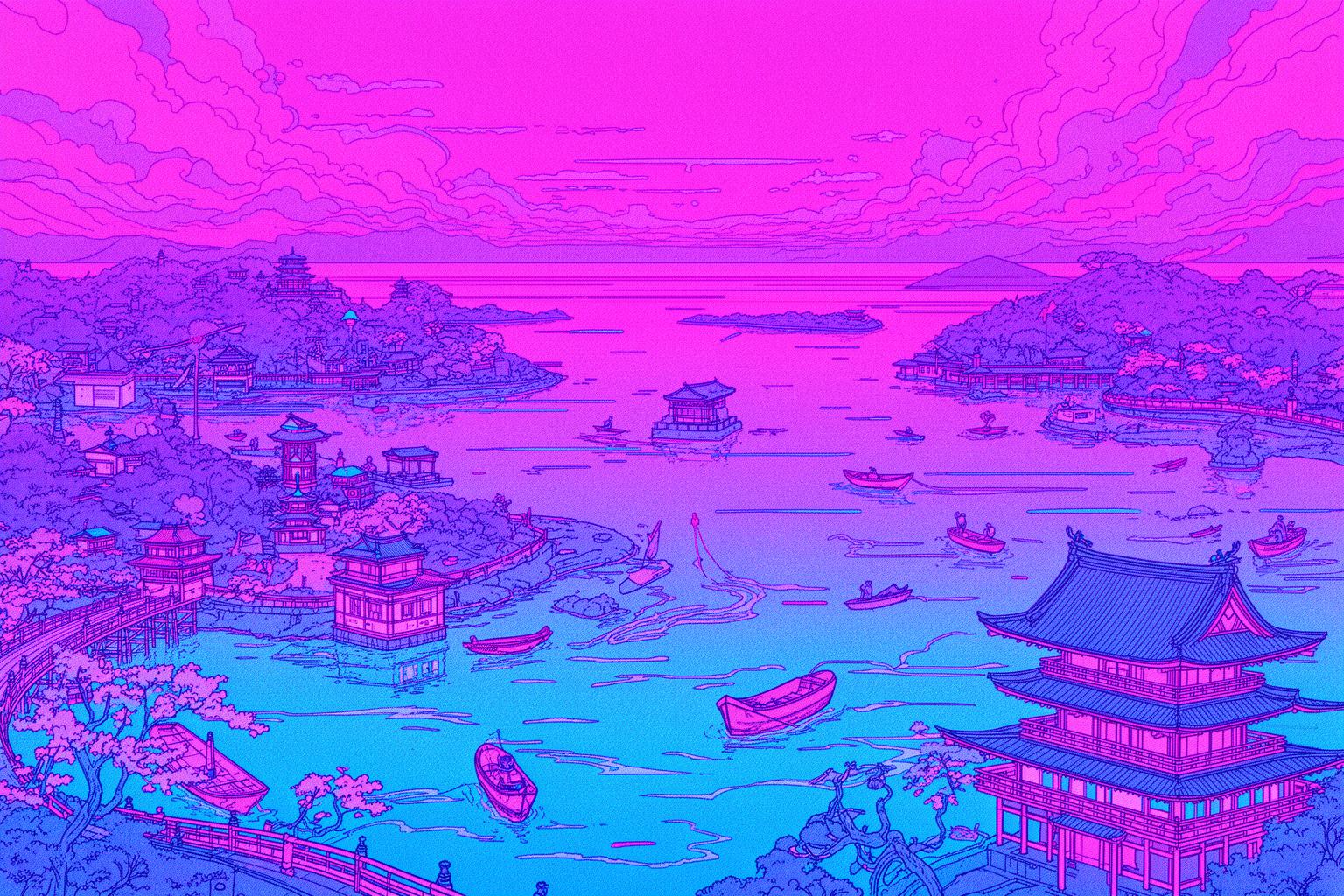
To start, let’s cover the basics. The Setouchi Triennale is a huge contemporary art festival held every three years, spread across a dozen islands in the Seto Inland Sea. It began in 2010 with a profound mission: to revitalize a struggling region. These beautiful islands, known for their terraced fields and quiet fishing villages, were grappling with depopulation and an aging population. Young people were moving to big cities, causing the unique island culture to slowly disappear. The festival was a bold effort to bring new energy, connect the islanders with the wider world, and harness the power of art to heal and inspire. And it absolutely succeeded. It completely changed the narrative. Today, islands like Naoshima, Teshima, and Shodoshima have gained international fame. They feature works by legends such as Yayoi Kusama, Tadao Ando, and James Turrell—not in sterile white galleries, but seamlessly integrated into nature and local architecture. The atmosphere is truly one-of-a-kind. You might discover a masterpiece inside a 200-year-old traditional house or encounter a massive outdoor sculpture while hiking along a coastal trail. Here, the art isn’t an outsider; it’s a partner. It engages in dialogue with the sea, sky, and centuries of local history. This context means everything. Knowing the project is about renewal and hope makes every artwork feel even more impactful. It’s not just about beauty; it embodies resilience and community.
Island Hopping: Crafting Your Own Odyssey
Reaching the islands is part of the adventure. The main entry points are Takamatsu Port in Kagawa Prefecture and Uno Port in Okayama Prefecture. From there, a network of ferries and high-speed boats will be your lifeline, taking you from one art-filled paradise to the next. My tip? Don’t rush. Trying to see too many islands in a single day is a rookie error. Each island has its own character and pace. Allow yourself time to wander, get lost, or simply sit on a pier watching the boats pass by. The journey between islands, with the salty spray on your face and the archipelago unfolding around you, is as much a part of the experience as the art itself. Planning is crucial, though. Ferry schedules can be tricky, especially outside the peak festival season. You need to monitor the timetables carefully and possibly buy tickets in advance for popular routes. For getting around on the islands, renting an electric bicycle is the best choice. It gives you the freedom to explore at your own pace, feel the wind in your hair as you ride up and down the hilly coastal roads, and discover hidden coves and secret installations off the main tourist routes. On smaller islands such as Inujima, walking everywhere is easy, making the entire island feel like a single immersive art piece.
Naoshima: The Crown Jewel
Naoshima is the island that started it all. It’s the original, the one you’ve probably seen on Instagram. Arriving at Miyanoura Port, you are instantly greeted by Yayoi Kusama’s “Red Pumpkin,” a large, polka-dotted gourd that you can actually enter. It’s the perfect welcome, immediately setting the tone for the surreal, playful, and profound experiences ahead. On the opposite side of the island, her iconic “Yellow Pumpkin” sits at the end of a pier, a solitary, beautiful beacon against the blue sea. It’s a pilgrimage site for art lovers, and waiting your turn for the perfect photo is a rite of passage. But Naoshima offers much more than its pumpkins. The south side of the island is dominated by Benesse House, a stunning complex that blurs the line between museum and hotel. Art is everywhere—in your room, along the cliffs, on the beaches. It’s a place where you truly live with art. Then there’s the Chichu Art Museum, an architectural masterpiece by Tadao Ando. Built almost entirely underground to preserve the natural landscape, it’s a temple of light and concrete. It houses only a few works, including several Monet “Water Lilies” displayed in a breathtaking room lit entirely by natural light. The experience is meditative and almost spiritual. You must book tickets for Chichu well in advance, as they use a timed-entry system, so don’t just show up expecting admission. Another must-see is the Art House Project in the Honmura district, where artists have transformed empty houses into permanent art installations. Wandering through the narrow streets of the old village with a map, you discover these hidden worlds one by one. Each house is a unique universe, a dialogue between the artist and the building’s history. It’s an intimate and unforgettable way to experience art.
Teshima: The Whisper of Water and Wind
If Naoshima is the bold, iconic superstar, Teshima is its poetic and soulful sibling. For me, this island represents the heart of the Setouchi experience. It’s more rural and expansive, home to one of the most incredible art installations on the planet: the Teshima Art Museum. Forget everything you think you know about museums. Created by artist Rei Naito and architect Ryue Nishizawa, it’s a single, massive piece of art. The huge, white, droplet-shaped structure sits between terraced rice fields overlooking the sea. Inside, the walls are bare. The art is the space itself. From two openings in the ceiling, you see the sky, feel the wind, and hear the birds. On the floor, tiny, almost invisible holes slowly release water, forming little pools that crawl, merge, and vanish throughout the day. You remove your shoes, walk into this quiet, sacred space, and simply exist. People lie on the floor for hours, watching the water and light. It’s a profound meditation on nature, time, and life. It will break you down and rebuild you. It’s a place that softly speaks to your soul. Elsewhere on Teshima, you’ll find Christian Boltanski’s “Les Archives du Cœur” (The Heart Archives), where you can listen to thousands of human heartbeats from around the world and even record your own. It’s a powerful, slightly eerie, and deeply moving experience. Renting an electric bike is absolutely essential on Teshima, as the hills are challenging, but the views as you pedal through rice terraces and along the coast reward every effort.
Shodoshima: The Island of Olives and Legends
Shodoshima is one of the largest islands in the Seto Inland Sea, with a distinct vibe. It’s famous for its olive groves, soy sauce breweries, and stunning natural landmarks like the Kankakei Gorge. The art here is more spread out, integrated into the island’s existing identity rather than defining it entirely. You can visit Olive Park, featuring a Greek-style windmill (a nod to its sister island relationship with Milos, Greece), a popular photo spot, especially for fans of the movie “Kiki’s Delivery Service.” During the Triennale, amazing installations appear across the island. A well-known permanent piece is Choi Jeong Hwa’s “The Gift of the Sun,” a glittering golden ring of olive leaves near the port that beautifully frames the sea and sky. Another remarkable spot is the rice terraces of Nakayama, home to “Kobun-tei,” a theatrical bamboo stage by Wang Wen-Chih, resembling a giant fantastical creature resting in the fields. Exploring Shodoshima demands more time and perhaps a car or a good understanding of the local bus system, but its combination of art, industry, and epic nature is deeply rewarding. The island’s culinary scene is a highlight, from olive oil-infused dishes to the rich, complex flavors of traditionally brewed soy sauce. Touring a soy sauce factory and seeing the giant wooden barrels used for generations offers a delicious way to connect with the island’s rooted culture.
The Afterglow: When the Bonfire Beckons
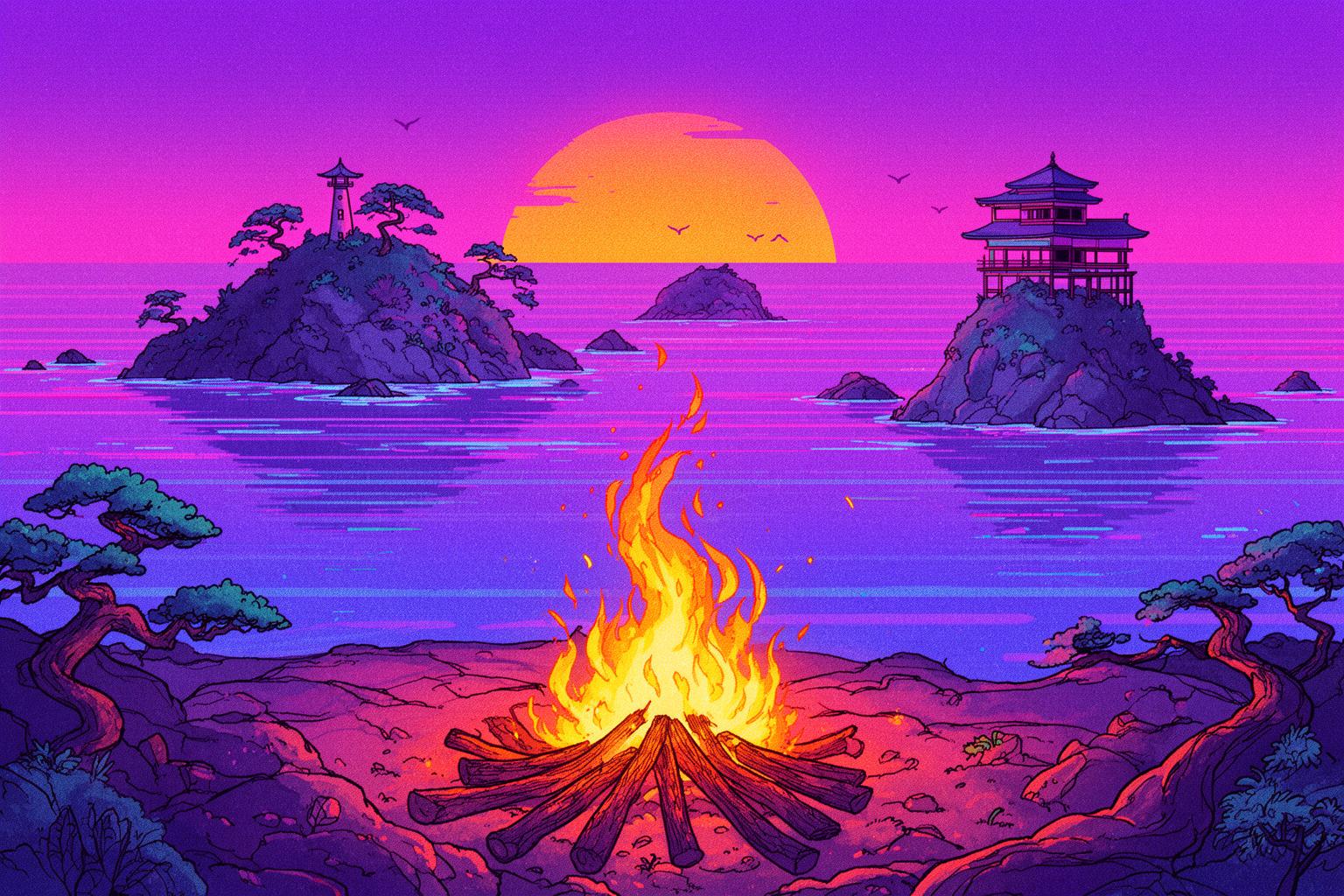
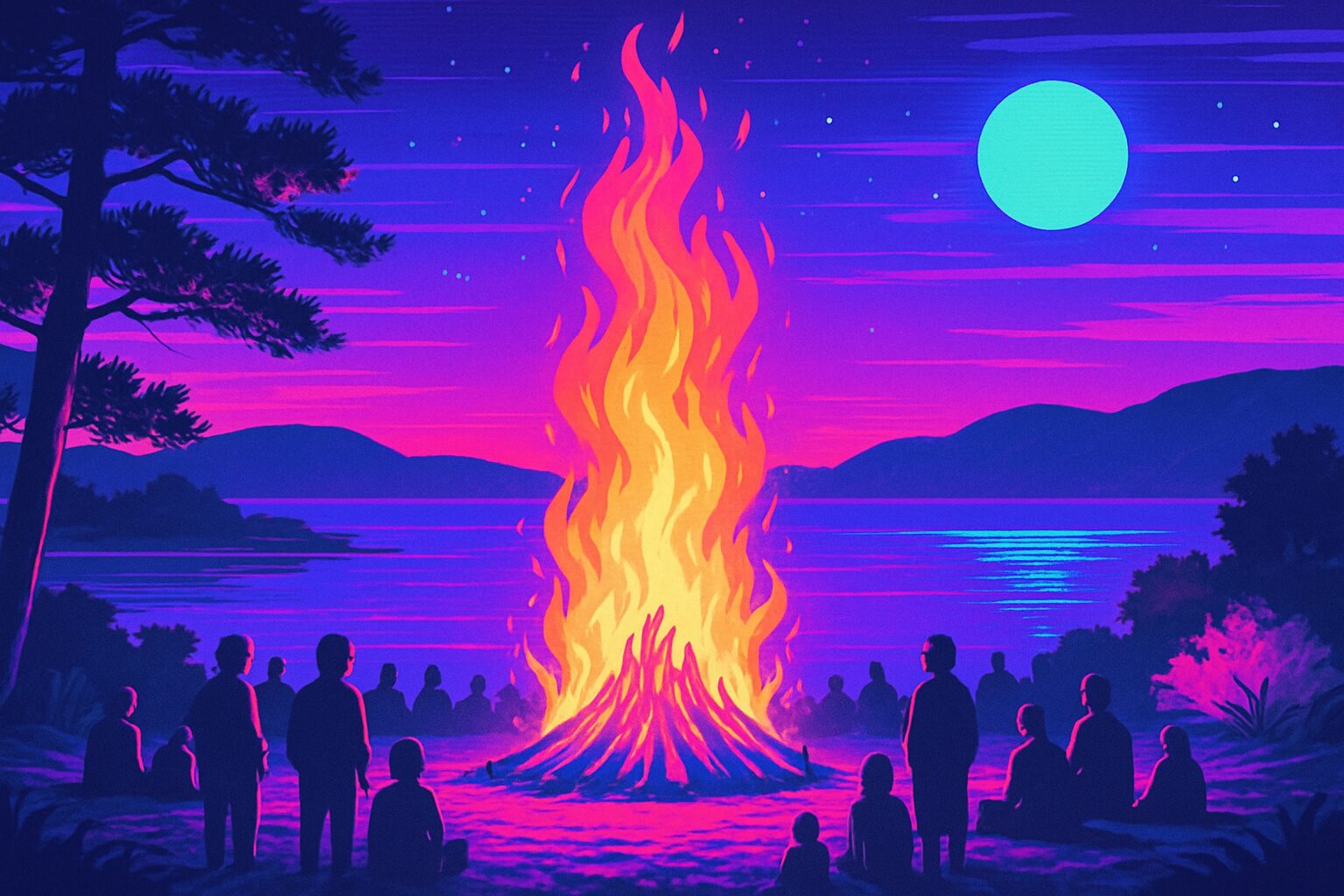
So, you’ve spent the day island hopping. Your mind is alive with art, your legs are weary from cycling, and your camera is filled with stunning photos. The sun is setting, bathing the calm sea in a warm, golden glow. Day-trippers are returning to the mainland on the last ferries. This is the moment—the magic hour. The islands grow quiet and peaceful. The sky fills with more stars than you’ve ever seen. And this is when you might catch a whisper—a rumor of a gathering on the beach, a hint of a bonfire. These aren’t official, scheduled events found in tourist brochures. They are spontaneous, organic happenings that embody the true spirit of the festival. Sometimes the artists themselves organize them to celebrate the completion of an installation. Other times, it’s the local guesthouse owners, restaurant staff, and long-term volunteers coming together to relax. And you, the traveler who chose to stay the night, are welcomed warmly. Finding these gatherings is part of the magic. You might receive an invitation from someone you met at a café or simply follow the sound of laughter and the scent of woodsmoke carried on the sea breeze. The scene remains simple but profoundly moving. A circle of people—Japanese students, European artists, local fishermen, curious travelers—all gathered around the captivating dance of the flames. Someone grills freshly caught fish on a small grill, passing skewers around. Another might play soft melodies on a guitar, blending with the sound of the waves. There’s no agenda, no formality. Language and cultural barriers dissolve in the shared warmth of the fire. Conversations flow effortlessly. You share stories of your travels and the art that moved you that day. You listen to islanders talk about their lives and how the art projects have transformed their home, for better or worse. In a few hours around a bonfire, you learn more about the soul of this place than any guidebook could convey. This is the ichi-go ichi-e moment—the Japanese idea of a once-in-a-lifetime encounter. This particular group will never gather in this exact spot again. The fire, the stars, the stories—it’s a unique, fleeting moment of connection. It’s deeply grounding. In a world that’s so fast-paced and digital, the simple act of staring into a fire, sharing food and conversation with new friends, feels revolutionary. It reminds us of our shared humanity. The fire serves as a primal focal point, a space for reflection. As you watch the embers drift into the vast, dark sky, you think about the art you’ve seen. You see how themes of light and shadow, nature and artifice, life and decay all unfold in the simple physics of burning wood. The bonfire becomes the final, interactive artwork of the day. It’s performance art, installation art, and community art all merged into one. It’s not something you passively observe; you are part of it. Your presence, your energy, contributes to the collective vibe.
Practical Tips for the Island Soul-Searcher
Alright, so you’re sold on the vision—the art, the islands, the bonfires—you want to be part of it. Let’s get you prepped to arrive like a seasoned pro. First and foremost: accommodation. Book it ASAP. Seriously. During the Triennale, places get fully reserved months, sometimes even a year ahead. Even outside the festival, the islands remain popular. Your best bet for an authentic experience is to stay in a minshuku, a family-run Japanese guesthouse. You’ll enjoy a cozy tatami room, and often homemade meals featuring local seafood and vegetables. The owners usually have a wealth of local knowledge and might be your key to discovering that night’s bonfire. If you can’t find lodging on the main art islands, staying in Takamatsu or Uno and taking day trips is a solid plan B, though you’ll miss out on that magical after-dark island vibe. Next, pack wisely. You’ll be walking and cycling a lot, so comfortable shoes are essential. The sea weather is unpredictable. Bring layers. A waterproof jacket, something warm for cool evenings, and sun protection (hat, sunscreen, sunglasses) are all must-haves. Carry cash. While bigger establishments accept cards, many smaller shops, cafes, and ferry ticket counters are cash-only. Also, bring a small towel (tenugui); it’s great for wiping sweat or drying hands since many public restrooms lack paper towels. Learn a few basic Japanese phrases like “Arigatou gozaimasu” (thank you), “Sumimasen” (excuse me/sorry), and “Konnichiwa” (hello)—they go a long way. The locals are incredibly friendly, and your effort will be appreciated. Download an offline map app on your phone because cell service can be spotty in some remote spots. Finally, respect the community. Remember, you are a guest in someone’s home. The art is woven into their villages and daily lives. Don’t trespass on private property, keep quiet and respectful in residential areas, and always follow the rules at art sites. The delicate balance between the art and community is precious, and we all share the responsibility to protect it. Take your trash with you, support local businesses, and simply be a good person.
A Fire That Never Fades
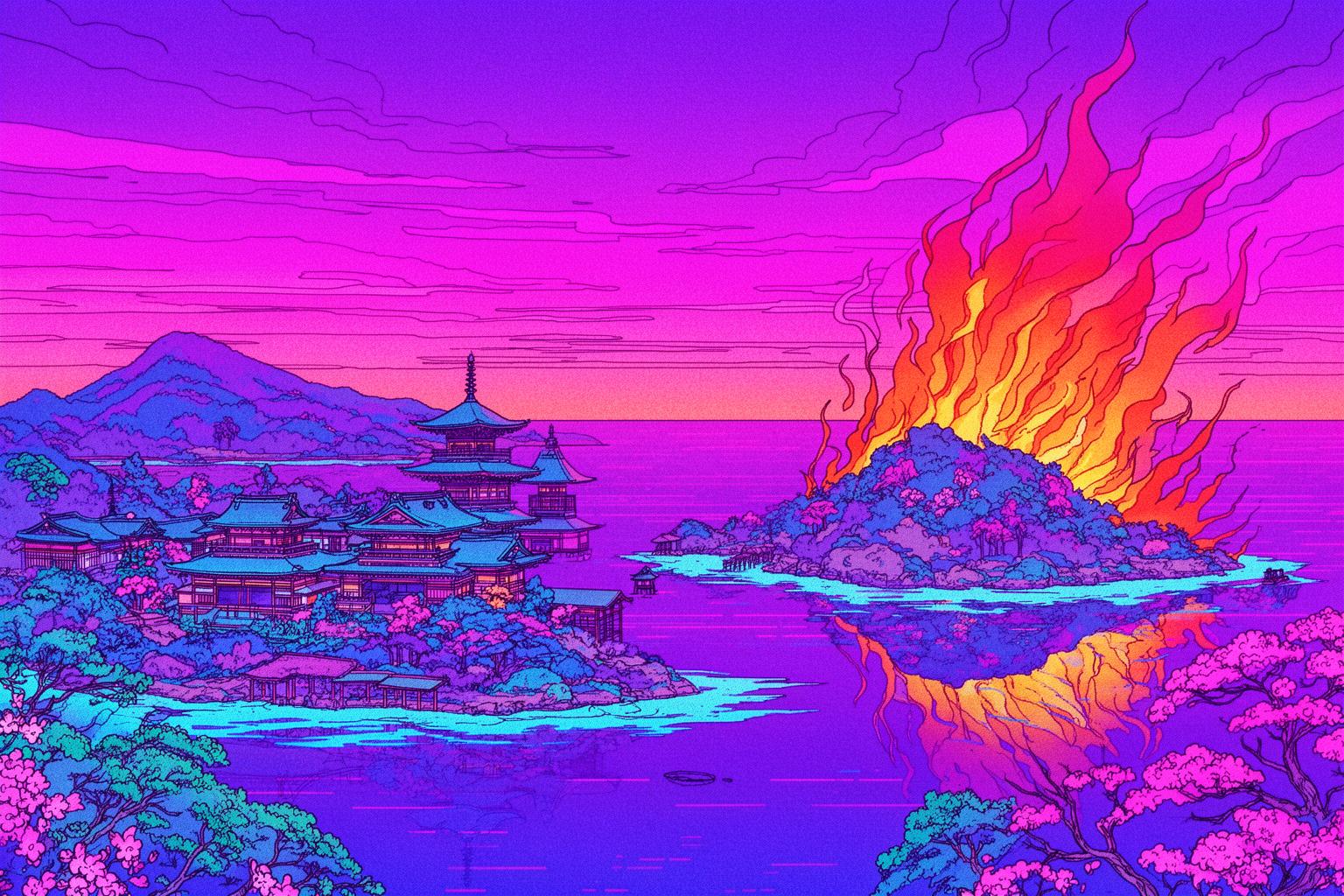
The embers of the bonfire slowly fade, and the circle of new friends gradually disperses into the tranquil island night. You walk back to your minshuku beneath a canopy of dazzling stars, the scent of smoke still lingering on your clothes. Your heart feels full, your mind at ease. The experience stays with you. It’s not just the memory of the stunning art you witnessed, the taste of the grilled fish, or the beauty of the landscape. It’s the sense of connection—the feeling of belonging, if only for a few hours, to a community united by art and a simple fire. This is the true masterpiece of the Setouchi islands. It’s an artwork you can neither photograph nor buy. You can only live it. It reminds you that art isn’t just about what you see; it’s about what it makes you feel and who you share it with. It’s a social sculpture, with the bonfire as its vibrant, beating heart. So, when you plan your trip, don’t just make a checklist of museums and installations. Leave room in your schedule. Leave space for spontaneity. Leave space for conversations with strangers. Stay the night, wander after dark, and follow the glow. You might discover that the most profound piece of art you encounter is the one you help create, surrounded by kindred spirits around a crackling fire on a small island in the heart of the Japanese sea. It’s a vibe that will warm you long after you’ve returned home, a gentle fire that will continue burning in your soul. Peace out, and safe travels.