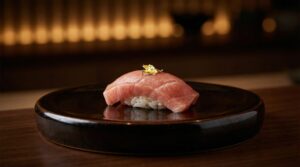
Alright, let’s get into it. You’ve seen it, right? The low-key, impossibly chic video that pops up on your feed. A minimalist hotel lobby, maybe in Ginza or Kyoto. Someone slides open an unmarked wooden panel, revealing a tiny, glowing space with like, six seats. A stone counter, a stoic chef, and plates of food that look more like art than dinner. This is the world of the secret omakase counter, tucked away inside Japan’s most exclusive boutique hotels. And let’s be real, the first reaction is probably a mix of awe and a healthy dose of skepticism. Is this for real? Is it just for the clout? Why is it so… secret? It feels like the ultimate IYKYK (if you know, you know) flex. But here’s the tea: this trend isn’t just about being boujee or gatekeeping amazing food. It’s a high-key reflection of some of the deepest, most fascinating parts of Japanese culture. It’s the physical embodiment of centuries-old philosophies about art, hospitality, and what luxury actually means. When I first came across this whole scene, I was baffled. It felt like a puzzle. But peeling back the layers reveals a logic that’s actually kinda profound. So, forget the generic travel guides. We’re going to decode why this phenomenon exists, what it says about modern Japan, and whether it’s a vibe you should actually chase. This is about understanding the why behind the whisper-quiet hype. Bet.
To truly understand the allure of this exclusive dining experience, you might also be curious about whether an in-room omakase dinner at a ryokan lives up to its own significant hype.
The Cultural DNA: Understanding “Ichi-go Ichi-e” and the Power of the Unseen
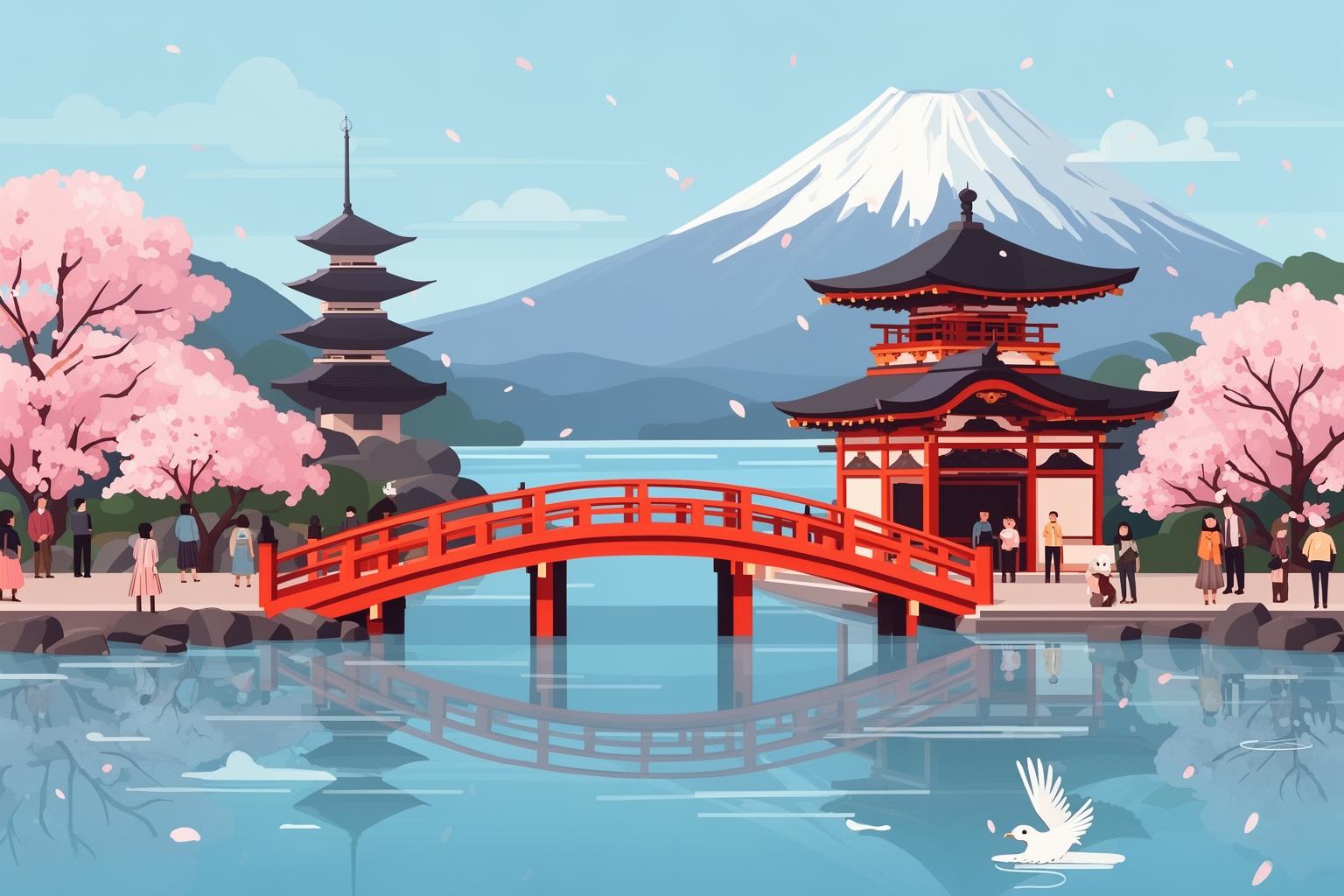
To truly understand why a restaurant might be tucked away inside a hotel, you first need to zoom out and consider the cultural framework it operates within. A significant part of this is the concept of `ichigo ichie` (一期一会). Literally translated as “one time, one meeting,” this phrase only begins to touch its deeper meaning. Rooted in the 16th-century tea ceremony and championed by the renowned tea master Sen no Rikyū, this philosophy centers on the idea that every single encounter is unique and can never be exactly repeated. The particular people involved, the time of day, the season, the mood—each moment stands alone in time. Therefore, you must be fully present and give it your wholehearted attention. This is more than a polite expression; it’s a core principle of Japanese aesthetics and hospitality.
A secret omakase counter epitomizes the modern embodiment of `ichigo ichie`. By limiting the space to only a few guests, the setting is not merely exclusive but intentionally designed to foster a genuinely unique encounter. It becomes an intimate, shared experience between the chef, the diners, and the food. There are no distractions—no noisy tables nearby, no steady flow of new customers. For the ninety minutes to two hours you spend at the counter, you enter a temporary, sacred realm. The chef is not simply serving dishes; they are conducting a live performance that will never be replicated exactly. The next day, the fish might change, the rice’s temperature could be slightly adjusted, and the conversation will take a different path. This creates an atmosphere of focused, profound presence.
This ties closely to another fundamental cultural value: the Japanese aesthetic of subtlety and the fascination with the unseen. Western ideas of luxury often focus on grand entrances, prominent logos, and conspicuous displays of wealth. In Japan, genuine luxury is frequently understated, private, and revealed gradually. Consider the architecture of a traditional Kyoto `machiya` (townhouse). From the street, it may look like a simple, refined wooden facade, giving no hint of the stunning inner gardens (`tsuboniwa`) and exquisitely crafted rooms beyond the entrance. This beauty is meant for the residents, not public spectacle. It’s not about hiding out of shame but about prioritizing the inner world, the private space, over what is outwardly visible. It’s a quiet confidence that requires no loud proclamation.
A hidden omakase fits perfectly with this principle. The unmarked door is not a gimmick—it’s a threshold. Crossing it signals leaving behind the noisy, chaotic outside world and entering a space dedicated solely to appreciating craftsmanship. It filters out casual visitors, ensuring that everyone who crosses the threshold comes with intention. This concept is so deeply embedded that there is even a term for places that serve only customers who come by referral: `ichigen-san okotowari` (“first-time customers are refused”). Though this might seem harsh or elitist to outsiders, the aim is to preserve the unique atmosphere and community of the establishment, making sure patrons understand and respect its specific etiquette and vibe. The secret counter inside a hotel offers a softer, more modern take on this idea, using the hotel’s curated environment as a way to invite guests likely to value the deeply intentional experience.
The Aesthetics of Subtraction: Shibui and Wabi-Sabi in Practice
The design of these spaces is, without exaggeration, a masterclass in this philosophy. Flashy décor is rarely found. Instead, the focus is on `shibui`—a concept embodying simple, subtle, and unobtrusive beauty. This is an aesthetic of quietness. Materials are often natural and unembellished: a single, smooth plank of hinoki cypress for the counter, textured clay walls, soft indirect lighting that accentuates the chef’s hands. This minimalist style is deliberate. It represents the aesthetic of subtraction. By removing all that is unnecessary, attention is drawn to what truly matters: the texture of the ceramic plate, the precise cut of the fish, the steam rising from the rice. It sets the stage for the food and craft to take center stage.
This connects directly to `wabi-sabi` (侘寂), the well-known Japanese worldview that embraces the beauty of impermanence and imperfection. While the chef’s technique is impeccable, the ingredients symbolize nature’s fleeting beauty—a vegetable only in season for two weeks, a fish at its prime for just a few days. The meal celebrates this transience. The simple, natural setting of the counter—the wood grain, the stone—serves as a backdrop honoring these ephemeral elements. The space feels calm, grounded, and intimately connected to the seasons. Dining here is not just about a meal; it is participating in a ritual respecting time, nature, and the beauty of the present moment. This deep cultural underpinning makes a hidden, minimalist counter feel not merely stylish but truly fitting and meaningful in the Japanese context.
The “Shokunin” Spirit in Hyperdrive: The Chef as the Main Character
Now, let’s discuss the person behind the counter, because in the world of omakase, the chef is everything. To grasp the intensity of this experience, you must understand the concept of the `shokunin` (職人). Often translated as “artisan” or “craftsman,” this term carries a far deeper meaning. A shokunin is someone who has devoted their entire life to mastering a single craft. It represents a spiritual and social duty to perform at the highest level for the benefit of society. This is not merely a job; it is a true calling. A sushi shokunin may spend ten years perfecting the rice—the `shari`—before ever being permitted to handle the fish. Such dedication is nearly incomprehensible in most other cultures.
Omakase, derived from the phrase `omakase shimasu` (お任せします), literally means “I leave it up to you.” It signifies the ultimate expression of trust in the shokunin. You surrender all control, placing your entire experience in the hands of the master. This social contract forms the foundation of the entire meal. A small, intimate counter intensifies this relationship to its fullest extent. In a large, busy restaurant, the chef remains a distant figure in the kitchen. Here, they stand just feet away from you. You witness every flick of the wrist, every slice of the blade, every subtle adjustment. It is an extremely vulnerable position for both chef and guest.
This is why the secluded, quiet setting is essential. The chef requires a space for complete focus—a dojo where they can execute their craft without distraction. The pressure is overwhelming. At a six-seat counter, there’s no place to hide. Every piece served directly reflects their life’s work. A single misplaced grain of rice, a slice of fish a millimeter too thick, a piece of nori that has lost its crispness—each flaw is instantly noticeable. This high-stakes environment is where the true shokunin shines. It’s not a performance for Instagram; it’s a testament to a lifetime of relentless practice and the pursuit of perfection. The silence in the room isn’t uncomfortable; it’s a mark of respect. It’s the sound of an audience utterly captivated by the master’s craft.
The Counter as a Stage: A Theatrical Performance
Consider the omakase counter less as a table and more as a stage. The chef plays the lead actor, director, and conductor all at once. The meal follows a narrative arc, with rhythm and flow. It typically begins with lighter, delicate flavors (`otsumami`, or small appetizers) before building to the crescendo of nigiri sushi. The chef constantly reads the room, observing your reactions and adjusting the performance accordingly. They might notice you enjoyed a particular type of fish and offer another piece from a different part of the belly. They might modify the wasabi to suit your taste. This dynamic, living conversation takes place even with few words spoken.
The hotel setting enhances this theatricality. You step into a curated environment, far removed from your everyday life. The journey to the secret counter—down a quiet hallway, through an unmarked door—is like the moment the lights dim in a theater. It’s a purposeful transition preparing you for what lies ahead. The chef’s tools are their props: the impeccably sharpened `yanagiba` knife, the lacquered bowls, the handcrafted ceramic plates. Each element is selected with care. When you pay a premium for this experience, you’re not just paying for ingredients. You’re paying for a front-row seat to witness a master at the pinnacle of their craft. You’re investing in the story, the focus, and the years of sacrifice that make this seemingly effortless performance possible. It’s a profound immersion into the soul of Japanese craftsmanship, and honestly, it can be a deeply moving and inspiring experience to witness firsthand.
The Boutique Hotel as the Modern “Ryokan”: Redefining Japanese Hospitality
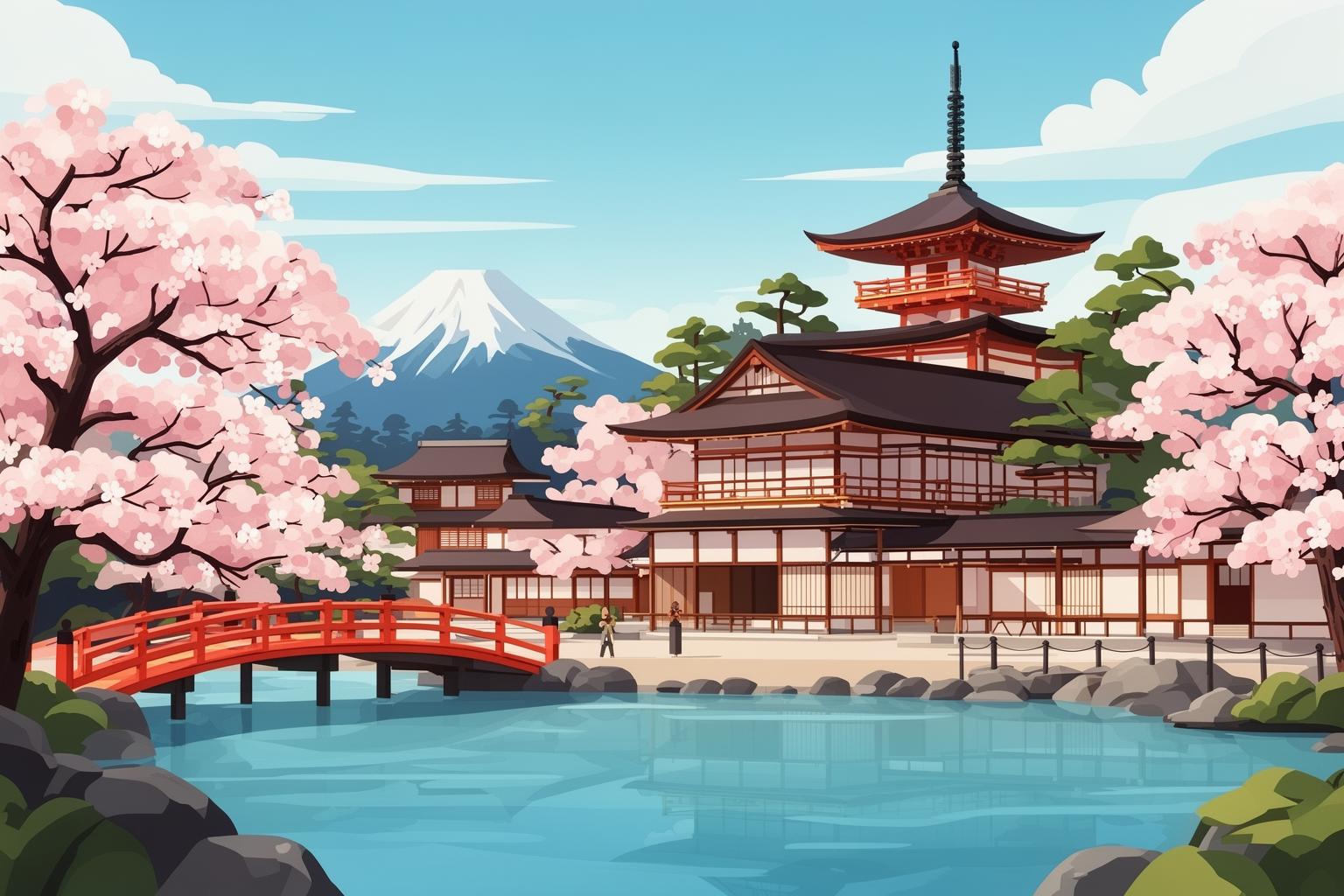
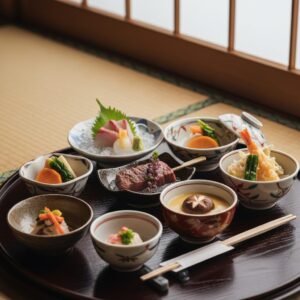
So, why the hotel? Why is this blend of a small, design-focused hotel and a secret, high-end dining counter becoming such a strategic move? The answer lies in the evolution of Japanese hospitality. For centuries, the pinnacle of Japanese lodging was the ryokan (旅館), a traditional inn offering a fully immersive experience. From the moment you arrive, you are immersed in a world of meticulous care. You are often assigned a personal attendant, a nakai-san, who attends to your every need. The highlight of the stay is the evening meal—a magnificent multi-course kaiseki dinner, often enjoyed in the privacy of your own room. The ryokan creates a complete, self-contained bubble of perfection. There’s no need to leave. The ultimate experience is right there.
The modern boutique hotel with a hidden omakase counter is essentially the 21st-century urban iteration of the ryokan. It takes the ryokan’s core principles—all-encompassing hospitality, privacy, and an extraordinary culinary experience—and adapts them for global, contemporary travelers in cities like Tokyo or Kyoto. In a vast, overwhelming city, the hotel becomes your sanctuary. After a long day of exploring, you don’t need to navigate a complex transit system or vie for an impossible reservation across town. The city’s most coveted dining experience is just an elevator ride away. It’s the perfect fusion of convenience and exclusivity.
This model creates a seamless, holistic guest experience. The hotel’s design philosophy often aligns with that of the restaurant. Architecture and interior design are integral to the journey. These hotels are almost always minimalist, employing natural wood, stone, and muted tones. Lighting is soft, acoustics carefully controlled. This is more than a stylish aesthetic—it’s a deliberate sensory strategy. The calming, serene hotel atmosphere acts as a palate cleanser for the mind. It muffles the city’s noise and prepares you to be fully present for the focused, intense culinary experience ahead. The hotel is not just a place to sleep; it’s the antechamber, the prelude to the main event. The entire property revolves around this peak moment.
Curating the Guest, Not Just the Room
Additionally, this model allows the hotel to curate its guests. Securing a seat at a top-tier, independent omakase restaurant can be nearly impossible for a tourist. Many have an ichigen-san okotowari policy or require bookings months in advance in Japanese. By embedding the restaurant within the hotel, the concierge becomes the gatekeeper. Staying at the hotel grants privileged access. This arrangement benefits everyone involved. The chef receives a steady flow of discerning international guests who are pre-vetted and invested in the experience. The guests gain access to a world usually closed to outsiders. And the hotel earns a reputation as a destination for serious food lovers, not just a place to stay.
Imagine a place like “The Aoyama Residence.” It’s a ten-room hotel in a quiet, upscale Tokyo neighborhood. The rooms are minimalist marvels of Japanese design. Hidden behind the library on the ground floor is an eight-seat counter run by a legendary tempura master who came out of retirement. The only way to secure a seat is by being a hotel guest. This creates a powerful synergy. The hotel’s brand is elevated by the chef’s prestige, and the chef’s craft is showcased in a perfectly controlled, respectful setting. It’s a closed loop of excellence. This is vastly different from a standard hotel restaurant catering to tired business travelers. This is the hotel as a cultural institution, with the omakase counter at its heart and soul. It’s the modern ryokan, reimagined for the global age.
Not Just Sushi: Exploring the Omakase Spectrum in Secret Settings
When people hear “omakase,” they usually think immediately of sushi—and for good reason, as sushi is the most iconic form. However, one of the most exciting aspects of this trend is how the omakase philosophy is now being applied across a variety of other Japanese cuisines. The secret counters in boutique hotels are becoming stages for shokunin who have mastered other, equally intricate culinary arts. This is where you can explore Japanese food culture far beyond the usual stereotypes. Honestly, it’s a complete game-changer.
Let’s explore some other types of omakase that are thriving in these exclusive environments.
Tempura Omakase: Mastering the Perfect Fry
First, tempura. Forget everything you think you know about tempura from your local takeout. This isn’t about heavy, greasy batter. High-end tempura is an art of remarkable subtlety and precision. At a tempura omakase counter, you’ll watch a master work with two small pots of carefully blended oils, each maintained at different precise temperatures. Every piece is fried to order, individually, and placed right before you. The batter is ultra-light, a delicate veil that flash-steams the ingredient inside while creating a shatteringly crisp shell. The chef customizes the batter thickness and frying time for each item. A delicate `kisu` (whiting) fish might get a whisper-thin coat and a quick fry, while a sweet potato is slow-fried at a lower temperature to highlight its natural sweetness. You’ll savor tempura you never imagined: uni (sea urchin) wrapped in a shiso leaf, a perfectly runny egg yolk, rare seasonal mountain vegetables. They are dipped in various salts or a light `tentsuyu` broth. It’s a revelation that elevates a familiar dish into an art form. A fictional place like “The Ginza Cloister” would base its entire reputation on a single, stoic tempura master crafting magic for just six guests a night.
Yakitori Omakase: Raising the Skewer to an Art
Yakitori, grilled chicken skewers, is another cuisine receiving the refined omakase treatment. This isn’t your noisy, smoky salaryman spot. Here, yakitori is deconstructed and elevated to a philosophical experience. The chef often uses a specific breed known as `jidori` (regional, free-range chicken), meticulously butchering the entire bird and using every part. The omakase menu becomes a journey through the chicken: succulent thigh (`momo`), crispy skin (`kawa`), tenderloin (`sasami`) served almost rare with wasabi, and even rare parts like the oyster (`soriresu`) or windpipe (`saezuri`). Each skewer is seasoned with a particular salt or a decades-old `tare` (basting sauce) and grilled over fiercely hot `binchotan` charcoal, imparting a clean, smoky flavor without any flames. The chef shares the origin of each cut, the reasoning behind the seasoning, and the best way to enjoy it. A hotel like “The Ember House” in a trendy district such as Nakameguro would be an ideal setting for a private, referral-only yakitori counter, pairing skewers with natural wines or rare sakes.
Kaiseki and Kappo Omakase: A Chef’s Conversation
Even traditional `kaiseki`, the formal multi-course French haute cuisine of Japan, is receiving a fresh omakase reinterpretation in these settings. This style, often called `kappo`, is less formal than classic kaiseki and focuses on a counter where the chef cooks right before you. Instead of a fixed preset menu, the chef has freedom to improvise and engage with guests. They might present a basket of the day’s freshest ingredients and ask what you’d like to try or create a dish on the spot inspired by a discussion about your preferred flavors. This is a more personal, interactive take on kaiseki. A boutique hotel in Kyoto—call it “Miyabi Stay”—could feature a kappo omakase counter overlooking a private moss garden. The chef there might reimagine classic Kyoto cuisine for an international palate, applying traditional techniques with a modern, spontaneous twist. This setting reveals the true creative genius of a chef, transcending the limitations of a rigid menu to craft a meal as a direct dialogue with the guest. The omakase concept extends even beyond this—now being applied to multi-course dessert tastings, craft cocktail journeys, and premium tea pairings, all within these exclusive, hidden spaces.
The Social Dynamics: Is It Worth It? Navigating the “Secret” Scene
Alright, let’s address the obvious issue. This all sounds incredible, but it also seems outrageously exclusive and expensive. So, what’s the truth? Is it just flashy wealth for the 1%? Is it a way of cultural gatekeeping? And the key question: is it truly worth it? The answer is, honestly, complicated. It really depends on what you’re after.
First, the cost. Yes, it is undeniably, shockingly expensive. A meal at one of these counters can easily cost hundreds, sometimes thousands, of dollars per person. But it’s important to recognize what you’re actually paying for. You’re not merely buying a meal. You’re paying for a lifetime of the chef’s dedication—those ten years spent perfecting even the simplest tasks like washing rice. You’re paying for rare ingredients, often sourced that very morning from the Toyosu fish market or from select farmers the chef personally knows. You’re paying for the exorbitant real estate costs of a tiny, six-seat restaurant in a prime Tokyo location. Most importantly, you’re paying for the space itself—the absence of a crowd. The intimacy, the quiet, the direct, uninterrupted focus of a master—that is the ultimate luxury here.
What about the difficulty of getting a reservation? The whole “secret” or “invitation-only” vibe can feel quite elitist. And sometimes, it probably is. But there’s practical and cultural reasoning behind it. The chef strives to create a particular atmosphere. They need diners who understand and respect the etiquette of the space. A calm, focused environment is essential for the chef to perform their best work and for guests to have the intended experience. A loud, boisterous group taking endless flash photos would instantly ruin the ‘ichigo ichie’ feeling. The complex reservation process—often requiring a referral, a high-end hotel concierge, or a specific Japanese credit card—serves as a filter. It ensures that people who make it to the counter have invested time and effort, and are there for the craft itself—not just to take photos and leave. It’s a system designed to preserve the integrity of the experience.
The Rules of Engagement: You’re an Audience, Not Just a Customer
If you decide to go for it, you need the right mindset. This is not a typical restaurant visit. You’re not just a customer being served; you’re an audience member at a carefully choreographed performance. There are important unwritten rules to follow.
- Punctuality is crucial. The omakase meal is a synchronized performance for all guests. Being late disrupts the flow for everyone. Arrive a few minutes early.
- Keep scents minimal. Strong perfume or cologne is a big no-no. It interferes with the delicate aromas of the food for you and others. This is seen as highly disrespectful to the chef.
- Observe phone etiquette. Pay attention to the environment. Most upscale places ask you not to take calls. Some chefs allow photos, but always be discreet—no flash, no loud shutter sounds. The best approach is to watch others or simply ask. The goal is to capture memories, not distract from the moment.
- Trust the chef. This is the essence of omakase. Don’t request substitutions unless you have a serious allergy (which should be mentioned when booking). Don’t drown your sushi in soy sauce. The chef has already seasoned each piece perfectly. Eat it as presented.
So, is it worth it? If you want a big, lively meal with lots of choices, then absolutely not. You’ll likely be bored and feel it’s not worth the price. But if you’re a true food enthusiast, someone fascinated by craftsmanship, or someone seeking a deep, almost meditative aspect of Japanese culture, it can be a profound, unforgettable experience. It’s like the difference between streaming a movie at home and sitting front row at a Broadway show. Both can be enjoyable, but they’re fundamentally different. This experience is for those who truly appreciate the art behind it.
The Future of Exclusivity: Where is This Trend Going?
So, what lies ahead for this ultra-exclusive, hidden dining scene? Is it merely a passing fad, or is it here to endure? It’s a compelling question because it stands at the intersection of ancient traditions and hyper-modern influences like social media and global travel.
On one side, social media is a double-edged sword for these venues. Instagram and TikTok are what introduced this once-secret world to a worldwide audience. A single viral clip of a chef deftly slicing a piece of tuna can turn a quiet counter into the most coveted reservation on earth. This global exposure can be incredible for the business and for honoring the shokunin’s craft. Yet, it also poses significant risks. The more these spots become “Instagrammable,” the more they risk losing the very essence that makes them unique. When the emphasis shifts from the `ichigo ichie` moment to capturing the perfect shot for the ‘gram, the magic can dissipate. It draws a clientele more interested in status than skill, potentially undermining the calm, respectful ambiance essential to the experience.
Conversely, the global landscape—especially in a post-pandemic era—might actually enhance the relevance of this model. There’s a growing worldwide appetite for private, curated, and controlled experiences. People are increasingly willing to spend more on unique, intimate gatherings rather than large, crowded events. The idea of a self-contained luxury bubble—a stunning boutique hotel with its own world-class, private dining—is immensely attractive. It provides a sense of safety, predictability, and seamless perfection that aligns closely with the current travel zeitgeist. This model may well expand, not only in Japan but also in other cultural capitals globally, adapted with local cuisines and crafts.
Will it become more accessible? Likely not. The essence of the experience is rooted in scarcity. Only a limited number of true masters exist, and they can only serve a handful of guests each night. If anything, the highest tier might grow even more exclusive as global demand increases. However, we might witness more variations of the model at different price points. For example, a hotel may showcase a six-seat omakase counter devoted to something simpler, like premium `onigiri` (rice balls) or artisanal `dashi` (broth) tastings. The core idea of a small, focused experience celebrating a distinct craft can be expressed in many forms.
Ultimately, this trend represents more than just an extraordinary way to dine. It’s a powerful statement about the meaning of luxury in the 21st century. In a world filled with constant noise, distractions, and mass production, these secret spaces offer something increasingly rare: pure, unfiltered focus. They embody deeply rooted Japanese cultural values—the reverence for the shokunin, the beauty of impermanence, and the profound power of quiet intimacy. Grasping this is key to understanding why a simple meal behind an unmarked door can be one of the most extraordinary and meaningful experiences Japan has to offer. It’s not merely about what’s on the plate; it’s about a whole new way of seeing the world, one perfectly seasoned bite at a time. And that, quietly, is a vibe truly worth the buzz.