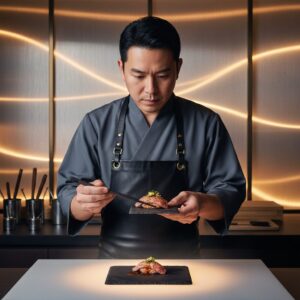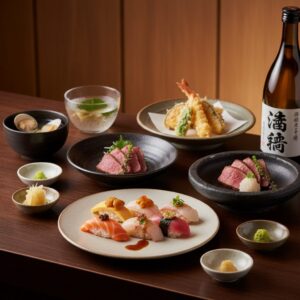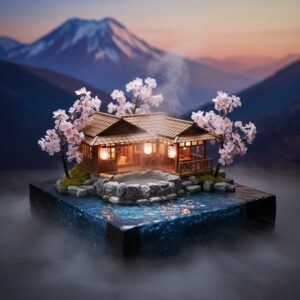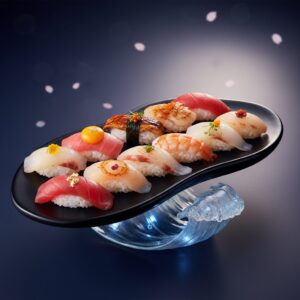
Alright, let’s talk real. You’ve seen the pictures. You’ve heard the hype. You know Japan is a whole mood. But you’re looking for that next-level experience, something beyond the tourist trails and busy temples. You’re searching for that exclusive, ‘if you know, you know’ kind of magic. You’re looking for the ryokan equivalent of walking into a tiny, eight-seat sushi counter, looking the master in the eye, and saying, “Omakase, onegaishimasu.” That single phrase is a declaration of trust. It means, “I leave it up to you.” You’re not ordering from a menu; you’re handing over the reins to an artist, trusting them to present the absolute peak of what’s seasonal, what’s perfect, what’s essential, right at that very moment. That, right there, is the vibe. It’s an entire philosophy wrapped in an experience—intimate, bespoke, and deeply connected to time and place. Now, imagine that philosophy extending beyond the plate. Imagine an entire stay—your room, your bath, your view, your service—all orchestrated with that same level of artistry and intuitive care. That’s the soul of the private onsen ryokans we’re about to dive into. These aren’t just places to sleep. They are immersive sanctuaries where every single detail is a quiet conversation between the host and the guest, a testament to the Japanese art of omotenashi, or wholehearted hospitality. Forget cookie-cutter luxury. We’re talking about spaces that breathe with character, serve meals that tell a story of the surrounding land and sea, and offer private onsen—your very own steamy portal to absolute Zen—where you can soak under the stars without a care in the world. This is travel as a dialogue, not a monologue. It’s about surrendering to the rhythm of a place and letting it transform you. From the mountains of Hakone to the wild north of Hokkaido, these ryokans are the masters of their craft. They are the Itamae of hospitality. So, let’s go. Trust me. It’s time for your omakase journey to begin.
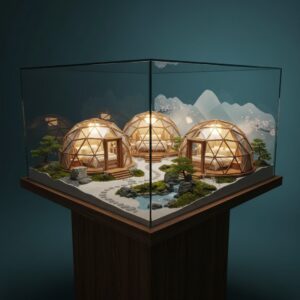
For those who crave a different kind of exclusive immersion, Japan also offers luxurious glamping escapes where nature itself provides the ultimate omakase.
GORA KADAN, Hakone: Where Imperial History Gets a Modern Glow-Up
Hakone is that quintessential, breathtaking escape from Tokyo—a land of volcanic valleys, tranquil lakes, and exceptional art. At its heart, in the upscale Gora district, lies a place that stands apart. GORA KADAN is more than just a ryokan; it is a living piece of history. Once the private villa of the Kan’in-no-miya imperial family, its distinguished heritage is palpable from the moment you enter the grounds. But don’t mistake it for a stuffy relic—it flawlessly blends old-world grandeur with sleek, contemporary design. The ambiance is impeccable.
The Vibe: A Royal Legacy, Reimagined
The atmosphere at GORA KADAN exudes quiet, assured luxury. It’s like a perfectly tailored suit in architectural form—timeless lines and exquisite materials shaped with a modern twist that feels effortlessly stylish. The long stone-paved corridor from the entrance acts as a dramatic runway, setting the tone for what lies ahead. Here, traditional Japanese elements—the aroma of hinoki wood, the texture of washi paper screens—harmonize with a minimalist aesthetic that allows the quality of materials and the natural surroundings to shine. It honors its imperial roots while fully embracing the present. The service is intuitive and almost invisible, with staff anticipating your needs before you even voice them, embodying the essence of an omakase-level experience. It’s a subtle yet masterful display.
The Space: Your Private Sanctuary
Now, about the rooms—that’s where the true enchantment unfolds. Though the main building offers lovely options, the ultimate GORA KADAN experience is found in the villas with private open-air onsen. Stepping into one of these suites is a moment to savor. The design is clean, spacious, and bathed in natural light. Floor-to-ceiling windows frame the lush Hakone landscape like a living masterpiece. The layout flows seamlessly, from the tatami mat living area where you’ll enjoy your welcome matcha, to the plush, low-lying beds. But the highlight is just outside your window. Sliding open the glass doors reveals your personal rotenburo—an open-air hot spring bath, crafted from smooth dark stone and constantly replenished by the mineral-rich, volcanic waters Gora is known for. Picture yourself sinking into the bath at dawn, steam rising into the crisp mountain air while birdsong plays softly in the background. Or soaking under a star-studded sky with a glass of sake resting on the tub’s edge. This is not just a bath; it’s a ritual, a private communion with nature that renews your entire being. The milky, slightly sulfuric water is famed for its beautifying effects, leaving your skin incredibly soft. It’s your personal retreat, a world away from everything.
The Culinary Journey: Kaiseki That Honors Nature
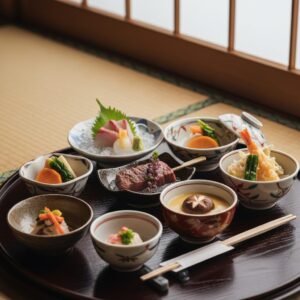
Here, GORA KADAN fully embraces the omakase spirit. Dining, typically served in an elegant private room at the main restaurant, is a formal and awe-inspiring experience. The cuisine is authentic, high-end kaiseki-ryori—a multi-course art form celebrating the season’s bounty. The head chef is a virtuoso, crafting a symphony of flavors, textures, and colors that capture Hakone’s soul. Your meal might open with a delicate sakizuke (appetizer), perhaps a perfect sesame tofu topped with freshly grated wasabi and a tiny, glistening ikura pearl. Next comes a clear, soul-warming suimono broth whose pure depth seems to capture the essence of mountain springs. Then the sashimi, or otsukuri, arrives with fish so fresh it practically sparkles, sourced from nearby Sagami Bay. Presentation is paramount. Each course is served on exquisite tableware—Arita porcelain, lacquerware with gold inlay, rustic ceramics—that elevates the experience as much as the food itself. The grilled course, yakimono, might feature blackthroat seaperch with skin crisped perfectly over charcoal, paired with a slice of sudachi citrus. The nimono (simmered dish) could be tender winter daikon, soaking in rich dashi umami. The meal unfolds gently, culminating in perfectly cooked local rice, miso soup, and pickles, followed by a delicate dessert—perhaps a shining slice of Shizuoka melon or warabi mochi dusted with fragrant kinako. This is more than dining; it’s a ritual that honors nature’s gifts. You place your trust in the chef and receive a culinary narrative you won’t soon forget.
Beyond the Room: Art, Steam, and Serenity
Though you could happily spend your entire visit alternating between your private onsen and the dining table, the grounds themselves are worth exploring. The shared amenities are stunning, including a spacious indoor swimming pool fed by hot spring water and a state-of-the-art spa. Communal onsens, separated by gender, offer a different yet equally tranquil experience with expansive stone baths and a peaceful ambiance. Strolling through the meticulously maintained gardens reveals the beauty of the changing seasons—a key theme in Japanese aesthetics. And since you’re in Hakone, world-class attractions like the Hakone Open-Air Museum, with its remarkable sculpture collection set against a mountainous backdrop, and the Hakone Ropeway, offering breathtaking views over the simmering Ōwakudani volcanic valley, are just moments away. GORA KADAN is the perfect serene base to explore the region’s artistic and natural treasures.
The Details
Situated in Gora, Hakone, GORA KADAN is easily reached from Tokyo via Shinkansen to Odawara, followed by the charming Hakone Tozan Railway. It epitomizes a luxury ryokan that combines historical prestige with flawless modern design and an exceptional dining experience. It’s a statement stay for those seeking the absolute pinnacle of Japanese hospitality.
Asaba, Izu: The Quintessential Ryokan Dream
If GORA KADAN represents a modern revival of imperial history, Asaba embodies the timeless, poetic spirit of the classic ryokan experience. Situated in Shuzenji Onsen, a serene hot spring town on the beautiful Izu Peninsula, Asaba has been operated by the same family for over 350 years. This is not a place that chases trends; it is the trendsetter, setting the standard by which all other traditional ryokans are judged. Staying here feels less like checking into a hotel and more like being welcomed into a venerable, art-filled family home. Its energy is deeply calming and authentically Japanese.
The Vibe: Timeless Elegance and Theatrical Soul
The atmosphere at Asaba is pure, unfiltered wabi-sabi elegance. It’s about discovering beauty in imperfection, the passage of time, and the natural world. The moment you step inside, the hustle of the outside world fades away. The air carries the scent of aged wood, tatami mats, and damp moss from the garden. The ryokan is centered around a large, shimmering pond, with a striking wooden Noh stage floating at its heart. This is more than decoration; Noh theater runs through the family’s veins, and performances continue here, their haunting chants reverberating across the water. This theatrical presence lends Asaba a unique, almost mystical aura. Every corridor and room is a masterclass in composition, featuring carefully arranged ikebana flowers, ancient calligraphy scrolls, and dark, polished wooden hallways that creak softly underfoot. The service defines grace. The okami (female proprietor) and her team of nakai-san (personal room attendants) move with quiet efficiency that is both impeccably attentive and charmingly unobtrusive. They embody the spirit of omotenashi, making you feel like the most honored guest in a treasured home.
The Space: A Room with a Noh Stage View
Your room at Asaba serves as your private box seat for nature’s theater. Most rooms overlook the central pond and iconic Noh stage, making this view the centerpiece of your stay. The design epitomizes refined traditional Japanese aesthetics. Sliding shoji screens soften the light into an ethereal glow. Floors are covered with fragrant tatami mats, and furniture is minimal—perhaps a low lacquered table and some zabuton cushions. The beauty lies in the simplicity and craftsmanship. At night, your nakai-san will prepare your fluffy futon bed in a ritual that feels like a small theatrical performance. Many rooms feature private onsen baths, often crafted from fragrant hinoki cypress or dark Izu stone. Soaking in your private bath while gazing out at the pond, bamboo grove, and beautifully illuminated Noh stage at night is nearly a spiritual experience. You’ll hear the gentle chirping of frogs, the rustle of bamboo leaves in the breeze, and possibly the distant toll of the temple bell from Shuzenji Temple. It’s a sensory immersion that deeply connects you to the place’s history and ambiance.
The Culinary Journey: A Taste of Izu’s Soul
Dining at Asaba is an intimate experience, served privately in your room. Your nakai-san acts as your personal guide, presenting each course of the elaborate kaiseki meal with quiet explanations of its ingredients and significance. The cuisine is a hyper-local love letter to the Izu Peninsula. Asaba’s chefs are masters of their craft, using ingredients sourced from the nearby mountains, rivers, and the abundant waters of Suruga Bay. The meal expresses shun, or peak seasonality. In spring, tender bamboo shoots and mountain vegetables (sansai) appear. Summer offers sweet ayu (sweetfish) from the Kano River, expertly grilled with salt. Autumn brings fragrant matsutake mushrooms and rich local chestnuts. Winter features hearty hot pots and prized red alfonsino fish (kinmedai). A signature dish often seen is Anmochi Nabe, a delicate hot pot with simmered vegetables and a soft, savory rice cake—a comforting and unique regional specialty. The sashimi is impeccable, vegetables are grown in local gardens, and even the wasabi is often freshly grated at your table from rhizomes nurtured in Izu’s pristine waters. This embodies the omakase ethos at its purest: the chef gathers the very best of the day and season, presenting it as a multi-act play upon your dinner tray. It is subtle, profound, and deeply satisfying.
Beyond the Room: The Art of Doing Nothing
Asaba encourages the lost art of doing nothing. You are invited simply to be. Spend an afternoon in the plush chairs of the library-like salon, sipping coffee while gazing out at the pond. Take a dip in the stunning open-air communal bath—a large stone pool surrounded by bamboo and maple trees—where you can truly feel submerged in nature. The town of Shuzenji itself is a delight to explore. A short walk from the ryokan leads you to the ancient Shuzenji Temple, the charming Bamboo Forest Path winding along the river, and several historic galleries and quaint shops. The town flows with a slow, gentle rhythm that perfectly complements the ryokan’s tranquility. Asaba doesn’t offer a lengthy list of activities; rather, it offers a space for contemplation and rejuvenation, perhaps the greatest luxury of all.
The Details
Located in Shuzenji Onsen on the Izu Peninsula, Asaba is accessible from Tokyo by taking the Shinkansen to Mishima Station, followed by a brief ride on the Izu Hakone Railway. It represents the pinnacle of traditional ryokan culture, blending luxurious accommodation with a deep cultural immersion. It is a destination for purists and those seeking to experience the soul of Japanese hospitality as it has been practiced for centuries.
Zaborin, Hokkaido: Zen Minimalism in the Wild North

Prepare to have your perception of a ryokan entirely transformed. If Asaba is a timeless poem, Zaborin is a modern haiku—minimalist, evocative, and profoundly attuned to its surroundings. Nestled in a pristine silver birch forest in Niseko’s exclusive Hanazono area of Hokkaido, Zaborin is a masterpiece of contemporary design and a haven for the modern spirit. The name derives from Zen Buddhist ideas: “za” (to sit, to find peace) and “borin” (the woods), perfectly encapsulating the essence of the retreat—quiet reflection amid the raw beauty of the northern wilderness. It radiates major architectural Zen master vibes.
The Vibe: Wabi-Sabi Meets Nordic Cool
The atmosphere at Zaborin blends Japanese minimalism with Scandinavian warmth in a stunning way. The aesthetic features clean lines, raw concrete, warm wood, and expansive glass panes. It’s a space of serene drama. Approaching the building, it appears understated and almost camouflaged within the forest. But once inside, the villa opens up to reveal breathtaking, perfectly framed views of the surrounding nature and the distant Mt. Yotei volcano. A deep sense of tranquility prevails—the silence pierced only by the crunch of snow underfoot in winter or the rustle of leaves in summer. The design philosophy focuses on eliminating the unnecessary to highlight the essential. Every piece of furniture, lighting, and artwork is purposeful and exquisite. The staff are warm and professional, offering a service that is both relaxed and impeccably refined. This is a place crafted for introspection and a profound, restorative connection with nature.
The Space: An Architectural Haven
Zaborin comprises just 15 individual villas, each a private retreat of luxury and design. Here’s the highlight: every villa boasts its own private indoor and outdoor onsen. This feature isn’t a mere luxury; it’s integral to the Zaborin experience. The water is a gensen kakenagashi onsen—flowing directly from the volcanic source, untouched and continuously replenished, rich in minerals that soothe both body and soul. The indoor baths are sleek and modern, often featuring floor-to-ceiling windows that overlook your private stretch of forest. However, the outdoor rotenburo is where magic happens. Picture yourself immersed in a private stone bath, with hot water contrasting the crisp air as snowflakes gently fall, blanketing the birch trees in white. Or imagine the vibrant greens of summer, the forest alive around you as you soak in total privacy. The villas themselves are spacious, with separate living and sleeping areas, enormous, comfortable beds, and meticulous attention to detail. From custom-blended amenities to high-end entertainment systems, every element is designed for utmost comfort. This is your personal slice of minimalist paradise amid the Hokkaido wilderness.
The Culinary Journey: Kita-Kaiseki, A Northern Story
Zaborin’s dining highlights the omakase spirit through kita-kaiseki, or northern kaiseki. This distinctive culinary style takes the formal framework of traditional kaiseki and reimagines it with Hokkaido’s extraordinary natural abundance. The head chef, a true artist, exhibits fierce dedication to local, seasonal ingredients. This means world-class seafood from the Sea of Japan—rich tuna, sweet sea urchin (uni), and plump scallops; vegetables grown in Niseko’s fertile volcanic soil; dairy from local farms; wild mountain vegetables foraged nearby; and even inspirations from indigenous Ainu cuisine. Each meal is served in an intimate dining room with forest views. The presentation is modern and artistic, a feast for both eyes and palate. A course may feature perfectly seared Wagyu from a local ranch, accompanied by a lily bulb purée and a dusting of mountain pepper. Another might creatively showcase freshly harvested asparagus in multiple preparations. The chef’s omakase menu changes constantly, dictated not by the calendar but by what farmers, fishermen, and foragers bring fresh each day. It’s a dynamic, exciting, and utterly delicious embodiment of Hokkaido—tasting the place in its most pristine and inventive form.
Beyond the Room: Embracing the Ezo Wilderness
While the tranquility of the villas is paramount, Zaborin benefits from its Niseko location, one of the world’s premier powder snow destinations. In winter, you’re minutes from the Hanazono ski lifts and legendary tree runs and powder fields that draw skiers and snowboarders worldwide. Zaborin offers a serene, sophisticated alternative to the bustling resort hotels. In summer, the area transforms into a lush paradise ideal for hiking, mountain biking, golf, and river rafting. The ryokan can arrange a variety of activities, but honestly, one of the finest pursuits is simply borrowing a book from the library, settling into a comfortable chair in the stunning central bar and lounge, and watching the light play over the forest and Mt. Yotei. Zaborin understands that sometimes, the greatest adventure is the journey inward.
The Details
Located in Niseko, Hokkaido, Zaborin is about a 2.5-hour drive from Sapporo’s New Chitose Airport. It’s a destination for those who appreciate avant-garde design, culinary innovation, and the raw, untamed beauty of Japan’s northern island. Offering a thoroughly modern take on the ryokan experience, it never compromises on luxury or soul.
Takefue, Kumamoto: A Fantastical Onsen Kingdom
Prepare to enter another realm. While other ryokans might be poetic or architectural masterpieces, Takefue embodies pure fantasy. Tucked away deep within a sprawling 32-acre bamboo forest near the Kurokawa Onsen area in Kumamoto Prefecture, Kyushu, Takefue resembles less of a ryokan and more of a mythical, self-contained village devoted to the art of onsen. The scale of this place is breathtaking, and the dedication to crafting an extravagant, magical experience is genuinely astonishing. This isn’t about minimalism; it embraces maximalism in the most artful, nature-infused manner possible. It’s a true dreamscape.
The Vibe: Ultimate Onsen, Ultimate Enchantment
From the moment you pass through Takefue’s gates, you’re transported. The air is cool, filled with the scent of bamboo and moist earth. Winding stone paths illuminated by traditional lanterns lead you through a towering, dense bamboo grove. The soundscape is a harmonious blend of rustling leaves, chirping insects, and the steady, gentle murmur of flowing streams and springs. The atmosphere exudes seclusion and enchantment, feeling timeless, as if you’ve discovered a hidden village from a Studio Ghibli film. The staff welcome you like royalty visiting a secret realm, with warmth and sincerity characteristic of Kyushu hospitality. The entire property is an adventure waiting to be explored, with concealed corners, footbaths, and relaxation spots scattered across the extensive grounds. It’s playful, grand, and profoundly soothing. It offers the ultimate escape from reality.
The Space: Your Private Onsen Haven
The rooms at Takefue feel less like accommodations and more like private estates. There are just 12 suites, each distinct, spacious, and equipped with at least one—and often multiple—private open-air onsens. We’re talking about onsen of a scale and design unmatched elsewhere. Some are sculpted from natural rock formations, others resemble vast, cave-like baths. The most renowned is the “Chikurin no Yu,” an immense open-air bath encircled by towering bamboo stalks, available for private booking. Even the onsens attached to your suite are breathtaking. Picture a two-tiered rotenburo, with a hot bath above cascading into a larger, cooler pool below, or a deep, hinoki cypress tub positioned on a veranda overlooking the forest. The suite designs are traditionally Japanese, featuring exquisite wooden architecture, tatami rooms, and irori sunken hearths, yet done on a grand, luxurious scale. The suites are so roomy and self-sufficient that you could easily spend your entire stay without stepping outside. The level of private onsen experience here is simply unrivaled. It’s not just a bath; it’s your own personal Zen water park.
The Culinary Journey: Dining Amidst the Forest
Dining at Takefue is, like everything else here, an elegant and intimate experience. Exquisite kaiseki meals are served privately in your suite, allowing you to fully absorb the fantastical surroundings. The cuisine celebrates Kumamoto’s rich culinary heritage. Kyushu is renowned for its exceptional food, and Takefue’s chefs highlight the very best. A standout is the world-famous Kumamoto Wagyu, known as Aso Akaushi beef—a leaner yet incredibly flavorful Wagyu served often as a miniature steak you grill yourself over a personal ceramic barbecue. Another local specialty is basashi, or horse sashimi, surprisingly lean, tender, and delicious, served with grated ginger and sweet Kyushu soy sauce. Meals also feature fresh vegetables from the fertile Aso region and seafood from the nearby Ariake Sea. Each course is a journey through the flavors of the ‘Land of Fire,’ as Kumamoto is called. Presentation is stunning, often incorporating elements from nearby nature like bamboo leaves and local flowers. It’s a hearty, soulful, and deeply satisfying take on kaiseki, perfectly matching the ryokan’s grand, natural setting. It’s an omakase feast fit for a mountain god.
Beyond the Room: A Bamboo-Lined Wonderland
Exploring Takefue’s grounds is an experience in itself. Follow winding paths and discover public spaces that are as remarkable as the private ones. There’s a daily ceremony where staff release hundreds of koi carp into the main stream—a beautiful spectacle to witness. A relaxing lounge offers complimentary drinks and snacks. And, naturally, there are numerous other onsens spread across the property to enjoy. One of the highlights is the “Sasabune no Yu,” a long, narrow bath designed to resemble a bamboo boat drifting down a river. The ryokan is also close to Kurokawa Onsen, one of Japan’s most picturesque and charming hot spring towns famous for onsen-hopping among various ryokans. Yet with the onsen paradise at Takefue, you might find leaving extremely difficult.
The Details
Situated near Kurokawa Onsen in Kumamoto Prefecture, Kyushu, Takefue is best accessed by car or a pre-arranged shuttle from nearby stations or airports like Kumamoto Airport. This destination caters to the ultimate onsen connoisseur—those seeking a fully immersive and fantastical escape that feels worlds away from everyday life. It offers an experience of pure, unfiltered hot spring magic.
Bettei Senjuan, Gunma: Architectural Drama Meets Natural Grandeur
Let’s head to the mountains. Just a short bullet train ride from Tokyo, in Gunma Prefecture, lies a place where cutting-edge modern architecture meets the raw power of nature in the most breathtaking way. Bettei Senjuan is a Relais & Châteaux property nestled at the base of the formidable Mount Tanigawa, a mountain renowned for its rugged beauty and harsh weather. The ryokan stands as a tribute to the genius of architect Kenzo Kosugi, who crafted a space that both honors and enhances the grandeur of its surroundings. It’s a place of striking contrasts—sharp lines and soft snow, warm wood and cool stone, quiet reflection and overwhelming nature.
The Vibe: Mountain Modernism with Soul
The atmosphere at Bettei Senjuan is refined, artistic, and deeply connected to its mountain environment. The first thing you notice upon entering is the stunning, expansive view of Mount Tanigawa through a vast, floor-to-ceiling glass wall in the main lobby. This view is the heart of the ryokan; everything revolves around it. The architecture is a bold statement, featuring clean geometric shapes, soaring ceilings, and masterful use of natural materials such as wood, stone, and washi paper. Yet, it never feels cold or sterile. Instead, it exudes warmth and a reverence for Japanese aesthetics that makes it incredibly inviting. It’s like living inside a beautiful, inhabitable sculpture. The staff are polished and attentive, offering the seamless, world-class service expected of a Relais & Châteaux property. The overall mood is one of serene, elevated calm—a perfect setting to appreciate both human creativity and natural wonder.
The Space: A Window to the Sublime
All 18 suites at Bettei Senjuan come with their own private open-air onsen boasting direct, unobstructed views of Mount Tanigawa. This is non-negotiable and is what makes a stay here so exceptional. Waking up and sliding open your screen to behold the majestic, often snow-capped peak of the mountain is a powerful experience. Sinking into your private rotenburo, filled with silky pure water from the Otanigawa Hot Spring while gazing at the same view, is transcendent. In winter, the landscape becomes a monochrome masterpiece of white snow and dark rock; summer reveals a tapestry of deep greens; and autumn ignites with fiery colors. The mountain is a living, breathing presence, and your room offers the perfect vantage point to witness its ever-changing beauty. The rooms themselves are a stunning fusion of Japanese tradition and modern comfort. You’ll find tatami areas alongside plush Western-style beds, and traditional shoji screens alongside cutting-edge technology. It’s the best of both worlds, designed for ultimate relaxation while keeping you connected to the epic landscape outside your window.
The Culinary Journey: The Bounty of Mountains and Rivers
Bettei Senjuan’s omakase experience is rooted in the concept of satoyama, the transitional zone between mountain foothills and arable land, where a rich culture of foraging and farming thrives. The kaiseki cuisine here celebrates the bounty of Gunma’s mountains and rivers. The menu changes monthly to showcase peak seasonality. In spring, you’ll find foraged mountain vegetables (sansai) and fresh river fish. Summer brings sweet tomatoes and corn from highland farms. Autumn offers an impressive array of mushrooms, chestnuts, and ginkgo nuts. Winter is the season for hearty root vegetables and rich game meats. The chefs at the on-site restaurant, which also boasts stunning mountain views, transform these humble, pristine ingredients into culinary art. One dish might feature locally raised Joshu Wagyu beef, so tender it melts in your mouth; another could be a simply perfectly grilled iwana (char) fish, caught from the clear streams of the Tanigawa River, seasoned only with salt to highlight its natural sweetness. The meal is a journey through the local terroir, a story told through flavor and texture. It is sophisticated, pure, and deeply connected to the land. You leave the table feeling not only satisfied but nourished on a deeper level.
Beyond the Room: A Gallery of Nature and Art
While the main attraction is the mountain view from your private onsen, Bettei Senjuan offers much more. The entire ryokan functions as an art gallery, with over 100 pieces of modern Japanese art and calligraphy displayed throughout. A quiet stroll down the corridors becomes a journey of discovery. There’s a beautiful library and lounge area for peaceful reading, and a terrace offering yet another stunning vantage point of the mountain. The surrounding Minakami area is an outdoor adventurer’s paradise. In summer, it’s known for white-water rafting and canyoning; in winter, skiing and snowboarding. For a gentler experience, the Tanigawadake Ropeway whisks you up the mountain for panoramic views and alpine hikes. Bettei Senjuan is a luxurious, artistic base camp for exploring this dynamic and beautiful region of Japan.
The Details
Located in Minakami, Gunma Prefecture, Bettei Senjuan is easily accessible from Tokyo. It’s just over an hour on the Joetsu Shinkansen to Jomo-Kogen Station, where a complimentary shuttle from the ryokan awaits. It’s the perfect choice for design and architecture enthusiasts and anyone seeking to experience the sublime power of Japan’s mountain landscapes from the comfort of an exquisitely designed, luxurious sanctuary.
The Final Word: More Than a Stay, It’s a Story
Selecting one of these ryokans is not like choosing a hotel; it’s like deciding on a story you wish to join. It’s an intentional choice to slow down, to awaken your senses, and to place your trust in the hands of masters—the architects, chefs, and hosts—who have devoted their lives to mastering the art of hospitality. The ‘Omakase Vibe’ embodies this trust. It’s the quiet assurance that whatever is presented to you—whether a slice of sashimi, a perfectly warmed bath, or a silent, understanding glance from your host—will be exactly what you need at that moment. It’s a conversation between guest and host, tradition and innovation, humanity and nature. As you soak in your private onsen, steam rising to meet the starlight, you come to realize this is more than a vacation. It’s a reset for the soul—an experience that lingers, a memory to revisit long after you’ve checked out. It’s Japan at its most intimate, artful, and unforgettable. Now you know. The only question that remains is, which story will you choose?