Yo, what’s the deal? It’s Ami. When I’m not sketching out the next season’s collection, I’m usually deep in the matrix of some city’s backstreets, chasing a vibe. And right now, the vibe I’m living for is Tokyo’s stealth-wealth, post-bubble elegance. We’re talking about Ginza, but not the Ginza you see on postcards with its flashy department stores and blinding neon. Nah, we’re going deeper. We’re hunting for those hidden-away Omakase bars that are basically time capsules from the 90s—a period when Japan, fresh off the hangover of its crazy 80s economic bubble, rediscovered the beauty of ‘less is more.’ This wasn’t about broke-core; it was a pivot to a hyper-refined, almost monastic appreciation for quality over quantity. Think clean lines, killer materials, and a hushed confidence that doesn’t need to shout. It’s the kind of cool that’s earned, not bought. In these tiny, tucked-away sushi sanctuaries, you’re not just eating dinner; you’re plugging into a specific frequency of Japanese cultural history. It’s a full-on aesthetic experience, a quiet rebellion against the loud and gaudy. For anyone who wants to taste the real soul of modern Tokyo, finding one of these spots is the ultimate IYKYK (if you know, you know) mission. It’s where culinary art meets a mood, a moment, and a philosophy that’s still mad relevant today. Let’s get into it.
The Vibe Check: Decoding ’90s Post-Bubble Elegance
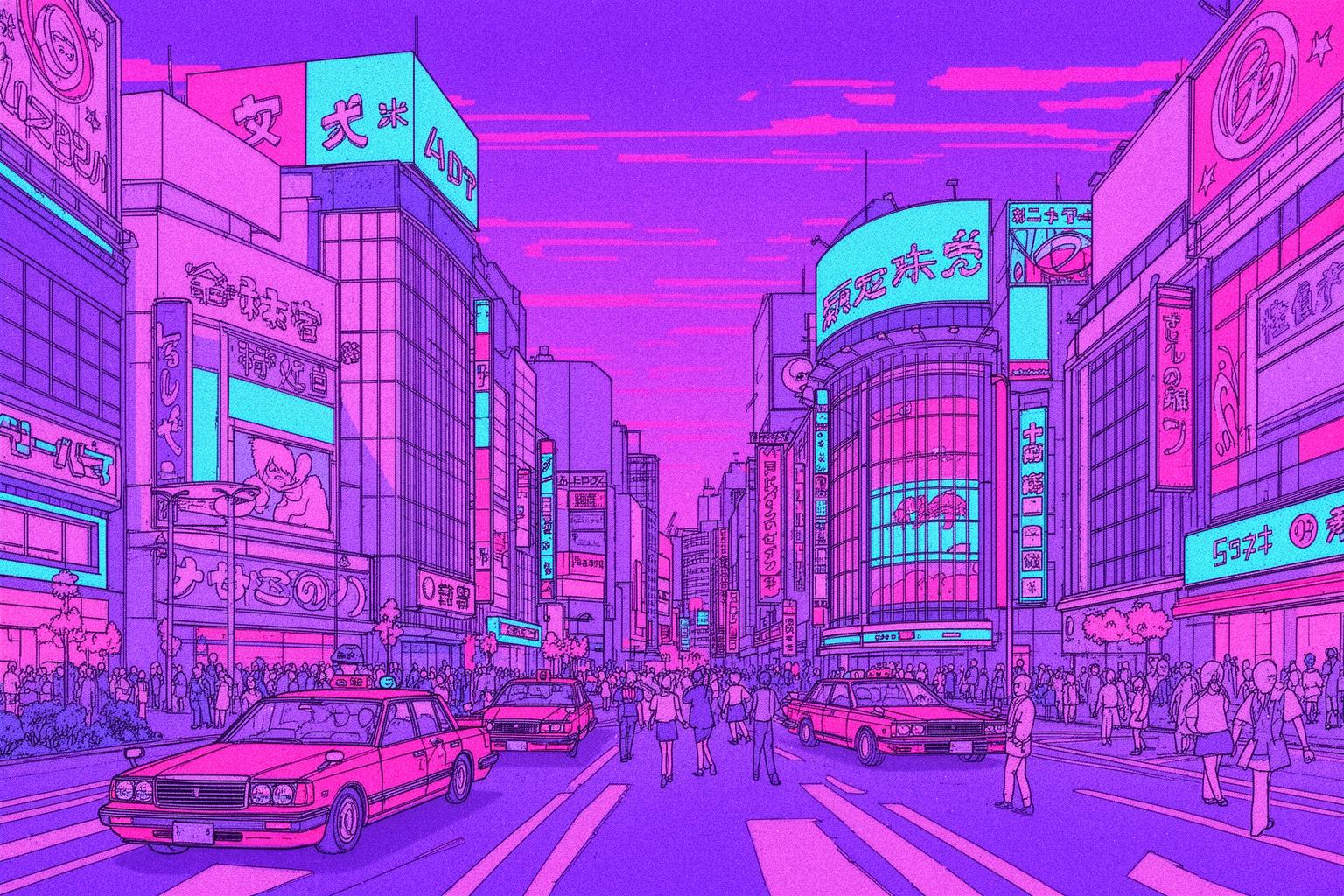
To truly grasp what makes these Omakase spots in Ginza feel so unique, you need to understand the history behind them. It’s an entire atmosphere forged in fire. Imagine Japan in the late 1980s, at the peak of the “Bubble Economy.” Money was flowing endlessly. Tales from that time are legendary, almost mythical. People hailed taxis with ¥10,000 bills, corporations purchased Picassos and New York skyscrapers, and luxury was turned up to the extreme. Culinary scenes featured gold-leaf sushi, champagne towers, and extravagant French restaurants on every corner. It was loud, proud, and dripping with opulence—momentarily the future itself.
Then, in the early 90s, the bubble burst dramatically. The stock market collapsed, real estate values plunged, and the decadent party came to an abrupt end. The following decade is often called the “Lost Decade” economically, but culturally it was something quite different. It was a time of deep reflection. The flashy excess of the ’80s suddenly seemed… tacky. A new aesthetic emerged, one that rejected superficial glamour in favor of something more authentic, enduring, and intrinsically valuable. This marked the birth of post-bubble elegance.
This new mindset centered on ‘honing mono,’ meaning ‘the real thing.’ It reflected a national shift toward craftsmanship, quality materials, and timeless design. In fashion, this era saw Japanese designers like Rei Kawakubo of Comme des Garçons and Yohji Yamamoto rise to global prominence. Their work was often dark, deconstructed, and intellectual, focusing on silhouette and fabric rather than flashy logos. Fashion became art rather than a status symbol. This minimalist, thoughtful approach influenced architecture, design, and definitely food.
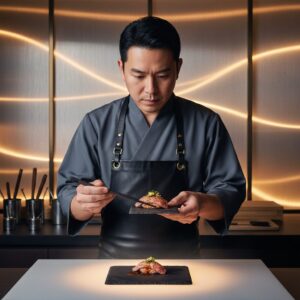
In Ginza, once the heart of bubble-era extravagance, this change was significant. The grand, ornate dining rooms felt outdated. Instead, a quieter acclaim grew for a new restaurant style: the small, intimate Omakase counter. Omakase, where the menu is fully entrusted to the chef, perfectly embodied this new philosophy. It eliminated all distractions—no complicated menus, no vast dining halls, no performative showmanship. The experience was distilled to its purest form: the freshest ingredients, the quiet, masterful skill of the chef (itamae), and the direct, almost sacred bond between creator and guest.
The design of these spaces reflected this ethos. Marble columns and crystal chandeliers were replaced by sublime simplicity. Counters crafted from a single piece of Hinoki cypress wood glowed softly under focused lighting. Walls featured textured earth tones. A solitary piece of ceramic pottery or a thoughtfully arranged ikebana flower served as the sole decoration. Luxury was found in tangible details—the weight of a ceramic sake cup, the smooth grain of wood, the calm ambiance allowing full focus on the flavors before you. This wasn’t about spending less; these experiences were often just as costly, if not more, than their bubble-era predecessors. The difference lay in valuing intangible qualities: time, skill, rarity, and the pursuit of perfection. This is the 90s post-bubble elegance we seek—a quiet confidence, a deep appreciation for substance over style, and a distinctly Japanese form of modern luxury that still feels incredibly fresh and relevant today.
The Ginza Hunt: Finding Your Secret Counter
So, how do you actually locate these bastions of 90s cool? Well, it’s not as straightforward as simply typing “sushi” into your map app. That’s precisely the point. The pursuit is part of the experience. Ginza is a maze of contradictions. On the surface, there’s Chuo-dori, the main street, which on weekends transforms into a ‘pedestrian paradise’ lined with flagship stores of every luxury brand you can imagine. It’s bright, lively, and unapologetically commercial. But the real enchantment unfolds when you peel back that layer and venture into the side streets, the narrow alleys of Ginza 6-chome, 7-chome, and 8-chome, especially as dusk begins to fall over the city.
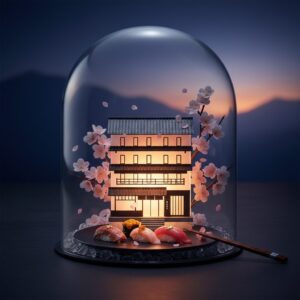
This is where the adventure starts. Many of the most esteemed Omakase restaurants in Ginza keep an air of exclusivity. Often concealed on the upper floors of modest office buildings, they may have only a small, subtle sign—or sometimes none at all—to reveal their presence. You might pass by a building countless times without realizing a Michelin-starred sushi master is quietly crafting a life-changing meal on the fourth floor. The entrance could be a simple wooden door, a small, neat noren curtain hanging at the doorway, its color and pattern hinting at the season and the character of the establishment within. There’s a thrill in this anonymity. It acts as a filter. These spots aren’t seeking casual foot traffic; they’re sanctuaries for those truly serious about food, for those willing to put in the effort to find them.
Traditionally, many of these premier restaurants enforced a strict ichigen-san okotowari policy, meaning they wouldn’t accept first-time guests without a formal introduction from a trusted regular. This wasn’t about exclusivity for its own sake; it was about preserving the intimate, trust-based atmosphere of the restaurant. The chef-patron relationship is central in the world of Omakase. While this custom persists in some very exclusive places, the culture has evolved. The rise of global food culture and tourism has opened many doors, but a certain approach is still necessary.
Your greatest asset in this quest is a high-end hotel concierge. They are the gatekeepers. They hold the relationships, connections, and deep local insight needed to secure reservations at places you could never reach on your own. Premium credit card concierge services can also prove highly effective. For the digitally adept, a handful of curated Japanese booking platforms like Omakase or Tableall have appeared, specializing in difficult-to-book, high-end restaurants. These platforms serve as modern introductions, vouching for you and bridging cultural gaps.
But let’s reflect on the pure romance of the search. Imagine it’s 7 PM. Ginza’s main streets are still lively, but you turn into a quiet side lane. The city’s noise fades away, replaced by the gentle tap of heels on pavement and the distant hum of ventilation fans. You’re seeking a particular building mentioned in a niche food blog. You find it—a slim, unassuming structure tucked between two others. You take a small, slightly creaky elevator to the third floor. The doors open to a small, quiet landing. There’s a single, plain wooden door. You slide it open, and instantly, you’re transported. The outside world’s noise disappears entirely. You’re in a tranquil, warmly lit space, with the air carrying the clean, subtle scent of vinegar and wood. The chef looks up from behind the counter, nods, and gestures to your seat. The hunt is over. The experience is about to begin. That feeling of discovery, of crossing a threshold into a secret realm, is a delight in itself and a major part of the Ginza Omakase allure.
Inside the Sanctuary: The Omakase Experience
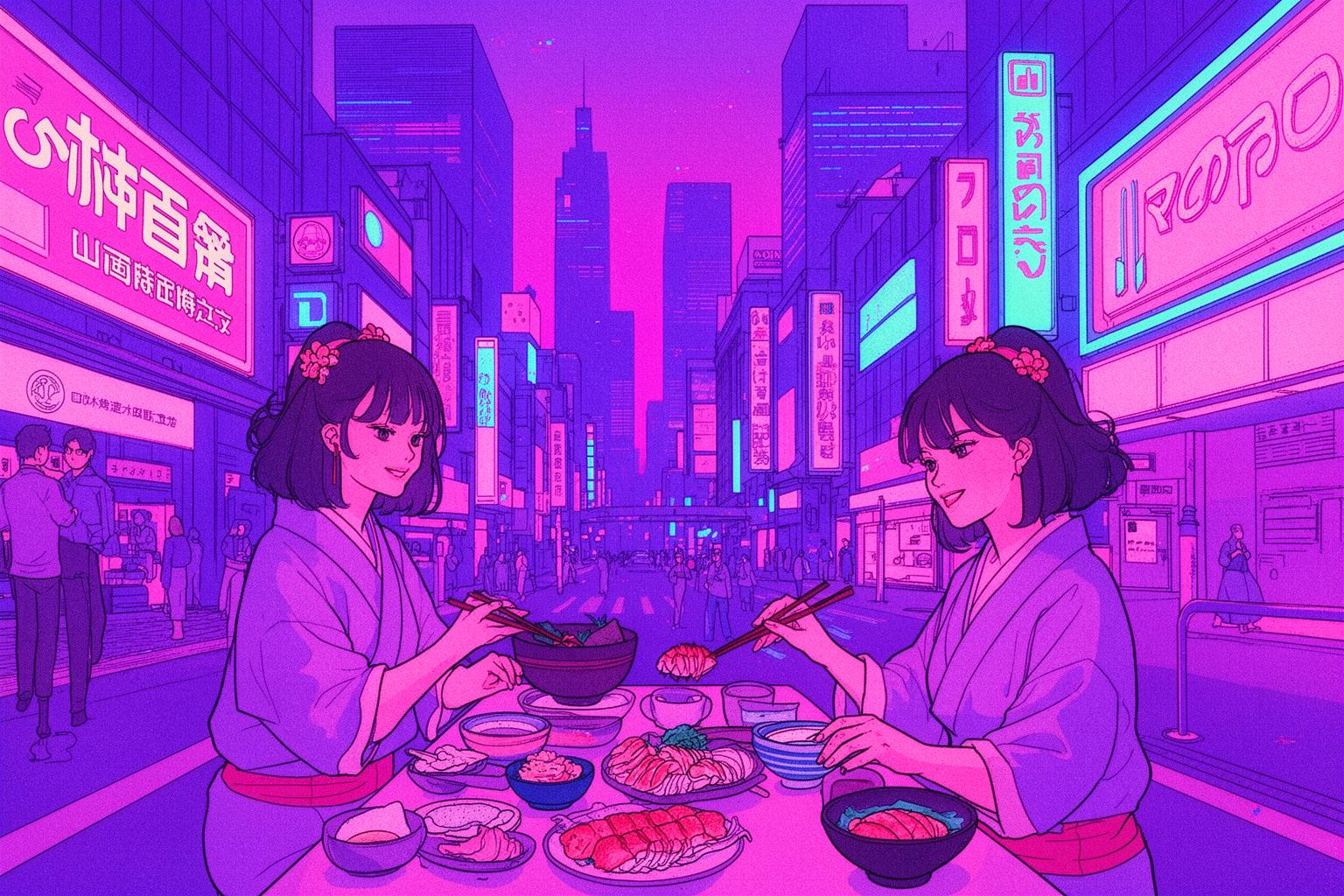
Entering one of these Omakase bars feels like stepping into a theater just as the curtain rises. The stage is the counter, a pristine stretch of wood that often resembles an altar. The lead performer is the taisho or itamae—the master chef. You, along with a small number of guests, are the audience to a quiet, exquisite performance. Each of these sanctuaries has its distinct personality and rhythm, but they typically fall into a few archetypes that elegantly embody post-bubble sophistication.
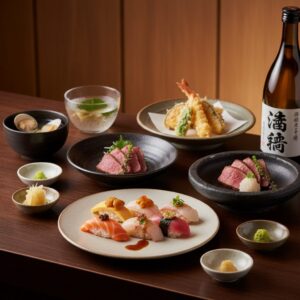
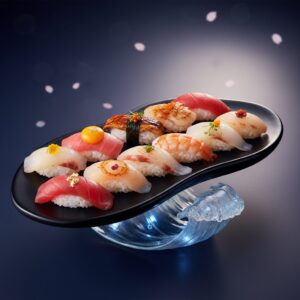
First, there is The Silent Master’s temple. This is usually a tiny venue, seating no more than six or eight people. The taisho is often an older man, serious in demeanor, with movements refined over decades. He speaks very little. Communication here is non-verbal—in the way he places a glistening piece of otoro (fatty tuna) onto a flawlessly shaped bed of shari (sushi rice), how his knife slices through fish with surgical precision, or the discreet nod he offers as he sets a finished piece of nigiri on your plate or directly on the counter. The space is designed to remove distractions. The walls are a neutral, earthy plaster. The only sounds are the soft scrape of the knife, the gentle patting of rice, and the quiet breaths of your fellow diners. The focus is absolute. Here, you will encounter classic Edomae-style sushi at its most profound. A piece of kohada (gizzard shad), a fish that tests a chef’s skill, will boast the perfect balance of salt and vinegar from its curing. The anago (sea eel) will be so tender it seems to melt on your tongue, leaving behind a trace of sweet soy glaze. Small talk is absent here. You observe, you eat, and you appreciate the culmination of a lifetime’s dedication.
Next, there is the Modern Classicist’s studio. This setting is slightly larger, seating ten to twelve people. The chef is younger, perhaps in their 30s or 40s, having trained under one of the old masters before opening their own place. They hold tradition in high regard but are not constrained by it. The atmosphere is more relaxed, and conversation is welcomed. The chef might describe the origin of a particular fish, freshly flown in that morning from a specific port in Hokkaido, or discuss the particular blend of red and white vinegars used in their shari for a distinctive flavor profile. The design remains minimalist but includes contemporary touches—perhaps modern Japanese art on the wall or sleek, custom tableware. Here, you’ll find exceptional drink pairings. The chef or a sommelier may guide you through a sake tasting, explaining how a crisp, dry junmai ginjo cuts through the richness of fatty fish, while a more complex aged sake complements the umami of shellfish. They might even surprise you with a perfectly selected white Burgundy, demonstrating how fine wine pairs beautifully with high-end sushi. The experience is both intellectual and engaging, a conversation about flavor and origin.
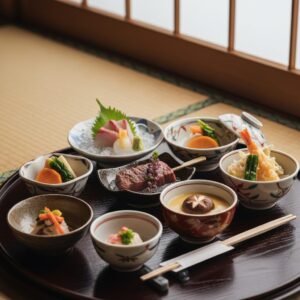
Finally, there is the Hidden Gem with a Twist. This spot might be tucked away on the seventh floor of an unremarkable building that also houses a few small law firms and a design agency. The vibe is intimate, almost like being invited into a private home. The chef may be an iconoclast, known for techniques like aging fish for weeks to intensify flavor or for sourcing rare and unusual ingredients through a network of fishermen and foragers. The meal often begins with an extended flight of tsumami, small appetizers showcasing the chef’s creativity before the nigiri even starts. You might be served delicate chawanmushi (steamed egg custard) infused with hairy crab, or a perfectly grilled piece of nodoguro (blackthroat seaperch), its skin crispy and flesh impossibly tender. The chef is a storyteller, each dish a chapter. They might share the tale of the diver who sourced the abalone you’re eating or the challenge of preparing a famously difficult ingredient. The experience feels personal, exclusive, and deeply special. This is Omakase as a unique, unrepeatable event—a memory that lingers long after you leave the quiet, hidden room in the heart of Ginza.
The Supporting Cast: Drinks, Etiquette, and After-Hours
The Omakase experience goes far beyond just the fish. It’s a comprehensive performance where every detail is thoughtfully arranged, and appreciating the supporting elements—the drinks, the unspoken etiquette, and the perfect conclusion to your meal—can transform your experience from excellent to truly unforgettable.
Let’s start with drinks, as the right pairing can completely change the game. While a cold beer or a cup of green tea is always a reliable choice, exploring the world of sake is where the true magic unfolds. Don’t be overwhelmed by the variety. A great way to begin is by trusting the chef or sommelier. Share your preferences—dry, sweet, light, rich—and let them guide you. They might begin with a light, sparkling sake to cleanse your palate. As the meal continues, they’ll introduce you to different styles. A crisp, clean junmai ginjo from Niigata might accompany delicate white fish like hirame (flounder), while a richer, umami-rich junmai from Hyogo could perfectly complement uni (sea urchin). Pay attention to the vessels, too—sake is often served in small ceramic cups called ochoko or guinomi, where the shape, thickness, and material subtly influence aroma and flavor. Increasingly, you’ll find exceptional wine lists focusing on white Burgundy and Champagne. A high-acidity, mineral-driven Chablis, for example, can be an exquisite match for sushi, cutting through richness and enhancing the clean seafood flavors. The key is to view the beverage as an integral element of each course, not merely a separate item.
Next is etiquette. This isn’t a strict set of rules meant to trip you up; it’s about showing respect for the chef, the ingredients, and the experience. The atmosphere is one of calm concentration. Keep your voice low and avoid loud conversations—this isn’t a place for boisterous celebrations. Avoid strong perfume or cologne, as it can interfere with the delicate aromas of the food for you and those around you. When it comes to eating nigiri, you can use chopsticks or your hands. Eating with fingers is not only acceptable but preferred by many purists, as it helps keep the loosely packed rice intact. If you use chopsticks, be careful not to break the nigiri apart. Each piece is designed to be eaten in one bite. You’ll receive a small dish for soy sauce, but use it sparingly, if at all. The chef has already seasoned each nigiri, often with a light brush of nikiri (a sweet soy glaze). If you must use soy sauce, dip the fish side (neta), never the rice side (shari), as the rice absorbs too much and falls apart. The ginger (gari) is intended to cleanse your palate between pieces, not as a topping. The most important rule? Be present. Watch the chef’s hands. Savor each bite. This is a mindful, meditative meal.
Finally, what should you do when the last piece of tamago (sweet egg omelet) has been served and the meal concludes? Don’t rush out into the night. Extend the ambiance. Ginza after dark, once you step off the main streets, has a quiet, cinematic quality. The perfect post-Omakase choice is to visit one of Ginza’s legendary cocktail bars—institutions often run by bartenders who are masters of their craft, in hushed, dimly lit spaces as refined as the restaurant you just left. Places like Bar Lupin or Star Bar Ginza are temples to the cocktail arts. You can sit at a dark wood bar, watch a bartender in a crisp white jacket hand-carve a perfect ice sphere, and sip a flawless gin martini or Japanese whisky. It’s the ideal way to unwind, reflect on the incredible meal you just experienced, and let the serene, elegant mood linger a little longer. It completes the story, turning a simple dinner into a fully curated Ginza experience.
The Practical Playbook: Your Ginza Mission

Alright, you’re convinced by the vibe and ready to start your own Ginza Omakase journey. Let’s get down to the nitty-gritty—the practical details that will turn your dream meal into reality. Think of this as your mission briefing.
First and foremost: reservations are essential, not optional. You can’t just walk into one of these top-tier restaurants. Most are fully booked weeks or even months ahead. As mentioned earlier, if you’re staying at a quality hotel, your concierge is your greatest asset. Begin the conversation with them as soon as you book your trip. Share a few restaurant names if you have preferences, but also be open to their recommendations. They know the scene inside and out and can often secure spots at incredible places that fly under the radar of international food blogs. If you’re booking online, be ready—the openings on sites like Omakase usually appear at a specific time on a certain day each month for the following month’s reservations, and they disappear within seconds. It’s a competitive game, so persistence is key.
Next, let’s discuss money. A high-end Omakase dinner in Ginza is an investment, no two ways about it. You should budget between ¥30,000 to ¥60,000 per person, sometimes even more at the most legendary counters. This price generally covers the full course of appetizers and sushi, although drinks typically cost extra. It may sound expensive, but it’s important to understand what you’re paying for. You’re paying for fish that is the absolute best from Tokyo’s Toyosu Market, sourced through relationships cultivated over generations. You’re paying for the extraordinary skill of a chef who has devoted their life to perfecting their craft. You’re paying for the rent in one of the priciest real estate areas on earth. And you’re paying for a serene, intimate experience with flawless service. Think of it less as buying dinner and more as purchasing a ticket to a world-class performance. Most places accept credit cards, but it’s wise to carry a reasonable amount of cash just in case. It also shows respect in Japan’s still cash-appreciative culture.
What about dress code? There’s rarely a strict written policy, but the unspoken rule is ‘Ginza casual’ or ‘smart casual.’ This is your chance to dress intentionally and honor the setting. For men, that might mean nice trousers or chinos, a button-down shirt or quality knit, and perhaps a blazer. For women, a stylish dress, chic skirt and blouse, or elegant trousers work perfectly. The goal is to look polished, clean, and respectful. Avoid anything too casual like shorts, graphic t-shirts, or flip-flops. The aim is understated elegance, echoing the restaurant’s philosophy.
Finally, especially for solo female travelers: don’t hesitate to experience Omakase on your own. In fact, dining solo can be one of the most rewarding ways to enjoy it. These high-end sushi counters are exceptionally safe, professional, and respectful. Sitting at the counter, you’re under the chef’s direct care. The intimate setting feels secure rather than isolating, allowing you to focus fully on the food and artistry without distractions. It’s a powerful and deeply indulgent form of self-care. Just remember to save your hotel’s address on your phone and be aware of last train times, as you would in any big city. Truly, Ginza’s elite dining scene is a welcoming and comfortable space for the discerning solo adventurer.
A Taste of Time
In a city that often seems caught in a relentless pace of hyper-evolution, rushing toward the future, there is something irresistibly captivating about these corners of Ginza anchored in a specific, quieter moment in time. Discovering and savoring one of these post-bubble Omakase bars is more than a culinary journey. It’s a lesson in aesthetics, a meditation on the elegance of restraint, and a direct link to a defining chapter of modern Japanese culture. It’s about realizing that true luxury isn’t about what you flaunt, but what you can treasure in a quiet moment: the flawless texture of a single grain of rice, the delicate complexity of aged fish, the profound satisfaction of observing a master at work. So when you visit Tokyo, by all means, take in the dazzling lights and the frenetic energy. But then, turn down a quiet alley, find that unassuming door, and allow yourself to be transported for a couple of hours. It’s a taste of history, art, and the lasting power of authenticity. And that’s a feeling that never goes out of fashion.