Yo, what’s the deal? If you’re looking to dive deep into the heart of Japan, like, for real for real, then you gotta have Kyoto on your radar. This ain’t just another city; it’s a whole mood, a living, breathing time capsule that’s straight-up vibing with centuries of history. Tokyo might be the flashy, neon-drenched future, but Kyoto? Kyoto is the soul. It’s the OG capital, the place where emperors, shoguns, samurai, and artists laid down the cultural tracks that Japan still grooves to today. We’re talking about a city that dodged the WWII bombs that flattened other places, leaving its treasure trove of temples, shrines, and old-school wooden houses, known as machiya, intact for us to explore. It’s where you can wander from a serene Zen garden into a bustling market, catch a glimpse of a geisha shuffling down a lantern-lit alley, and then sip on the best matcha latte of your life. Getting a handle on Kyoto is like unlocking a cheat code to understanding Japanese culture—its aesthetics, its spirituality, and its insane attention to detail. This guide is your ultimate backstage pass. We’re gonna peel back the layers, get into the nitty-gritty of its epic past, and show you how to experience this city in a way that’s anything but basic. So buckle up, because your trip to Kyoto is about to get next-level. It’s a journey that’s not just about seeing things, but about feeling them, understanding their stories, and letting the ancient energy of the place completely change your perspective. It’s an experience that hits different, a cultural deep-dive that will stick with you long after you’ve left its hallowed streets. Get ready to catch the Kyoto wave.
To truly feel the city’s ancient energy, you might even venture beyond its famous temples to discover legendary sites like the Tate-iwa rock in Kyotango, where a demon prince is said to be grounded for eternity.
The Vibe of the Ancient Capital: What Kyoto Feels Like
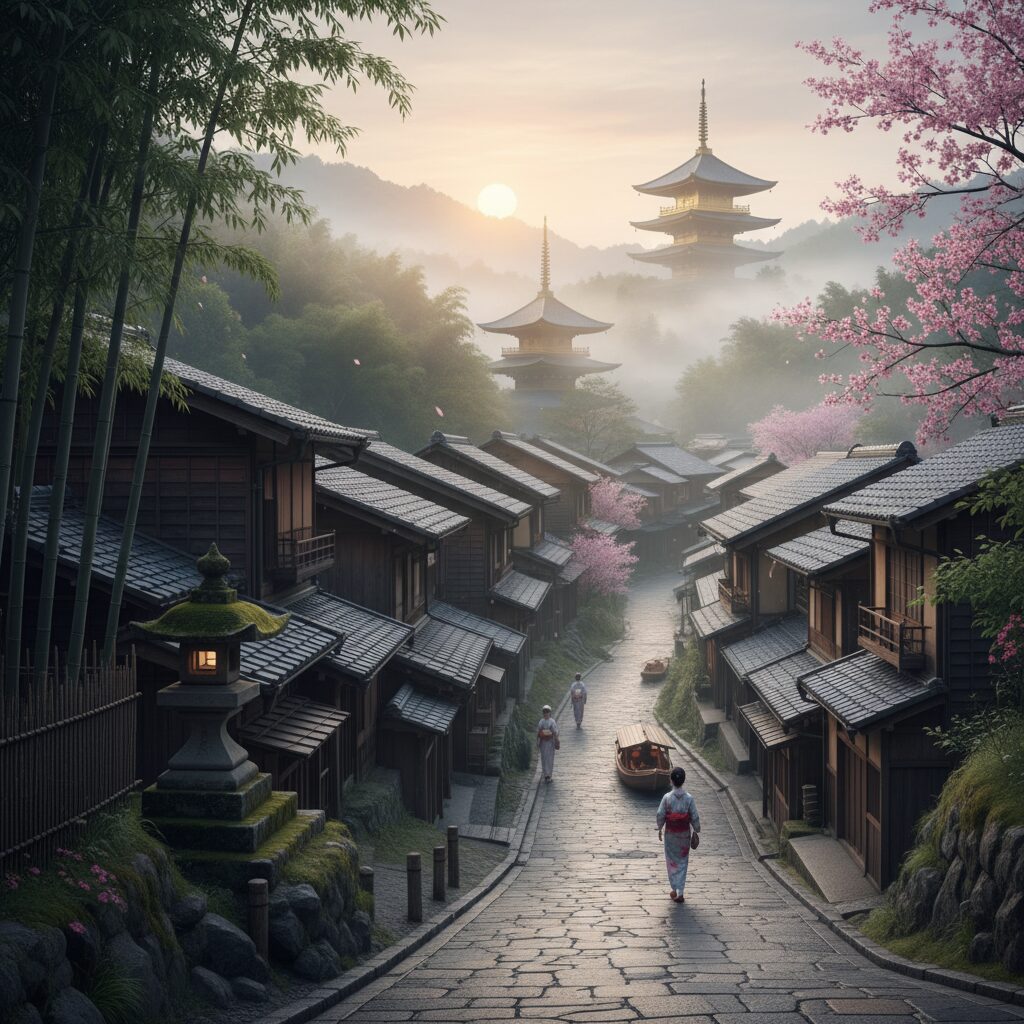
Entering Kyoto feels like slipping into another dimension. The very air seems thick with stories. You don’t just see Kyoto; you need to feel it, breathe it all in. The city’s atmosphere is an exhilarating blend of serene tradition and contemporary hustle. One moment, you’re strolling along bustling streets like Shijo or Karasuma, surrounded by department stores, sleek cafes, and people absorbed in their phones; the next, you slip into a narrow side alley and suddenly—you’re transported to another era. The noise of traffic dims, replaced by the soft clacking of wooden geta sandals on stone, the distant toll of a temple bell, or the gentle rustling of leaves in a hidden garden. This ongoing, seamless shift between past and present is at the heart of the Kyoto experience. The city wears its history not as a costume but as its very skin.
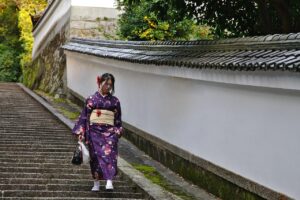
In the eastern part of the city, Higashiyama district intensifies this sensation. Walking up the sloped paths of Sannenzaka and Ninenzaka, lined with traditional wooden shops offering everything from delicate Kiyomizu-yaki pottery to delicious yatsuhashi sweets, feels like stepping onto a movie set. The architecture is impeccable, with dark wood, tiled roofs, and fine lattice work. The air is rich with the aroma of roasted green tea and sweet dango grilling over charcoal. Visitors, dressed in vibrant rental kimonos, add to the picturesque scene—their bright patterns beautifully contrasting with the earthy tones of the old buildings. It’s a delightful sensory overload. Here, you truly sense the weight and beauty of time, where every stone step whispers stories of pilgrims, merchants, and artisans who have walked these paths for centuries.
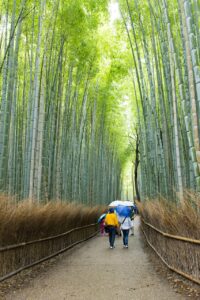
Heading west to Arashiyama, the vibe changes again, aligning more with nature. The famous Bamboo Grove offers an otherworldly experience. Walking through, towering green stalks create a lush canopy above, filtering the sunlight into a soft, ethereal glow. But it’s the sound that captivates—the quiet, almost spiritual creaking and rustling as the wind moves through the bamboo. It’s calming, awe-inspiring, and makes you feel small in the vastness of the world. Then there’s the Hozugawa River flowing gracefully beneath the Togetsukyo Bridge. Traditional boat rides, guided by boatmen in period attire, create scenes reminiscent of a living ukiyo-e woodblock print. In Arashiyama, the spirit is one of harmony between human craftsmanship and natural beauty, a core principle of Japanese aesthetics.
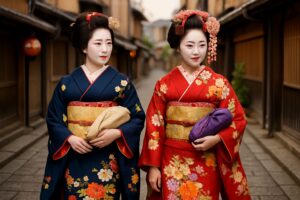
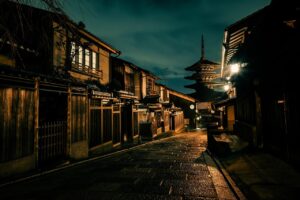
Then there’s Gion, the renowned geisha district. By day, it’s a charming area filled with well-preserved machiya townhouses, many now upscale restaurants or exclusive teahouses. But as dusk settles, Gion transforms. Paper lanterns hanging outside the buildings begin to glow with a soft, warm light, casting long shadows on the stone-paved streets. The atmosphere becomes charged with anticipation. You might catch sight of a geiko (Kyoto’s term for geisha) or a maiko (an apprentice geiko) in her elaborate kimono and white makeup, making her way quietly to an appointment, her movements graceful and poised. The vibe here is one of elegance, mystery, and exclusivity. It offers a rare glimpse into a unique, preserved world of art and entertainment that moves to its own ancient rhythm, separate from the bustling city around it.
Even in the city center, this dual identity remains. Right beside the ultra-modern Kyoto Station, a marvel of glass and steel, stands To-ji Temple with its five-storied pagoda—the tallest in Japan. It serves as a constant reminder of the city’s deep roots. The Kyoto vibe is this beautiful balance between preserving the past and embracing the future. The city encourages you to slow down, to notice small details—the carefully raked gravel in a Zen garden, the seasonal flower arrangement in a shop window, the flawless whisk of a bowl of matcha. It’s a sensation of profound, timeless tranquility coexisting with the vibrant energy of modern life. That’s the magic of Kyoto. It doesn’t just show you its history; it invites you to step inside and live it, even if only for a moment.
An Epic History: Kyoto’s Glow-Up Through the Ages
To truly understand Kyoto, you need to grasp its history, which essentially mirrors the story of Japan itself. This city wasn’t merely the capital for a brief period; it was the imperial seat for over a thousand years, from 794 to 1868—a remarkable stretch of time. The amount of drama, art, and power struggles that unfolded here is extraordinary.
The Heian Period (794–1185): The Original Capital is Established
It all began when Emperor Kanmu decided to relocate the capital from nearby Nagaoka-kyo to a basin surrounded by mountains on three sides, considered excellent feng shui. He named it Heian-kyo, meaning “capital of peace and tranquility,” modeling it after the Chinese Tang Dynasty capital Chang’an, with a grid-like street layout still visible today. This marked Kyoto’s golden age, a peak of aristocratic culture. The Imperial Court was the center of the universe, and life revolved around poetry contests, elaborate ceremonies, and romantic affairs. This era is immortalized in the classic novel The Tale of Genji, written by court lady Murasaki Shikibu. It was all about aesthetics, centered on the concept of miyabi (courtly elegance). Everything from kimono layering to the calligraphy of love poems was a statement. While the aristocrats lived lavishly, they were also forging a distinct Japanese culture, moving away from strong Chinese influences. Foundational elements of Japanese aesthetics, such as the appreciation of subtlety and impermanence, were born during this time. The city was a cradle of high art, literature, and refined tastes—an exclusive world where beauty was the highest currency.
The Age of the Samurai: From Refinement to Discipline
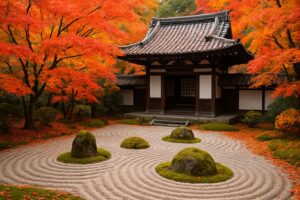
The elegant peace of the Heian court couldn’t last indefinitely. In the provinces, a new force emerged: the samurai warrior class. By the late 12th century, samurai clans—especially the Minamoto—had seized real political power. The emperor in Kyoto became mostly a figurehead, while the shoguns, or military dictators, ruled from Kamakura far to the east. This begins the Kamakura Period (1185–1333). Despite this political shift, Kyoto remained the imperial capital and a key cultural center. A new, more austere and disciplined aesthetic, inspired by Zen Buddhism, began to gain prominence. This philosophy, brought from China, aligned well with the samurai’s ideals of discipline, self-control, and enlightenment. Zen’s influence was profound and is still evident throughout Kyoto. It inspired cultural practices like the tea ceremony (chanoyu), minimalist rock gardens (kare-sansui), flower arranging (ikebana), and ink wash painting (sumi-e). These arts emphasized simplicity, nature, and the beauty of imperfection—a concept known as wabi-sabi. This style contrasted sharply with the lavish Heian court but became equally foundational to Japanese identity.
War, Turmoil, and a Cultural Flourishing
The subsequent centuries were marked by turmoil. During the Muromachi Period (1336–1573), the shogunate returned to Kyoto, though their hold was weak. The country plunged into the Sengoku period, or Age of Warring States, marked by extended civil war. Kyoto found itself at the heart of much conflict. The Onin War (1467–1477), a decade-long battle between rival samurai clans, devastated the city by burning much of it down. Despite the darkness, this era paradoxically saw a cultural renaissance. With shogunal authority diminished, culture spread beyond the elite. Wealthy merchants and powerful warriors increasingly sponsored the arts. Among the era’s iconic landmarks, Shogun Ashikaga Yoshimitsu built the breathtaking Kinkaku-ji (Golden Pavilion), covered in gold leaf as a symbol of power. His grandson, Ashikaga Yoshimasa, constructed Ginkaku-ji (Silver Pavilion), a more understated villa that became the birthplace of the tea ceremony and other wabi-sabi arts. Despite continuous warfare, Kyoto’s creative spirit remained unbroken.
Reunification and an Era of Grandeur
By the late 16th century, powerful warlords began unifying the fragmented nation. The Azuchi-Momoyama Period (1573-1603) stood out for its grandiose, bold, and occasionally ostentatious tastes, led by Oda Nobunaga and Toyotomi Hideyoshi. Hideyoshi, in particular, transformed Kyoto into his personal canvas, commissioning massive construction projects like the opulent Jurakudai palace and Fushimi Castle, fostering a flamboyant artistic style. This was an age of lavish tea ceremonies, Noh theater, and impressive castle architecture designed both to intimidate rivals and showcase wealth. This period represented a display of power and stability, and its luxurious aesthetic left a lasting imprint on the city’s temples and art.
The Edo Period (1603–1868): Kyoto as Japan’s Cultural Core
Following Hideyoshi’s death, Tokugawa Ieyasu emerged victorious and established the Tokugawa shogunate, governing Japan for over 250 years of relative peace. Political power shifted to Edo (modern Tokyo), leaving Kyoto without direct political influence. However, Kyoto solidified its role as Japan’s cultural, religious, and artistic heart. The emperor and his court remained in the city, retaining their ceremonial and symbolic significance. During this peaceful era, Kyoto thrived as a wealthy merchant class rose to patronize the arts, giving birth to a vibrant popular culture. Geisha districts like Gion and Pontocho flourished, kabuki theater gained wide popularity, and artists such as Ogata Korin produced extraordinary works in the Rinpa school of painting. Ukiyo-e woodblock printing, depicting scenes from the “floating world” of entertainment districts, also reached its peak. Kyoto became renowned for traditional crafts, producing the finest silks, ceramics, lacquerware, and fans. It was the nation’s tastemaker, guardian of tradition, and pinnacle of craftsmanship.
Modern Kyoto: Balancing Preservation and Progress
In 1868, the shogunate collapsed, and Emperor Meiji was restored to power. In a symbolic move, the imperial capital shifted from Kyoto to Tokyo, ending Kyoto’s thousand-year reign and dealing a blow to the city’s prestige and economy. Nonetheless, Kyoto adapted, reinventing itself as a center for education by founding modern universities. It also consciously embraced its role as the keeper of Japan’s cultural heritage. This focus on preservation is a key reason the city remains so special today. Significantly, during World War II, Kyoto was largely spared from the air raids that devastated many other Japanese cities. Legend has it that U.S. Secretary of War Henry L. Stimson, who admired Kyoto from his honeymoon, had it removed from the list of atomic bomb targets. Whatever the cause, this remarkable fortune allowed Kyoto’s unparalleled collection of historical and cultural treasures to endure, making it the incredible living museum it is today. Now a bustling modern city and home to tech giants like Nintendo, Kyoto has never lost its soul—successfully navigating history, war, and modernization without sacrificing its core identity, a true testament to its resilience and lasting importance.
Must-See Zones & Their Deep Backstories
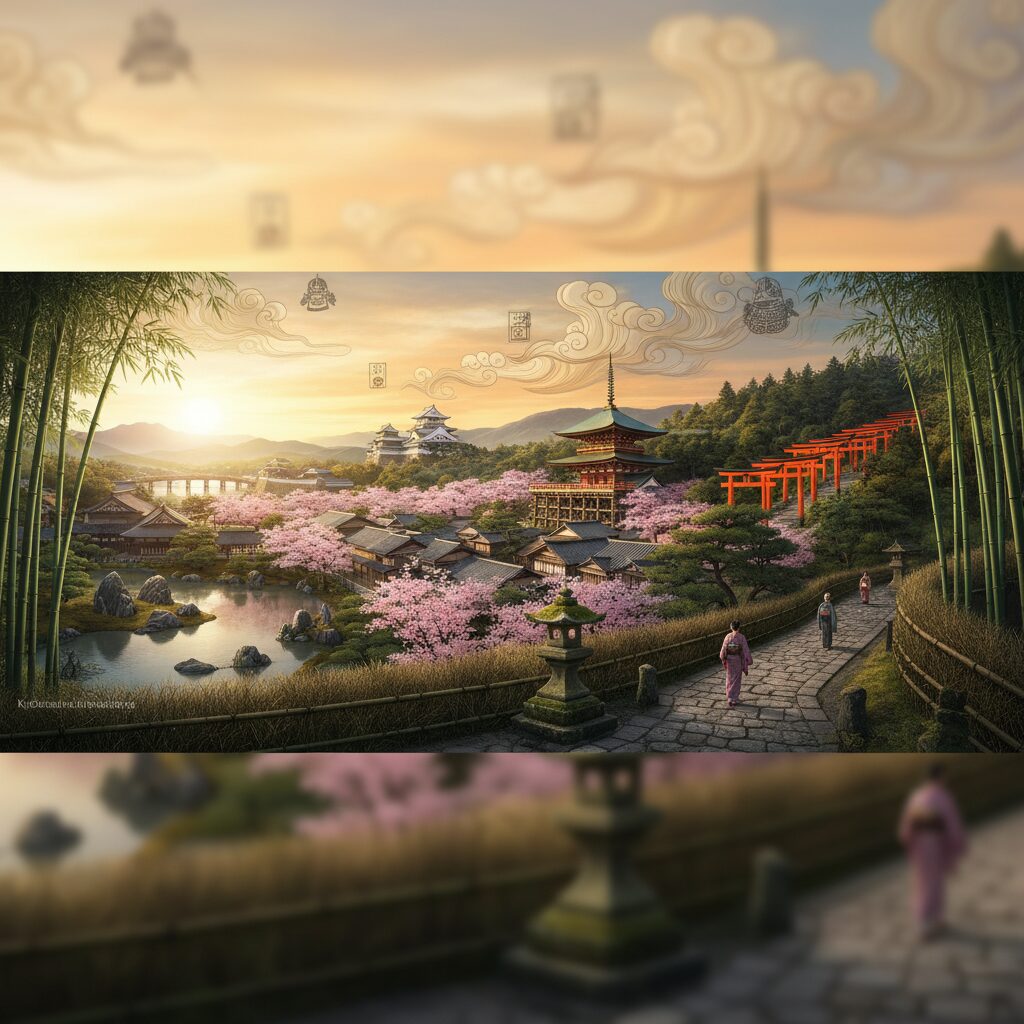
Kyoto is full of so many legendary spots that it can feel overwhelming. But don’t merely hop from one place to another checking items off a list. To truly connect with Kyoto, you need to grasp the stories behind these locations. Each district and each temple holds its own unique history and atmosphere. Let’s explore some of the most iconic areas and discover what makes them so special.
Gion: The Floating World in the Modern Era
Gion is probably Kyoto’s most famous district, synonymous with the elegant and mysterious realm of the geisha. But it’s much more than trying to capture a blurry photo of a geiko. The district’s history is deeply linked to the nearby Yasaka Shrine. Gion originally emerged during the Sengoku period to provide lodging and entertainment for the thousands of pilgrims visiting the shrine. Over time, it evolved into one of Japan’s most exclusive entertainment districts, where wealthy merchants, samurai, and politicians were entertained by highly skilled female artists: the geiko and maiko.
First, let’s clarify the terms. In Kyoto, fully trained geisha are called geiko, meaning “woman of art.” An apprentice is a maiko, or “dancing child.” They are not courtesans; they are masters of traditional Japanese arts. A maiko trains for about five years, learning to sing, play instruments like the shamisen, perform traditional dances, and master the art of conversation. Their role is to create a refined and delightful atmosphere for clients during dinners and parties held in exclusive teahouses called ochaya.
Walking through Gion, especially along Hanamikoji Street or the Shirakawa Canal, feels like stepping back in time. Hanamikoji is the main street, wider and often crowded with tourists, but its beautifully preserved machiya townhouses, with their dark wooden facades and bamboo blinds, offer a genuine sense of the past. For a quieter, more atmospheric experience, head to the Shirakawa area. It’s calmer, with a canal flanked by willow trees and stunning traditional restaurants. It’s incredibly romantic, especially in the evening when lanterns are lit.
The true enchantment of Gion occurs at dusk during hanadori, when you might be lucky enough to see a maiko or geiko in their full, exquisite attire, gracefully walking from their lodging (okiya) to an evening engagement. It’s a breathtaking sight. A quick tip for visitors: please be respectful. This is their workplace and home. Don’t chase them, block their way, or use flash photography. Observe quietly and from a distance. Gion’s atmosphere is one of elegance and tradition persevering in the 21st century. It reminds us that some forms of beauty are timeless.
Fushimi Inari-taisha: A Mountain of a Thousand Gates
You’ve surely seen the images: an endless, winding tunnel of vibrant vermilion torii gates. This is Fushimi Inari-taisha, one of the most visually stunning and spiritually significant places in Japan. It is not just a single shrine; it’s an entire mountain complex dedicated to Inari, the Shinto deity of rice, sake, and consequently, business and prosperity.
This is the reason for all the gates. Each of the thousands of torii gates lining the trails up Mount Inari has been donated by individuals or companies in thanks for good fortune or in hopes of future success. The inscriptions on the back of each gate list the donor and the date of donation. Walking through these torii tunnels is a surreal, almost hypnotic experience. Sunlight filters through the gaps between the gates, creating mesmerizing patterns of light and shadow on the path ahead. The further you climb the mountain, the more the crowds diminish, letting you feel the ancient, mystical energy of the place.
Foxes (kitsune) are another key symbol here. Fox statues are everywhere, often holding a key or jewel in their mouths. In Shinto belief, foxes are messengers of Inari and are considered sacred, intelligent, and sometimes mischievous beings. The main shrine buildings at the mountain’s base are impressive and regularly filled with worshippers praying for success in their endeavors. But the true pilgrimage is hiking up the mountain. It takes about two to three hours to reach the summit and return. Along the way, the main path branches into smaller trails leading to dozens of sub-shrines and atmospheric graveyards. Several rest stops with tea houses offer snacks and drinks alongside stunning views of the city below. Reaching Yotsutsuji intersection, about halfway up, provides a spectacular panoramic view of Kyoto. Many turn back there, but those who continue to the summit enjoy a quieter, more contemplative experience. Fushimi Inari embodies the deep bond between spirituality and daily life in Japan—a place where ancient faith inspires modern ambition.
Kinkaku-ji and Ginkaku-ji: The Dueling Pavilions
These two temples, the Golden Pavilion and the Silver Pavilion, are often mentioned together yet embody entirely different philosophies and aesthetics. They are crucial to understanding the evolution of Japanese culture.
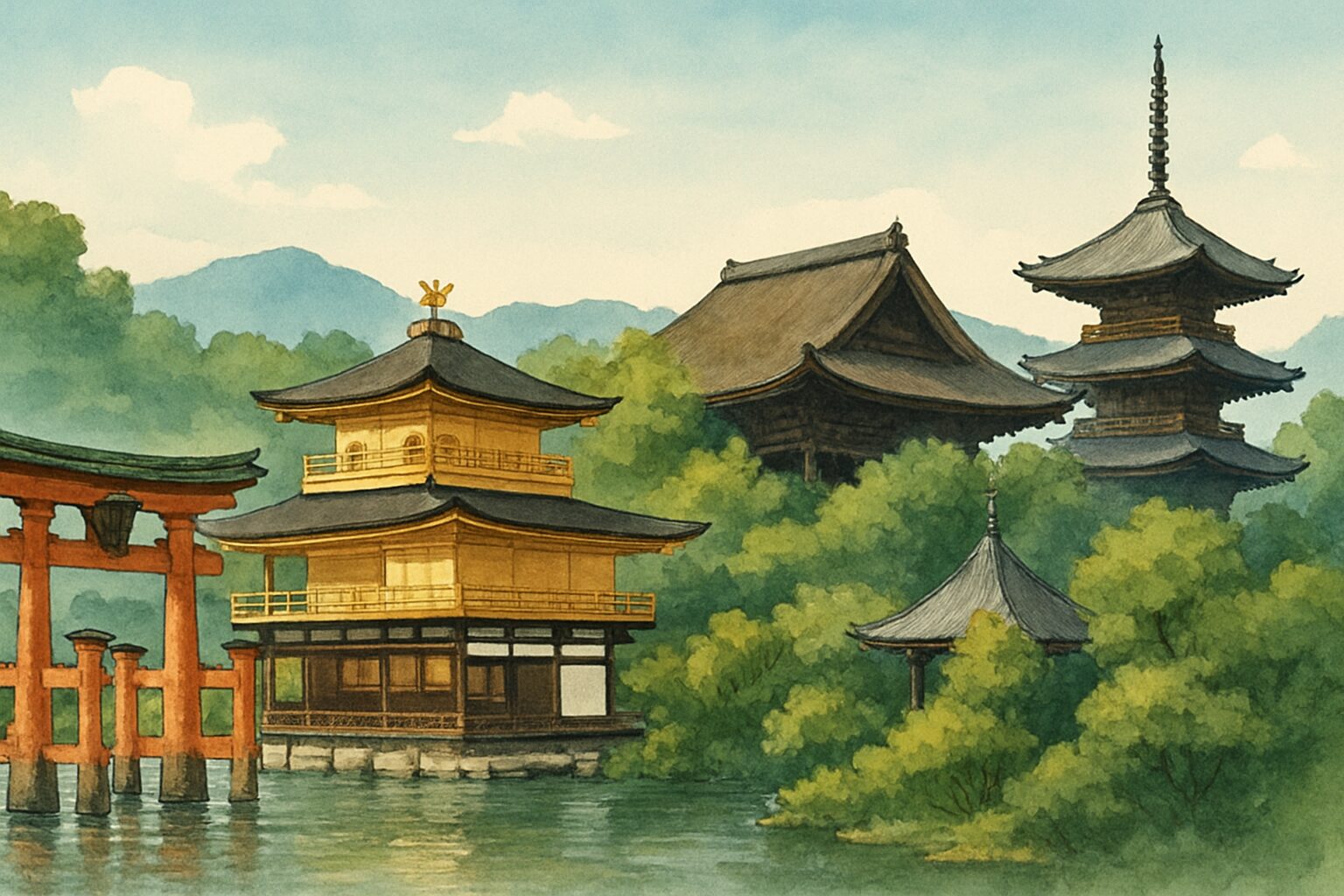
Kinkaku-ji (The Golden Pavilion) is pure opulence. Officially called Rokuon-ji, this Zen temple is one of the world’s most famous sights. The top two floors are completely covered in gold leaf, which gleams beautifully as it reflects in the mirror pond beside it. It’s a breathtaking sight. Originally built in the late 14th century as a retirement villa for the powerful Shogun Ashikaga Yoshimitsu, he intended it to showcase his immense power and wealth—and he succeeded. Its design blends various architectural styles: the first floor follows the Heian aristocrat palace style, the second resembles a samurai residence, and the third is a traditional Zen hall. It symbolizes the lavish, bold culture of the Muromachi period. The current structure is a flawless reconstruction from 1955, following the original’s tragic destruction by arson in 1950 by a troubled young monk—a story immortalized in Yukio Mishima’s novel The Temple of the Golden Pavilion. The surrounding garden is a landscape masterpiece, designed for strolling while admiring the pavilion from multiple perspectives.
Ginkaku-ji (The Silver Pavilion), by contrast, represents understated, refined beauty. Officially named Jisho-ji, it was constructed in the late 15th century by Shogun Ashikaga Yoshimasa, Yoshimitsu’s grandson. He intended to cover it in silver leaf to mimic his grandfather’s golden villa, but due to wars and financial woes, that never happened. And fortunately so. The simple, unfinished wooden structure became a symbol of a new aesthetic: wabi-sabi, the art of finding beauty in simplicity, imperfection, and impermanence. Yoshimasa used the villa as a retreat from the brutal civil war outside, and it became a center for the development of what are now classic Japanese arts. The tea ceremony, flower arranging, and Noh drama were all refined here. The temple’s garden is its true gem, featuring a large, meticulously raked sand garden with a massive sand cone called the “Moon Viewing Platform.” The entire site exudes a quiet, meditative, and profoundly beautiful atmosphere. Visiting Kinkaku-ji and Ginkaku-ji on the same day offers a powerful lesson in Japanese aesthetics, revealing a shift from extravagant display to introspective minimalism.
Kiyomizu-dera: The Temple of Pure Water
Situated on a mountainside in the eastern Higashiyama district, Kiyomizu-dera is one of Japan’s most beloved and renowned temples. Its name means “Pure Water Temple,” referring to the Otowa Waterfall that flows through its grounds. Founded in 778, long before Kyoto became the capital, the temple has a rich and extensive history. Most existing buildings date from the 17th century, constructed under the Tokugawa shogunate.
Kiyomizu-dera is famous for its massive wooden stage. This veranda, attached to the main hall, stretches out over the hillside, supported by hundreds of towering wooden pillars. It was built entirely without nails, showcasing the exceptional skill of traditional Japanese carpenters. The view from the stage is stunning, offering a sweeping panorama of Kyoto city, especially spectacular during cherry blossom and autumn foliage seasons. There was once an Edo-period tradition of leaping off the stage—a 13-meter drop—with the belief that surviving the jump would grant a wish. Thankfully, this practice is now forbidden.
The Otowa Waterfall, from which the temple takes its name, is located at the base of the main hall. Its waters split into three separate streams. Visitors use long-handled cups to drink from them, each stream believed to bestow distinct benefits: longevity, academic success, or a fortunate love life. However, drinking from all three is considered greedy! The temple complex is extensive and includes many other structures, such as the Jishu Shrine, dedicated to the god of love and matchmaking, and a three-storied pagoda. Approaching the temple through the bustling, shop-lined streets of Higashiyama is an experience on its own. Kiyomizu-dera is more than a temple; it is a vibrant center of faith that perfectly embodies the dynamic energy of popular Buddhist worship in Japan.
Level Up Your Trip: Pro Gamer Moves for Kyoto
Alright, you’ve got the historical background and the must-see spots down. Now, let’s focus on strategy. Navigating Kyoto like a seasoned traveler isn’t just about what you visit, but how you experience it. A few insider tips can completely transform your trip from a typical tourist outing into an unforgettable, seamless adventure. Consider this your cheat sheet to unlocking the city’s full charm.
Getting Around: Master the Grid
Kyoto’s public transportation might seem a bit confusing at first, but once you figure it out, it’s very efficient. The city is arranged in a grid, making it fairly easy to get your bearings.
- The Bus is Your Best Ally: Unlike Tokyo, where the subway dominates, Kyoto’s bus network takes center stage. The buses cover extensive routes and can get you closer to most major temples and sights than the subway. Grab a one-day bus pass (around 700 yen), available at subway stations, bus terminals, or sometimes directly from the driver. Validate it the first time you use it, then simply show the date to the driver when you get off for the rest of the day. Pro tip: board from the back door and pay as you exit at the front. Buses can be crowded during peak times, so try to travel during off-peak hours if you can.
- Subway for Longer Distances: Kyoto’s two main subway lines—the Karasuma Line (north-south) and the Tozai Line (east-west)—are perfect for quickly covering longer stretches across the city, like traveling from Kyoto Station to the city center. However, they don’t directly reach many of the tourist areas such as Higashiyama or Arashiyama. Use the subway to get close, then switch to a bus or walk.
- Walking is Essential: Don’t underestimate your own two feet. Kyoto is an excellent city for strolling. The best way to enjoy neighborhoods like Gion, Higashiyama, and Arashiyama is simply to wander. You’ll discover hidden temples, charming shops, and quiet residential streets not visible from a bus window. Wear comfortable shoes as you’ll be walking a lot!
- Taxis for Convenience: Taxis are clean, reliable, and drivers are professional but can be costly. They’re ideal for short rides when you’re tired, traveling in a small group to split fares, or reaching difficult spots. Doors open and close automatically, so avoid trying to operate them yourself.
Timing is Everything: Beat the Crowds
Kyoto is one of the world’s most popular tourist destinations, so it can get very crowded. Smart timing is your key advantage.
- Early Bird Gets the Zen: This is Kyoto’s golden rule. To visit places like the Arashiyama Bamboo Grove or Fushimi Inari without hordes of people in your photos, arrive early—at sunrise if possible. By 8 or 9 AM, tour buses start arriving, and the atmosphere changes. The same applies to popular temples such as Kinkaku-ji and Kiyomizu-dera. Aim to go right when they open.
- Choose Your Season Wisely: The cherry blossom season (late March to early April) and autumn foliage (mid-to-late November) are breathtaking but also peak travel times. Flight and accommodation prices soar, and crowds are intense. Consider visiting during shoulder seasons (May, early June, October, early December) when the weather remains pleasant and the city is less crowded. Winter is also a fantastic time; though cold, the crowds are sparse, and temples dusted with snow are enchanting.
- Book Well in Advance: If you plan to visit during sakura or momiji seasons, book your accommodation six months to a year ahead. Quality places sell out quickly.
Foodie Game Strong: Eat Like a Local
Kyoto’s culinary scene is renowned. It’s the home of Kyo-ryori (Kyoto-style cuisine), which is refined, elegant, and emphasizes fresh, seasonal ingredients. It’s also where kaiseki—the traditional multi-course Japanese dinner and art form—originated.
- Explore Nishiki Market: Known as “Kyoto’s Kitchen,” this long, narrow market is a foodie haven. With over a hundred stalls selling everything from fresh seafood and local pickles to grilled unagi skewers and tiny octopus with quail eggs, it’s perfect for sampling a variety of local treats. Arrive hungry and bring an adventurous palate.
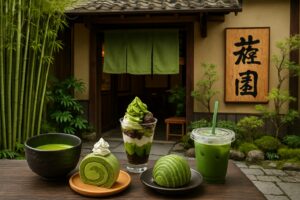
- Try Kyoto Specialties: Don’t miss signature dishes like Yudofu (simmered tofu), popular near temples like Nanzen-ji, and Yuba (tofu skin), served in various styles. And since you’re in Uji matcha country, indulge in high-quality matcha tea, ice cream, cakes, and soba noodles.
- Experience Different Dining Styles: For a splurge, enjoy a kaiseki meal at a traditional ryotei (upscale restaurant), often overlooking a serene garden. For a casual meal, head to Pontocho, a narrow alley beside the Kamo River packed with diverse dining options, from yakitori to modern fusion. In summer, many riverside restaurants set up kawayuka, outdoor platforms where you can dine above the water—a classic Kyoto experience.
Cultural Etiquette 101: Don’t Be That Tourist
A bit of cultural sensitivity goes a long way and will make your experience smoother and more respectful.
- Temple and Shrine Etiquette: At shrines and temples, you’ll usually find a water basin (temizuya) near the entrance for purification. Use the ladle to pour water over your left hand, then your right. Next, pour water into your cupped left hand to rinse your mouth—spit the water beside the drain, not back into the basin. Finally, tip the ladle to let the remaining water run down the handle to clean it for the next person. At shrines, bow twice, clap twice, pray, and bow once more. At Buddhist temples, simply bow and pray silently without clapping.
- Shoes Off: Be prepared to remove your shoes frequently—when entering temples, traditional restaurants, and ryokans. Wear shoes that are easy to slip on and off, and ensure your socks are clean and intact.
- Keep Noise Levels Down: Japanese culture values quiet and harmony in public spaces. Avoid loud conversations on buses, trains, or other public places, and refrain from phone calls on public transport.
- Cash is King: While major hotels and department stores accept credit cards, Japan remains largely cash-based, especially at smaller shops, eateries, and temples. Always carry enough yen.
- No Tipping: Tipping isn’t practiced in Japan and can even be offensive. Excellent service is standard. A simple “Arigato gozaimasu” (thank you very much) is sufficient.
Beyond the Tourist Trail: Kyoto’s Hidden Gems
While the golden temples and renowned bamboo groves are essential visits, some of Kyoto’s most unforgettable experiences lie off the beaten path. When you want to escape the crowds or explore a different side of the city, these low-key spots are where to go. Exploring these areas offers a more genuine sense of the city and its surroundings.
Kurama and Kifune: A Mystical Mountain Retreat
Just a scenic 30-minute train ride north of the city center on the charming Eizan Railway, the mountain villages of Kurama and Kifune feel like another world. This makes an ideal day trip for a blend of nature and spirituality. The highlight is the mountain hike connecting the two villages. You begin at Kurama-dera, a powerful spiritual temple nestled on the slopes of Mount Kurama. The ascent to the temple is steep, but the trail is adorned with towering cedar trees and red lanterns, creating a deeply mystical ambiance. From Kurama-dera, the hiking path crosses the mountain through an ancient forest, passes the roots of a massive cedar tree, and descends into Kifune’s valley. The entire hike takes about 90 minutes, is moderately challenging, but absolutely rewarding. Kifune is a charming village tucked into a narrow valley along a river. Its highlight is Kifune Shrine, a beautiful and ancient shrine dedicated to the water deity. During summer, restaurants set up kawadoko platforms over the flowing river, allowing you to enjoy a meal while the cool water rushes underneath. It’s a wonderful way to cool down and escape the city heat.
Otagi Nenbutsu-ji: The Temple of a Thousand Smiles
Hidden in a quiet corner of Arashiyama, well beyond the main tourist crowds, lies one of Kyoto’s most whimsical and delightful temples: Otagi Nenbutsu-ji. What makes it unique is its collection of over 1,200 distinctive stone statues of rakan, the disciples of Buddha. Interestingly, these aren’t ancient relics but were carved during the 1980s and 90s by amateurs from across Japan under the guidance of the temple’s head priest. Each statue displays a different expression and personality. Some are joyfully laughing, some calmly meditating, one even holds a Walkman, while another shares a drink with a friend. They are moss-covered, quirky, and bursting with character. Exploring the temple grounds and discovering all the various faces is like a joyful treasure hunt. The place exudes warmth, humor, and a very human spirituality. It takes a bit of effort to reach, but its charm and tranquility make it a true hidden gem.
Fushimi Sake District: A Taste of Tradition
While most tourists head straight to the famous Inari Shrine, they often overlook one of Fushimi’s great jewels: its sake. The Fushimi district, known for its pure, soft water, has been one of Japan’s top sake-brewing areas for centuries. The neighborhood exudes atmosphere, with traditional wooden brewery buildings, tall brick chimneys, and willow-lined canals where flat-bottomed boats once transported rice and sake barrels. Many historic breweries remain operational today. The Gekkeikan Okura Sake Museum is an excellent starting point. Housed in an old brewery, it offers an intriguing look at the traditional sake-making process, featuring plenty of vintage equipment. And yes, the tour concludes with a tasting session. You can also simply stroll the streets, drop into brewery shops for tastings, and soak up the historic industrial charm. It’s a delicious and fascinating detour that highlights Kyoto’s rich craft heritage.
The Philosopher’s Path: A Walk for Every Season
The Philosopher’s Path, or Tetsugaku no Michi, is a charming stone walkway that follows a cherry-tree-lined canal in Higashiyama. Stretching about two kilometers, it connects Ginkaku-ji (the Silver Pavilion) with the area near Nanzen-ji temple. It’s named after Nishida Kitaro, a renowned 20th-century philosopher who reportedly practiced walking meditation here during his daily commute to Kyoto University. Although it becomes crowded during cherry blossom season, when the trees create a breathtaking pink canopy over the canal, the path is delightful year-round. Early summer brings lush greenery and nightly fireflies; autumn adds colorful leaves; winter offers a quiet, contemplative atmosphere. The path is dotted with smaller temples, quaint cafes, and craft shops. Walking its entire length is a lovely way to slow down and experience a more residential, peaceful side of Kyoto. It’s a simple pleasure, a chance to walk and reflect—just as its namesake once did.
Seasonal Swag: Kyoto Through the Year
Kyoto is a city deeply intertwined with the changing seasons. Its atmosphere, cuisine, festivals, and very landscape shift dramatically throughout the year. Each season presents a unique yet equally enchanting experience. Planning your visit around a particular season can elevate your trip to an entirely new level.
Spring (March–May): Sakura Fever
Spring in Kyoto is renowned, centered around one highlight: cherry blossoms (sakura). For a brief week or two, typically from late March to early April, the city is adorned in soft pinks and whites. It’s a time of national celebration and stunning beauty. The practice of hanami (flower viewing) is at its peak, with people gathering in parks for picnics beneath blooming trees. Top spots for hanami include Maruyama Park, famous for its giant illuminated weeping cherry tree; the Philosopher’s Path, transformed into a tunnel of pink; and Arashiyama, where blossoms frame the Togetsukyo Bridge. Temple and shrine grounds become magical, as the pink petals contrast beautifully with the dark wood of historic structures. Expect large crowds and high prices, but the overwhelming beauty is a once-in-a-lifetime experience. The mild, pleasant weather makes it ideal for exploration.
Summer (June–August): Lush Greens and Fiery Festivals
Summer in Kyoto is hot and humid — there’s no denying it. The rainy season generally occurs in June and July, followed by intense heat in August. Yet, if you can handle the weather, summer brings its own unique delights. The city becomes lush and green, with temple garden mosses at their most vibrant. The highlight is the Gion Matsuri, one of Japan’s most famous festivals, which runs throughout July. The climax is the grand parade of massive, elaborately decorated floats (yamaboko) on July 17th. These floats, some weighing up to 12 tons, are like mobile art museums, pulled through the streets by teams dressed in traditional attire. The preceding evenings, called yoiyama, turn into lively street parties filled with food stalls, music, and festive spirit. Another classic summer activity is kawayuka or kawadoko dining, where restaurants along the Kamo River and in Kifune set up temporary platforms over the water to offer a cooler dining experience — a wonderful way to beat the heat and enjoy the season like a local.
Autumn (September–November): A Blaze of Color
If spring celebrates delicate pinks, autumn bursts with fiery, dramatic hues. The autumn leaves season, known as momiji or koyo, is Kyoto’s other peak time, usually reaching its peak in mid-to-late November. Maple trees around the city’s temples and mountains blaze with shades of red, orange, and gold — a beauty that rivals, and for some surpasses, the cherry blossoms. The visual spectacle is breathtaking. Temples are well known for their autumn foliage views: Tofuku-ji Temple offers a legendary panorama from the Tsutenkyo Bridge overlooking a valley of maples; Eikando Temple is famed for its evening illuminations where colored leaves glow after dark, creating an enchanting, otherworldly scene; Arashiyama provides an amazing backdrop as the mountainside colors frame the river and bridge. Crisp, cool weather makes autumn perfect for walking and sightseeing. Like spring, it’s a popular time, so booking ahead is essential.
Winter (December–February): Serene and Snowy
Winter brings Kyoto’s quietest season. It’s cold and occasionally snowy, revealing a different, more serene beauty. The crowds thin, allowing you to experience famous temples and gardens with a peaceful, contemplative atmosphere. The magic heightens when snow falls. Iconic sights like Kinkaku-ji (The Golden Pavilion) or the torii gates of Fushimi Inari covered in fresh white snow create unforgettable images. The gleaming gold pavilion against pure white snow is simply breathtaking. Many temples hold special winter illuminations, such as the Arashiyama Hanatouro in December, where thousands of lanterns light up the bamboo grove and Togetsukyo Bridge. New Year’s is a special time here, with hatsumode — the first shrine or temple visit of the year — allowing you to join locals in prayers for good fortune. Though you’ll need to bundle up, winter offers a tranquil, atmospheric side of Kyoto.
Kyoto is more than just a destination; it’s an immersion in the heart of Japanese culture. It has mastered living with its history, not as a relic but as a vibrant, living presence. Every stone path you tread, every temple garden you reflect upon, and every meticulously crafted meal you savor are chapters of a story unfolding for over a thousand years. It invites you to slow down, look closely, and listen to the whispers of time echoing through its streets. Whether captivated by the golden glow of Kinkaku-ji, humbled by the endless torii gates of Fushimi Inari, or enchanted by a quiet moment along the Philosopher’s Path, Kyoto leaves a lasting imprint on your soul. It’s more than a trip — it’s a lesson in beauty, tradition, and the art of graceful living. Come with an open heart and curious mind, and let this ancient capital quietly weave its magic. You’ll leave with more than photographs; you’ll depart with a deeper understanding of Japan and perhaps a little more peace in your own heart.