When the last of the sun’s rays bounce off the tiled roofs of Kyoto’s ancient temples and the tour buses have ferried the crowds away, a different city begins to stir. Most guides will point you towards the ethereal lanterns of Gion or the polished, exclusive facades of Pontocho. And sure, they’re iconic for a reason. But if you’re chasing a vibe that’s less curated and more, well, real, you need to pivot. You need to find Kiyamachi Street. Running parallel to the Kamo River, this long, narrow artery is threaded by the much smaller, more intimate Takase River, a canal with a history that runs deeper than its shallow waters. By day, it’s a quiet, unassuming thoroughfare. But when night falls, fam, Kiyamachi undergoes a total transformation. It’s not just a street; it’s a living, breathing organism of neon, shadows, and secrets. This is where Kyoto’s nightlife sheds its formal kimono and slips into something a little more comfortable, a little more chaotic, and infinitely more interesting. This is the city’s after-dark playground, where the experiences are unscripted and the best spots are the ones you stumble upon by accident. It’s the iykyk (if you know, you know) alternative, the pulsing heart of authentic Kyoto nightlife. No cap, this is where the magic happens.
The Low-Key Glow of Kiyamachi
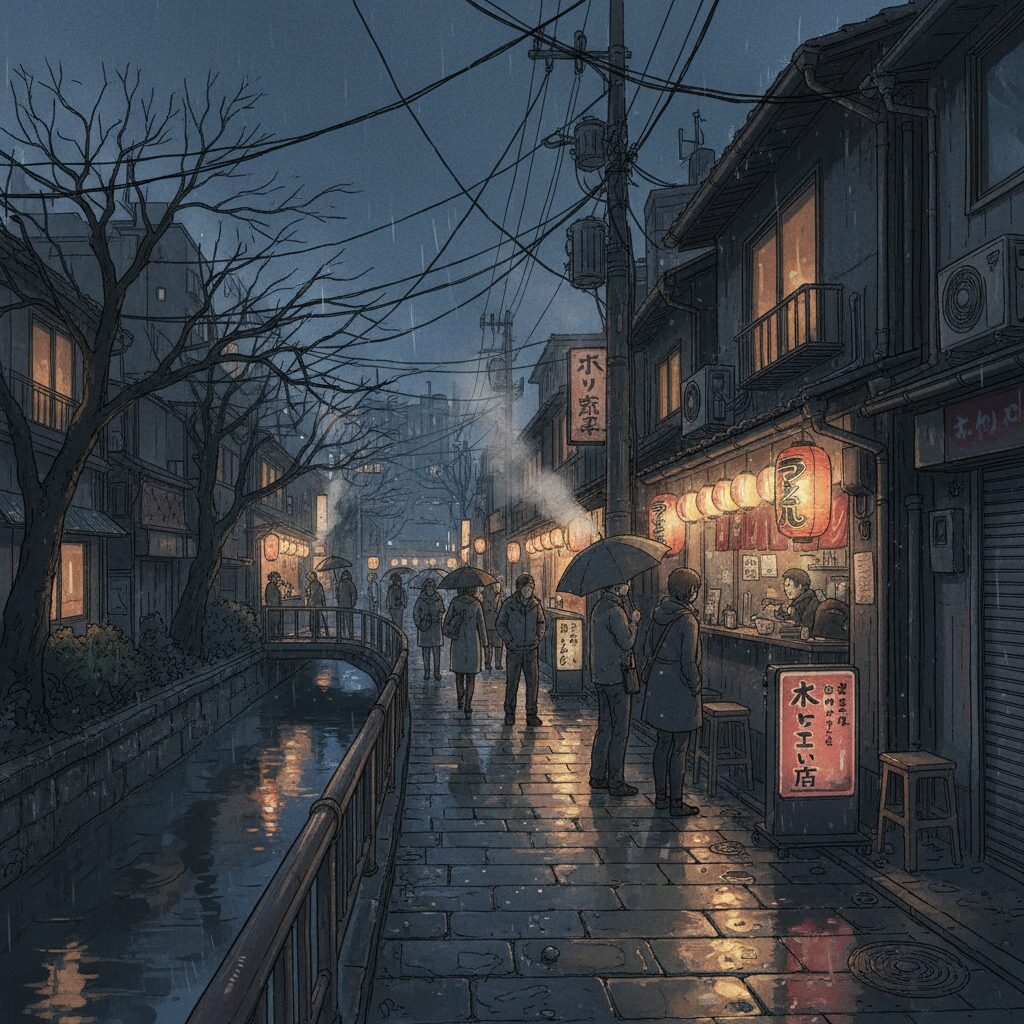
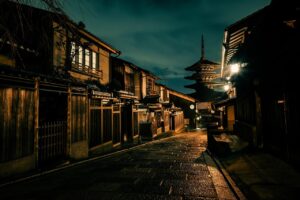
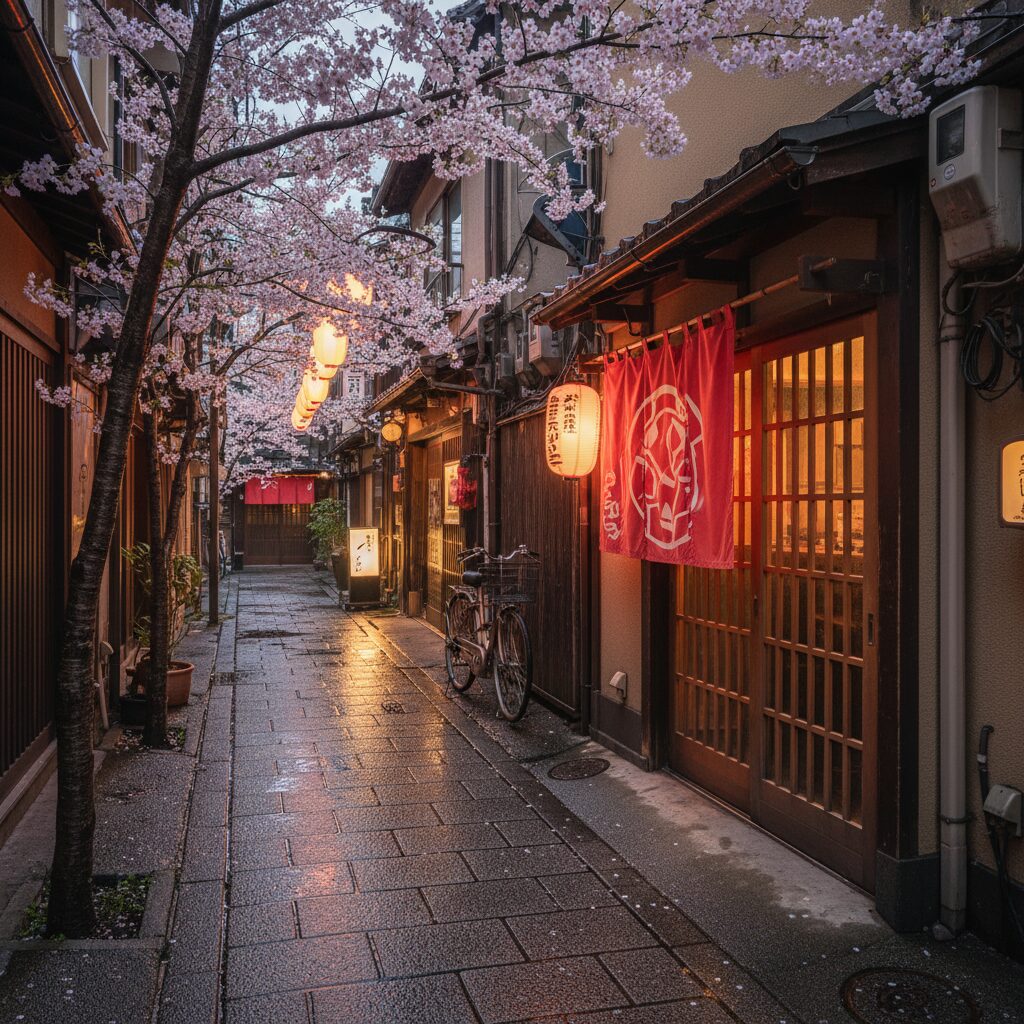
Walking down Kiyamachi Dori after 10 p.m. is a fully immersive sensory experience. The air is thick with the aroma of street food from a nearby ramen stall, the distant bassline pulsing from a basement club, and the murmur of conversations spilling out from doorways you barely noticed. The visual scene is a chaotic yet striking collage. Sleek, modern facades of new buildings are nestled between weathered wooden fronts of Showa-era structures. Bright pachinko parlor lights blend into the soft, warm glow of a single lantern marking the entrance to a small ten-seat whiskey bar. The Takase River, lined with willows and cherry trees, provides a calm contrast amid the energy, its dark water reflecting neon signs like a fractured mirror. This constant contrast—the old and the new, the loud and the quiet, the polished and the rough—defines Kiyamachi’s unique character. It feels lived-in. This isn’t a show put on for tourists; it’s where local university students, off-duty chefs, salarymen loosening their ties, and Kyoto’s creative class come to relax. The atmosphere is less about being noticed and more about blending into the city’s authentic rhythm. It’s a place that rewards curiosity. Every shadowy alleyway and steep, narrow staircase feels like an invitation, a challenge to uncover something new, something hidden from the mainstream eye.
From Waterways to Whiskey: A History, But Make It Lit
As a historian, I need to share why Kiyamachi is the way it is today. Its modern atmosphere is deeply rooted in its history. The name ‘Kiyamachi’ (木屋町) literally means ‘Wood House Town,’ which is crucial to understanding its past. During the Edo period, the Takase River wasn’t just a scenic feature; it was a vital commercial waterway. This man-made canal, built in the early 17th century, served as the main route for transporting timber, rice, and other essential goods into the capital. Kiyamachi was lined with warehouses and offices owned by lumber merchants, making it a bustling district of commerce and industry—the logistical heart of Kyoto. Naturally, workers, sailors, and merchants needed places to eat, drink, and relax after long days, so teahouses, inns, and entertainment venues sprang up along the canal to cater to them. This area has been designed for recreation and relaxation for centuries—it’s in its very DNA. The transformation from a timber transport hub to a nightlife hotspot is not a departure from its past but rather a modern extension of its original role. Though the cargo shifted from logs to liquor, Kiyamachi’s core spirit as a place for flow, exchange, and after-hours relief remains steadfast. This history is what gives the district its genuine, down-to-earth character.
Cracking the Code: How to Find Kiyamachi’s Real Drip

So, how do you actually dive into this scene? First, understand that Kiyamachi’s best spots aren’t at street level. This isn’t a shopping mall. The true treasures are vertical—you need to train your eyes to scan above and below street level. Look for a sliver of light, an unusual sign, or a curtained window on the upper floors. Some of the most legendary cocktail bars are tucked away on the fourth or fifth floors of buildings that seem like residential apartments from the outside. Similarly, some of the most electrifying music venues lie hidden in basements, reachable only by a steep concrete staircase. The hidden entrance is more than just a quirk; it acts as a filter, ensuring those who enter are curious and intentional, not just passersby. This creates a more intimate and dedicated atmosphere inside.
When you find a place that sparks your interest, be ready for the Japanese bar custom called otōshi (お通し) or a table charge. Don’t take it the wrong way; it’s not a tourist trap. Think of it as a seating fee accompanied by a small, often delicious appetizer. It’s a cultural norm that signals you’re settling in—part of the ritual. The key to Kiyamachi is to embrace the unknown. Be bold. If a narrow staircase adorned with vintage movie posters grabs your attention, climb it. If you hear your favorite music genre behind a plain door, open it. The thrill of discovery is the main experience. You’re not just finding a bar; you’re earning it. And the drink tastes so much better when you feel like you’ve uncovered a secret.
A Spectrum of Sips: Curating Your Kiyamachi Experience
Kiyamachi isn’t a single entity; it’s a collection of highly specialized, passion-fueled establishments. Whatever mood you’re in, there’s a place that fits perfectly—you just need to know what you’re after.
The Audiophile’s Sanctuary
These are the listening bars, or ‘record bars,’ and they set a distinctive tone. In these venues, the sound system takes center stage. Think vintage turntables, towering speakers worth more than a car, and a bartender who doubles as both DJ and mixologist. The aim isn’t loud chatter but deep, immersive listening. You’ll often find patrons—frequently alone—savoring a glass of exquisite Japanese whisky with eyes closed, lost in a perfectly curated vinyl collection of jazz, soul, or rare funk. The atmosphere is reverent, almost like a church for music devotees. It’s the ideal spot to unwind and let the music envelop you. The drinks are always top-notch, but the music? That’s why you’re there. It’s a truly unique Japanese bar subculture, with some of the best examples found in Kiyamachi.
Cocktail Temples
For true artistry, seek out one of Kiyamachi’s upscale cocktail lounges. Here, Japanese bartending—with its legendary precision and dedication (kodawari)—is showcased in full brilliance. The bartenders move with an almost hypnotic grace and silence. The careful hand-carving of a perfect ice sphere, the crisp snap of a shaker, the delicate placement of a garnish—it’s pure performance. Menus frequently highlight local Japanese ingredients, transforming classic cocktails into something entirely new. Imagine gin and tonics infused with yuzu and sansho peppercorn, or a whiskey sour with a touch of smoked sakura wood. These spots aren’t cheap, but you’re not just paying for a drink—you’re paying for a front-row seat to craft mastery. That first sip after watching your drink made with such care? Chef’s kiss. It’s an experience that impresses every time.
Standing Bars & Dives (Tachinomi)
For a contrasting, more chaotic vibe, head to a tachinomi, or standing bar. These are straightforward, high-energy places where you squeeze in shoulder-to-shoulder with locals. They’re loud, often a bit smoky, and incredibly lively. Drinks are inexpensive—think highballs, draft beer, and basic sake—and the food is simple, salty, designed to keep you drinking. This is where you experience the raw, unfiltered local scene. You might find yourself chatting with a group of office workers or receiving a drink tip from a weathered regular. No pretense here. It’s a democratic space made for quick, affordable fun. It’s the pulsating heart of the neighborhood’s social life.
Hyper-Specialist Holes-in-the-Wall
One of Kiyamachi’s most delightful features is the extremely focused nature of some of its bars. This is where true enthusiasts gather. You might discover a tiny bar serving only Japanese craft gin from every prefecture, or a basement spot with an archive of hundreds of rums from around the globe, or a quiet lounge devoted exclusively to aged sake. These are passion projects, run by owners deeply, obsessively knowledgeable about their chosen spirit. Visiting one is like receiving a private lesson from a world-class expert—a chance to geek out and uncover a new favorite. They embody the Japanese commitment to perfecting a single craft and make Kiyamachi’s bar scene one of the most diverse and rewarding anywhere.
The Essential Playbook: Kiyamachi Pro-Tips
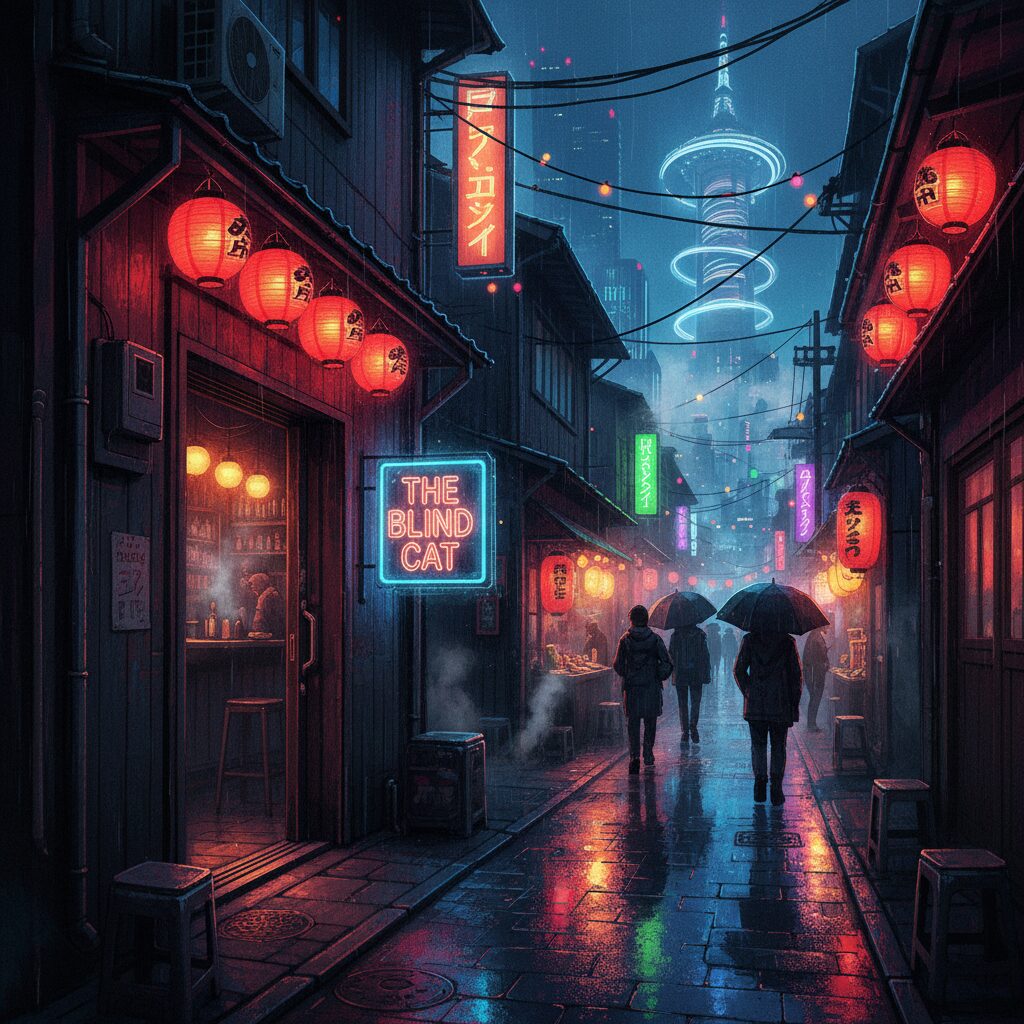
Ready to go? Bet. Here’s a quick game plan to ensure your night is completely slay-worthy. Access is super easy; the area is centrally located and conveniently walkable from major train stations like Kawaramachi on the Hankyu Line, or Gion-Shijo and Sanjo on the Keihan Line. Regarding timing, Kiyamachi comes alive late at night. Don’t show up at 7 p.m. expecting a bustling street. The real buzz usually kicks in around 9 or 10 p.m. and lasts well into the early morning, with many venues staying open until 3 or 4 a.m., or until the last customer leaves. It’s an ideal spot for a nightcap after dining elsewhere.
When it comes to money, although more places now accept cards, many smaller, older, and more unique bars remain cash-only. Do yourself a favor and withdraw cash beforehand. Always carry a good amount of yen to avoid any awkward moments. Lastly, a note on etiquette. Even in the loudest bars, a certain social awareness is important. Japanese bars generally aren’t places for rowdy or boisterous behavior. Keep your voice at a moderate level and be mindful of personal space, especially in tiny venues. If a bar is crowded and people are waiting, it’s polite to finish your drink and move on. Essentially, read the vibe and stay chill. Respect the atmosphere, and you’ll be welcomed warmly.
Four Seasons of Fire: Kiyamachi’s Year-Round Flex
Kiyamachi isn’t merely a fleeting seasonal attraction; its atmosphere evolves throughout the year, offering a unique yet equally captivating experience every season. In spring, it truly takes center stage. The cherry blossom trees lining the Takase River burst into a dazzling display of pink and white. Sitting by the window with a carefully crafted cocktail, watching the petals gently fall into the canal beneath the soft streetlight glow, creates an almost impossibly romantic and cinematic scene. It’s quintessentially Kyoto.
Summer brings heavy, sweltering humidity to the city, turning Kiyamachi’s cool, dimly lit bars into essential refuges. These spots become sanctuaries from the heat, serving crisp, refreshing highballs and seasonal cocktails rich with summer fruits like melon and peach. The stark contrast between the oppressive heat outside and the relaxed coolness inside is pure bliss. In autumn, the air grows crisp, and the cherry and maple leaves transform into fiery reds and golds. It’s ideal weather for a moody, atmospheric walk along the canal before slipping into a snug whiskey bar to warm up. The season’s slightly melancholic beauty is perfectly complemented by a thoughtful dram of smoky, peated whisky.
Winter in Kyoto can feel bone-chillingly cold, which only heightens the charm of Kiyamachi’s intimate spaces. This season calls for tiny, warmly lit bars that feel like secret hideouts. It’s a time to gather around a small wooden counter, sip a hot cocktail or a finely aged sake, and enjoy deep conversation. The quiet, stark beauty of the city in winter makes these shared moments of warmth and camaraderie even more special and treasured.
The Last Call

In a city rich in tradition and defined by its daylight charm like Kyoto, Kiyamachi stands as an essential and exhilarating contrast. It proves that the city’s spirit continues to pulse well after the temple gates close. This district reminds you that history isn’t merely preserved in museums; it’s a living force that shapes the present in surprising and exciting ways. Kiyamachi isn’t somewhere you can conquer with a checklist or guidebook. It’s an experience to surrender to, requiring your presence, intuition, and openness to getting a little lost. It’s about the joy of discovery, the thrill of unexpected finds, and the stories gathered along the way. So, when you’re in Kyoto under the moonlight, abandon the predictable path. Follow the reflections on the water, heed the distant music, and push open the unmarked door. The true Kyoto is waiting for you. Trust it. It’s a vibe. Go find it.