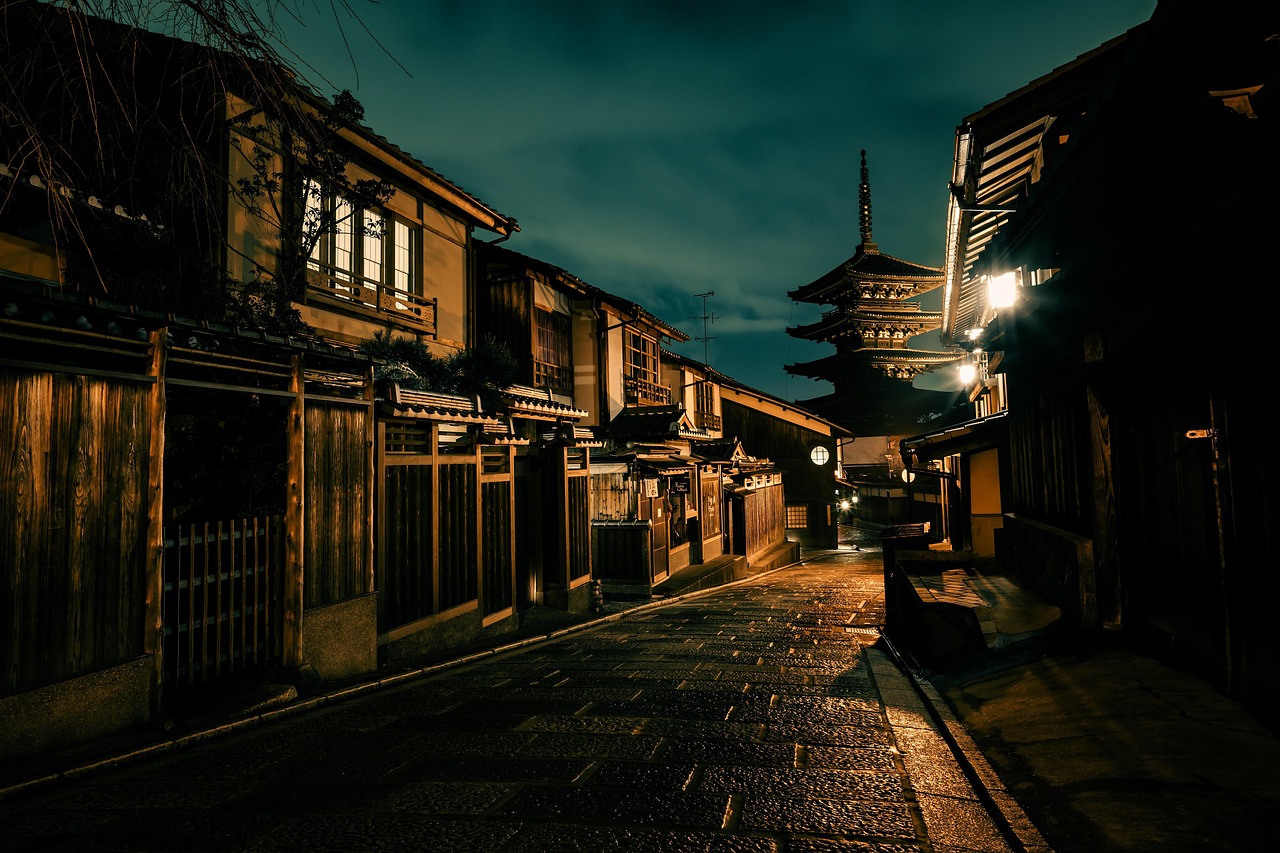
Yo, let’s talk about a Japan that isn’t all neon signs and high-speed trains. We’re diving deep into a world that’s way more exclusive, dripping with history, and honestly, has a vibe that’s totally off the charts. I’m talking about the chaya districts. Picture this: narrow stone-paved alleys, glowing paper lanterns casting a warm, golden light on dark, latticed wooden buildings, and the faint, haunting sound of a shamisen drifting through the air. This isn’t a movie set; it’s the real-deal, authentic nightlife scene that’s been poppin’ since the samurai were the main characters. These districts, particularly in cities like Kanazawa and the OG icon, Kyoto, were the designated entertainment hubs of the Edo period. A ‘chaya’ literally means teahouse, but fam, we are not talking about a casual matcha latte spot. These were, and still are, hyper-exclusive salons where geisha—masters of traditional arts—entertain guests with music, dance, and sparkling conversation. Stepping into one of these districts after sunset feels like you’ve found a glitch in the matrix, a portal to a more elegant and mysterious time. It’s where Japan’s living culture isn’t just preserved in a museum; it’s thriving behind closed doors, offering a glimpse into a world of ultimate refinement and artistry. This is your guide to navigating that world, from the daytime tourist hustle to the enigmatic, lantern-lit magic of the night.
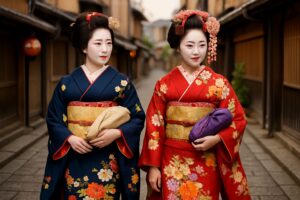
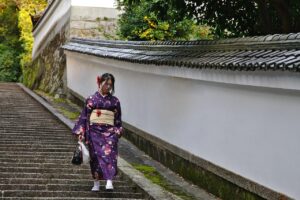
To fully immerse yourself in this historic atmosphere, consider experiencing Gion in a traditional kimono for the ultimate cultural slay.
What’s the Vibe? Steppin’ Back in Time but Make It Lit
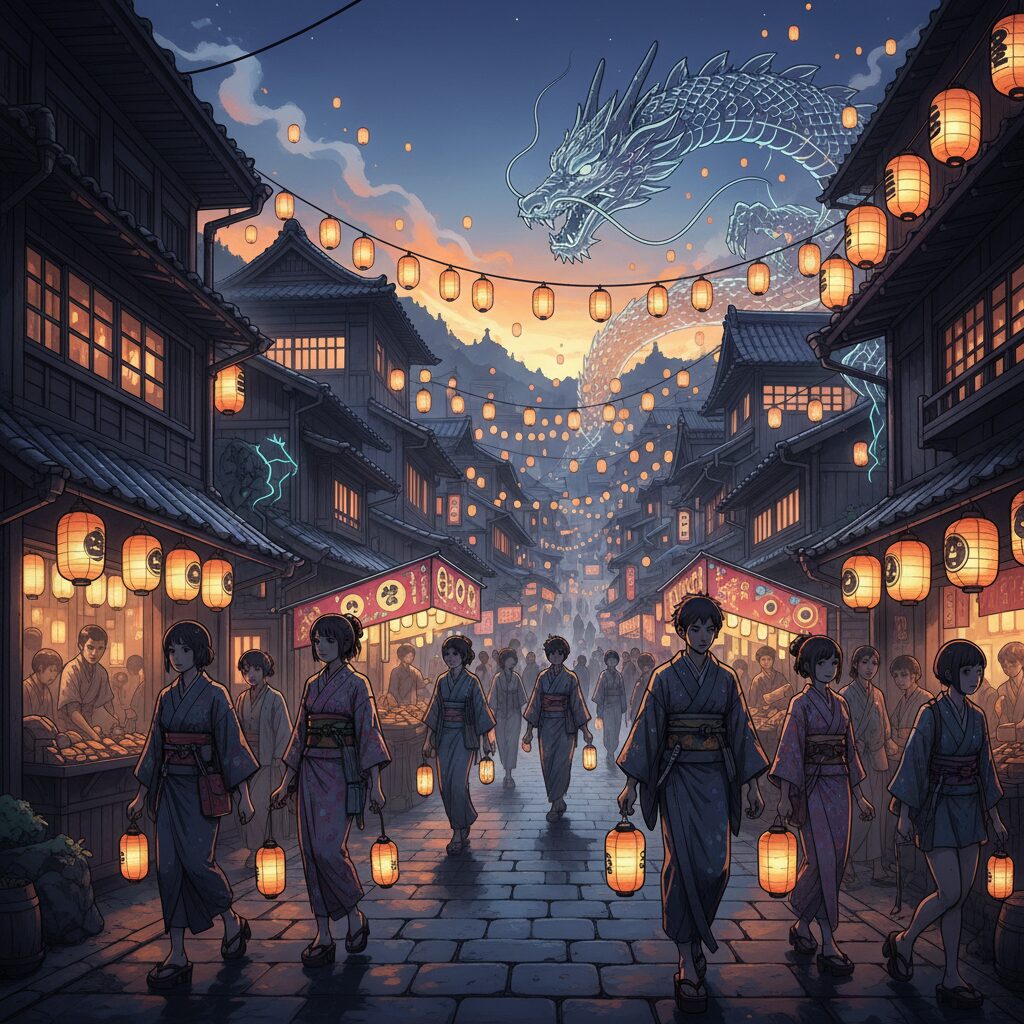
So, what does it really feel like? During the day, places like Kanazawa’s Higashi Chaya District are lively and bustling. It’s undoubtedly a stunning sight. Tourists are snapping photos, influencers are posing in rented kimonos, and shops offer everything from gold leaf ice cream (a Kanazawa specialty, and yes, it’s as extravagant as it sounds) to exquisite local crafts. The energy is bright, open, and inviting. But as the sun begins to set, the entire atmosphere transforms. It’s a complete vibe shift. Day-trippers trickle away, shop shutters close, and a deep, enchanting quiet takes over the streets. That’s when the real magic begins. The paper lanterns, or ‘chochin,’ glow softly, their warm light bringing the dark wood of the buildings to life. The air cools, carrying faint scents of damp stone, aged wood, and perhaps a trace of luxurious incense from an unseen source. You might catch the distinctive clip-clop of ‘geta’—wooden sandals—on the pavement as a geisha, or ‘geiko’ as she’s called in Kyoto, hurries to an evening appointment, a flash of her ornate kimono and flawless white makeup disappearing around a corner. It’s incredibly cinematic. The architecture contributes greatly to this mood. The buildings feature ‘kimusuko,’ exquisite and delicate wooden lattices covering the first-floor windows. They were crafted for privacy, permitting those inside to see out while preventing outsiders from peering in. At night, you might glimpse soft light filtering through them, silhouettes moving within, sparking curiosity about the world of artistry and quiet conversations just beyond the screen. This isn’t a loud, boisterous nightlife. It’s quite the opposite. It’s about subtlety, mystery, and an atmosphere so rich in history you can almost feel it. It’s a hushed, reverent kind of cool, the kind that makes you want to whisper and simply absorb it all.
The Lowdown on Chaya: More Than Just Tea
To truly understand the chaya districts, you need to know their history. During the Edo Period (1603-1868), Japanese society was highly structured. The ruling samurai class, wealthy merchants, and visiting feudal lords required places to relax, conduct business, and display their sophistication away from the strict formalities of the castle. Consequently, the government officially designated these entertainment districts on the edges of castle towns. These were the only locations where the teahouses, or ‘ochaya,’ were permitted to operate. However, these were more than just cafes. An ochaya was an upscale entertainment venue, with the geisha as the main attraction. A geisha—which means ‘art person’—is a professional entertainer, a woman trained from a young age in a wide range of traditional Japanese arts. This includes playing classical music on the three-stringed shamisen, singing traditional ballads called ‘kouta,’ performing elegant, storytelling dances, and mastering the art of conversation. They were the original influencers and trendsetters in fashion and culture, respected for their wit, intelligence, and artistic skill. The younger apprentices, known as ‘maiko’ in Kyoto or ‘hangyoku’ in Tokyo, stand out with their long, dangling ‘darari’ obi sashes and elaborate hair ornaments. The entire system is founded on a profound respect for craft and dedication. Becoming a geisha demands years of rigorous training. They live within a unique, matriarchal society called the ‘karyukai,’ or ‘the flower and willow world,’ which is intensely private and governed by ancient customs. The primary rule visitors should know is ‘ichigen-san okotowari,’ meaning ‘no first-time customers without an introduction.’ This isn’t about exclusivity for its own sake; it’s a trust-based system built on relationships. An ochaya’s reputation depends on the quality and discretion of its clientele, so any new guests must be vouched for by a trusted patron. That’s why you can’t simply book a geisha party through an app. It’s a world entered only through the proper channels, preserving its mystique and exclusivity to this day.
Kanazawa’s Trio: The Holy Trinity of Chaya Cool

While Kyoto’s Gion may be the most famous, Kanazawa arguably offers the best experience of the chaya atmosphere, boasting not one but three beautifully preserved districts, each with its own unique character. The city escaped bombing during WWII, leaving its historical areas remarkably intact. Often called ‘Little Kyoto’ for good reason, Kanazawa’s chaya districts play a major role in that distinction.
Higashi Chaya District: The Star of the Show
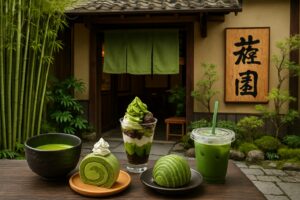
If the chaya world had a celebrity, it would be Higashi Chaya. It’s the largest, most famous, and visually stunning district in Kanazawa. Designated as a National Important Traditional Building Group Preservation District, it is officially recognized and protected. The main street features an astonishingly beautiful row of two-story wooden teahouses, perfectly preserved as if pulled straight from the 1820s. During the day, the atmosphere is vibrant, and you must try the gold leaf soft-serve ice cream—Kanazawa produces 99% of Japan’s gold leaf, which is used on almost everything, making it a real ‘gram-worthy treat. The area is also filled with incredible craft shops offering everything from delicate sweets to intricate lacquerware. Among the highlights are two historic teahouses open to the public as museums: Shima and Kaikaro. Shima Teahouse provides an authentic look at a chaya’s layout, complete with a performance stage and guest rooms adorned with vivid red walls, plus hidden staircases once used by geisha. Kaikaro remains an active teahouse but opens for tours and tea service during the day, offering a rare opportunity to sit in a genuine ochaya guest room and soak in the history. As evening falls, the district transforms: tourists depart, lanterns glow, and you may catch the faint sound of a shamisen rehearsal from an upstairs window. The area becomes peaceful, spacious, and deeply atmospheric—a perfect place for a slow, meditative stroll to start your night.
Kazue-machi: The Indie, Moody Vibe
Just across the Asano River from Higashi Chaya is Kazue-machi. If Higashi is the polished superstar, Kazue-machi is the cool, indie artist. Smaller and grittier, it feels much more lived-in. A maze of narrow alleyways winds between the river and cliffside, some so tight you must walk single file, giving a real sense of secret discovery. The district clings to the riverbank, with the soothing sound of flowing water enhancing its moody, romantic atmosphere. Many buildings remain active as exclusive restaurants and bars, with discrete, glowing signs marking the entrances hidden behind unpretentious sliding doors. Unlike a tourist hotspot, it feels like a genuine, functioning neighborhood. Two bridges connect the district: the traditional wooden Nakano-hashi and the grander Asano-gawa Ohashi. Standing on Nakano-hashi at night, observing the chaya’s reflections in the river, offers a quintessentially serene Japanese experience. Quiet, intimate, and a world apart from the modern hustle, Kazue-machi is perfect for those wanting to get lost and absorb the authentic, unpolished spirit of the chaya world.
Nishi Chaya District: The Understated Gem
On the opposite side of town, near the Sai River, lies Nishi Chaya—the smallest of the three districts and often overlooked by visitors rushing to Higashi, which is a real miss. Compact and essentially just one main street, it delivers elegance and sophistication in abundance. The atmosphere here is calm and refined, catering to serious culture enthusiasts. Like Higashi, it has its own public museum, the Nishi Chaya Shiryokan Museum, which beautifully recreates a chaya’s interior and highlights the work of a renowned local author who wrote about the district. Because it’s less crowded, visitors have more freedom to admire the fine architectural details and peaceful ambiance. The restaurants and teahouses are known for being particularly exclusive. Strolling down its perfectly preserved street at dusk, with hardly another soul around, is a truly special experience. This district is ideal for those who want to move past the hype and enjoy a pure, undiluted essence of old-world Japanese elegance.
Kyoto’s Gion: The OG Icon
Alright, let’s discuss the highlight: Gion in Kyoto. Undoubtedly, this is the most renowned geisha district in all of Japan. Its name is synonymous with the world of flowers and willows. Gion covers a much larger and more expansive area than Kanazawa’s districts and remains a vibrant part of the city, seamlessly blending temples, shrines, and modern life. For many travelers, experiencing Gion’s nightlife is a key goal, though it comes with its own set of customs and realities.
Gion Kobu & Gion Higashi: Where Legends Walk
At the heart of Gion lies Gion Kobu, home to the famous Hanamikoji Street, the quintessential image of Gion with traditional ‘machiya’ townhouses, red paper lanterns, and stone-paved lanes. This street and its surrounding alleys host some of the most exclusive ochaya and upscale ‘ryotei’ (traditional restaurants) in Japan. It’s the prime spot to catch sight of a geiko or maiko. In the early evening, roughly between 5:45 and 6:30 PM, you might be fortunate enough to see them walking from their ‘okiya’ (lodging house) to their engagements. But here’s the most crucial advice of this entire piece: be respectful. The rise of social media has encouraged some inappropriate tourist behavior, with people chasing geiko, blocking their way, and grabbing their kimono for photos. This is unacceptable. They are not mascots but artists heading to work. Private roads in the area now enforce photography bans with steep fines. The rule is simple: maintain distance, use a zoom lens if necessary, avoid flash photography, and never obstruct their movement. A brief, respectful glance is far more meaningful than an intrusive, forced photo. Another beautiful part of Gion is the Shirakawa Area, running along a small canal lined with willows. It’s incredibly scenic and quieter than Hanamikoji, offering a more serene Gion experience with lovely riverside restaurants.
The Gion Nightlife Experience: Beyond the Ochaya
So, how does one actually enjoy a night out in Gion? As noted, entering a traditional ochaya for geisha entertainment is nearly impossible for most tourists due to the ‘ichigen-san okotowari’ custom. However, this doesn’t mean you’re excluded from the Gion experience—you just need to plan wisely. Many of Gion’s charming machiya townhouses have been transformed into stunning, publicly accessible restaurants, bars, and cafes. You can reserve a table at a kaiseki restaurant on Hanamikoji and soak up the ambiance in a beautifully preserved structure. There are also fantastic hidden bars tucked away in the back alleys—imagine enjoying a perfectly crafted Japanese whisky in a cozy, atmospheric bar housed in a wooden building that’s been around for decades. That’s an authentic Gion experience you can have. For those eager to witness traditional arts, there are a few other options. Some high-end ryotei or tour companies offer dinner packages that include private performances by a geiko or maiko. Although these are expensive, they are a genuine and respectful way to experience the art form. Additionally, Gion Corner is a theater showcasing a one-hour program featuring seven traditional Japanese arts, including a maiko dance. While it is clearly aimed at tourists, it offers an accessible and affordable opportunity to see these performances if your time or budget is limited.
How to Actually Experience the Night: A Real Talk Guide

Navigating these districts, especially after dark, can feel a bit daunting—but it doesn’t have to be. Here’s an honest guide on how to truly enjoy your evening in the flower and willow world.
Day vs. Night: Two Different Moods
Think of the chaya districts as having two unique moods. During the day, they’re perfect for sightseeing. This is your chance to visit museums like the Shima Teahouse, browse craft shops, enjoy gold leaf ice cream, and capture photos in the bright, clear sunlight. The districts are lively, open, and inviting. However, the night isn’t about sightseeing; it’s about ambiance. It’s about strolling, observing, and absorbing the history around you. Shops will be closed, and streets mostly empty. The main activity is simply being present. Don’t expect a bustling atmosphere at 9 PM. The magic moment is dusk—from sunset until around 8 PM—when lanterns are lit, streets look their most enchanting, and you might spot geisha on their way to work. Later, the districts grow quieter, almost deserted, as entertainment moves indoors.
Unlocking the Experience: How to Attend
If you’re determined to have an authentic geisha entertainment experience, it’s possible, but requires planning and a budget. The best way is through a high-end service. Concierges at luxury hotels (such as Hyatt Centric Kanazawa or a top Kyoto ryokan) can often arrange trusted bookings for their guests. Additionally, there are specialized cultural agencies and tour operators that have established connections with ochaya and can secure an evening for you. These often include dinner and a private audience with a maiko or geiko, featuring performances, conversation (with translation), and traditional drinking games. It’s a memorable experience but a significant investment. For a more accessible option, watch for special events. The Kaikaro Teahouse in Kanazawa occasionally hosts evening events or opens its geisha bar to the public on select nights. These are fantastic opportunities that fill up quickly, so check their website ahead of time. Otherwise, enjoy the approachable nightlife by booking a table at a top restaurant in Gion or a hidden bar in Kazue-machi. Being inside these historic buildings and soaking up the atmosphere is a major part of the charm.
What to Wear, What to Keep in Mind: Unwritten Guidelines
There’s no strict dress code for wandering the districts, yet it’s wise to match the elegant vibe. These are refined, historic areas, so leave behind ripped jeans and flashy t-shirts for the evening. Aim for smart casual—think nice trousers or a skirt, a clean shirt or blouse, maybe a jacket. It’s about showing respect for the surroundings. And regarding geisha etiquette: be like a ghost. If you spot one, be discreet. No shouting, chasing, or flash photography. Let them pass quietly. Their grace and composure enhance the district’s atmosphere, and as visitors, it’s our role not to disturb that. The best way to enjoy these districts at night is to slow down. Put your phone away (after a few tasteful photos, of course). Walk calmly. Notice the details: the wood grain, the lattice designs, how lantern light pools on wet stones after a rain. Listen to the silence. It’s a meditative experience—a chance to connect with a deeper, more artistic side of Japan.
Beyond the Lanterns: Pairing Your Chaya Night Out
Your exploration of the Chaya district doesn’t need to happen in isolation; it fits seamlessly into a broader itinerary. In Kanazawa, you might spend the afternoon at the stunning Kenrokuen Garden, one of Japan’s top three gardens, and then stroll to Higashi Chaya as dusk approaches—they are very close to each other. Alternatively, you could experience modern Japan at the 21st Century Museum of Contemporary Art before immersing yourself in the past. For dinner, you could dine within the chaya district itself or head to the vibrant Katamachi or Korinbo areas for a wide variety of options, from lively izakayas to upscale sushi, either before or after your atmospheric walk. In Kyoto, the possibilities are endless. Gion is part of the larger Southern Higashiyama district, filled with famous sites. You could walk from Kiyomizu-dera Temple down the well-preserved Sannenzaka and Ninenzaka slopes, passing Yasaka Pagoda and arriving in Gion as evening falls. For a quintessential Kyoto night, enjoy dinner in the nearby Pontocho alley, another narrow, lantern-lit street renowned for its restaurants, and then cross the bridge for a post-dinner stroll through Gion. The contrast between Pontocho’s lively dining scene and Gion’s quiet, mysterious elegance perfectly captures the essence of Kyoto.
The Final Take: More Than Just a Pretty Street

Exploring Japan’s chaya districts at night is far more than just a photo opportunity. It offers a rich sensory experience that immerses you in the country’s living artistic heritage. It’s a journey into a world where beauty, discipline, and discretion are held above all else. Although the inner sanctum of the ochaya may remain just out of reach for most, the true treasure of these districts is the atmosphere they freely share with anyone who strolls their streets after dark. The beauty isn’t confined behind the latticed windows; it’s found in the stones beneath your feet, the gentle glow of lanterns on your face, and the profound, historic silence that lingers in the air. It serves as a reminder that in a world constantly rushing forward, some places have perfected the art of standing still, preserving a unique and delicate beauty. So when you visit, walk slowly, breathe deeply, and let the magic of the flower and willow world enchant you. It’s a feeling that will linger long after you’ve left the lantern-lit lanes behind.