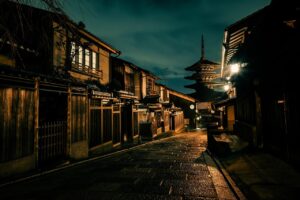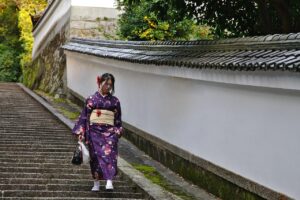
Hey, travel fam! Sofia here, ready to transport you to a world that feels like it’s straight out of a dream. Imagine this: you’re wandering down a narrow stone-paved lane as the sun dips below the horizon. The sky is a perfect gradient of dusky purple and orange. One by one, paper lanterns hanging from the eaves of traditional wooden houses flicker to life, casting a warm, almost magical glow on the street. You hear the faint, rhythmic click-clack of wooden sandals on stone, and for a fleeting moment, a figure wrapped in an exquisite silk kimono, with a perfectly painted white face and crimson lips, glides past you and disappears behind a sliding door. This isn’t a movie set, bestie. This is Gion, Kyoto, the absolute heart and soul of Japan’s geisha culture. For real, Gion is where the past isn’t just remembered; it’s alive and walking to its next appointment. It’s the epicenter of a mysterious, elegant, and totally captivating world that has fascinated people for centuries. Getting to explore this place is more than just a travel moment; it’s like time-traveling with the most aesthetic filter ever. It’s the ultimate main character energy, and I am so here for it. Before we dive deep into this enchanting universe, let’s get you grounded. Pin this spot on your map, because trust me, you’re gonna want to find your way here.
After immersing yourself in the timeless elegance of Gion, you can continue your Kyoto journey by exploring the city’s rich history and significance in our visitor’s guide to Kyoto.
The Vibe Check: What Gion Actually Feels Like
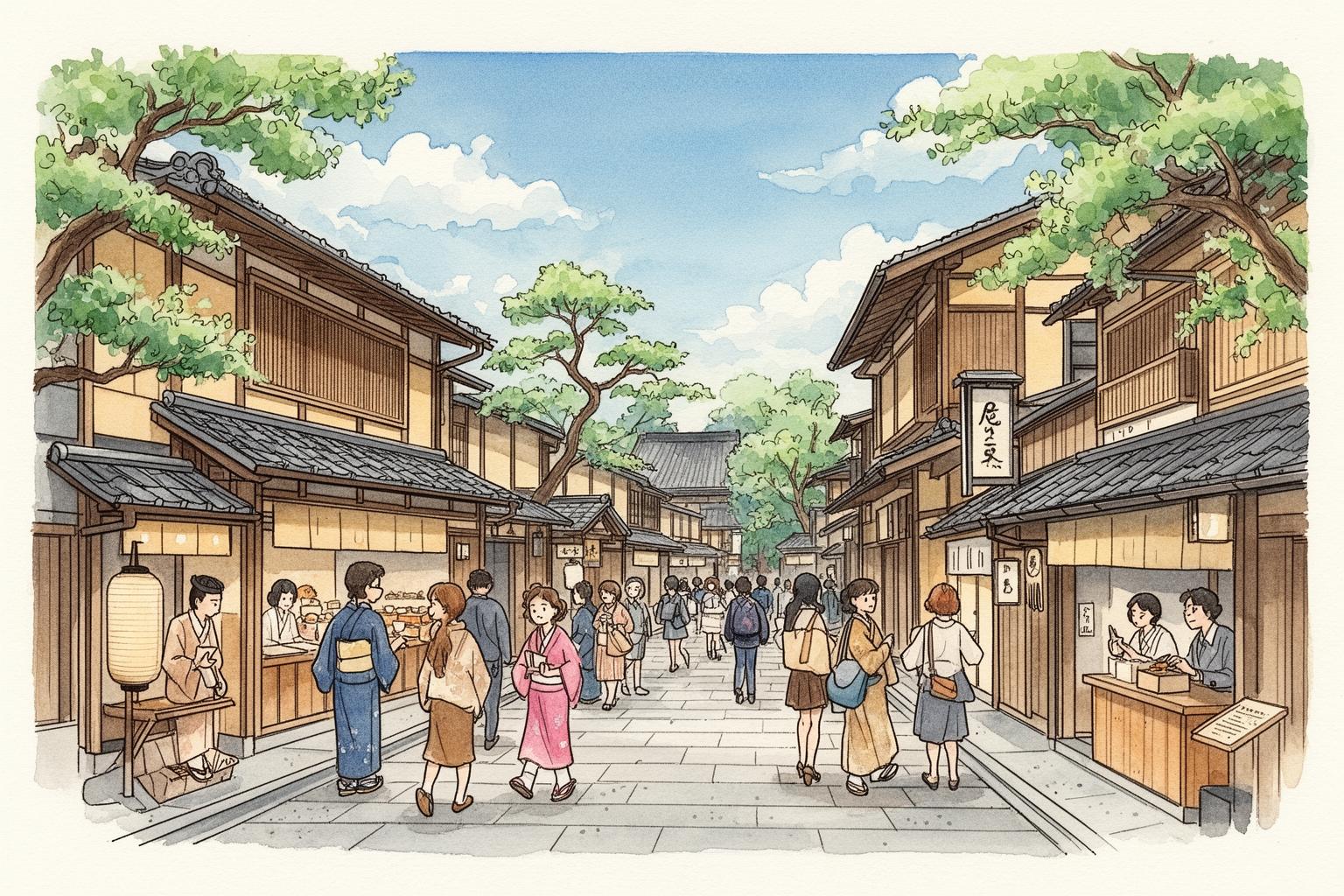
Alright, let’s dive into the vibes because Gion offers an entire spectrum. During the day, it’s a completely different atmosphere. The streets buzz with tourists and locals alike, sunlight streaming through the willow trees lining the Shirakawa Canal. It’s the ideal time for a relaxed walk. You can pop into tiny shops selling exquisite handmade crafts, from delicate folding fans to stunning pottery. The air is filled with the aroma of roasting tea and sweet dango from nearby stalls. It’s charming, historic, and incredibly photogenic. You can visit the grand Yasaka Shrine without the evening crowds, soaking in the spiritual energy of a site that has been a place of worship for over a thousand years. Daytime in Gion gives you the chance to appreciate the architecture, notice the intricate wooden lattices, the noren curtains fluttering at doorways, and the quiet elegance of the old machiya townhouses.
But when dusk falls? Gion truly transforms. The change is nothing short of magical. The tourist crowds begin to fade, and a calm settles over the district. The lanterns I mentioned? They’re more than decoration; they cast an intimate and mysterious glow that’s impossible to replicate. The warm light softens the outlines of the wooden buildings, turning everything into a living painting. The air cools, and you might catch the subtle, refined scent of incense drifting from an unseen corner, or the faint, melancholic tune of a shamisen being practiced behind a screen. This is when the district genuinely comes alive with its true spirit. The quiet anticipation is palpable. You feel as though you’re about to witness something special—a secret performance the city unveils every single night. The soundscape shifts from the buzz of crowds to the gentle murmur of conversations behind closed doors, the swish of silk, and the iconic clip-clop of geta on stone. It’s a sensory journey that feels deeply exclusive and authentically Japanese.
Decoding the Drip: Geiko vs. Maiko – What’s the Sitch?
Before you even consider spotting one of these iconic figures, we need to start with a major vocabulary lesson. Understanding exactly who you’re seeing is crucial because the details mean everything. Visitors often use the terms ‘Geiko’ and ‘Maiko’ interchangeably, but they actually signify two very distinct stages of a long and dedicated career. Getting it right shows respect, so let’s dive in.
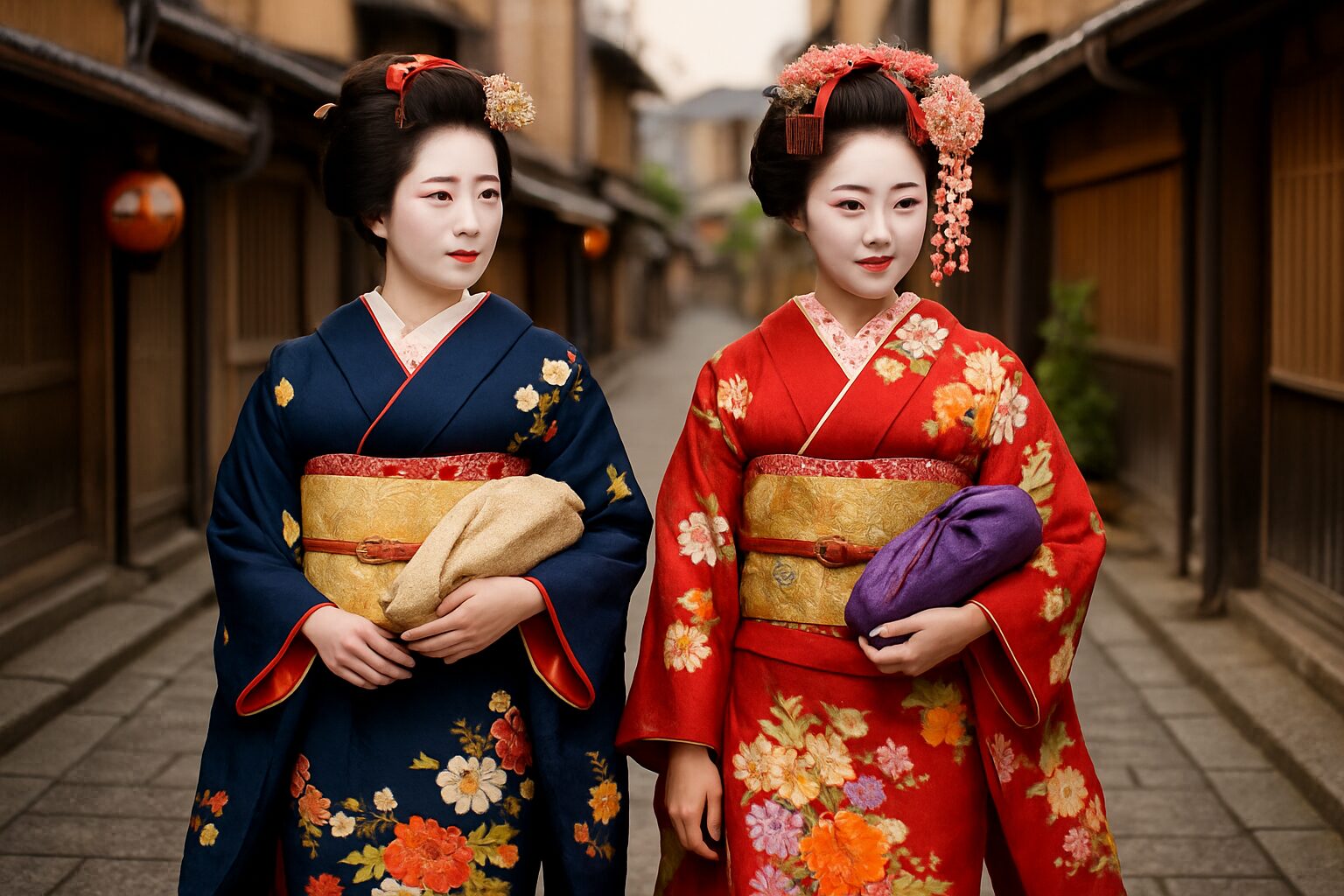
First, there’s the Maiko. Think of her as an apprentice, a Geiko-in-training. Typically young, between 15 and 20 years old, her entire appearance is designed to be eye-catching, vibrant, and youthful—it’s a statement. Her kimono, called a hikizuri, is brightly colored with long, flowing sleeves and an elaborate pattern. The most distinctive feature is her sash, or obi. A Maiko wears a darari obi, which means ‘dangling obi,’ and it’s exceptionally long, nearly reaching her ankles at the back. This sash symbolizes her apprenticeship and is richly decorated.
Now, for the glamour: a Maiko’s look is truly a work of art. Her face is painted with traditional white oshiroi foundation, but for a first-year Maiko, only the lower lip is painted red, while the upper lip remains white. As she advances, both lips will be painted red. Her hairstyle is also significant. Maiko style their own hair into elaborate designs that take hours to perfect. To maintain the shape, they sleep on a special wooden pillow called a takamakura. Can you imagine? The hair ornaments, known as kanzashi, are not random either. These elaborate accessories change monthly to reflect the seasons: plum blossoms in February, festive fans for Gion Matsuri in July, and golden maple leaves in November. It’s like a seasonal calendar worn in her hair. Lastly, look at her footwear. Maiko wear very tall, lacquered wooden clogs called okobo. Their height makes walking challenging, which helps train graceful movement. Everything about a Maiko declares her youth and her status as an arts apprentice.
Next, there’s the Geiko. A Geiko is a fully qualified professional artist who has completed her apprenticeship and mastered her craft. Her whole look shifts from the colorful vibrancy of a Maiko to a more subdued, mature elegance. Her kimono features solid, sophisticated colors and simpler patterns. The long, flowing sleeves disappear, and her obi is tied in a straightforward, boxy knot called a taiko musubi or ‘drum knot.’ It’s chic and understated. A Geiko’s collar (eri) is stark white, a major change from the Maiko’s red, intricately embroidered collar. This transition is marked by a ceremony called erikae, meaning ‘the turning of the collar.’
Her makeup is more refined as well. While she may wear white foundation for formal occasions, she often opts for a more natural look. One notable difference is that Geiko typically wear a wig, or katsura, for professional appearances, which spares them the daily challenge of styling their hair and signals their status. Her kanzashi are fewer and much more subtle—perhaps a simple elegant comb or a single beautifully crafted pin. Her footwear also changes to lower, more comfortable sandals known as zori. A Geiko’s entire presence exudes quiet confidence, artistic mastery, and a deep, cultivated grace. She doesn’t need the flashiness of a Maiko—her artistry speaks for itself. So when you’re in Gion, take a moment to notice these details. It’s like a secret language telling a story of dedication, artistry, and time.
The World They Live In: A Deep Dive into the Hanamachi
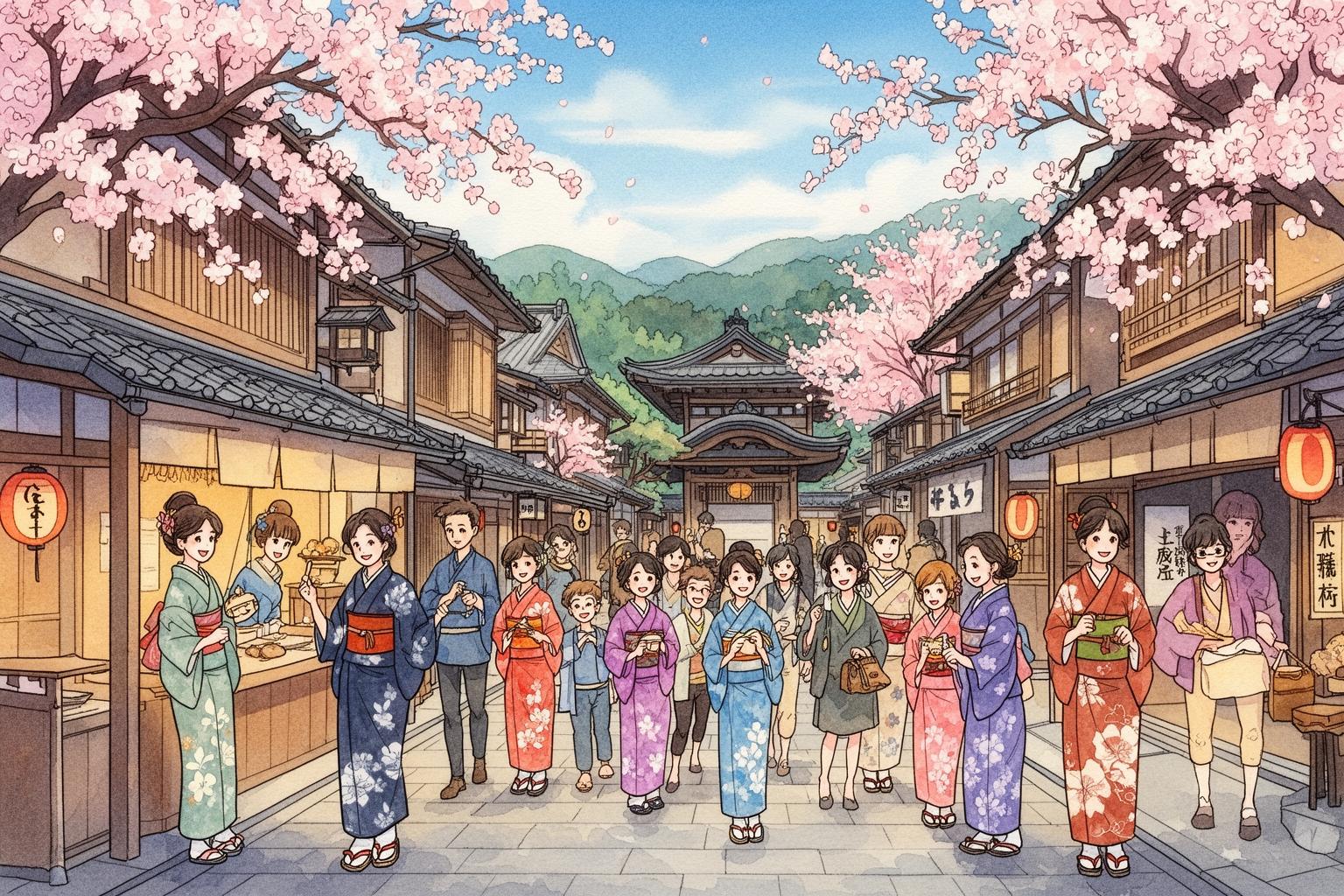
To truly grasp the culture of Geiko and Maiko, you need to understand their world—the hanamachi, or ‘flower town.’ Gion, the most famous of Kyoto’s five hanamachi, is a self-contained universe with its own rules, traditions, and social structures. It’s a world built on relationships, reputation, and generations of preserved artistry.
At the heart of the hanamachi lies the okiya. This is more than just a house; it serves as the lodging house, management company, and family unit for all the Maiko and Geiko residing there. The okiya is overseen by a matriarch known as the okaa-san (‘mother’), often a former Geiko herself. She invests in a young woman’s training by covering the substantial costs of kimono, lessons, and living expenses. In return, the Geiko’s earnings are returned to the okiya until her debt is repaid. This system of mentorship and patronage has endured for centuries. The okiya is like a sorority—a sisterhood where ‘older sisters’ (onee-san) guide the ‘younger sisters’ (imouto) through the challenges of their training and social responsibilities. It’s a close-knit community founded on mutual support and dedication to their art.
Where do they work? Not in restaurants or bars, but in exclusive venues called ochaya, or teahouses. However, the name is misleading. An ochaya is a highly exclusive, private establishment for entertainment—you can’t simply walk in off the street. Ochaya operate under a strict policy of ichigen-san okotowari, meaning ‘no first-time customers without a formal introduction.’ This system is based on trust and reputation, requiring an introduction from an existing, trusted patron. Once you become a patron, you don’t pay at the end of the night; instead, a bill is sent later. It’s an old-world system of credit and trust.
An evening at an ochaya is known as an ozashiki. This private gathering entertains guests—usually influential businessmen or politicians—with Geiko and Maiko. The event includes a lavish dinner (catered from a nearby high-end restaurant), lively conversation, traditional party games, and, naturally, exquisite musical and dance performances. The Geiko is the ultimate hostess; her role is to create an atmosphere of relaxation, sophistication, and enjoyment. She is a skilled conversationalist, capable of discussing a wide range of topics, and a consummate artist, whose dance and music represent the culmination of years of tireless practice. The Maiko assist by pouring drinks, learning from their older sisters, and performing their own dances. It’s a world marked by unparalleled refinement and discretion.
Overseeing all of this is the kenban, the official administrative office of the hanamachi. The kenban coordinates all engagements for the Geiko and Maiko, sets the fees for their time—which is traditionally measured by the burning of an incense stick—and schedules their lessons. It acts as the central nervous system, keeping the complex world of the hanamachi running smoothly. Understanding this structure—the Okiya as the home, the Ochaya as the stage, and the Kenban as the director—is essential to appreciating that this is not merely a quaint tradition; it is a highly organized, professional industry devoted to preserving classical Japanese arts.
How to Respectfully Stan: Your Guide to Spotting Geiko and Maiko in Gion
Alright, let’s be honest. One of the main reasons people visit Gion is to catch a glimpse of a Geiko or Maiko in person. And I totally get it! It’s a breathtaking sight. But how you approach it is very important. This has become a significant issue in recent years, so paying attention is key if you want to be a considerate tourist. It’s all about respect, folks.
First off, timing is crucial. Your best chance to see a Geiko or Maiko is during the early evening, often called the ‘golden hour,’ roughly between 5:30 PM and 6:30 PM. This is when they’re heading from their okiya to their first appointments at the ochaya. They move gracefully and with intent, strictly adhering to a schedule. They aren’t theme park characters; they are professional women on their way to work.
The most popular spot to try your luck is Hanamikoji Street, the main artery of Gion Kobu. Its beautifully preserved machiya houses many ochaya, making it a busy area. However, because it’s so well-known, it can sometimes feel like a circus. A quieter and arguably more charming alternative is the Shirakawa area, particularly along the canal, where stone bridges and weeping willows create a gorgeous setting. Another excellent location is Pontocho Alley, a narrow lane running alongside the Kamo River, another of Kyoto’s hanamachi.
Now for the most important part: the etiquette. Please, please, please show respect. Geiko and Maiko in Gion have dealt with increasing harassment from overly eager tourists, resulting in local regulations and even fines for inappropriate behavior. Here’s what you should and shouldn’t do.
DO NOT:
- Block their way. They’re heading to appointments, so don’t delay them by standing in their path.
- Touch them or their kimono. A kimono is a delicate and costly work of art, and also their personal space. Never pull on their sleeves or obi.
- Call out their names or make loud noises to grab their attention.
- Follow them for long distances. That’s stalking, which is both unsettling and intimidating.
- Put a camera or phone right in their face. It’s intrusive and highly disrespectful.
DO:
- Keep a respectful distance. If you want photos, use a zoom lens from across the street.
- Be quick and discreet. When you see one approaching, step aside quietly, take your photo as they pass, and then let them continue on.
- Observe silently. The beauty lies in the brief glimpse. Enjoy the moment as it is.
- Respect signs. Some of the smaller, private alleys in Gion now have clear no-photography signs. Follow these rules—they’re there for good reasons.
Think of it like this: if you saw a famous celebrity rushing to a premiere, you wouldn’t chase them down for a selfie. You’d admire them from afar. Apply that same respect here. The women of the hanamachi are pillars of their community and guardians of a treasured culture. The best way to honor them is by treating them with the dignity and respect they deserve.
Beyond the Glimpse: How You Can Actually Experience the Culture
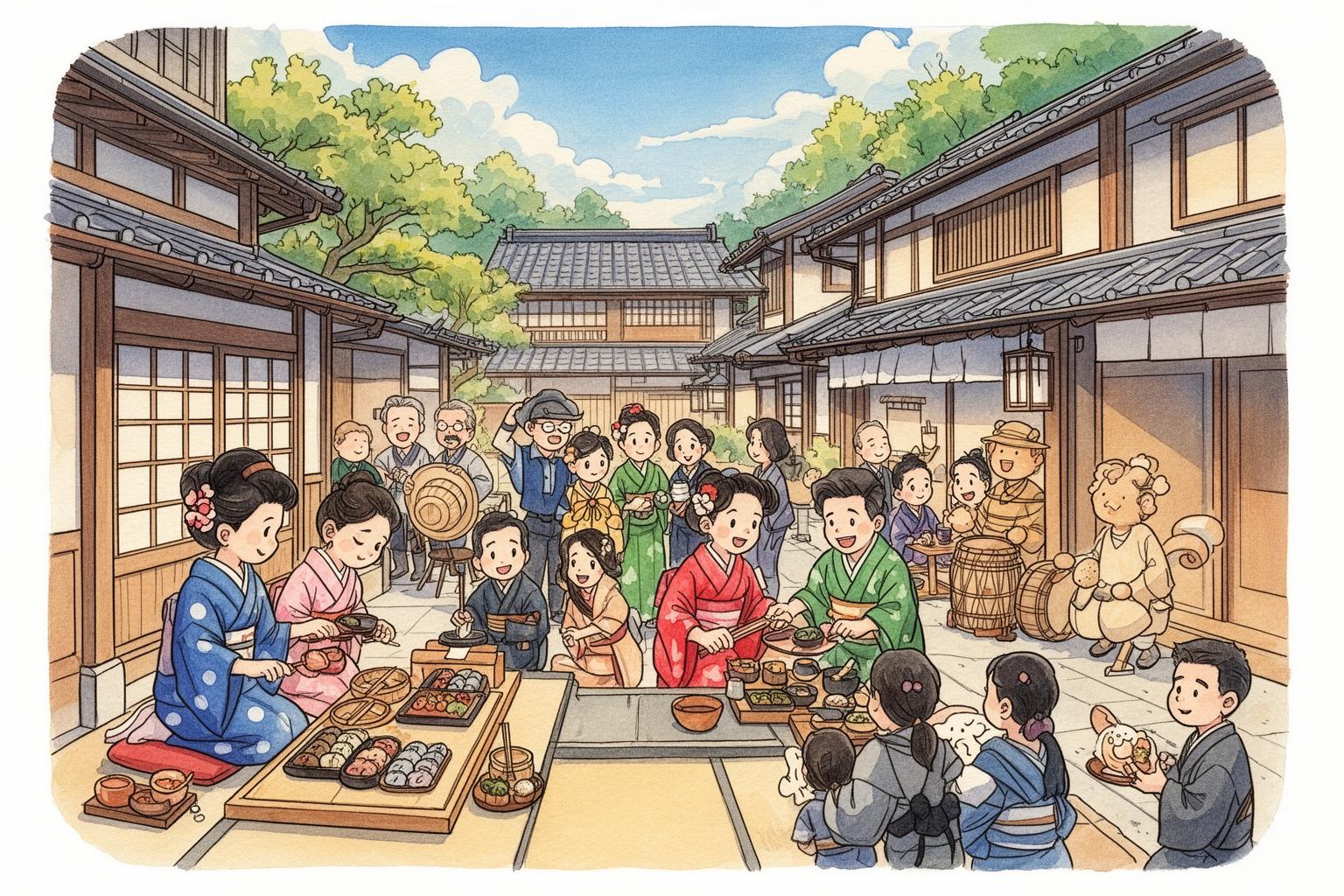
Catching a fleeting glimpse of a Maiko on the street is thrilling, but there are ways to engage more deeply with their culture. Although it requires some planning and a budget, the experience can become a once-in-a-lifetime memory.
The most authentic and exclusive option is a traditional ozashiki dinner at an ochaya. As noted, this is difficult to arrange. It is extremely expensive (costing hundreds or even thousands of dollars per person) and depends on securing that crucial introduction. However, it is not entirely out of reach for foreign visitors. Some luxury hotels in Kyoto maintain long-standing connections with certain ochaya and can help make arrangements for their guests. Additionally, a few high-end, specialized travel agencies offer bookings for these exclusive experiences. If you have the budget and desire for true authenticity, this is the ultimate option.
For a more accessible and affordable introduction to the arts, visit Gion Corner. Situated in Yasaka Hall, this venue is designed specifically for tourists. Within a single one-hour show, you’ll experience a “greatest hits” collection of traditional Japanese arts. The program includes a brief tea ceremony, ikebana flower arranging, koto (Japanese harp) music, gagaku court music, a bunraku puppet play, and a kyogen comedy act. The grand finale is always the Kyo-mai, an elegant Kyoto-style dance performed by two Maiko from one of the Gion districts. It offers a fantastic introduction and a guaranteed chance to see a Maiko perform up close.
An increasingly popular option is a dinner experience with a Maiko. Several companies and restaurants in Kyoto now provide packages where you can enjoy a group meal while a Maiko visits. She will perform a dance, chat with guests (usually with a translator), answer questions about her life and training, and play traditional ozashiki games with the group. This experience serves as a wonderful bridge between the exclusivity of an ochaya and the stage performance at Gion Corner, allowing personal interaction in a relaxed and respectful setting.
If you visit at the right time, you can witness the grandest spectacle of all: the annual public dance performances. Each of Kyoto’s five hanamachi hosts a major performance season, typically in spring or fall. The most famous is the Miyako Odori (‘Dances of the Old Capital’), presented by the Geiko and Maiko of Gion Kobu every April. This large-scale production features dozens of performers on stage, elaborate sets, and stunning costumes. It is the community’s way of showcasing their skills to the public, and purchasing a ticket directly supports the arts. Other notable performances include the Kyo Odori in spring and the Gion Odori in autumn.
Lastly, if you want to experience the look firsthand, you can book a henshin or ‘transformation’ session at a Maiko makeover studio. You’ll be professionally dressed in a full Maiko kimono, have your hair and makeup done, and then have the opportunity to take photos in the studio or go on a short, guided walk through a scenic part of town. This is a fun and immersive way to appreciate the artistry and complexity of a Maiko’s attire. Just be sure to clearly communicate to anyone you encounter that you are a tourist in costume, not an actual Maiko.
Exploring the Gion Grid: What to Do When You’re Not Maiko-Spotting
Gion is far more than just its Geiko culture. The entire district is a treasure chest of history, beauty, and exceptional cuisine. Set aside at least a full day, if not longer, to simply wander its streets.
A must-visit spot is the Gion Shirakawa area. This part of Gion, stretching along the Shirakawa Canal, is incredibly beautiful. Lined with willow trees, upscale ryotei restaurants, and charming ochaya, it feels like a scene from a postcard. The stone-paved paths, the gentle murmur of the water, and the quaint little bridges represent the quintessential Kyoto aesthetic. It’s especially breathtaking during cherry blossom season when the trees create a pink canopy over the canal and at night when lanterns reflect on the water. Don’t overlook the small but enchanting Tatsumi Daimyojin Shrine, where many Geiko and Maiko pause to pray for success in their artistic pursuits.
Naturally, there is Hanamikoji Street, the heart of the district. During the day, it’s perfect for admiring the architecture of the machiya. Many have been converted into restaurants, cafes, and shops. Watch for the distinctive red lanterns and the small nameplates (hyosatsu) that indicate which Geiko or Maiko live in a particular okiya.
At the eastern end of Gion’s main street, Shijo Avenue, stands the magnificent Yasaka Shrine, also known as Gion Shrine. It is one of Kyoto’s most significant shrines, with a history going back to the 7th century. It serves as the spiritual core of the district and hosts the legendary Gion Matsuri, one of Japan’s most famous festivals, held every July. The shrine complex is expansive and stunning, featuring a vibrant main gate, a central dance stage decorated with hundreds of lanterns lit at night, and smaller sub-shrines scattered throughout the grounds. Admission is free, and it is open 24/7, making a nighttime visit especially atmospheric.
Directly next to Yasaka Shrine is Maruyama Park, Kyoto’s oldest public park and a renowned cherry blossom viewing spot. Its highlight is a massive weeping cherry tree (shidarezakura) that is dramatically illuminated at night during peak season. It’s a beautiful place to relax, enjoy a snack from a food stall, and watch the world go by.
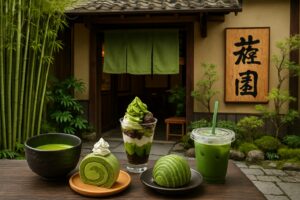
And then there’s the food! Gion is a food lover’s paradise. For a truly special occasion, treat yourself to a kaiseki dinner, a traditional multi-course Japanese meal that is as much an artistic experience as it is a culinary one. For a more casual meal, you’ll find excellent restaurants offering Kyoto-style sushi, soba noodles, and tempura. And you simply cannot leave Gion without exploring the realm of matcha. The area around Hanamikoji is filled with historic teahouses and sweet shops serving everything from thick, ceremonial matcha tea to matcha parfaits, ice cream, and delicate wagashi sweets. A personal favorite is taking a break at Kagizen Yoshifusa to enjoy their famous kuzukiri, a chilled, translucent noodle-like dessert served with sweet brown sugar syrup.
Let’s Get Practical: The Logistics Lowdown
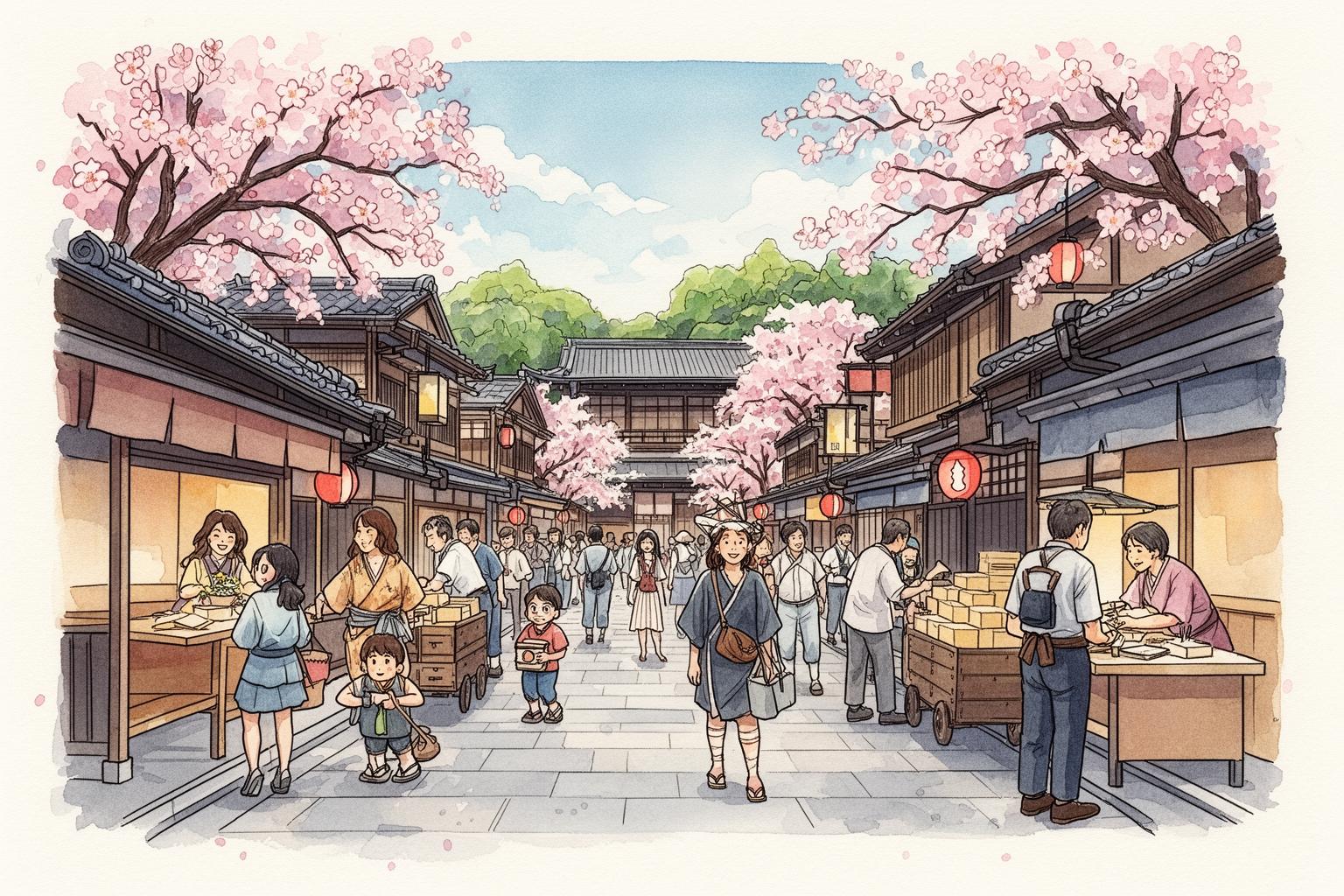
Getting to Gion is incredibly easy, which is perfect since you’ll likely want to visit multiple times. If you’re traveling by train, the nearest station is Gion-Shijo Station on the Keihan Main Line, which drops you right at the western edge of the district. Alternatively, Kyoto-Kawaramachi Station on the Hankyu Line is just a short walk across the Kamo River. From Kyoto Station, the simplest option is to take a bus. Several routes, such as the 100 or 206, go directly to the Gion bus stop, with the ride taking around 20-25 minutes depending on traffic.
The ideal time to visit depends on what you’re seeking. Spring (late March to early April) is the peak season due to the cherry blossoms, when Gion is undeniably stunning but also very crowded. Autumn (mid to late November) is another beautiful time, as the maple trees in Maruyama Park and nearby temples turn vibrant shades of red and gold. Summer brings the lively Gion Matsuri in July, a month-long festival featuring an impressive parade. Winter is the quietest season, offering a peaceful atmosphere with fewer visitors and the chance to see the historic streets lightly dusted with snow.
Prepare for crowds, especially on weekends and during busy seasons. Early evening on Hanamikoji Street can feel like a red carpet event, with many people waiting with cameras. My recommendation? Don’t hesitate to explore beyond the main streets. Wander down the small side alleys and quieter lanes—that’s often where the true charm of Gion reveals itself, away from the crowds.
One final practical tip: wear comfortable shoes. This cannot be emphasized enough. The streets are paved with stone, and you’ll be doing a lot of walking. While you might be tempted to wear something stylish to match the elegant setting, prioritize comfort for your feet. You’ll be grateful later as you continue happily exploring after hours on foot.
Debunking the Myths: Setting the Record Straight
There are many misconceptions about the world of Geiko, especially in the West, and I believe it is crucial to dispel them. The most damaging and widespread myth is the mistaken belief that geisha are prostitutes. Let me be absolutely clear: Geiko are not prostitutes. They are highly skilled artists and entertainers whose profession is to engage guests with conversation, music, dance, and games in an elegant and refined setting. This misunderstanding largely originates from historical confusion with courtesans (oiran) and from fictional portrayals that have unfortunately reinforced the stereotype. A Geiko’s relationship with her patrons (danna) can be complex and long-lasting, but it is one of artistic patronage, not a commercial exchange for sex.
Another important point is the immense dedication this career demands. It is not a part-time job or a casual hobby. From the moment a young woman enters an okiya as a Maiko, her life becomes devoted to the relentless pursuit of artistic mastery. Her days are occupied with lessons in dance, music, tea ceremony, and many other traditional arts. This is a lifelong commitment to preserving a cultural heritage that spans hundreds of years. The women of the hanamachi are incredibly strong, resilient, intelligent, and talented individuals who have chosen a profession that is both demanding and deeply respected.
Lastly, remember that this is a living culture. It is not a historical reenactment or a tourist spectacle. While the hanamachi world is rich in tradition, it is also evolving in the 21st century. The Geiko and Maiko you see today are modern women actively engaged in their society. They honor the past while living fully in the present. Approaching their world with this perspective will deepen your experience and help you become a respectful observer of this precious and beautiful aspect of Japan’s cultural identity.
Walking through Gion feels like stepping into another world. It’s a place where every corner tells a story, every lantern casts a warm glow of history, and every fleeting glimpse of a silk kimono evokes a realm devoted to beauty and artistry. It’s a dance between old and new, the visible and the hidden. So when you visit, allow yourself to be swept away by its magic. Wander without a plan, listen to the gentle sounds of the evening, and welcome the moments of wonder that Gion so generously offers. Chase those paper lanterns, catch sight of a silk kimono, and let Kyoto’s most enchanting neighborhood completely captivate you. You won’t regret it, I promise! ✨