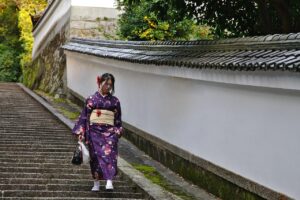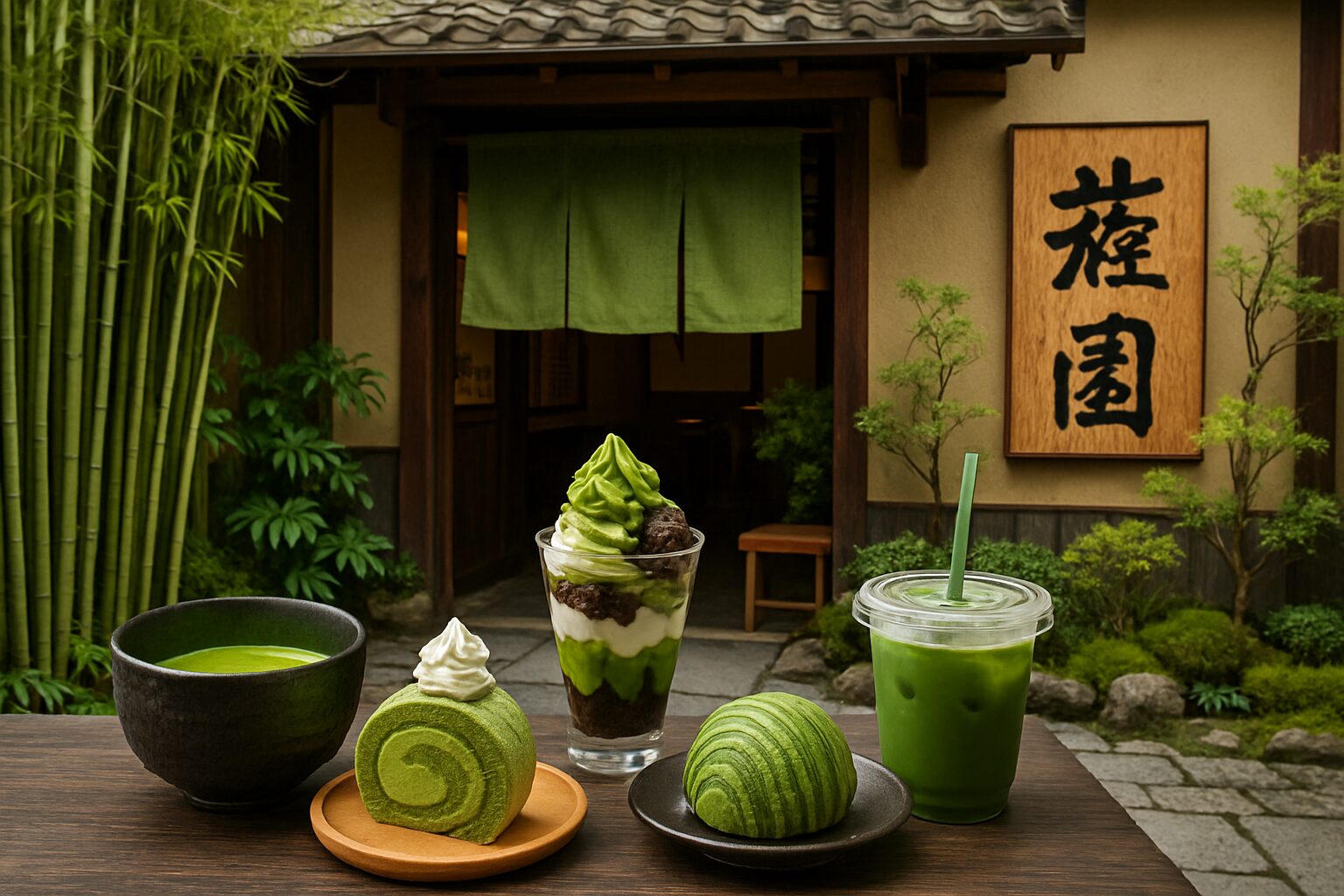
Yo, let’s talk about a place that’s low-key a real-life fairytale town, but for tea lovers. If you’ve ever sipped on a legit, high-quality matcha latte and felt your soul ascend, you’ve tasted a little piece of Uji. Nestled just a short train ride south of central Kyoto, Uji isn’t just another quaint Japanese city; it’s the undisputed ground zero for green tea. This is the OG, the motherland, the place where the cultivation of matcha was perfected into a sublime art form. For centuries, the name ‘Uji’ has been synonymous with the absolute pinnacle of Japanese tea, supplying the imperial court, shoguns, and tea masters with the finest, most vibrant green powder on Earth. But here’s the glow-up: Uji has taken its legendary tea and spun it into a mind-blowing universe of sweets. We’re talking parfaits that look like edible skyscrapers, velvety ice creams that redefine ‘rich’, and delicate mochi that will make you question every dessert you’ve had before. Visiting Uji is more than a day trip; it’s a pilgrimage to the heart of matcha culture. It’s about walking along the serene Uji River, feeling the weight of history at its ancient temples, and then diving headfirst into a cafe to taste that history transformed into a modern masterpiece. The vibe here is a perfect blend of ancient tranquility and contemporary foodie heaven. It’s a place where you can find your zen and then immediately lose it over a dessert so good, it feels like a glitch in the matrix. So, if you’re ready to treat your taste buds to something truly iconic, grab your comfiest walking shoes and an empty stomach. We’re about to explore the best matcha sweets cafes in Uji, the green tea haven that absolutely slaps. This is your ultimate guide to finding the most fire matcha creations in their spiritual home. No cap, you’re gonna want to book a ticket after this.
To fully appreciate Uji’s deep cultural roots, it’s worth exploring the rich history of the region, starting with a visitor’s guide to Kyoto’s history and significance.
The Titans of Tea: Uji’s Legendary Matcha Cafes
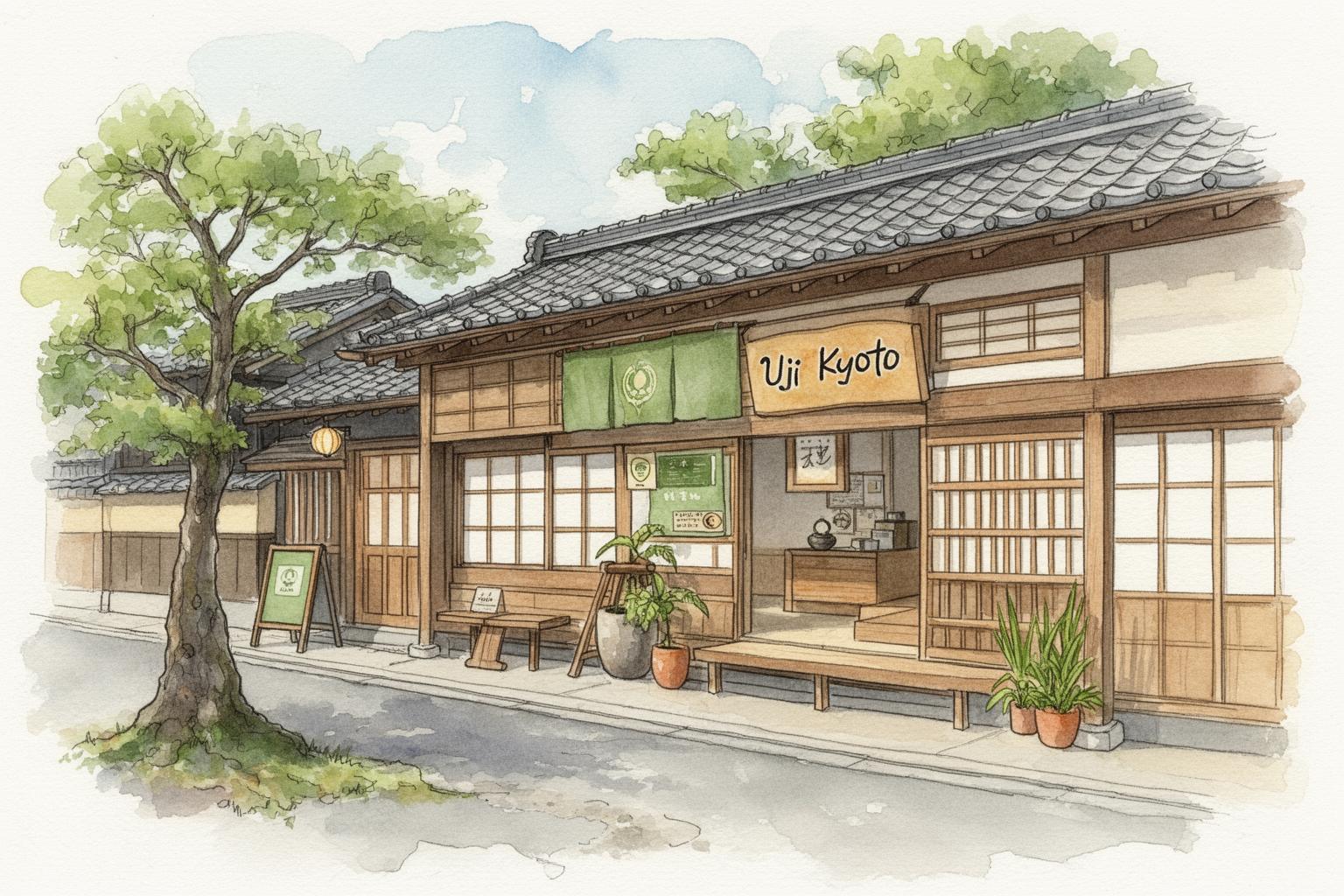
When you step off the train in Uji, the scent of tea practically fills the air. The main street from the station to the famous Byodo-in Temple, Omotesando, is lined with tea shops, some standing for centuries. The atmosphere blends reverent history with the lively excitement of visitors seeking the perfect matcha treat. This is not just a quick snack; it’s an experience of heritage. The most renowned cafes in Uji are not mere eateries; they are institutions, often run by families who have handed down the secrets of cultivating and preparing the finest tea through generations. Securing a seat at these establishments often involves waiting, but it’s a rite of passage well worth the patience. The anticipation only makes the first spoonful of vibrant green delight even sweeter. These places have set the benchmark—the titans of the Uji matcha scene that you simply must visit.
Nakamura Tokichi Honten: The Ultimate Matcha Experience
If Uji had a monarch, it would be Nakamura Tokichi. This establishment is, without exaggeration, legendary. Founded in 1854 as a distinguished tea merchant, its main store (honten) is recognized as an Important Cultural Landscape of Japan. Passing through its historic noren curtains is like stepping back in time. The building is a beautifully preserved traditional machiya, featuring a tranquil inner garden with a magnificent centuries-old pine tree. The ambiance is impeccable—calm, refined, and deeply authentic. This is not merely a cafe; it’s a cultural immersion.
Now, for the highlight: the sweets. The must-try item is the iconic Maruto Parfait. This is no ordinary dessert; it’s an architectural masterpiece served in a bamboo tube, honoring ancient traditions. It’s a carefully layered symphony of textures and flavors, featuring fluffy matcha chiffon cake, crunchy rice puffs, sweet red bean paste (anko), chewy shiratama dango (mochi balls), and a generous scoop of the richest, most intense matcha ice cream imaginable. Topped with cream and a sprinkle of potent matcha powder, each spoonful reveals new delights. What truly distinguishes it, however, is their signature ‘Namacha Jelly’—a game-changer. This deep, dark green, translucent jelly delivers the most concentrated, pure matcha flavor. It’s not overly sweet but intensely aromatic, with that distinctive umami bitterness of high-quality matcha. Silky and smooth, it’s utterly addictive. For the full experience, opt for the set that includes freshly whisked thin matcha (usucha) or thick matcha (koicha) to complement the parfait’s sweetness.
Beyond sweets, Nakamura Tokichi offers exceptional savory dishes like matcha soba or udon noodles, subtly infused with green tea—a wonderful way to explore matcha’s culinary versatility. There are two main locations in Uji: the Honten near JR Uji Station, featuring the historic building and garden, and the Byodo-in branch, perched on the riverbank with stunning views of the Uji River and nearby mountains. The Byodo-in branch is more modern with an open-air terrace, ideal for sunny days. Pro tip: both locations are extremely popular, so be ready to queue. Arrive early, add your name to the list, and use the waiting time to explore the vicinity. Peak season waits can easily exceed an hour, but the experience is so quintessentially Uji that it’s an essential part of the visit.
Itohkyuemon: The Innovative Matcha Maestro
If Nakamura Tokichi embodies Uji’s revered tradition, Itohkyuemon is its stylish, innovative younger sibling. Also founded in 1832, Itohkyuemon has developed a niche for creative, visually striking, and often seasonal matcha creations. This is the place for sweets that not only dazzle on Instagram but also deliver a flavor explosion worthy of the hype. The main tea salon near Keihan Uji Station is bright, modern, and lively, more like a contemporary patisserie than a traditional teahouse, yet their commitment to quality remains unwavering.
Itohkyuemon is renowned for its elaborate parfaits, which are true artistic creations. Their classic Uji Matcha Parfait is a staple, but seasonal specials steal the show. In early summer, the Hydrangea Parfait (Ajisai Parfait) features stunning blue and purple jellies mimicking the flower, layered with matcha cream, cookies, and ice cream. Come autumn, chestnuts and sweet potato complement their signature matcha. Each parfait perfectly balances flavors and textures, maintaining matcha as the star ingredient.
Another must-try is the Matcha Anmitsu, a traditional Japanese dessert bowl filled with agar jelly cubes, mochi, fresh fruit, anko, and served with a side of dark matcha syrup (kuromitsu) to pour over. It’s lighter than a parfait but equally satisfying. There’s also the Matcha Zenzai (sweet red bean soup with toasted mochi) for colder days and an exceptionally light and fluffy Matcha Roll Cake. The attached shop is a treasure trove of matcha-infused goods—from matcha chocolate and cookies (including divine Matcha Langue de Chat) to matcha curry and sake—perfect for souvenirs or indulgence. Due to its popularity and modern flair, Itohkyuemon often draws long queues, especially on weekends. Their efficient system and vibrant atmosphere make the wait part of the fun.
Tsuen Tea: A Sip of Living History
Prepare to be amazed. Tsuen Tea, situated at the east end of the iconic Uji Bridge, holds the Guinness World Record as Japan’s oldest continuously operating teahouse, possibly the oldest worldwide. Founded in 1160, it has been serving tea for over 860 years. Let that sink in. This teahouse has witnessed shoguns rise and fall, samurai footsteps, and the quiet reflection of countless pilgrims. Sitting inside feels like joining a long, unbroken thread of history. The building exudes rustic, timeless charm, with dark wooden beams, traditional clay walls, and a view of the gentle Uji River flow. The atmosphere is not about trendy style but profound authenticity—quiet, humble, and deeply peaceful.
Tsuen’s menu is simpler and more traditional than the others, focusing on the pure essence of tea. This is where you slow down and savor the basics, perfected. Their specialty is freshly whisked matcha served in a beautiful ceramic bowl, accompanied by a small seasonal sweet (wagashi) or their famous dango. These soft, chewy rice dumplings are skewered, lightly toasted, and generously coated with—what else?—sweet matcha paste. It’s a straightforward combination, but the ingredient quality shines through. The matcha is expertly prepared with a perfect foam and a smooth, umami-rich, invigorating flavor. This isn’t a place for towering parfaits or elaborate cakes but for a meditative moment connecting with Uji’s history and the soul of tea. You can almost sense generations of the Tsuen family who have preserved this legacy. For a true taste of Uji’s past and a moment of genuine zen, a visit to Tsuen Tea is an absolute must.
The Soul of Uji: Understanding the Green Elixir
To truly savor the sweets you’re enjoying, it helps to understand what makes Uji matcha so exceptional. This is far from ordinary green tea powder. The magic of Uji comes from its unique terroir—the climate, soil, and morning mists of the Uji River—combined with centuries of perfected cultivation techniques. The story begins in the 13th century when the Zen monk Eisai, who brought tea seeds from China, recognized the Uji region as ideal for tea growing. It was here that Japanese tea artisans pioneered the innovative technique of ‘tana,’ or shade-growing.
For about 20 to 30 days before harvest, the tea plants (Camellia sinensis) are covered with reed or straw mats to protect them from direct sunlight. This method is transformative. By limiting sunlight, the plants produce more chlorophyll, giving the leaves their brilliantly vibrant, deep green color. More importantly, it increases the production of L-theanine, an amino acid responsible for tea’s savory, umami flavor and its calming, focus-enhancing properties, while reducing catechins that cause bitterness. The leaves harvested from these shade-grown plants are called tencha. These tencha leaves are then steamed, dried, and carefully de-stemmed and de-veined. The final step is the slow, meticulous stone-grinding of the tencha into an ultra-fine powder using granite mills. It can take up to an hour to grind just 30-40 grams of matcha. This painstaking process creates the silky texture and complex, mellow flavor profile that set authentic Uji matcha apart from lower-grade green tea powders.
When you’re in Uji, you’re tasting the product of this remarkable craftsmanship. The intense, almost sweet umami flavor, the absence of harsh bitterness, and the brilliant green color are all signatures of this careful process. This is why matcha has been, and continues to be, the centerpiece of the Japanese tea ceremony (chanoyu), a spiritual practice of mindfulness and appreciation. So, as you enjoy that parfait, remember you’re not just eating a dessert—you’re tasting centuries of history, culture, and agricultural innovation in every spoonful.
Uji’s Timeless Tapestry: Exploring Beyond the Tea
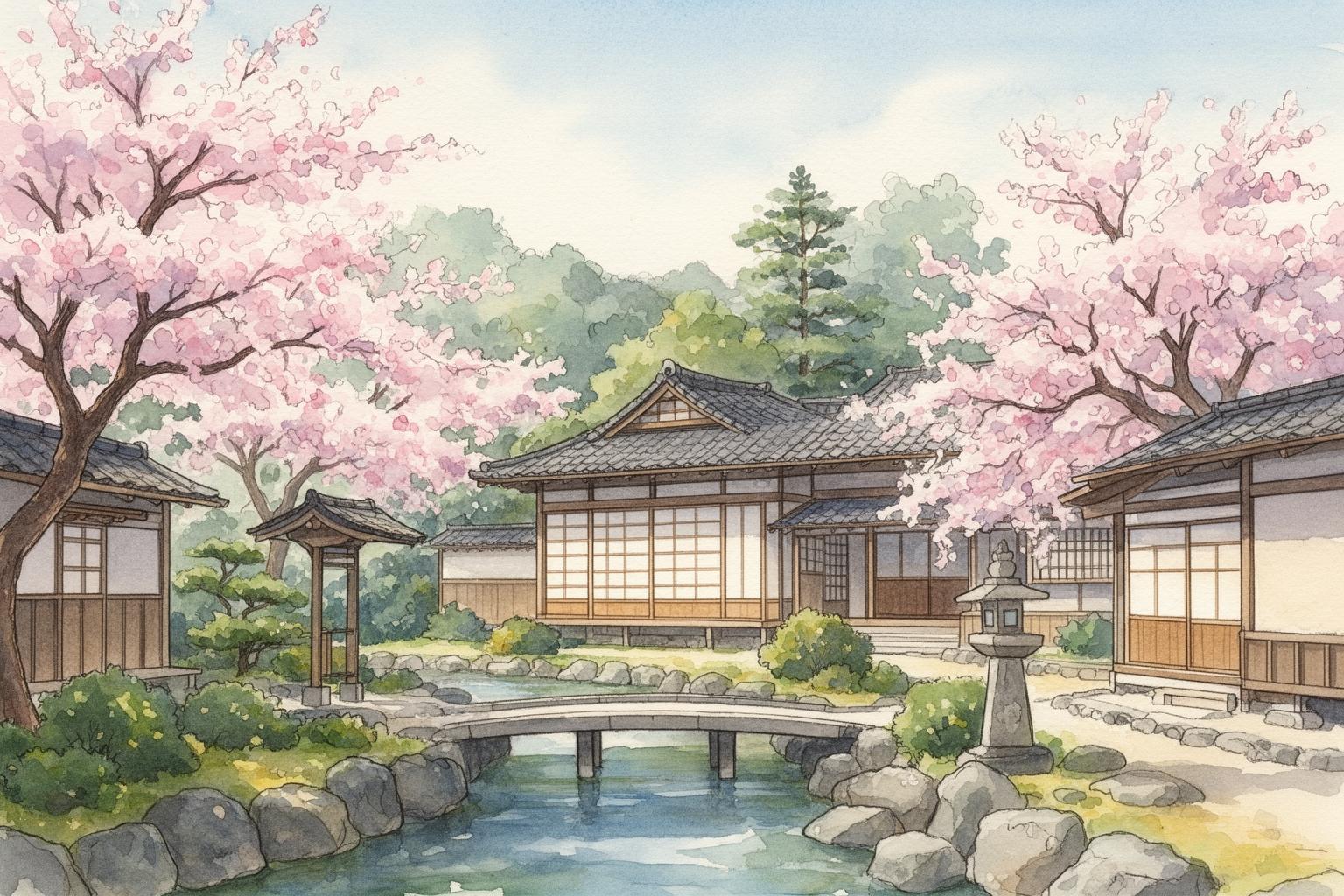
While matcha is undoubtedly the main attraction, Uji is a rich repository of cultural and historical treasures that merit your attention. The city itself is incredibly scenic and easily walkable, making it a delight to explore between café visits. The serene Uji River gracefully divides the city, and its banks are ideal for a leisurely stroll. The main sights are conveniently clustered close together, allowing you to comfortably spend an entire day soaking in the town’s peaceful ambiance.
Byodo-in Temple: A Vision of Paradise
Even if you’ve never heard of Uji, you’ve likely seen its most iconic landmark. The breathtaking Phoenix Hall of Byodo-in Temple is featured on the back of the Japanese 10-yen coin. This temple is a UNESCO World Heritage site and one of the finest examples of Heian Period (794-1185) architecture in Japan. Originally constructed as a villa for the influential Fujiwara clan, it was transformed into a temple in 1052. The Phoenix Hall was conceived as a representation of the Buddhist Pure Land Paradise on Earth, and standing before it, the reason is immediately clear. The elegant wooden structure, topped with two bronze phoenixes, seems to float on the surface of Aji-ike Pond. On a clear day, the hall’s reflection in the tranquil water is truly breathtaking. Inside, a magnificent statue of Amida Buddha, carved by the master sculptor Jocho, awaits. Don’t miss the Hoshokan Museum on the temple grounds. This modern, cutting-edge museum houses the temple’s original treasures, including the original temple bell, ancient phoenix statues, and a collection of celestial Bodhisattvas, offering incredible insight into the art and spirituality of the Heian era.
Ujigami Shrine and The Tale of Genji
A short walk from Byodo-in, nestled in a quiet forest at the foot of a small mountain, lies Ujigami Shrine. This is another UNESCO World Heritage site, with its main hall believed to be the oldest existing shrine building in Japan, dating back to around 1060. It is a beautifully rustic and understated shrine, providing a striking contrast to the splendor of Byodo-in. Its peaceful, sacred atmosphere offers a profound connection to Japan’s ancient Shinto traditions.
Uji also holds a special place in literary history. The final ten chapters of The Tale of Genji, often considered the world’s first novel, are set here. These “Uji Chapters” are known for their darker, more melancholic tone, and as you wander through the city, you can sense the romantic, slightly sorrowful mood depicted by the author, Murasaki Shikibu. A statue of her stands near the Uji Bridge, and for literature enthusiasts, The Tale of Genji Museum provides a fascinating exploration of Heian court life through beautiful reconstructions and exhibits. This literary connection adds an extra dimension to the city, making a stroll along the river feel like stepping into the pages of a timeless classic.
The Practical Playbook for Your Uji Adventure
Reaching Uji is easy, making it an ideal destination for a day trip from Kyoto or even Osaka. The key is selecting the right train line depending on where you begin your journey.
Getting There
From Kyoto Station, the quickest and most direct option is the JR Nara Line. The Rapid train takes about 17 minutes to arrive at JR Uji Station, while the local train requires around 28 minutes. JR Uji Station is conveniently situated near Nakamura Tokichi Honten, serving as a great starting point for your exploration.
Alternatively, you can use the Keihan Uji Line. If you’re coming from central Kyoto areas like Gion or Sanjo, this might be more convenient. It requires a transfer at Chushojima Station. The Keihan Uji Station is on the opposite side of the river from the JR station and places you right next to Itohkyuemon and the entrance to Byodo-in Omotesando. The trip is a bit longer but offers scenic views.
When to Go
Uji is beautiful throughout the year, with each season bringing a unique atmosphere. Spring (late March to April) is enchanting, with cherry blossoms framing the Uji River and historic bridges. This is also the peak tourist season, so expect larger crowds. Summer (June to August) is lush and green—the perfect backdrop for enjoying matcha—but it can be hot and humid. A special summer highlight is watching ‘ukai,’ or traditional cormorant fishing, on the river at night. Autumn (mid-November to early December) is spectacular, as maple trees around the temples and along the river burst into vibrant red and orange hues. Winter is calm and serene, offering a peaceful time to enjoy cafes and temples without the crowds.
Insider Tips for a Seamless Visit
- Go Early and on a Weekday: Uji is popular, so to avoid long lines at famous cafes, try to visit on a weekday and arrive before lunch. The earlier, the better.
- Divide and Conquer: If visiting with a friend, one can wait in line at a cafe while the other explores nearby shops on Omotesando.
- Bring Cash: While many larger shops and cafes accept credit cards, smaller, older places may still be cash-only. It’s wise to carry some yen.
- Wear Comfortable Shoes: Uji is best explored on foot. You’ll walk a lot between cafes, temples, and shrines, so comfortable footwear is essential.
- Don’t Just Eat Sweets: While parfaits are the highlight, be sure to try a simple bowl of high-quality Uji tea—either matcha or a steeped tea like gyokuro (a premium shade-grown sencha). Many shops offer tea tasting experiences where you can learn to brew it yourself, which is a wonderful way to deepen your appreciation for the local craft.
More Than Just a Flavor
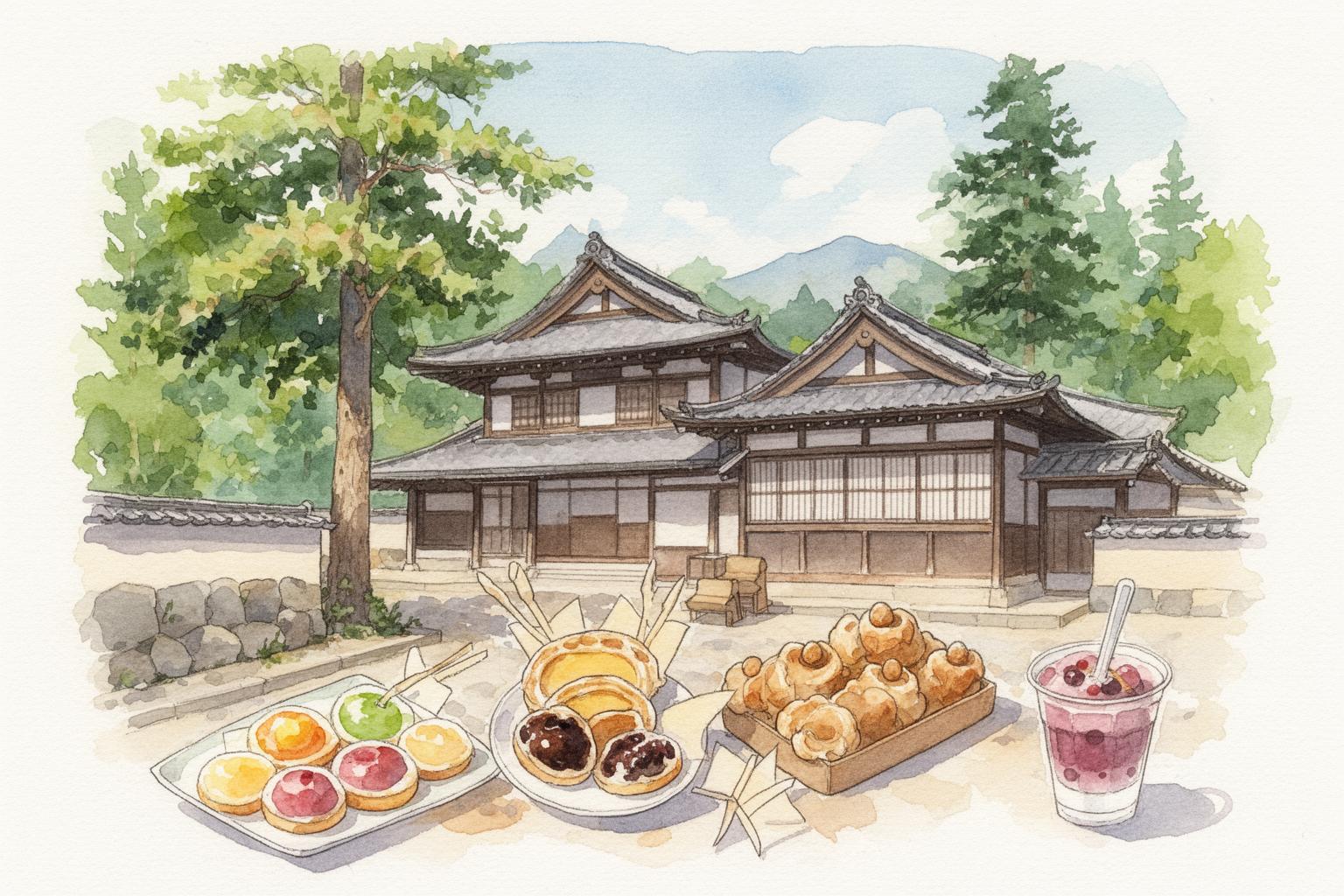
Leaving Uji, with the lingering taste of sweet, earthy matcha on your tongue and the serene scenes of its river and temples etched in your mind, you realize your visit was about far more than just dessert. It was a journey into the heart of a culture that cherishes patience, precision, and the profound beauty found in simple, perfect things. Uji shows you that matcha is not merely a flavor; it’s a philosophy. It lives in the centuries of dedication passed down through families, the careful attention of tea farmers, the quiet grace of tea masters, and the joyful creativity of pastry chefs. It’s a taste of history, a sip of tranquility, and a bite of pure, unadulterated bliss. Whether you are a devoted matcha lover or an intrigued newcomer, a day spent in this green tea haven is an experience that will linger long after the last spoonful is savored. It’s a vibe, it’s a mood, and it’s an essential part of any trip to Kyoto. Go find your perfect matcha moment.