Yo, let’s get real for a second. When you picture Japan, what pops into your head? Neon-drenched Tokyo streets? Serene Kyoto temples? Maybe some powder-slaying in Hokkaido? All totally lit, for sure. But what if I told you there’s another Japan? A wilder, more primordial version, where the planet itself is breathing, smoking, and showing off its raw, untamed power. I’m talking about the heart of Kyushu island, a place that’s home to the Aso-Kuju National Park. This ain’t your standard tourist trail; this is a full-on immersion into a landscape that feels like it was ripped from a fantasy epic. We’re talking about cruising inside one of the biggest volcanic calderas on Earth, hiking across jet-black deserts, and chilling in grasslands so green they straight up break your brain. This region is a whole mood, a next-level adventure that’s about feeling the ground tremble, the wind sweep across vast open spaces, and the rejuvenating heat of water that comes from deep within the earth. It’s where you reconnect with something ancient and powerful. So, if you’re ready to trade cityscapes for volcanic craters and zen gardens for sprawling panoramas, then buckle up. Kyushu’s heartland is calling, and trust me, you’re gonna want to answer. It’s a vibe that will stick with you long after you’ve left, a reminder of the planet’s epic, creative force.
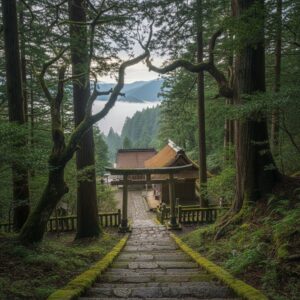
For a truly mystical experience that complements the park’s raw energy, be sure to visit the enchanting Kamishikimi Kumanoimasu Shrine.
The Aso Caldera: A Vibe Check Like No Other
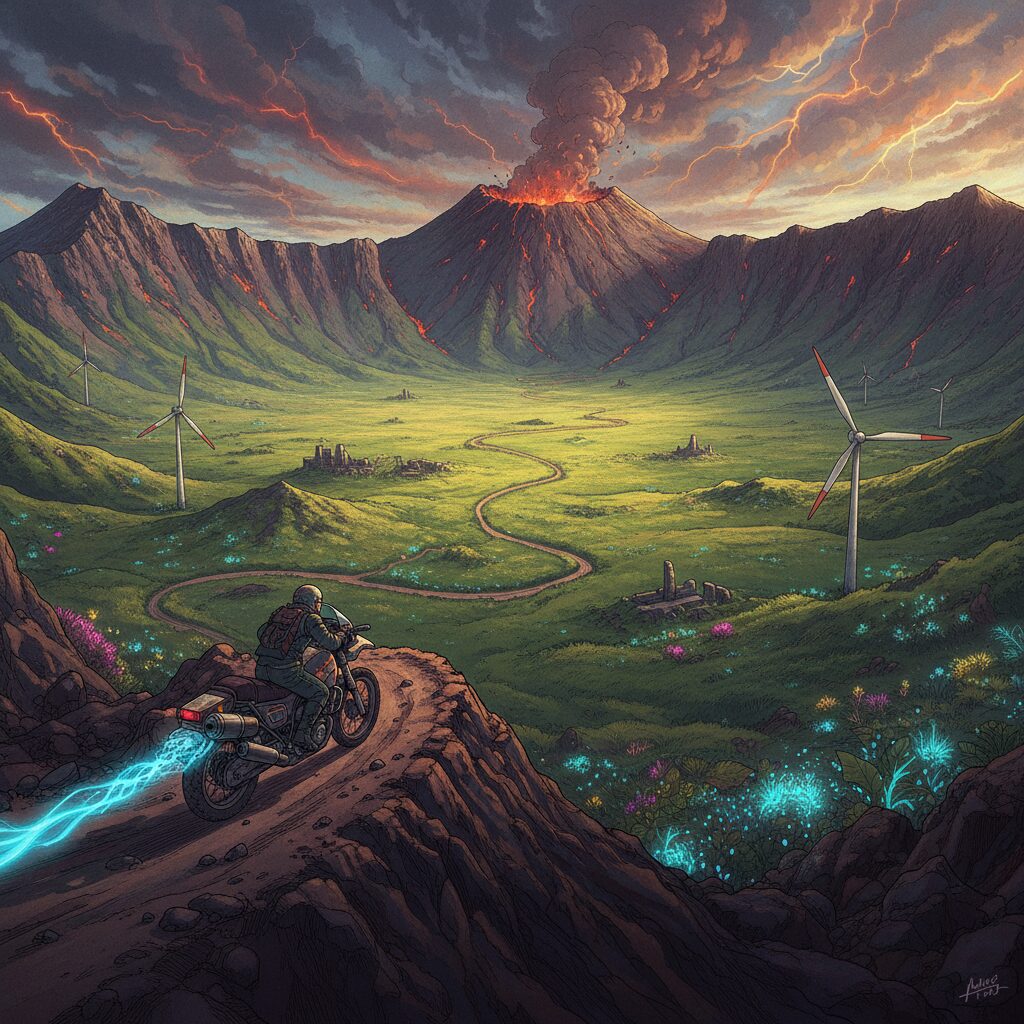
First and foremost, you need to grasp the immense scale of this place. The Aso Caldera is not merely a large crater; it’s a vast sunken basin stretching about 25 kilometers from north to south, with a circumference exceeding 120 kilometers. It’s so enormous that entire towns, train lines, and thousands of acres of vibrant green rice paddies are comfortably nestled within it. Driving into the caldera is an experience in itself. As you cross over the outer rim mountains, the world suddenly falls away, unveiling this massive, flat-bottomed bowl with a cluster of active volcanic peaks billowing smoke right in the center. The atmosphere shifts instantly. The air feels different—crisper, fresher, and depending on the wind’s direction, you might catch the faint, exhilarating scent of sulfur. It’s a subtle, constant reminder that you’re actually relaxing inside an active supervolcano. Yet, instead of feeling frightening, it’s strangely soothing. You feel incredibly small, but in a comforting way. It’s a reality check that puts all your daily worries into perspective. This landscape has existed for millennia, shaped by unimaginable forces, and you get to be a temporary guest in its epic tale. The caldera walls, known as the somma, surround you like a protective embrace from an ancient giant, creating a world within a world that feels both isolated and profoundly peaceful. It sets the perfect stage for the adventure ahead, evoking a sense of awe even before you approach the main attractions.
Mount Aso: The Main Character
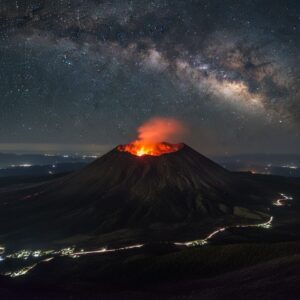
At the heart of the caldera sits the main attraction, the central cone group of Mount Aso, with the undeniable star being Mount Nakadake. This is the peak you see in every photo—the moody, smoldering summit known as one of Japan’s most active and unpredictable volcanoes. Getting close to Nakadake is almost a spiritual experience, offering a rare glimpse into the raw forces shaping our planet.
Facing the Dragon: Mount Nakadake’s Crater
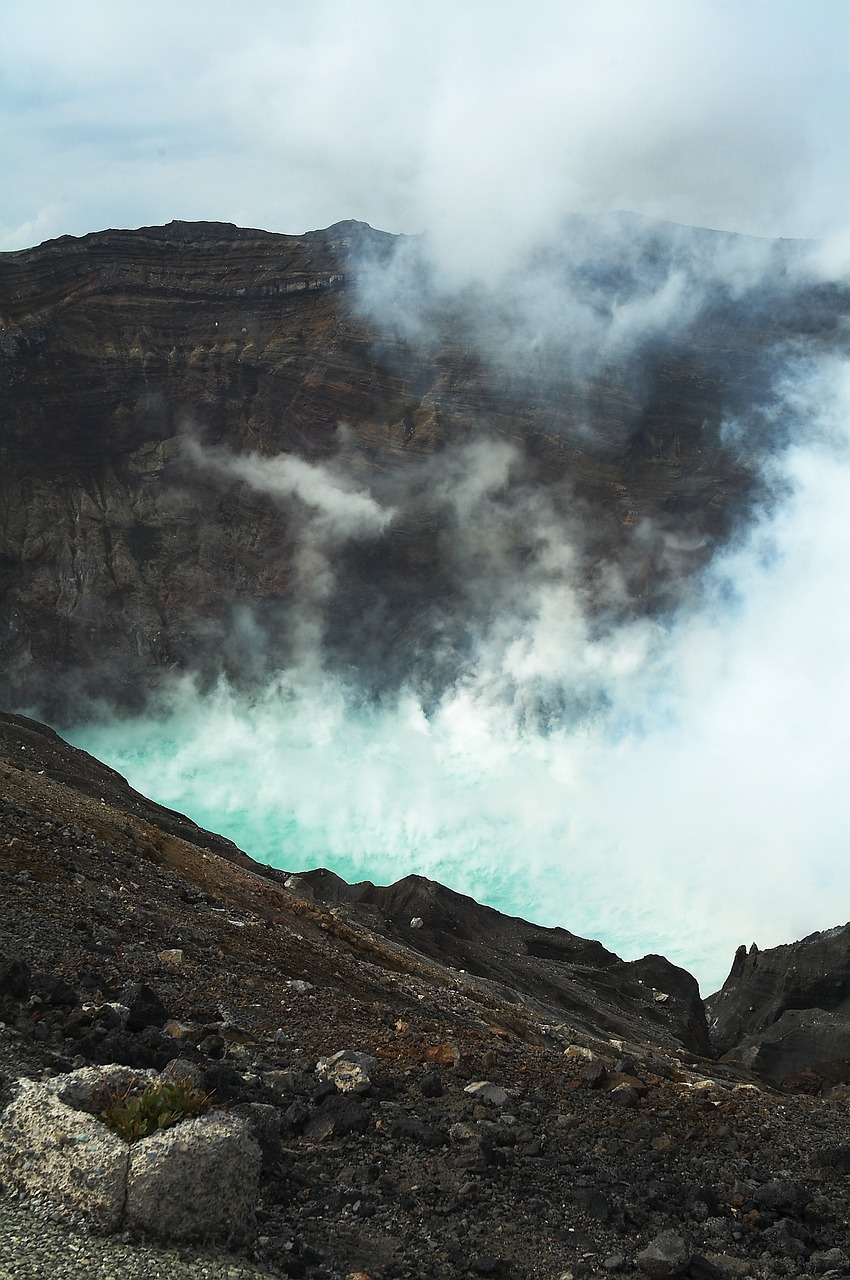
You can drive or take a shuttle bus most of the way up, and the journey itself is spectacular. The landscape shifts dramatically from lush green hills to a stark, almost lunar expanse of jagged rocks and volcanic ash. As you ascend, you’ll spot heavy-duty concrete shelters scattered around—not art, but protective refuges for when the volcano throws a fit. It’s a powerful reminder that this is no theme park ride—nature is in control here, full stop. Then you reach the summit. Walking the last few hundred meters, the smell of sulfur intensifies with each step until you stand at the edge, peering down into the abyss. And wow. Just wow. On a clear day, the crater reveals a steaming, turquoise lake of acidic water, bubbling and hissing like a witch’s cauldron. Plumes of volcanic gas rise and catch the light, swirling in the wind. The raw power is almost tangible. You can feel a subtle vibration through your shoes. It’s quietly terrifying yet utterly awe-inspiring. One crucial thing to keep in mind: Nakadake is temperamental, and its mood controls everything. Crater access can be restricted at any moment due to volcanic gas levels. Always, and I mean always, check the official status online before your visit. Being turned away is disappointing, but safety comes first. When you get the green light, though, it’s an unforgettable experience. You’re literally staring into the belly of the beast, a sight that will leave you speechless.
Walking on the Moon: Sunasenri-ga-hama
Just beside the Nakadake crater lies a place that feels otherworldly: Sunasenri-ga-hama. The name roughly means ‘thousand-ri sandy shore,’ but there’s no water here. It’s a vast, desolate plain of black volcanic sand and gravel, forged by countless eruptions. Walking across Sunasenri is surreal. The only sounds are the crunch of your boots on the dark sand and the whistle of the wind. A hiking trail cuts through the plain, a sharp line in the monochrome landscape. It’s the kind of place that invites deep reflection. The scale is vast, the emptiness profound, yet it’s a beautiful, pure kind of emptiness. Here you can truly grasp the volcano’s destructive yet creative power. This seemingly lifeless desert is the foundation from which new life will eventually emerge. It’s a popular starting point for more challenging treks to other peaks in the central cone group, like Mount Kishimadake, which contrasts sharply with its grassy slopes. But even if you’re not ready for a big hike, spending an hour wandering Sunasenri, feeling like an astronaut exploring alien terrain, is an essential part of the Aso experience.
Kusasenri-ga-hama: The Ultimate Chill Zone

If Sunasenri represents Aso’s desolate, moody side, then Kusasenri-ga-hama, just a short drive away, is its bright, lively counterpart. The contrast is truly striking. One moment you’re in a black-and-grey moonscape, and the next you’re arriving at a breathtaking panorama of lush, sprawling green grassland. Kusasenri is an expansive, 785,000-square-meter prairie nestled in the mountains, featuring wide, shallow ponds that mirror the sky and the dramatic, smoking outline of Nakadake in the distance. It’s a scene straight out of a Ghibli film, with a vibe that’s purely relaxed and unhurried. Herds of cows and horses roam freely, grazing calmly, enhancing the idyllic, almost dreamlike feeling. You could easily spend hours here doing… well, nothing. Find a patch of grass, lie back, and watch the clouds drift overhead. It’s the perfect counterbalance to the intensity of the crater. But if you’re up for something more active, Kusasenri has options. You can take a gentle horseback ride, letting the horse do the work while you enjoy 360-degree views. It’s a slow, rhythmic way to connect with the landscape differently. There’s also the Aso Volcano Museum, which is far more interesting than it might sound. It offers plenty of context with interactive exhibits and, best of all, a live camera feed from inside Nakadake crater—so you can see it even if direct access is restricted. And we can’t forget the snacks, which are an essential part of the Kusasenri experience. You’ll find stalls selling grilled corn on the cob, smoky skewers of local Akaushi beef, and the absolute highlight: soft-serve ice cream made from fresh, creamy Aso milk. Grabbing a cone and savoring it with that epic view is one of life’s simple, perfect joys.
Level Up Your Hike: The Kuju Mountains
While Mount Aso enjoys most of the international acclaim, for dedicated hikers and nature enthusiasts, the true gem of the national park is the Kuju mountain range. Situated just northeast of the Aso caldera and linked by the stunning Yamanami Highway, Kuju is an expansive volcanic massif offering some of the finest hiking in Japan. This is the roof of Kyushu—a land of towering peaks, vast marshlands, and breathtaking seasonal beauty that is simply unrivaled.
The Roof of Kyushu Calls
The Kuju range offers a different vibe than Aso. It’s less about the singular, dramatic spectacle of an active crater and more about the immersive experience of a vast, high-altitude wilderness. These mountains are older and more weathered, their slopes adorned with dwarf bamboo, hardy shrubs, and alpine flowers. The range boasts several major peaks, including Mount Kuju itself and the highest point on Kyushu island, Mount Nakadake (not to be confused with Aso’s Nakadake). The trail system is extensive, ranging from gentle walks to demanding multi-day hikes. The air here is thin and crisp, with silence broken only by the wind and birdsong. It’s a place to test your limits physically and reward yourself with views that seem to stretch endlessly.
The Makinoto Pass Adventure
A highly popular and deeply rewarding day hike begins at the Makinoto Pass trailhead. This route offers a fantastic introduction to Kuju’s wonders. The trail starts with a tough climb of paved switchbacks and stairs—don’t be discouraged, this is the hardest part—before opening onto a stunning ridge. From there, the hike becomes pure pleasure. You’ll follow well-maintained paths and wooden boardwalks that protect the fragile alpine ecosystem. The scenery is consistently spectacular, with the entire Kuju range spread out before you. The trail leads to Kuju Wakare, a junction where you decide your final climb: head toward Mount Kuju for classic panoramas, or continue on to Nakadake to stand atop Kyushu’s highest peak. Either choice rewards you with a profound sense of achievement and panoramic views, including the distant smoking peaks of Aso. The round trip takes 4 to 6 hours, depending on your pace and how long you linger at the summit. Pro tip: weather can shift rapidly here, so bring layers, waterproof gear, plenty of water, and snacks, even if it’s sunny at the start.
Seasonal Splendor: Kuju’s Ever-Changing Beauty
One of Kuju’s most famous traits is how dramatically it transforms through the seasons, making it a destination worth revisiting. In late May and early June, the mountains burst into a vibrant display of pink and magenta. This is the season of the Miyama Kirishima, an alpine azalea that blankets the slopes in one of the most stunning floral displays you’ll ever see. It’s a natural spectacle that attracts visitors from across Japan. Summer brings lush greens and delicate alpine blooms, perfect for lively, colorful hikes. But for many, autumn is the highlight. From mid-October to early November, the mountains ignite with ‘koyo,’ or autumn foliage. The slopes, especially around Mount Taisen, transform into a breathtaking mosaic of fiery reds, vivid oranges, and golden yellows set against deep green pines and an endless blue sky. It’s truly one of the country’s most magnificent sights. Winter casts its own serene charm. Snow often dusts the peaks, and on cold, clear days, ‘muhyo,’ or hoarfrost, coats the trees, turning the landscape into a shimmering winter wonderland.
Marshland Wonders: Tadewara & Bogakatsuru
Hidden within the Kuju range are two remarkable marshlands, Tadewara and Bogakatsuru, showcasing a different facet of natural beauty. Tadewara, near the Chojabaru Visitor Center, is easily reachable via elevated wooden boardwalks that allow visitors to explore the wetland without harming its delicate ecosystem. It’s a sanctuary for rare plants and birdlife, offering iconic views of open marshes with smoking volcanic peaks in the background. Each spring, the marsh undergoes a controlled burn, or ‘noyaki,’ a centuries-old tradition to prevent shrub overgrowth and maintain the grassland ecosystem. Further into the mountains lies Bogakatsuru, a larger, more remote marsh surrounded by peaks. It’s a favored camping spot, and spending a night here beneath a sky thick with stars is a truly unforgettable experience.
Fueling the Adventure: Kyushu Food is Fire
You can’t spend your days hiking volcanoes without refueling properly. Fortunately for us, the Aso region’s culinary scene is just as impressive as its landscape. The food here is hearty, genuine, and deeply rooted in the land. It’s the kind of meal that warms your soul after a long day outdoors.
The Legend of Akaushi Beef
Let’s discuss the undisputed star of local cuisine: Akaushi. This is the Japanese Brown Cow, a breed raised on the expansive grasslands of Aso for centuries. These are happy cows, freely grazing on lush pastures, which creates beef that’s very different from the heavily marbled, fatty wagyu you might know. Akaushi is leaner, but delivers an intense, savory, umami flavor that’s truly extraordinary. It’s served in many ways, but one popular option is Akaushi-don, a rice bowl topped with perfectly cooked, rosy-pink steak slices, often drizzled with a sweet and savory sauce and garnished with a soft-boiled egg. It’s rich, satisfying, and the perfect reward after a day’s exertion. You’ll also find it as a steak, in yakiniku barbecue, or as delicious roadside skewers. No matter how you enjoy it, it’s a must-try. This isn’t just a meal—it’s a taste of Aso’s terroir.
Hearty Comfort: Dangojiru and Takana-meshi
For an authentic taste of local comfort food, you must try Dangojiru. This hearty miso-based soup is filled with root vegetables like carrots, daikon radish, and burdock root, along with mushrooms and thick, chewy handmade dumplings. It’s a rustic, warming dish that feels like a hug in a bowl, especially on a chilly day. It’s often served with Takana-meshi, rice mixed with ‘takana,’ a spicy pickled mustard green that thrives in Aso’s volcanic soil. The salty, spicy tang of the takana perfectly cuts through the richness of the soup. This simple, unpretentious meal speaks volumes about the region’s agricultural heritage and is beloved by locals for good reason. It truly slaps.
Post-Hike Glow Up: Kurokawa Onsen is the GOAT
After days of challenging your muscles on volcanic slopes, there’s no better way to recover and treat yourself than by immersing yourself in the soul-soothing, mineral-rich waters of a natural hot spring. In this part of Kyushu, the undeniable GOAT of onsen towns is Kurokawa Onsen. Nestled in a forested valley just a short drive from the main Aso-Kuju attractions, this place feels utterly magical.
A Town Built on Steam
Kurokawa Onsen stands in stark contrast to modern resort towns. There are no huge concrete hotels, no flashy neon signs, and no tourist traps. The town has deliberately preserved its traditional, rustic charm. The whole village stretches along a rushing river, linked by narrow stone steps and wooden bridges. The buildings are traditional wooden ryokans (inns) and shops, featuring dark wood and white plaster walls. At night, the town glows softly by lantern light, and the only sounds you hear are the babbling river and the gentle ‘clack-clack’ of people walking in ‘geta’ (wooden sandals) and ‘yukata’ (light cotton robes) provided by their inns. The atmosphere is incredibly romantic and peaceful, as if you’ve stepped back in time. The entire town itself is the resort, and the goal is simply to slow down, relax, and soak.
The Onsen Hopping Quest
One of the most unique and enjoyable aspects of Kurokawa is its ‘Nyuto Tegata,’ or onsen hopping pass. For a very reasonable price, you receive a beautiful cedar-wood medallion to wear around your neck. This pass grants you access to the outdoor baths (‘rotemburo’) of any three different ryokans in town. Each inn features its own uniquely and beautifully designed bath. You might find yourself soaking in a cave bath carved directly into the rock, or bathing beside a roaring waterfall where you can feel the spray on your face. Or perhaps you’ll relax in a vast open-air pool with panoramic views of the surrounding forest. Exploring the town, peeking into different ryokans, and selecting your next soak is a fantastic adventure in itself. The water quality varies slightly from spring to spring, with each mineral composition said to have distinct health benefits. But honestly, they all feel amazing on tired hiking legs.
Onsen Etiquette 101: The Unspoken Rules
For first-timers, onsen can feel a bit intimidating, but it’s really easy once you know the basics. Here’s the lowdown so you can onsen like a pro. First, baths are gender separated. Look for the characters for male (男) and female (女) on the curtains. Before entering the main bath, you must wash yourself thoroughly at the small shower stations provided. This is very important—the onsen is meant for soaking, not cleaning. You’ll be given a small towel that you can use for modesty while walking around, but it should never go into the bath water itself. Most people fold it up and place it on their head. And yes, you go in completely nude. No swimsuits allowed. It might feel strange at first, but literally nobody cares. It’s a place of relaxation, not judgment. Just follow the locals, move slowly, speak softly, and enjoy the pure bliss of the experience.
The Logistics Lowdown: How to Not Get Lost
Alright, let’s cut to the chase. This wild paradise is stunning, but it does require some planning to navigate smoothly. Getting it right will be the difference between a good trip and an unforgettable one.
How to Get There: Accessing the Park
Your primary entry points to the region are Kumamoto Airport (KMJ) and Fukuoka Airport (FUK). Kumamoto is closer, but Fukuoka is a larger international hub with more flight options. From either city, you can catch trains and buses to reach the Aso area; however, keep in mind that public transportation here is limited. It’s available, but services are infrequent and won’t take you to all the trailheads and scenic viewpoints. It’s manageable if you’re on a tight budget and have plenty of time and patience, but it’s not the ideal route.
You’re Gonna Need a Car. No Joke.
I’m just going to say it: to fully experience Aso-Kuju National Park, you need to rent a car. No joke. The freedom to stop at scenic spots whenever you want, to adjust your plans based on the weather, or to explore interesting side roads is priceless. Driving is part of the adventure itself, especially along the famed Yamanami Highway, a scenic route winding through the park, linking Aso and Kuju with breathtaking views at every turn. Book your rental well ahead, especially in peak seasons like autumn. Ensure you have an International Driving Permit from your home country. The roads are well-maintained but can be narrow and winding, so take your time and savor the drive. Having a car changes the trip from a logistical hassle into an epic road trip experience.
Where to Stay
You have a variety of accommodation options. For a luxurious and culturally rich experience, splurge on a night or two at a traditional ryokan in Kurokawa Onsen. Prices often include a stunning multi-course ‘kaiseki’ dinner and breakfast, making it well worth it. Around the Aso station area and nearby Uchinomaki Onsen, you’ll find a wider range of budget-friendly hotels, guesthouses, and ‘minshuku’ (family-run inns), which serve as practical bases for exploring the caldera. For the truly adventurous, several well-equipped campsites are scattered throughout the park, offering the chance to sleep under the stars in this incredible landscape.
Side Quests & Hidden Gems
While the main attractions are undeniably must-see, part of Aso-Kuju’s charm lies in its hidden corners and lesser-known spots. These are the places that make you feel as if you’ve uncovered a secret.
Daikanbo Lookout
Situated on the northern edge of the Aso caldera, Daikanbo provides perhaps the most stunning panoramic view in all of Kyushu. From this vantage point, the entire caldera stretches out beneath you, with the five central peaks of Mount Aso—said to resemble a sleeping Buddha—nestled in the center. The best time to visit is early morning. On cool, calm days in spring and autumn, you might witness the ‘unkai,’ or sea of clouds, where a thick white fog blankets the caldera floor, leaving only the central peaks visible, like islands in a heavenly ocean. It is a deeply moving, almost spiritual experience.
Nabegataki Falls
This may not be the largest or most powerful waterfall you’ll ever see, but it might just be one of the most enchanting. Nabegataki is a wide, curtain-like waterfall with a special feature: a large hollow space behind the falls that lets you walk behind the cascading water. The view from behind the falls, looking out through the shimmering, sunlit curtain, is otherworldly and incredibly photogenic. It feels like stepping into a hidden fairy grotto.
Komezuka
You can see this one from all over the caldera. Komezuka is a small, perfectly shaped volcanic cone covered in vivid green grass. It looks like something a child might draw—almost too perfect to be real. Legend has it that the deity of Aso created it by piling up rice for the local people, with a small dent at its peak where he scooped out a handful to give to the hungry. Climbing it is no longer allowed to protect its delicate grassy slopes from erosion, but it remains a beautiful, iconic part of the Aso landscape and a wonderful subject for photography.
This land buzzes with energy. It’s in the sulfurous steam rising from the earth, the vast silence of the grasslands, the soothing warmth of the onsen water. It’s a place that feels both ancient and alive simultaneously. Hiking across Kyushu’s roof, you feel the burn in your legs and the wind on your face—a powerful reminder that you, too, belong to this wild, wondrous world. From the breathtaking moment you gaze into Nakadake’s crater to the blissful sigh as you melt into an outdoor bath in Kurokawa, Aso-Kuju offers one unforgettable experience after another. It’s more than just a trip; it’s a total body and soul reset. A journey into the raw, pulsing heart of Japan—and, in a way, into the very heart of the planet itself. So, what are you waiting for? The mountains are rumbling, the grasslands are calling. Go out and answer.