Yo, let’s get real for a sec. You’ve seen the pics, right? The neon-drenched streets of Tokyo, the thousand-gate tunnels of Kyoto, the whole iconic Japan starter pack. It’s all fire, no doubt. But what if I told you there’s another Japan? A deeper, greener, quieter world that feels like it was ripped straight out of a Studio Ghibli film. A place where the air itself hums with ancient energy and every step takes you further from the hustle and deeper into a legit fantasy realm. I’m talking about a spot so magical, so utterly transportive, it redefines what you think a shrine can be. Tucked away in the heart of Kyushu, deep within the mountainous embrace of Kumamoto Prefecture, lies the Kamishikimi Kumanoimasu Shrine. This isn’t just a destination; it’s a full-blown spiritual glow-up, a pilgrimage into the soul of a sacred forest. Forget what you know. This is where the real magic happens. It’s the kind of place that grabs you, quiets your mind, and makes you feel like you’ve stumbled upon a secret the world wasn’t supposed to show you. It’s the ultimate IYKYK (if you know, you know) spot for anyone chasing that authentic, soul-stirring Japan experience. Prepare to have your reality recalibrated.
For those captivated by Kumamoto’s mystical landscapes, the region also offers incredible opportunities for stargazing near the majestic Mount Aso.
The Green Tunnel: A Stairway to Serenity
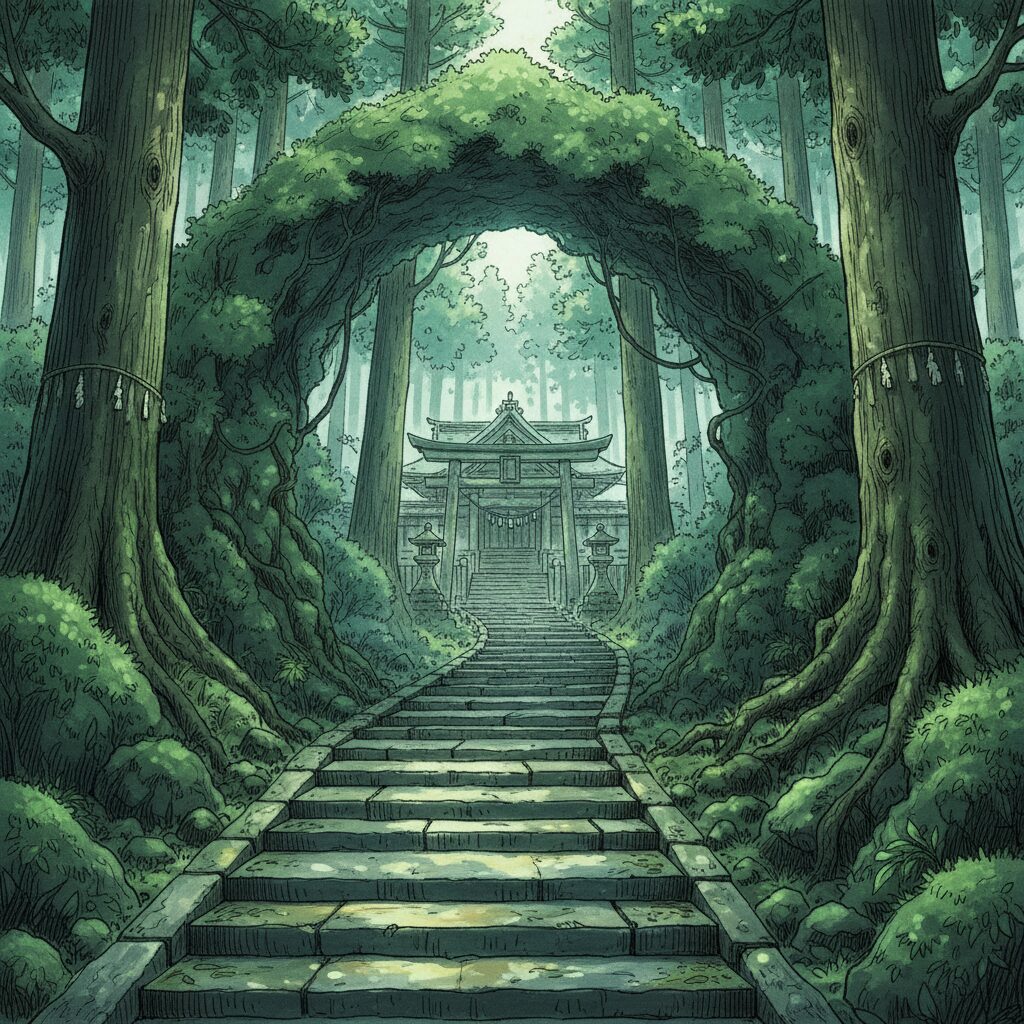
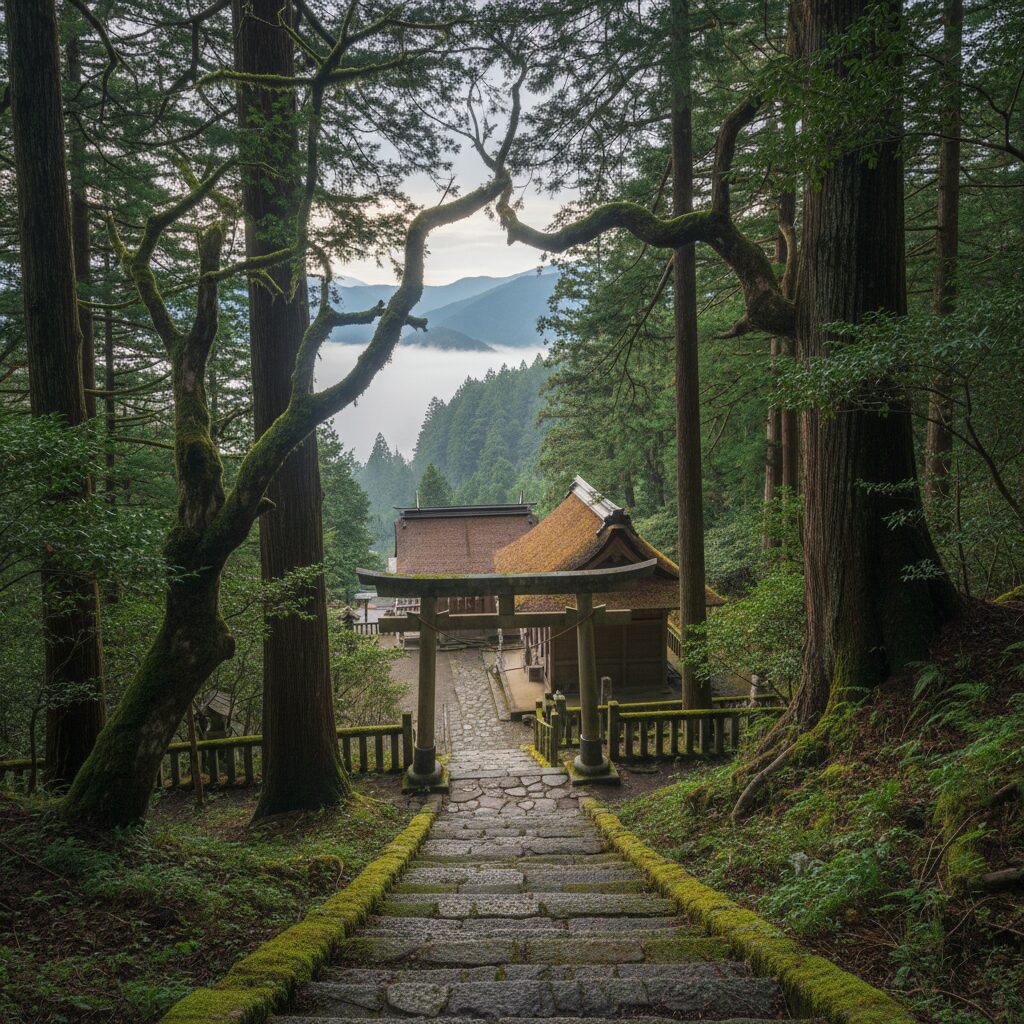
The journey to Kamishikimi Kumanoimasu Shrine is not merely about reaching the destination; it’s about the approach itself. It’s an entire ritual. From the moment you step out of your car and pass beneath the first simple, weathered stone torii gate, the atmosphere shifts instantly and completely. The modern world simply… fades away. You’re immediately welcomed by the main attraction, the reason this place floods social media with awe-filled captions: the grand stone staircase. But photos, honestly, don’t do it justice. They can’t fully convey the immense scale or the profound sense of peace that envelops you. This isn’t a quick climb; it’s a long, winding ascent into the heart of the forest. There are nearly three hundred steps, though you’ll scarcely find yourself counting them. Each step is uneven, worn smooth by centuries of pilgrims, blanketed in a lush carpet of emerald-green moss that seems to emit its own gentle glow. It’s as if nature chose to reclaim this sacred path, not to erase it, but to honor it—making it part of the living, breathing landscape.
At either side of this majestic stairway stands a legion of stone lanterns, each a silent guardian of the way. More than a hundred stand shoulder to shoulder, their stone surfaces aged and covered in the same vibrant moss. They light your path, marking the shift from the ordinary to the sacred. Imagine walking here in the early morning, when a low-hanging mist clings to the forest floor and the only illumination comes from soft, filtered sunbeams piercing through the dense canopy of ancient cedar trees overhead. The atmosphere is pure and unspoiled. The air grows cooler and damper. The only sounds are your footsteps on the stone, the gentle rustling of leaves, a distant bird’s call, and perhaps the faint trickle of a hidden stream. The trees themselves are enormous, their trunks thick and gnarled, stretching skyward like the pillars of a natural cathedral. They’ve endured for hundreds of years, witnessing countless seasons and prayers. You can’t help but feel small in their presence, humbled by the sheer age and grandeur of this place. This walk becomes a meditation. It encourages you to slow down, breathe deeply, disconnect from your phone, and connect with the earth’s primal energy. It’s the ultimate form of forest bathing, or shinrin-yoku, cleansing your spirit well before you reach the main sanctuary. This is your main character moment—stepping into a story that started long before you were born.
Whispers in the Wood: The Sanctuary’s Embrace
After what feels like a journey to another realm, the forest canopy parts slightly, and you finally reach the main shrine building, the haiden, or hall of worship. It’s not a grand, ornate structure overflowing with gold. No, Kamishikimi Kumanoimasu Shrine embodies understated, rustic elegance. It’s a modest, unpainted wooden building that appears to have naturally emerged from the mountainside it rests against. The architecture is pure, traditional Shinto, crafted to harmonize with nature rather than overpower it. The dark, weathered wood speaks to its age, its surface bearing the marks of countless rainy seasons, snowy winters, and sunlit summers. The roof, with its gentle, sweeping curves, is tiled in the traditional style and, naturally, adorned with the signature moss, visually and spiritually linking it to the surrounding forest. The delicate wooden carvings beneath the eaves are subtle but beautiful, depicting dragons and other mythical creatures, their details softened by time.
Standing before the haiden is a deeply moving experience. The silence here differs from that on the path; it’s heavier, more profound, imbued with the weight of history and devotion. You can almost hear the echoes of centuries of whispered prayers. This shrine is dedicated to Izanagi-no-Mikoto and Izanami-no-Mikoto, the two primordial deities in Shinto mythology credited with creating the islands of Japan. This knowledge adds a cosmic significance to the place. You’re standing in a space honoring the very origin of the nation, a concept so vast it’s hard to fully grasp. Yet, you don’t need to be a history enthusiast or religious scholar to sense the power here. The atmosphere is universal. It’s a feeling of peace, reverence, and presence in something truly ancient and sacred. You’ll notice prayer plaques (ema) hanging, filled with the hopes and dreams of visitors, along with a collection box for offerings. Taking a moment here to offer a small prayer or simply stand in quiet reflection feels entirely natural. It’s an opportunity to just be, allowing the profound tranquility of the shrine to seep into your soul. This is the heart of the shrine, a place of quiet communion between humanity, nature, and the divine.
Ugeto-iwa: The Portal to Power
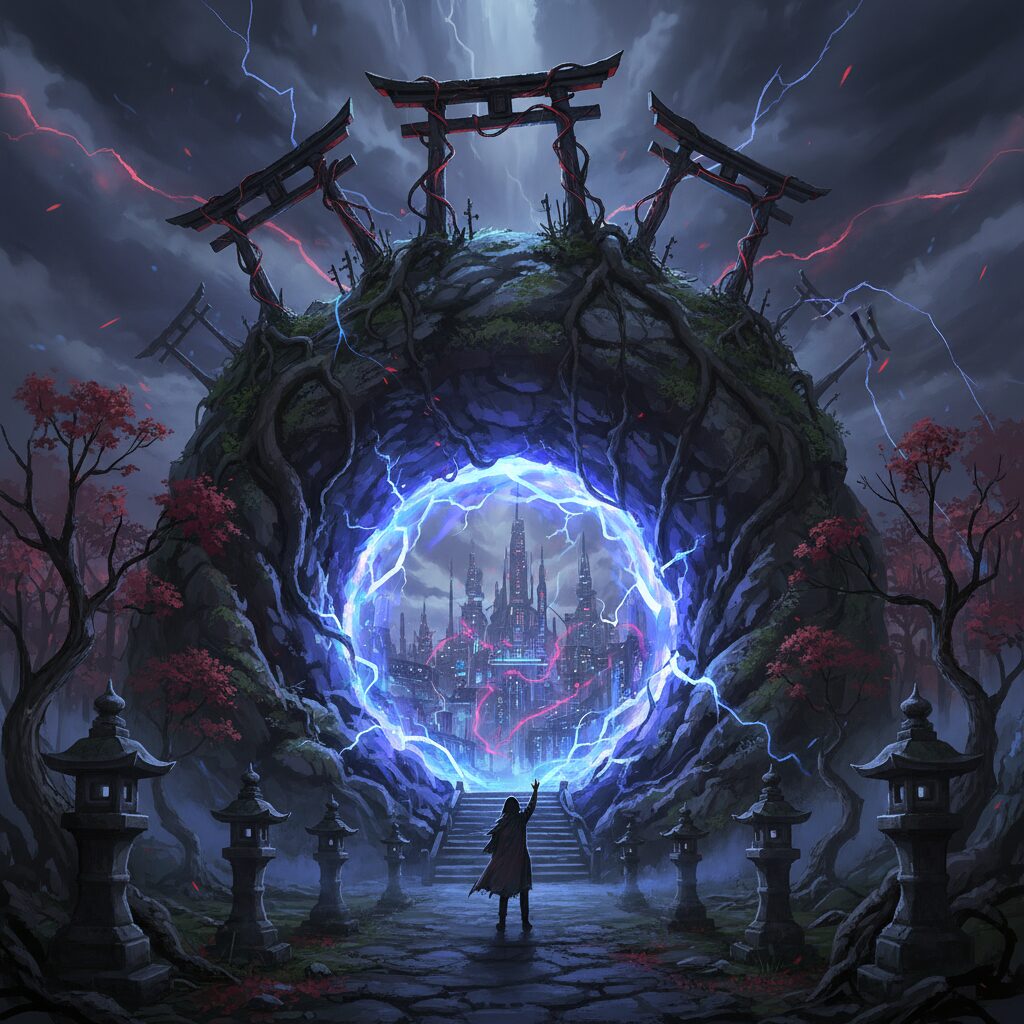
Just when you believe you’ve reached the spiritual pinnacle of the experience, you realize there’s more to discover. The true highlight, the shrine’s most iconic feature, lies just beyond the main hall. Follow a narrow, winding path further up the mountainside, and you’ll encounter something truly extraordinary: the Ugeto-iwa. This enormous rock formation, a massive section of the mountain itself, has a huge, gaping hole through its center. It’s not a cave, but a natural wind tunnel, an archway that appears as if it were punched through the earth by a giant. Its scale is awe-inspiring, immediately capturing your attention. The name Ugeto-iwa roughly translates to “wind-blown rock hole,” and standing before it, you can often feel a cool breeze flowing through, as if the mountain itself is breathing.
This isn’t merely a geological marvel; it’s rich with captivating folklore. According to local legend, this hole was kicked open by Kihachi, a servant of the deity of Mount Aso, famed for his extraordinary strength. The tale varies, but often describes Kihachi displaying his power in a moment of frustration or pride. This legend firmly ties the shrine to the potent volcanic mythology of the Aso region, imbuing it with a raw, elemental energy. The hole is believed to be a powerful spiritual site, a pawasupo as they call it in Japan. It is said that passing through this opening brings good fortune and helps your wishes come true. The path leads you right up to and through the hole. As you walk through, you naturally reach out to touch the cold, rough stone. For a brief moment, you are literally inside the mountain, moving from one side to the other. It feels symbolic, like a rite of passage. From the other side, you’re greeted with a stunning view of the lush forest— a perspective unique to this vantage point. It’s an experience both physical and metaphysical. Ugeto-iwa is the culmination of the Kamishikimi Kumanoimasu journey, where natural marvel and ancient legend merge to create an unforgettable moment of pure, unfiltered magic. It’s the kind of place that reveals why this site is held so deeply sacred. You’re not merely observing a rock; you’re engaging with a legend.
Capturing the Vibe: A Photographer’s Dream
As a photographer, some places simply feel different. Kamishikimi Kumanoimasu Shrine is one of those spots. It’s more than just photogenic; it possesses a soul that can truly be captured through the lens. The light here is a character unto itself. Early morning is undeniably the best time. That’s when you witness the kōboku—heavenly shafts of light piercing through the morning mist and dense cedar canopy. The scene feels ethereal, otherworldly, like something straight out of a fairy tale. The way the light illuminates the moss on the stone lanterns, making them glow, is simply incredible. You’ll want a tripod for those long exposures in the low light to achieve that silky, dreamy effect.
But it’s not just about the grand, sweeping shots of the staircase. The true beauty lies in the details. Get low and capture the texture of the moss-covered steps. Notice how raindrops cling to the ferns growing in the cracks of the stone. Focus on the weathered wood of the shrine, the peeling paint, and the intricate carvings. These close-ups tell the story of the shrine’s age and its intimate connection with nature. The Ugeto-iwa presents another amazing photographic challenge. Do you shoot it from a distance to show its scale against the forest? Or do you get close, using the hole as a natural frame for the landscape beyond? Playing with silhouettes of people walking through the arch can create deeply powerful and symbolic images.
The atmosphere changes dramatically with the seasons. Spring brings a fresh, vibrant green that makes everything look electric and alive. Summer is deep, dark, and lush, a tapestry of countless shades of green—though it’s also the most humid, so be ready to battle lens fog. Autumn offers a different mood. While not a renowned spot for fiery fall colors, the subtle yellows and browns of the surrounding forest create a beautifully melancholic, serene vibe that contrasts with the evergreen cedars. Winter, if you’re lucky enough to catch a dusting of snow, is pure magic. The white snow on the dark stone lanterns and green moss creates a striking high-contrast scene. No matter when you visit, this shrine provides an endless source of inspiration. It’s a place that rewards patience and a sharp eye, inviting you to look closer and discover the extraordinary in the quietest corners.
The Practical Lowdown: Getting There and Doing It Right
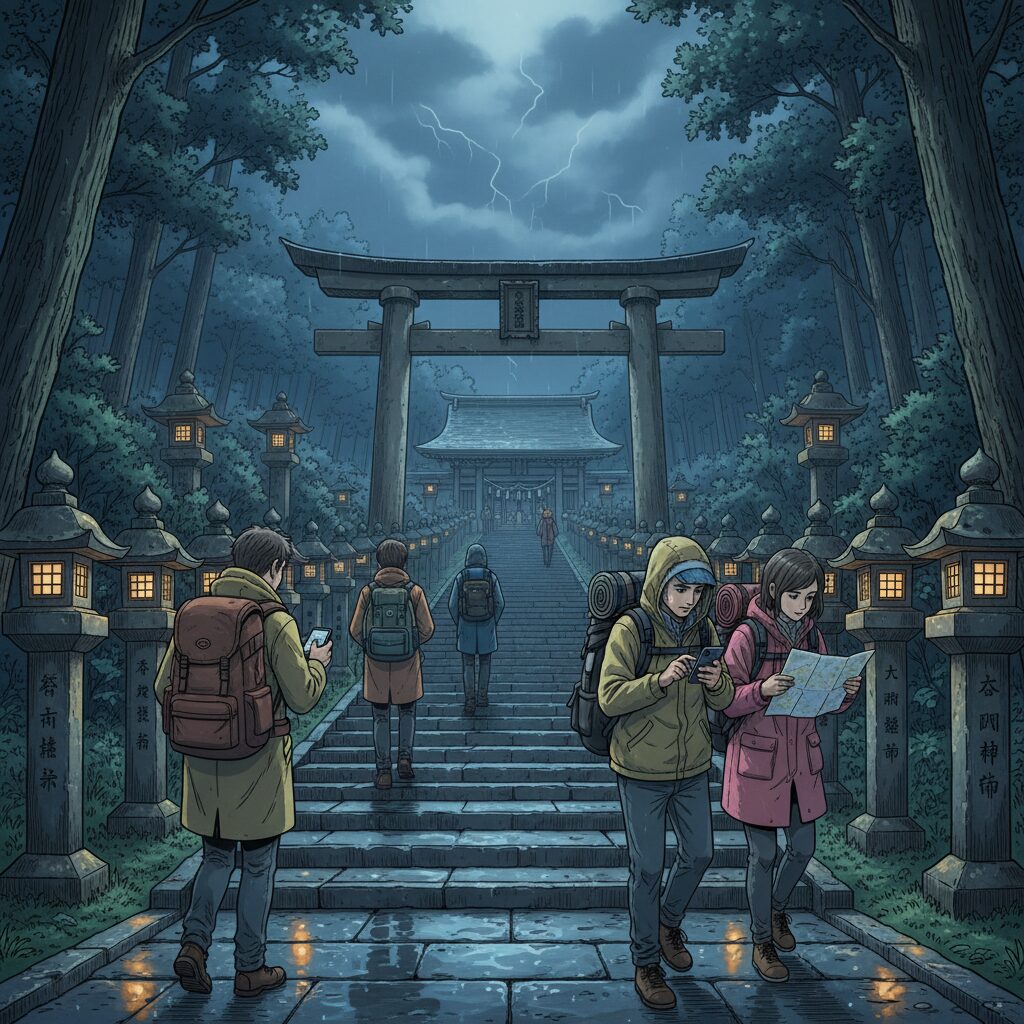
Alright, let’s talk logistics, because reaching a hidden gem like this takes a bit of planning. It’s not exactly close to a major train station, which adds to its unique charm. The best way to get here, no doubt, is by car. Renting a car lets you explore the entire Aso-Takamori area at your own pace. The drive itself is stunning, winding through mountain roads, past rice paddies, and straight into the heart of rural Kumamoto. Just enter “Kamishikimi Kumanoimasu Shrine” into your GPS, and it will guide you right there. There’s a small, free parking lot near the entrance, but it can fill up quickly, especially on weekends or holidays, so starting early is a smart move.
If you’re depending on public transport, it’s possible but requires careful timing. Your trip begins with a train ride to Takamori Station on the Minamiaso Railway Line. This scenic train journey is an experience itself, offering amazing views of the Aso caldera. From Takamori Station, it’s still about a 10-minute drive to the shrine. You can take a taxi, which is the fastest and easiest option, or try the local Yurutto Bus (Takamori Town Community Bus) if schedules align. Just a heads-up: the buses run infrequently, so planning your trip around their timetable is essential to avoid getting stuck. Seriously, double-check the return times before you go.
Now for some practical tips. First, footwear is crucial. This is non-negotiable. Wear sturdy, comfortable shoes with good traction. The stone steps are often damp, mossy, and can be slippery—especially after rain. Heels or flip-flops are a bad idea; you’ll regret it. Second, timing matters. To avoid crowds and enjoy the mystical atmosphere, go early on a weekday morning—you might have the place almost to yourself. Late afternoon offers beautiful golden light as well, but the forest darkens quickly, so don’t stay too late. Third, be ready for nature. This is deep forest terrain. In summer, expect bugs, so bringing insect repellent is wise. Plus, mountain temperatures can be cooler than the city no matter the season, so having an extra layer is always a good plan.
Lastly, let’s cover etiquette. This is a sacred worship site, so respect is essential. When passing through the torii gate at the entrance, it’s customary to give a small bow. Near the shrine, you’ll find a purification fountain called a chozuya, where you can rinse your hands and mouth to symbolically cleanse yourself before approaching the gods. At the main hall, if you wish to pray, the usual practice is: toss a coin (a 5-yen coin is considered lucky) into the offering box, bow twice deeply, clap twice, silently say your prayer, and bow once more. You don’t have to follow these steps exactly, but moving through the space with quiet reverence is key. Keep your voice down, don’t litter, and simply soak in the peaceful energy. It’s all about honoring the history, the nature, and the spiritual significance of this incredible place.
Beyond the Forest: Exploring the Aso-Takamori Area
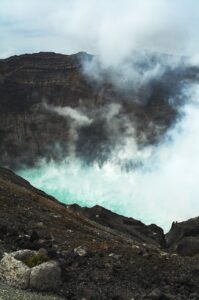
Visiting Kamishikimi Kumanoimasu Shrine is an epic adventure in itself, but you’d miss out if you didn’t explore the surrounding Aso-Takamori region. You’re in one of Japan’s most stunning natural playgrounds, Aso-Kuju National Park. The main attraction is, of course, the Aso Caldera, one of the largest in the world. At its center stands the active volcano, Mount Aso. Depending on volcanic activity levels (always check the official Japan Meteorological Agency website for real-time updates), you might be able to get close to the Nakadake Crater, a truly humbling sight with its steaming, emerald-green crater lake. It’s a raw, powerful display of nature’s force.
For a more tranquil yet equally breathtaking view, head to the Kusasenri-ga-hama plateau. It’s a vast green pasture dotted with grazing horses and cows, accompanied by a large pond reflecting the sky. The plateau offers a panoramic view of the smoking Nakadake Crater from a safe and picturesque distance. It’s the perfect spot for a picnic or a leisurely walk, making you feel as if you’ve been transported to the highlands of another country. Another must-see viewpoint is Daikanbo, famous for its sweeping panorama of the entire caldera and the five peaks of Mount Aso, said to resemble a sleeping Buddha.
Back in the town of Takamori, immerse yourself in some local culture. The Takamori Yusui Tunnel Park is a unique attraction. This old, never-completed railway tunnel has been transformed into a beautiful walkway where a constant stream of fresh spring water flows. It’s especially popular in summer for its cool temperatures and stunning water-themed illuminations. When it comes to food, you’re in for a treat. The Aso region is famous for akaushi, a breed of Japanese brown cattle renowned for its delicious, lean red meat. Trying akaushi-don (a bowl of rice topped with grilled akaushi beef) is a must. For a more rustic, local flavor, seek out a restaurant serving dagojiru, a hearty miso-based soup filled with flat dumplings and seasonal vegetables. It’s the ultimate Japanese comfort food, perfect after a day spent exploring the mountains. By combining your visit to the shrine with these local highlights, you can turn a day trip into a full-fledged, unforgettable Kyushu adventure.
The Final Echo
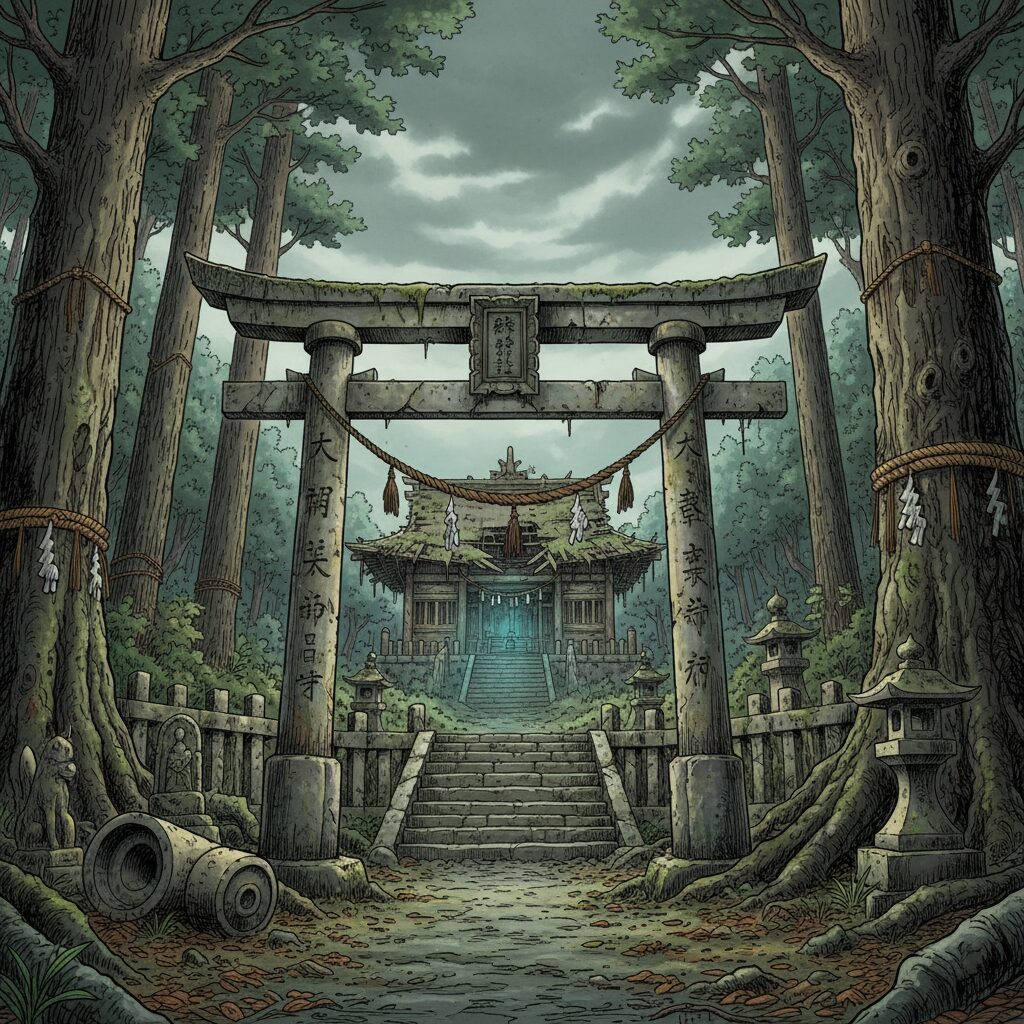
Leaving Kamishikimi Kumanoimasu Shrine feels like awakening from a vivid dream. As you descend the stone steps, the modern world gradually seeps back in. The sounds of the forest fade into the faint hum of a distant road; the ancient cedars give way to the sight of your parked car. Yet, something within you has changed. You leave with more than just photographs; you carry a feeling, a memory etched not only in your mind but also in your spirit. This shrine stands as a powerful reminder that there are still places in the world genuinely enchanted, where the veil between worlds feels thin. It’s not about grand monuments or flashy displays but about the quiet power of nature and the enduring strength of faith, entwined through centuries. It’s a testament to a side of Japan that is deep, wild, and profoundly beautiful. So, if you seek a journey beyond the typical tourist trail, craving an experience that quiets the noise and reconnects you with something primal and true, then make your pilgrimage. Come walk the mossy steps, breathe the sacred air, and let the whispers of the ancient forest share their story. Trust me, it’s a story you will never forget.