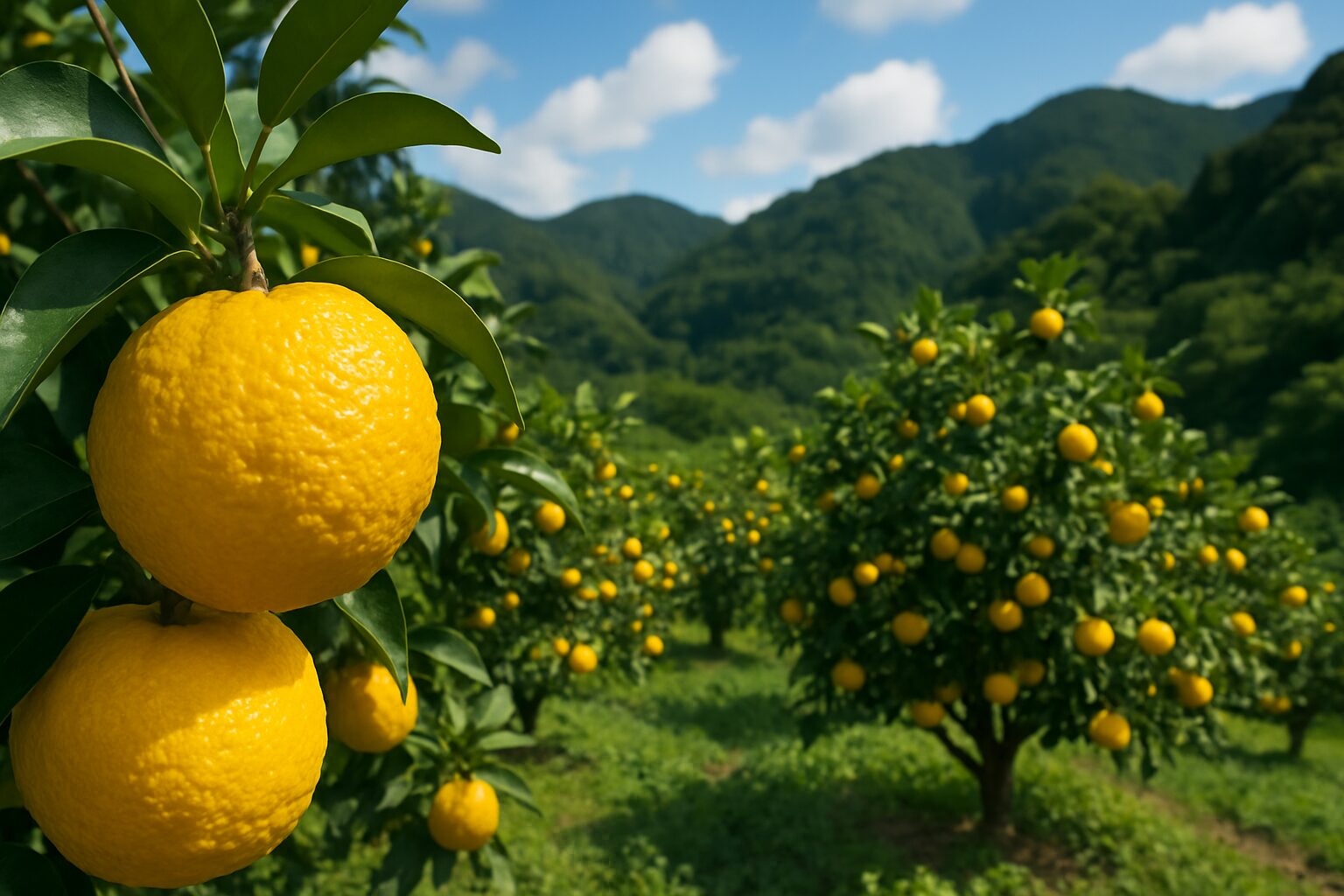
What’s up, globetrotters? Ami here, coming at you live from my latest obsession. Picture this: you’re deep in the mountains of Shikoku, the air is so crisp it practically crackles, and every single breeze carries this insane, electric citrus scent. It’s not lemon, it’s not lime, it’s not orange. It’s something… more. Something that feels ancient and brand new all at once. Welcome to Kitagawa Village in Kochi Prefecture, the undisputed global capital of yuzu. And when I say capital, I mean it’s the heart, soul, and literal lifeblood of this place. Forget everything you think you know about yuzu from that fancy cocktail you had last week. We’re talking about a culinary and cultural experience that’s about to totally glow up your travel goals. This isn’t just a trip; it’s a full-on sensory deep dive into a flavor that defines a region, a people, and a way of life. Kitagawa is a tiny village with a huge personality, a hidden gem that’s all about sustainable living, authentic traditions, and, of course, the most mind-blowingly delicious food you’ll ever taste. It’s a place that moves at its own rhythm, dictated by the seasons of a golden citrus fruit. For real, if you’re looking for a Japan experience that’s off the beaten path and hits different, you’ve gotta put Kitagawa on your radar. It’s where the magic happens, and I’m about to spill all the tea on why you need to be here. Get ready, ‘cause this is the real deal.
If you’re craving another authentic Shikoku adventure, consider exploring the pristine waters of the Shimanto River by kayak or bike.
The Vibe Check: What Kitagawa Village Feels Like
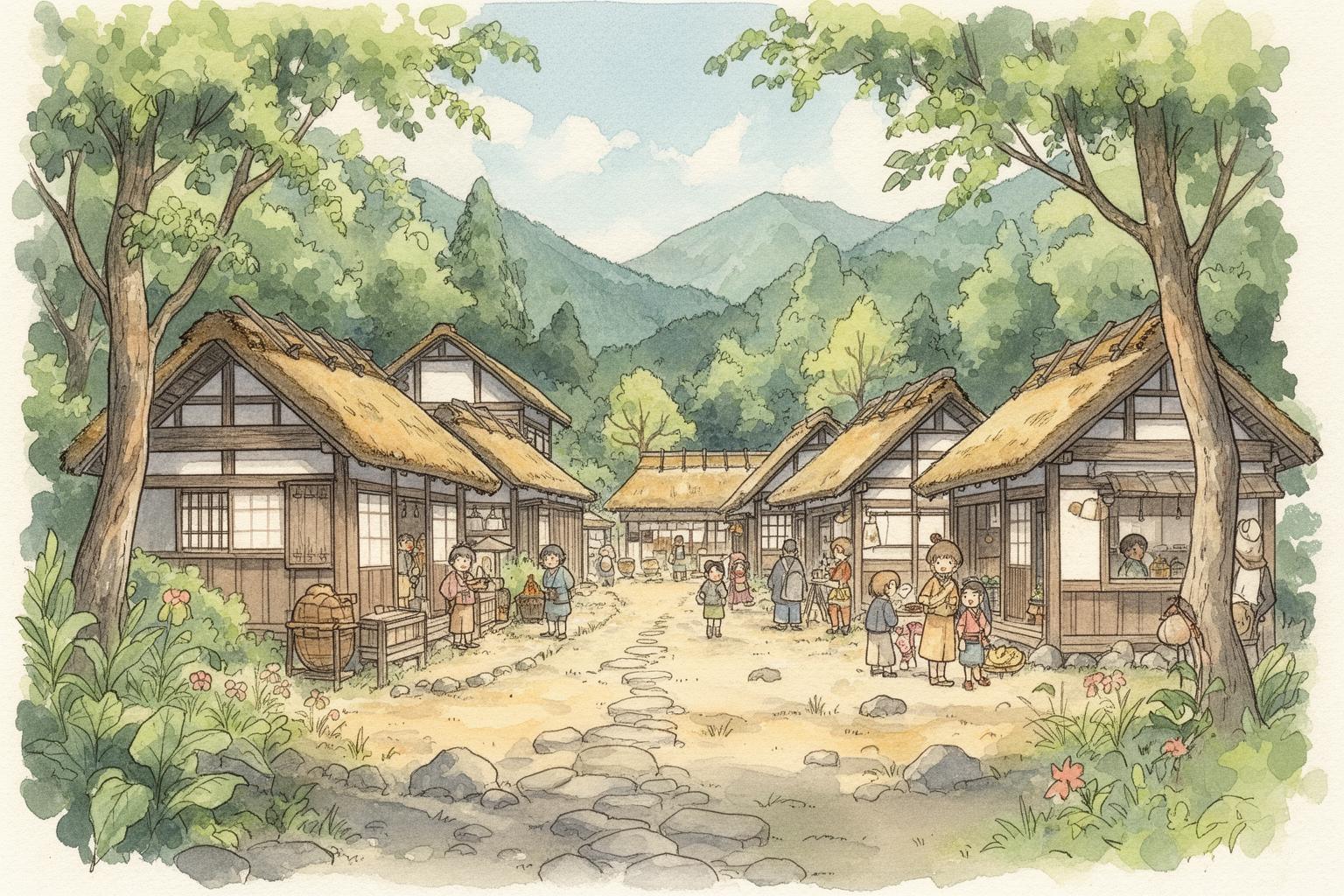
Before we even dive into the food, let’s talk about the atmosphere, because truly, it’s a whole vibe. Kitagawa Village isn’t somewhere you simply stumble upon. It’s a destination you purposely seek out, nestled in the dramatic, forest-covered mountains of eastern Kochi. The journey itself becomes part of the experience—a winding road that feels like a gateway, leaving the city’s hustle further and further behind. As you approach, the air shifts. It carries a blend of damp earth, lush greenery, and the unmistakably sophisticated scent of yuzu. This fragrance clings to everything, a constant reminder of where you are.
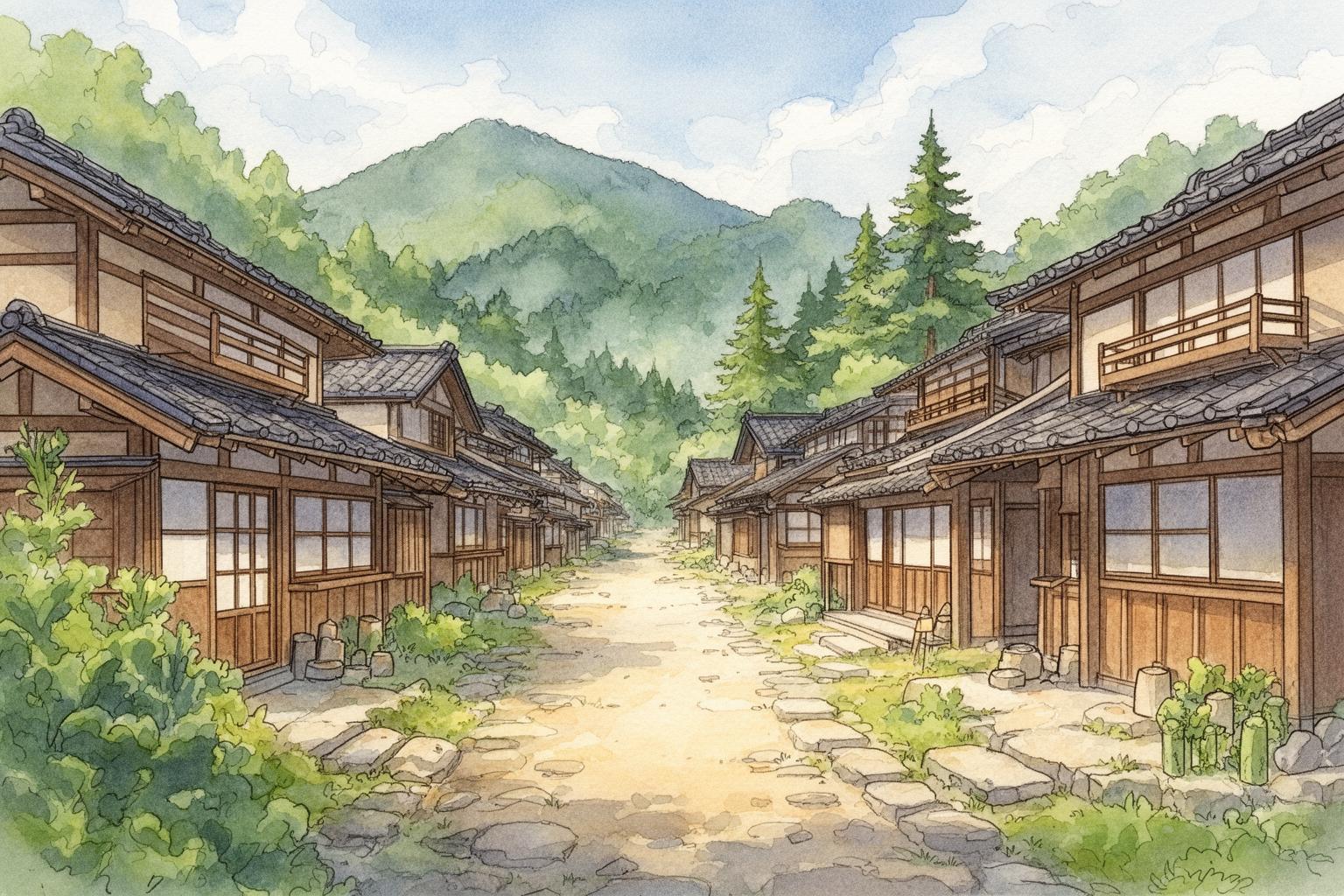
The village is a patchwork of traditional Japanese houses with dark wooden beams and tiled roofs, scattered across steep hillsides. There are no sprawling developments or flashy tourist spots here. Instead, you’ll find small, family-run shops, local diners where everyone knows each other, and terraced fields of yuzu trees climbing the mountainsides like golden staircases. The Naka River cuts through the valley, its clear waters sparkling in the sun, providing a steady, soothing soundtrack to village life. It’s peaceful, yet far from sleepy. There’s a quiet energy here—a hum of purposeful activity centered around the yuzu calendar. You can sense the profound bond between the people and the land. They aren’t just cultivating yuzu; they are its caretakers. This is slow travel at its best—it’s about taking a deep breath, slowing your pace, and truly connecting with your surroundings. As a solo female traveler, the feeling of safety and community here is remarkable. People smile, greet you warmly, and there’s a genuine hospitality that makes you feel instantly welcome, not as a tourist but as a guest. The vibe is pure, authentic, and deeply grounding. It’s the kind of place that reminds you what’s real.
Yuzu Lore: The History Behind the Hype
So, why Kitagawa? What makes this particular place the heart of the yuzu world? The story is legendary and deeply embedded in Japanese history. Yuzu is believed to have been introduced to Japan from China during the Nara period, over a thousand years ago. For centuries, it was valued for its medicinal qualities and its powerful, fragrant peel, used in everything from bathing rituals to traditional remedies. However, its rise to culinary fame—especially in this village—is a more recent and utterly fascinating tale.
The Terroir is Everything
First, let’s focus on the geography, the main protagonist in this story. Kitagawa benefits from the perfect terroir to grow yuzu of unmatched quality. The village lies in a mountainous area with significant temperature fluctuations between day and night. This natural stress is actually beneficial for the yuzu trees, prompting them to produce fruit with an exceptionally intense aroma and a rich, concentrated flavor. The well-drained soil is another vital factor, while the steep slopes ensure that each tree receives optimal sun exposure. The pure, clear water from the Naka River nourishes the roots, completing this holy trinity of yuzu cultivation. Locals proudly claim that the taste of Kitagawa yuzu cannot be replicated anywhere else in the world. They aren’t exaggerating. This is nature’s design at its finest, with farmers who have spent generations learning to work in harmony with it.
A Samurai’s Legacy
There is also a profound human story here, connected to one of Japan’s most renowned historical figures: Nakaoka Shintaro. A key samurai revolutionary from the late Edo period who collaborated with Sakamoto Ryoma to overthrow the shogunate, Nakaoka was a native of Kitagawa Village. While celebrated as a national hero, in Kitagawa his legacy is also intertwined with yuzu. Legend says he promoted yuzu cultivation in the village as a means for the community to achieve economic self-sufficiency. He recognized the potential of this hardy citrus tree to thrive on steep, otherwise challenging mountain slopes. Today, the village honors his memory not only through the Nakaoka Shintaro Museum but also in every yuzu tree, symbolizing resilience, foresight, and community spirit. This historical background adds a rich dimension to the experience. You’re not merely tasting a fruit; you’re tasting a legacy of rebellion, innovation, and profound dedication to one’s homeland. It truly sends chills down your spine.
Decoding the Flavor: What Makes Kitagawa Yuzu Next-Level
Alright, let’s get specific. If you’ve only ever encountered yuzu as a subtle background note in a dish or drink, prepare to have your expectations shattered. The yuzu from Kitagawa delivers a full-spectrum sensory experience. It’s worlds apart from the one-dimensional sourness of a lemon. The aroma hits first—it’s floral, zesty, and almost pine-like, with complex notes that are both invigorating and deeply soothing. The fragrance is so potent that a single fruit can scent an entire room.
Then comes the taste. The acidity is bright and sharp, yes, but perfectly balanced by a subtle bitterness from the peel and a distinctive floral sweetness that lingers on the palate. This complexity makes it incredibly versatile in the kitchen. The juice, the peel, the zest, even the seeds—every part of the fruit is utilized. In Kitagawa, they’ve perfected the art of harnessing its power. They recognize that yuzu isn’t merely an ingredient; it’s a flavor enhancer that elevates everything it touches, adding a unique brightness and sophistication. They also distinguish between yuzu harvested at different times. There’s ao-yuzu (green yuzu), picked in late summer and early autumn, valued for its zesty, spicy peel. Then there’s the fully ripened ki-yuzu (yellow yuzu), harvested in winter, brimming with aromatic juice. This deep, nuanced understanding of the fruit is what makes the cuisine here truly special. It’s a masterclass in flavor.
The Ultimate Yuzu Culinary Tour: What to Eat and Where
Alright, this is what you came for: the food. In Kitagawa, yuzu isn’t just a garnish; it’s the main attraction. The entire local cuisine revolves around it. Get ready for a journey that will take your taste buds to uncharted territories. This isn’t just a food tour; it’s a yuzu pilgrimage.
Inaka Sushi: The Soul Food of the Mountains
First, you absolutely must try the local style of sushi called inaka sushi (countryside sushi). It’s completely different from the Edo-style sushi you might know. Since Kitagawa is nestled deep in the mountains where fresh seafood was traditionally scarce, resourceful locals crafted a vegetarian version using mountain vegetables. The sushi rice is the real game-changer: instead of regular rice vinegar, it’s seasoned with a generous amount of yuzu juice and zest, giving the rice an incredible aroma and a tangy, refreshing flavor that’s utterly addictive. Toppings include pickled myoga (Japanese ginger), tender bamboo shoots, shiitake mushrooms simmered in sweet soy sauce, and sheets of fried tofu (aburaage) soaked in a yuzu-infused broth. Each piece is a small work of art, a perfect bite that captures the essence of the mountains. You’ll often find it at local markets and small eateries. It’s humble, hearty, and one of the most authentic and delicious dishes you’ll ever have in Japan. We stan this sushi.
Yuzu-zukushi Kaiseki: A Symphony in Citrus
For a truly immersive experience, book a meal at a local ryokan (traditional inn) or a specialty restaurant offering a yuzu-zukushi (all-yuzu) course meal. This is where chefs showcase their creativity and deep knowledge of the fruit. It’s a multi-course feast presenting yuzu in every imaginable form. You might begin with a delicate appetizer of seasonal vegetables dressed in yuzu-miso sauce. Then comes a clear soup, or suimono, with a single, paper-thin slice of yuzu peel floating on top, releasing its intoxicating aroma with the rising steam. A grilled river fish might be served with a side of grated daikon radish mixed with yuzu juice. A hot pot dish, or nabe, could feature a ponzu dipping sauce handcrafted with freshly squeezed yuzu. Even the final rice dish may be steamed with finely chopped yuzu peel. Dessert, naturally, centers on yuzu—perhaps a light yuzu sorbet, creamy yuzu pudding, or delicate yuzu-infused mochi. Each dish is a revelation, showing how yuzu can be bold and assertive in one course and subtle and elegant in the next. It’s a culinary performance that tells the story of the village on a plate.
Essential Yuzu Products You Can’t Leave Without
The true magic of Kitagawa is that you can bring the flavor home. The village is dotted with processing facilities and small shops offering an incredible variety of yuzu products. This is where you stock up.
Yuzu-kosho: The Spicy Power-Up
This is the holy grail. Yuzu-kosho is a fiery, fragrant paste made from green yuzu zest, green chili peppers, and salt. It’s an explosion of flavor. A tiny dab can elevate grilled chicken, steak, sashimi, or even a simple bowl of ramen. It adds a complex layer of citrusy, spicy, salty goodness that’s wildly addictive. In Kitagawa, you’ll find artisanal versions that are far more vibrant and potent than anything from a supermarket. I always pack an extra jar (or five) in my suitcase. It’s non-negotiable.
Ponzu and Yuzu Vinegar: The Liquid Gold
Forget mass-produced ponzu. Kitagawa’s ponzu sauce is on another level. It’s a perfect balance of soy sauce, dashi, and, most importantly, a generous amount of pure yuzu juice. Bright, savory, and incredibly versatile—it’s ideal for hot pot, dumplings, salads, or as a marinade. You should also grab a bottle of pure yuzu juice, often called yuzu-shibori or yuzu-su (yuzu vinegar). It’s 100% unadulterated yuzu juice and incredibly potent. A few drops in sparkling water make the most refreshing drink ever. Use it in dressings, marinades, or even for crafting cocktails. It’s sunshine in a bottle.
Yuzu Sweets and Drinks: The Sweet Life
For those with a sweet tooth, Kitagawa is a paradise. Look for yuzu marmalade, fantastic on toast or with yogurt. There’s yuzu honey, perfect for sweetening tea. You’ll find yuzu-flavored soft-serve ice cream that blends creamy and tangy perfectly. Local bakeries offer yuzu manju (steamed buns with sweet bean paste) and yuzu castella cake. And don’t forget the drinks. Bottles of yuzu juice diluted with water and a bit of sugar are the ultimate thirst quenchers. For adults, local sakes and craft beers infused with yuzu are absolutely fire. Sampling all the yuzu-themed snacks and drinks is an essential part of the Kitagawa experience.
Beyond the Plate: Exploring the Soul of the Village
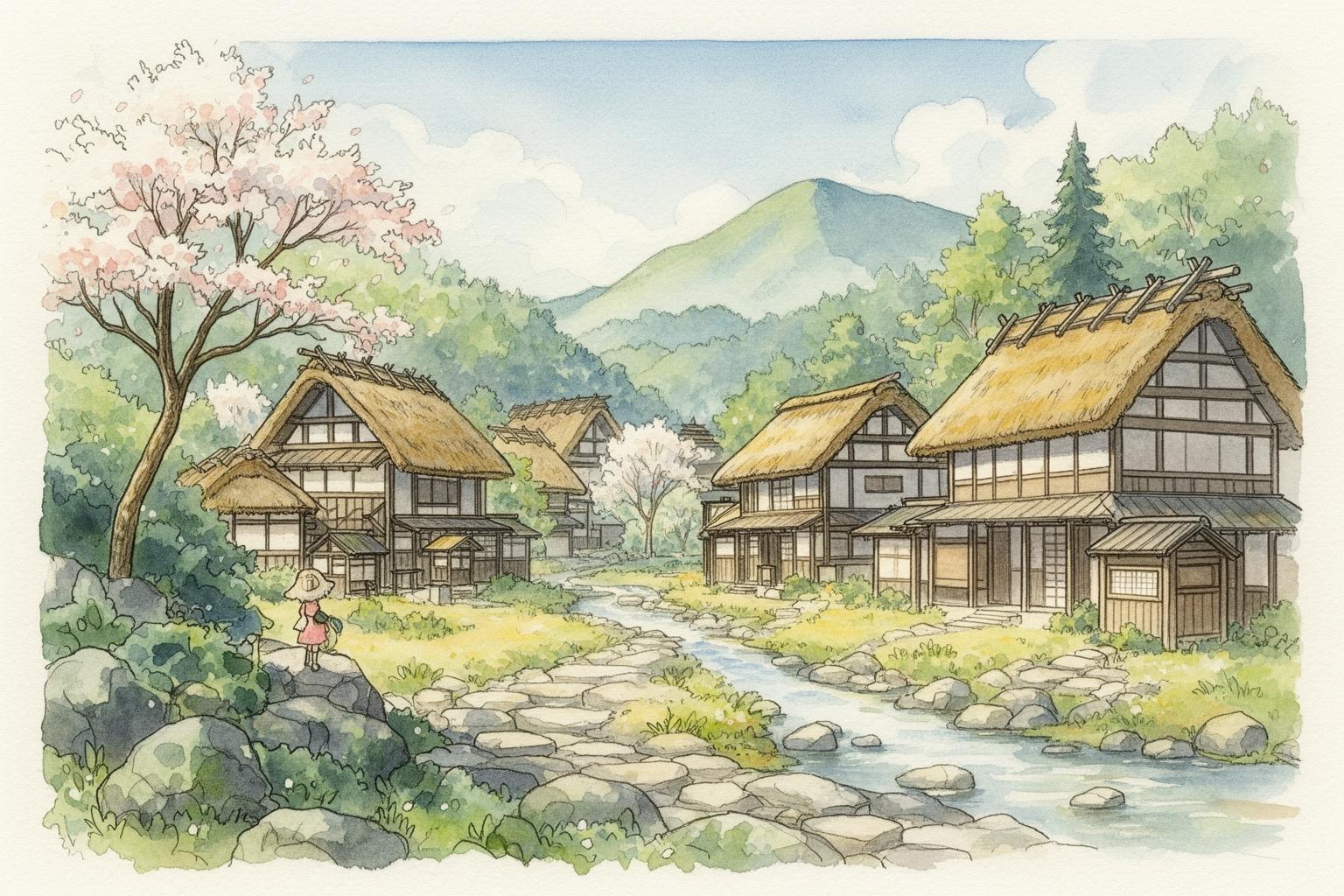
While the food is undoubtedly the main attraction, the appeal of Kitagawa Village goes well beyond its cuisine. To fully appreciate this place, you need to explore its breathtaking natural scenery and cultural landmarks. This is where you truly connect with the village’s spirit.
Kitagawa Village Monet’s Garden Marmottan
This is likely the most surprising and stunningly beautiful spot in the village. It’s an officially licensed reproduction of the famous garden of Impressionist painter Claude Monet in Giverny, France—the only one outside France, in fact. This garden is a remarkable tribute, carefully recreated to capture the essence of Monet’s vision. It consists of three sections: the Water Garden, featuring the iconic water lilies and Japanese bridge; the Flower Garden, bursting with seasonal colors; and the Garden of Bordighera, inspired by Monet’s travels. What makes this garden truly unique within Kitagawa is how it blends harmoniously with the surrounding Japanese mountain landscape. The vibrant, carefully designed European-style garden set against the wild, rugged Kochi mountains creates a striking contrast. It’s a place of extraordinary peace and beauty where you can easily spend hours wandering, taking photos, and soaking in the serene atmosphere. It reflects the village’s appreciation for art and nature, a sensibility also evident in their delicate use of yuzu.
Nakaoka Shintaro Museum and Birthplace
To connect with the history mentioned earlier, a visit to the Nakaoka Shintaro Museum is a must. It offers an in-depth look into the life and times of this local hero and his key role in the Meiji Restoration. You’ll find his personal belongings, letters, and historical documents that vividly depict a turbulent and transformative era in Japanese history. Just a short walk from the museum is his preserved birthplace, a traditional thatched-roof house providing a tangible glimpse into 19th-century life. Standing in these historic spaces, you naturally develop a deeper appreciation for the village’s strong identity and its ties to a legacy of progress and resilience. It’s a powerful reminder that this peaceful village helped shape the course of modern Japan.
Walking the Yuzu Road
While there isn’t an officially named “Yuzu Road,” the experience is very much real. The best way to explore is by walking or driving along the narrow mountain roads winding through the yuzu groves. During late autumn and early winter, the harvest season, the hillsides are a spectacular sight, crowded with trees bearing golden fruit. The air is thick with the fragrance of yuzu. You’ll observe local farmers, many elderly yet remarkably agile, carefully handpicking fruit on steep slopes. The scene feels timeless. If you’re fortunate, you may even join a yuzu harvesting experience offered by some local farms. It’s hard work—yuzu trees have very sharp thorns!—but it gives you deep respect for the effort and care behind every single bottle of yuzu juice. This is the essence of Kitagawa, and immersing yourself in it, even briefly, is an unforgettable experience.
The Soothing Power of a Yuzu Bath
If you visit in winter, you absolutely must try a yuzu-yu, or yuzu bath. This traditional Japanese practice, especially popular on the winter solstice, involves floating whole yuzu fruits in hot bathwater, releasing their aromatic oils. The scent is deeply relaxing and is believed to warm the body, prevent colds, and soften the skin. Many ryokans and some public onsen in the area offer yuzu-yu during the season. Soaking in a hot, fragrant bath after a day of exploring, with the Kochi mountains outside your window, is ultimate relaxation. It’s a therapeutic ritual that engages all the senses and provides a perfect conclusion to a day spent celebrating this extraordinary fruit.
The Practical Glow Up: Your Guide to Nailing the Trip
Alright, let’s get into the logistics. Kitagawa is somewhat remote, but that’s a huge part of its appeal. Getting there takes a bit of planning, but the effort is absolutely worth it. Here’s everything you need to know for a smooth trip.
Access: How to Reach Yuzu Paradise
Your primary entry points to the area are Kochi Ryoma Airport (KCZ) or Kochi Station if you’re traveling by train. From major hubs like Tokyo or Osaka, flying into Kochi is the quickest way. From the airport, you can rent a car or take a bus into Kochi City.
- By Car: Undoubtedly, this is the best way to explore Kitagawa and its surroundings. It gives you the flexibility to travel at your own pace, stop at scenic spots, and visit farms or shops off the beaten path. The drive from Kochi City to Kitagawa Village takes about 1.5 to 2 hours. Be ready for narrow, winding mountain roads—if you’re not accustomed to such driving, take it slow. As a solo traveler, I always make sure my phone is fully charged and have offline maps downloaded, just in case cell service gets patchy in the mountains. It’s quite the adventure!
- By Public Transport: While possible, it requires more coordination. From Kochi Station, you can take the JR Dosan Line and then transfer to the Tosa Kuroshio Railway Gomen-Nahari Line. The closest stop to the village center is Nahari Station. From there, you’ll need a local bus or taxi to reach Kitagawa Village itself. Bus service is infrequent, so check schedules in advance. Though the journey takes longer, it offers a chance to relax and enjoy stunning coastal and mountain views.
When to Visit: The Seasons of Yuzu
Kitagawa is lovely all year, but your experience will vary depending on the season.
- Autumn to Early Winter (October to December): The peak season. This is when the yuzu harvest happens. Cool, pleasant weather, vibrant autumn foliage, and a lively village atmosphere fill the air—along with the scent of ripe yuzu. Perfect for food lovers and those wanting to see the village at its liveliest.
- Winter (January to February): A quieter, more reflective time to visit. It’s colder, and there may be a light dusting of snow on the peaks. Ideal for enjoying hot yuzu tea and relaxing in a fragrant yuzu-yu bath.
- Spring (March to May): The mountains come back to life. Around May, yuzu trees bloom with delicate white flowers giving off a sweet, intoxicating fragrance. It’s also when Monet’s Garden is arguably at its most dazzling, bursting with spring blossoms.
- Summer (June to August): Hot and humid, yet lush and green. This is the season for ao-yuzu (green yuzu), and you can savor refreshing yuzu drinks and sorbets to cool down. The nearby Naka River is also perfect for a dip.
Where to Stay: Embracing the Countryside
Accommodations in Kitagawa focus on intimate, local experiences—large hotel chains are nowhere to be found.
- Ryokans and Minshuku: Staying in a traditional Japanese inn (ryokan) or a family-run guesthouse (minshuku) is the best choice. This is where you’ll experience omotenashi (Japanese hospitality) at its finest. Many offer fantastic home-cooked meals featuring, naturally, plenty of yuzu. It’s a wonderful way to connect with local hosts and get insider recommendations.
- Hotels in Nearby Towns: If you prefer more conventional lodging or if the village is fully booked, consider staying in nearby towns like Yasuda or Aki and making day trips to Kitagawa. This is convenient especially if you’re driving.
Tips for First-Timers and Helpful Advice
- Bring Cash: Although Japan is becoming more card-friendly, rural areas like Kitagawa still rely heavily on cash. Many small shops, local eateries, and guesthouses may not accept credit cards.
- Pack for the Mountains: Weather can shift quickly. Even in summer, evenings can be cool, so bring layers. Comfortable walking shoes are essential since exploring the hilly terrain on foot is a must.
- Learn Basic Phrases: Fluency isn’t necessary, but knowing simple Japanese phrases like “Konnichiwa” (Hello), “Arigato gozaimasu” (Thank you very much), and “Oishii” (Delicious) will be appreciated by locals.
- Respect the Pace of Life: Kitagawa moves slowly, and that’s part of its charm. Be patient, observe your surroundings, and let yourself adapt to the village’s natural rhythm.
A Final Thought: The Enduring Magic of Kitagawa

Leaving Kitagawa Village feels like awakening from a beautiful dream. Your bags might be a bit heavier with bottles of ponzu and jars of yuzu-kosho, yet your spirit feels lighter. This place changes you. It’s more than simply a culinary destination; it offers a profound lesson in sustainability, tradition, and the deep beauty of living in harmony with nature. In a world constantly pursuing the next big thing, Kitagawa stands as a quiet tribute to the power of mastering one thing, dedicating a community’s heart and soul to a single golden fruit. The flavor of its yuzu carries the essence of its history, landscape, and people. It’s a taste that lingers—a bright, zesty memory you can summon long after you’ve returned home. This isn’t just a place to visit; it’s a place to feel. And believe me, it’s a feeling you won’t soon forget. So go ahead, chase that flavor. You might just discover a small piece of your own soul nestled in the fragrant, golden hills of Kitagawa.