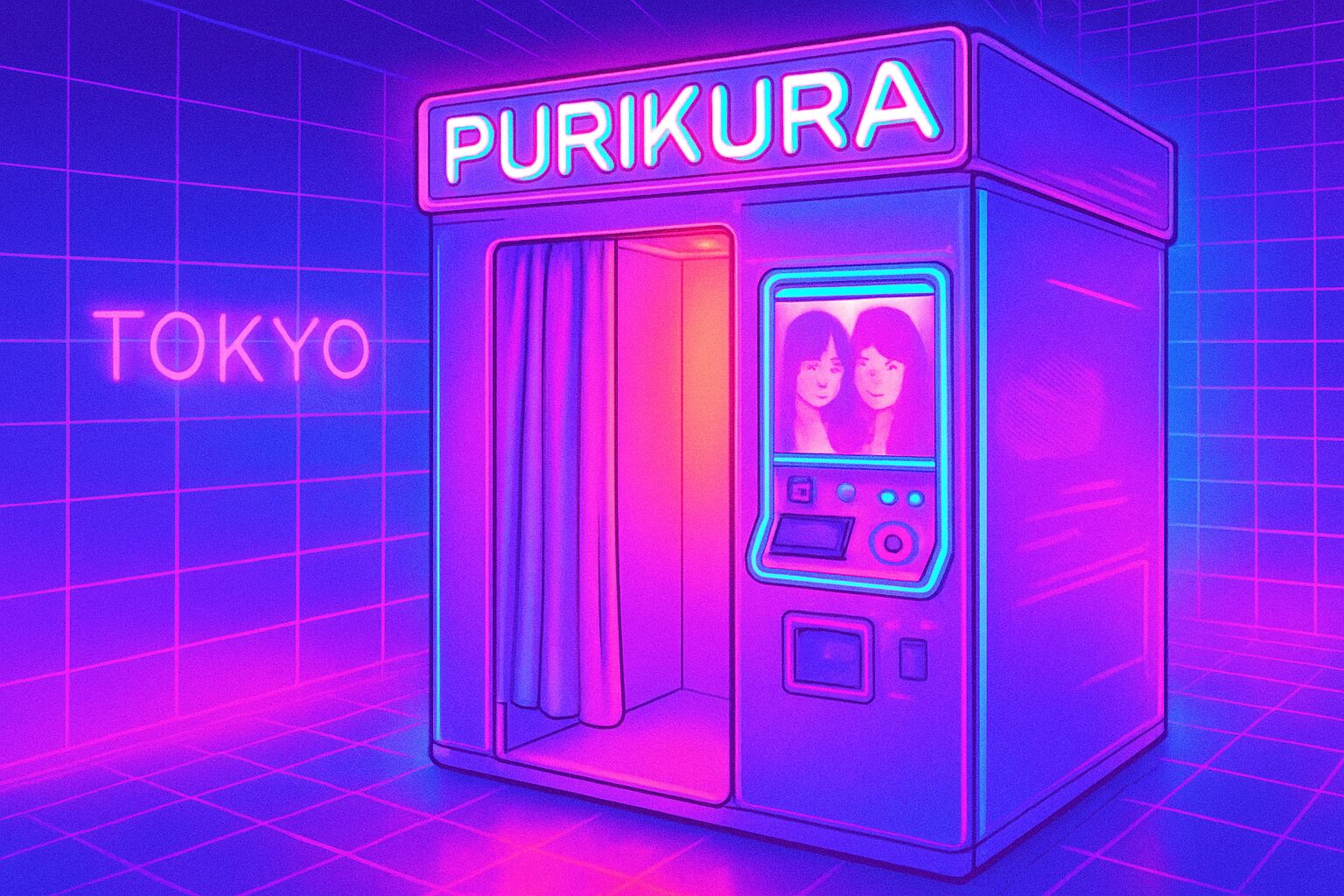
Alright, let’s talk real. You’re back in Japan. You’ve seen the grand temples of Kyoto, you’ve navigated the organized chaos of the Shinjuku station maze, and you’ve probably had ramen that changed your life. You’ve ticked off the big boxes, and now you’re craving something… more. You’re ready to dive past the surface and into the real, beating, neon heart of modern Japanese culture. If you’re nodding along, then I’ve got one word for you: Purikura. Forget your standard-issue photo booth. This isn’t some drab, curtained box that spits out four awkward, badly-lit passport photos. Purikura, short for Print Club (Purinto Kurabu), is a full-blown cultural phenomenon. It’s a hyper-vibrant, dazzlingly creative world packed into a tiny booth, a rite of passage for Japanese teens, and honestly, the most fun you can have for 500 yen. It’s where you and your friends don’t just take a picture; you create a masterpiece. You step inside and for a few chaotic, laughter-filled minutes, you become the director, model, and graphic designer of your own pocket-sized universe. It’s an interactive art form where the goal is to achieve the ultimate level of “kawaii,” or cuteness, to literally glow up through the lens of a camera that’s programmed to make you look like the sparkling, anime-eyed protagonist of your own story. This isn’t just about getting a souvenir; it’s about making a memory, engaging in a ritual of friendship and self-expression that is quintessentially, unapologetically Japan. It’s the perfect second-trip adventure, a chance to step into the daily lives of local youth and come away with a sticker sheet that’s a testament to your journey deeper into the culture.
After creating your sparkling Purikura masterpiece, you can complete your deep dive into retro Japanese pop culture by enjoying a classic cream soda.
The Vibe Check: What Exactly IS Purikura?

So, what’s the deal? At its essence, Purikura is a high-tech photo booth experience specifically designed for maximum cuteness. But calling it merely a photo booth is like referring to a bespoke suit as just clothing—it misses the point, the artistry, and the culture surrounding it. The entire experience unfolds in two acts. Act one is the photoshoot, a whirlwind session inside a brightly lit booth where a friendly digital voice guides you through poses against a green screen. Act two is the editing phase, called “rakugaki” (literally meaning ‘doodling’), where you move to an attached station equipped with touch screens and styluses to customize your photos extensively. This is where the real magic happens. You’re not just snapping a picture; you’re actively crafting an idealized, hyper-cute version of yourself and your memories. It’s a space of pure joy—a technological playground that celebrates friendship, creativity, and the kawaii aesthetic.
More Than Just a Photo Booth
To truly grasp the Purikura vibe, you need to understand that it’s a deeply social ritual. Rarely will you find someone doing Purikura alone; it’s an activity made for groups. It’s what high school students do after class, what friends do on a weekend shopping trip, and what couples do to commemorate a date. The booth becomes a private little world where silliness, ridiculous poses, and carefree laughter reign. The act of choosing a machine, squeezing into the tight space, frantically posing before the timer runs out, then collaborating on the editing—this is a bonding experience. The resulting sticker sheet isn’t just a photo; it’s a shared trophy, tangible proof of your connection. Each sticker, once cut out and shared, serves as a token of that moment together. In an increasingly digital world, Purikura offers a charmingly physical keepsake, something to stick on your phone or notebook—a sparkling reminder of a good time with your people. It’s a testament to the idea that sometimes the best memories are created together under the flattering glow of a Purikura machine’s ring light.
The Evolution of Kawaii: A Quick History Sesh
Purikura didn’t just pop up out of nowhere; it has a rich history intertwined with Japanese youth culture, technology, and fashion trends, especially the “gyaru” scene. The phenomenon exploded in the mid-1990s when game companies like Atlus and Sega rolled out the first commercial print club machines in arcades. These early booths were revolutionary: for the first time, teens could get instant, affordable sticker-backed photos of themselves and their friends. The early style was iconic of the 90s—small photos, simple editing tools, and a charmingly low-fi feel. This era saw the rise of the “ganguro” gyaru, characterized by deep tans, bleached hair, and dramatic white makeup. Purikura became their principal medium for self-expression, with sticker sheets serving as a time capsule of 90s Japanese street fashion. As technology advanced, so did Purikura. The 2000s brought enhancements: machines started featuring software that could automatically enlarge eyes, slim faces, and smooth skin to almost surreal degrees, popularizing the signature “anime eye” look. The focus shifted from just capturing moments to crafting idealized versions. Editing tools grew more sophisticated with a wider selection of stamps, pens, and filters. Then, in the 2010s, social media rose, and Purikura adapted once more. Machines added options to send photos directly to phones via QR codes, making them instantly shareable on Instagram and beyond. The aesthetic diversified too—while the hyper-edited large-eyed style remains popular, many modern booths offer more natural modes, catering to those seeking subtler enhancements. Some machines focus on a dewy “tsuya-hada” skin effect, while others highlight a soft, airy “fuwa-fuwa” (fluffy) vibe. Today, Purikura stands as a living archive of kawaii trends, continuously evolving to reflect the aesthetic tastes of each new generation.
Why It’s the Ultimate Second-Trip Flex
For the returning traveler, engaging with Purikura is a declaration: “I’m ready for the next level.” The first trip is often about observing—taking in the sights and culture from afar. The second trip is about diving in—truly participating. And nothing is more participatory than immersing yourself in a cultural ritual cherished by locals. Doing Purikura is a flex because it demonstrates your curiosity about contemporary, everyday, living Japanese culture—not just its historical highlights. It’s an interactive experience that invites you to engage, play, and create. You’re not passively admiring art in a museum; you’re making your own tiny, glittery artwork. It’s also a wonderful way to break out of the typical tourist bubble. You’ll find yourself sharing space with local teens and young adults, enjoying something that’s a normal, fun part of their lives. It’s a small yet meaningful way to connect with the rhythm of daily life in a Japanese city. And let’s be honest—it produces the best personalized souvenir imaginable. Thousands of temple photos on your phone are great, but a sheet of hilarious, over-the-top stickers of you and your travel buddies? That’s pure gold. It’s a story, a conversation starter, and a perfect, compact keepsake of your deeper dive into Japan.
Mission Briefing: Your Step-by-Step Purikura Journey
Alright, you’re convinced. You’re ready to start your glow-up journey. But stepping into a Purikura booth for the first time can be overwhelming. The flashing lights, thumping J-pop, and endless choices might feel a bit intimidating. Don’t worry. Think of this as your mission briefing. I’ll guide you through the entire process—from selecting your machine to cutting out your stickers—so you can enter with the confidence of a seasoned pro.
Choosing Your Fighter: Selecting the Ideal Machine
First things first: pick your weapon. A Purikura corner features a dazzling array of machines, each with its own name, branding, and unique style promise. You might see names like “MELULU,” “97%,” “TODAYL,” or “ROOT.” On the outside of each booth, sample photos display the machine’s signature look or “mori” (盛れ) level, which roughly means how well it enhances your appearance. This is your key clue. Study the samples carefully. Are the models’ eyes ridiculously large and sparkling? That indicates a high-level mori machine, perfect for a dramatic, classic Purikura vibe. Do the photos look softer, focusing on flawless skin and a gentle glow? That’s a natural-style machine. Some machines emphasize full-body shots to capture your outfit, while others concentrate on close-ups with strong beauty filters. There’s no right or wrong choice—it’s all about the style you want. After choosing your machine, it’s time to pay. Most machines cost between 400 and 500 yen and accept only 100-yen coins. Pro tip: have your coins ready before reaching the front of the line. There’s almost always a change machine nearby to break a 1,000-yen note. Insert your coins, select the number of players and your preferred photo layout on the external touchscreen, and the booth doors will slide open. Your adventure begins.
Inside the Booth: The Photoshoot Frenzy
Stepping inside the booth feels like entering a mini photo studio. It’s surprisingly roomy, with a big camera lens staring at you, surrounded by professional lighting. The back wall is a plain green screen, allowing the machine to add any background you want later. Once the door closes, the session starts almost immediately. A cute, high-pitched female voice will guide you with cheerful instructions and encouragement. A timer appears on the screen, usually giving you around 10-15 seconds to pose for each shot. This is where the fun and chaos begin. The screen suggests poses, but this is your moment to shine. Have a few poses ready. The classic peace sign is essential, but try different variations: a peace sign by your eye, both hands making peace signs, or the trendy “ura peace” (reverse peace sign). Heart poses are also popular, from the Korean finger heart to making a big heart with your hands or arms. The “toothache” pose (hand to cheek) is a classic for slimming the face. Don’t hesitate to be silly! Make funny faces, use your whole body, interact with friends. The machine typically snaps six to ten photos rapidly. The secret is to move fast, laugh a lot, and have fun without taking yourself too seriously. The lively voice cheers you on with phrases like “Sugoii!” (Awesome!) and “Motto yosete!” (Get closer!). Just go with the flow and enjoy the delightful absurdity.
The “Rakugaki” Zone: Unleash Your Inner Artist
After the last photo is taken, the voice will direct you to the editing station, or “rakugaki” zone, located outside the booth. This is Act Two. You’ll find two large touchscreens with styluses, allowing you and a friend to edit at the same time. But watch the clock—there’s usually a strict time limit of just a few minutes (a countdown timer is visible) to fully transform your photos. This time pressure adds an exciting, frantic energy to the process. It’s a race to maximize cuteness. The editing tools are extensive. You can add text in various fonts and colors to note the date, your names, or an inside joke. There are countless digital pens—glitter, neon, rainbow—to doodle hearts, stars, and anything else you imagine. The stamp library is a kawaii treasure trove, featuring cute characters, sparkles, and phrases like “Daisuki” (I love you) and “Zuttomo” (Best friends forever). But it doesn’t stop there. You can go into micro-editing mode with beauty tools—add blush, change lipstick color, brighten eyes, or add impossibly long lashes. You can alter each photo’s background, apply filters, and adjust the final sticker sheet’s layout. It’s best to divide tasks: one person handles makeup and stamps, the other manages text and backgrounds. Communicate, work quickly, and don’t hesitate to go all out. The essence of rakugaki is joyful excess.
The Grand Finale: Printing and Sharing
When the rakugaki timer hits zero, your work is complete. The screen will ask you to confirm your edits and enter an email address or scan a QR code if you want digital copies of your photos. This step is highly recommended! Most modern machines connect to apps like Pictlink, allowing you to download your creations to your phone for free (sometimes there’s a small fee for watermark-free sets). Then, all that’s left is to wait. You’ll hear the machine whir, and moments later, your glossy, freshly printed sticker sheet will slide out from a slot at the bottom. The print quality is always impressive, with vibrant, eye-catching colors. Nearby, there’s usually a small counter with scissors. This is the final ritual: cutting and sharing the stickers. You and your friends gather around, carefully cutting along the perforated lines to divide the photos. Everyone gets a piece of the memory. This act of sharing is as important as taking the photos themselves. It turns a simple photo session into a shared treasure hunt, where everyone goes home with a special prize.
The Purikura Glow-Up: Mastering the Art
Alright, so you’ve got the basics down. You can confidently operate a Purikura machine from inserting the coin to collecting your sticker sheet. But now it’s time to step up your game. Mastering Purikura is an art—a delicate blend of fashion, posing, and cultural insight. It’s more than just snapping photos; it’s about crafting an entire vibe, a complete aesthetic. Let’s dive into the pro level and make sure your next Purikura session turns out a genuine masterpiece that will have all your friends asking how you got so stylish.
Fashion & Aesthetics: Dressing the Part
As someone passionate about fashion, I can tell you that your outfit plays a crucial role. What you wear can make or break your Purikura shots. The bright, often harsh, lighting inside the booth can wash out subtle tones, so think bold. Vibrant colors, interesting textures, and graphic prints all stand out on camera. If you’re with friends, coordinating your outfits is a smart move. That doesn’t mean you need to match completely, but choosing a color scheme or theme (like all-denim or a particular pattern) will make your photos look cohesive and polished. Accessories are key. A stylish hat, a statement necklace, or quirky glasses can add personality and give you something to engage with in your poses. Makeup is essential too. While the machine’s automatic skin-smoothing feature is powerful, it helps to enhance your look yourself. Emphasize your features—stronger eyeliner, a pop of lip color, and a touch of highlighter on your cheekbones will prevent your face from being flattened by the bright lights. Don’t hesitate to go a bit more dramatic than your everyday style—Purikura is all about celebrating a heightened reality. Think of it as preparing for your own personal magazine shoot. The effort you invest in your look will pay off exponentially in the final images.
Posing Like a Pro: Beyond the Peace Sign
While the classic peace sign is a must-have in Purikura, true pros have a whole arsenal of poses ready. To elevate your posing skills, start by observing. Check out the sample photos on the machine, browse the #プリクラ hashtag on Instagram, and see what’s trending. You’ll spot lots of dynamic, expressive poses. A popular trend is shaping forms with your arms—make a big heart above your head, or team up with a friend to create a heart shape together. The “jawline” pose, where you gently pinch your chin or jaw with your thumb and forefinger, is a favorite for a chic, model-like vibe. Don’t forget props! Many Purikura spots offer free props like funny headbands, oversized glasses, or silly hats. Using these can instantly add fun and spontaneity to your shoot. Think about the story your photos tell. You can create a mini-narrative across the six or eight shots: start simple, then go for a high-energy pose, and finish with a cute, candid laugh. Vary your shots between close-ups and wider angles if possible. Get close with your friend for one shot, then step back for a full-body pose in the next. The key is movement and variety. Avoid stiffness. Lean, angle your body, play with your hair, and most importantly, keep your energy high. The camera loves genuine emotion, so the more you laugh and enjoy yourself, the better your pictures will be.
Decoding the Lingo: Essential Purikura Slang
Want to sound like a true insider? Adding some Purikura slang to your vocabulary is the way to go. The most important word to know is “moreru” (盛れる). It’s a verb meaning to look really, really good in a photo, especially in a beautified, enhanced way. It’s the highest compliment you can give a Purikura picture. If your friend looks amazing, you’d say, “Kyou, moreru ne!” (You look extra great in photos today!). The act of taking Purikura is affectionately called “puri” (プリ). So you might say to a friend, “Puri torou!” (Let’s take Purikura!). The editing process is “rakugaki” (落書き). And that final perfect sticker sheet is your “puri” as well. A common phrase used as a digital stamp is “Zuttomo” (ズッ友), a shortening of “zutto tomodachi,” meaning “friends forever.” Knowing these little words adds a deeper layer of appreciation to the experience. It connects you to the culture more profoundly and helps you understand the values—friendship, fun, and the art of looking cute—that lie at the heart of the Purikura world.
The Hunt for the Perfect Booth: Where to Go
Purikura machines are a common sight throughout Japanese cities, though not all Purikura experiences are the same. For the ultimate pilgrimage, you should head to the hubs of youth culture. These locations feature the latest machines, expansive dedicated floors, and an electrifying atmosphere. However, even if you stray from the main hotspots, a great Purikura session is never too far away.
The Holy Lands: Shibuya & Harajuku
If Purikura had a spiritual home, it would be a tie between Tokyo’s Shibuya and Harajuku districts. These two areas reign supreme. In Shibuya, the energy is tangible. Make your way to the iconic Shibuya 109 building, a stronghold of gyaru fashion, and you’ll find Purikura corners in the basement arcsades (known in Japan as “game centers”). Legendary spots like GiGO Shibuya often dedicate entire floors to a vast array of the newest machines. The crowd here exudes cool, fashion-forward vibes, making it a prime location for people-watching and inspiration. Just a short train ride away lies Harajuku, the worldwide capital of kawaii. Takeshita Street serves as the main thoroughfare and, while crowded with tourists, is home to several buildings featuring excellent Purikura spots. The vibe here leans less toward high-fashion glamour and more toward colorful, eclectic, and cute. Look for multi-story venues such as “Purikura Land NOA” offering a wide variety of booths. Visiting Purikura corners in these neighborhoods is about more than just taking photos—it’s about diving into Tokyo’s vibrant youth culture.
Beyond the Hype: Finding Purikura Everywhere
While Tokyo has the most renowned locations, you don’t need to be in the capital to enjoy Purikura. These machines can be found everywhere. Any sizable Japanese city supports a lively game center culture. Look for major arcade chains like Taito Station, Round1, or GiGO. These multi-level entertainment complexes typically have dedicated Purikura floors or sizable sections. You’ll encounter them in major entertainment districts across Osaka (such as Namba and Umeda), Nagoya (Sakae), Fukuoka (Tenjin), and Sapporo (Susukino). Beyond game centers, keep an eye out for Purikura machines in large shopping malls aimed at younger crowds, often tucked near cinemas or food courts. Some bigger train stations, popular tourist spots, and even bowling alleys may house a machine or two. The thrill lies in the search—uncovering a hidden Purikura corner in an unexpected location adds to the adventure.
Pro-Tip: Navigating the Purikura Corner
Entering a dedicated Purikura floor engages all your senses. The air pulses with high-energy J-pop blasting from dozens of machines, punctuated by cheerful digital instructions and the lively chatter and laughter of friends. It’s bright, loud, and buzzing with vitality. One notable feature of these areas, which might surprise you, is the “cosmetic corner.” This designated space, often equipped with large well-lit mirrors, counters, and stools, allows visitors to prepare before their photoshoot. Hair straighteners, curling irons, and other styling tools are often available for free use. This preparation phase is essential. Groups of girls spend time here perfecting their hair and makeup before even selecting a machine. Visitors are welcome to use these facilities as well, offering a glimpse into the effort behind the perfect Purikura. The general etiquette is to be considerate: don’t occupy a mirror if others are waiting, and clean up after yourself. Some larger Purikura centers feature “women only” sections, designed as comfortable and safe spaces. These areas are clearly marked, so just be mindful of the signage.
The Aftermath: What to Do With Your Prized Stickers
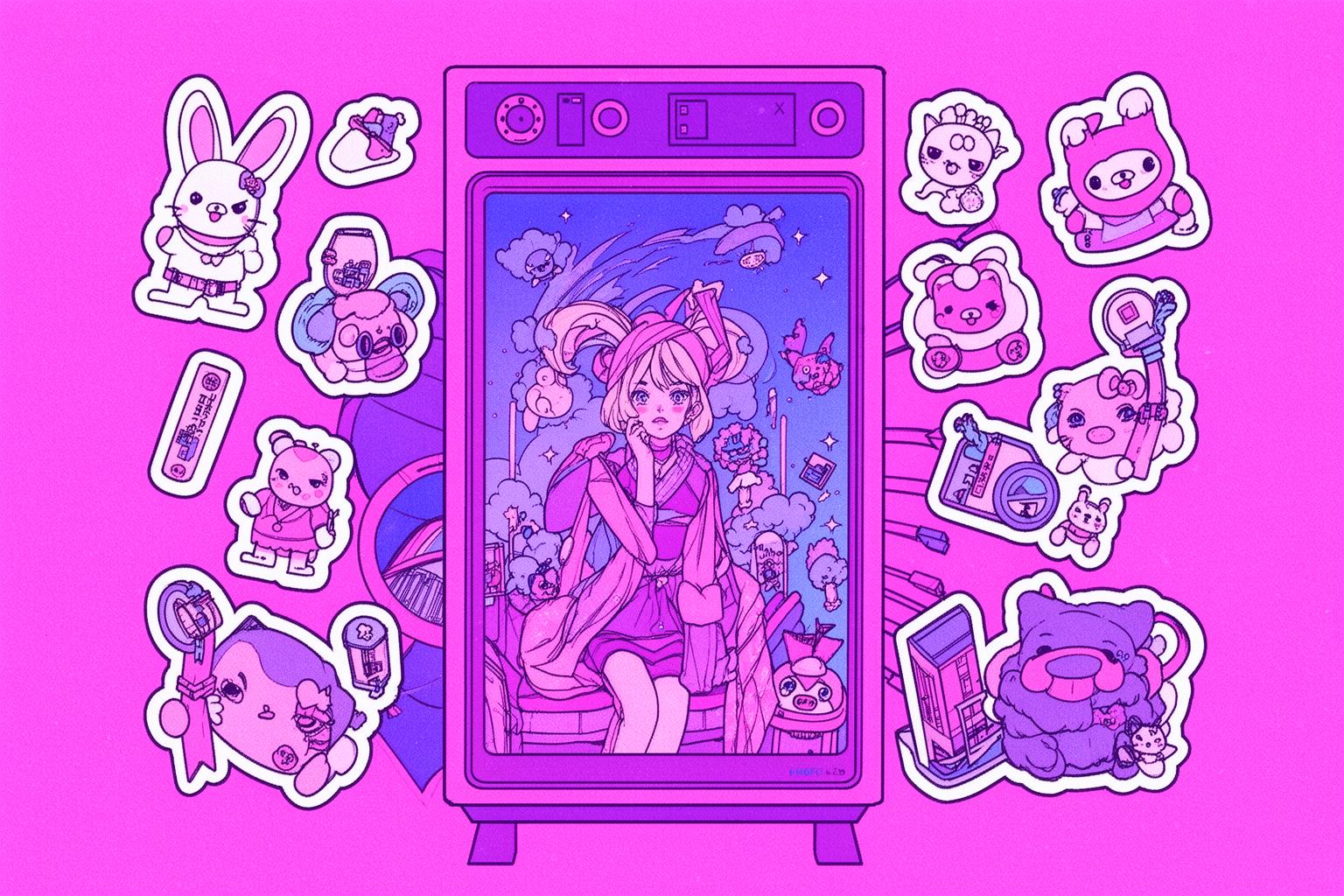
The fun doesn’t end once the sticker sheet is printed. In fact, what you do with your Purikura is the essential final step in the process. These aren’t just photos to stash away in a wallet—they’re meant to be seen, shared, and displayed. They serve as trophies of good times, symbols of friendship, and a vibrant expression of your personal style. From classic traditions to modern digital flair, here’s how to bring your Purikura to life.
The Original Way: The Purikura Album (“Puricho”)
During the heyday of the 90s and 2000s, the prime aim was to fill a “Purikura-cho” (プリ帳), or Purikura album. This special notebook or photo album, often elaborately decorated itself, was dedicated entirely to collecting Purikura stickers. Flipping through someone’s Puricho was like browsing a visual diary of their social life. Each page was a collage of different outings with friends, trips, and special moments, all captured in sparkling sticker form. Friends often wrote little messages beside the stickers too. Though less common now in the smartphone era, creating your own travel Puricho is a wonderfully creative and personal way to document your trip to Japan. Grab a cute notebook and start your collection—it’s a charmingly analog souvenir you’ll treasure far more than a generic postcard.
Contemporary Style: Phone Cases and Beyond
Stroll through any high school or university campus in Japan, and you’ll spot the most popular modern use for Purikura: the phone case. The trend is to use a clear phone case and slip your favorite Purikura stickers inside, crafting a personalized and ever-changing collage. It’s a way to literally carry your friends and memories wherever you go. Some cases are packed with stickers, showcasing a person’s entire social circle—a public declaration of friendship. Beyond the phone case, the possibilities are endless: decorate your laptop, planner, travel journal, or reusable water bottle. Exchanging cut stickers with friends is also a key part of the ritual—a kind of modern friendship bracelet, a small token saying, “We shared this moment.”
The Digital Era: Social Media Hits
In today’s world, if it’s not on Instagram, did it even happen? That’s why obtaining digital copies of your Purikura is so important. The downloaded images are perfectly formatted for social media, making them ideal for Instagram stories, quirky profile pictures, or fun posts commemorating your trip. When you post, you can join the local hashtag game—the two most popular being #プリクラ (Purikura) and #プリント倶楽部 (Print Club). Browsing these tags is a great way to catch the latest posing and editing trends, and connect with the vast community of Purikura fans across Japan. Sharing your Purikura online is the final step in showcasing your immersion into contemporary Japanese culture—it’s you telling the world you went beyond the guidebooks and had an authentically amazing local experience.
A Note from Ami: Safety and Solo Travel
As a woman who frequently travels alone, I’m always mindful of the safety and comfort of any experience. So, let’s approach Purikura from that perspective. The good news is that, overall, Purikura booths are remarkably safe and welcoming spaces. Since the main audience is teenage girls and young women, the companies operating these centers work hard to make them feel bright, secure, and comfortable. They are almost always situated in busy, well-lit game centers or shopping malls with lots of people nearby. However, it’s wise to stay somewhat aware of your surroundings. Different floors in game centers can have varying atmospheres. The Purikura floor is usually a lively, female-focused area. Other floors, dedicated to things like intense rhythm games or fighting games, may be darker and have a more male-dominated, serious vibe. If you’re traveling solo and feeling a bit unsure, I recommend going during daylight hours or early evening. That’s when these places are busiest with students and shoppers, and the mood is light and cheerful. Also, as mentioned, watch for “women only” zones in some larger venues. These are excellent and provide an added sense of comfort whether you’re alone or with a group of female friends. Ultimately, trust your instincts, but keep in mind that Purikura is meant to be a fun and worry-free activity for everyone.
Your Kawaii Legacy
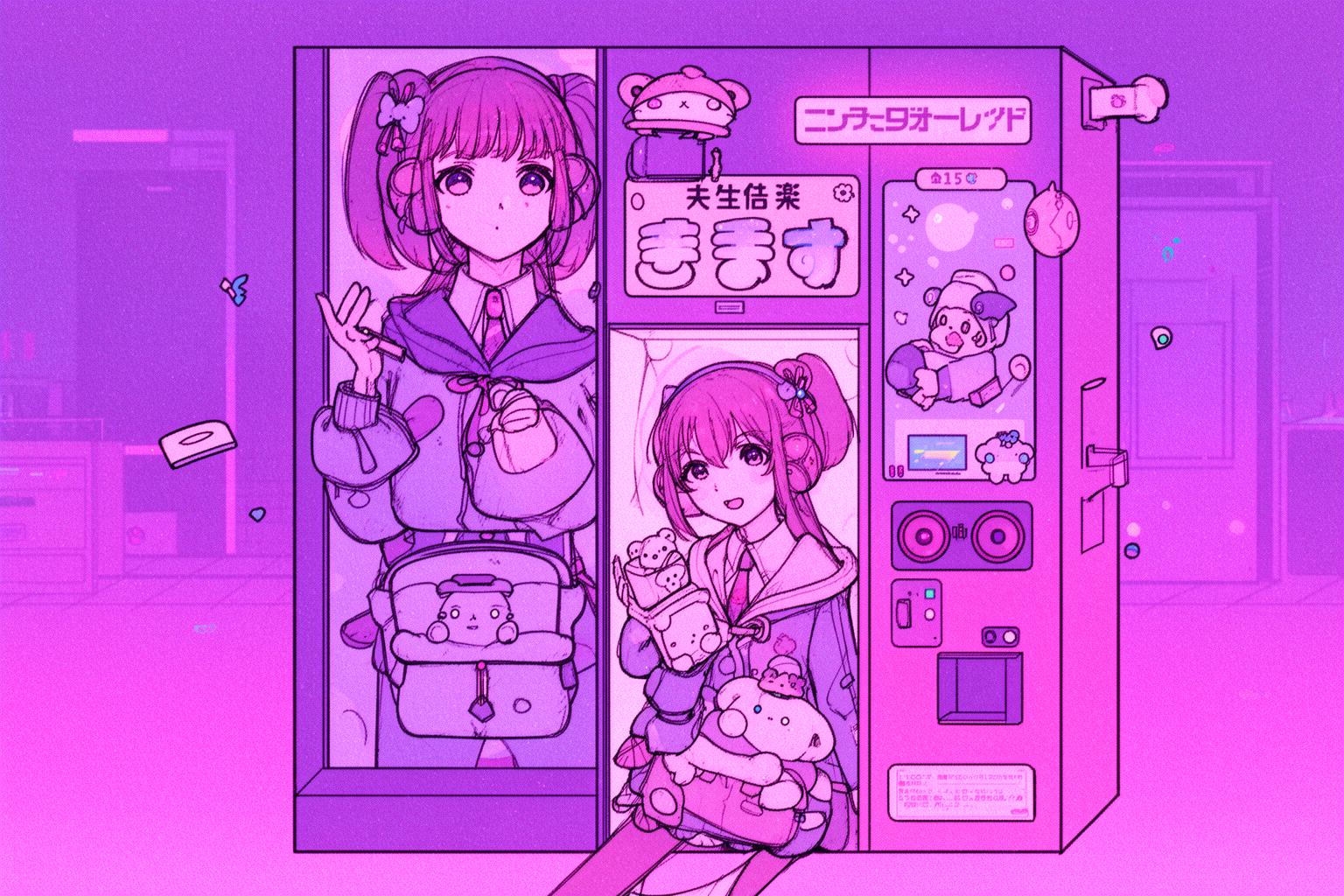
So there you have it. The world of Purikura is far more than just a quick snapshot. It’s a creative playground, a social ritual, and a lively subculture all rolled into one. It offers a chance to let go of your inhibitions, be playful, experiment with your image, and engage with Japanese culture in a way that’s active and incredibly fun. On your next trip to Japan, I challenge you to skip the temples for an afternoon and step into the neon glow of a game center. Gather your friends, arm yourself with a handful of 100-yen coins, and craft your own kawaii legacy. The sticker sheet you take home won’t just be a picture—it will be a story, a laugh, a tangible memento of your adventure. It will prove that you didn’t just observe Japan—you played with it. And that, to me, is the very best kind of travel.