Yo, what’s the vibe? If you think you’ve seen all Japan has to offer—the temples, the neon cities, the fire ramen—I’m here to tell you to hold up. There’s a whole other layer to this country, a dimension of pure, unadulterated passion that’s both ridiculously cute and intensely competitive. It’s a world where giant, fluffy pears headbang on stage, where silent, rosy-cheeked bears are revered like deities, and where entire communities pour their hearts, souls, and yen into a popularity contest that’s anything but gentle. Welcome, fam, to the electric, chaotic, and deeply emotional universe of Yuru-Chara, Japan’s local mascots. This isn’t just about some cute characters; it’s a full-blown cultural phenomenon, a battleground of regional pride where the energy is absolutely lit. These events, especially the legendary Yuru-Chara Grand Prix, are where you see the true heart of modern Japan—a place where tradition, pop culture, and fierce local love collide in the most surreal and wonderful way possible. It’s a scene that hits different, a truly next-level experience for anyone looking to connect with the real, unfiltered spirit of the people. So, buckle up, because we’re about to dive deep into the festive fire and understand why these wobbly, wide-eyed creatures mean so much.
If you’re fascinated by this collision of tradition and pop culture, you’ll love exploring the psychedelic world of Japan’s Showa-era snacks.
The Genesis of Yurui: More Than Just a Mascot

To fully grasp the concept, you need to understand the origins of these characters. This entire movement didn’t emerge overnight; it arose from a genuine need and a collective yearning for something more during Japan’s so-called “Lost Decades.” After the economic bubble burst in the ’90s, many rural towns and smaller cities faced struggles. They needed a way to attract tourists, generate excitement about local products, and essentially put themselves back on the map. This push for regional revitalization, or machi-okoshi, provided the perfect foundation for the rise of Yuru-Chara. The term itself—a clever blend of yurui (meaning gentle, loose, or even amateurish) and kyarakutā (character)—was coined by cultural critic and all-around legend Miura Jun. He noticed these sometimes awkward, often quirky local mascots emerging and recognized a new cultural phenomenon. He even established three golden rules for what defines a true Yuru-Chara: it must express a strong love for one’s hometown or region, its movements must be unsteady and unique, and it must be unsophisticated or charmingly imperfect. This wasn’t about crafting the next sleek, corporate Hello Kitty; it was about creating something soulful, authentic, and homegrown.
Hikonyan: The Original Spark
You can’t discuss the history of Yuru-Chara without giving major credit to the character who arguably ignited the whole trend: Hikonyan. Originating from Hikone city in Shiga Prefecture, this white cat donning a crimson samurai helmet—modeled after that of the local Ii clan lord—was created in 2007 to commemorate the 400th anniversary of Hikone Castle. The response was phenomenal. Seriously, it was a cultural reset. People flocked to Hikone just to see this stoic yet adorable samurai cat. Tourism numbers soared. The economic impact was so profound that other municipalities across Japan saw Hikonyan and thought, “We need one of those.” Suddenly, every town, every prefecture, every tourism association raced to design its own local mascot. Hikonyan became the model: a character deeply tied to local history, with a simple, memorable design that instantly brings a smile. He demonstrated that a mascot could be more than a logo; it could be an ambassador, a friend, and a powerful economic catalyst. His calm and dignified presence contrasts sharply with some of the more chaotic characters that followed, but he remains the undisputed original icon of the Yuru-Chara world.
The Grand Prix: Where Kawaii Gets Competitive
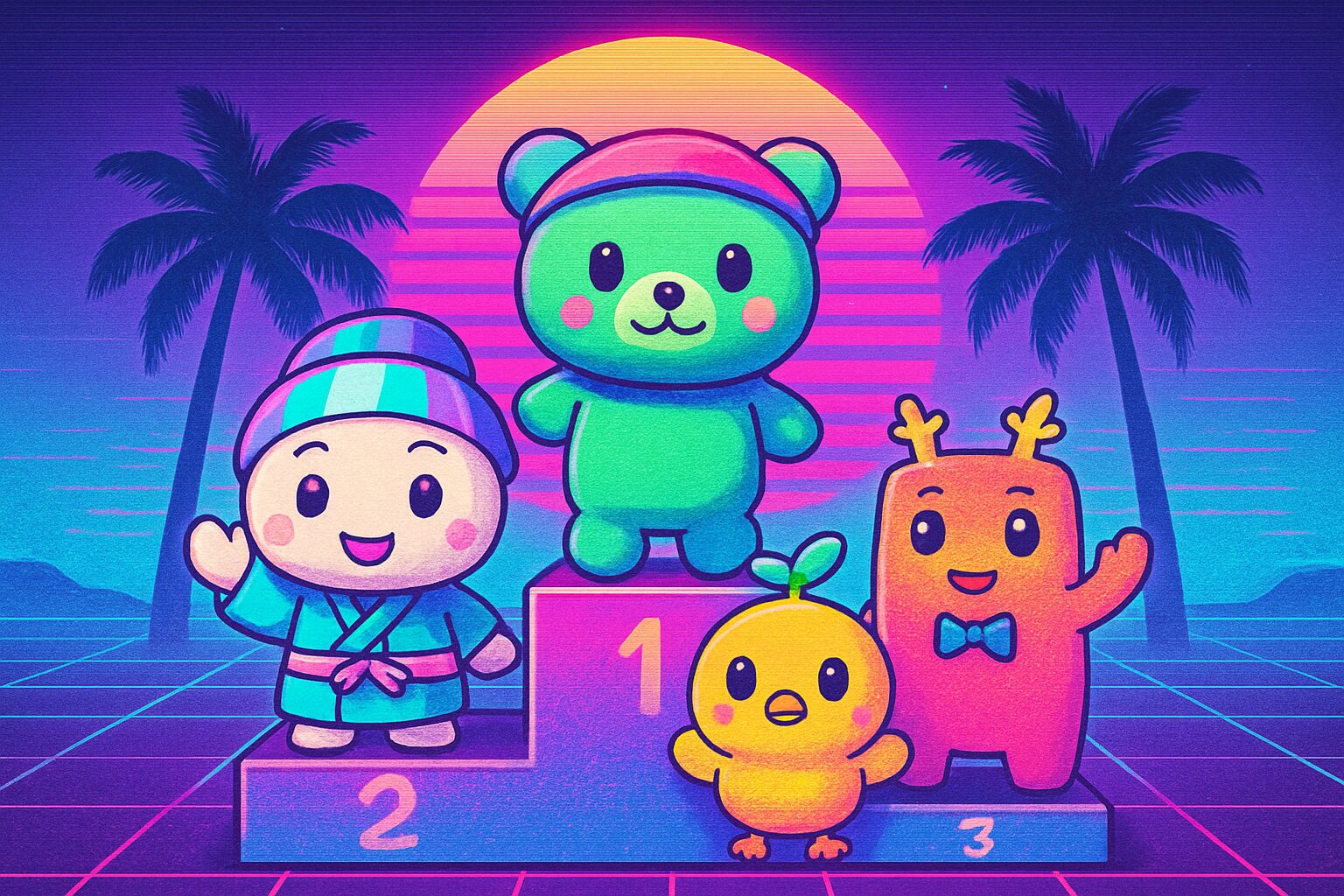
If Yuru-Chara are the local heroes, then the Yuru-Chara Grand Prix was their ultimate arena. Launched in 2011, this yearly event was the Super Bowl, World Cup, and Olympics of the mascot world all combined. For ten years, it stood as the definitive contest to determine Japan’s most popular mascot. And believe me, the enthusiasm was off the charts. This was no casual event; it was serious business. Municipal governments and local businesses poured massive amounts of money and effort into their campaigns. Fans organized voting campaigns, plastering posters and flooding social media to back their beloved fluffy champions. The atmosphere at the event was pure, glorious chaos. Picture a huge convention center or park teeming with hundreds of oversized, wobbly characters, each with a booth promoting local products, from specialty soy sauce to limited-edition plush toys. The air buzzed with upbeat PR songs, cheers from devoted fans, and collective gasps as an especially large mascot struggled through a doorway. On stage, characters got a few precious minutes to dance, showcase a special skill, or simply wave cutely to win over voters. It was sensory overload at its finest—a vivid celebration of local identity in a globalized world.
The Voting Wars: A Study in Devotion
The voting process for the Grand Prix was an epic in itself. It involved a two-stage approach: a months-long online voting period followed by an intense, on-site voting frenzy during the final weekend. The fans’ dedication was remarkable. People set daily reminders to cast their online votes. Entire offices rallied behind their local government’s mascot. The on-site voting was even more fierce. Campaign managers, often devoted civil servants, would practically beg passersby for votes, handing out flyers and freebies. The mascots themselves were in full force, posing for countless photos, giving high-fives (or fin-fives, or paw-fives), and charming everyone they met. It may sound absurd, and it was, but it was also deeply heartwarming. This fierce competition wasn’t driven by rivalry but by intense hometown pride. Winning the Grand Prix wasn’t just about the trophy; it meant nationwide recognition. It was proof that your small town, its unique culture, and your quirky mascot truly mattered. It was a moment of immense collective pride that could bring real tourism and economic benefits.
Hall of Fame: The Legends of the Arena
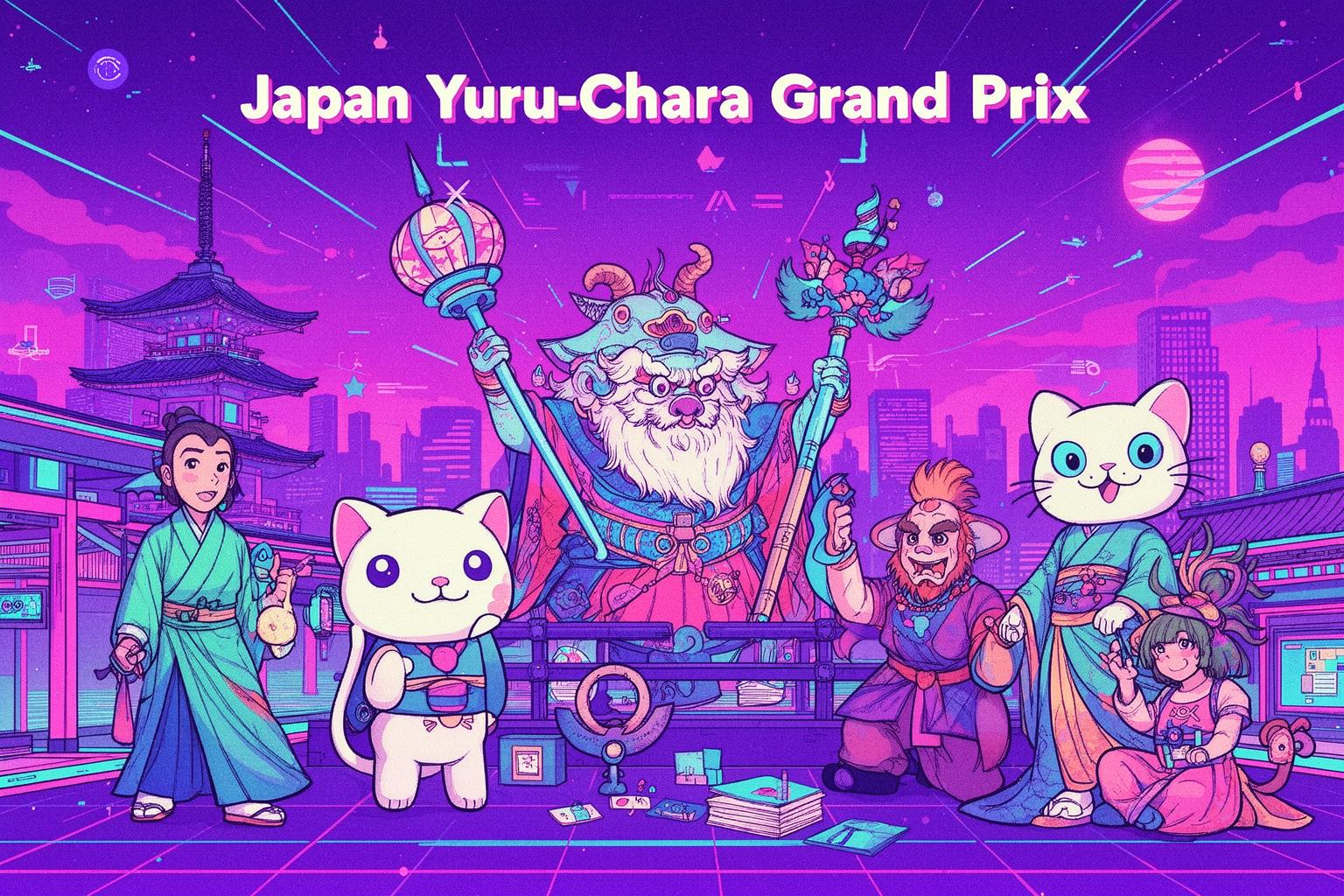
Over the years, the Grand Prix stage has seen the emergence of several titans—characters who rose beyond their local roots to become national and even international icons. These legends continue to shape the Yuru-Chara scene today. They are the elite players, the ones who transformed the game forever.
Kumamon: The King Who Conquered the World
When discussing Yuru-Chara success, all paths lead to Kumamon. This black bear with iconic red cheeks, representing Kumamoto Prefecture, is truly in a league of his own. He won the second-ever Grand Prix in 2011 and was immediately inducted into the Hall of Fame, never competing again, because, frankly, it wouldn’t have been fair to anyone else. Kumamon is more than just a mascot; he’s a global brand. What distinguished him was Kumamoto’s brilliant strategy: they allowed free use of his image for anyone promoting Kumamoto products. This sparked a surge of Kumamon-branded items, ranging from instant noodles to luxury cars. But his appeal runs deeper than marketing. Kumamon has a distinct personality—mischievous, a bit clumsy, and endlessly endearing. He holds official titles as the Sales Manager and Happiness Manager for the prefecture. After the devastating Kumamoto earthquakes in 2016, he became a symbol of hope and resilience, visiting evacuation centers and bringing smiles during the darkest times. He demonstrated that a Yuru-Chara could offer genuine comfort and inspire recovery. He’s the undisputed king, and his reign remains absolute.
Funassyi: The Anarchist Pear God
If Kumamon is the dignified king, Funassyi is the wild court jester who somehow seized the throne. A hyperactive, high-pitched, headbanging pear fairy, Funassyi represents Funabashi City in Chiba—but here’s the twist: he’s an unofficial mascot. The city government initially rejected him, so he went rogue, amassing a massive following through sheer, relentless energy and a string of viral videos. Funassyi breaks every rule. Yuru-Chara are meant to be silent; Funassyi shouts his catchphrase, “Nassha!” (a pear-themed shout of joy). They should be yurui and move slowly; Funassyi leaps impossibly high and thrashes about like a rock star. He’s a force of nature, a yellow-and-blue whirlwind of pure chaos. His success showed there was a market for something different—edgier and more unpredictable within the kawaii world. He’s a multi-million-dollar phenomenon solo, with albums, world tours, and endless merchandise, all without any official endorsement. He stands as proof of the power of grassroots passion and unfiltered personality.
Bary-san: The Gentle Giant with a Killer Strategy
Hailing from Imabari in Ehime Prefecture, Bary-san took home the 2012 Grand Prix. This large, round chick-like character contrasts sharply with Funassyi. He’s massive, slow-moving, and perfectly embodies the yurui spirit. His design is a masterful example of local branding. His crown resembles a bridge, symbolizing the Kurushima-Kaikyō Bridge, a local landmark. He carries a ship-shaped wallet (harimaki) symbolizing Imabari’s shipbuilding fame, and he adores yakitori, the town’s specialty dish. Bary-san’s victory was the result of a precisely coordinated, community-led campaign. The entire city of Imabari rallied behind him, and his win generated immense pride and a significant boost in tourism. He exemplifies the classic route to Yuru-Chara stardom: a thoughtfully crafted design deeply connected to its hometown, backed by a passionate and organized local fan base. He’s a gentle giant who proved that slow and steady truly wins the race.
The Vibe on the Ground: How to Experience Yuru-Chara Culture
Alright, here’s some straightforward talk. The official Yuru-Chara Grand Prix, a national event, held its last competition in 2020. It marked the end of an era. But—and this is a big but—the spirit is very much alive. The passion for local mascots continues to burn brightly throughout Japan. The scene has simply become more localized and grassroots, which may actually be better for repeat visitors seeking authentic experiences. The excitement and energy have just dispersed into numerous smaller, regional festivals and events.
Hunting for Heroes: Where to Find Them
So, how can you join in? Your best bet is to do a bit of research before you travel. Check the official tourism website of the city or prefecture you’re visiting. They often provide calendars of local events, festivals, and farmers’ markets where the local mascot is almost guaranteed to appear. Major train stations, especially those with tourism information centers, are also great places to spot mascots. Some of the more famous characters even have dedicated spaces. For example, Kumamon Square in downtown Kumamoto serves as his official office, where he regularly makes appearances for his enthusiastic fans. Many mascots maintain a strong social media presence, so a quick search on Twitter or Instagram can reveal their upcoming schedules. It’s like a treasure hunt, but the prize is a selfie with a giant, fluffy symbol of regional pride.
Pro Tips for Your First Encounter
When you find an event, just enjoy the atmosphere. The vibe is incredibly friendly and welcoming. Here are a few tips to keep in mind: First, be patient. If you want a photo, there’s likely to be a line—it’s part of the fun. Second, pay attention to the handlers. Every mascot is accompanied by an attendant, or oniisan/oneesan (big brother/sister), who serves as their guide, translator, and protector. They play an essential role in the performance. Third, check out the merchandise booths. Purchasing a keychain or a pack of cookies is a great way to directly support the local community that the character represents. And finally, don’t hesitate to interact! A friendly wave, bow, or high-five will always be welcomed. Even though the mascots are silent (unless you meet Funassyi), their lively gestures speak volumes. It’s a wholesome, feel-good experience that’s sure to make you smile.
The Deeper Level: Why This All Matters So Much
It’s easy to write off the Yuru-Chara phenomenon as merely a silly trend, but doing so completely misses its significance. As a researcher, I view it as a captivating manifestation of deeply rooted cultural values. Japan’s affection for mascots is not new; it stems from Shinto animism—the belief that gods and spirits, or kami, inhabit all things such as rocks, trees, mountains, and even places. In essence, Yuru-Chara serve as modern-day kami for their hometowns. They are the friendly, approachable spirits representing a place, embodying its history, industry, and soul. They connect ancient beliefs with contemporary pop culture.
Moreover, in a society often defined by formality and social restraint, these characters provide a sense of iyashi, or healing comfort. They are pure, non-judgmental entities whose sole purpose is to bring happiness and promote their hometowns. They offer a brief moment of simple joy amid a complicated world. The intense passion surrounding the Grand Prix was about more than just winning; it represented a collective emotional release, allowing people to openly and enthusiastically express their love for their home in ways they might not in daily life. It was, and remains, a form of cultural catharsis wrapped in a soft, kawaii package. The contrast between their gentle, yurui appearance and the passionate, competitive spirit of their fans creates a kind of gap moe—a strong attraction to that very contradiction. This emotional complexity is what makes the world of Yuru-Chara so deeply compelling.
The Legacy of the Fiery, Fluffy Frenzy
So, as you journey through Japan, keep your eyes open. That quirky mascot on a vending machine, that charming character on a manhole cover, that wobbly figure waving from a festival stage—they’re more than just cartoons. They are the soul of their communities. They are stories, histories, and the focus of a passion so strong it sparked a nationwide phenomenon for a decade. Though the grand stage of the Yuru-Chara Grand Prix may now be quiet, the energy it unleashed still echoes through every prefecture and small town. Seeking out these local heroes offers a glimpse of Japan you won’t find in any polished travel brochure. It’s an opportunity to connect with people’s genuine, unfiltered pride for their hometown. It’s a world that’s goofy, chaotic, deeply sincere, and completely Japanese. Find your favorite, snap that selfie, and catch the vibe. It’s an experience that’s seriously emoi—it’ll touch your heart and give you a story uniquely your own. For real.