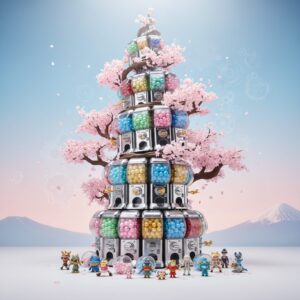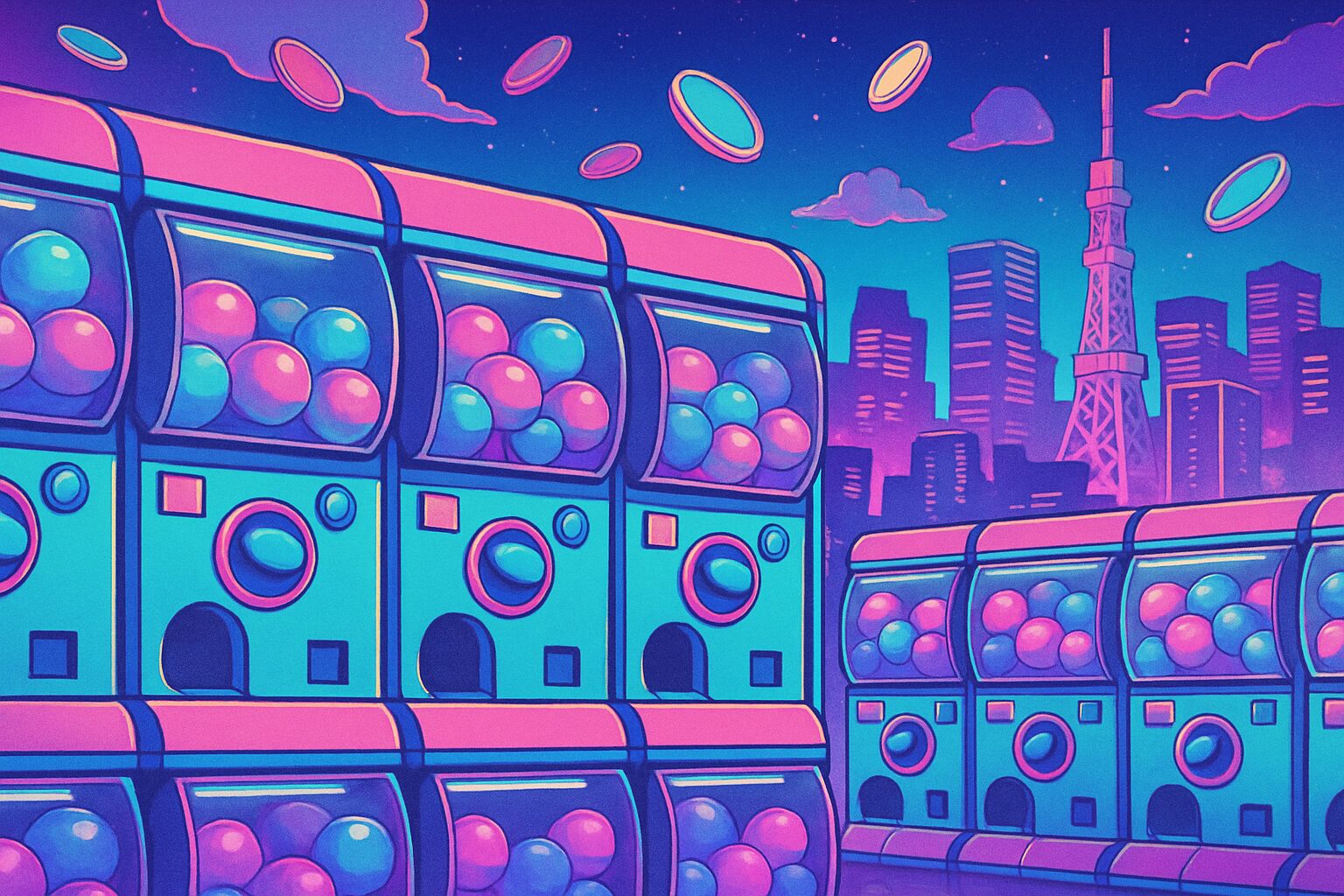
Yo, what’s the deal? Ryo Kimura here, ready to plug you into one of Japan’s most electric cultural currents. We’re talking about Gachapon. You’ve probably seen them—those banks of machines, each a window into a tiny universe of possibilities. But let me tell you, this is way more than just a toy dispenser. It’s a treasure hunt, a cultural phenomenon, and a straight-up obsession that’s got the whole country in a chokehold, in the best way possible. Picture this: you’re walking down a bustling Tokyo street, the neon signs are buzzing, the energy is kinetic, and then you see it. A wall of Gachapon machines, a vibrant mosaic of pop culture promises. You slide in a few hundred-yen coins, you hear that satisfying clunk, you turn the crank—gacha gacha—and then, with a final pon, a colorful capsule drops into the tray. The thrill isn’t just in what’s inside; it’s in that moment of pure, unadulterated anticipation. It’s a low-stakes gamble where everyone’s a winner, because you always walk away with a story, a tiny piece of art, a slice of Japan’s wild and wonderful imagination. This is the world of Gachapon, a universe where cute, weird, and hyper-detailed collide in a plastic sphere. It’s a full-on vibe, a tangible piece of the culture that’s accessible to everyone, from kids with pocket money to serious adult collectors dropping serious yen. Before we dive deep into this rabbit hole of miniature madness, let’s get you oriented. The heart of this scene beats strongest in places like Tokyo’s Akihabara, the undisputed mecca for all things anime and Gachapon. Let’s drop a pin right there, so you know where the pilgrimage begins.
For a deeper dive into the history, mechanics, and hottest trends of this addictive hobby, check out our ultimate guide to Gachapon.
The Gachapon Philosophy: It’s Not Just a Toy, It’s a Mood

First and foremost, you need to grasp the core concept. In the West, you might come across a dusty machine in a supermarket lobby that dispenses a bouncy ball or a sticky hand. Forget that—it’s not what we’re dealing with here. Japanese Gachapon operate on a completely different level, seriously. The quality, creativity, and sheer variety are astonishing. We’re talking intricately crafted figures, licensed character merchandise from the hottest anime, and quirky, hilarious ideas that seem uniquely Japanese. This isn’t just kid’s stuff; the main audience is adults—adults with disposable income and a strong passion for collecting, fandom, and owning a tangible piece of the media they love. It’s a huge industry, with giants like Bandai Namco (who trademarked the term “Gashapon”) and Takara TOMY Arts competing fiercely to release the most exciting series each month.
The appeal has many layers. On the surface, it’s the excitement of the unknown, a small dopamine rush for about 300 to 500 yen (roughly $2 to $4). It’s like a modern-day treasure chest. But beneath that, it taps into the core of Japanese collector culture, or what you might call otaku culture. There’s a natural urge to complete a set, known as kompu gacha or “complete gacha.” When a new series with six different cute cats wearing hats comes out, the goal isn’t just to get one cat. It’s to collect all six cats. This turns a casual turn of the crank into a determined quest. You’ll see people spinning the same machine again and again, their faces showing intense focus, hoping for that one rare character they need. And when they get duplicates? That’s part of the experience, too. Those extras become currency for trading with friends or other collectors, creating a whole community around these tiny plastic capsules. It’s a social object, a conversation piece. Showing off your latest Gachapon haul to friends is a genuine social activity. It’s a way to share your interests, your sense of humor, and what you think is cool. The entire experience is built on a beautiful, cyclical loop of desire, chance, and community. This hobby is both deeply personal and incredibly social, and that balance is what makes it so captivating.
The Mecca of Minis: Where to Hunt for Gachapon Gold
Alright, so you’re convinced by the concept, your pockets are jingling with 100-yen coins, and you’re ready to jump right in. But where should you go? While Gachapon machines can be found everywhere—train stations, supermarkets, electronics stores, even hidden within quiet neighborhood restaurants—there are certain must-visit spots for the ultimate, unfiltered experience. These locations boast such a high concentration of machines that they create a magical sensory overload.
Akihabara: The Electric Heartbeat of Gacha
Let’s begin with the undisputed center: Akihabara, or “Akiba” as the locals say. This is ground zero for anime, manga, gaming, and naturally, Gachapon. Walking through Akiba feels like stepping into another world. The streets are a canyon of neon lights and towering anime billboards. The air pulses with J-pop from storefronts, the sounds of arcade games, and the steady clack-clack-clack of Gachapon cranks turning. Your primary stop here is the legendary Akihabara Gachapon Hall. It’s neither fancy nor large, but it’s iconic. This narrow, brightly lit room is packed floor to ceiling with hundreds of machines. The atmosphere is pure passion. You’ll spot everyone, from wide-eyed tourists to experienced local collectors who navigate the tight space effortlessly. They know exactly which new series have arrived and where to find them. The walls are plastered with paper inserts from each machine, showcasing complete sets—a visual menu of miniature wonders. Beyond Gachapon Hall, keep your eyes open. Buildings like Radio Kaikan dedicate whole sections or floors to hobby shops, each featuring extensive Gachapon corners. Machines line sidewalks, inviting you into basements and narrow staircases. Akiba’s Gachapon scene strongly reflects its identity, featuring anime and video game characters, mecha models, and quirky tech gadgets. This pilgrimage is a must for every Gachapon enthusiast. It’s more than a place to get toys; it’s an immersion into the culture behind them.
Ikebukuro & Shinjuku: The Urban Powerhouses
If Akiba represents the specialist, hardcore hub, then Ikebukuro and Shinjuku are the vast, mainstream multiplexes. These areas are equally intense but offer a different vibe. Take Ikebukuro’s Sunshine City, a huge shopping and entertainment complex. Inside is the Gashapon no Depāto (“Gashapon Department Store”), which holds the Guinness World Record for the most capsule toy machines in one venue. Thousands of machines—three thousand, to be exact—make this an almost incomprehensible Gachapon labyrinth, organized by theme and brand. You could easily spend an entire day here and still not see everything. The atmosphere is less of a gritty otaku den and more of a bright, family-friendly superstore. It’s clean, spacious, and somewhat overwhelming, but the selection is unmatched. Here you’ll find everything from the latest viral hits to timeless classics. Shinjuku, home to the world’s busiest train station, offers a different kind of experience. Gachapon machines are woven into massive department stores like Tokyu Hands and the sprawling basements of electronics giants like Yodobashi Camera and Bic Camera. The Gachapon here tend to be more curated, reflecting the district’s trendy, fast-paced vibe. You might discover design-forward capsules, collaborations with famous artists, or series inspired by current trends on Japanese social media. Hunting for Gachapon in Shinjuku is like an urban safari, a challenge to spot machines amid the dazzling chaos of one of Tokyo’s most dynamic hubs.
Nakano Broadway: The Collector’s Deep Dive
For those who want to stray from the beaten path and dive into the world of serious collectors, there’s Nakano Broadway. This place has a different atmosphere. Just a short train ride from Shinjuku, this multi-story shopping complex feels like a time capsule of Japanese pop culture. It’s less flashy than Akiba, with a quieter, almost museum-like feel. Narrow corridors are lined with tiny glass-fronted shops, each a hyper-specialized treasure trove. You’ll find vintage manga, original animation cels, and ultra-rare figurines from decades past. And naturally, there are Gachapon machines. The machines here cater more to niche collectors. You’re more likely to find retro anime characters, obscure kaiju monsters, and re-releases of classic series from the ’80s and ’90s. The vibe isn’t about frenetic hunting; it’s about the quiet joy of discovery. This is for true connoisseurs—those on a quest to find that one special piece to complete a beloved collection. Exploring Nakano Broadway feels like rummaging through Japan’s collective attic, with the Gachapon as the tiny, perfect souvenirs you uncover along the way.
What’s in the Capsule? A Universe of Weird and Wonderful

So we’ve discussed where to go, but what exactly will you discover inside these enchanting orbs? The answer is, quite simply, anything and everything. The creativity of Gachapon designers is truly limitless. The vast variety of items available is astonishing, but most tend to fall into a few main categories. Prepare to delve into the wonderful classification of Gachapon treasures.
The Kawaii Explosion
This is the core of the Gachapon realm—the stuff that makes you say “awww” without even trying. Japan is the undisputed champion of kawaii (cute), and Gachapon is its main delivery method. The most beloved subcategory here features animals, often cats and dogs, doing human activities. Imagine shiba inus cooking ramen, cats sporting charming fruit hats, hamsters acting as DJs, or capybaras relaxing in a tiny hot spring. These series remain eternally popular because they are universally adorable. Then there are licensed character goods with tiny, flawless figures from Sanrio (Hello Kitty, Gudetama), San-X (Rilakkuma, Sumikko Gurashi), Pokémon, Kirby, and countless others. If a character is popular in Japan, rest assured there’s a Gachapon series dedicated to it. Another major kawaii category is miniature food. These aren’t just simple plastic toys; they are hyper-realistic, incredibly detailed replicas ranging from full sushi sets and tiny bowls of ramen to delicate pastries and classic Japanese sweets. The level of detail is so astounding that you’ll marvel at the texture on a miniature piece of tempura or the glossy finish on a tiny macaron. They look so convincingly edible, collecting them feels like assembling your own perfect mini pantry of Japanese cuisine.
The Strange and Hilarious (The “Hen” Side)
This is where Gachapon transcends being just a hobby and becomes an art form. These are the items that make you laugh, shake your head in disbelief, and immediately reach for your wallet. The Japanese have a distinctive sense of humor that’s often surreal, and Gachapon serves as its ideal canvas. A classic example is the “Shakurel Planet” series, featuring animals with enormous, chiseled chins—completely inexplicable and just plain funny. A lion with a jawline sharp enough to cut glass? A panda with a pronounced, jutting chin? This is peak absurdist comedy. Another viral favorite is the “Gassho Suru Doubutsu” series, showing various animals—from meerkats to polar bears—with their paws clasped in solemn prayer. It’s both cute and unexpectedly profound. Other quirky Gachapon include muscle-bound pigeons (“Macho Pigeon”), office ladies who moonlight as ninjas, and historical figures striking dramatic poses. Then there are famously pointless yet hilarious Gachapon, like hyper-realistic models of a single, nondescript public bench or a set of different construction sandbags. This is the “hen na gachapon” (weird gachapon) category, which for many collectors is the most exciting part of the search. It offers a glimpse into the unfiltered, wonderfully strange creativity that makes Japanese pop culture endlessly captivating. You don’t just get a toy; you get a story and punchline wrapped up in a single capsule.
The Incredibly Detailed and High-Quality
At the complete opposite extreme from the bizarre and playful are Gachapon that will astonish you with their exceptional quality and realism. These capsules almost blur the lines between toys and museum-quality models. Companies like Nature Techni Colour (produced by Kitan Club) and Kaiyodo are renowned for these. They produce scientifically accurate, highly detailed figures from the natural world. You can find collections of Japanese beetles with iridescent shells shimmering as if alive, poisonous frogs with vivid, perfectly recreated skin patterns, and intricate models of deep-sea creatures. It’s like having a miniature natural history museum right on your desk. This category also includes man-made objects: legendary samurai armor miniatures with every plate and cord painstakingly replicated, tiny functional lanterns that actually light up, scaled-down Showa-era home appliances, and even miniature reproductions of famous artworks. The craftsmanship is extraordinary, especially considering the price. These aren’t mere toys; they’re miniature masterpieces, embodying Japanese dedication to quality and precision no matter how small the scale. This dedication elevates Gachapon from simple novelties to respected and collectible art forms.
Pro Tips for the Ultimate Gachapon Spree
Alright, you’re all set and ready to hit the streets. But before you unleash your inner collector, a few words of advice will help you navigate the Gachapon scene like a seasoned expert. Following these tips will make your hunt smoother, more efficient, and much more enjoyable. This is your ultimate Gachapon player’s guide.
Strengthen Your Coin Game
This is the most important rule: Gachapon machines don’t accept bills or credit cards—they operate solely on coins. Most machines take 100-yen coins, though some of the pricier ones require 500-yen coins. Before you approach a wall of machines, make sure you have plenty of coins on hand. Your wallet will be your best ally. But don’t worry if all you have are bills. Any reputable Gachapon hub, from the Gachapon Hall in Akiba to the Gashapon no Depāto in Ikebukuro, offers coin exchange machines. These are lifesavers. Insert a 1,000-yen or 5,000-yen bill, and out comes a satisfying clatter of 100-yen coins. The sound of those coins hitting the tray is the official starting signal for any Gachapon adventure. Carrying a dedicated coin purse is a smart move; it keeps you organized and ready for action at a moment’s notice.
The Recon Mission: Scout Before Spending
Faced with hundreds or even thousands of machines, the urge to start cranking the first one that catches your eye is strong. Resist it. Take a moment. Breathe. Then begin your patrol. Do a full sweep of the area first. Walk the aisles, scan the machines, and see what’s available. The display card on each machine is your guide—it shows every item in the series, so you know exactly what prizes await. Look out for what’s new—these are often marked with a special sticker. Notice which machines have “sold out” (売り切れ – urikire) signs; this hints at what’s extremely popular. By doing a bit of recon, you can prioritize your targets. Maybe you’ll find a rare series tucked away in a corner, or decide to focus your budget on one or two series you truly love. A touch of strategy goes a long way and helps you avoid blowing your budget on the first shiny thing you spot.
Know the Etiquette: The Unwritten Rules
There’s a certain rhythm, a shared understanding, at a busy Gachapon spot. Be part of that flow. If someone’s using a machine, give them space. Don’t hover right behind them. Wait your turn patiently. The key etiquette rule comes after you’ve gotten your prize. Once the capsule drops into the tray, take it and step away from the machine. Don’t linger opening it, blocking others waiting behind you. Typically, there’s a designated area—maybe a counter or some benches—where you can sit and perform the sacred ritual of opening your capsule. This keeps the line moving and shows respect to your fellow collectors. And what about the empty capsule? Don’t just toss it on the ground. Look around—every Gachapon area has large, specially marked bins just for empty capsules, often shaped like giant capsules themselves. Be a good citizen and recycle your plastic. It’s all part of being a responsible member of the Gachapon community.
The Fear of Missing Out is Real
Here’s an important insider tip: the world of Gachapon moves incredibly fast. New series are released every week, meaning the machines’ selections are constantly changing. That awesome series you saw today might be gone by next week, replaced by something new. If you see something you truly love—something that speaks to your soul—grab it then and there. Don’t think, “I’ll come back later.” Later might be too late. The fleeting nature of Gachapon is part of what makes it so thrilling. It captures a snapshot of a particular moment in pop culture. This scarcity is a powerful motivator, so trust your instincts. If a grinning shiba in a chef’s hat is calling out to you, answer the call. You’ll rarely regret the Gachapon you get, but you’ll always regret the one that slipped away.
Gachapon as a Souvenir: The Perfect Mini-Memory

Let’s be honest, souvenir shopping can be tedious. Generic keychains, mass-produced magnets, overpriced T-shirts—they often lack any personal touch. That’s where Gachapon saves the day. It’s unquestionably the best souvenir you can bring back from Japan. Why? Because it’s not just an item; it’s an experience captured in a capsule. Every Gachapon holds a story. It’s not just a tiny plastic cat; it’s the tiny plastic cat you got from a random machine at a Kyoto train station after a long day of temple visits. It’s the hyper-realistic beetle model found in the basement of a store in Akihabara after a 20-minute search. It’s the hilariously bizarre praying mantis figure you and your friends joked about for hours.
They feel incredibly personal. You chose to insert your coins into that specific machine. The result was a surprise, a small gift from the universe. That makes it uniquely yours. Plus, they’re lightweight, small, and affordable, so you can easily bring back a collection for friends and family without worrying about overspending or luggage weight. You can customize your gifts perfectly. Have a friend who loves cooking? Pick a miniature food Gachapon. A history buff? Find a mini samurai sword. A friend with quirky humor? The possibilities are endless. Giving a Gachapon is more than just handing over a trinket; it’s sharing a piece of the fun, the oddity, the joy, and the creativity of modern Japan. It’s a conversation starter, an item that sparks curiosity and delight. It’s a tiny, perfect keepsake of your trip, a tangible link to a moment of discovery and fun. Truly, it’s the ultimate Japanese souvenir.
The whole Gachapon experience is a journey. It’s a rabbit hole you can dive into for an hour or a lifetime. It’s about more than the plastic inside the capsule. It’s about the thrill of the hunt, the artistry of the design, the humor in the absurd, and the joy of sharing your finds with others. It’s a microcosm of Japanese culture itself: innovative, detail-driven, playful, and wonderfully, unapologetically weird. It’s a reminder that joy can be found in the smallest things, that a few hundred yen and a twist of a crank can bring a moment of pure, simple happiness. So next time you’re in Japan, keep your eyes open and a few coins handy. Approach that wall of colorful machines, choose the one that calls to you, and give that crank a turn. You never know what you’ll get, but it’s sure to be a story worth telling. The next great find is always just one gacha-gacha-pon away.