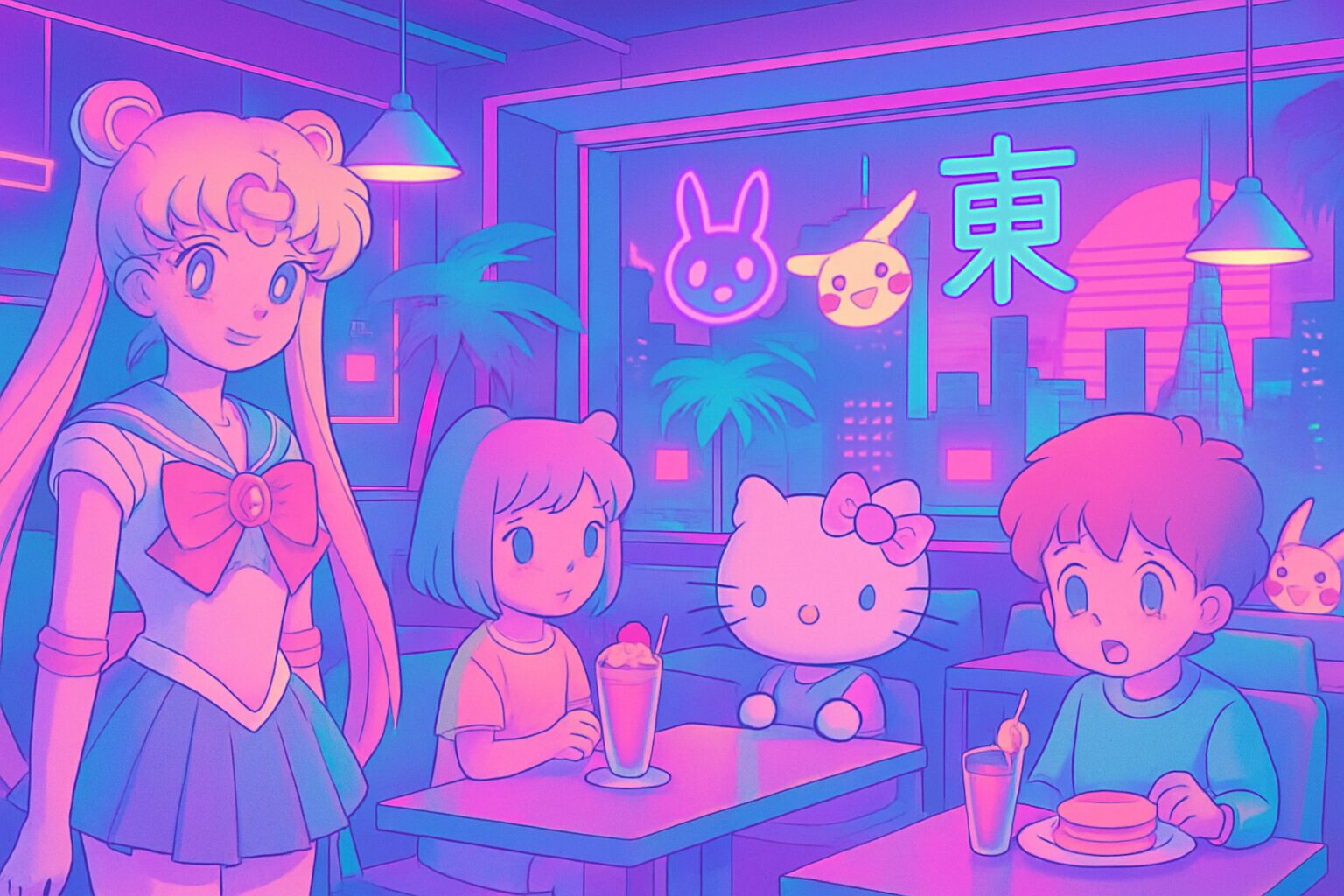
Yo, what’s up, world travelers! Hiroshi Tanaka here, your local guide to the real-deal Japan, the spots that are popping off right now. Today, we’re ditching the ancient temples for a sec and diving headfirst into a universe that’s pure, uncut modern Japan. We’re talking about character cafes. Picture this: you’re not just eating food; you’re eating a story. You’re sitting in a world that, until now, only existed on a screen or on the pages of your favorite manga. It’s a place where food, art, and fandom smash together in the most epic, colorful, and ridiculously cute way possible. These spots, often called “collab cafes” (コラボカフェ), are more than just themed restaurants; they are temporary sanctuaries for fans, immersive experiences that bring beloved characters from anime, manga, games, and even Sanrio mascots to life. For a few weeks or months, a small corner of Tokyo or Osaka transforms into a vibrant hub celebrating a specific series, and being there is like holding a limited-edition ticket to a world built just for you. It’s a full-on sensory explosion, a testament to Japan’s legendary “kawaii” culture, and an absolute must-do if you wanna get the legit pulse of what’s happening in pop culture over here. It’s where you go to eat, play, and connect with the stories you love on a whole new level. Bet. So, get ready to have your mind blown and your camera roll filled, because we’re about to enter the super fun, sometimes chaotic, and always unforgettable world of Japanese character cafes.
If you’re loving this full-on sensory explosion of kawaii culture, you’ll definitely want to check out the ultimate glow-up experience at a Japanese purikura photo booth.
What’s the Real Vibe? It’s More Than Just a Cafe, It’s a Whole Mood
Walking into a character cafe for the first time is a genuine shock to the system, in the best way imaginable. Forget everything you know about a typical dining experience. The moment you cross the threshold, you’re no longer in Kansas; you’ve been instantly transported into the world of the featured franchise. The atmosphere is everything, and the creators of these spaces are experts in crafting it. The walls are covered with large, high-quality prints of character art, key scenes from the anime, or specially commissioned illustrations made just for the cafe. Life-sized cardboard standees of the main characters are placed perfectly for photo opportunities. You’ll see fellow fans eagerly posing with their favorites, holding up their own character goods to create the ultimate tribute photo. It’s a shared space filled with pure, unfiltered joy. The music plays a huge role in the immersion. The cafe’s soundtrack is a carefully curated loop of the anime’s opening and ending themes, game background music, or character image songs. It’s an instant nostalgia boost that gets everyone energized. You’ll overhear snippets of conversation around you, with fans pointing out decor details, discussing plot points, or raving about a particular character. It’s a communal experience where everyone shares the same enthusiasm. Even the staff contribute to the atmosphere. While not always in full cosplay, their uniforms often subtly reflect the series through colors or logos. They are unfailingly friendly and completely understand the mission: you’re there to celebrate. They’ll patiently wait as you snap a dozen photos of your food from every angle before you even think of taking a bite. The entire place hums with a unique energy—a blend of excitement, reverence, and a mutual understanding that you’re all part of something special and often fleeting. It’s not just a restaurant; it’s a clubhouse, a gallery, and a fan convention all combined. The lighting is engineered to be perfect for photos, and screens might loop clips from the show or game. Every detail, from the design on the paper placemats to the shape of the sugar cubes, is meticulously planned to enhance the theme. This dedication to complete immersion is what makes character cafes so incredibly cool. You leave feeling like you actually spent time with your favorite characters for an hour. It’s a powerful sensation and the main reason people line up—or more accurately, scramble for reservations online—to get in.
A Feast for the Eyes: The Art of Food That’s Almost Too Cute to Eat
Let’s be honest for a moment. While some character cafes do offer genuinely tasty food, the visit isn’t about a gourmet, Michelin-star meal. It’s about the art. The menu is the highlight of the entire experience, with chefs and food designers as artists in their own right. Each dish is a culinary masterpiece, crafted to be as visually striking and thematically fitting as possible. The aim is to make you gasp when your plate is presented. Picture a savory main dish where a mound of perfectly saffron-colored rice is shaped into a smiling Pikachu, with delicate nori seaweed sheets for his eyes and mouth, and tiny ketchup circles for his iconic red cheeks. Or a plate of black sesame curry symbolizing the dark arts of a villain, adorned with a bright red paprika garnish forming a menacing magical seal at the center. The attention to detail is extraordinary. They use a diverse range of techniques to bring these characters to life on a plate. You’ll find pasta dishes with sauces matching a character’s signature outfit color, or burgers featuring buns stamped with the series logo. Desserts are where they truly shine. Parfaits are a common favorite—magnificent, towering layers of ice cream, fruit, jelly, and whipped cream, each tier reflecting a different character or theme from the story. A magical girl’s parfait might feature pastel-colored jellies, star-shaped sprinkles, and a delicate cookie wand topping it off. A dessert plate for a stoic, cool character could include a refined slice of dark chocolate cake dusted with matcha powder and garnished with a single, elegant piece of fruit. The drinks are equally elaborate. Lattes boast incredible foam art, often depicting a character’s face in stencil form. Sodas and juices are vibrant, multi-layered drinks with names like “Phoenix’s Rebirth Elixir” or “Slime’s Fizzy Potion,” frequently served with themed stirrers and edible glitter. One of the most crucial aspects of the drink order is the coaster. Nearly every themed drink comes with a free, exclusive coaster featuring a character, usually given out randomly, sparking a sub-game within the cafe experience. Fans at other tables carefully unwrap their coasters, hoping to get their “oshi” (favorite character). Sometimes you’ll even spot patrons trading coasters to complete their collections. It’s a huge part of the fun. So, when the food arrives, the first reaction is to grab your phone. There’s a frantic 10-minute photo session, capturing the art from every angle before the dishes melt or you can’t resist eating any longer. And the taste? It’s usually quite good! The curry is often a classic, mild Japanese style. The pasta is satisfying. The desserts are sweet and enjoyable. But flavor is almost secondary to the sheer visual delight. You’re eating a piece of the world you love, and that experience is truly priceless.
The Real Prize: Hunting for Limited-Edition Merch
While the food remains the centerpiece on the table, for many enthusiasts, the real gem lies in a small, dedicated corner of the cafe: the merchandise shop. This is far from a random collection of souvenirs; it’s a carefully curated selection of exclusive, limited-edition items that you simply cannot find anywhere else. The merchandise plays a major role in the cafe’s appeal and is a key reason for their popularity. The chance to own a unique piece from your favorite series is a powerful incentive. The products are made specifically for the collaboration, showcasing distinctive artwork often featuring the characters themed around the cafe, sometimes dressed as waiters or chefs. The variety is astounding. The most sought-after items tend to be small and collectible. Acrylic stands, or “akusuta” as they are called in Japan, are particularly popular. These are high-quality acrylic cutouts of characters that you can display on your desk, resembling miniature trophies. Keychains, especially acrylic or rubber ones, are also a staple. Can badges (pin buttons) enjoy immense popularity too, perfect for decorating bags to flaunt your fandom. Then there are clear files—plastic folders for holding documents—which are hugely collectible in Japan, with every collab cafe offering sets featuring exclusive artwork. For those with a larger budget, items like tote bags, mugs, T-shirts, or small towels can often be found. What makes searching for merch so exciting is the element of chance. Many desirable items, such as can badges and keychains, come in “blind packaging,” meaning you won’t know which character you get until you open it. This “gacha” mechanic, similar to many mobile games, stirs a frenzy among fans, who may buy five, ten, or even twenty of the same item in hopes of pulling their favorite character. Outside the cafe, it’s common to see spontaneous trading circles where fans lay out duplicates and swap them for missing characters. This fascinating social ritual forms a mini-economy driven by passion and a bit of luck. Scoring that one rare item feels like a significant victory. These pieces become treasured keepsakes, tangible proof that you took part in a special, limited-time event. It’s more than just a keychain; it’s a memory of an enjoyable afternoon and a concrete connection to a beloved story. For many, the meal is merely the entry fee to the true highlight: the merch shop. So, here’s some advice: set a budget before you go, because the allure of exclusive goods is strong, and it’s very easy to get caught up in the thrill of the hunt.
The Pop-Up Phenomenon: Here Today, Gone Tomorrow
One of the most defining features of the character cafe scene is its fleeting nature. While a few permanent spots exist, such as the renowned Pokémon Cafe in Tokyo and Osaka or the various Sanrio-themed cafes (like Pompompurin Cafe or Cinnamoroll Cafe), the vast majority of these are temporary pop-ups. These are “collaborations” that run for a strictly limited period, usually between four and eight weeks, before disappearing permanently. This temporary existence is central to the business model and the culture surrounding it. The scarcity generates a strong sense of urgency. You can’t simply say, “I’ll visit that Jujutsu Kaisen cafe next year.” By then, it will be gone, replaced by a cafe themed around a completely different anime or game. This “here today, gone tomorrow” reality drives the hype. Fans understand they have only a brief window to experience this unique world and secure exclusive merchandise. This makes the visit feel more special, like a once-in-a-lifetime event. So, how do you keep track of what’s going on? This is where the real adventure begins, especially for foreign travelers. The information is always changing, with new cafes announced every week. The top resource is the internet, especially social media. X (formerly Twitter) is the undisputed leader for this kind of news in Japan. Following official accounts of anime series, game developers, and the companies organizing these cafes (such as Animate Cafe or Genco) is essential. Announcements appear there first, often accompanied by stunning visuals of the menu and merchandise. You’ll want to search for your favorite series name along with keywords like 「コラボカフェ」 (collab cafe) or 「テーマカフェ」 (theme cafe). Be ready for most information to be in Japanese, where browser translation tools become invaluable. Websites like Dtimes.jp or specialized fan news blogs are also excellent for gathering this information. Announcements usually include the cafe’s location (often in major hubs like Tokyo’s Ikebukuro, Akihabara, Shibuya, or Osaka’s Den Den Town), the collaboration dates, and—most importantly—how to get tickets. The pop-up nature means the scene is highly dynamic. One month, a space might host a dark, gritty sci-fi anime, and the next, it transforms into a pastel wonderland for a cute mascot character. This constant change keeps things fresh and exciting. It also means that with some luck and planning, your trip to Japan might coincide with a cafe dedicated to your favorite niche series, making for an incredibly rewarding experience. It’s a fast-moving world, so you have to stay alert, but the excitement of catching that perfect, limited-time event is a huge part of the fun.
Slaying the Reservation Game: Your Ultimate How-To Guide
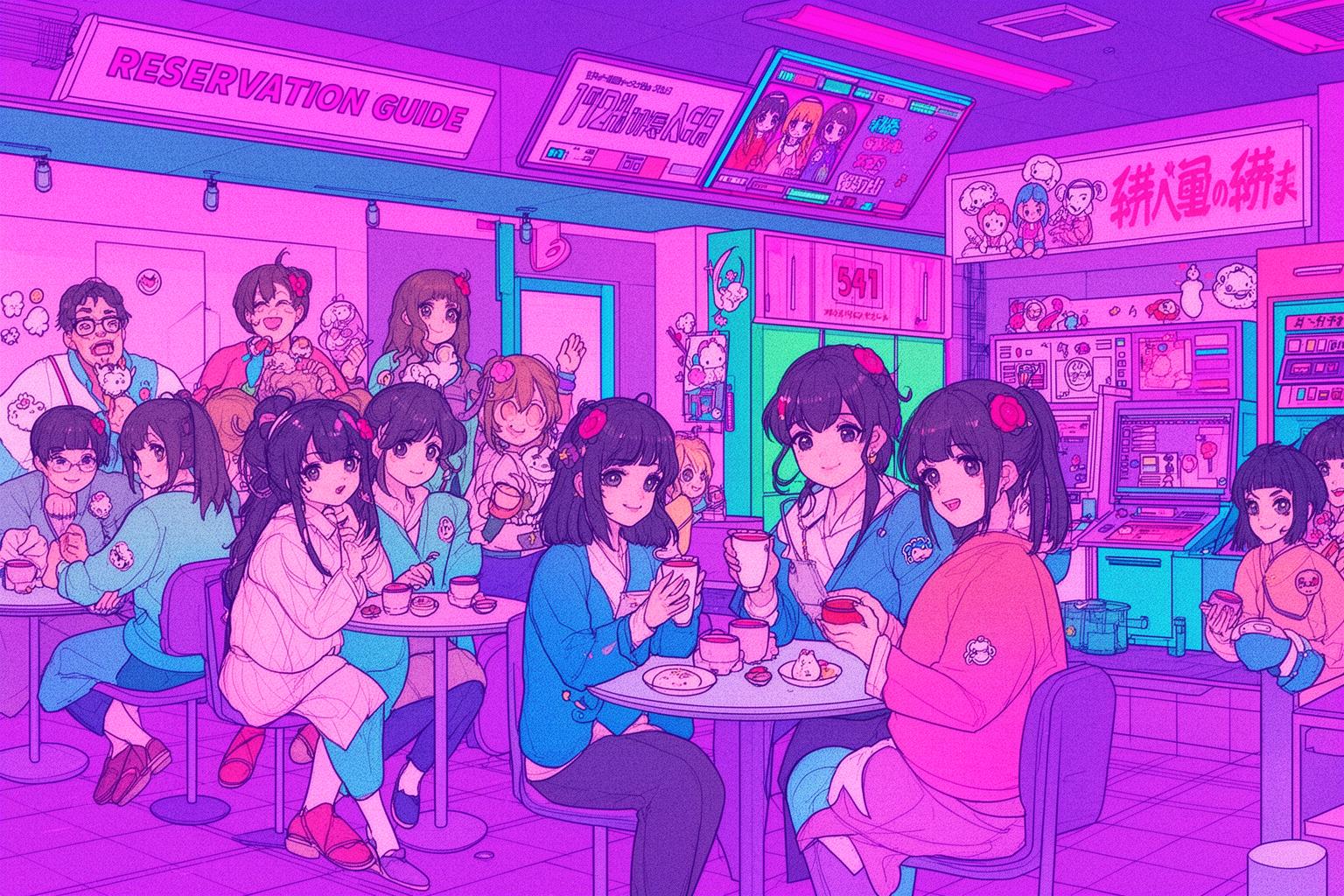
Alright, let’s get to the most important part of your character cafe quest: actually getting inside. You can’t just show up at a popular collaboration cafe and expect to get a table—that’s a rookie mistake. Most of these places operate on a strict, often complex, reservation-only system. Mastering this system is essential for success. First off, almost all reservations are made online and open at a specific date and time, usually several weeks in advance. The most popular cafes, especially those tied to blockbuster series like One Piece or Spy x Family, sell out within minutes, if not seconds. It’s like trying to get tickets to a major concert. Many cafes use a lottery system for their initial opening weekend or during high-demand periods. You enter your name for a specific date and time slot, then wait a few days to see if you’ve won the chance to attend—it’s all about luck. More commonly, reservations operate on a first-come, first-served online booking system. You’ll need to be on the reservation website the instant it goes live, ready to navigate as quickly as possible. These booking sites are almost always in Japanese, which can feel intimidating, but don’t worry. Use a browser with a reliable auto-translate feature, like Google Chrome. It won’t be perfect, but it will be enough to get through the menus. Typically, you’ll need to choose the date, the time slot (usually rigid 60, 80, or 90-minute blocks), and the number of people. You’ll also have to enter your name and email address. For your name, you might need to use an online katakana converter to translate it into Japanese script, as some forms require this. Preparing this in a separate text file to copy and paste can save you valuable seconds. Be mindful of time zone differences! If a reservation opens at 8:00 PM Japan Standard Time, be sure to know what time that is where you are and set an alarm. Once you secure a spot, you’ll receive a confirmation email with a QR code or ticket number—DO NOT lose this email, as you’ll need to show it at the entrance. Arrive at the cafe about 10-15 minutes before your scheduled time. There will likely be a line of others with the same time slot. A staff member will check everyone’s reservations before leading the group inside together. Inside, the rules are quite specific. You’re only allowed to stay for your reserved time. A staff member will usually notify you when about 15 minutes remain. There’s often a minimum order, typically one food item and one drink per person. The merchandise shop may have its own rules, such as limits on how many of a single blind-packaged item you can buy to prevent stock from being depleted. It may sound intense, and sometimes it is, but the system exists due to overwhelming demand. A bit of preparation goes a long way. Do your research, be punctual, and you’ll enjoy an amazing experience.
More Than a Meal: Tapping into Japan’s Fan Culture
To truly understand why character cafes are such a big deal, you need to grasp a bit of the deeper cultural context they belong to. These cafes are a physical embodiment of a concept called “oshikatsu” (推し活). This term is extremely popular in Japan right now. Your “oshi” (推し) is the character, idol, or actor you stan and wholeheartedly support. “Katsu” means activity, so “oshikatsu” literally means “activities to support your favorite.” For some people, it represents an entire lifestyle. It goes far beyond just watching anime or reading manga. Oshikatsu involves actively engaging with the fandom and, importantly, spending money to support the creators and the franchise. This can include buying Blu-rays, collecting merchandise, attending live events, and, naturally, visiting collaboration cafes. Going to a character cafe is a perfect oshikatsu activity. By ordering a dish themed after your oshi and purchasing their exclusive acrylic stand, you’re expressing your love and financially backing the series. It’s a way to make your fandom tangible and visible. Fans often bring their own collection of oshi merchandise to the cafe—placing small acrylic stands or plushies of their character on the table beside their food for a commemorative photo. It’s like sharing a meal with your favorite character. This is a significant part of the experience and a beautiful expression of modern fan culture in Japan. Character cafes also exemplify the collaboration-heavy business environment here. In Japan, it’s very common for different brands and franchises to join forces for limited-time promotions. You’ll find anime characters featured everywhere, from convenience store snacks to train lines. Collaboration cafes are a more elaborate and immersive form of this. They serve as a brilliant marketing strategy, generating excitement for both the franchise and the cafe’s host venue. And, of course, all of this ties into the overarching aesthetic of “kawaii.” In the West, “cute” is often considered childish or frivolous, but in Japan, kawaii is a deeply rooted and respected cultural aesthetic that influences everything from fashion and product design to corporate mascots and food. It is a legitimate form of expression for people of all ages. Character cafes are the ultimate celebration of kawaii. They are spaces where cuteness is the main focus, designed to make you say “Aww!” and smile. It’s an unapologetic embrace of joy, color, and whimsy. So when you sip a pastel-colored soda with a cute character coaster, you’re not just enjoying a drink; you’re taking part in a rich cultural tapestry of fan devotion, savvy marketing, and the powerful aesthetic of kawaii.
Beyond the Blockbusters: Finding Your Own Niche Heaven
When people think of character cafes, they often picture the giants of the industry: Pokémon, Sailor Moon, One Piece, or the latest blockbuster from Shonen Jump. While those cafes are certainly impressive, high-budget affairs, the true charm of the scene lies in its remarkable diversity. The world of collaboration cafes stretches far beyond mainstream anime and manga. It’s a realm that caters to nearly every niche and subculture you can imagine. Are you a fan of a particular mobile game? There’s a good chance it will host a collab cafe at some point, marking a new chapter or anniversary. These can be among the most imaginative cafes, bringing digital characters into the physical world for the first time. Love virtual YouTubers, or VTubers? The VTuber community is huge, with agencies like Hololive and Nijisanji frequently organizing collaboration cafes featuring their popular talents, complete with menus and merchandise designed by the VTubers themselves. These events are hugely popular and offer a unique way for fans to connect with their favorite online personalities. The cafes aren’t limited to current hits, either. There is a strong affection for classic, nostalgic series as well. You might come across a cafe celebrating the anniversary of a beloved 80s mecha anime or a 90s shojo manga that defined a generation. For fans of these older series, such cafes provide a cherished chance to revisit their nostalgia and pick up new merchandise for characters they’ve loved for decades. The themes can become even more specialized. There are cafes for stage plays and musicals (known as 2.5D culture), famous voice actors, indie video games, and even well-known illustrators or mascot characters like Chiikawa. If it has a devoted fanbase in Japan, it could potentially become a collab cafe. This is great news for travelers with specific interests. Don’t assume that your favorite, less mainstream series won’t have a cafe. The best way to find out is by doing a little online research. A simple search on Google or X (Twitter) using the series name in Japanese followed by 「コラボカフェ」 often reveals unexpected results. Discovering that a cafe for your personal favorite niche series is open during your trip is a magical experience. It feels as though the city has arranged a special event just for you. These smaller, niche cafes often have a wonderfully intimate and passionate atmosphere. You’re surrounded by true die-hard fans, and the sense of community can be even stronger than at the larger, mainstream events. So, be sure to look beyond the obvious. Your perfect cafe experience might be for a series you never thought would be celebrated in the real world.
Final Boss Tips: Nailing Your First Character Cafe Run
Alright, you’re excited, prepared, and have done your homework. Before diving into your first character cafe experience, let’s review a few final pro-tips to ensure your visit is a complete success. First up, let’s discuss money. Be ready: this isn’t a budget-friendly meal. You’re paying a premium for the experience, the artistry, and the ambiance. A typical main course might cost between 1,500 and 2,000 yen, a drink around 800–1,000 yen, and a dessert another 1,200–1,800 yen. If you plan to buy merchandise—which you likely will—that adds up fast. A single blind-packaged keychain can be 600–800 yen. It’s easy to spend 5,000 to 10,000 yen (roughly $35–$70 USD) or more per person without batting an eye. Think of it less as a meal and more as an event ticket that includes food and possible souvenirs. Budget accordingly so you can relax and enjoy without worrying about the cost. Second, and this is crucial: fully charge your phone before you go. If you have a portable power bank, bring it along. You’ll take more photos than you ever imagined possible: pictures of the entrance, the interior decor, every item you order from multiple angles, shots with the character standees, and your merch haul. Your phone battery will drain fast. You don’t want it to die just before snapping pictures of your epic-looking dessert. Third, approach the experience with an open mind and a playful attitude. Don’t expect life-changing food. Appreciate it for what it is: a fun, edible piece of fan art. Embrace the silliness. Enjoy trading coasters with the table next to you (using gestures and smiles if there’s a language barrier). Capture those fun, goofy photos. The more you engage with the joyful, fan-focused atmosphere, the more enjoyable it will be. Lastly, be considerate of your fellow patrons. Everyone there shares the same passion. Don’t block photo spots for too long. Keep your voice down. Remember, it’s a shared celebration space. The vibe is almost always warm and friendly, and contributing to that atmosphere improves the experience for all. With these tips in mind, you’re ready to conquer your first character cafe and create memories as unique and colorful as the dishes on your plate.
So there it is. Character cafes are more than a quirky novelty; they’re a vibrant, dynamic, and integral part of Japan’s modern cultural scene. They’re a playground for fans, a gallery for food artists, and a testament to storytelling’s power. Whether you’re a dedicated otaku or a curious traveler seeking a unique experience, a visit to one of these cafes is a must. The world inside is temporary, the menu fleeting, but the joy and adorable photos will last forever. It’s a chance to literally taste the culture and share in pure, unfiltered fun. So go ahead—secure that reservation and prepare to step into a realm of imagination. You won’t regret it. Peace out and happy travels!