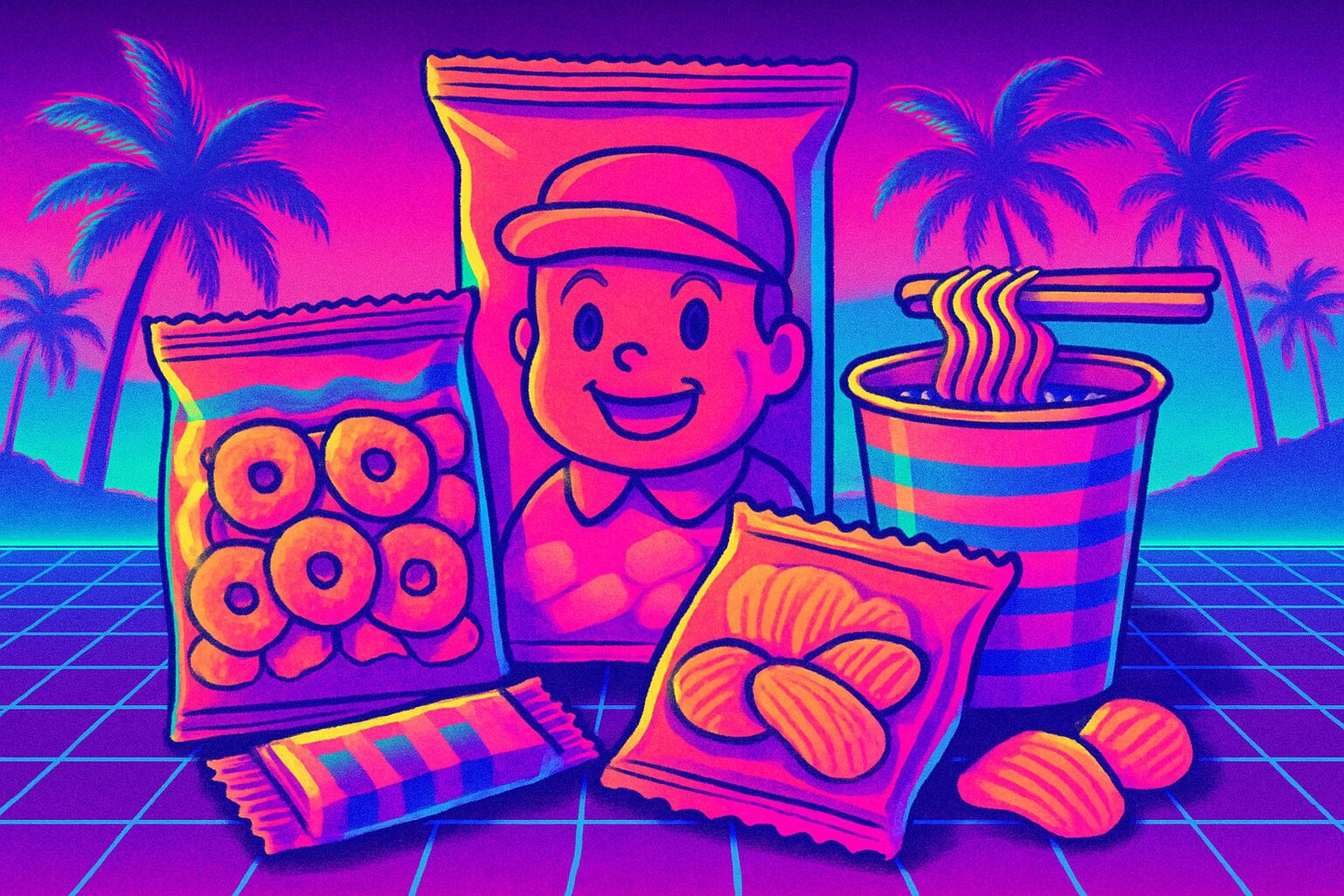
What’s up, world-trippers and culture junkies? Hiroshi Tanaka here, your local guide to the real Japan, the one that hums just beneath the surface of the hyper-modern metropolis. Today, we’re ditching the sleek, minimalist vibes of present-day Tokyo and taking a full-on, high-decibel dive into a time machine. Our destination? The Showa Era (1926-1989), specifically its blazing, high-octane peak from the 1960s to the 1980s. This wasn’t just a period in history; it was a mood, a full-blown cultural explosion. Imagine a country riding a supersonic wave of economic growth, fizzing with limitless optimism and plugged directly into the global zeitgeist of rock and roll, space exploration, and psychedelic art. The air itself felt electric, charged with the belief that the future was not just coming, but that it was going to be awesome, and probably painted in neon colors. And the wildest part? This explosive creativity, this unhinged artistic freedom, found its most potent and democratic expression in the most unexpected of places: the candy aisle. The packaging of Showa-era snacks, or dagashi, wasn’t just a container for sweets. Nah, it was a canvas for some of the most mind-bending, eye-popping, psychedelic pop art you’ve ever seen. These wrappers were tiny paper portals to other worlds, filled with cosmic adventures, groovy animal mascots, and typography that seemed to dance right off the box. For a kid with a 10-yen coin in their pocket, this wasn’t just a purchase; it was an experience, a slice of the cultural revolution. Finding these artifacts today is like a treasure hunt through Japan’s collective memory, a way to connect with the wild, untamed soul of a nation dreaming in technicolor. It’s a legit vibe, and once you see it, you’ll start noticing its echoes everywhere. Before we blast off on this sugar-fueled journey, check out this spot on the map. The Showa Retro Goods Museum in Ome, Tokyo, is a legit sanctuary for this stuff—a physical embodiment of the era we’re about to explore. It’s a perfect starting point for your own retro quest.
This vibrant, playful spirit of Showa-era pop culture is a direct ancestor of later Japanese phenomena, like the uniquely surreal aesthetic of 90s Purikura.
The Showa Vibe: What Was in the Air?

To truly grasp why a piece of bubble gum required a wrapper resembling a lost panel from a Yellow Submarine comic, you need to understand the intense energy of the mid-Showa period. It was a completely different dimension. Japan had risen from the ruins of World War II and was charging toward the future, propelled by what would come to be known as the Japanese Economic Miracle. This was about more than just factories and electronics; it marked a profound psychological transformation. There was a contagious, nationwide spirit of ‘we can do anything.’ The 1964 Tokyo Olympics and the 1970 Osaka Expo stood as monumental, global debut showcases. They presented a new Japan: innovative, peaceful, and incredibly cool. This limitless optimism became the national anthem, demanding a visual style to match.
The Economic Miracle and a Pop Culture Wave
This era was a cultural sponge. Western pop culture, once a distant curiosity, crashed in like a tidal wave. The Beatles, The Rolling Stones, psychedelic rock posters from San Francisco, Andy Warhol’s Campbell’s Soup Cans—all were absorbed and reinterpreted through a uniquely Japanese lens. The visual language of the hippie movement, with its swirling typography and hallucinatory colors, struck a chord with a generation eager to break free from the conservative, traditional aesthetics of the past. The colors themselves tell the tale. We’re talking vibrant, unapologetic shades: tangerine orange, acid green, shocking pink, and electric blue. These weren’t the subtle, earthy tones of traditional Japanese art; this was the palette of a society looking upward, toward skyscrapers and beyond, into space. Space exploration, especially the Apollo missions, captured the collective imagination unlike anything else. The moon landing was a global milestone, but in Japan, it symbolized the ultimate frontier, the zenith of human achievement that the nation aspired to reach. This cosmic fever dream trickled into everything, from car designs to TV shows, and absolutely into the candy that kids eagerly bought with their pocket money. It was a period of enormous creative confidence. Designers weren’t just creating products to sell; they were shaping a vibrant, pulsating cultural landscape. Every item, no matter how small or ordinary, was an invitation to be bold, modern, and fun.
Art for the Masses: From Ukiyo-e to Psychedelia
There’s a fascinating continuity in Japanese culture where art is for everyone, not just the elite. In the Edo period, it was ukiyo-e woodblock prints—affordable, mass-produced images of famous actors, beautiful courtesans, and scenic landscapes accessible to ordinary people. They were the pop culture posters of their time. Fast forward to the Showa era and this same spirit found expression in commercial design. The candy wrapper became the new ukiyo-e. It was a piece of disposable, accessible art that mirrored the tastes, dreams, and obsessions of the era. The designers behind these works were often anonymous, working in-house for major companies like Meiji, Morinaga, and Glico. They didn’t sign their work like fine artists, but their influence was arguably even broader. They were the unsung heroes shaping the visual consciousness of an entire generation. They took high-art ideas from Pop Art—the celebration of the mundane, bold lines, repetitive patterns—and made them even more democratic. They merged the graphic sensibilities of American pop with the narrative and character-driven traditions of Japanese manga and anime, which were also booming at the time. The outcome was a unique hybrid style: part Peter Max, part Osamu Tezuka. It was an art form that didn’t take itself seriously. It was designed to capture a kid’s eye on a crowded shelf, to shout ‘FUN!’ with every saturated color and goofy mascot. It was pure, unfiltered joy, printed on a tiny piece of wax paper. This wasn’t just design; it was a whole attitude, a philosophy of accessible happiness. You get it?
The Candy Aisle as a Canvas: A Deep Dive into Iconic Snack Art
Alright, let’s dive into the exciting stuff. We’re heading into the archives—the candy hall of fame—to shine a light on some of the most iconic examples of Showa snack psychedelia. This isn’t merely a list; it’s a curated gallery tour. For each item, we’ll explore the look, the feel, the taste, and the cultural ripple it caused. Get ready for a major nostalgia ride, even if these treats are new to you.
Chocolate Overload: The Meiji & Morinaga Cosmic Wars
In Japanese confectionery, Meiji and Morinaga were giants—the Beatles and the Stones of chocolate. Their rivalry sparked incredible innovations not just in flavors but also in packaging and concept. The 60s and 70s marked their golden era, where the battle for Japan’s youth was waged with cocoa, sugar, and wildly imaginative graphic design.
Meiji Apollo Chocolate (アポロ)
First up is a timeless classic, the Meiji Apollo. Released in 1969, its launch was perfectly timed with the Apollo space program craze. The candy is a design marvel: a tiny milk chocolate cone topped with strawberry-flavored chocolate shaped like the Apollo command module. Genius—kids weren’t just eating chocolate; they were snacking on a spaceship. Every child felt like an astronaut on a delicious mission.
The Look: The packaging truly ignited the magic. The compact rectangular box resembled cutting-edge space equipment. Its color palette was a bold nod to the theme: lively pink for the strawberry part, rich brown for milk chocolate, set against starry deep space blue or crisp white backgrounds. The logo’s sleek, slightly flared font screamed late-60s futurism, often orbiting with starbursts or planets. Inside, the chocolates rested in a plastic tray, each a perfect little rocket ready for launch. Even the silver foil wrapper felt high-tech, like astronaut rations. This design didn’t just sell candy; it sold the thrilling dream of space exploration, packed within a kid’s allowance budget.
The Taste & Texture: The experience was equally iconic. The milk chocolate’s snap gave way to creamy, sweet, tangy strawberry chocolate. Japanese strawberry flavor in snacks is uniquely nostalgic—it’s not always realistic but evoking an idealized strawberry essence. The way the chocolates melted together was a marvel of food science. Simple yet deeply memorable, this flavor combination has been rooted in Japanese palettes for over fifty years.
The Legacy: Apollo chocolate endures. Still a bestseller, it proves the strength of its concept and timeless design. Packaging updates have been subtle—sharper graphics, refined colors—but the core identity remains untouched. It also gained new cultural life as a popular giri-choco gift on Valentine’s Day, thanks to its heart-like shape viewed from above. Vintage 1970s Apollo boxes are collector’s treasures, embodying that hopeful, space-age excitement.
Morinaga Choco-Ball (チョコボール)
While Apollo embodied sleek, futuristic cool, Morinaga’s Choco-Ball was its wild, playful cousin. Launched in 1967, its lasting appeal rests on two things: a ridiculously catchy name and one of the greatest mascots ever—Kyoro-chan.
The Look: Meet Kyoro-chan—a bird resembling a parrot or toucan, with a huge beak and wide, delighted eyes. He’s not merely a logo but a character full of personality. The bright yellow packaging is his stage. Over time, Kyoro-chan appeared in multiple costumes and scenarios—from baseball player to rockstar to mad scientist—each a pop art gem with bold lines and vibrant flat colors. The Choco-Ball box design radiates energy. The bubbly logo seems ready to bounce off the box. It’s a branding masterstroke, turning a product into an edible cartoon show.
The Game: The true brilliance of Choco-Ball lies in its gamification. Morinaga introduced the ‘Angel Mark’ lottery system: hidden inside the box flap was a small angel print. Silver angels meant a win after collecting a set number; a gold angel was the jackpot. Winners mailed in their marks for a special prize—an omocha no kanzume (can of toys). This turned snacking into a treasure hunt. The slow peel, the anticipation, the reveal—it became an enduring ritual for generations. This game of chance and reward made Choco-Ball insanely addictive and culturally iconic.
The Vibe: The entire Choco-Ball experience was a lively mix of chaotic fun. The snack—a crunchy core of peanut, caramel, or biscuit coated in thick chocolate—was satisfyingly simple. Its round shape was delightful to pop or roll in the mouth. Along with the goofy mascot and lottery, it created a multi-layered experience: taste, play, collect, and dream of that elusive prize can. It was a potent spell woven around a simple chocolate-covered peanut.
Kabaya Ju-C Crayon Chocolate (ジューCいろえんぴつ)
A true deep cut and gem of Showa creativity, Kabaya’s Ju-C Crayon Chocolate brilliantly merged candy with imaginative play. This wasn’t just a snack—it was art supplies, a toy, and a sugar rush combined.
The Look: Packaging stole the show. The box mimicked a package of colored pencils or crayons, adorned with psychedelic illustrations—swirling paisley, op-art checkerboards, floral motifs—all rendered in a mind-blowing palette of hot pink, lime green, and electric orange. Groovy, rounded typography looked as if formed from bubble gum. Sliding out the tray revealed ‘crayons’: ramune-flavored candy sticks wrapped in colorful paper, each labeled with a color name. Visually stunning, it captured childhood’s truth: the best sweets are the ones you can play with first.
The Experience: The interactivity was key. Kids slid out the tray, arranged their ‘crayons,’ and pretended to be artists, ‘drawing’ with candy sticks (which didn’t really mark paper, but that was the fun). Choosing the next color and carefully unwrapping it prolonged enjoyment well beyond the few seconds to eat the candy. This product sparked imagination while delivering vibrant fruity flavors. Ramune versions, with their slight fizz and chalky texture, were especially beloved.
The Cultural Impact: Ju-C Crayon Chocolate perfectly epitomizes the era’s values—celebration of creativity, learning, and play. Even candy could be educational and imaginative. Its psychedelic packaging is now a prized collectible for Showa design fans. This product showed that in the 70s, candy companies embraced a totally different level of creative thinking: it was about more than sweetness; it was about crafting joyful, memorable moments. Pure fire.
Chews & Gummies: A Flavor Explosion
Shifting from chocolate, Showa-era chews, gums, and gummies were just as visually bold. These inexpensive staples of the candy store had to work overtime to catch attention, which sparked extraordinary creativity.
Marukawa Fusen Gum (マルカワフーセンガム)
If you had to capture the spirit of a Showa dagashiya (cheap candy store) in a single product, it would be Marukawa Fusen Gum. This small, 10-yen bubblegum box is a cultural icon, a nostalgic trigger for millions.
The Look: Marukawa’s brilliance lies in minimalist-maximalist design. Tiny cube-shaped boxes fit perfectly in the palm, each flavor sporting its own distinct color code: vibrant pink for strawberry, blazing orange, deep purple for grape, and so on. Each box features a charming mascot—perhaps a bear, squirrel, or cat—drawn with a quirky, endearing style blending professionalism with childlike doodles. The flavor name’s typography is large, friendly, and rounded. In a split second, the design says: ‘Fun, fruity, and for you.’ The vast evolution of these box designs makes them highly collectible.
The Value Prop: Priced at 10 yen—and often less—this gum formed a kid’s economic foundation. Always affordable, a box contained four small gumballs. Not gourmet, as flavor faded fast into rubbery texture, but the joy was in the ritual: buying, opening, the initial intense fruity burst, and trying to blow the biggest bubble.
The Prize: Like many dagashi, Marukawa gum used a lottery system. Some boxes hid an atari (あたり) mark inside, meaning a win. Winners could exchange their box for another free one—turning a simple purchase into a micro lottery that heightened excitement. This gambling element was central to the dagashiya charm.
Felix the Cat Bubble Gum
An excellent example of cultural crossover, Felix the Cat—an American silent-era cartoon star—experienced a huge comeback in Showa Japan. Marukawa licensed his image for a gum that became highly sought after.
The Look: Felix’s gum packaging was pure 70s pop art. Classic black-and-white Felix plunged into psychedelic color worlds—all kaleidoscopic op-art, sunrays, and swirling lines. Wild color combos—magenta with orange, turquoise with yellow—made the wrappers pop. The ‘Felix’ logo often appeared in groovy, ballooning fonts—a perfect blend of a beloved icon and contemporary design trends.
The Vibe: Chewing Felix gum was cool, worldly, and connected kids to international pop culture. Felix’s trickster spirit added edge, distinct from sweeter, harmless mascots. The gum’s flavor was classic bubblegum, but the wrapper elevated the whole experience—an in-crowd status symbol.
The Bonus: Packs often included omake—stickers, temporary tattoos, or small toys—which made the purchase even sweeter. Collectibility flourished, as kids could trade and decorate notebooks. Today, Felix gum packaging and ephemera are prized collectibles capturing this unique cultural fusion.
Savory & Strange: Salty Psychedelia
The psychedelic style wasn’t limited to sweets. Savory snacks were just as daring with vibrant, action-packed packaging reflecting complex flavors and a different energy—less dreamy, more intense.
Baby Star Ramen (ベビースターラーメン)
A game-changer, Oyatsu Company had the brilliant idea in 1959 to take instant ramen noodles, leave them uncooked, break them up, season, and sell as a crunchy snack. Baby Star Ramen became a national hit.
The Look: Original packaging is a masterpiece of controlled chaos. The ‘Baby Star Ramen’ name bursts from the center, surrounded by proclamations of crunchiness and flavor. Bold orange, red, and yellow hues evoke savory chicken goodness. The original mascot, a cheerful girl with retro, almost French flair, provided a friendly face to the quirky concept. The design is busy, loud, and perfectly captures the fun, no-frills snack.
The Concept: The genius lies in texture and flavor: shatteringly crunchy noodles with salty, umami-rich seasoning inspired by chicken broth. This was a revolutionary sensory experience, striking all the right notes. Versatile too—you could eat it straight, sprinkle over rice, or add crunch to salads. Its rebellious spirit helped it stand out.
The Evolution: Packaging evolved in line with Japanese pop culture. The original mascot gave way in the late 80s to ‘Bei-chan,’ then to current mascot ‘Hoshio-kun.’ Each redesign refreshed the brand while preserving its core energy. The snack itself remains a comforting classic across Japan’s convenience stores and supermarkets—a savory snack legend.
Umaibō (うまい棒)
Launched in 1979, Umaibō or ‘Delicious Stick’ came late in the high-growth Showa era but epitomizes its pop culture and design ethos. This puffed corn stick is arguably the undisputed king of dagashi, thanks to its endless flavors and famed price point.
The Look: Packaging excels at character-driven branding. Umaemon, a perpetually surprised round-headed mascot, pays affectionate homage to the beloved Doraemon manga/anime character. This creates instant familiarity and warmth. The real flair is in how Umaemon adapts to each flavor: dapper top hat for Corn Potage, traditional attire flustered by spicy Mentaiko, or literally shaped from Cheese. Each wrapper is a unique mini-poster of flavor-themed art; bold colors and patterns turn the Umaibō aisle into a vibrant gallery.
The Flavor Universe: The vast flavor range is central to Umaibō’s charm. Standards like Corn Potage, Cheese, and Takoyaki join limited and regional editions—from Natto to Tonkatsu Sauce—encouraging both collecting and tasting adventures. Packaging skillfully communicates these sometimes unusual flavors to boys and adults alike.
The Price Point: For most of its history, Umaibō sold for just 10 yen—a stable, democratic price making it the candy store equalizer. Its unbeatable value, addictive crunch, and bold tastes helped cement Umaibō’s legendary status. Though inflation recently nudged prices up slightly, its spirit as an affordable, joyful treat remains alive. Umaibō is a living piece of Showa-era philosophy.
The Hunter’s Guide: Where to Find These Retro Treasures
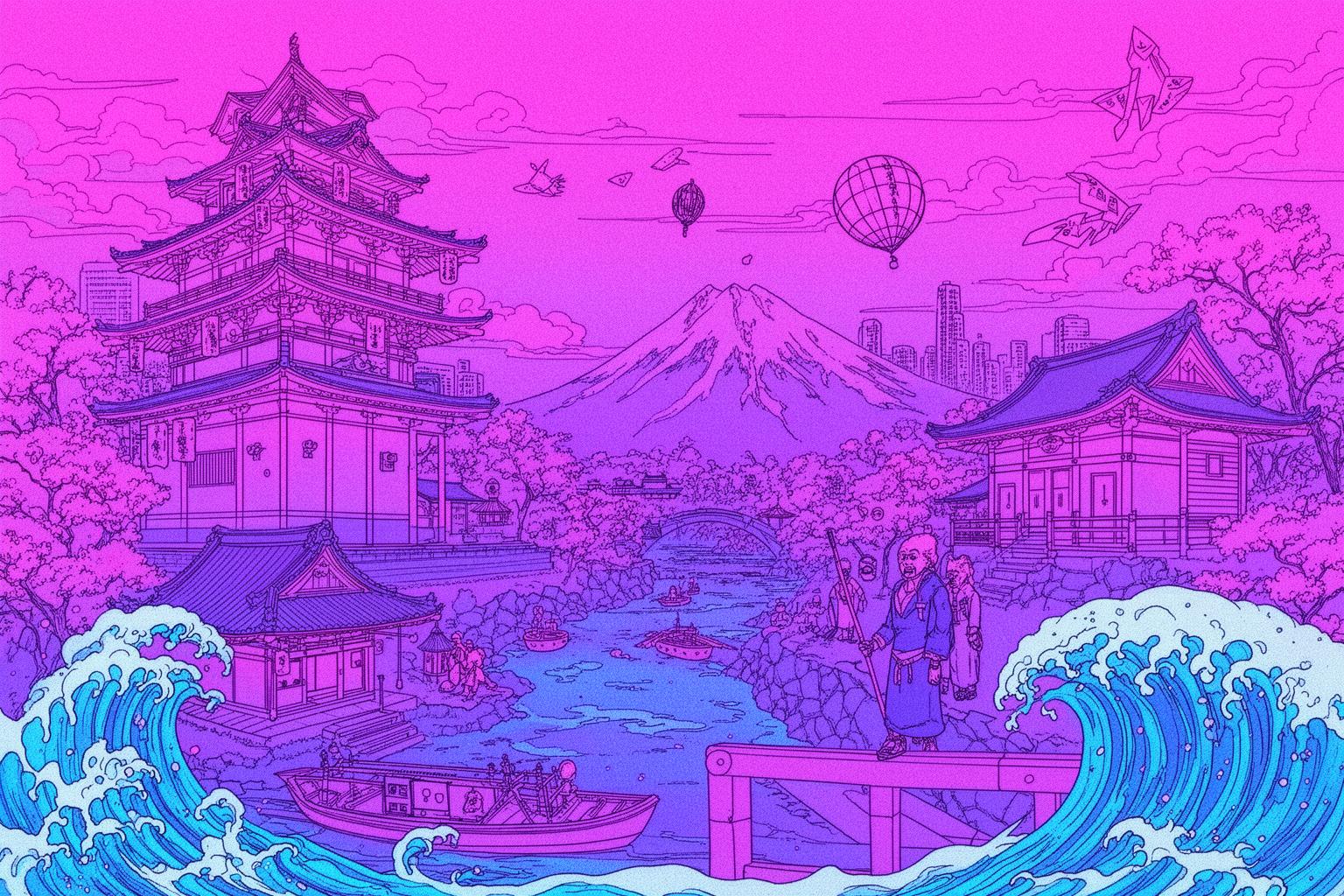
So, you’re intrigued. You want to see this psychedelic pop art up close. The good news is, these Showa-era dreamscapes haven’t vanished completely with time. You just need to know where to search. Chasing down these snacks and their packaging can offer one of the most rewarding and off-the-beaten-path travel experiences in Japan. It’s a journey into the nostalgic heart of the country.
The Dagashiya: A Gateway to the Past
The best place to begin your adventure is the dagashiya. These traditional candy stores are genuine time capsules. Stepping into a dagashiya is a full sensory experience. The air is thick with the sweet scent of numerous candies. Your eyes are met with shelves crammed with colorful packages, glass jars filled with treats, and plastic strips of sweets dangling from the ceiling. Often run by elderly couples who have been there for decades, these shops served as more than retail outlets; they were community hubs for Showa-era childhoods. This was where children gathered after school, pooled their pocket money, and made the day’s most important decisions. Sadly, dagashiya are becoming rare, pushed out by modern convenience stores. Yet, they still exist if you seek them. Areas with preserved old-town vibes, like Yanaka in Tokyo or the ‘Dagashiya Yokocho’ (Candy Store Alley) in Kawagoe, are great spots to find them. Visiting and shopping at a real dagashiya isn’t just about candies; it’s about experiencing a living piece of history. Be respectful, bring cash (small coins and bills), and take your time. It’s an entire vibe.
Retro Museums and Themed Shops
For a more curated dose of Showa nostalgia, Japan offers several excellent museums and themed attractions dedicated to the era. These spots are treasure troves for design enthusiasts. The Showa Retro Goods Museum in Ome, Tokyo (the one marked on the map!) is a perfect example. It feels less like a formal museum and more like a lovingly cluttered collection of everything Showa, from snack packages and movie posters to vintage gadgets and toys. It’s like stepping into your Japanese grandparents’ attic. The Takayama Showa-kan Museum in Gifu and the Dagashiya Gēmu Hakubutsukan (a museum devoted to candy store games) are other fantastic places. Here, you can see pristine examples of the packaging discussed, often displayed in recreated dagashiya or home settings. They offer invaluable context, illustrating how these snacks fit into the broader material culture of the time. Many of these museums also have gift shops where you can purchase modern reproductions of classic dagashi or books on Showa-era design.
Flea Markets and Antique Shops
For the truly devoted collector, the final frontier lies in flea markets and antique shops. This is where you’ll find genuine vintage items—flattened and preserved empty packages, unopened (but definitely not for eating!) boxes, and promotional materials from the era. Major events like the Oedo Antique Market or the Boro-ichi Market in Tokyo are good starting points, but smaller local shrine and temple markets often hide the best treasures. When hunting, look for the vibrant colors and bold typography characteristic of the 60s and 70s. Don’t hesitate to sift through boxes of old paper goods. The thrill of uncovering a rare Felix the Cat gum wrapper from a dusty pile of postcards is unmatched. A tip for novices: have a general idea of what you want, but remain open to unexpected discoveries. And while bargaining sometimes works, always stay polite and respectful. This is a pursuit fueled by passion, not just profit.
More Than Just a Snack: The Soul of Showa Pop
As you’ve probably noticed, these snacks represent far more than just sugar and corn syrup. They are cultural artifacts that tell a vivid story about a specific time and place. They offer insight into the aesthetic spirit of the mid-Showa era, an era whose influence still runs deeply through Japan today. Exploring their design uncovers fundamental truths about Japanese popular culture.
Kawaii Before It Was Mainstream
The worldwide phenomenon of kawaii (cuteness) is often associated with the 80s and 90s, especially icons like Hello Kitty. However, the roots of kawaii culture were planted much earlier, with mascots from Showa-era snacks as some of its earliest and most impactful pioneers. Characters such as Kyoro-chan from Choco-Ball or the unnamed animal friends on Marukawa gum boxes embodied the essence of kawaii: charming, slightly quirky, gentle, and created to evoke feelings of affection and warmth. These characters were more than just marketing gimmicks; they had personalities and were friends to a generation of children. This character-focused branding approach, where a product’s identity is closely tied to a lovable mascot, is a hallmark of Japanese design that began right here in the candy aisle. These early examples demonstrated that cuteness was both a powerful emotional connector and a commercial force, setting the stage for the global kawaii movement that followed.
A Legacy in Every Crunkle
Why do these designs from over half a century ago still feel so vibrant and engaging? Partly, it’s due to the universal power of effective design, but it’s also tied to the strong emotion of natsukashii, a Japanese term roughly meaning nostalgia, but with a deeper, more bittersweet longing for a cherished past. For those who grew up during the Showa era, these packages serve as powerful memory triggers, instantly transporting them back to carefree after-school adventures and simple 10-yen purchases. Yet, the appeal of the Showa aesthetic transcends personal nostalgia. It has become a significant influence for contemporary creators. Its DNA is visible in the vibrant, retro-inspired album art of City Pop music, in the character designs of modern anime and video games, and in the bold graphics of today’s Japanese streetwear. Artists and designers now look to the Showa era as a golden age of creative freedom—a time before design became overly corporate and minimalist. They draw inspiration from its bold use of color, playful typography, and its pure, unfiltered sense of fun. The Showa snack aesthetic is not simply a relic; it’s a living design language that continues to inspire and captivate.
So, as you explore Japan, keep your eyes open. Look past the sleek, polished facades of the 21st century. Your true adventure might be waiting on the dusty shelf of a family-run candy shop, in the form of a small, brightly colored box. When you discover one of these psychedelic treasures, you’re not just holding a snack—you’re holding a piece of history, a work of pop art, and a gateway to the electric, optimistic, and wonderfully quirky soul of the Showa era. It’s a journey well worth taking.