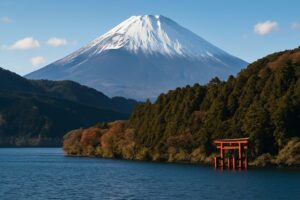
Yo, what’s the move? Let’s talk about a place that’s straight-up legendary. Picture this: you’re drifting across a massive caldera lake, the air is crisp, the water is a deep, mystic blue, and then—bam. There it is. The icon, the legend, Mount Fuji, just chilling in the distance, looking like a painting that’s too perfect to be real. This isn’t some fever dream; it’s Lake Ashi in Hakone, and for real, it’s a whole mood. This spot is the heart of the Fuji-Hakone-Izu National Park, a place where nature, history, and straight-up magic collide. Taking a boat tour here isn’t just about getting from point A to point B; it’s a full-blown cinematic experience. It’s about chasing that perfect view of Fuji-san, feeling the ancient vibes from the shrines tucked into the forest, and seeing Japan’s wild side in a way that’s totally accessible yet feels worlds away from the neon buzz of Tokyo. This journey across Lake Ashi is more than a tour; it’s a pilgrimage to the soul of Japan’s landscape, and trust me, it hits different. It’s the kind of epic scene that gets burned into your memory, no cap.
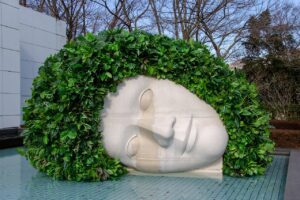
After soaking in the natural beauty, you can continue your cultural journey at the nearby Hakone Open-Air Museum.
The Hakone Vibe: More Than Just a Lake
Before you even step onto a boat, you need to grasp the energy of Hakone. It’s more than just a town; it’s a whole region that feels like a living, breathing being. Shaped by volcanic forces thousands of years ago, the entire area pulses with a raw, geothermal power. You can sense it in the steam rising from the ground in Owakudani and in the mineral-rich waters of the many onsen. Lake Ashi, or Ashinoko as locals call it, is the centerpiece of this natural spectacle. It formed in the crater of Mount Hakone after a massive volcanic eruption long ago. So, when you’re floating on its surface, you’re literally inside a volcano. How incredible is that? The air here feels cleaner, crisper. The forests surrounding the lake are dense and ancient, a deep, brooding green that makes you feel wonderfully small. There’s a certain stillness here, a spiritual quiet interrupted only by the chug of a sightseeing boat or the call of a bird. It’s a place that encourages you to slow down, breathe deeply, and simply be present. The vibe is immaculate—a perfect escape from the hustle. It’s where Shinto shrines overlook the water, ancient cedar-lined roads whisper stories of samurai and shoguns, and the modern world—with its convenient ropeways and comfortable hotels—has learned to coexist with nature rather than conquer it. This harmony is what makes Hakone truly special. It’s both a resort and a sanctuary, a playground and a temple. That duality is everything.
Choosing Your Ride: Pirate Ships and Sightseeing Cruisers
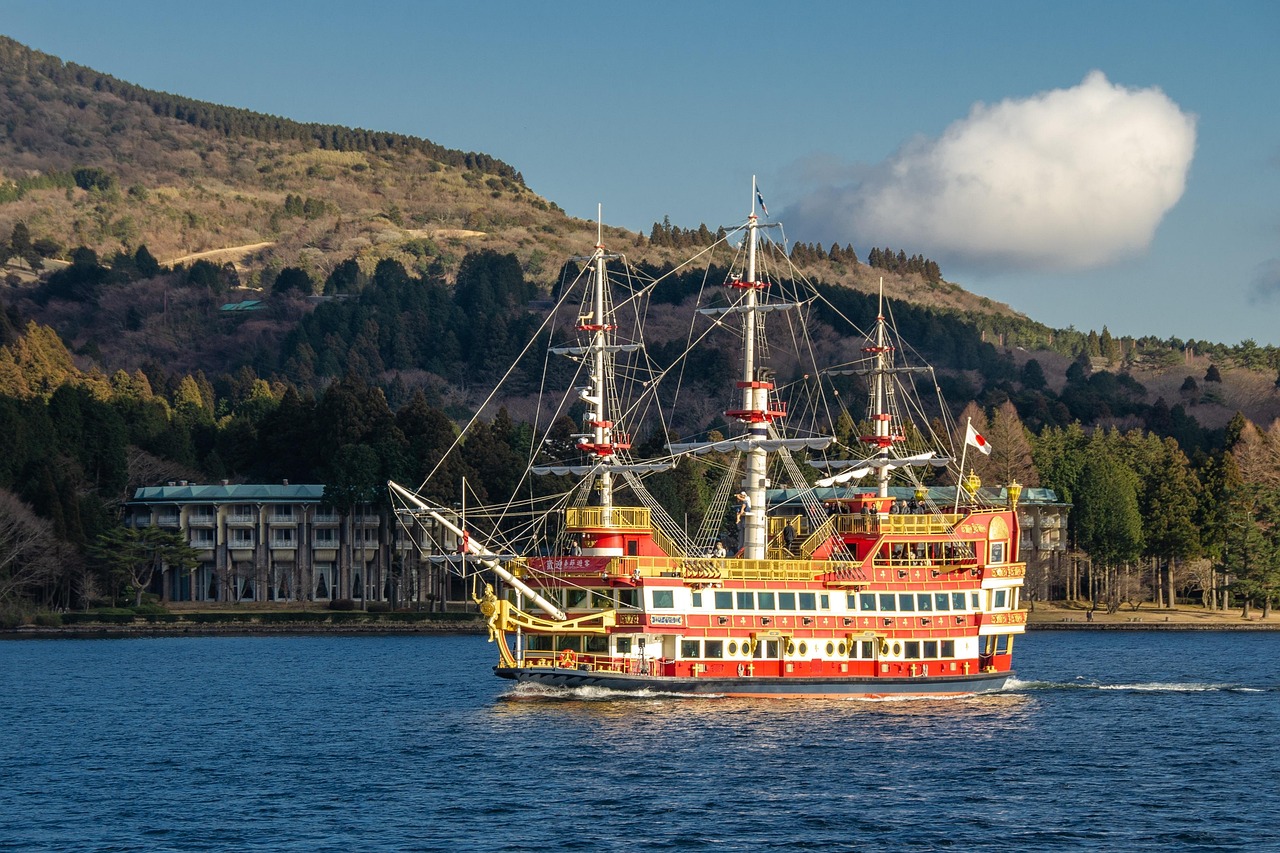
Alright, let’s get to the heart of the matter: the boats. You’ve got options, and each is pretty epic in its own way. The most iconic—the ones plastered all over the posters—are the Hakone Sightseeing Cruise’s pirate ships. And yes, they are just as extravagant as they sound. These are huge, ornately decorated galleons inspired by historic European warships. You can pick from ships like the ‘Victory’, the ‘Vasa’, or the ‘Royal II’. Boarding one feels like setting off on an adventure across the high seas, not just a calm mountain lake. It’s a little kitschy, a little over-the-top, but honestly? It’s pure fun. Kids go wild for it, and even adults can’t help but smile. The best part is climbing up to the top deck, feeling the breeze in your hair, and imagining yourself as an explorer discovering new lands. The views from up there are, naturally, next level. You get stunning, unobstructed 360-degree vistas of the whole lake, surrounding mountains, and if you’re lucky, majestic Fuji-san overseeing it all.
But maybe you prefer a more relaxed vibe. I get that. In that case, the Odakyu Hakone Highway Bus company operates another option, the Hakone Sightseeing Boats—sleek, modern catamarans. These are less about the theme-park flair and more about a comfortable, clean cruising experience. They feature large panoramic windows and spacious decks, so you don’t miss out on the scenery. Their route focuses on the southern part of the lake, connecting Hakonemachi-ko, Moto-Hakone-ko, and Kojiri-ko (near Togendai). Ultimately, it comes down to your style. Do you want a swashbuckling fantasy or a smooth, contemporary ride? Either way, both will get you where you want to go and deliver those breathtaking landscape views. Pro tip: no matter which boat you pick, try to snag a spot on the starboard (right) side when heading north from Moto-Hakone to Togendai—that’s where Fuji will make its grand appearance. If you know, you know.
The Main Attraction: Chasing the Ghost of Mount Fuji
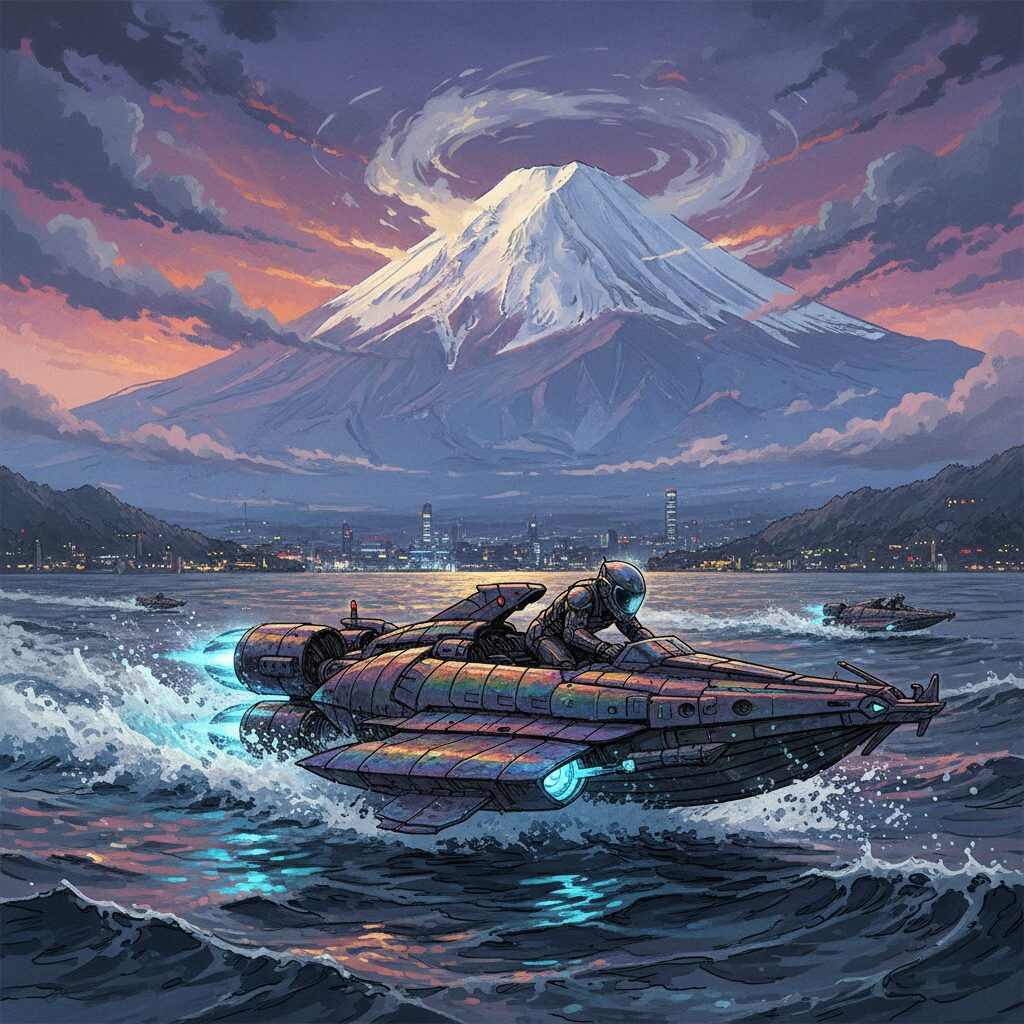
Let’s be honest, the main reason people flock to Lake Ashi is to catch a glimpse of the big guy himself: Mount Fuji. Japan’s most sacred and iconic peak is the ultimate prize. But here’s something important to understand about Fuji-san: he’s shy. Very shy, in fact. The mountain is often cloaked in clouds and mist, especially during the warmer, more humid months from late spring to early autumn. You can be right there and see nothing but a solid wall of grey. This elusiveness adds to its mystique. It makes the moment you finally see it feel all the more rewarding. It’s as if the mountain has chosen to reveal itself to you.
The best chances for a clear view are during the colder, drier months, from late autumn through winter to early spring. November to February is prime time. The air is crisp and clear, with visibility that’s remarkably sharp. Waking up early also dramatically boosts your odds. The mountain is often clearest just after sunrise, before the daytime clouds begin to gather around its peak. Seeing Fuji on a clear winter morning—its perfect cone covered in a thick blanket of snow, reflected in the calm, glassy surface of Lake Ashi—is known as ‘Sakasa Fuji’ (Inverted Fuji). It’s a sight so perfect and utterly serene it feels like a sacred moment. It stops you in your tracks. For a photographer, it’s the shot of a lifetime. You see it, and your heart nearly skips a beat. It’s a moment of pure, unfiltered beauty that reminds you of nature’s incredible power and artistry. Even if Fuji is playing hide-and-seek, the cruise remains breathtaking. The landscape of Hakone shines brightly on its own. But when that mountain makes an appearance, it elevates the entire experience from beautiful to truly sublime.
A Journey Along the Shore: Shrines, Checkpoints, and Ancient Roads
The boat trip across Lake Ashi is more than merely a chance to gaze at Mount Fuji; it’s a journey through layers of Japanese history and culture. As you glide over the water, the shoreline unveils one iconic sight after another.
The Crimson Gate in the Water: Hakone Jinja
One of the first and most striking views from the water is the massive, bright red ‘Torii of Peace’ belonging to Hakone Shrine (Hakone Jinja). It stands directly in the water, creating a stunning contrast against the blue lake and the green forest behind it. It appears as a gateway to another world. This shrine is among the most important and revered in the region, with a history dating back over 1250 years. According to legend, a nine-headed dragon once terrorized the lake until a powerful priest subdued it, chaining the beast to the rocks and transforming it into a guardian deity. Visiting the shrine itself by going ashore at Moto-Hakone port is essential. You climb a long path lined with towering, ancient cedar trees, some over 800 years old. The air cools and quiets as you ascend, allowing you to feel the spiritual weight of the place. The main shrine buildings, painted in the same vibrant vermilion as the torii gate, are nestled within the dense forest. It’s a deeply peaceful and powerful site. Returning to the lakeside torii for a photo is a classic Hakone experience, a moment where you feel truly connected to Japan’s history and spirituality.
Stepping Back in Time: Hakonemachi and the Old Checkpoint
Further along the southern shore lies the port of Hakonemachi. This area was once a vital stop on the old Tokaido Highway, the main road linking Edo (modern Tokyo) with Kyoto during the feudal era. The highlight here is the carefully reconstructed Hakone Checkpoint, or Hakone Sekisho. This imposing barrier was where the shogun’s officials would inspect all travelers, controlling the movement of people and weapons to maintain power. Walking through the recreated gates, past guard barracks and viewing posts, feels like stepping onto a movie set. You can almost hear the clatter of samurai armor and the anxious whispers of merchants. It gives a vivid, tangible sense of travel in old Japan. Nearby, Onshi-Hakone Park, once the site of an imperial summer palace, offers some of the most breathtaking and serene views of Lake Ashi and Mount Fuji from its observation deck. It’s an ideal spot for a quiet stroll and a picnic.
The End of the Line: Togendai and the Ropeway to the Clouds
Most boat trips end at Togendai port on the lake’s northern shore. Yet ‘end of the line’ is misleading; it actually marks the start of the next chapter in your Hakone adventure. Togendai serves as the main hub for the Hakone Ropeway, an aerial tram that lifts you high above the lake and into the mountains. The transition from water to air is smooth and spectacular. As the gondola ascends, Lake Ashi spreads out beneath you, offering a god’s-eye view of the route you just traveled. The boat becomes a tiny speck on the vast, blue surface. The ropeway then carries you over a ridge and into a dramatically different landscape: Owakudani, the Great Boiling Valley. Suddenly, you’re floating above a barren, yellow-stained hellscape, with giant plumes of volcanic steam and sulfurous gas erupting from vents in the earth. The contrast with the serene lake below is striking and exhilarating. It’s a visceral reminder that you are in an active volcanic zone. Raw and powerful, the air carries a faint sulfuric egg scent. It’s an experience that awakens all your senses.
The Seasons of Ashi: A Year in a Picture Frame
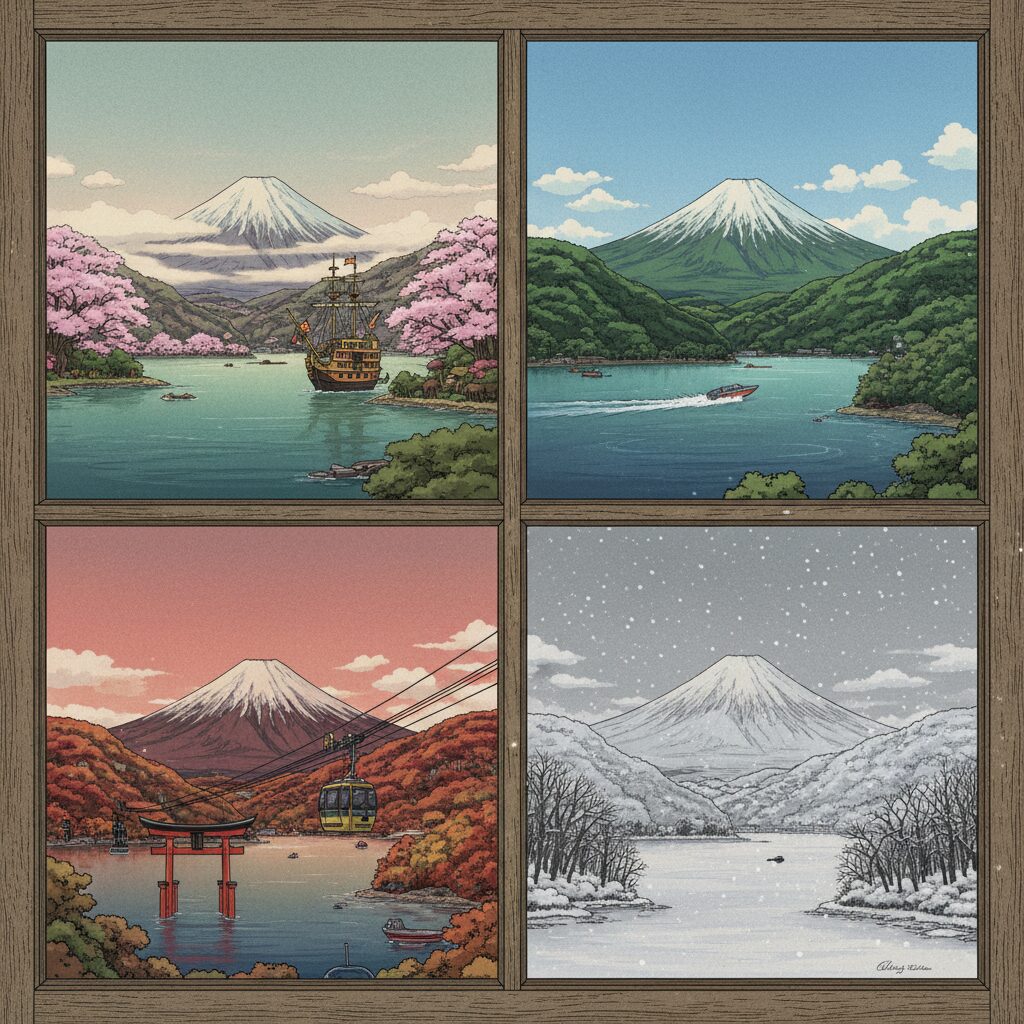
Hakone is a year-round destination, and Lake Ashi dons a new look with each season. The experience shifts so dramatically across the months that visiting four times feels like exploring four entirely different places.
Spring signifies renewal. Cherry blossoms, or sakura, bloom along the lake’s shores and nearby parks, sprinkling the scenery with soft shades of pink and white. The air is fresh, filled with the promise of warmer days, while the newly sprouted green leaves on the trees glow almost fluorescent. It’s a season full of hope and stunning beauty, though Fuji-san may appear more elusive through the spring haze.
Summer brings a rich, lush vibrancy to the forests. The greens deepen to almost impossible richness, and the hydrangeas burst in brilliant blues and purples. Though the days can be hot and humid, the breeze from the lake while aboard a boat offers welcome relief. Summer is also festival time, highlighted by spectacular fireworks over the lake that light up the water and the night sky. The drawback is that cloud cover peaks during this season, making views of Fuji less frequent.
Then autumn arrives. Ah, autumn in Hakone—it’s undoubtedly a paradise for photographers. From late October through November, the mountainsides around Lake Ashi erupt in a blaze of color. Japanese maples turn fiery crimson, ginkgo trees shine brilliant gold, and grasses shift to soft amber hues. This is ‘koyo’, the cherished autumn leaf-viewing season — beloved nationally for good reason. Witnessing these stunning colors reflected on the lake, with a snow-capped Fuji in the background on a clear day, creates a breathtaking scene that words can scarcely capture. The air turns cool and crisp, ideal for cruising and hiking.
Winter, however, may be the best-kept secret. It’s the quietest season, with fewer visitors, yet it offers the greatest reward: the highest chance of crystal-clear views of Fuji. The cold, dry air clears away haze, revealing sharp, stunning panoramas. The landscape adopts a stark, minimalist beauty, sometimes dusted with snow, which makes the vermilion shrine gates stand out even more. A winter cruise on Lake Ashi, wrapped warmly against the chill, with Fuji majestic against a brilliant blue sky, is an experience of pure, magical Japan.
Practical Intel: Navigating the Hakone Loop
Navigating Hakone may seem tricky at first, but it’s actually a smooth, well-organized system tailored for tourists. The key to unlocking it all is the Hakone Free Pass. Despite its name, it’s not free, but a discount pass that’s absolutely invaluable. Available in two- or three-day options, it covers nearly all transportation within Hakone: the Tozan train climbing the mountain, the cable car, the spectacular Hakone Ropeway, sightseeing boats on Lake Ashi (including pirate ships and other cruisers), and the extensive bus network that reaches almost every destination. It genuinely makes everything easier—you simply show the pass and hop on. You can purchase it in Tokyo at Shinjuku Station, where it can include your round-trip fare on the Odakyu Line, or buy it locally at stations like Odawara or Hakone-Yumoto.
Getting to Hakone from Tokyo is straightforward. The fastest route is the Tokaido Shinkansen (bullet train) to Odawara Station (about 35 minutes), where you can activate your Free Pass and transfer to the Hakone Tozan Line. A more scenic, leisurely option is the Odakyu ‘Romancecar’ direct train from Shinjuku to Hakone-Yumoto. Although longer (about 85 minutes), it’s a comfortable ride with large windows perfect for enjoying the view. From Hakone-Yumoto, the gateway to the area, you begin the well-known ‘Hakone Loop Course’: train up the mountain, cable car, ropeway over Owakudani, down to Lake Ashi, a boat cruise across the lake, and then a bus back to where you started. It’s a full day of varied and amazing experiences, all covered by the Free Pass.
A few tips from experience: start your day early—really early. Crowds can be heavy, especially on weekends and holidays, so getting ahead of them also improves your chances of catching Fuji in the clear morning air. Dress in layers, as mountain weather can change suddenly, and temperatures at the ropeway’s summit may be much colder than lakeside. Finally, stay flexible. If Fuji is hidden behind clouds, don’t let it spoil your day. Hakone offers much more to see and do—embrace the misty, mysterious ambiance. Visit an art museum, soak in an onsen, or hike part of the Old Tokaido Highway. Hakone’s magic is about far more than just one mountain.
More Than a Mountain View
The boat cruise on Lake Ashi is the cornerstone of the Hakone experience, but it also serves as a gateway to so much more. This region is a cultural treasure trove just waiting to be discovered. If art captivates you, you’re in for a delight. The Hakone Open-Air Museum is a world-renowned sculpture park showcasing incredible works by artists such as Picasso, Rodin, and Henry Moore, set against the breathtaking backdrop of the Hakone mountains. It’s a remarkable blend of art and nature. Another highlight is the Pola Museum of Art, featuring an impressive collection of Impressionist paintings housed in a futuristic building nestled in the forest.
Then there are the onsen. You simply can’t visit Hakone, a volcanic paradise, without experiencing a traditional Japanese hot spring bath. It’s the quintessential Hakone activity. Nearly every ryokan (traditional inn) and many hotels offer their own onsen facilities, and there are also public bathhouses available for a few hours of visit. Soaking in the geothermally heated, mineral-rich waters, often in an outdoor bath (rotenburo) with views of the forest or mountains, is pure bliss. It washes away all the stress and fatigue of your travels. It’s more than just about cleanliness; it’s a cultural ritual of relaxation and renewal. Seriously, don’t miss it.
For food lovers, Hakone offers the chance to try some local specialties. You must taste the kuro-tamago, the famous black eggs of Owakudani. These are regular chicken eggs hard-boiled in natural hot springs, where the sulfur in the water turns their shells jet black. Legend has it that eating one adds seven years to your life. They might taste like a mildly savory hard-boiled egg, but it’s the experience that matters. Near the lake, you’ll find restaurants serving freshly caught rainbow trout or ‘wakasagi’ (smelt), and the area is also known for its delicious soba noodles and tofu dishes made with pure mountain spring water.
As the day comes to a close, find a quiet spot by the lake, perhaps in Onshi Park or at a lakeside café in Moto-Hakone. Watch the light fade, painting the sky and water in gentle pastel hues. The pirate ships dock for the night, day-trippers return to the city, and a profound sense of peace settles over the water. This is the moment you’ll remember. It’s the quiet magic that lies between the big adventures. It’s the feeling of having witnessed something truly special, something timeless. Hakone isn’t just a place you visit; it’s a place you feel deep in your soul. So go ahead, get out there. The dragon’s back awaits, and Fuji is calling your name. You won’t regret it.