Yo, what’s the move? Let’s talk about escaping the electric chaos of Tokyo. You know the vibe—the endless neon, the packed trains, the sheer energy of it all. It’s a whole mood, for sure. But sometimes, you just gotta dip out, breathe in some real, non-city air, and see something that makes you feel small in the best way possible. When that feeling hits, my mind goes straight to one place: Hakone. This isn’t just a day trip; it’s a full-on system reset. Nestled in the mountains of Kanagawa Prefecture, Hakone is where Mother Nature went absolutely off, creating a masterpiece of volcanic landscapes, serene lakes, and steamy hot springs. And holding court over it all is the one and only Mount Fuji, Japan’s most iconic celebrity. Seriously, seeing Fuji-san on a clear day from Hakone? It hits different. It’s the kind of view that makes you put your phone down for a sec and just… vibe. This place is a mashup of jaw-dropping nature, mind-blowing art, and the kind of chill that only a good onsen soak can provide. It’s the ultimate getaway, a place to recharge your soul and get some seriously fire content for the ‘gram. So, if you’re ready to trade skyscrapers for mountains and traffic noise for the whisper of cedar trees, you’re in the right place. Let’s get into the magic that is Hakone. Bet.
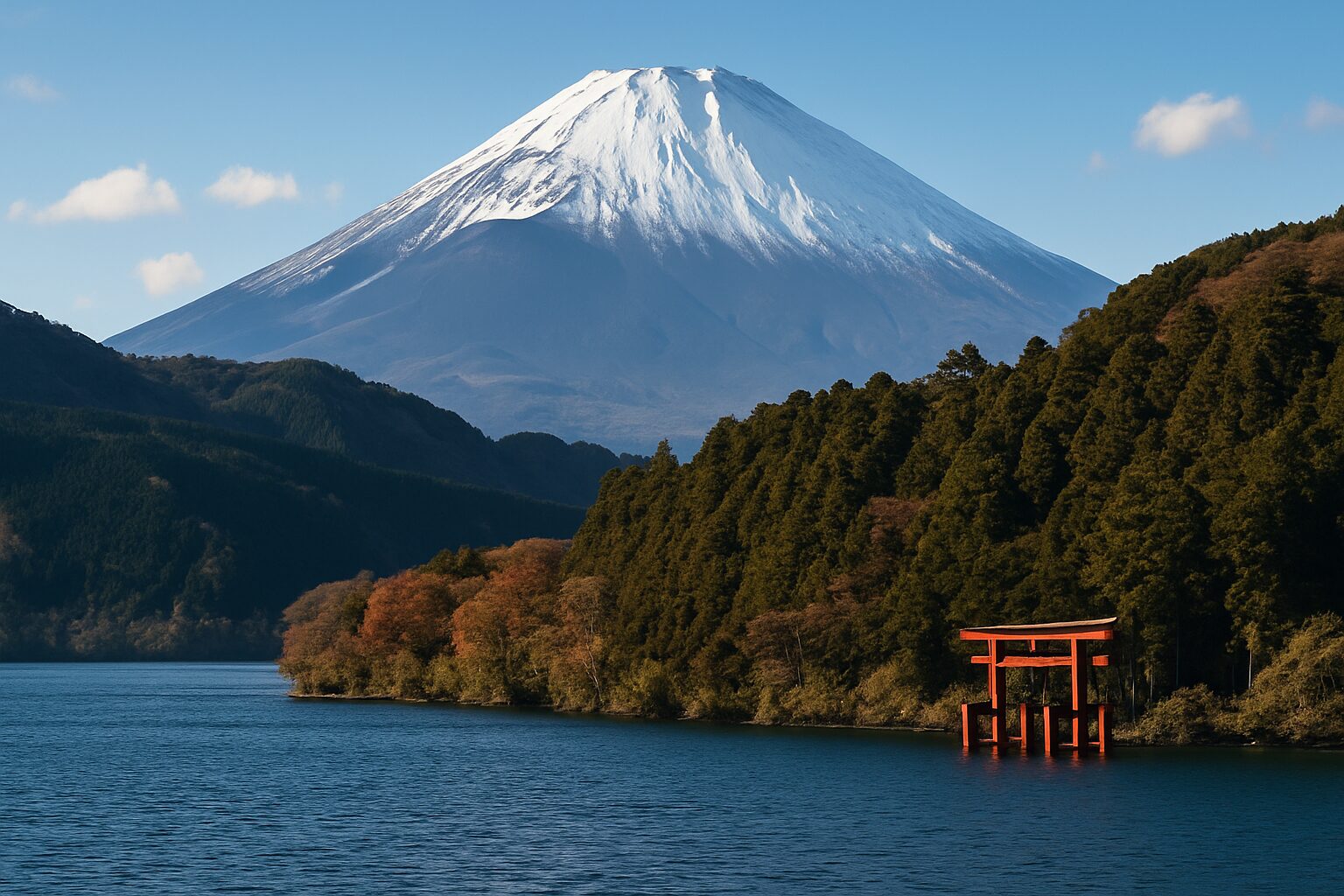
For the ultimate iconic view, you’ll want to experience seeing Mount Fuji from Lake Ashi.
The Lowdown on Hakone: Why It’s Majorly Famous
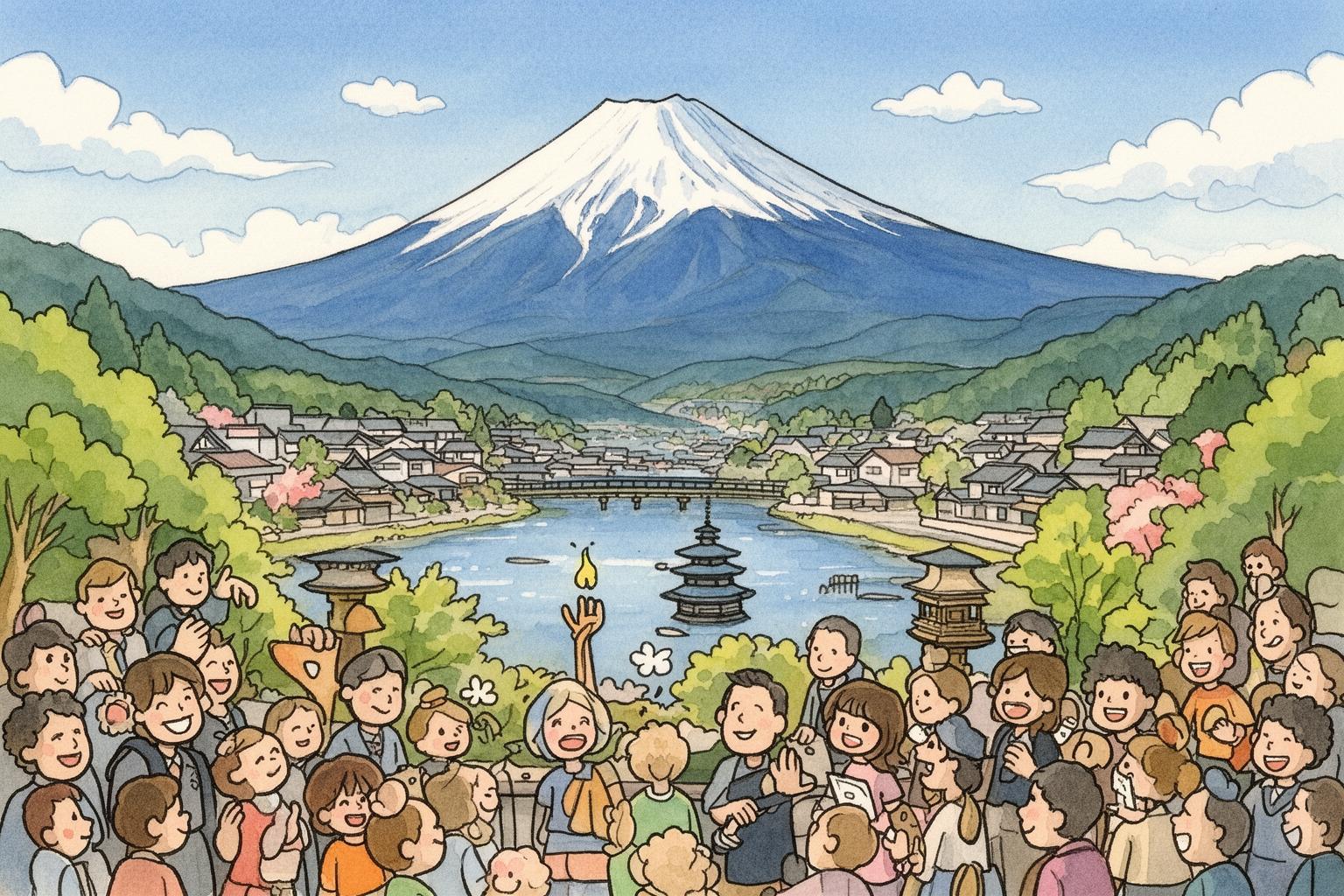
Hakone’s reputation is legendary, and for good reason. First of all, its location is prime. It’s incredibly accessible from Tokyo, making it an ideal getaway for both locals and travelers seeking a quick dose of nature. But this isn’t just any quiet mountain town. Hakone is a world of experiences condensed into one breathtaking national park. The main attraction, without a doubt, is Mount Fuji. Hakone provides some of the most stunning, postcard-worthy views of the volcano you’ll find anywhere. It’s like the star of the show, with the surrounding landscape as its incredibly talented supporting cast.
Yet, Hakone’s charm goes beyond just the views. It’s an adventure playground. The classic way to explore it is by taking the “Hakone Round Course” or the “Hakone Loop,” an epic journey that involves five different modes of transportation. We’re talking trains that zigzag up mountains, cable cars, a ropeway that soars over an active volcanic valley, a pirate ship (yes, a pirate ship) that sails across a crater lake, and buses that meander through forested roads. It sounds like a theme park ride, but it’s simply the way to get around here. This loop isn’t just about traveling from point A to point B; it’s a carefully curated experience designed to showcase the very best of Hakone’s diverse geography. It’s what makes a visit here so dynamic and memorable. One moment you’re surrounded by dense forest, the next you’re inhaling the sulfur from volcanic vents, and then you’re on the water, gazing at a perfect reflection of the sky. The sheer variety is incredible, and it’s why Hakone stays vividly alive in the minds of everyone who visits.
Getting There: Your Ticket to Paradise
Alright, let’s dive into logistics. Getting from Tokyo to Hakone is surprisingly straightforward, with options depending on your budget and how quickly you want to get there. The most iconic and, let’s be honest, luxe way to travel is on the Odakyu Romancecar. This isn’t your typical commuter train—think plush, comfy seats that swivel to face the windows, expansive panoramic views, and sometimes even an observation deck at the front. It’s a whole vibe. The train runs directly from Shinjuku Station in Tokyo to Hakone-Yumoto Station, the main gateway to Hakone, in about 85 minutes. It’s smooth, scenic, and turns the journey into part of your vacation. If you want to save some yen, you can take a regular express train on the same Odakyu Line from Shinjuku. It takes a bit longer—around two hours—with a possible transfer at Odawara, but it still gets you there.
Another popular option, especially if you have a Japan Rail Pass, is to take the Tokaido Shinkansen (bullet train) from Tokyo Station or Shinagawa Station to Odawara Station. This is the fastest way, getting you there in roughly half an hour. From Odawara, you’ll transfer to the local Hakone Tozan Line to reach Hakone-Yumoto. It’s efficient and slick, just as you would expect from the shinkansen.
Now for the ultimate move: the Hakone Free Pass. IYKYK. This pass is an absolute game-changer, and I highly recommend it, especially if it’s your first visit. It’s a single pass giving you unlimited rides on nearly all the transportation you’ll need around Hakone for two or three consecutive days. This covers the Hakone Tozan Railway, the Cablecar, the Ropeway, the Sightseeing Cruise (yes, the pirate ship!), and the designated Hakone Tozan buses. No fumbling for change or figuring out separate ticket machines—just flash the pass and you’re good. Plus, it includes a round-trip ticket on the Odakyu Line from Shinjuku and offers discounts at dozens of attractions, museums, and even some local restaurants. You can buy it at any Odakyu Line station, like Shinjuku, or at Odawara. It simplifies everything and saves you a nice chunk of change if you plan to do the full loop. No cap, it’s the best travel hack for the area. It’s the key to unlocking the entire Hakone experience without any hassle.
The Hakone Loop: A Full-On Sensory Adventure
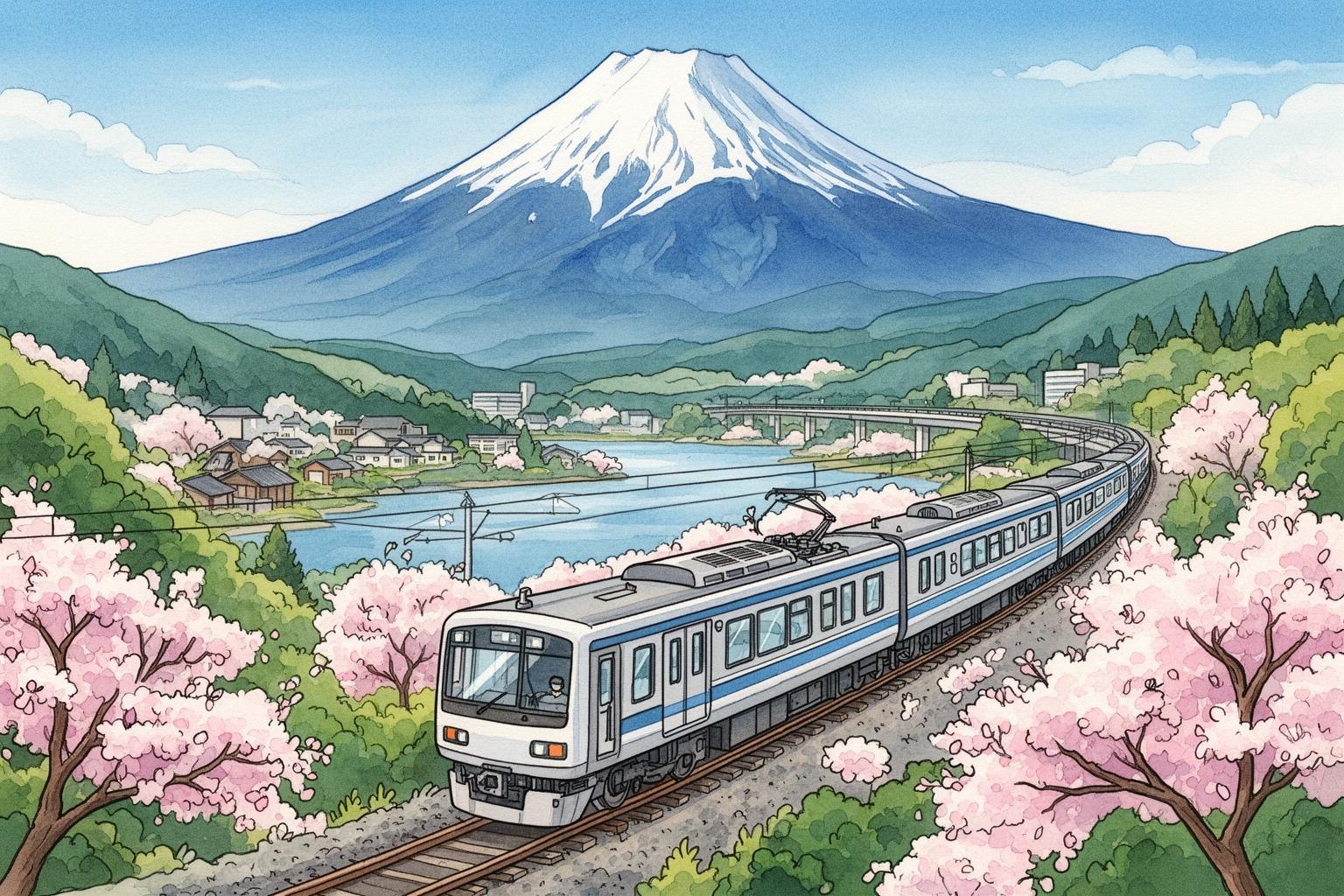
Embarking on the Hakone Loop feels like setting out on a real-life quest. Each segment of the journey provides a completely new perspective and a fresh kind of excitement. It’s a beautifully choreographed travel experience that lets you immerse yourself in the full range of Hakone’s natural wonders. So grab your Hakone Free Pass, and let’s begin this adventure, step by step.
Riding the Rails: The Hakone Tozan Railway
Your journey usually begins at Hakone-Yumoto Station, where you board the Hakone Tozan Railway. This is one of Japan’s oldest mountain railways and a remarkable feat of engineering. The train itself is charming—a classic red carriage that looks like it belongs in a storybook. But the ride is truly the highlight. Since the train can’t ascend the steep mountainside in a straight line, it uses a series of switchbacks. At each switchback, the driver disembarks, walks to the other end of the train, and then drives it in the opposite direction up the next track section. This slow, deliberate climb encourages you to relax and fully take in the scenery. You’ll wind through dense forests, cross picturesque bridges, and pass quaint little stations. In June and July, the tracks are famously lined with thousands of hydrangea bushes, and the train slows to let you admire the blooms. In autumn, the valley bursts into fiery reds and oranges. This journey is all about savoring nature at a gentle pace—a perfect way to unwind from city life. The final stop is Gora, a peaceful hot spring town perched high on the mountainside.
Up and Away: The Hakone Tozan Cablecar
From Gora, the climb becomes even steeper. The next stage is the Hakone Tozan Cablecar, which pulls you straight up the mountain from Gora to Sounzan Station. It’s a brief but impressive five-minute ride in a funicular-style car. You can definitely feel the incline as you rise above Gora, leaving the town behind. The views begin to open wide, teasing the breathtaking panoramas ahead. This ride serves as the vital connection between the railway and the ropeway—a transitional moment as you move from the forested valleys into the volcanic highlands. It’s a quick, efficient workhorse that sets the scene for the main attraction.
Into the Clouds: The Legendary Hakone Ropeway
Get ready to have your jaw drop. At Sounzan, you transfer to the Hakone Ropeway, where the experience truly reaches new heights. As your gondola cabin glides silently away from the station and climbs the mountain, the vastness of the landscape unfolds. You soar hundreds of feet above the ground, enjoying a bird’s-eye view of the world below. The journey is split into two parts. The first leg takes you to Ōwakudani, Hakone’s volcanic core. As you crest the ridge, the view that greets you is absolutely surreal. Beneath you lies a barren, alien valley, marked by yellow sulfur deposits and giant plumes of volcanic steam rising into the air. The unmistakable sulfur smell—the classic rotten-egg scent—wafts into your cabin. It feels prehistoric, as if you’ve been transported to another planet.
Then comes the showstopper. On a clear day, looking out the opposite side of the gondola, you see it: Mount Fuji. Perfectly conical, often snow-capped, standing majestic and serene beneath the blue sky. The contrast between the steaming, volatile valley below and the calm, powerful presence of Fuji in the distance is simply breathtaking. It’s one of those unforgettable travel moments. The second leg of the ropeway carries you from Ōwakudani down to Togendai on the shores of Lake Ashi. This part offers a different but equally stunning view, with Mount Fuji dominating the horizon as you descend toward the lake’s brilliant blue waters. The ropeway isn’t just transportation; it’s a cinematic adventure from beginning to end.
Ōwakudani: Breathing in the Volcanic Drama
Disembarking the ropeway at Ōwakudani feels like stepping onto another planet. The name means “Great Boiling Valley,” and it truly lives up to that reputation. This place is a constant, dramatic reminder that you’re standing on an active volcano. Steam vents, or fumaroles, hiss and roar, releasing hot, sulfurous gases from deep within the earth. The ground is painted yellow and rust-colored by mineral deposits. It’s a raw, powerful, and somewhat intimidating landscape. The air is thick with sulfur, a distinctive scent you’ll always associate with this spot.
A must-try here is the famous kuro-tamago, or black eggs. These are ordinary chicken eggs hard-boiled in naturally hot, sulfur-rich spring water. The chemical reaction turns the shells jet black with a matte finish. The inside tastes like a regular hard-boiled egg (perhaps a little richer), but local legend claims eating one adds seven years to your life. Naturally, you have to try one. They’re sold in little paper bags, still warm, and peeling away the black shell reveals the perfectly cooked egg inside. It’s a quirky, fun, and tasty ritual. While you’re here, take a walk along the designated paths near the station to get a closer look at the steaming vents and rugged landscape. Do keep in mind that due to volcanic gases, the area may sometimes close and is not recommended for those with certain respiratory conditions.
Sailing in Style: The Lake Ashi Pirate Ship
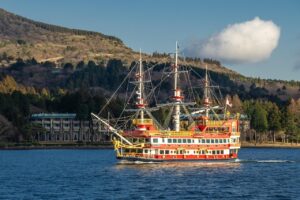
From the volcanic intensity of Ōwakudani, your journey shifts to the serene beauty of Lake Ashi, or Ashinoko. At Togendai port, you’ll board the Hakone Sightseeing Cruise, and these aren’t ordinary boats. They are large, elaborately decorated ships designed to look like old-fashioned pirate galleons. It’s a bit kitschy, sure, but it’s so much fun you just have to go with it. Leaning against the railing of a giant pirate ship as it glides across a pristine crater lake, with Mount Fuji in the backdrop? It’s a moment to savor. The mood is pure joy.
Lake Ashi was created by a volcanic eruption thousands of years ago, and its deep blue waters are calm and reflective. The 30-minute cruise offers some of Japan’s most iconic views. On a clear day, Mount Fuji is perfectly framed by surrounding mountains, its reflection shimmering on the water’s surface. As you approach the southern tip of the lake, you’ll also see the famous floating red torii gate of Hakone Shrine, standing guard in the water against a backdrop of dense forest. It’s incredibly picturesque. The cruise stops at two ports on the far side, Hakone-machi and Moto-Hakone, both excellent starting points for exploring the southern region before you catch a bus to complete the loop.
Beyond the Loop: Hakone’s Deep Cuts
While the Hakone Loop is the main draw, there’s plenty more to discover if you have the time. Straying from the main route unveils a quieter, more profound side of Hakone, rich with spiritual sanctuaries, world-class art, and hidden havens of calm. These are the places that can transform a good trip into an unforgettable experience.
A Spiritual Vibe Check: Hakone Shrine
Tucked away in the dense forest along the shores of Lake Ashi near Moto-Hakone, Hakone-jinja offers a sense of deep peace and ancient energy. The main shrine buildings sit atop a long flight of stone steps, surrounded by towering, centuries-old cedar trees that stand like wise guardians. Walking beneath their canopy, with the air cool and fresh, is a meditative experience in itself. The shrine is dedicated to mountain spirits and has been a worship site for over 1,200 years. The striking red-lacquered buildings vividly contrast with the lush greenery of the forest, creating a powerful visual impact.
But the shrine’s most famous feature, likely the one you’ve seen on social media, is the Heiwa no Torii, or “Torii of Peace.” This massive red gate dramatically rises from the shallow waters of Lake Ashi. Built to commemorate the post-war peace treaty, it has become an iconic symbol of Hakone. Capturing the perfect photo beneath the gate with the lake as a backdrop often means waiting in line, but the respectful atmosphere and stunning view make it well worth the wait. It feels like a gateway between the human world and the sacred realm of nature. Standing there, you can truly sense the history and spirituality of the place. It’s a vibe that’s both grounding and uplifting.
Art in the Wild: The Hakone Open-Air Museum
Prepare to be amazed, as the Hakone Open-Air Museum is undoubtedly one of the coolest museums in the world. This place completely breaks the mold of the typical, stuffy art gallery. Instead of white walls, you get 70,000 square meters of beautifully landscaped parkland with the breathtaking Hakone mountains as a backdrop. The museum’s philosophy centers on blending art and nature harmoniously, and they absolutely succeed.
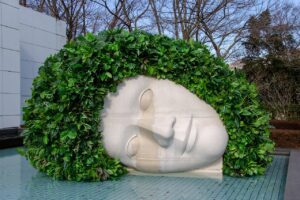
You can wander freely through the grounds, discovering more than a hundred sculptures by modern and contemporary masters from Japan and across the globe. Works by Henry Moore, Auguste Rodin, and Joan Miró are casually displayed in the open air. The collection is impressive, but it’s the experience that truly stands out. Children (and adults, let’s be honest) will love the interactive, climbable sculptures. The highlight is the Symphonic Sculpture, a massive stained-glass tower. You can climb the spiral staircase inside, and as you ascend, you’re enveloped in a kaleidoscope of colored light. The view from the top is breathtaking. There is also an indoor pavilion dedicated to Pablo Picasso, featuring a large collection of his ceramics, paintings, and sculptures. And if your feet get tired from all the walking, just head to the natural hot spring footbath on the museum grounds. Soaking your feet in warm onsen water while reflecting on art and nature? That’s quintessential Hakone living.
More Museums for the Culture Vultures
Hakone’s art scene is surprisingly rich. If the Open-Air Museum leaves you wanting more, several other world-class institutions are worth visiting. The POLA Museum of Art is an architectural marvel, a sleek glass structure designed to blend seamlessly into the surrounding forest. Inside, you’ll find an outstanding collection of Western Impressionist paintings, featuring works by Monet, Renoir, and Cézanne, alongside Japanese Western-style art. For those who appreciate intricate beauty, the Lalique Museum is a must-see. It exhibits the exquisite Art Nouveau and Art Deco glasswork of French artist René Lalique, with highlights including dazzling jewelry and iconic glass panels from the Orient Express. The Okada Museum of Art is another heavyweight, showcasing a vast collection of East Asian art, primarily Japanese, Chinese, and Korean ceramics, sculptures, and paintings. The quality and breadth of art in this small mountain town underscore its reputation as a premier cultural destination.
The Art of Chilling: Onsen Life in Hakone
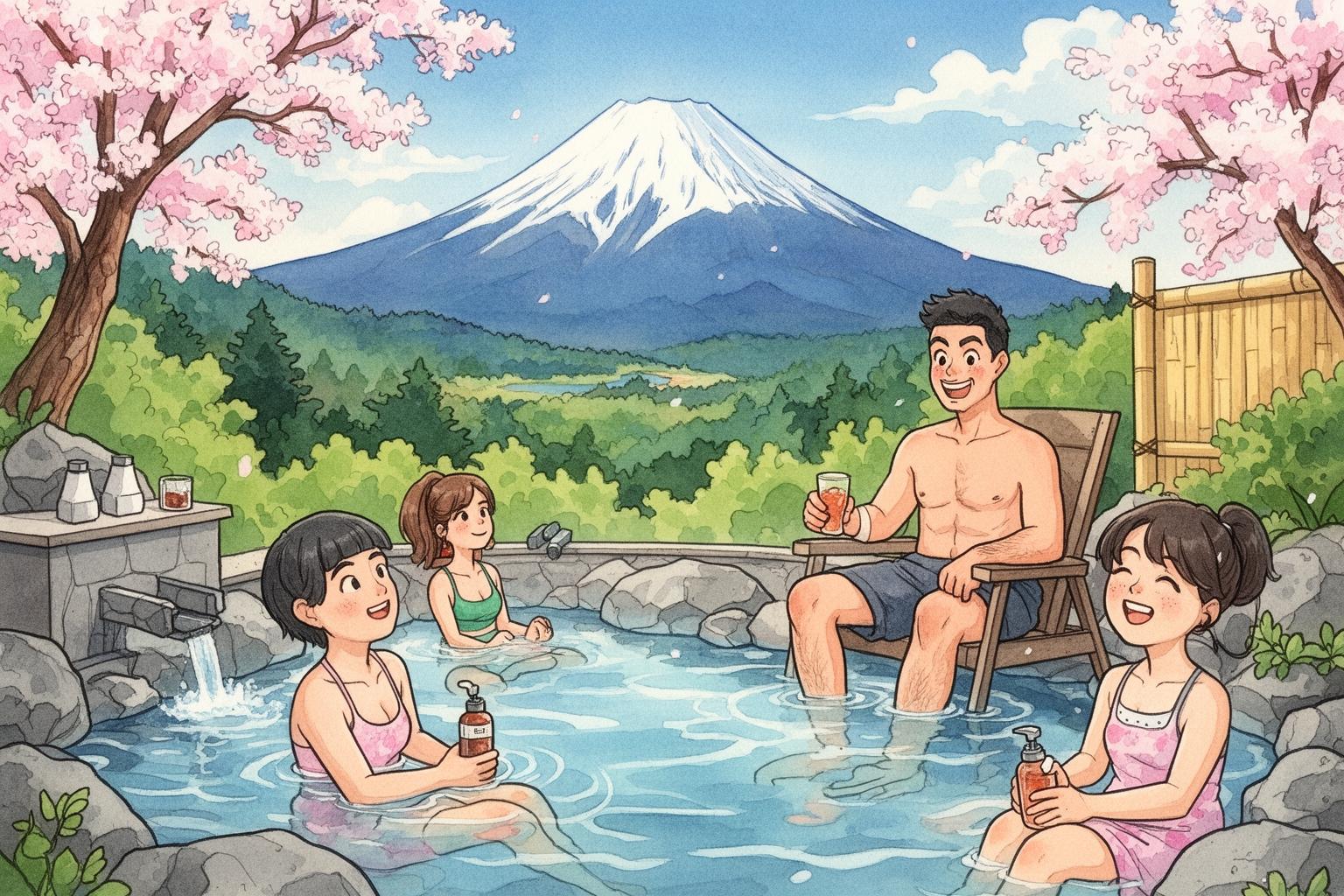
Hakone and onsen are almost synonymous. The entire area is rich in geothermal activity, resulting in an abundance of natural hot springs. Soaking in an onsen is not merely about cleansing; it’s a deeply rooted cultural tradition for relaxation, healing, and spiritual renewal. Visiting Hakone without experiencing an onsen is like going to Paris and skipping the Eiffel Tower—you simply have to do it.
What Exactly Is an Onsen?
So, what is an onsen? By definition, it’s a hot spring with water sourced from natural, geothermally heated origins and containing specific minerals. The waters in Hakone are abundant in minerals like sulfur, calcium, and sodium chloride, each thought to offer various health benefits, from easing muscle pain to enhancing skin condition. The experience centers on connecting with nature and finding moments of pure, tranquil calm. Baths are typically gender-segregated and can range from simple indoor tubs to stunning outdoor baths, known as rotenburo, which provide views of forests, rivers, or mountains.
Onsen Etiquette: A Simple, Stress-Free Guide
For newcomers, onsen etiquette might seem a bit daunting, but it’s quite easy and focuses on cleanliness and respect for others. First, no swimsuits are allowed. You enter naked. Everyone does the same, so there’s no need to feel awkward. Before entering the bath, you must wash your body thoroughly at a washing area equipped with low stools, faucets, and soap. Sit down and cleanse yourself from head to toe. This step is essential to maintain the purity of the communal bathwater. After rinsing, you may enter the onsen, moving slowly as the water can be quite hot. The small towel provided can be used for modesty while moving around but should never be dipped into the water. Most people place it on their heads or set it aside on a rock. Onsen are quiet places meant for relaxation, so keep your voice low and savor the soak. Regarding tattoos, historically they were linked to the yakuza and many onsen prohibited them. Although this is changing, some establishments still have strict policies. If you have tattoos, it’s wise to check the onsen’s rules beforehand. Many tourist-friendly or private onsen are now more accepting.
Choosing Your Ideal Onsen Experience
Hakone offers a wide variety of onsen experiences to suit any budget or preference. For the ultimate indulgence, staying overnight at a traditional Japanese inn, or ryokan, is ideal. Many ryokan feature beautiful onsen facilities, sometimes with private baths in your room or reservable by time slot. This often comes with a refined multi-course kaiseki meal, providing an unforgettable cultural experience. For day-trippers or budget travelers, there are many public bathhouses welcoming visitors for a fee. Spots like Hakone Yuryo provide a traditional setting with various baths and private onsen available for hourly rent. Tenzan Tohji-kyo is another popular location known for its rustic, nature-focused rotenburo along a river. These day-use onsen offer a fantastic way to experience this essential aspect of Japanese culture without the need to stay overnight.
Fueling Your Adventure: What to Eat in Hakone
A foodie’s journey through Hakone is just as thrilling as its scenic loop. The region’s natural abundance, from its pristine mountain water to the fresh fish in its lake, has inspired some delicious local specialties. Sampling the flavors of Hakone is an essential part of the experience.
Naturally, we begin with the kuro-tamago at Ōwakudani. Enjoying one of these life-prolonging black eggs amidst volcanic steam is a classic Hakone food tradition. But the culinary journey doesn’t end there. The pure, clean water from Hakone’s mountains is reputedly ideal for making soba noodles. Numerous excellent soba restaurants can be found throughout the area, especially near Hakone-Yumoto, serving delightful handmade buckwheat noodles either hot in a savory broth or cold with a dipping sauce. It’s a simple, elegant, and refreshing dish.
For something distinctly local, seek out dishes featuring yuba. Yuba is the delicate skin that forms on heated soy milk, and it’s a regional specialty. A yuba donabe gohan, a clay pot rice dish cooked with yuba, offers a comforting and richly flavorful experience. The fresh waters of Lake Ashi also yield an abundance of fish, particularly wakasagi, or Japanese smelt. When in season, they’re typically served grilled with salt or deep-fried. Small, delicate, and utterly delicious.
For a taste of history, visit Amazake-chaya, a traditional teahouse that has operated for centuries along the old Tokaido highway, the historic route that once linked Tokyo and Kyoto. They specialize in amazake, a sweet, thick, non-alcoholic beverage made from fermented rice, served hot. It’s the perfect way to warm up on a chilly day. Paired with their signature chikara mochi (grilled rice cakes), it offers a comforting and authentic flavor of old Japan.
Hakone Through the Seasons: Picking Your Moment
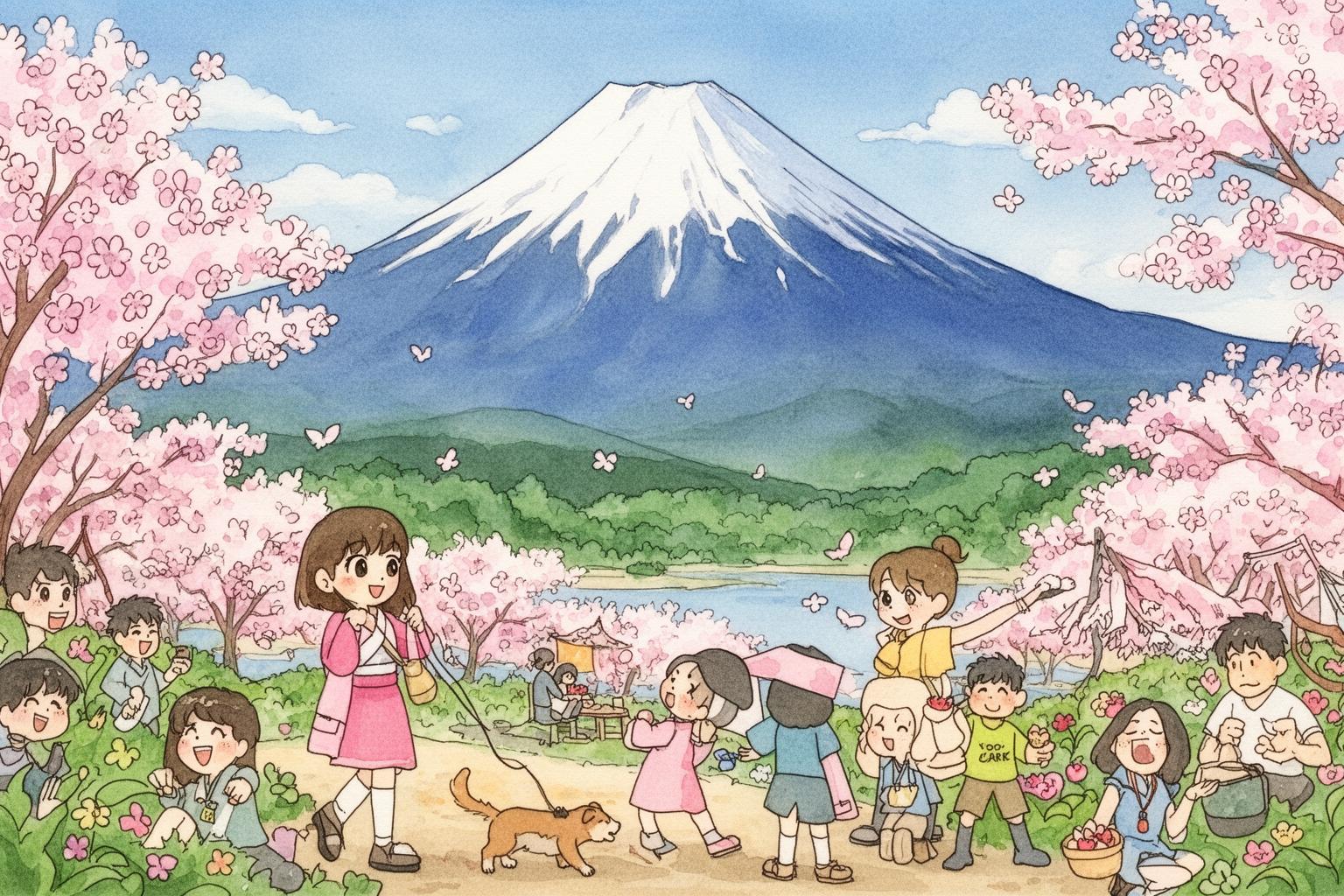
Hakone welcomes visitors year-round, but each season casts the landscape in a distinct light, offering its own unique atmosphere and new sights to discover. While there’s truly never a bad time to visit, understanding what each season brings can help you plan your ideal trip.
Spring (March-May): A Burst of Pink
Spring in Japan is synonymous with cherry blossoms, and Hakone is no exception. The region bursts into soft pinks and whites as the sakura trees bloom, typically from late March to early April. Prime viewing spots include the Hayakawa River near Hakone-Yumoto and the Hakone Detached Palace Garden by Lake Ashi. The combination of pink blossoms, blue waters, and snow-capped Mount Fuji creates a nearly surreal scene. The weather is mild and pleasant, making it an excellent time to explore.
Summer (June-August): Lush and Green
In summer, Hakone becomes a sea of vibrant green. The mountains are dense with foliage, offering a refreshing immersion in nature’s vitality. June’s rainy season adds its own charm, highlighted by blooming hydrangeas along the Hakone Tozan Railway. Known as the “Hydrangea Train” during this period, the sight of colorful flowers framed by misty mountains is enchanting. Though it can be hot and humid, the cool mountain air often provides a welcome escape from city heat.
Autumn (October-November): Brilliantly Lit
For many, autumn is Hakone’s standout season. The koyo (autumn foliage) is truly spectacular, with mountainsides ablaze in reds, golds, and oranges, offering stunning views at every turn. The area around the Hakone Museum of Art is especially renowned for its maple trees. Another highlight is the Sengokuhara Pampas Grass Fields, where the vast plains shimmer in silver-gold hues under the autumn sun. The crisp, clear air greatly improves chances of an unobstructed view of Mount Fuji. It’s peak season for a reason—the scenery is absolutely breathtaking.
Winter (December-February): Crisp, Clear, and Cold
Don’t overlook winter in Hakone. Although chilly, this season provides the clearest, most consistent views of Mount Fuji. The cold, dry air reduces haze and clouds, allowing Fuji-san to stand out sharply, adorned in its thick winter snow. The landscape may receive a light dusting of snow, turning the area into a peaceful winter wonderland. And what could be better on a cold day than soaking in a steaming hot onsen—perhaps even outdoors with snowflakes softly falling around you? It’s a truly magical and cozy experience.
Pro-Tips for Your First Hakone Trip
A bit of insider knowledge can greatly enhance your Hakone trip, making it smoother and less stressful. Here are some tips to keep in mind.
First, dress in layers. Since you’ll be moving through different altitudes during the day—from the valley floor up to the heights of Ōwakudani—the temperature can vary significantly. Having a jacket or sweater that’s easy to put on and take off is a smart choice.
Wear comfortable shoes—this is essential. You’ll be walking, standing, and switching between various modes of transportation, so your feet will definitely appreciate it.
Before you set out, especially if you plan to use the ropeway, check the official Hakone Ropeway website for its current operating status. The ropeway can temporarily close due to high volcanic gas levels or strong winds. It’s wise to have a backup plan, usually involving taking a bus as an alternate route.
While a day trip to Hakone is possible, I strongly suggest staying overnight if you can. A day trip tends to feel rushed, with too much packed into a short timeframe. Staying overnight lets you slow down, explore spots beyond the main loop, and most importantly, fully enjoy the onsen and ryokan experience. Waking up to a crisp mountain morning in Hakone offers a unique sense of tranquility.
Finally, take advantage of Japan’s excellent luggage forwarding service, known as takyubin. If you have large suitcases, you can send them directly from your Tokyo hotel to your accommodation in Hakone (or even to your next stop, like Kyoto). This allows you to travel light with just a small daypack, making transfers on the loop much easier. It’s truly a lifesaver.
The Final Word: Hakone’s Unforgettable Echo
There’s a reason Hakone holds such a special place in travelers’ hearts. It is a land of striking contrasts: the serene tranquility of Lake Ashi and the fierce volcanic power of Ōwakudani; the ancient spirituality of its shrines alongside the bold modernity of its art. This destination captivates all your senses—from the scent of sulfur in the air to the warmth of hot spring water on your skin, from the flavor of freshly made soba noodles to the breathtaking view of Mount Fuji against the sky.
Hakone is more than just a list of sights to see; it’s an experience. It embodies the thrill of adventure, the serenity of nature, and the deep comfort of relaxation all at once. It’s a place that reminds you of the power and beauty of the natural world while offering a meaningful connection to Japanese culture and art. Whether you visit for a brief day trip or a leisurely extended stay, the memory of Hakone’s beauty lingers long after you’ve returned to the city’s hustle and bustle. It’s a journey that does more than show you stunning views—it leaves you feeling refreshed, inspired, and perhaps subtly transformed. And that, truly, is the real magic.