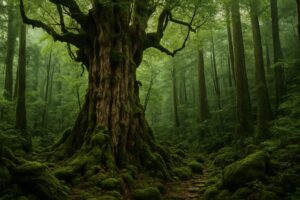
Yo, let’s talk about a place that’s straight up not from this timeline. A spot so ancient, so dripping with mystical vibes, it feels like you’ve clipped through the map of reality and landed in a legit fantasy world. We’re talking about Yakushima Island, a little green gem floating south of Kagoshima in Japan. This isn’t your average island getaway with chill beaches and cocktails, though it has those too if you look. Nah, this is a pilgrimage. A journey into a forest where the trees are thousands of years old, the moss glows an electric green, and the air itself feels charged with magic. Officially, it’s a UNESCO World Heritage site, recognized for its insane biodiversity and its primeval temperate rainforest. Unofficially, it’s the real-life inspiration for Studio Ghibli’s masterpiece, Princess Mononoke. You can literally walk through the very scenes that inspired Hayao Miyazaki, and trust me, the reality is even more breathtaking than the animation. This island is a full-on sensory overload in the best way possible. It’s where you go to disconnect from the frantic energy of the modern world and plug directly into the ancient, thrumming heartbeat of the planet. It’s a challenge, a therapy session, and an adventure all rolled into one. Prepare to have your mind blown and your hiking boots seriously muddy. This is Yakushima, and it’s about to become the main character in your travel story.
To truly immerse yourself in the magic of Kagoshima’s islands, be sure to explore the incredible island foodie scene on Koshikijima.
The Vibe: What It Feels Like to Walk Through Time
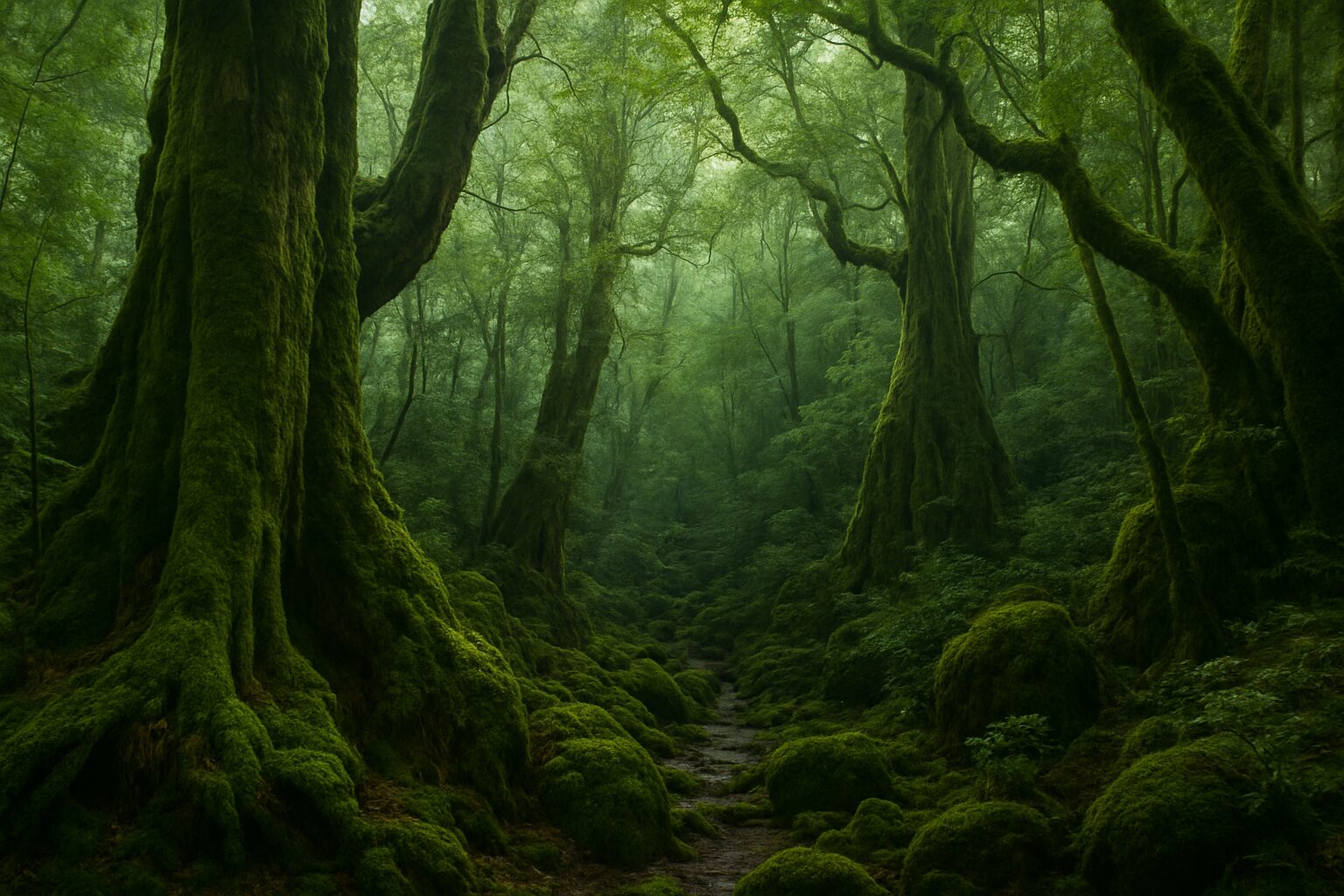
Before diving into the details of trails and transport, you need to grasp the vibe of Yakushima. Entering the forests here is like putting noise-canceling headphones on your soul. The first thing you notice isn’t a view but a sound—or rather, a profound silence. The noise of city life, notifications, and traffic all fade away. Instead, you hear the gentle, rhythmic drip of water from moss-covered branches, the soft rustle of a Yaku-shika deer moving through the undergrowth, and the whisper of wind through cedar needles that have sensed that breeze for millennia. The air is thick, clean, and filled with the scent of damp earth, decaying wood, and fresh life—a purity that feels like it’s cleansing your lungs from the inside out.
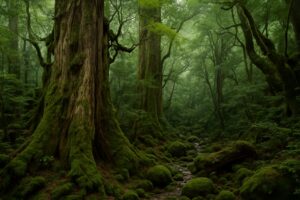
The light here is distinct. It’s a filtered, ethereal green as the sun struggles to pierce the dense canopy of countless trees, each vying for a spot in the sky. When a sunbeam breaks through, it highlights a patch of moss so vividly it seems to glow with its own inner light. With over 600 types of moss on the island, they cover everything—rocks, tree trunks, fallen logs, and the ground—creating a lush, green tapestry that softens sound and sight, transforming the forest into a sacred, living cathedral. You’ll find yourself slowing your pace, speaking quietly without thinking. This place demands reverence. Here, you’re not merely a tourist but a guest in a kingdom that long predates humans and will likely outlast us all. It’s humbling, awe-inspiring, and an experience that will stay with you forever.
The Main Quests: Legendary Trails and Where to Find Them
Yakushima is truly a hiker’s paradise. It offers everything from relaxed, boardwalked paths perfect for a casual walk to intense, multi-day treks that will push your limits. No matter your skill level, there’s a trail that leads to something unforgettable. Let’s explore the main highlights.
Shiratani Unsuikyo Ravine: The Princess Mononoke Forest
This is the one—the forest you’ve seen in photos, the place that inspired countless pilgrimages to Ghibli’s worlds. Shiratani Unsuikyo is the most accessible spot to experience Yakushima’s iconic mossy, ancient landscape. Rather than a single trail, it’s a network of paths, allowing you to tailor your adventure based on your timing and stamina.
The Atmosphere of Shiratani
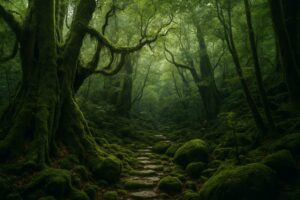
From the moment you leave the parking lot and step onto the trail, the world transforms. Crossing a bridge over a crystal-clear ravine with enormous granite boulders shaped by centuries of water flow, you are instantly immersed. The forest floor is a wonderfully chaotic blend of twisting roots, moss-covered stones, and aged tree stumps. Everywhere you look is green—dozens of shades from lime to emerald, forest to olive, blending together. The moss is the star attraction, blanketing every surface with a soft, spongy layer. This is `Koke no Mori`, the ‘Moss Forest,’ the very scene Miyazaki sketched for his film. It feels surreal, as if tiny white `kodama` (tree spirits) might peek out from behind logs, their heads rattling. The air is cool and damp, while silence is broken only by bubbling streams and occasional bird calls. It’s pure enchantment.
The Trail Options
You have several routes to choose from. A short, 1-hour loop on an Edo-period historic path gives a great introduction without a big time commitment. For the full experience, though, the longer hikes are best. A favorite is the 4-hour round trip to Taikoiwa Rock, which takes you deeper into the forest, passing giant cedars like Nanahonsugi and traveling through the heart of the Moss Forest. The final ascent to Taikoiwa involves a steep scramble using ropes, but the reward is breathtaking. You emerge onto a vast, exposed granite boulder with a sweeping panoramic view of the island’s mountainous interior. On a clear day, Mount Miyanoura, the highest peak, is visible. It’s a view that makes you feel literally and figuratively on top of the world.
The Jomon Sugi Trail: A Pilgrimage to the King
If Shiratani Unsuikyo is the magical introduction, the Jomon Sugi trail is the epic journey. This is far from a casual hike; it’s a full-day, 10-12 hour trek that will challenge you physically and mentally. But the prize is an encounter with one of the oldest living beings on Earth. Jomon Sugi is the undisputed monarch of Yakushima’s forests—a colossal cedar estimated to be between 2,000 and over 7,200 years old. Standing before it is a profoundly spiritual experience.
The Journey to Jomon Sugi
The day begins brutally early. Most hikers catch a bus to the Arakawa trailhead by 4 or 5 AM, starting their trek in total darkness illuminated only by headlamps. The first few hours follow the old logging railway known as the Anbo Forest Railway. It’s a flat, easy walk, but in the pre-dawn silence under a sky full of stars, it feels deeply atmospheric. The wooden railway ties mark your path across narrow bridges spanning deep ravines, evoking a journey into a forgotten wilderness.
After about 8 kilometers, the railway ends and the real challenge begins. The trail becomes steep and demanding as it climbs through the forest’s heart—where you’ll need your energy. Along the way, you encounter other giant cedars, each famed in its own right. Wilson’s Stump is a massive, hollowed cedar felled centuries ago, with a heart-shaped opening that makes a popular photo spot. Further along are Daio Sugi (Great King Cedar) and Meoto Sugi (Husband and Wife Cedars), two impressive trees growing side by side. These magnificent giants set the stage for the climax of the trek.
Meeting the Ancient One
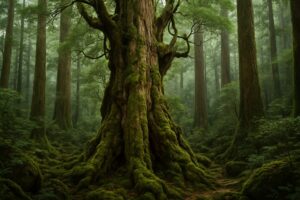
The final approach to Jomon Sugi climbs a series of wooden stairs built to protect its delicate roots. Then you see it. The sheer scale of Jomon Sugi is difficult to capture—it’s not just tall but incredibly wide, gnarled, and weathered, with bark like a rugged terrain of mountains and valleys. Its branches stretch like ancient, twisted arms. It exudes an aura of great age and endurance. Visitors can no longer get right up to it; an observation deck keeps everyone at a respectful distance, but this doesn’t lessen its impact. You stand silently, gazing at a living being that has occupied this spot since before the Pyramids of Giza were built. It offers a profound perspective on your own existence. The return trek is long and exhausting, yet you walk back imbued with a deep reverence for the natural world.
Yakusugi Land: The Accessible Ancient Forest
For those not prepared for a 12-hour ordeal but eager to see massive, ancient trees, Yakusugi Land is the perfect alternative. Despite its somewhat theme-park-sounding name, it is a genuinely stunning part of the forest. It features a variety of well-maintained trails, some with wooden boardwalks, making it ideal for families, older visitors, or anyone seeking a more relaxed outing.
The trails are color-coded and range from brief 30-minute strolls to more immersive 150-minute hikes into the wilderness. Even on the shortest path, you’ll be surrounded by towering cedars, rich moss, and the serene calm of Yakushima’s woods. You’ll pass beneath Kigen Sugi, a massive Yakusugi easily accessed just off the main road, along with many other impressive trees. Yakusugi Land demonstrates that a meaningful encounter with these ancient giants doesn’t require exhausting effort—it’s a wonderful, low-stress way to experience the island’s magic.
Beyond the Trees: Waterfalls, Onsen, and Sea Turtles
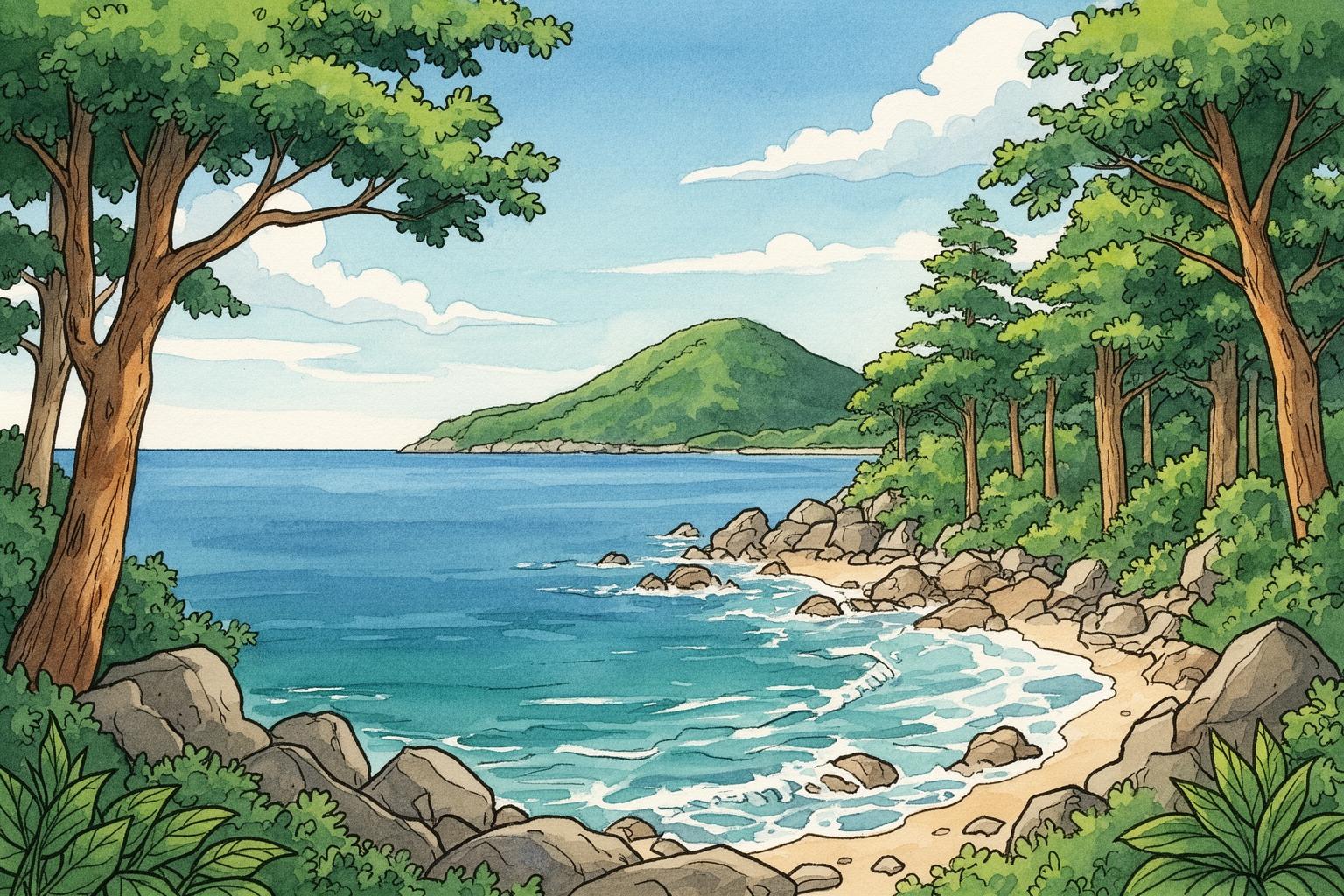
Yakushima’s wonders extend beyond its forests. The island’s incredibly high rainfall—locals joke that it rains “35 days a month”—nourishes an impressive network of rivers and waterfalls. It is also surrounded by stunning beaches and blessed with natural hot springs.
Chasing Waterfalls
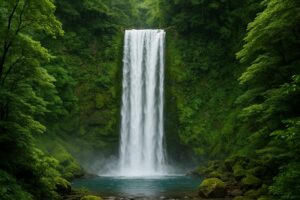
The waterfalls here are truly powerful. On the island’s south side, you’ll find Senpiro-no-taki and Toroki-no-taki. Senpiro-no-taki is more than just a waterfall; it’s a torrent plunging down a massive, single granite cliff face. The sheer scale of the rock is astonishing. Nearby, Toroki-no-taki stands out as one of the few waterfalls in Japan that flows directly into the ocean. The view from the bridge is spectacular. On the west side is Oko-no-taki, one of Japan’s top 100 waterfalls. It’s a massive, 88-meter cascade that allows you to walk right up to its base. The spray is powerful, the roar is overwhelming, and the sheer force of the water is humbling. It’s the perfect spot to cool down after a hike.
Soaking Your Weary Bones: The Onsen Experience
There’s nothing like sinking into a natural hot spring after a long day of trekking. Yakushima offers some unique onsens that are experiences in themselves. The most famous is Hirauchi Kaichu Onsen, a seaside hot spring. The catch? The pools are only accessible for a few hours around low tide. At other times, they’re completely submerged by the ocean. Timing your visit perfectly is essential. It’s a rustic, mixed-gender onsen (bathing suits are generally not worn, though some wrap themselves in a small towel) where you can soak in volcanically heated water while watching waves crash against the rocks just feet away. For a more traditional onsen experience, Yudomari Onsen provides a similar seaside atmosphere but with gender-separated pools that are always accessible.
Nagata Inakahama Beach: A Turtle Sanctuary
Yakushima isn’t your typical beach destination, but Nagata Inakahama is truly special. It features a beautiful stretch of golden sand and granite boulders, but its main distinction is being the largest nesting site for loggerhead sea turtles in the North Pacific. From May through July, hundreds of female turtles come ashore under the cover of night to lay their eggs. It’s an incredibly moving and delicate natural event. Strict rules protect the turtles: beach access is restricted at night, and visitors must join a guided observation tour organized by the local conservation group. Witnessing these ancient creatures take part in their timeless ritual is a profound privilege and a testament to the island’s extraordinary biodiversity.
The Practical Stuff: How to Actually Do Yakushima
Alright, ready to get excited? Great. Now, let’s dive into the logistics. Traveling to and around Yakushima takes some preparation, but it’s completely manageable. Think of it as the first chapter of your adventure.
Getting There: Your Gateway to the Enchanted Island
Yakushima’s main access point is Kagoshima, the southernmost major city on Japan’s main island, Kyushu. From there, you’ve got two main routes: fly or sail.
By Air
Japan Air Commuter, a JAL subsidiary, operates several daily flights from Kagoshima Airport (KOJ) to Yakushima Airport (KUM). The flight takes just 30-40 minutes and treats you to spectacular aerial views of the island as you near it. This is the quickest and most convenient option, though also the priciest. There are also a few direct flights from Fukuoka and Osaka (Itami), but these are less frequent. Pro tip: book well in advance, especially during busy times like Golden Week or summer, as the small planes fill up fast.
By Sea
This is the more common, budget-friendly option. From Kagoshima Port, you can choose between two boats.
- The Toppy & Rocket Hydrofoil: These high-speed jetfoils practically skim over the water. The trip takes about 2-3 hours, depending on the route and whether it stops at Tanegashima island first. It’s fast, efficient, and much cheaper than flying. The ride can get a bit rough in choppy seas, and services may be canceled during high waves. You won’t be able to go out on deck, so you’ll stay inside for the duration.
- The Yakushima 2 Ferry: This is the slower, larger car ferry. It takes about 4 hours. While it’s not speedy, it offers a unique experience and saves you a lot of money. You can bring your car onboard and freely wander the decks, bask in the sun, and enjoy ocean views. On calm days, it’s a peaceful way to arrive, watching Yakushima’s misty, green mountains grow larger on the horizon. Some routes even run overnight. This is the ultimate budget choice.
Getting Around: You’ll Want Your Own Wheels
Yakushima is bigger than it seems, with its main sights spread out. Though there is public transportation, buses are infrequent and don’t reach all areas. To fully explore on your own schedule, renting a car is almost essential. It lets you chase good weather and reach trailheads ahead of the buses.
Several rental car companies operate near Miyanoura Port, Anbo Port, and the airport. Reserve your vehicle as early as your flight, as they often sell out. Driving here is an adventure itself. Roads are narrow and winding, especially the Seibu Rindo forest road along the west coast (which can close occasionally, so check ahead). You’ll definitely need to stop for local wildlife: the Yaku-shika (deer) and Yaku-zaru (monkeys). They rule the roads and are in no hurry. Just relax, drive slowly, and enjoy your free safari.
If you can’t or prefer not to drive, the bus system is your next best option. Grab a timetable when you arrive. Buses cater to hikers heading to main trailheads like Arakawa (for Jomon Sugi) and Shiratani Unsuikyo, but you’ll need to plan your day carefully around their schedules. Taxis are available but can be costly for longer rides.
Best Time to Visit: Planning Your Trek
Yakushima is worth visiting year-round, but each season offers a different atmosphere.
- Spring (March-May): This is prime season. Weather is usually stable and pleasant, forests are filled with fresh life, and you might catch the mountain cherry blossoms, which bloom later than on the mainland. It’s popular, so expect more hikers and book well ahead.
- Summer (June-August): The island is at its greenest, but it’s also rainy season (`tsuyu`) and typhoon season. Expect lots of rain—sometimes heavy. But don’t be discouraged. The rain keeps the moss vibrant, and hiking in a downpour can be a moody, atmospheric experience (with proper gear!). This is also sea turtle nesting season and great for kayaking and swimming.
- Autumn (September-November): Many locals consider this the best season. Summer’s rains ease up, the weather cools and stabilizes, and humidity drops. The summer crowds thin out. Yakushima isn’t famous for fall colors, but you’ll see some foliage at higher elevations. It’s arguably the most comfortable season for long hikes.
- Winter (December-February): This season is for serious adventurers. The island is quiet and peaceful, but the mountains get heavy snow. Trails to Jomon Sugi and Mount Miyanoura can be impassable without serious alpine gear and experience. Lower elevation trails and coastal areas remain accessible and beautifully tranquil. The air is crisp and clear, and you might have the forest all to yourself.
Where to Stay and What to Eat
Most accommodations cluster around the two main port towns: Miyanoura in the north and Anbo in the east. Miyanoura is slightly larger with more shops and eateries, while Anbo is quieter and closer to the Jomon Sugi trailhead bus stop.
Options range from luxury hotels with onsen and multi-course `kaiseki` meals to cozy family-run `minshuku` guesthouses offering an authentic local experience, and budget-friendly hostels perfect for meeting fellow hikers. Booking early is key for all.
Food is a highlight. Being an island, seafood reigns supreme. Try `tobiuo` (flying fish), served grilled, fried, or sashimi-style—it’s the island’s signature dish. For the adventurous, try `kamenote` (goose barnacles), which resemble tiny turtle feet, are steamed in sake, and taste like a briny blend of crab and clam. Yakushima is also known for its citrus fruits like `tankan` and `ponkan`, which appear in everything from juices and desserts to dressings. After a long day’s hike, there’s nothing better than a glass of local shochu. Mitake is the most famous brand – a smooth, sweet potato shochu with a surprisingly mellow flavor.
First-Timer’s Survival Guide: Hot Tips for a Smooth Trip
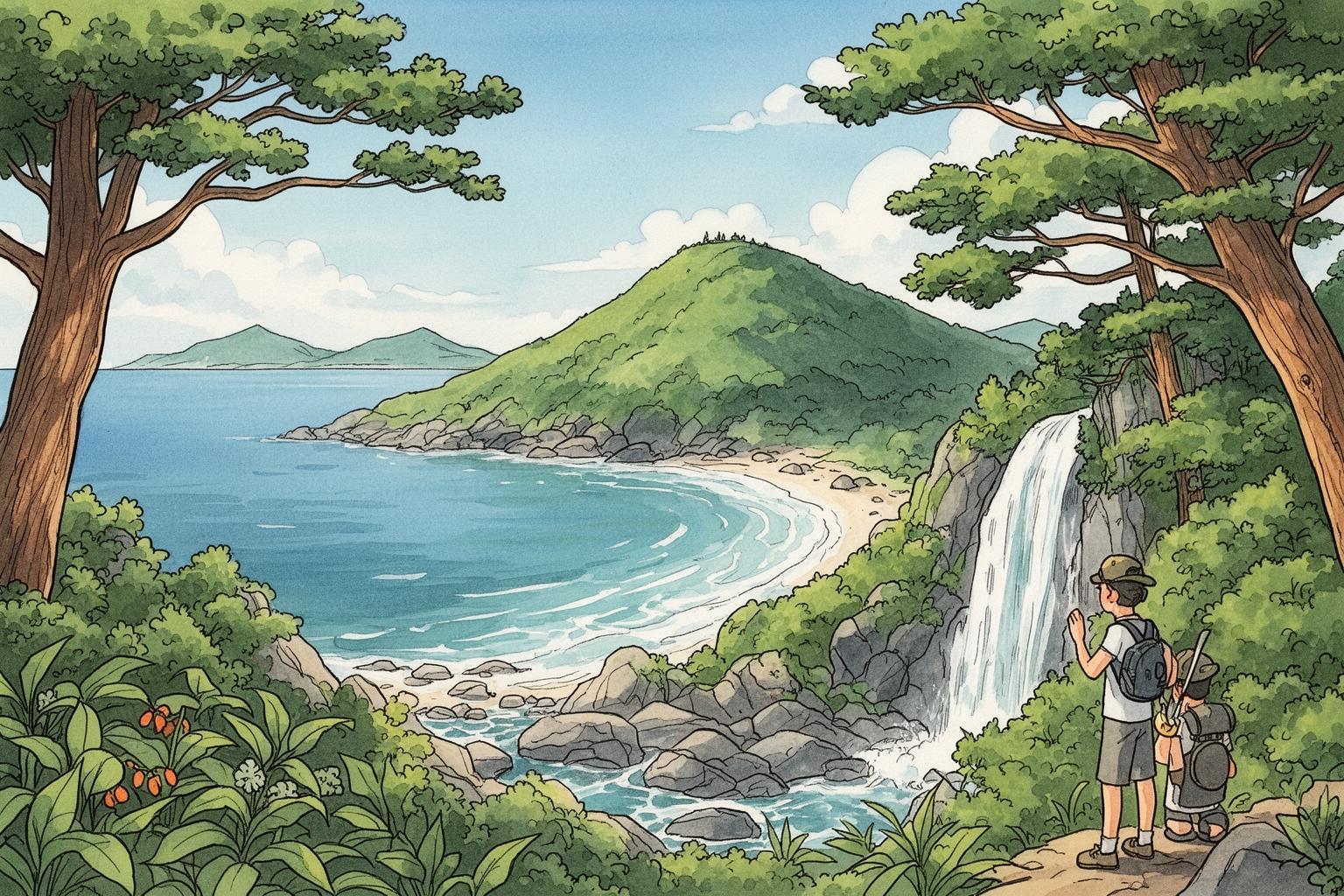
- Prepare for Rain. Seriously, I can’t emphasize this enough. Don’t skimp on your rain gear. A high-quality, fully waterproof and breathable jacket and pants are essential. An umbrella won’t do you any favors in the forest. Your gear will make the difference between a magical, moody hike and a miserable, soggy trek.
- Footwear Matters. Bring waterproof hiking boots with solid ankle support and good traction. The trails are often wet, muddy, and strewn with slippery roots and rocks. Make sure your boots are well broken-in before your trip.
- Rent Instead of Hauling. If you don’t own top-notch hiking gear, don’t worry. There are several rental shops in Miyanoura and Anbo where you can rent a complete kit—boots, rain gear, backpack, headlamp, and more—at a reasonable price. It saves you packing space and ensures you have the right equipment.
- Consider Hiring a Guide. Especially for the Jomon Sugi trail, hiring a local guide can be a game-changer. They manage transportation logistics, set a sustainable pace, and offer a wealth of knowledge about the forest’s ecology, history, and folklore. An English-speaking guide transforms your walk into a fascinating outdoor classroom.
- Bring Cash. While larger hotels and restaurants accept cards, many smaller shops, guesthouses, and local eateries are cash-only. ATMs are available at post offices, but it’s wise to arrive with plenty of yen on hand.
- Follow the Leave No Trace Principle. Respect this sacred ground. Pack out everything you bring in, including food wrappers and tissues. Use designated (often portable) toilets. Stick to the trails to protect delicate moss and root systems. Don’t feed the monkeys or deer. Be a respectful guest in nature’s home.
The Final Word: More Than Just a Hike
A trip to Yakushima is more than just a vacation. It acts as a reset button, an experience that permeates your very being and stays with you. The island has a way of stripping away the non-essential, reminding you of a world that is older, grander, and more powerful than our transient human worries. You’ll depart with tired legs, a camera full of lush green photos, and a deep sense of peace and connection. Facing the ancient Yakusugi, you’ll feel small, yet within that smallness, you’ll discover a profound and beautiful sense of belonging to something far greater. So go. Walk among the giants. Let the rain cleanse you. Let the forest’s silence speak to you. It’s a conversation you’ll never forget.