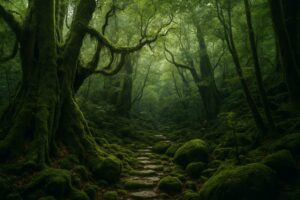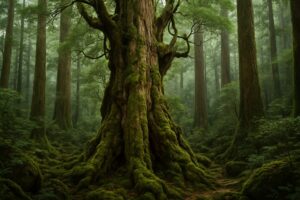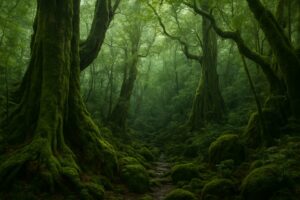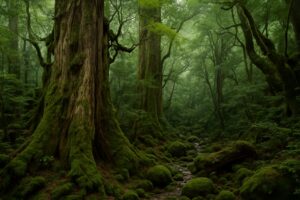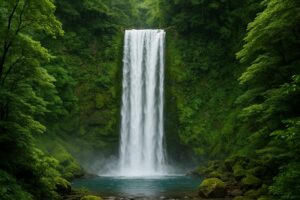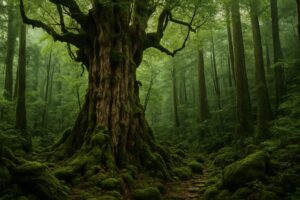
Yo, world travelers and magic-seekers! Have you ever scrolled through your feed, seen a place that looks too good to be true, and thought, ‘There’s no way that’s real’? Well, I found it. It’s an island floating south of mainland Japan called Yakushima, and it’s not just real—it’s more magical than any filter could ever make it. This isn’t just another pretty spot; it’s a full-on UNESCO World Heritage site in Kagoshima Prefecture, a place where the trees are thousands of years old and the moss glows with a life of its own. Stepping onto this island is like walking straight into a dream, or more specifically, into Hayao Miyazaki’s masterpiece, Princess Mononoke. The air hits different here. It’s heavy with rain, ancient secrets, and the kind of pure, untamed nature that makes you feel small in the best way possible. This is where you come to disconnect from the noise and reconnect with something primal, something real. It’s a trek, a journey, and a total vibe shift. Get ready to have your mind blown, because we’re diving deep into the emerald heart of Yakushima.
If you’re looking for more incredible hiking adventures in Japan’s southern islands, you should definitely check out this guide to hiking in Kirishima-Kinkowan’s volcanic wonderland.
The Vibe Check: Why Yakushima is Straight-Up Magic
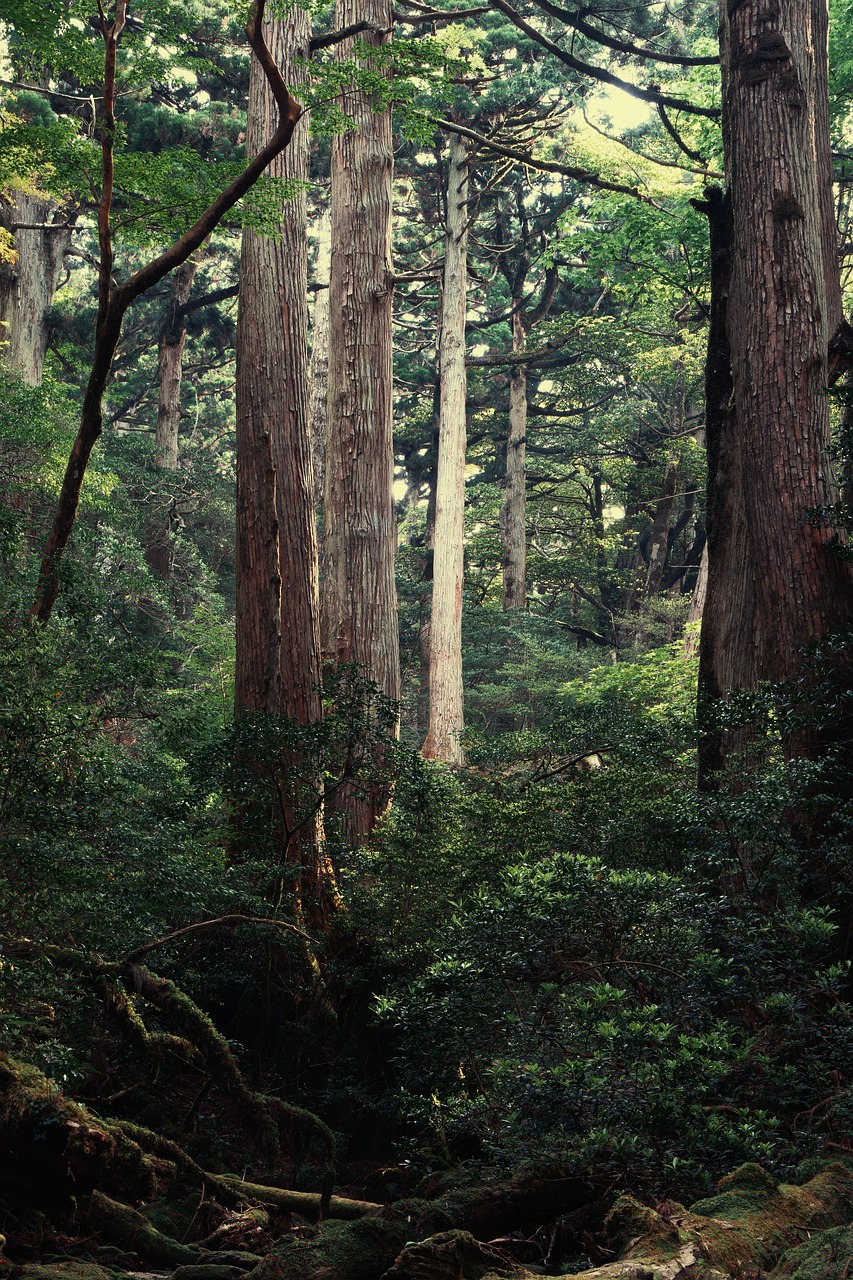
Before we even discuss the hikes, let’s focus on the feeling. Yakushima’s entire character revolves around water. There’s a local saying that it rains “35 days a month,” which is clearly a joke, but it effectively conveys the message. This rain isn’t gloomy or sad; it’s a life-giving force that covers the whole island with an almost fluorescent, intense layer of green. We’re talking about hundreds of moss varieties, ferns unfurling from every crack, and streams so pure you can refill your bottle directly from the source. The air is so fresh it feels like you’re breathing for the first time. It carries the scent of damp earth, sweet, resinous cedar, and thousands of years of untouched growth. The silence in the deep forest is remarkable, too. It’s not an empty quiet; it’s a living stillness, interrupted by water dripping from leaf to moss, the babble of a distant stream, and the occasional bird call. This constant humidity and rainfall are the secret ingredients behind the island’s unique ecosystem, enabling the iconic Yaku-sugi, or Yakushima cedars, to live for thousands of years. These ancient giants, defined as cedars over 1,000 years old, reign supreme here. Their younger counterparts, less than a millennium old, are called Ko-sugi. Encountering these behemoths in person is humbling. They are twisted, gnarled, and draped in other plants, looking less like trees and more like ancient forest spirits guarding this land since time immemorial. Their resilience is legendary; the high resin content in their wood makes them exceptionally resistant to decay, explaining their longevity in such a damp environment. This island stands as a testament to nature’s power—a living, breathing sanctuary that feels completely removed from the modern world.
Meet the Legends: The Ancient Cedar Squad
Yakushima essentially serves as a hall of fame for trees, and trekking here means meeting the true A-listers. These aren’t simply plants; they’re characters with stories carved into their bark, living monuments that evoke respect and awe. Each has its own territory, its own trail, and a distinct aura.
The GOAT: Jomon Sugi
Let’s begin with the undisputed monarch, the island’s oldest and most renowned resident: Jomon Sugi. This tree is the ultimate destination for serious hikers—a genuine pilgrimage. How old is it? No one knows for certain, but estimates vary from 2,170 to an astonishing 7,200 years. This means the tree was a sapling when the pyramids were being constructed. It’s a colossal, gnarled giant that has witnessed the entire span of human history. Reaching it is no easy feat; it’s a grueling 22-kilometer, 10-to-12-hour round-trip hike starting before dawn. Yet, the journey is as iconic as the goal. Much of the trek follows the Anbo Forest Railway, an old logging track that winds through the dense forest. The rhythmic click-clack of your boots on the wooden railway ties becomes meditative as you delve deeper into the island’s core. The trail is long and tests your stamina, but every step is rewarding. When you finally arrive at the viewing platform designed to protect the tree’s roots and see Jomon Sugi for the first time, everything else fades away. It isn’t conventionally beautiful; it’s powerful. Its branches stretch out like weary old arms, its trunk is a fortress of bark, and you can sense its ancient energy from afar. You cannot touch it, but you don’t need to. Its presence alone is enough. It’s a profound experience that puts your own existence into perspective.
The Movie Star: Shiratani Unsuikyo Ravine
If Jomon Sugi is the stoic king, Shiratani Unsuikyo is the ethereal, enchanting princess. This is the place that directly inspired the forest settings in Princess Mononoke, and you’ll see why as soon as you step onto the trail. This ravine is pure, concentrated magic. Every inch—rocks, tree roots, fallen logs—is blanketed with thick, velvety moss. Light filters through the dense canopy in hazy green beams, illuminating a landscape that seems straight out of a fantasy novel. The trails here are more accessible than the Jomon Sugi trek, with several routes ranging from one to about five hours. This makes it ideal for those wanting that iconic Ghibli vibe without committing to an all-day hike. The most famous spot in the ravine is the Kokemusu-no-mori, or Moss Forest. It’s an otherworldly amphitheater of green where twisted roots and ancient stones create a breathtaking scene. It’s so surreal you half expect a kodama (tree spirit) to peek from behind a log. For those willing to climb a bit higher, the trail leads to Taiko-iwa Rock. After a steep scramble, you emerge onto a massive granite boulder with a stunning panoramic view of the island’s mountainous interior. On a clear day, it feels like you’re standing on top of the world, looking down at a sea of green. It’s the perfect climax to a hike through this enchanted forest.
The Accessible Wonderland: Yakusugi Land
Don’t be misled by the name; Yakusugi Land is not a theme park. It’s a beautifully maintained nature park offering some of the most accessible paths to see the giant Yaku-sugi cedars. If the Jomon Sugi trek sounds too demanding, or if you’re traveling with family, this is your place. It features a series of well-marked trails, including wooden boardwalks, ranging from 30 minutes to several hours. This makes it a fantastic introduction to the island’s unique forests without requiring high fitness levels. But don’t assume “accessible” means less impressive. Yakusugi Land is absolutely filled with magnificent ancient cedars, lush mosses, and pristine rivers. You can get up close to giants like Buddha Sugi and cross picturesque suspension bridges over emerald-green streams. It captures the quintessential Yakushima experience—the awe of ancient trees, vibrant mosses, and the sound of rushing water—in a more relaxed and manageable way. It’s the perfect way to absorb the island’s atmosphere and appreciate the grandeur of these trees at your own pace.
Level Up Your Trek: Picking Your Path
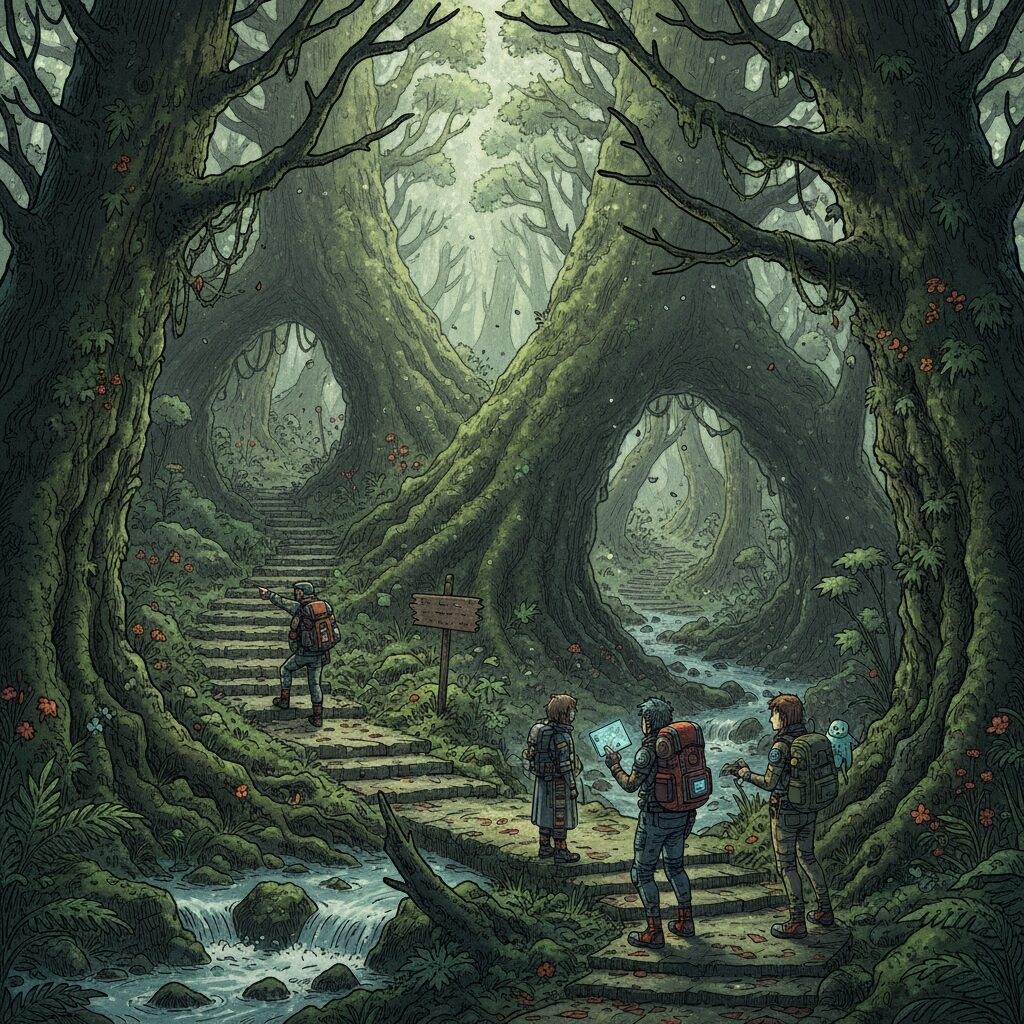
So you’re convinced by the magic, but which adventure suits you best? Yakushima has a trail for every kind of traveler, from casual sightseers to dedicated mountaineers. It’s all about finding the trail whose difficulty and length match your personal style.
The Main Quest: An In-Depth Look at the Jomon Sugi Trek
Let’s be honest about the Jomon Sugi trek. It’s an epic journey, and preparation is essential. The day begins painfully early, often with a 4 AM bus ride to the Arakawa Trailhead. The first 8 kilometers follow the old railway track mentioned earlier. It’s mostly flat, though walking on the ties can feel awkward. This segment is historic, serving as a reminder of the island’s logging past — a past now thankfully surpassed by conservation efforts. About halfway along the tracks, you’ll reach Wilson’s Stump (Wilson’s Kabu). From the outside, it looks like a massive, hollow cedar stump felled centuries ago. But step inside and look up to see the opening form a perfect, natural heart shape framed against the sky. It’s an Insta-famous spot for good reason and a welcome resting point. After the tracks end, the real climb begins. The trail turns rugged and steep, full of roots and rocks that demand your full attention. This is where hiking poles become invaluable. The final ascent to the Jomon Sugi viewing deck is challenging, but the sense of achievement, paired with the wonder of finally beholding the ancient tree, is an unforgettable experience. This hike is both a physical and mental trial – a true pilgrimage that grants you the honor of standing before an eternal giant.
Pro-Tier Adventures: For the Dedicated Explorer
If a 12-hour day hike doesn’t satisfy you, Yakushima offers even more. For the ultimate challenge, consider a multi-day traverse of the island’s central mountains. This typically involves linking the Shiratani Unsuikyo trails with the Jomon Sugi route and spending the night in one of the simple mountain huts. These shelters are basic, so you’ll need to carry your own gear, including a sleeping bag and food. Another monumental challenge is climbing Mount Miyanoura, Kyushu’s highest peak at 1,936 meters. The summit views, featuring weathered granite domes, are often likened to those of the Japanese Alps. These treks are intended only for experienced, well-prepared hikers. They take you far from the crowds, deep into Yakushima’s untouched wild interior, offering profound solitude and a powerful connection with nature.
The Practical Deets: How to Not Get Lost (or Soaked)
Feeling inspired? Great. Now, let’s talk logistics. A trip to Yakushima takes a bit more planning than your typical getaway, but believe me, it’s worth every effort.
Getting There and Getting Around
Your adventure to this enchanting island usually begins in Kagoshima on Kyushu, Japan’s southern main island. From there, you have two main choices. The fastest is the high-speed ferry, often called a jetfoil or toppy—a swift 2-3 hour ride that whisks you to one of Yakushima’s main ports, Miyanoura or Anbo. The alternative is a slower, traditional car ferry, which takes about 4 hours but is cheaper and allows you to bring your vehicle. You can also fly. Yakushima has a small airport with daily flights from Kagoshima and less frequent connections from larger cities like Fukuoka and Osaka. Once on the island, renting a car is by far the best way to get around. While public transportation exists, buses run infrequently and don’t cover all areas. Having your own car gives you freedom to explore hidden beaches, stop at unexpected viewpoints, and follow your own schedule—essential if you want to catch a 5 AM bus to a trailhead. Be sure to book your rental well in advance, especially during peak season, as cars sell out quickly.
When to Go: Decoding the Seasons
Picking the right time to visit Yakushima can greatly influence your experience. Spring (March to May) is stunning, with mild temperatures, blooming rhododendrons, and fresh greenery. Autumn (October to November) is another excellent time, offering cool, crisp air and lighter crowds than summer. Summer (June to August) is peak season but has its downsides: it’s extremely hot, humid, and coincides with the rainy season. However, that rain is what makes the moss so vividly lush, so if you’re ready to embrace the wet weather, the forest will appear at its greenest. Winter (December to February) is the quietest period. Coastal areas are mild, but the high mountains get a dusting of snow, which can close off trails like Jomon Sugi. If solitude is what you seek, winter is ideal.
What to Pack: The Holy Trinity
Packing for Yakushima comes down to three essentials: waterproof, waterproof, waterproof. Seriously, don’t underestimate the rain. Here’s what you absolutely need.
Rain Gear is Crucial
A high-quality waterproof and breathable jacket is your top priority. Don’t skimp here. Also bring waterproof pants, a backpack cover, and most importantly, waterproof hiking boots. Gore-Tex material is your best bet. Nothing spoils a hike faster than soggy feet and drenched gear. Even if the forecast looks clear, pack your rain gear—the weather on Yakushima can change in an instant.
Proper Hiking Footwear
This isn’t the place for sneakers. Sturdy hiking boots with good ankle support and excellent traction are essential. Trails are often slippery, rocky, and tangled with roots. Break in your boots before the trip; blisters are the last thing you want on a 10-hour hike. Hiking poles are also highly recommended, especially for descents, as they significantly reduce knee strain.
Fuel and Hydration
There are no convenience stores deep in the forest. Pack enough water and high-energy snacks to last all day. Many hotels and inns offer packed bento lunches if you order the night before, which is a convenient and delicious option. And remember: carry out everything you bring in. The trails remain pristine for a reason.
Beyond the Forest: Island Life & Hidden Gems

While the ancient cedars are the main attraction, Yakushima offers so much more. The island’s culture and natural beauty extend all the way to its breathtaking coastline. After a long day of hiking, nothing beats exploring the other side of this paradise.
Coastal Vibes and Sea Onsen
Encircling the island, you’ll discover a dramatic coastline featuring sandy beaches and rocky shores. Nagata Inakahama Beach is a must-visit, especially from May to July, when it serves as one of the most significant nesting sites for loggerhead sea turtles in the North Pacific. Witnessing these gentle giants come ashore at night to lay their eggs is truly unforgettable (make sure to go with a registered guide to ensure responsible viewing). For a uniquely Japanese experience, visit the kaichu onsen, or sea hot springs. Hirauchi Kaichu Onsen consists of natural hot spring pools formed in the rocks along the ocean shore. The catch? They are only accessible for a few hours each day during low tide. Soaking in these volcanically heated waters with waves crashing just feet away is the perfect way to relax your trail-weary muscles.
Local Flavor and Wildlife
The island boasts its own delightful cuisine. Be sure to try the local specialty, tobiuo (flying fish), often served fried whole, fins and all. Yakushima is also renowned for its citrus, especially the sweet tankan oranges, and its distinctive brand of shochu, a distilled spirit. The island’s wildlife is a constant, charming presence. You simply cannot miss the Yaku-shika (a subspecies of sika deer) and Yaku-zaru (the Yakushima macaque). They appear everywhere—on the roads, on the trails, just hanging out. Although famously unbothered by humans, remember they are wild animals. Keep your distance, never feed them, and enjoy watching them go about their day.
The Yakushima Glow-Up
A trip to Yakushima is more than a simple vacation; it’s a profound transformation. It’s an experience that humbles you and instills a deep appreciation for the strength and endurance of the natural world. Hiking for hours in the rain, surrounded by trees that have stood for millennia, changes you. It washes away the stress and noise of everyday life, replacing them with a sense of peace and wonder. You leave the island feeling stronger, calmer, and with a camera roll filled with the most incredible shades of green you’ve ever seen. This island is not just a destination; it’s a feeling, a memory that will linger long after you’ve returned home. So, if you’re seeking an adventure that is equally challenging, beautiful, and deeply spiritual, stop searching. Yakushima is waiting for you. Prepare for your transformation.