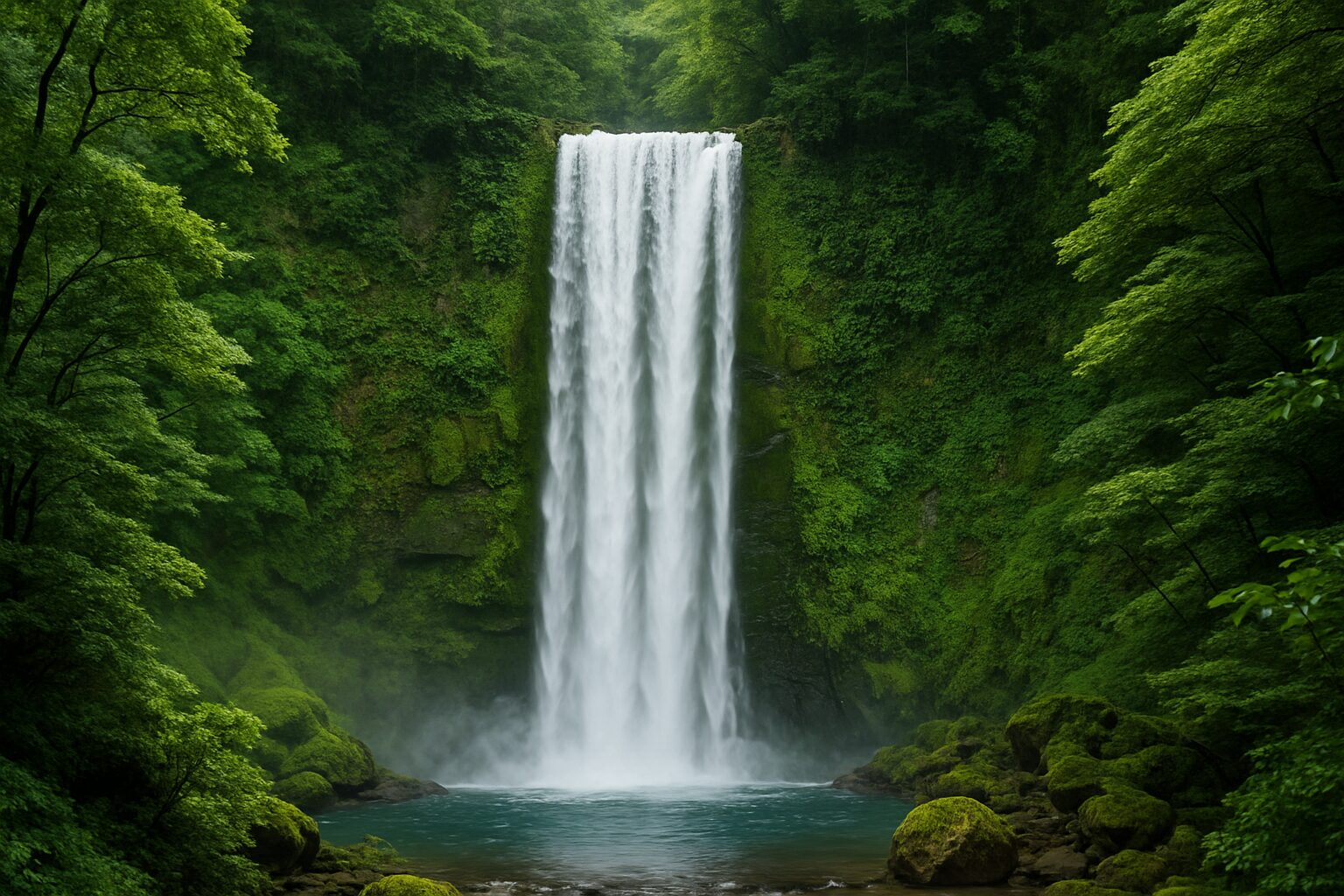
Alright, fam, let’s have a real talk. Picture this: you’re deep in the lush, untamed heart of southern Japan. You’ve been driving for a while, the city’s a distant memory, and the air smells like rain, earth, and something ancient. You follow a path, the sound of rushing water getting louder, turning from a whisper to a roar. And then, you see it. It’s not just water. It’s a color you thought only existed in doctored Instagram posts or high-fantasy movies. A brilliant, almost glowing emerald green, so clear you can see the smooth stones on the bottom. It’s the kind of place that makes you stop, breathe, and just go, “Whoa.” This isn’t some CGI dreamscape; it’s Ogawa Falls, or Ogawa-no-taki (雄川の滝) as the locals say, tucked away in Minamiosumi on Kagoshima’s Osumi Peninsula. This spot is the definition of a hidden gem, a place that’s low-key famous but still feels like your own personal discovery. It’s a legit natural wonder that’s about to have a core memory moment in your travel log. Forget what you thought you knew about waterfalls. Ogawa Falls is on a whole other level, serving pure, unfiltered magic. It’s the main character of southern Kyushu’s nature scene, and we’re about to dive deep into why you absolutely have to see it to believe it. This is more than just a pretty picture; it’s an entire experience, a mood, an adventure that’s waiting for you. So buckle up, because we’re heading to one of Japan’s most breathtaking, off-the-grid spots. This is the real deal, no cap.
If you’re captivated by the ancient, mystical feel of Kagoshima’s nature, you’ll also want to explore the enchanting ancient cedar forests of Yakushima.
That Emerald Glow-Up: Why This Waterfall is a Must-See
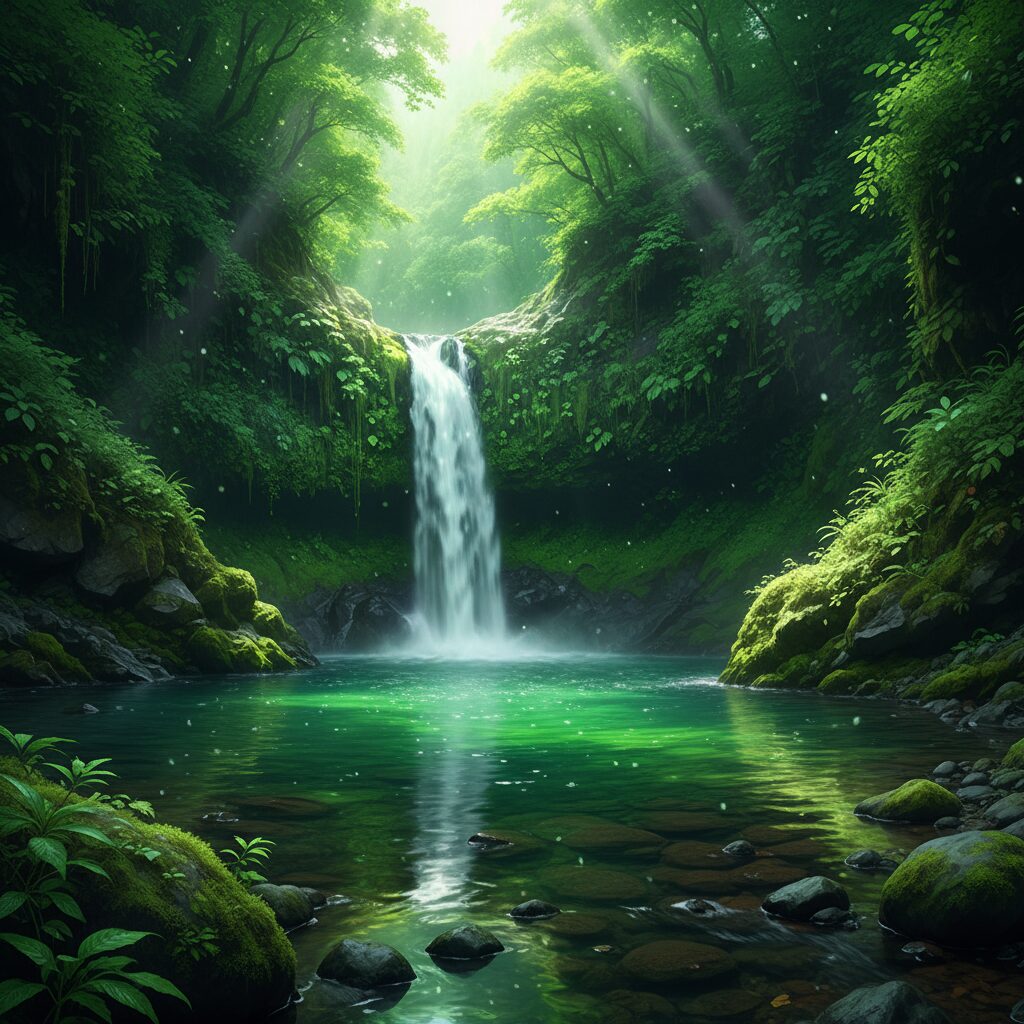
So, what’s the big deal? Why go all the way to this remote part of Kagoshima just to see a waterfall? It all comes down to the water. Seriously, the color is unbelievable. We’re talking about a vibrant, breathtaking emerald green that looks like liquid jade. This isn’t your typical murky river water. The basin of Ogawa Falls is fed by crystal-clear spring water that seeps through the volcanic geology of the area. The unique mineral content in the water, combined with the way sunlight penetrates its remarkable clarity and reflects off the white riverbed, creates this surreal spectacle. It’s a perfect blend of natural elements that produces a color palette straight out of a dream. When the sun hits it just right, usually around midday, the entire basin seems to glow from within. It’s a photographer’s dream and a sanctuary for nature lovers. You’ll find yourself staring, mesmerized, trying to comprehend how something can be so vividly colored without any artificial enhancement. It’s pure, 100% natural art.
The waterfall itself is impressive too. It’s a wide, majestic curtain of water, falling 46 meters down a dramatic cliff face that stretches 60 meters across. It’s not one roaring torrent but a series of delicate streams that spread out, forming a shimmering, dynamic wall of water. The sound is powerful yet soothing—a steady, strong white noise that drowns out everything else. It fills the air, and you can feel the vibrations deep in your chest. The mist it generates cools the atmosphere, creating a refreshing microclimate, which is an absolute blessing on a hot Kyushu summer day. The combination of the sound, the cool mist on your skin, and the unbelievable sight of the emerald pool makes for a full sensory experience. This isn’t just something you observe; it’s something you feel. It’s the kind of place that clears your mind, helping you forget about your emails, your deadlines, and the chaos of modern life. It’s a powerful reminder of how astonishingly beautiful our planet can be when left untouched. People come here to witness the unique color, to feel the power of the falls, and to capture that one perfect photo that will make everyone on their feed envious. But they leave with something more—a feeling of peace and wonder. That’s the true magic of Ogawa Falls.
The Journey is the Destination: Getting into the Vibe
One of the best things about Ogawa Falls is that you have to work for it. It’s not a place where you can simply drive up and take a photo from your car. The journey itself is a vital part of the experience and what keeps this spot feeling so unique and untouched. The adventure truly starts once you park your vehicle. From the main parking area, you’ll set off on a 1.2-kilometer (about 0.75 miles) walk along a well-maintained path. Don’t let the word “promenade” mislead you into thinking it’s a casual city park walk. This is a genuine nature trail, and it’s absolutely breathtaking.
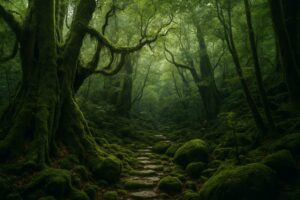
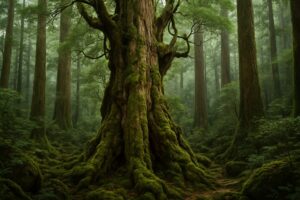
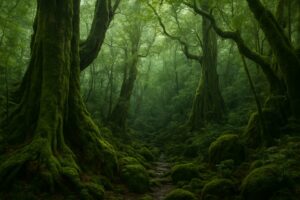
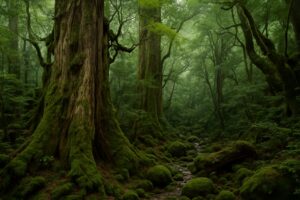
The trail meanders alongside the Ogawa River, and excitement builds with each step. You are completely surrounded by a dense subtropical forest. Tall trees form a lush canopy overhead, filtering sunlight into shifting patterns on the forest floor. The air is heavy with humidity and the scent of moist earth and decomposing leaves—the rich, fresh aroma of a thriving forest. You’ll notice giant ferns, moss-covered stones, and hear the steady buzz of cicadas in summer, interrupted by the calls of hidden birds. It’s incredibly atmospheric. The trail is mostly flat and paved, with some wooden boardwalks and a few gentle steps, making it accessible to most people with a basic level of fitness. It’s an easy stroll, not a rigorous hike, but you should still wear proper footwear. No flip-flops, please! Your feet will appreciate it.
As you proceed, you get glimpses of the river itself. You’ll see the water, already showcasing remarkable clarity, rushing over rocks and forming small, calm pools. The sound of the main waterfall grows from a distant murmur to a deep rumble. The final stretch includes a short tunnel and a bridge, and as you emerge, you get your first full view of the basin. And that’s the moment. It hits you all at once: the scale of the cliff, the sheer volume of water, and that incredible color. The air instantly feels cooler, filled with a fine mist that feels refreshing on your face. The atmosphere shifts from a quiet forest path to a grand natural amphitheater. You’ve arrived. Finding a spot on the viewing deck or carefully making your way down to the rocky shore, you can simply sit and take it all in. It feels primal, powerful, and deeply peaceful all at once. This gradual reveal is what makes the experience so fulfilling. It’s a slow immersion into another world—a world that’s green, vibrant, and profoundly alive.
The Practical Play-by-Play: Nailing Your Ogawa Falls Trip
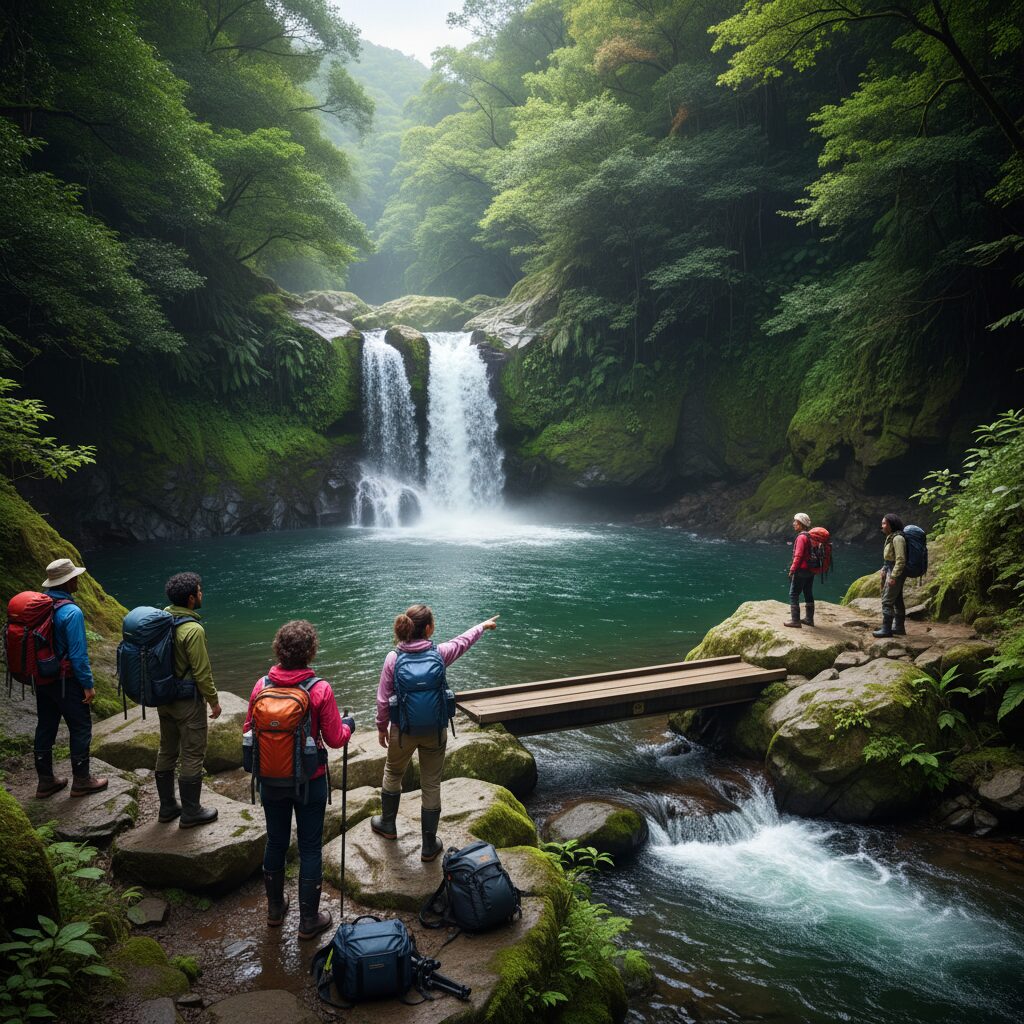
Alright, let’s get into the details. Planning a trip to such a remote location takes some strategy, but trust me, it’s definitely worth it. First and foremost: access. You absolutely need a car—there’s no convenient train or bus that will drop you off at the trailhead. This is rural Japan at its finest. The best approach is to rent a car from a major hub like Kagoshima City or Kagoshima Airport. The drive itself is part of the experience, taking you across the beautiful Osumi Peninsula. Expect some narrow, winding country roads. They are well-paved, but you’ll want to take your time and enjoy the views. Just enter “Ogawa Falls Parking Lot” into your GPS, and it should guide you there smoothly. There are a couple of parking spots; the main one by the trailhead has restrooms and a small shop (Nekko Base) selling local goods, snacks, and sometimes offering guided tours or activities, though its hours may vary. Be sure to check ahead if you’re counting on it being open.
When’s the best time to visit? Honestly, Ogawa Falls is stunning all year round, but each season brings something unique. Summer (June-August) is peak season. The foliage is at its lushest green, the cool mist from the falls is refreshing, and the area feels alive. It’s also the busiest time, so try to visit on a weekday if possible. Autumn (October-November) is spectacular, with the surrounding trees turning vivid reds, oranges, and yellows, beautifully contrasting with the emerald water. Spring (March-May) is another great choice, with mild weather and fresh greenery. Winter (December-February) is the quietest season, offering a more peaceful, solitary experience, though it can be quite chilly.
Regarding the best time of day, aim for late morning to early afternoon, roughly between 10 AM and 2 PM. This is when the sun is highest, and its rays hit the water most directly, making that iconic emerald color really stand out. On cloudy days, the color won’t be as vibrant, so if your schedule allows, try to pick a sunny day for the best effect.
Now, a crucial point: swimming. That inviting pool of water might tempt you to jump right in, but don’t. For safety reasons—including strong currents and underwater hazards—swimming is strictly forbidden in the main waterfall basin. There are clear signs about this. Please respect the rules. It’s about protecting the area and keeping everyone safe. You can sometimes dip your feet in the shallower, calmer sections of the river downstream from the main basin, but always watch out for slippery rocks and currents. This place is a treasure, and part of being a responsible traveler is helping preserve it for future visitors.
The Deep Lore: Culture, History, and a TV Cameo
Ogawa Falls is more than just a beautiful spot; it carries a rich cultural significance that enhances its charm. In Japan, nature and spirituality are closely linked through Shinto, the native religion. Shintoism is animistic, believing that gods, or kami, reside in natural objects and elements. Particularly remarkable natural features like ancient trees, massive rocks, mountains, and waterfalls are often viewed as sacred sites, the dwellings of powerful kami. These sites are called kannabi. Although there isn’t a grand shrine at Ogawa Falls, standing before its overwhelming power and ethereal beauty, one can easily grasp why such places are venerated. The falls emit a tangible energy, a presence that feels timeless and divine. You’re not merely observing a geological formation; you’re in a place that has inspired awe and spiritual reverence for centuries.
The Osumi Peninsula itself has a rugged and somewhat isolated past, which has contributed to the preservation of its stunning natural landscapes. It was never a major hub of political power or commerce, allowing its forests and coastlines to remain largely untouched by extensive development. This history of seclusion is exactly why treasures like Ogawa Falls remain so pristine.
More recently, Ogawa Falls gained widespread attention on the national stage. In 2018, it was prominently featured in the NHK Taiga drama “Segodon.” For those unfamiliar, a Taiga drama is a significant cultural event in Japan—a year-long historical epic aired on the national network, with substantial budgets and large audiences. “Segodon” recounted the story of Saigo Takamori, one of Japan’s most celebrated samurai, who came from Kagoshima (formerly Satsuma). The series showcased Ogawa Falls as a breathtaking and dramatic backdrop for important scenes. This exposure brought the waterfall into the spotlight for domestic tourists in a big way. What was once mostly a local secret quickly became a must-visit destination. This media attention sparked renewed appreciation for the falls but also underscored the importance of careful management to accommodate growing visitor numbers while protecting the natural environment. When you visit, you are walking through a site rich in both natural heritage and recent pop culture history.
Maximize Your Adventure: What to Do and Where to Go

Visiting Ogawa Falls is the highlight, but the Osumi Peninsula offers a wealth of other amazing spots to discover. Since you’ve already rented a car, why not dedicate a full day or even a weekend to exploring? Let’s create the ultimate Kagoshima road trip itinerary. After experiencing the emerald waters that refresh your soul, continue heading south. A must-see destination is Cape Sata, the southernmost point of Japan’s four main islands. From the observatory, you’ll enjoy breathtaking panoramic views where the Pacific Ocean meets the East China Sea. On a clear day, you can even spot the distant islands of Yakushima and Tanegashima. It truly feels like you’re at the edge of the world—in the best way imaginable.
On the way to or from the cape, be sure to stop at Sata Road Park. It offers stunning views across Kinko Bay toward the majestic and still-active volcano, Sakurajima. It’s a perfect place to stretch your legs, grab a snack, and capture iconic photos of one of Japan’s most famous volcanoes. The entire coastal drive is beautiful, featuring dramatic cliffs, tranquil fishing villages, and lush subtropical greenery.
Feeling a bit sore after your hike? This is Japan, so there’s an onsen nearby for that. Nejime Onsen is a local hot spring renowned for its high-quality water. Soaking in a warm, mineral-rich bath is an ideal way to soothe your muscles and reflect on the day’s adventures. It’s a genuinely local experience and a wonderful way to end your day immersed in nature.
And don’t forget the food. Kagoshima is a culinary paradise, famous for its kurobuta pork, often called the “Wagyu of pork” due to its exceptional tenderness and flavor. Look for a restaurant serving tonkatsu (deep-fried pork cutlet) or shabu-shabu (hot pot). Being on the peninsula also means access to incredibly fresh seafood—find a local spot and sample the catch of the day. Don’t hesitate to step into a small, family-run eatery; these are often where you’ll find the most authentic and delicious meals. Exploring local cuisine is just as essential as seeing the sights, and Kagoshima’s food scene certainly delivers.
For photographers, here are a few extra tips for Ogawa Falls. A polarizing filter on your camera lens can make a big difference by reducing glare from the water’s surface, enhancing the rich, deep emerald hues in your photos. Bringing a tripod is also beneficial if you want to capture long-exposure shots for that smooth, silky effect on the cascading water. But even if you only have your phone, the scenery is incredibly photogenic. The key is to move around, experiment with different angles from the viewing platform and shore, and capture not only wide shots but also smaller details—the moss on rocks, light filtering through leaves, and patterns in the rushing water.
Real Talk: Pro Tips for Your First Visit
Alright, let’s finish with some quick, essential tips to ensure your trip is smooth, safe, and truly unforgettable. Think of this as your friendly checklist before you set off.
First, gear. We’ve mentioned it before, but it’s worth repeating: wear proper footwear—something with good traction. The path is well-maintained but can become damp and slippery, especially on the rocks near the water. Sneakers or walking shoes work best. Also, dress in layers. Even on warm days, the area around the falls can be noticeably cooler due to shade and mist, so having a light jacket on hand is a smart choice.
Next, what to bring in your day bag. Water is essential, particularly in summer—stay well hydrated. Bring along some snacks as well. While there may be a shop at the parking lot, hours can vary, and there are no facilities by the waterfall itself. A small towel can be useful for wiping away mist or sweat. And definitely carry your camera or phone with a full battery and ample storage—you’ll likely take far more photos than you expect.
Now, about wildlife. You’re in a lush, natural area of Japan, which means bugs. In warmer months, insect repellent is a must. You might also spot some local animals—be respectful. Don’t feed them and observe from a distance since you are a guest in their habitat.
Facility check: There are clean restrooms at the main parking area, so use them before you begin your walk as none are available along the trail or at the falls. Regarding accessibility, the 1.2km promenade is fairly flat and well-paved, suitable for many visitors. However, some stairs and uneven sections may pose challenges for those with limited mobility. Unfortunately, it is not fully wheelchair accessible.
Finally, the most important advice: be a responsible visitor. This place is special because it remains clean and pristine. Follow the “leave no trace” principle—take everything you bring with you, don’t leave trash behind, and stay on designated paths to prevent erosion. Keep noise levels down so everyone can enjoy the natural sounds of the falls. By showing respect, you help preserve Ogawa Falls as a magical spot for future generations. It’s a small effort, but it makes all the difference.
The Final Word: More Than Just a Waterfall
So, there you have it. Ogawa Falls is far more than just a beautiful image on the internet. It’s a complete experience. It’s the excitement of driving along the winding roads of a peninsula that time seems to have forgotten. It’s the peaceful walk through a lively, thriving forest. It’s the breathtaking moment when you first see a color so pure and vivid it almost feels unreal. It’s the roar of the waterfall, the refreshing mist on your skin, and the overwhelming sense of being in the presence of something truly majestic.
In a country often known for bustling cities, advanced technology, and ancient temples, places like Ogawa Falls stand as a powerful reminder of Japan’s wild, untamed spirit. It’s a tribute to the raw beauty of nature and an ideal escape for anyone wanting to venture off the beaten path to find genuine peace and wonder. It’s definitely a bit of a journey to reach it, requiring effort. But that effort is rewarded many times over. It’s a place that stays with you long after you’ve gone, a memory that glows as brightly as its emerald waters. So, if you find yourself in southern Kyushu, do yourself a favor. Rent a car, make the drive, and see it for yourself. It’s an experience. It’s magic. And it’s waiting for you.