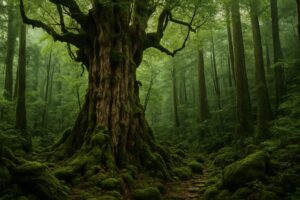
Yo, let’s talk about a place that’s on a whole other level. A place that feels like it was ripped straight out of a fantasy epic, where the air hits different and every single view is a certified main-character moment. I’m talking about Yakushima, this sub-tropical island floating off the southern coast of Kagoshima Prefecture in Japan. Forget what you think you know about Japan’s neon-lit cityscapes; this is the flip side. This is ancient, raw, and so intensely green it feels like you’ve stepped into the planet’s very own soul. Yakushima is a UNESCO World Heritage site, and trust me, it earned that title. It’s a place where thousand-year-old cedar trees, the yaku-sugi, stand like silent gods, draped in a blanket of moss that glows with an almost supernatural light. The island is legendary for its rain—they say it rains “35 days a month”—but that’s the whole point. The constant moisture is what fuels this explosion of life, creating a world that’s perpetually dripping, misty, and profoundly alive. This isn’t just a hiking destination; it’s a full-body vibe check from Mother Nature herself. It’s for the adventurers, the Ghibli stans, the people who need to unplug and tap into something real. If you’re looking to find a place where time slows down and the forest breathes around you, Yakushima is it. It’s a low-key flex for any travel itinerary, an iykyk spot that will absolutely change you. So, get ready to dive into the deep green, because we’re about to explore the moss-covered, god-tier trails of this magical island.
To truly level up your soul in this ancient realm, consider planning your visit with insights from our guide to Yakushima’s ancient cedar forests.
The Yakushima Vibe: More Than Just a Hike
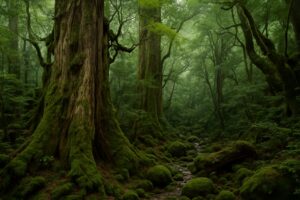
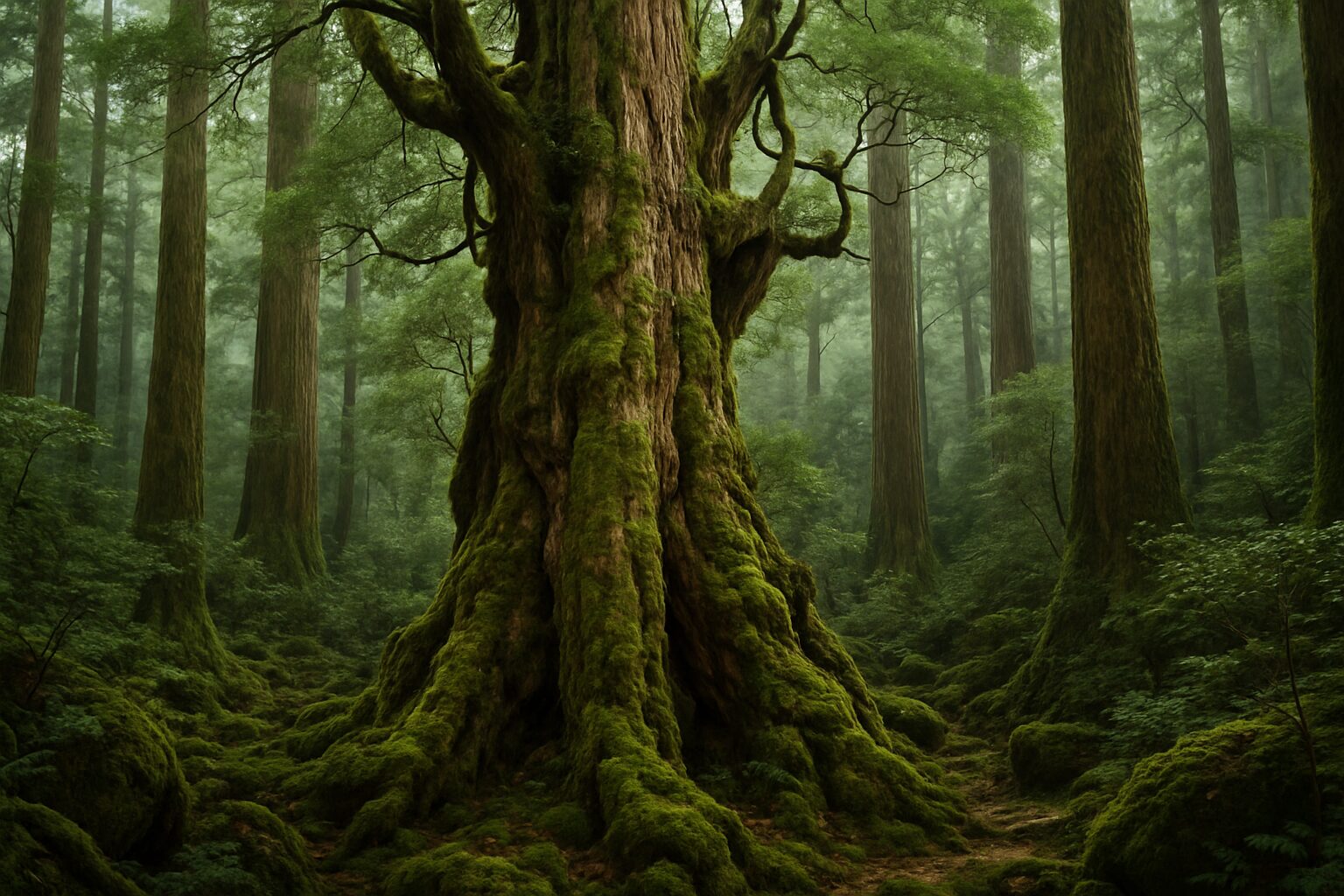
So, why are people actually flying and ferrying themselves to this remote island? The answer lies in a feeling, an entire mood. The main attraction, without a doubt, is the forest itself. We’re talking about the yaku-sugi, cedar trees that have thrived for over a thousand years. The most renowned among them, Jomon Sugi, is estimated to be between 2,000 and 7,200 years old. Being in its presence is a humbling, almost spiritual experience. It’s a living monument that makes you feel incredibly small while connected to a timeline far beyond our own. This isn’t simply about seeing a giant tree; it’s about sensing the weight of its existence and the centuries it has silently witnessed. You can’t help but be awestruck. The immense scale of these ancient giants forms a natural cathedral, with a canopy so dense that sunlight filters through in ethereal beams, lighting up the mist that often lingers in the air. The silence in these groves is profound, broken only by water dripping from moss-covered branches, the calls of unseen birds, and the rustle of a Yaku-macaque or Yaku-deer foraging nearby. These animals, unique subspecies found only on the island, are so accustomed to the forest’s tranquility that they often remain unfazed by human presence, reinforcing the sense that you’re a guest in their realm, not the other way around.
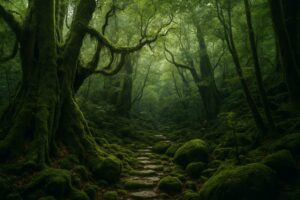
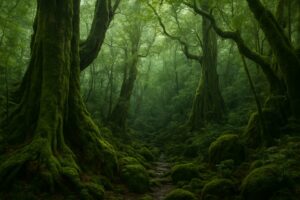
Then there’s the Ghibli factor. It’s well known that the lush, primeval forests of the Shiratani Unsuikyo ravine directly inspired Hayao Miyazaki’s masterpiece, Princess Mononoke. For fans of the film, walking through the aptly named Mononoke Hime no Mori (Princess Mononoke’s Forest) is a pilgrimage. You might half-expect a kodama (tree spirit) to peek out from behind a mossy rock. The landscape is uncannily familiar: gnarled roots twisting over the earth like serpents, streams of crystal-clear water carving paths through granite boulders, and everything—absolutely everything—blanketed in a vibrant, velvety carpet of countless shades of green moss. This connection has made Yakushima a bucket-list destination for anime enthusiasts and creatives worldwide, but the magic is genuine, whether you’ve seen the film or not. The atmosphere is thick with a sense of ancient power and mystery. It’s a place that ignites the imagination and invites belief in forest gods and ancient spirits. It’s a world that feels both deeply familiar on a primal level and yet utterly alien to our modern, concrete lives. This is the essence of the Yakushima experience: a full immersion in a realm ruled by nature’s laws, a place that feels sacred and untouched.
The Legendary Trails: A Journey into the Green Heart
Alright, let’s dive into the main event: hiking. Yakushima offers trails for all fitness levels, from easy strolls to multi-day mountaineering adventures. But two particular spots stand out as absolute must-dos that truly capture the island’s hiking spirit.
Shiratani Unsuikyo Ravine: Stepping into a Ghibli World
This is your introduction to the enchantment of Yakushima’s forests. Shiratani Unsuikyo is very accessible yet provides an experience that’s 100% authentic. The park boasts several well-marked trails of varying lengths, ideal for a half-day outing. You can opt for a short one-hour loop to see impressive cedars like the Yayoi Sugi, or take on the longer 4-5 hour hike to Taikoiwa Rock. If possible, I recommend the longer route; the reward is enormous.
The trail starts by crossing a charming suspension bridge over the Shiratani River, immediately immersing you in lush greenery. The path combines wooden boardwalks, stone steps, and natural earth trails, winding its way through the ravine. The air cools, humidity rises, and city noises fade into the forest’s symphony. The true magic begins when you enter the Mononoke Hime no Mori. It’s more than a name—the atmosphere is genuine. The ground is blanketed with thick, spongy moss. Hollowed-out fallen trees form natural tunnels. Ancient, gnarled roots anchor colossal trees to moss-covered boulders. Sunlight barely filters through the dense canopy, casting a perpetual twilight that makes the moss appear to glow from within. It’s an incredibly photogenic, atmospheric place—impossible not to stop frequently just to admire and absorb the moment.
Continuing past this iconic area, the trail steepens as you climb toward Taikoiwa Rock. The final stretch requires a bit of scrambling, but the payoff is one of the island’s most breathtaking views. You emerge onto a vast granite boulder, offering a sweeping panoramic vista of Yakushima’s mountainous interior, including its highest peak, Mt. Miyanoura. On a clear day, the view is stunning—you feel like you’re standing atop the world, gazing out over a sea of green stretching endlessly. It’s a perfect climax to a hike already filled with wonder and beauty—a moment that offers real perspective on the scale and power of the landscape. This is an absolute must for anyone visiting the island.
The Jomon Sugi Pilgrimage: Hiking Through History
Now, onto the big one. The hike to Jomon Sugi is not just a walk—it’s a full expedition, a pilgrimage. This demanding 10-12 hour, 22-kilometer round trip requires an early start, solid fitness, and plenty of determination. Yet, without question, it is one of the most rewarding experiences you can have in Japan—truly legendary.
Your day begins around 4 or 5 AM. Most hikers take a bus or drive to the Arakawa trailhead, starting their journey in the dark with only the beam of a headlamp piercing the pitch-black forest. The first few hours follow the Anbo Forest Railway, an old logging track now transformed into a flat, easy path. Walking on these wooden sleepers, sometimes suspended above river gorges, is surreal. The only sounds are your footsteps and rushing water, as dawn slowly brightens the sky. Though long, this stretch serves as a gentle warm-up, letting you find your rhythm as you delve deeper into the mountains.
After about 8 kilometers, the railway ends, and the real mountain trail begins. The climb intensifies with steep wooden stairways, muddy slopes, and trails more root than soil. The effort is tough, but the scenery grows more spectacular. Along the way, you’ll encounter famous cedars like the Meoto Sugi—two trees fused together, resembling a loving couple—and the huge Daio Sugi, once considered the largest known cedar before Jomon Sugi was properly measured. Each is magnificent, a preview of the main attraction.
One renowned stop is Wilson’s Stump, the huge remnant of a cedar felled centuries ago. You can actually step inside this hollowed stump, spacious enough for several people. From just the right angle, the opening above forms a perfect heart shape against the sky. It’s a magical, whimsical photo spot in the midst of a challenging hike.
Finally, after what feels like endless climbing, you reach the last set of stairs leading to the viewing platform for Jomon Sugi. And there it stands—a massive tree, its gnarled bark like ancient skin, its branches spreading wider than ordinary trunks. It feels less like a plant and more like a presence. To protect its fragile roots, a platform keeps visitors at a respectful distance, only adding to its mystique. Standing there, exhausted and sweaty, you’re utterly captivated. It’s an emotional moment for many—having pushed your limits to stand before a living being that has witnessed thousands of years of storms, earthquakes, and human history. It represents a profound link to the distant past and the enduring might of nature. The hike back is just as long, legs trembling, but you’ll descend with a deep sense of awe and accomplishment that will stay with you forever.
Beyond the Main Trails: Other Yakushima Wonders
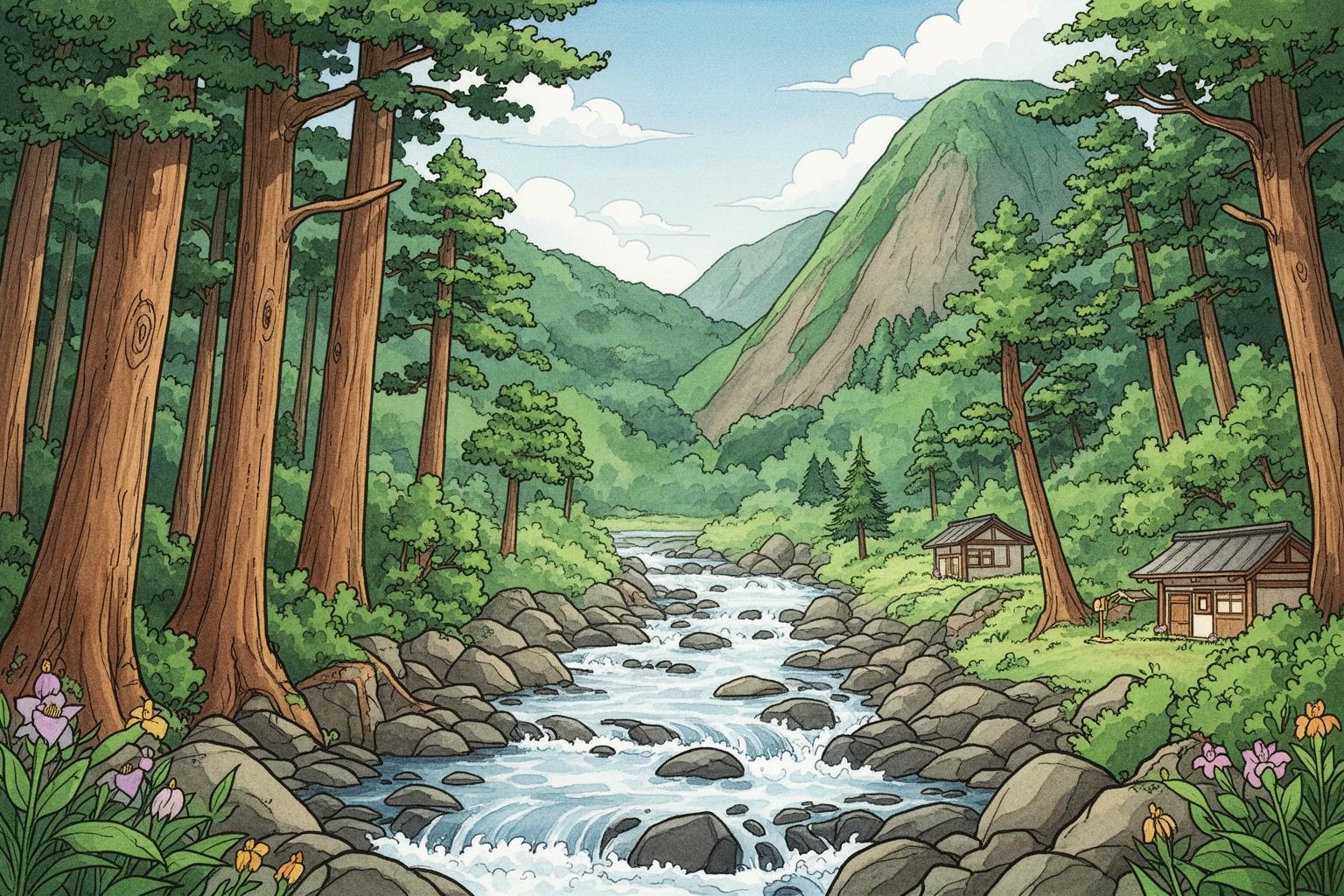
While Shiratani Unsuikyo and Jomon Sugi are the main attractions, Yakushima offers much more. For those seeking the ancient forest experience without committing to an intense 10-hour trek, there’s Yakusugi Land. Despite its somewhat theme-park-like name, it is another breathtaking area of primeval forest. It boasts a network of well-maintained trails and wooden boardwalks, making it far more accessible for families or individuals with limited mobility. You can select from several routes, ranging from 30 minutes to over 2.5 hours, that lead past several magnificent millennia-old cedars. It’s a wonderful way to experience the yaku-sugi up close in a more relaxed environment.
For dedicated mountaineers, the ultimate challenge is climbing Mt. Miyanoura. Standing at 1,936 meters, it is the highest peak in Kyushu and offers an alpine experience that sharply contrasts with the dense lowland forests. The multi-day trek is a serious endeavor, requiring proper gear and careful planning, but it rewards hikers with stunning landscapes, including fields of alpine bamboo and blooming Yakushima rhododendrons in early summer. The summit views, as expected, are absolutely spectacular.
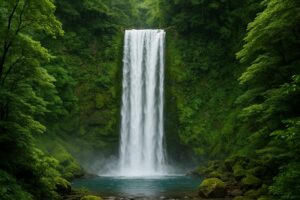
The island’s appeal extends beyond mountains and forests. The coastline is ruggedly beautiful and filled with its own unique attractions. Nagata Inakahama Beach is a beautiful stretch of golden sand and a vital nesting site for loggerhead and green sea turtles. From May to August, guided night tours allow visitors to witness the incredible sight of female turtles coming ashore to lay their eggs. It’s a deeply moving and unforgettable experience. For a truly distinctive way to soothe tired muscles after a long hike, visit Hirauchi Kaichu Onsen, a natural hot spring that emerges from the seashore. The pools are accessible only for a few hours each day during low tide, letting you soak in geothermally heated water while waves crash against the rocks just feet away. It’s rustic, wild, and an experience unlike any other. And of course, there are the waterfalls. Yakushima is home to some of Japan’s most impressive falls, such as the powerful Oko-no-taki Falls and the two-tiered Senpiro-no-taki Falls, which thunder down granite cliffs and are easily reachable by car.
The Practical Stuff: Nailing Your Yakushima Trip
Alright, so you’re convinced and ready to dive into the green. Let’s cover the logistics, since a trip to a remote island requires some planning. Simply getting to Yakushima is part of the adventure. The easiest option is to fly. Yakushima Airport (YSJ) offers direct flights from Kagoshima, Fukuoka, and Osaka (Itami). Alternatively, which is often more scenic and wallet-friendly, you can take a ferry from Kagoshima Port. The high-speed jetfoil ferries (Toppy or Rocket) take around 2-3 hours, while the slower car ferry is an overnight trip but lets you bring a vehicle.
Once on the island, renting a car is almost essential. Although there is a public bus system, services are infrequent and don’t conveniently reach most trailheads and key sights. Taxis are available but quickly become costly. Having your own car gives you the freedom to explore at your own pace, chase good weather, and stop whenever a stunning view calls (which will happen often). Be sure to book your rental car well in advance, especially during peak times like Golden Week or summer holidays, as they do sell out.
Timing your visit is important. Spring (March-May) and Autumn (October-November) are generally regarded as the best times for hiking, with pleasant temperatures and more stable weather. Spring brings mountain cherry blossoms and rhododendrons in bloom, while autumn offers crisp air and vibrant colours. Summer (June-September) is hot, humid, and crowded, plus it’s peak rainy and typhoon season, so expect downpours and possible travel delays. Yet, it’s also prime season for sea turtle watching and water activities. Winter (December-February) is the quietest period. The coast remains mild, but the higher mountains will be blanketed in snow, making trails like Jomon Sugi and Mt. Miyanoura inaccessible without serious alpine gear and experience.
Packing wisely is vital. Regardless of season, high-quality rain gear is the one item you absolutely must bring—a proper waterproof and breathable jacket and pants. An umbrella won’t do. Sturdy, waterproof hiking boots with good traction are also necessary since the trails are frequently wet, muddy, and slippery. Other essentials include multiple layers (synthetics or wool, not cotton), a daypack, a reusable water bottle, high-energy snacks, a headlamp (for early starts), sunscreen, and insect repellent. Many of these items can be rented from shops in Miyanoura and Anbo, which is convenient if you don’t want to carry everything from home.
For the Jomon Sugi trail, strongly consider hiring a local guide. The trail is well-marked, but a guide greatly enhances the experience. They handle transportation logistics, maintain a safe and sustainable pace, and, most importantly, share extensive knowledge of the island’s unique ecology, history, and folklore. They’ll point out things you’d easily miss on your own and provide critical safety support if the weather worsens or someone gets hurt. This turns the hike from a physical test into a rich cultural and educational journey.
One last insider tip: embrace the bento culture. For early morning hikes, you’ll want to order a hayabento (early morning boxed lunch). Most accommodations can arrange this for you, or you can order one from a local bento shop the day before. There’s nothing quite like refueling mid-hike with a delicious, locally made meal while sitting on a mossy log in an ancient forest. It’s truly a core part of the Yakushima hiking experience.
A Final Word Before You Go
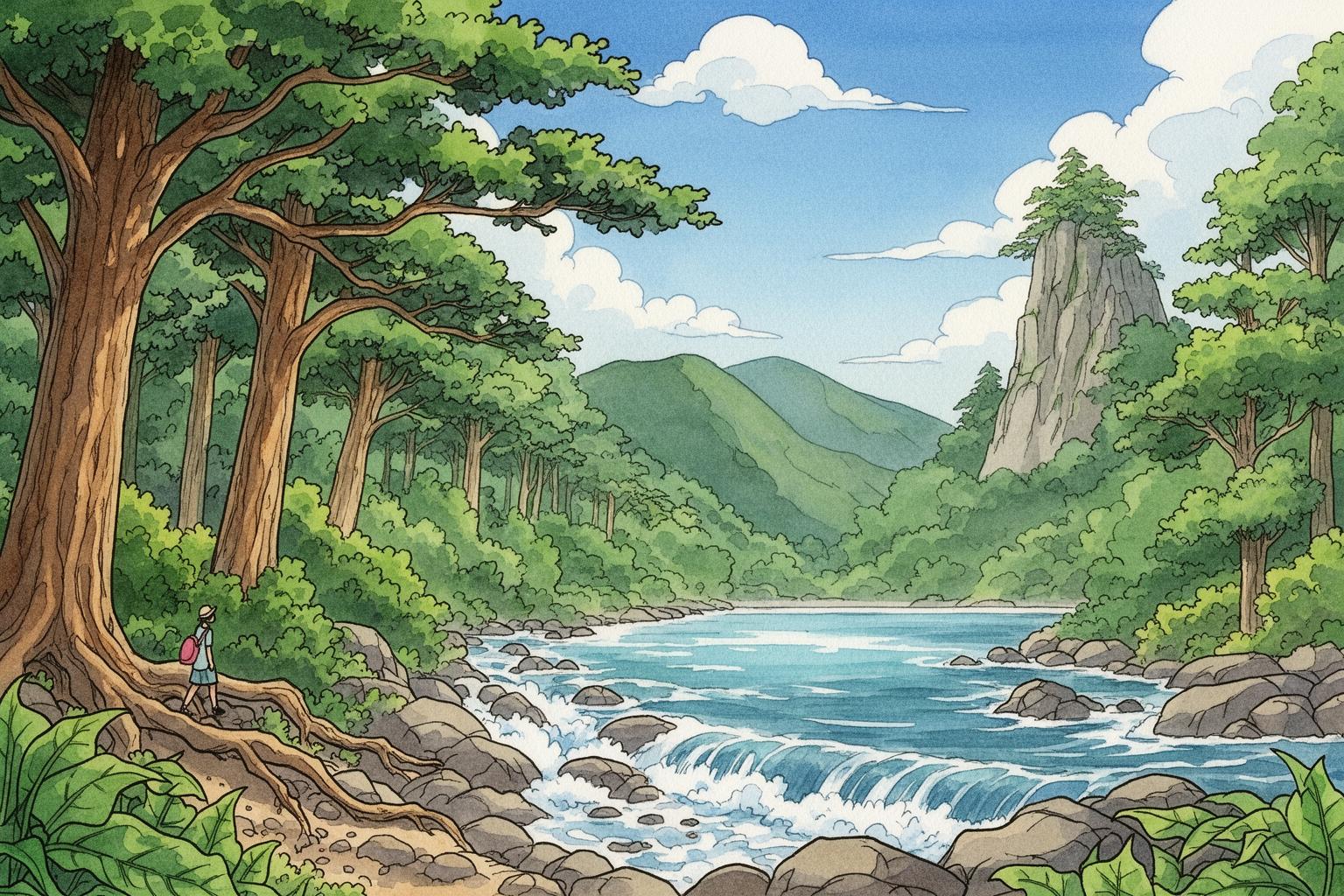
Yakushima is more than just a destination; it’s a full immersion. It’s a place that demands respect and rewards you with profound peace and connection. Here, you’re humbled by the vastness and resilience of nature, feeling rain on your face and breathing air purer and older than anything you’ve ever experienced. The hikes are tough, the weather unpredictable, and the logistics require effort, but all of that contributes to its unique charm. A trip here is an investment in your soul. You’ll leave with sore muscles, a camera full of every shade of green imaginable, and a renewed appreciation for the wild, beautiful world around us. This place seeps under your skin and lingers long after you’ve boarded the ferry back to reality. So, pack your rain gear, fuel your spirit of adventure, and prepare to experience the magic. Yakushima is waiting, and believe me, it’s a total vibe.