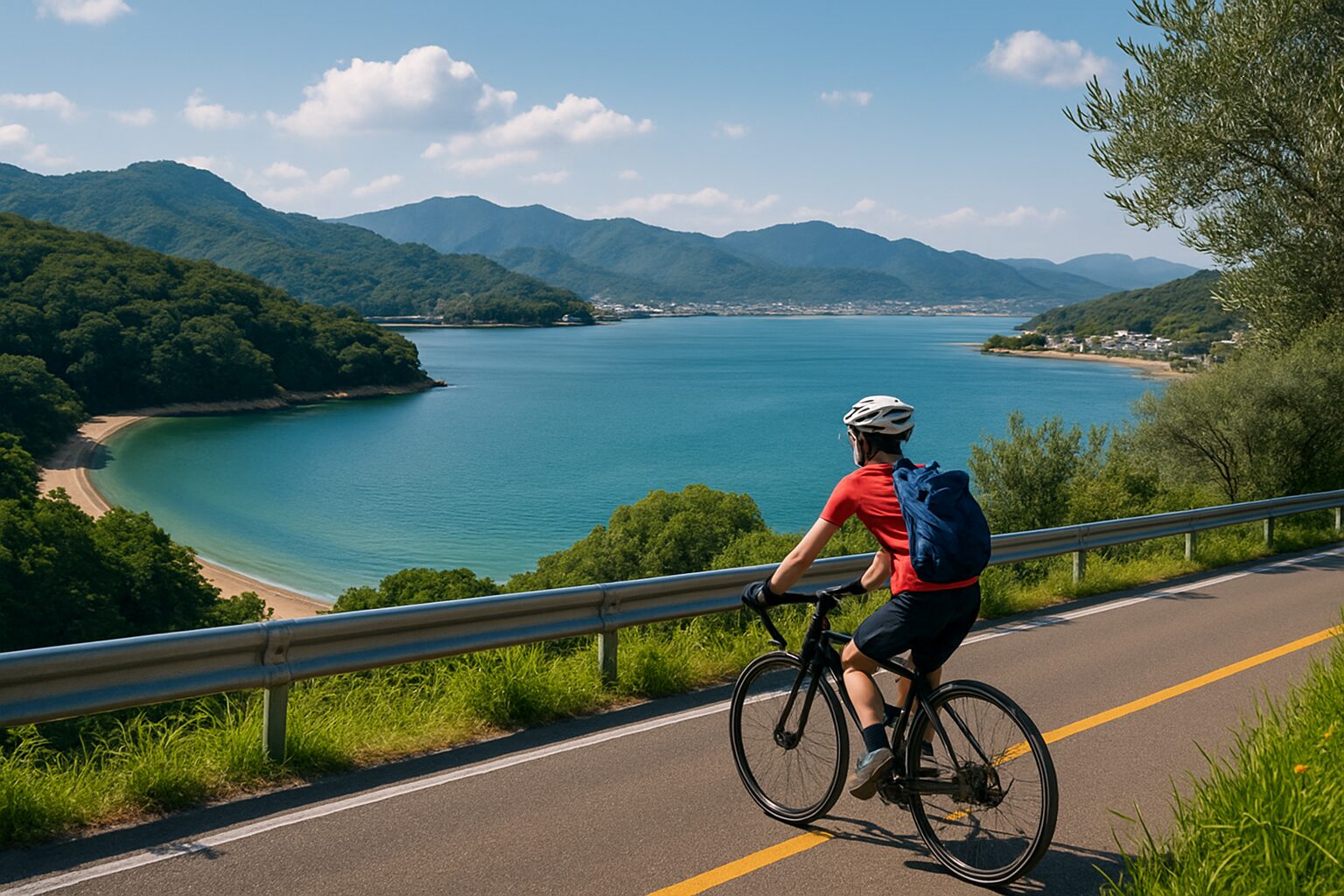
What’s up, fellow adventurers! Sofia here, ready to spill the tea on my latest obsession: an island in Japan’s Seto Inland Sea that’s seriously a whole mood. Picture this: rugged coastlines kissed by the bluest water you’ve ever seen, hillsides dotted with silvery-green olive groves looking straight outta the Mediterranean, and the low-key scent of soy sauce hanging in the air. This isn’t a dream; it’s Shodoshima Island in Kagawa Prefecture, and it’s an absolute masterpiece. But we’re not just here to chill and snap pics for the ‘gram—oh no. We’re here to conquer it. I’m talking about the legendary ‘Shodo-ichi,’ the 150-kilometer cycling route that wraps around this entire island paradise. It’s more than just a workout; it’s a full-on sensory journey that will have you feeling like the main character in your own travel movie. You’ll pedal through art installations, ancient traditions, and landscapes so fire they’ll live in your head rent-free forever. Forget what you think you know about Japan; Shodoshima is a different vibe, a place where time slows down just enough for you to catch your breath before the next epic view steals it away again. So, grab your helmet, charge your camera, and get ready to roll. We’re about to dive deep into one of the most unforgettable cycling experiences on the planet. This island is calling, and trust me, you’re gonna want to answer.
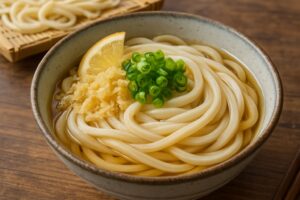
After conquering the Shodo-ichi, you can refuel by exploring the famous Sanuki udon shops in nearby Takamatsu.
Setting the Scene: Island Arrival & Bike Life Prep
Catching the Ferry, Catching the Feels
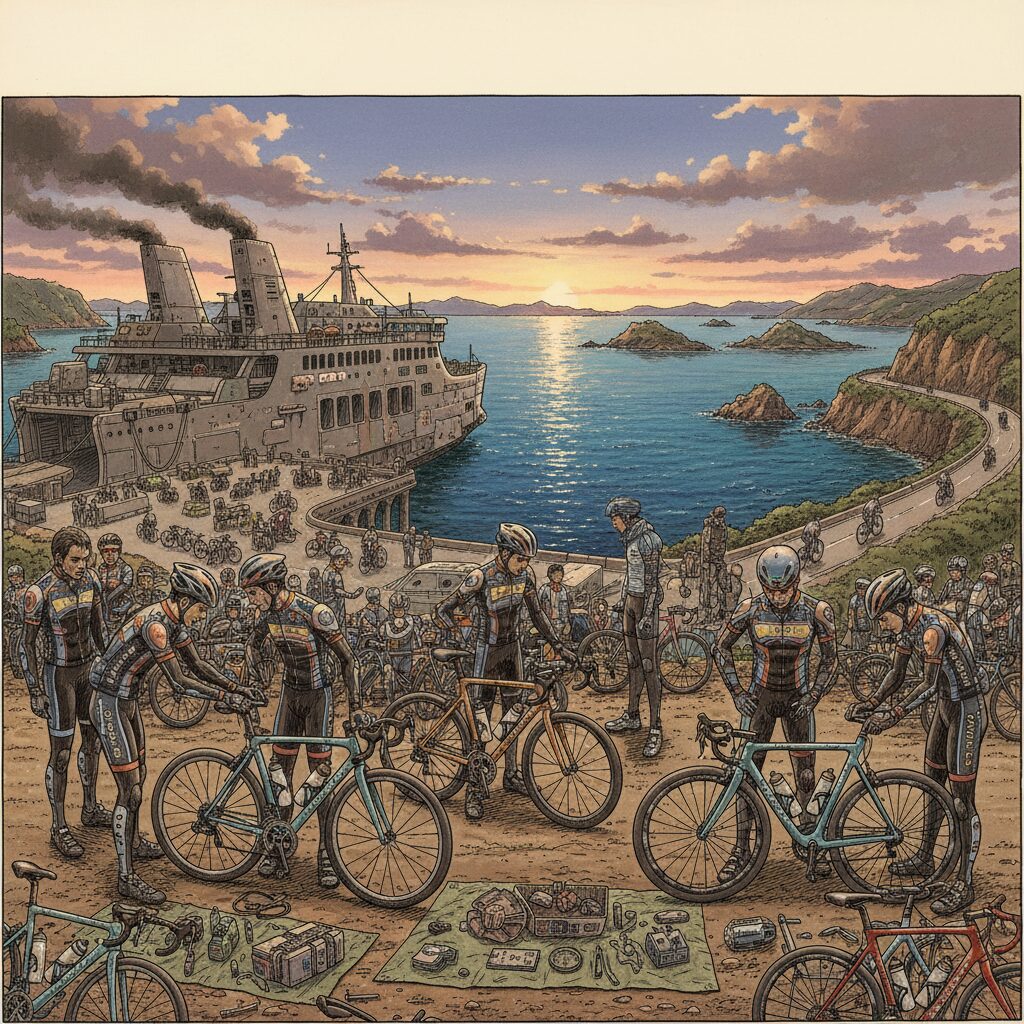
The adventure truly begins before your wheels even touch the island. Getting to Shodoshima is a key part of the experience, and it’s all about embracing that ferry life. Most travelers board from Takamatsu on Shikoku’s main island or from Okayama on Honshu. Standing on the ferry deck as it pulls away from the mainland is a special moment. The salty wind whips through your hair, the city skyline fades behind you, and a scatter of tiny, pine-covered islands emerge across the horizon. The Seto Inland Sea is more than just open water; it’s a peaceful, shimmering seascape that feels like a vast, liquid garden. The atmosphere instantly becomes calmer and more relaxed. You can feel yourself detaching from the daily grind and settling into island time. As Shodoshima grows larger, you spot its dramatic, mountainous outline and rugged shoreline, building the anticipation. Arriving at Tonosho Port, the island’s main gateway, you’re welcomed by a shining, giant olive wreath sculpture called ‘The Gift of the Sun,’ a tribute to the island’s Mediterranean vibe and its role in the Setouchi Triennale art festival. It’s the perfect greeting, loudly proclaiming, “You’ve arrived somewhere special.”
Gearing Up for Glory
First things first: you’ll need a ride. Unless you’re an expert who brought your own bike, renting one is the way to go. Shodoshima is incredibly cyclist-friendly, which is a huge plus. Rental shops are conveniently located near main ports like Tonosho and Kusakabe. Now, be honest with yourself. Are you an experienced rider ready to power through every climb? Pick a sleek, lightweight road bike. If you’re here for the sights, the vibe, and maybe some assistance on hills, don’t overlook e-bikes. Seriously, an electric-assist bike is a total game-changer. It makes inclines feel effortless, leaving you with more energy to enjoy the scenery and, let’s be real, snap more photos. I chose an e-bike because I wanted this trip to be about fun, not pure physical challenge, and it was the best call. The rental staff are usually very welcoming, fitting you perfectly with a helmet, a lock, and a map of the island. Pro tip: before you head off into the sunset, do a quick check—make sure the tires are inflated, the brakes work well, and the gears shift smoothly. And pack smart! A small backpack with water, high-energy snacks from a local konbini, sunscreen (the island sun packs a punch), your phone/camera, and a portable charger is a must. Now you’re good to go.
The Southern Arc: Olives, Soy Sauce, and Coastal Daydreams
Living Your Ghibli Fantasy at Olive Park
Departing from Tonosho Port, the route follows the coastline, and almost immediately, you’re greeted by stunning ocean views. One of the top must-see spots on the southern loop is Angel Road. It’s pure enchantment. This narrow sandbar links the mainland to several small islands, but here’s the twist: it only appears during low tide. Timing your visit just right is crucial. Walking across this sandy path with your partner is said to make your wishes come true, and even if you’re solo, the sight of this golden road emerging from the turquoise water is breathtaking. It’s an iconic Shodoshima moment and the perfect way to start your journey.
But the real highlight on the south coast? The Shodoshima Olive Park. Wow. This place looks like it’s straight out of a movie. In fact, it was a filming location for the live-action adaptation of Kiki’s Delivery Service. The park spreads across a beautiful hillside covered with over 2,000 olive trees, crowned by a stunning white Greek windmill overlooking the sea. The atmosphere radiates Mediterranean bliss. They even lend out ‘magic brooms’ for free so you can capture that classic Kiki-inspired jumping photo in front of the windmill. It’s cheesy, iconic, and you absolutely have to do it. But the park is more than just a photo spot. You can delve into the history of olive cultivation on the island, which began over a century ago thanks to Shodoshima’s mild, Mediterranean-like climate. Don’t leave without trying the olive soft-serve ice cream. It might sound unusual, but the subtle, savory, fruity flavor is surprisingly delicious and incredibly refreshing after cycling. It’s a flavor unique to this place, a true taste of Shodoshima.
A Journey into Flavor: Hishio no Sato, the Soy Sauce Village
Heading east from Olive Park, you’ll soon notice a shift in the air. A rich, savory, slightly sweet aroma drifts on the breeze. That’s how you know you’re nearing Hishio no Sato, the historic soy sauce district. Shodoshima has been a major soy sauce producer for over 400 years, and this area is the heart of that tradition. The streets are lined with traditional dark-wood buildings, many housing soy sauce breweries that have remained in the same families for generations. The most famous is Marukin, featuring a fantastic museum where you can see enormous cedar barrels—some over 150 years old—used for naturally fermenting soy sauce over months and even years. This traditional technique, called kioke jikomi, is rare in modern Japan and is what gives Shodoshima soy sauce its remarkable depth and complexity.
The atmosphere here is steeped in history. You can literally smell the tradition in the air. It’s a striking contrast to the fresh, salty ocean breeze. Many breweries offer tours and tastings, and the variety will amaze you. There are dark, rich types for cooking, lighter ones for dipping, and even some infused with local ingredients. Just like with olives, creativity thrives here. You have to try the soy sauce-flavored ice cream. It delivers a sweet and salty burst, reminiscent of salted caramel but with a deeper umami punch. It’s an unforgettable taste of place. Cycling through Hishio no Sato feels like pedaling back in time—a deeply immersive cultural experience that engages all your senses.
The Heart of the Island: The Epic Kankakei Gorge Challenge
To Climb or Not to Climb?
As you continue along the Shodo-ichi route, you’ll encounter signs for Kankakei Gorge. Here’s where a decision awaits you—a genuine test of willpower and leg strength. The main coastal loop of the Shodo-ichi is fairly flat with some gentle hills. It’s challenging but manageable for most fitness levels, especially with an e-bike. The detour up to Kankakei Gorge, however, is an entirely different challenge. This gorge is the island’s gem, one of Japan’s three most beautiful, but reaching it by bike is no easy feat. The road winds up the island’s central mountains via a series of steep switchbacks. It’s a relentless, quad-burning climb that will have you second-guessing your choices.
For those brave enough, the reward is, without exaggeration, extraordinary. This is where real climbers find their joy. The road itself is breathtaking, weaving through dense forest with occasional views of the valley below. The air cools, the coastal sounds fade away, leaving just you, your bike, and the mountain. It’s definitely a grind. Every pedal stroke feels like a victory. You’ll be sweating and breathing hard, but with each meter gained in elevation, the sense of achievement grows. This is more than purely physical; it’s a mental battle, a moving meditation.
The View from the Top: Absolutely Worth It
Reaching the summit is sheer euphoria. You park your bike, legs wobbly, and walk to the lookout point. Then you behold it. The view from Kankakei Gorge is one of those moments that stops you in your tracks. You’re gazing down upon a dramatic landscape of weathered rock formations, shaped over millions of years by wind and rain, against the sparkling backdrop of the Seto Inland Sea. The scale is humbling. A ropeway glides between the upper and lower stations, offering a bird’s-eye perspective of the gorge’s stunning beauty, especially striking during autumn’s fiery colors. Standing there, catching your breath, feeling the cool mountain breeze, you know every drop of sweat was worth it. You’ve earned this view. For those who opt to skip the climb, don’t worry—the coastal route continues its scenic journey, and you can always take a bus or drive up to the gorge later. But if you have the fitness and determination, conquering the Kankakei climb by bike is an achievement that will define your Shodoshima experience. It’s the intense chapter in an otherwise poetic story.
The Northern Route: Terraced Fields, Modern Art, and Hidden Gems
A Landscape Painted with Rice: Nakayama Senmaida
After experiencing the intensity of the southern and central mountains, the northern part of Shodoshima reveals a different, more serene kind of beauty. As you circle around, the scenery softens into gentle hills and quiet coves. One of the most breathtaking sights on this side of the island is the Nakayama Senmaida, or the Nakayama Thousand Rice Terraces. This is a scene of timeless, pure Japanese beauty. Over 800 individual rice paddies are carved into the hillside, cascading down like a vast, green waterfall. It’s an incredible feat of agricultural engineering, carefully maintained by local farmers for centuries. The view is utterly captivating. In spring, the paddies fill with water and mirror the sky like a thousand tiny lenses. In summer, they burst with vibrant, electric green. And by autumn, they turn a deep gold before the harvest.
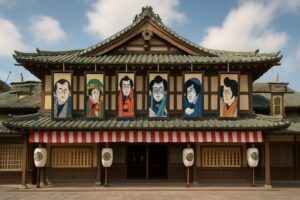
Nestled within this landscape is a traditional wooden Kabuki stage, where local farmers have performed plays for more than 300 years. It speaks to the profound cultural heritage of this community. There’s a peaceful, almost spiritual ambiance here. It’s the perfect spot to pause, sit back, and simply take in the view. The cycling here is stunning, with roads winding up and around the terraces, offering fresh, breathtaking perspectives at every turn. It’s a much-needed moment of calm after the lively energy of the southern coast.
Art in the Wild: The Setouchi Triennale Legacy
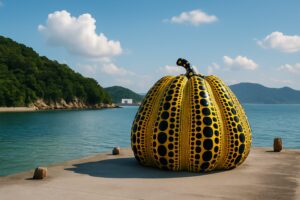
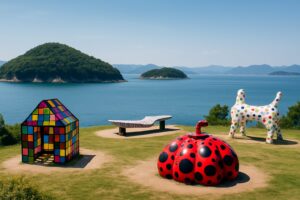
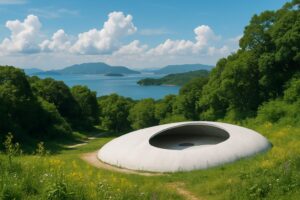
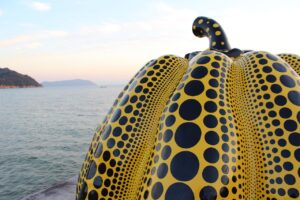
Shodoshima is not only about natural beauty and deep-rooted traditions; it’s also a vibrant center for contemporary art, thanks to the Setouchi Triennale, an international art festival held every three years. However, you don’t have to visit during the festival to experience it. Many installations are permanent, scattered across the island like hidden treasures waiting to be discovered by curious cyclists. Riding along the northern coast, you’ll come across them in unexpected spots—a striking sculpture on a beach, a whimsical installation in a peaceful village, or an old house reimagined as a work of art. One of the most renowned is Taiwanese artist Wang Wen-Chih’s “Dream of Olive,” a massive woven bamboo dome you can enter. It feels like stepping inside a giant, fragrant basket, with light filtering beautifully through the bamboo gaps. Discovering these art pieces becomes a kind of scavenger hunt, adding an extra thrill to your ride. It creates a wonderful dialogue between nature, community, and contemporary creativity, making the journey feel vibrant and inspiring.
Fueling the Adventure: A Taste of Shodoshima
Noodles, Olives, and Everything in Between
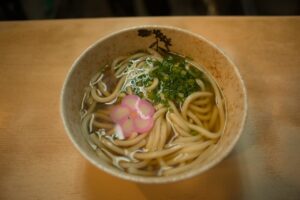
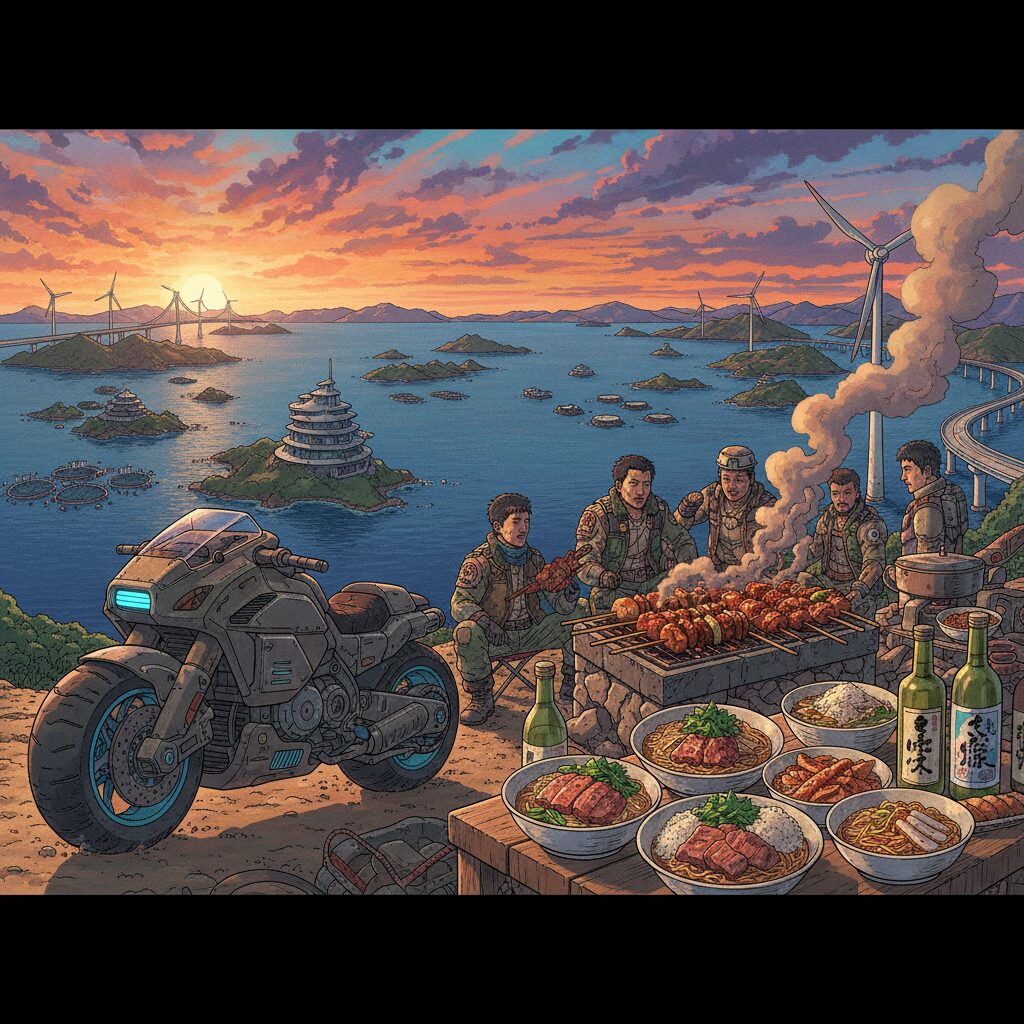
Cycling 150 kilometers demands serious fuel, and luckily, Shodoshima’s food scene is absolutely outstanding. The island boasts a unique culinary identity, shaped by its climate and history. You simply can’t leave without sampling the local specialties. First on the list: somen noodles. Shodoshima is renowned for its hand-stretched, ultra-thin wheat noodles. They’re often served cold with a light, savory dipping sauce, making for the most refreshing and satisfying meal on a warm day. It’s light, hydrating, and provides the perfect carb boost to keep you pedaling.
Then there are the olives — they’re everywhere, and it’s incredible. Naturally, the exceptional, peppery local olive oil is perfect for dipping bread. But the island’s creativity goes beyond that. Two absolute must-tries are “Olive Beef” and “Olive Hamachi” (yellowtail). The cattle and fish are fed a diet supplemented with pressed olives, resulting in meat and fish that are unbelievably tender, rich, and flavorful. This premium product offers a true taste of the island’s distinctive agricultural ecosystem. Finding a restaurant that serves Olive Beef yakiniku or a fresh platter of Olive Hamachi sashimi is an unforgettable culinary experience. It’s the perfect way to reward yourself after a long day of cycling.
Cafe Culture and Seaside Snacks
Beyond the main attractions, the island is dotted with charming cafes and restaurants, often housed in beautifully restored old buildings with stunning ocean views. These spots serve as your sanctuaries. Stopping for a cup of locally roasted coffee and a slice of cake while gazing out at the Seto Inland Sea is an essential part of the Shodo-ichi experience. There are also numerous local shops selling unique products like tsukudani (seafood or seaweed simmered in soy sauce and mirin), a local specialty ideal for souvenirs. And don’t overlook the konbini! Though sparser on the northern coast, convenience stores in larger towns are your lifeline for drinks, onigiri rice balls, and quick energy gels. Planning your stops around these fuel sources is key to a successful and enjoyable ride.
The Practical Playbook: Nailing Your Shodo-ichi Trip
Timing is Everything
So, when is the best time to go? For ideal cycling weather, target spring (March to May) or autumn (October to November). In spring, the weather is mild, the hills are lush and green, and you might even catch some late-blooming cherry blossoms. Autumn is arguably the most stunning season, especially if you plan to ride through Kankakei Gorge, where the hillsides burst into vibrant shades of red, orange, and yellow. Summer (June to August) can be extremely hot and humid, making cycling quite exhausting. Winter (December to February) is cold, and although it can be crisp and clear, the sea breeze can feel biting. Spring and autumn provide the perfect “just right” conditions for a long-distance ride.
One Day or Two? The Pace of Your Journey
Is it possible to complete the full 150km in one day? If you’re a very fit, experienced cyclist, yes, it can be done. It would be a long and demanding day, starting at dawn and ending at dusk, with little opportunity for sightseeing. For most people, however, the best way to enjoy the Shodo-ichi is to split it over two days. This changes the ride from a tough endurance challenge into a genuinely enjoyable experience. You can take your time, explore the sights, savor lunch, and truly soak in the island’s atmosphere. There’s a wide variety of accommodation available, from traditional ryokans with onsen hot springs (ideal for relaxing sore muscles) to welcoming guesthouses (minshuku) and modern hotels. Staying overnight lets you experience the peaceful charm of the island after dark and wake up refreshed, ready for another day of discovery. I strongly recommend the two-day plan — it’s all about the journey, not just reaching the finish.
Navigating the Blue Line
The route itself is incredibly easy to follow. A bright blue line is painted along the side of the road for nearly the entire 150km loop. Simply keep that blue line to your left (if you’re cycling counter-clockwise, which is the recommended direction), and you’ll stay on course. It’s a wonderfully simple and efficient system that allows you to focus on the scenery rather than constantly checking a map. Still, having a GPS app on your phone as a backup is a smart idea, especially if you decide to take detours to seek out a particular art piece or hidden beach. Be mindful of traffic — while many roads are quiet, you’ll share them with cars and local buses, so always stay alert to your surroundings.
The Final Pedal Stroke: More Than a Ride
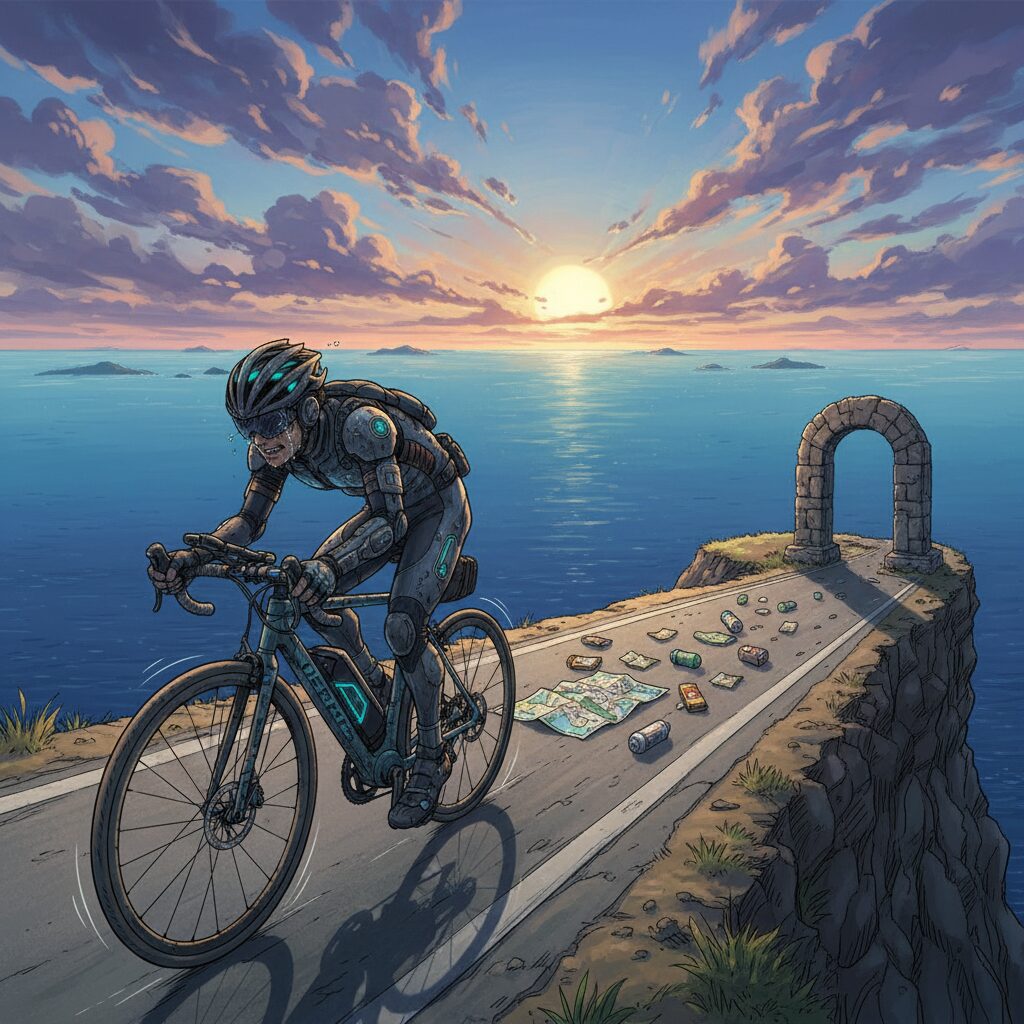
Crossing your own imaginary finish line back at Tonosho Port brings a feeling of pure, unfiltered accomplishment. Your legs may be tired, your skin salty and sun-kissed, but your heart will be completely full. Cycling the Shodoshima 150km is far more than just a physical challenge. It’s an immersion. It’s a dialogue with the place. You connect with the island on a deeply personal level that you simply can’t experience from a car or bus. You feel every hill, you catch every scent on the breeze, and you earn every single view. The journey takes you through breathtaking nature, rich culture, world-class art, and unforgettable flavors. Shodoshima isn’t merely a beautiful island; it possesses a soul, a unique character that gradually reveals itself with every kilometer you pedal. It’s a place that energizes, inspires, and leaves an indelible mark on you. So, if you’re seeking an adventure that is as beautiful and challenging as it is culturally rich, look no further. The blue line awaits. Grab your bike and chase that horizon.