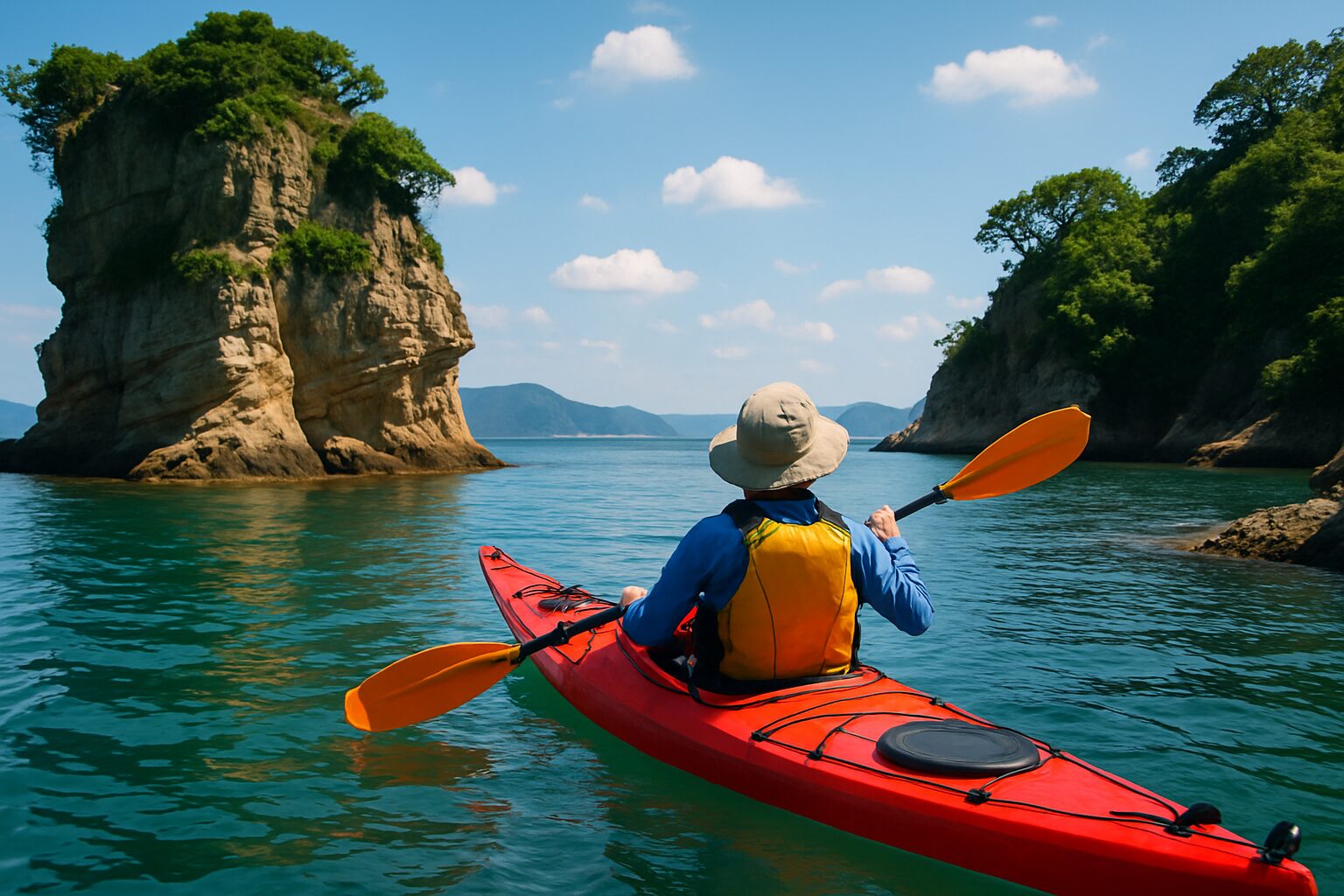
Ayo, let’s get one thing straight. When you picture Japan, your brain probably jumps to the neon chaos of Tokyo or the temple-studded streets of Kyoto. Bet. And while those places are totally lit, there’s a whole other side to this country that’s serving major chill, adventurous vibes. We’re talking about the Seto Inland Sea, Japan’s version of the Mediterranean, and smack in the middle of it is an island that’s the absolute GOAT for an off-the-beaten-path escape: Shodoshima. This ain’t just the island of olives and soy sauce, fam. This is a paddler’s paradise, a place where the coastline tells a story and the best way to listen is from the seat of a sea kayak. Forget crowded trains and tourist traps; we’re about to slide into a world of hidden coves, dramatic cliffs, and water so calm it feels like you’re gliding on glass. This is the real Japan, unfiltered and unbelievably beautiful. It’s time to catch a different kind of wave.
If you’re captivated by the Seto Inland Sea’s artistic islands, you’ll definitely want to explore the neighboring art and nature of Teshima Island.
Why Shodoshima is Low-Key the Best Kayaking Spot
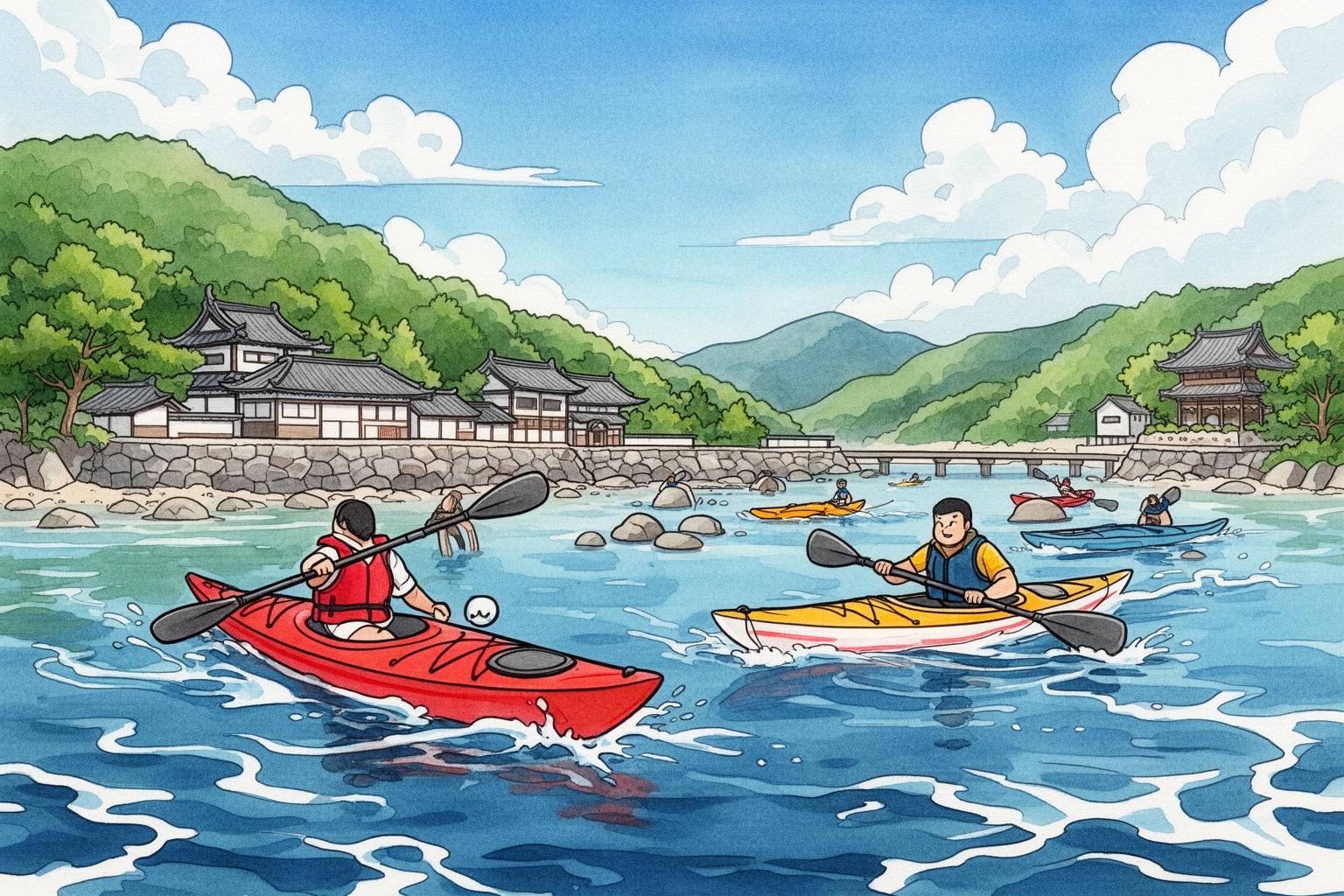
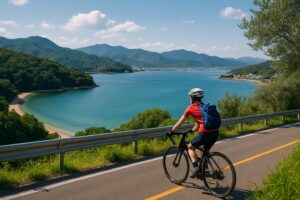
So, what’s the story? Why choose Shodoshima over any other coastal destination in Japan? It all comes down to the Seto Inland Sea, known locally as Setouchi. This body of water is sheltered by three of Japan’s four main islands, effectively turning it into a vast, tranquil lake. Unlike the wild, unpredictable swells of the Pacific Ocean, here you’ll find gentle currents and crystal-clear water, making it an ideal spot for kayakers of all skill levels. Whether you’re an experienced paddler who’s conquered the seven seas or a complete beginner who can barely distinguish the front of the paddle from the back, this place offers a low barrier to entry but incredibly high rewards. The water boasts stunning turquoise and deep blue shades, and on sunny days, the visibility is extraordinary. You can watch fish dart beneath your kayak, see seaweed forests sway with the gentle tide, and spot the sandy bottom in shallower coves. It’s a fully immersive experience that connects you intimately with the marine environment in a way that simply isn’t possible from a ferry or a shoreline viewpoint.
The coastline itself steals the show. It’s far from monotonous; it’s a dynamic collection of geological marvels. One moment, you’re gliding past smooth, sandy beaches that look like they belong on a postcard—perfect for stopping and enjoying a snack. The next, you’re navigating around dramatic, jagged rock formations shaped by wind and water over millennia. There are sea caves to explore, natural arches to paddle through, and sheer cliffs plunging straight into the sea. This diversity is what makes every paddle an adventure. You could spend a week kayaking around Shodoshima without getting bored, as every turn reveals a new landscape, a fresh challenge, and another reason to be amazed. This ever-changing scenery keeps the journey exciting and makes you feel like a true explorer, charting your own path along this ancient and stunning island shore.
Gearing Up for Your Shodoshima Paddle Sesh
Alright, so you’re convinced by the idea. How do you make it happen? The good news is, you don’t need to bring your own gear. Shodoshima is well-prepared for paddle-curious visitors. You’ll find several reliable tour operators and rental shops, mostly located along the southern and eastern coasts where the scenery is most striking. Booking a guided tour is definitely the way to go, especially for first-timers. These local guides are the real MVPs—they know the waters inside and out, the best routes for the day’s weather, secret spots you’d never discover alone, and the history behind the landscapes you’ll paddle past. A typical half-day tour, which is a perfect starting point, usually lasts about three hours. This includes all your gear (a stable sit-on-top kayak, a paddle, and an essential life vest or PFD), a safety briefing, and some basic paddling instruction. You’ll feel ready before you even hit the water.
Full-day tours are also available if you’re feeling more adventurous. These often include a packed lunch, eaten on a secluded beach accessible only by sea—talk about an exclusive dining experience! For experienced kayakers, renting a kayak for a solo trip is an option, but you’ll need to demonstrate your experience and sea safety knowledge. The weather in the Setouchi can be tricky; it might appear calm, but winds and currents can change suddenly. Going with a guide removes that worry and lets you fully enjoy the stunning surroundings.
Timing is crucial to getting the best experience. The absolute sweet spots are spring (late March to May) and autumn (October to November). During these seasons, the weather is ideal: warm, sunny days with low humidity and comfortable temperatures. The water might be a bit chilly in spring, but the cherry blossoms blooming along the coast are breathtaking. In autumn, the changing leaves on the hillsides provide a beautiful backdrop of red, orange, and yellow. Summer (June to August) is also popular. While it’s hot, the warm water is perfect for a refreshing mid-paddle swim. The only things to watch out for are Japan’s rainy season in early summer and the peak typhoon season in late summer/early autumn (mainly August and September). Always, always check the weather forecast before booking and before heading out. Your tour operator will keep a close eye on conditions and will cancel or reschedule if it’s unsafe — no paddle is worth the risk.
The Scenery? It’s Giving Main Character Energy
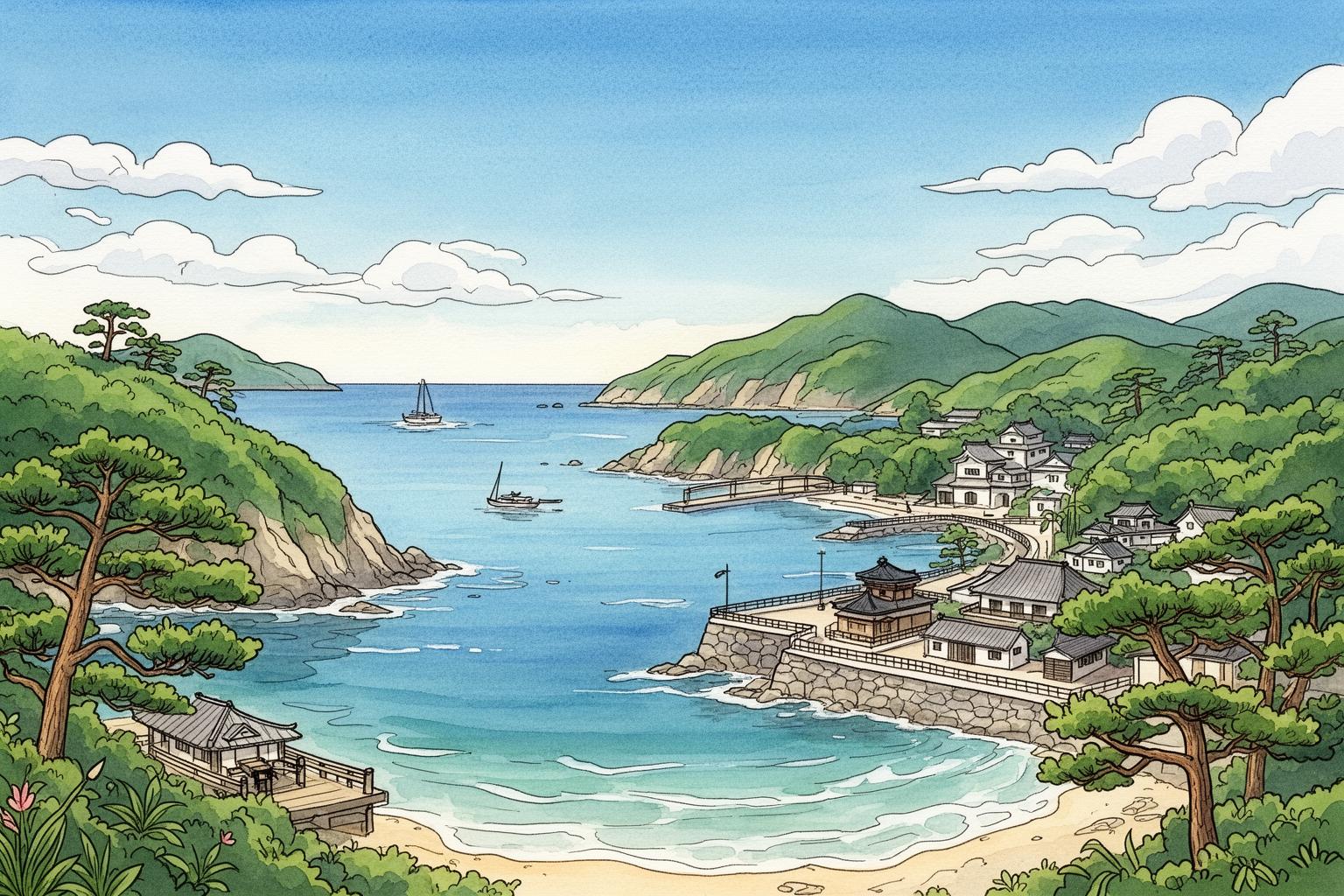
Get ready for your spotlight moment, because the views from the water are truly next-level. You’re not just observing the sights; you’re immersed in them, experiencing a perspective that 99% of visitors never do. The steady rhythm of your paddle becomes the soundtrack to an unforgettable visual adventure.
Paddling to Angel Road: A Truly Heavenly View
You’ve probably seen photos of Angel Road, the iconic sandbar that appears at low tide, linking Shodoshima to a chain of smaller islets. It’s a major tourist hotspot, often crowded with people trying to capture that perfect Instagram shot from the shore. But from a kayak, it’s an entirely different experience. Rather than being part of the crowd, you witness the magic from your own private floating throne. Paddle around the islets, explore the normally inaccessible coastline, and watch the sandbar slowly emerge as the tide recedes. It feels almost sacred, deeply spiritual. The water here is shallow and crystal clear, letting you see the intricate patterns in the sand beneath. Paddling during a tranquil morning sunrise, with the gentle lapping against your boat, is an experience that will stay with you forever. It’s a serene and profound way to witness one of Japan’s most unique natural wonders, far from the bustling crowds.
The Kankakei Coastline: Majestic Gorge Views from Below
Kankakei Gorge is one of Japan’s most famed scenic spots, known for its towering cliffs and breathtaking ropeway vistas. What many don’t realize is that the grandeur extends down to the sea level. From a kayak, you experience the base of this magnificent landscape. Paddle alongside sheer cliffs that soar hundreds of feet overhead, their faces adorned with windswept pines gripping for survival. The scale is humbling and awe-inspiring. You feel wonderfully small, dwarfed by nature’s vastness. The acoustics amplify the moment: your paddle’s splash echoes off the rocks, and sea birds’ calls reverberate all around. It’s an epic sensory feast. Up close, you can admire rock formations weathered into strange and beautiful shapes over millions of years—details easily missed when viewed from the gorge’s summit. It’s like seeing a famous masterpiece from the artist’s vantage point.
Ghost of the Samurai: Osaka Castle Quarries
Here, a kayaking trip on Shodoshima offers a powerful dose of history. In the 17th century, when the Tokugawa shogunate rebuilt Osaka Castle, they required immense quantities of top-quality granite. Where better to source it than Shodoshima? The island was transformed into a massive quarry, with clear evidence carved into the coastline. As you paddle along certain stretches, especially on the eastern side, you’ll notice vast, sheer rock faces cut with stunning precision. These aren’t natural cliffs—they’re man-made remnants of a monumental historical project. You may even spot abandoned, half-cut stones bearing the crests of feudal lords (daimyo) who supervised the quarrying. These are called ‘zanseki’, or ‘stones of regret’. It’s surreal to float in your modern kayak, gazing at these 400-year-old scars and imagining the thousands of workers laboring here. Your guide can highlight key features and share stories that bring this open-air museum vividly to life. It’s a uniquely tangible connection to Japan’s samurai history found only on this island.
Discovering Your Own Private Beach: The Ultimate Flex
One of the purest pleasures of sea kayaking is the freedom to roam. Shodoshima’s coastline is dotted with tiny, secluded beaches and coves inaccessible by land. This is your chance to live out a castaway dream. Paddle around a headland to find a flawless crescent of white sand completely deserted—it’s the ultimate flex. Here, you can beach your kayak, kick off your shoes, and simply be. Swim in the crystal-clear water, have a picnic, lie back on the sand, and listen to the waves. These moments define the trip. It’s not about ticking off sights; it’s about crafting your own unforgettable memories. That feeling of discovery, of owning a slice of paradise all to yourself, is deeply rejuvenating. So go on—find your spot. It’s waiting for you.
Shodoshima’s Vibe Check: Beyond the Kayak
Kayaking provides a unique way to experience the island, but the essence of Shodoshima runs much deeper. The rhythm of your paddle aligns with the slow, intentional pace of island life. After a few hours on the water, you’ll feel a stronger connection to the place, ready to immerse yourself in its distinctive culture.
Olives, Soy Sauce, and Somen: Refueling Island-Style
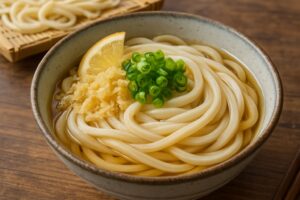
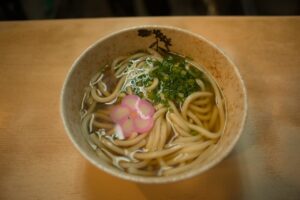
Shodoshima is a quiet paradise for food lovers. The island is renowned for two seemingly unlikely pairings: olives and soy sauce. After a satisfying paddle session, you’ve earned the chance to indulge. Visit one of the island’s many soy sauce breweries, some of which have been in operation for centuries. You can take a tour, observe the huge wooden barrels where the shoyu ferments, and taste the striking difference between mass-produced varieties and the authentic product. The rich, complex flavor is truly eye-opening. Then there are the olives. Shodoshima was the first location in Japan to successfully cultivate them. Stop by an olive park, wander through the groves, and sample some incredibly fresh olive oil. And you absolutely must try the olive oil soft-serve ice cream. It might sound odd, but trust me, it’s a revelation. For a hearty meal, enjoy some ‘somen,’ thin white noodles that are another island specialty. A post-kayak dish of cold somen with a rich soy dipping sauce is the ultimate refreshment.
Art Island Energy: The Setouchi Triennale and Beyond
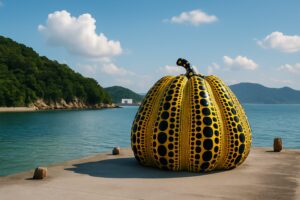
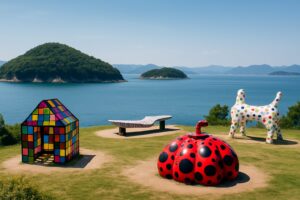
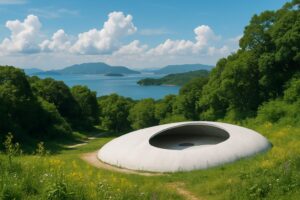
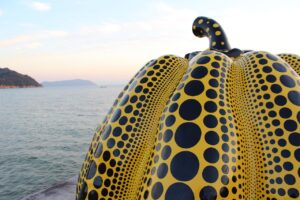
Shodoshima plays a vital role in the Setouchi Triennale, a large contemporary art festival that takes over the region every three years. Even during the off years, the island is scattered with amazing art installations. Many are situated right along the coast, and seeing them from your kayak offers an entirely unique viewpoint. Imagine paddling toward a giant, shimmering bamboo dome on the shore or a mysterious, geometric sculpture perched on a pier. It adds a surreal layer of wonder to your adventure. The art here doesn’t stay confined to formal galleries; it’s woven into the landscape, interacting with nature and the community. This perfectly matches the island’s creative and slightly quirky vibe.
Paddling Past Pilgrims: A Spiritual POV
Here’s a cultural insight: Shodoshima has its own 88-temple pilgrimage route, a miniature version of the famed route on the larger island of Shikoku. This path circles the island, and many temples are tucked into the hills just above the coast. As you paddle, you might catch glimpses of temple gates or pagodas peeking through the trees. You may even spot pilgrims in their traditional white clothing and sedge hats walking along the coastal roads. There is a beautiful parallel between your physical journey on the water and their spiritual journey on land. Both of you move through the same sacred landscape, propelled by your own efforts—one paddle stroke or one step at a time. It serves as a quiet reminder that this island has been a place of deep spiritual meaning for centuries. From your kayak, you become a silent observer of this living tradition, sensing the peaceful, contemplative energy that fills the island.
Practical Deets for Your Epic Trip (No Cap)
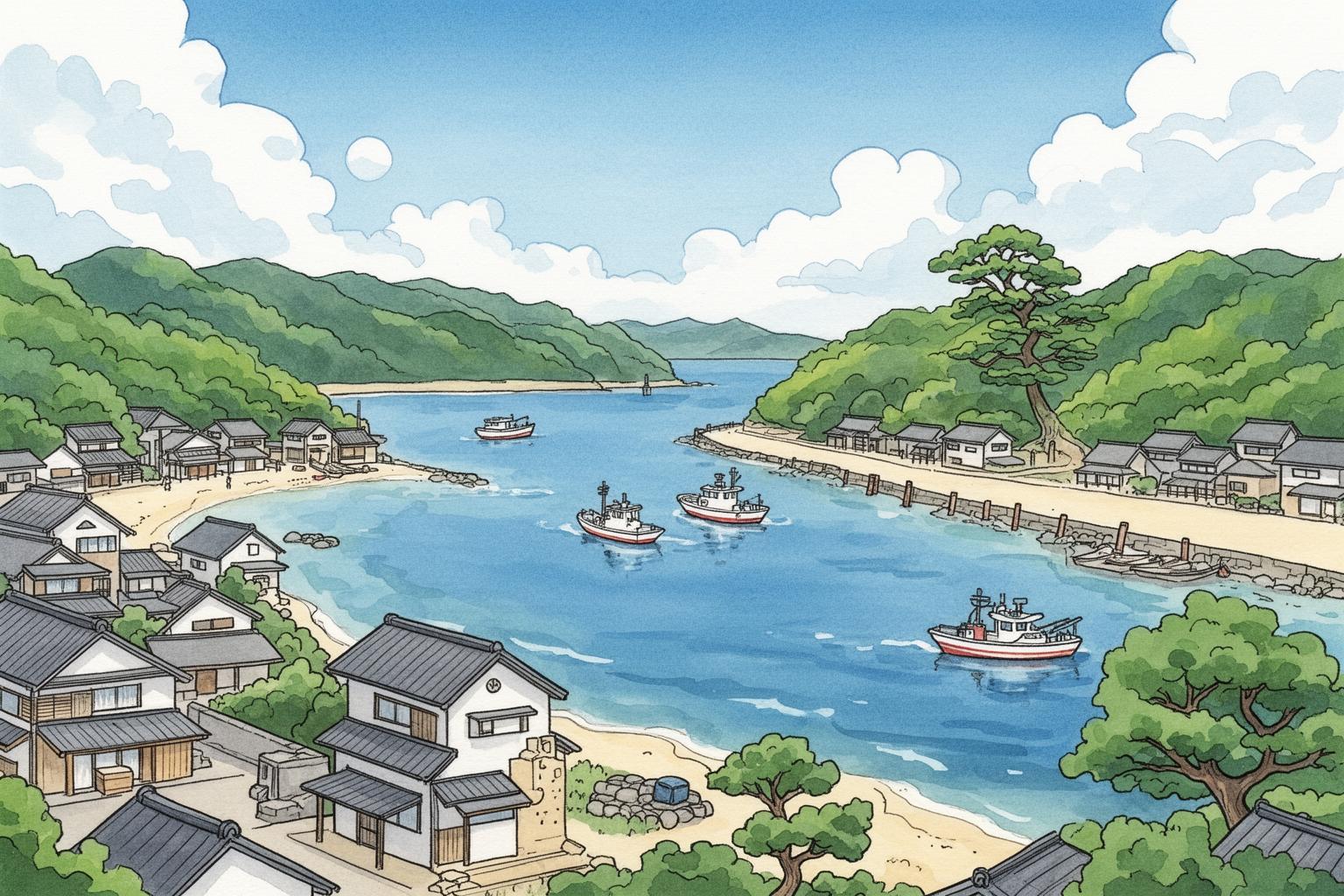
Alright, let’s dive into the details. Planning a trip to an island might seem overwhelming, but getting to Shodoshima is actually quite simple. You just need the right information.
Getting There is Part of the Experience
Since Shodoshima has no airports, you’ll finish your journey with a boat ride—an ideal way to ease into island mode. The main departure points are Takamatsu on Shikoku Island and Uno Port in Okayama on the mainland. Multiple ferry companies operate several daily routes to various ports on Shodoshima such as Tonosho, Ikeda, and Kusakabe. You can choose between slower, scenic car ferries and faster passenger-only boats. The car ferries are fantastic; you can stand on deck, feel the sea breeze, and watch the Setouchi islands drift by. The trip itself is part of the fun. There are also ferries from Himeji and Kobe, though they run less often. Be sure to check ferry schedules online before you travel, as times can vary seasonally.
Getting Around the Island
Shodoshima is larger than it appears, and public transport isn’t very frequent. To enjoy full freedom—especially if you want to reach secluded kayak launch spots—renting a car is your best option. Rental agencies are conveniently located near the main ports. If you don’t drive, the local bus network covers key attractions, but you’ll need to plan around the bus schedule. For shorter trips, renting an electric bike is a fun and effective way to explore areas like the olive groves and soy sauce district.
What to Pack: The Essential Kit
A little preparation will make your kayaking trip much smoother. Here’s a handy list:
- Sun Protection: Absolutely essential. The sun reflecting off the water is strong. Bring high-SPF, waterproof sunscreen, a wide-brimmed hat, and sunglasses (with a strap so they don’t get lost to the sea gods).
- Appropriate Clothing: Opt for quick-drying fabrics. A rash guard or synthetic t-shirt works well. In cooler weather, layer with a fleece or windbreaker. Avoid cotton since it stays wet and cold. Shorts or leggings are ideal for your lower half.
- Footwear: Wear water shoes, old sneakers, or secure sandals—no flip-flops, as they’ll just float away. You need footwear that will stay on during launching and landing.
- Hydration and Snacks: Bring a reusable water bottle. Paddling is physical activity, so stay hydrated. Pack a few snacks like granola bars or nuts to keep your energy up.
- Waterproof Bag/Case: To protect your phone, camera, and wallet. Most tour operators provide a larger dry bag for the group, but it’s also wise to have a small personal one for essentials.
- Change of Clothes: It’s nice to have something dry and comfortable to change into after paddling. Keep it in your car or with the tour operator.
- Small Towel: For drying off afterward.
The Final Takeaway: Shodoshima is a Whole Mood
You can visit a hundred temples and shrines, but nothing connects you to the heart and soul of a place quite like gliding along its coastline under your own power. Sea kayaking on Shodoshima isn’t just a sport; it’s a form of meditation—a conversation with nature, history, and the gentle, enduring spirit of the Seto Inland Sea. With every paddle stroke, the noise and stress of the modern world fade further away. You begin to notice the little things: the way light dances on the water, the unique shade of green on a pine tree, the sound of cicadas buzzing on a hot summer day. You feel the sun warming your skin and the cool spray of the sea on your face. It’s real, raw, and incredibly beautiful.
Shodoshima offers a rare travel experience—both adventurous and deeply peaceful. It’s a place that invites you to slow down, observe more closely, and find your own rhythm. Whether you’re passing the monumental ghosts of the castle quarries, discovering a secluded beach that feels like your own, or simply floating in a quiet cove listening to the island’s sounds, you’re creating memories far beyond just a photo on your phone. You’re weaving yourself into the island’s story. So if you’re seeking a journey that’s less about rushing and more about pausing, then look no further. Grab a paddle, head to Shodoshima, and let the island reveal what it’s truly about. It’s a vibe, no cap.